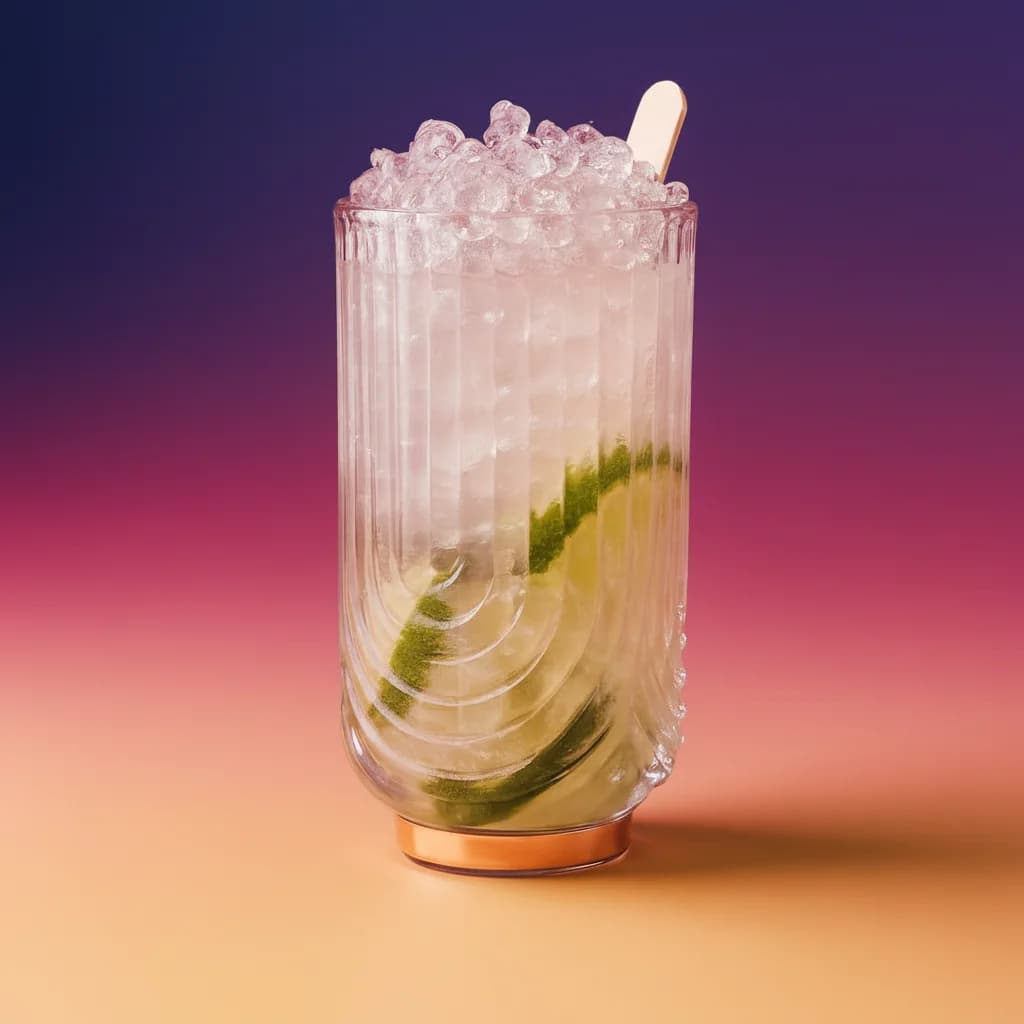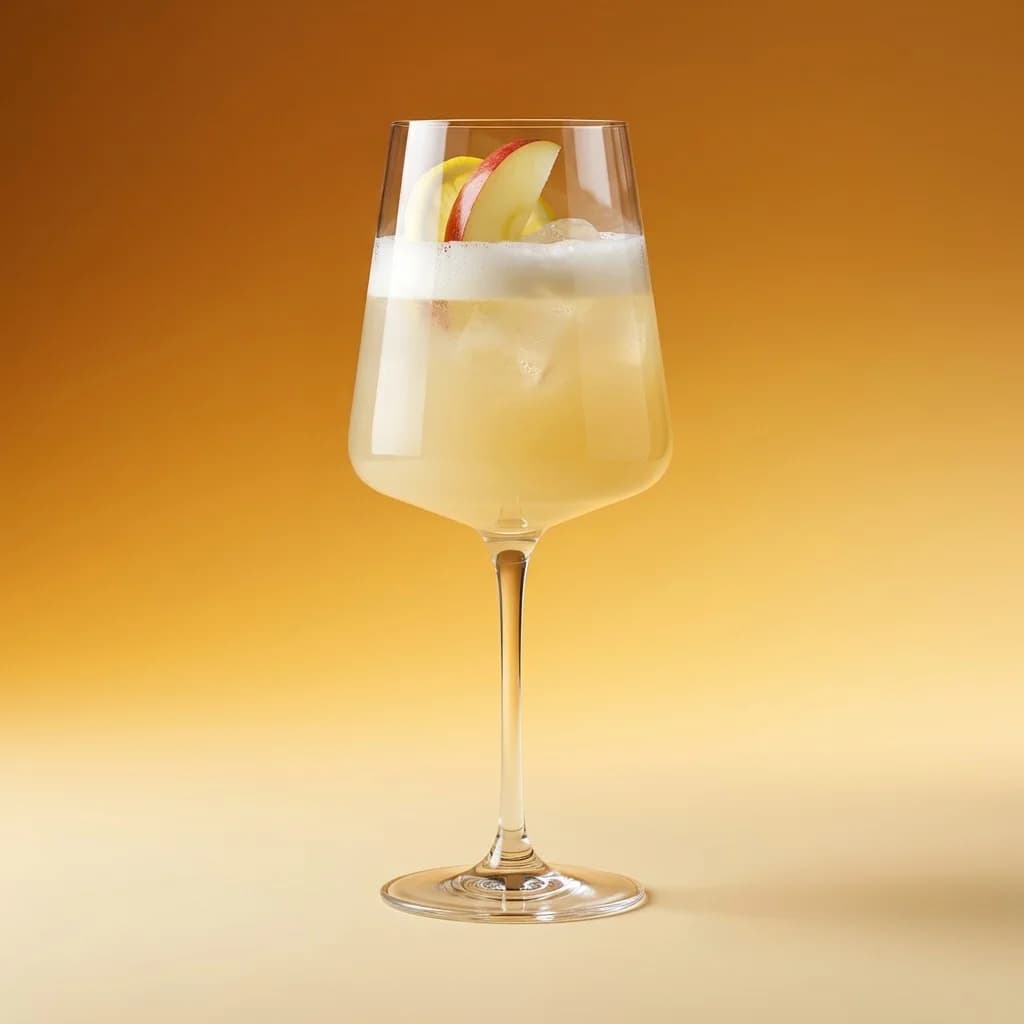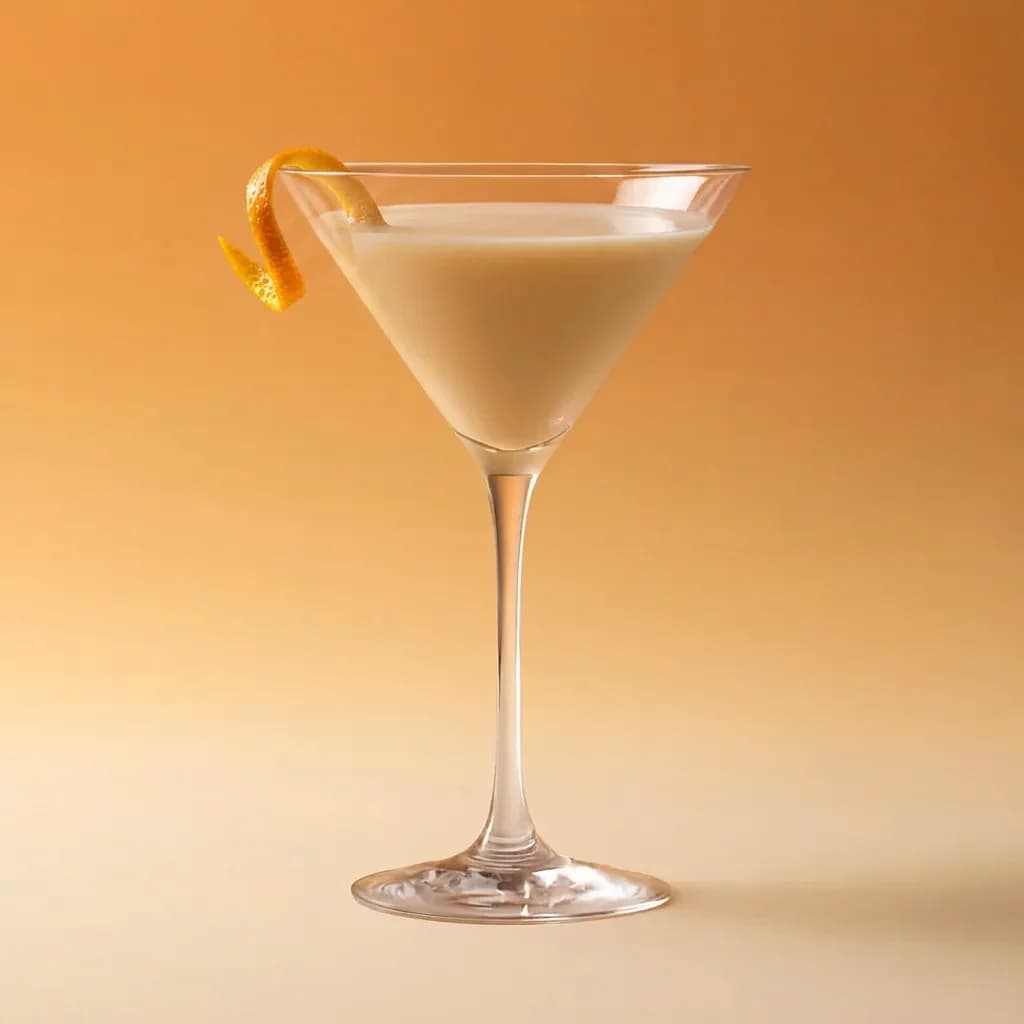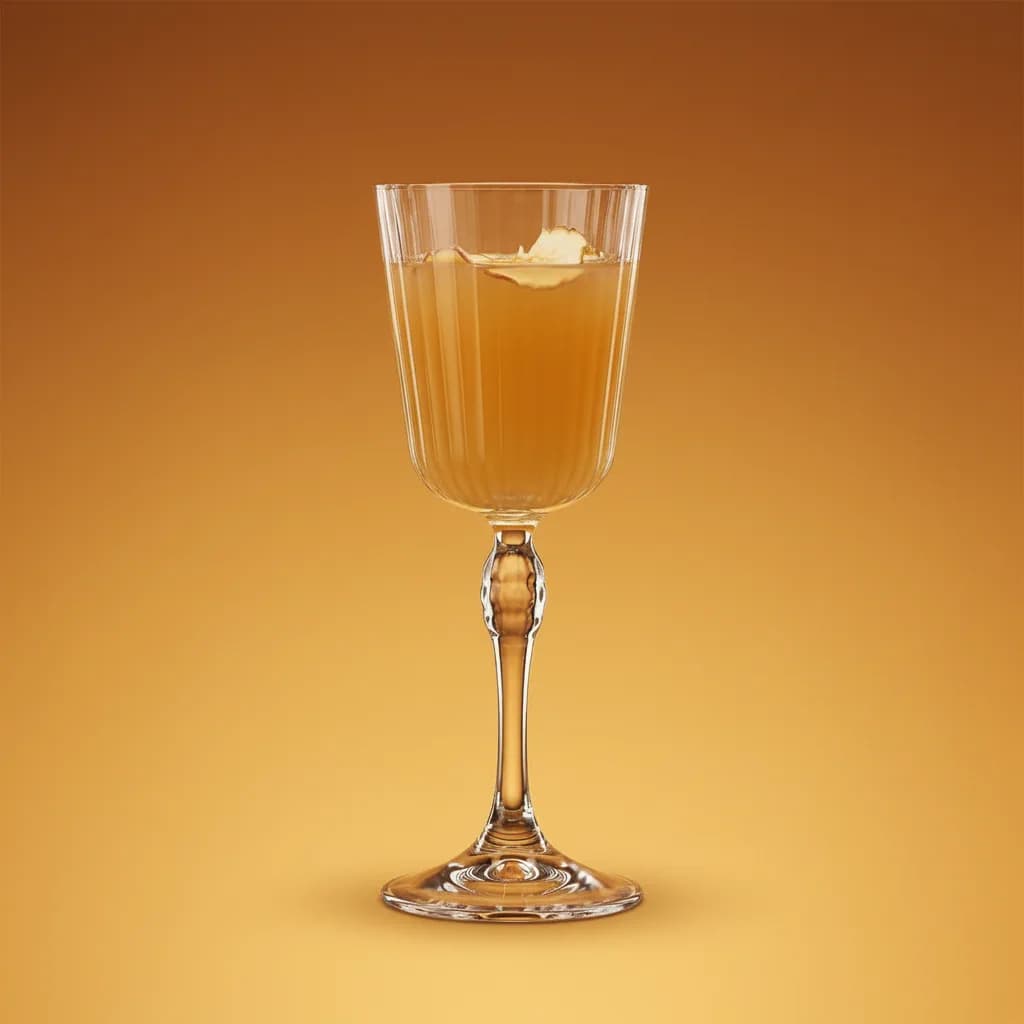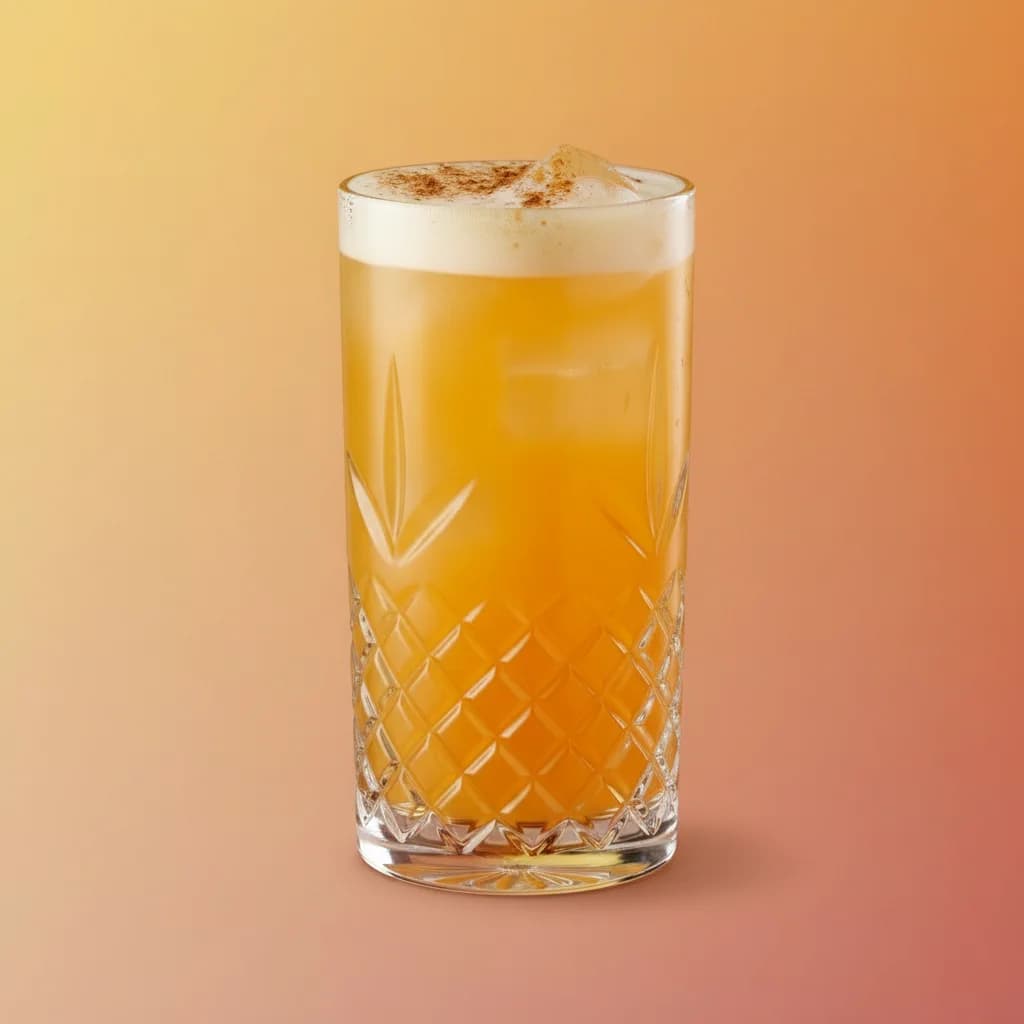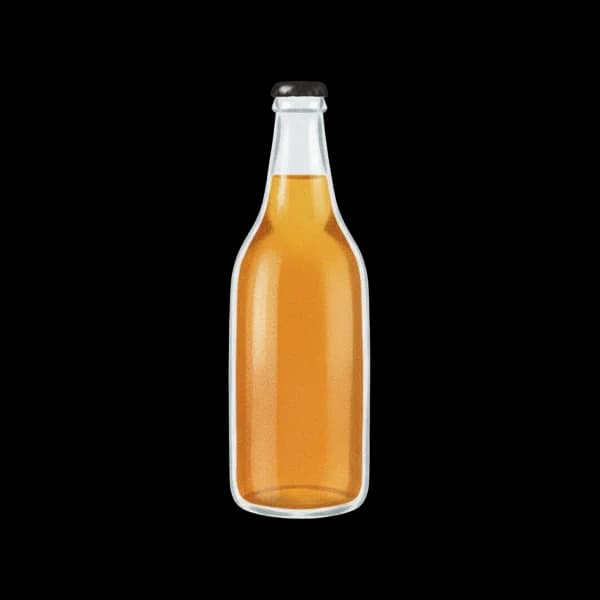
Cocktails with Apple cider (unsweetened)
Apple cider (unsweetened) is a low-alcohol drink of apple juice fermented close to dry.
ABVabout 5%
Substitutes for Apple cider (unsweetened)
Fermentation is what separates it from juice: dryness, a little alcohol and a savory depth that no unfermented apple brings. A non-alcoholic route covers the fruit and the fizz and leaves the depth out.
Often confused with
Unfermented cider (US)
In the US "apple cider" often means cloudy unfermented juice with no alcohol; this card is about dry fermented cider with an ABV. Build a highball on the juice and the drink loses its strength and comes out sweet.
Description
Unsweetened cider is fermented apple juice and nothing else, which puts it nearer a dry white wine than anything in the soft-drink aisle. The sugar the apples came with has gone into alcohol, so what is left is acidity, tannin from the skins and a fruit note that is drier than the smell suggests. That dryness is what makes it useful. It lengthens a drink and brings apple without bringing sugar, and any recipe that assumed a sweet cider will come out sharp on it.
Storage
Once opened it loses carbonation and freshness; keep refrigerated and use within a few days.