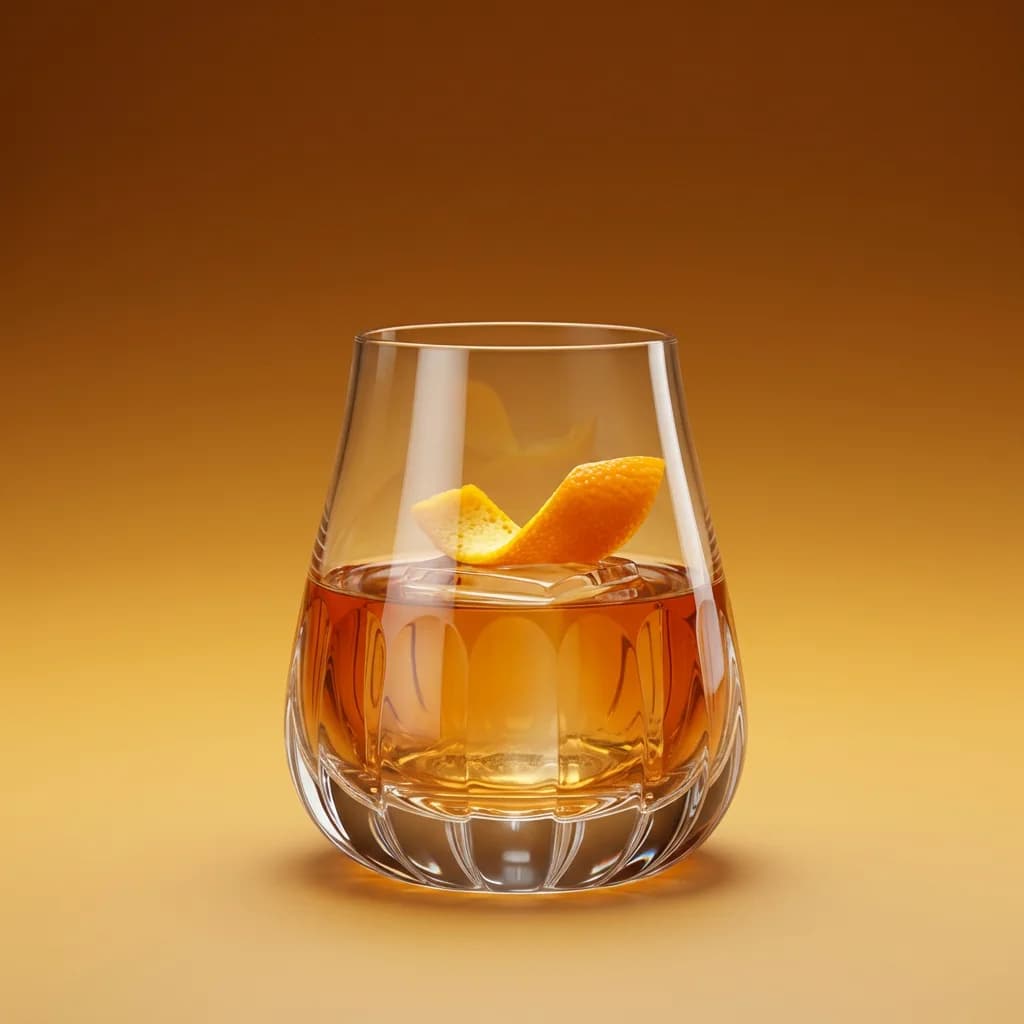
Calvados Appletini
A fruity, sour and bubbly brandy cocktail ∙ Shake ∙ 3 min ∙ 14.6% ABV ∙
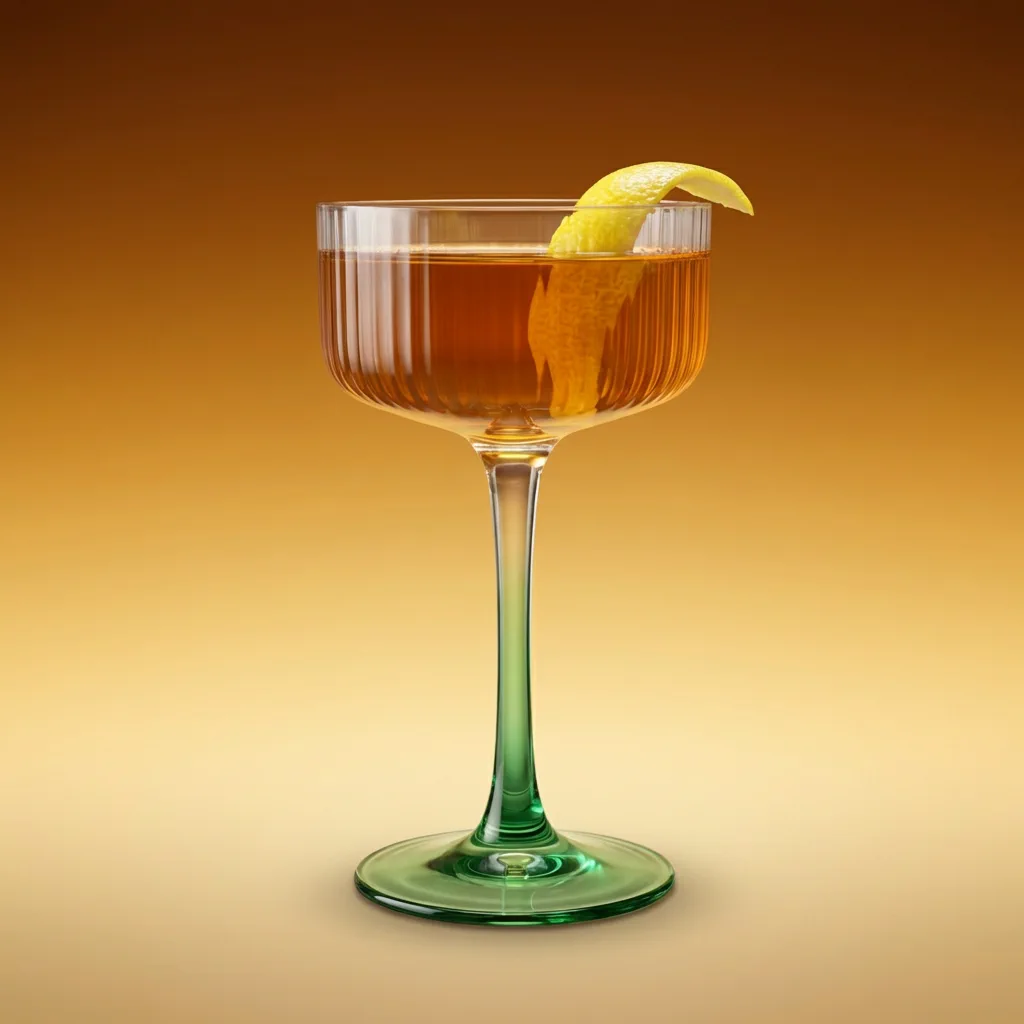
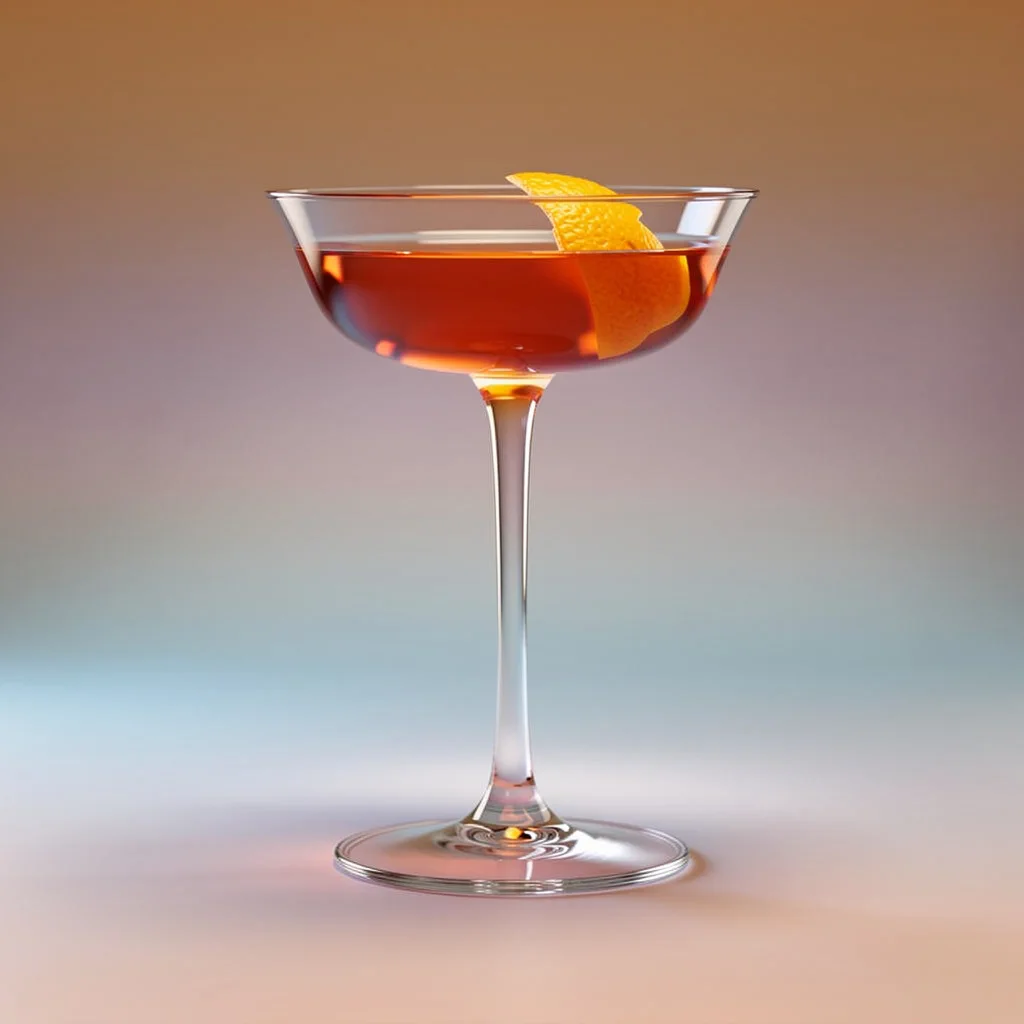
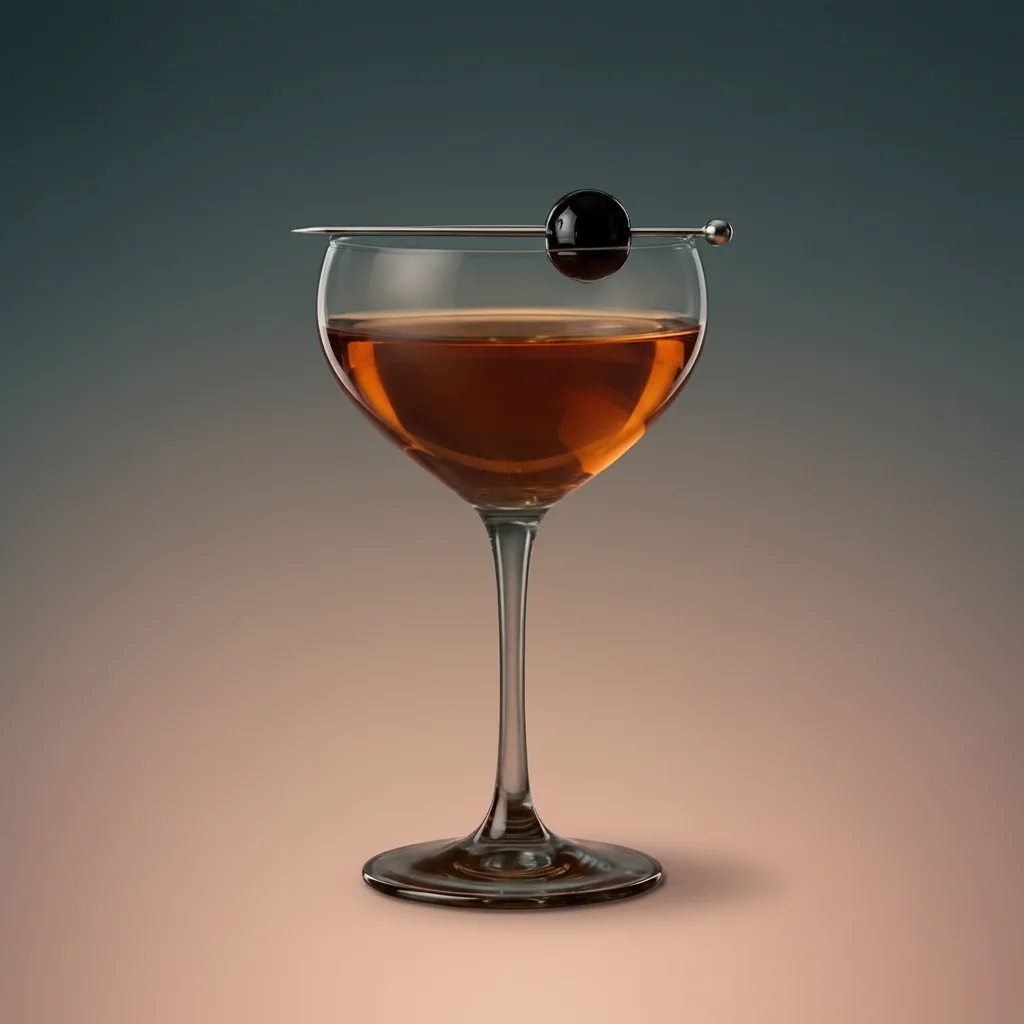
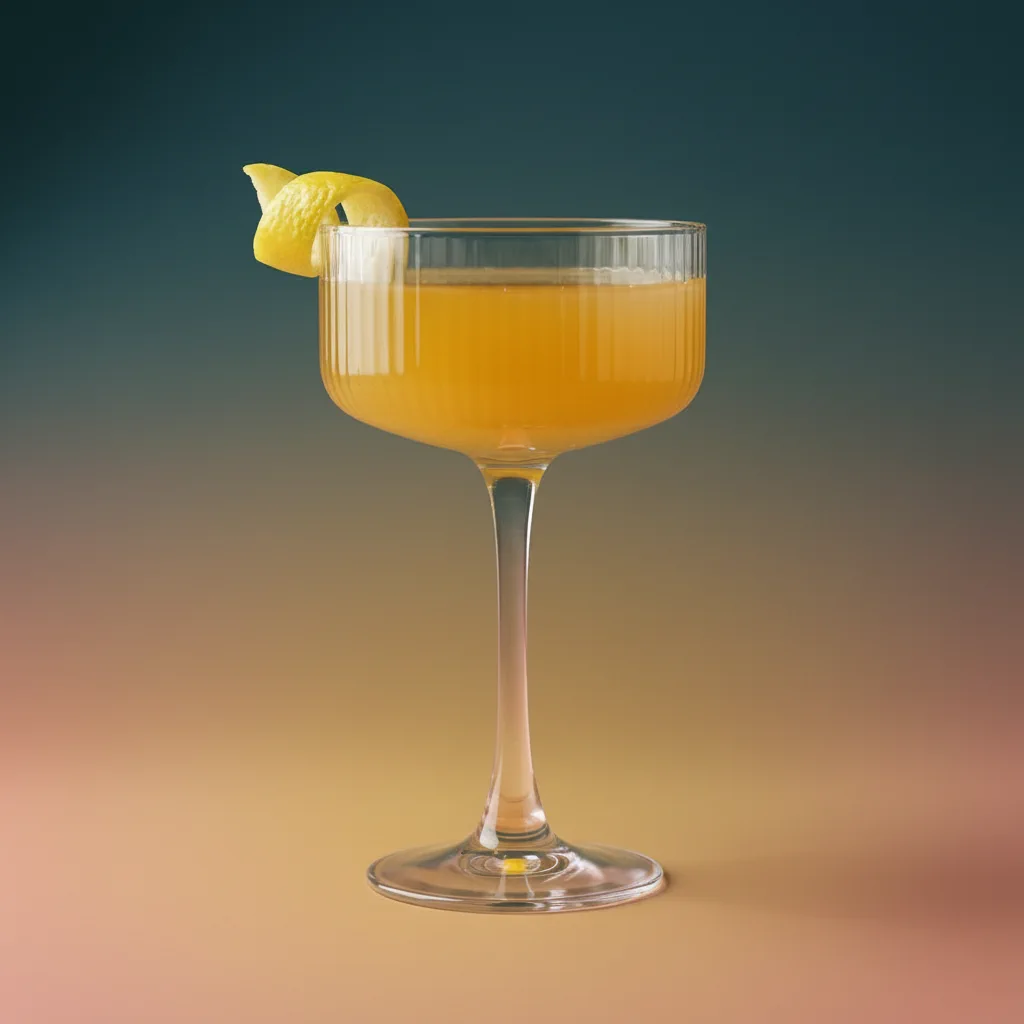
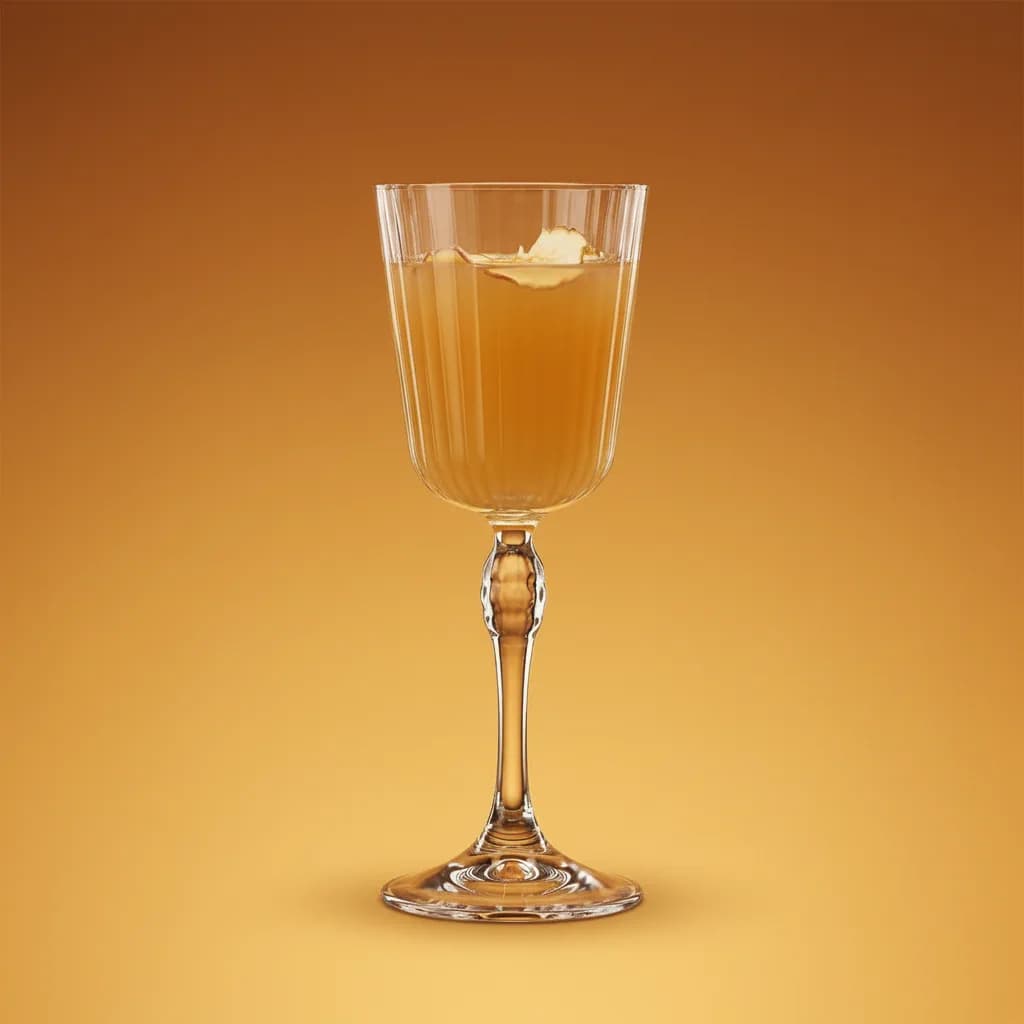
The Calvados Appletini is a shaken sour built on Calvados apple brandy, unsweetened apple cider, lemon juice, and sugar syrup, served up in a martini glass. Baked apple and orchard spice open the sip, sharp lemon cuts through the middle, and a clean, dry finish keeps the sweetness from lingering.
Ingredients
1
Servings
Garnish
Instructions for 1 serving
- Pre-chill a glass
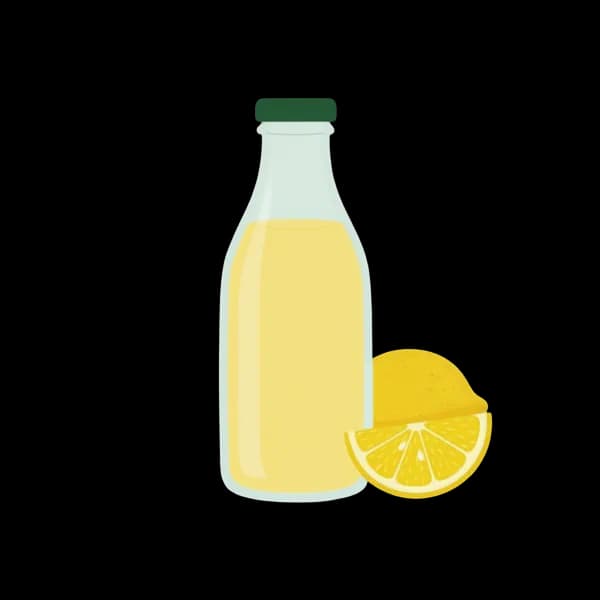
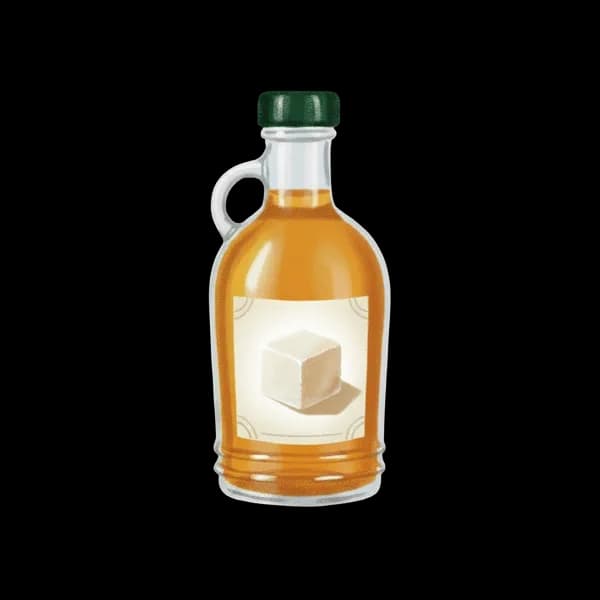
- Shake all ingredients with ice: Calvados 40 mlApple cider (unsweetened) 30 mlLemon juice 20 mlSugar syrup 10 ml
- Fine strain into the chilled glass
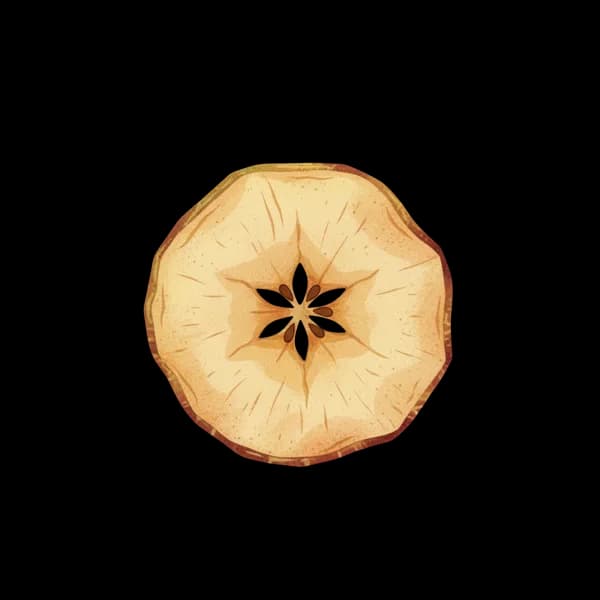
- Garnish with a dehydrated apple slice floated on the cocktail
History
The Calvados Appletini is a variation on the Appletini, a cocktail credited to bartender Adam Karsten, who created it in 1996 at Lola's, a restaurant in West Hollywood, Los Angeles (some accounts date the creation to 1997). It was originally called the Adam's Apple Martini after its creator before the name was shortened to Appletini.
The standard version is built on vodka with apple juice, cider, or apple liqueur, and this Calvados variation swaps in French apple brandy from Normandy for the base spirit, replacing the vodka with the aged apple eau-de-vie for a more complex, oak-inflected apple character.
FAQ
How do you make a Calvados Appletini?
Shake Calvados, unsweetened apple cider, fresh lemon juice, and sugar syrup with ice, then fine-strain into a chilled martini glass and garnish with a dehydrated apple slice. The shake is essential to chill the drink fully and integrate the syrup, since it is served up with no ice in the glass.
What is a Calvados Appletini made of?
Calvados apple brandy, unsweetened apple cider, fresh lemon juice, and sugar syrup, shaken and served up. This build uses Calvados rather than vodka, giving it a deeper, orchard-driven apple flavor than the classic vodka-based Appletini.
Is a Calvados Appletini shaken or stirred?
Shaken. The cider, lemon juice, and syrup all need the aeration and quick chill of a hard shake; stirring would leave the drink flat and under-diluted.
What glass is a Calvados Appletini served in?
A martini glass, served up with a dehydrated apple slice as garnish and no ice in the glass.
What kind of alcohol is Calvados?
Calvados is a French brandy distilled from fermented apples (and sometimes pears), produced in the Normandy region. It is aged in oak barrels, which gives it color and a rounder, slightly woody character alongside its apple base.
Can I use apple brandy instead of Calvados?
Yes, any dry apple brandy works as a substitute, though Calvados specifically must come from Normandy under French appellation rules. Other apple brandies are made the same way but lack that geographic designation, so the flavor can vary more bottle to bottle.