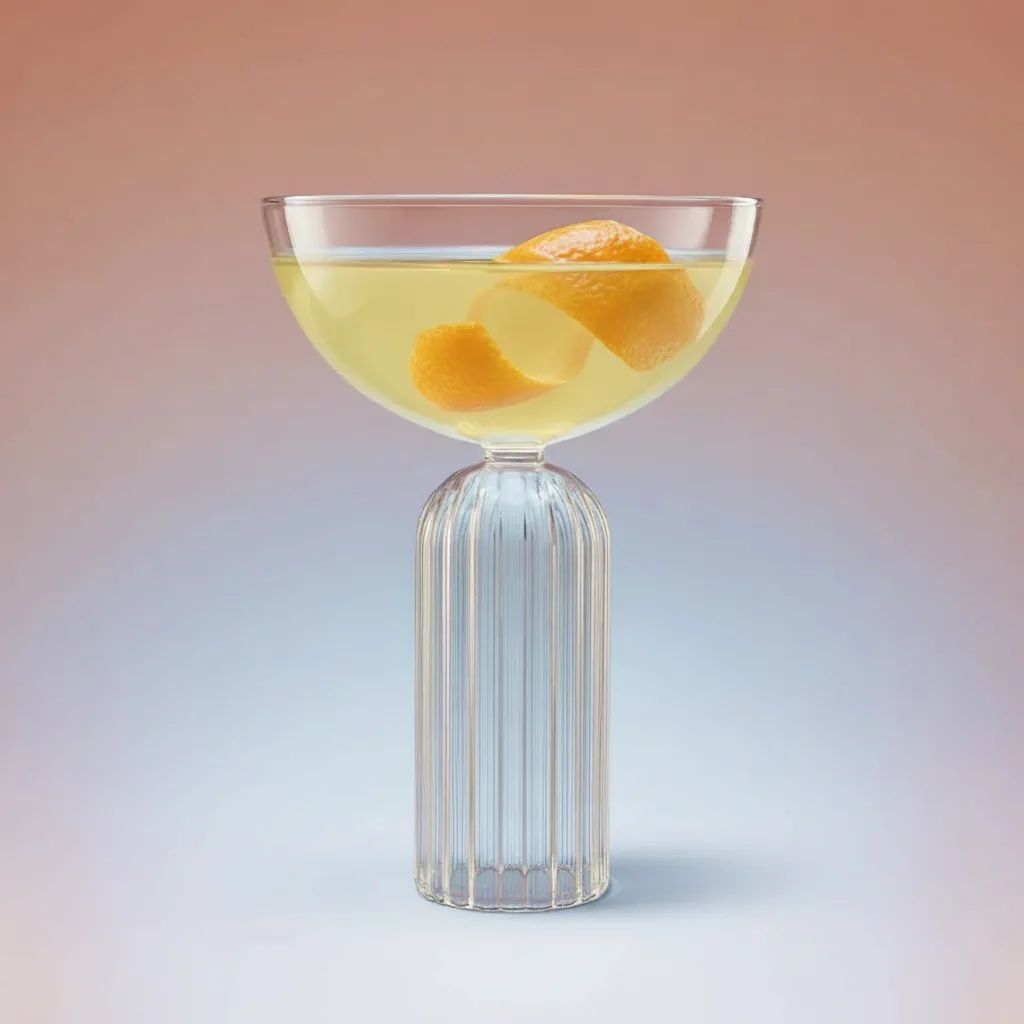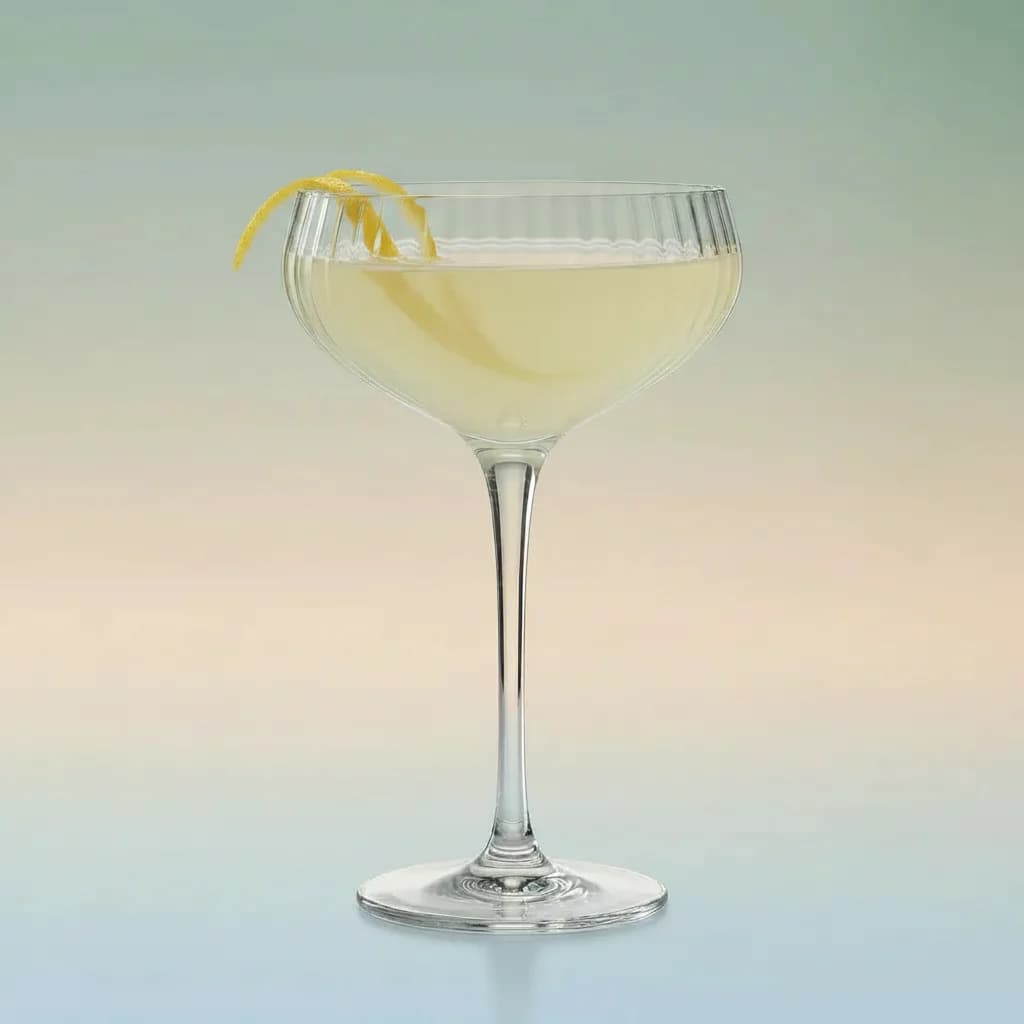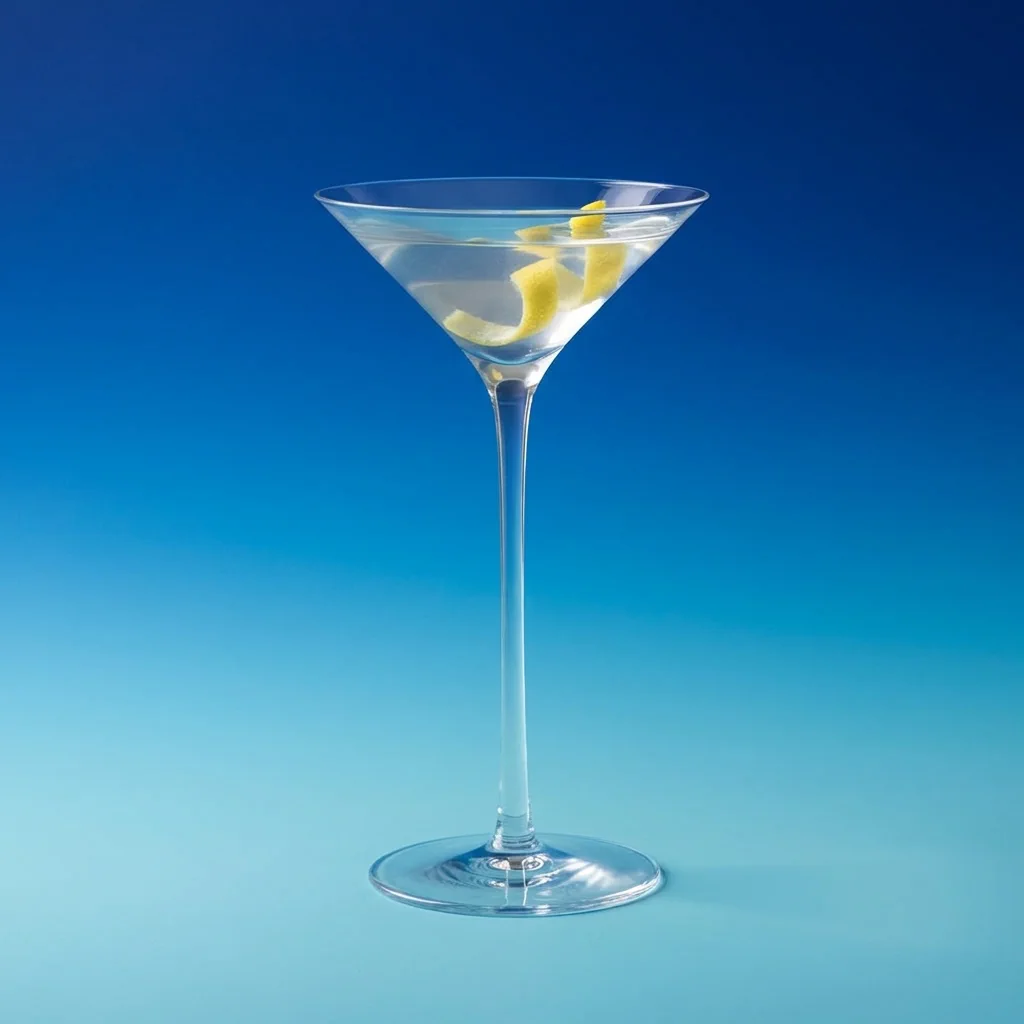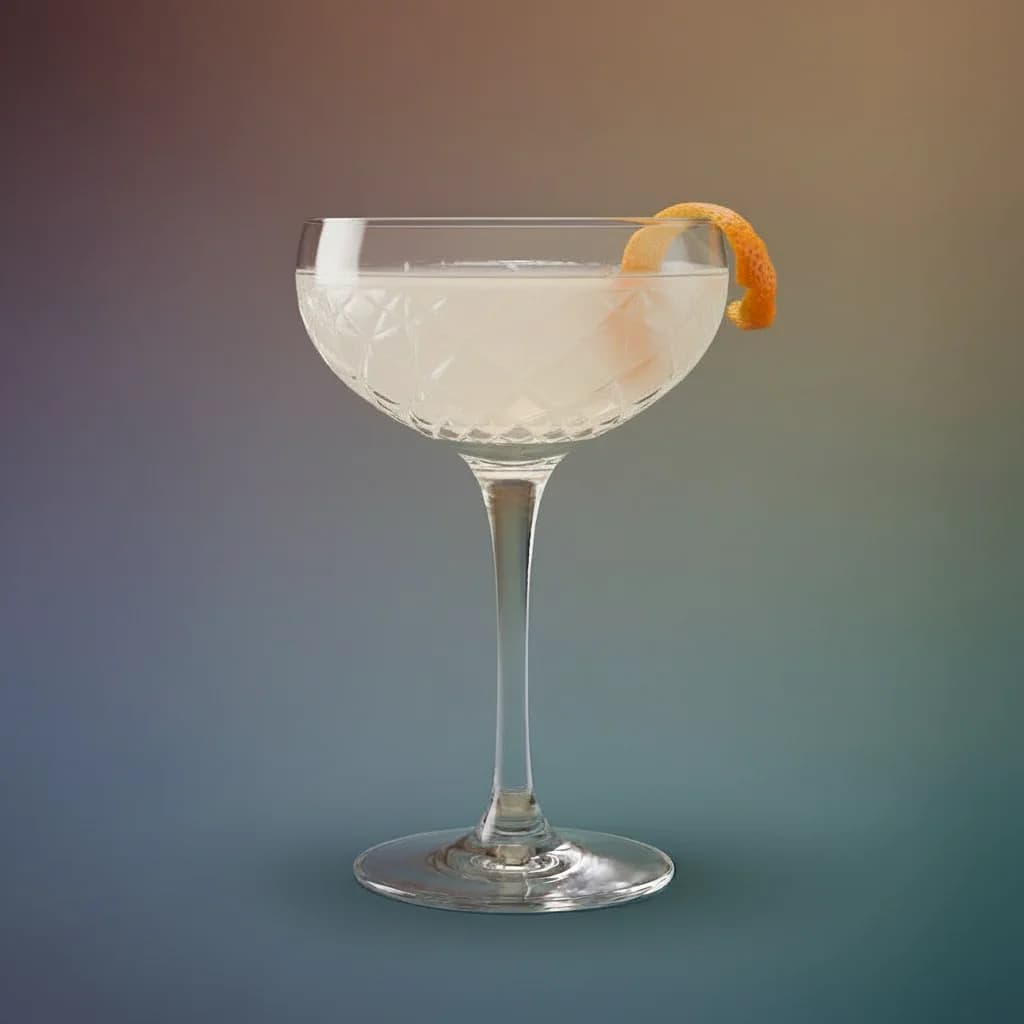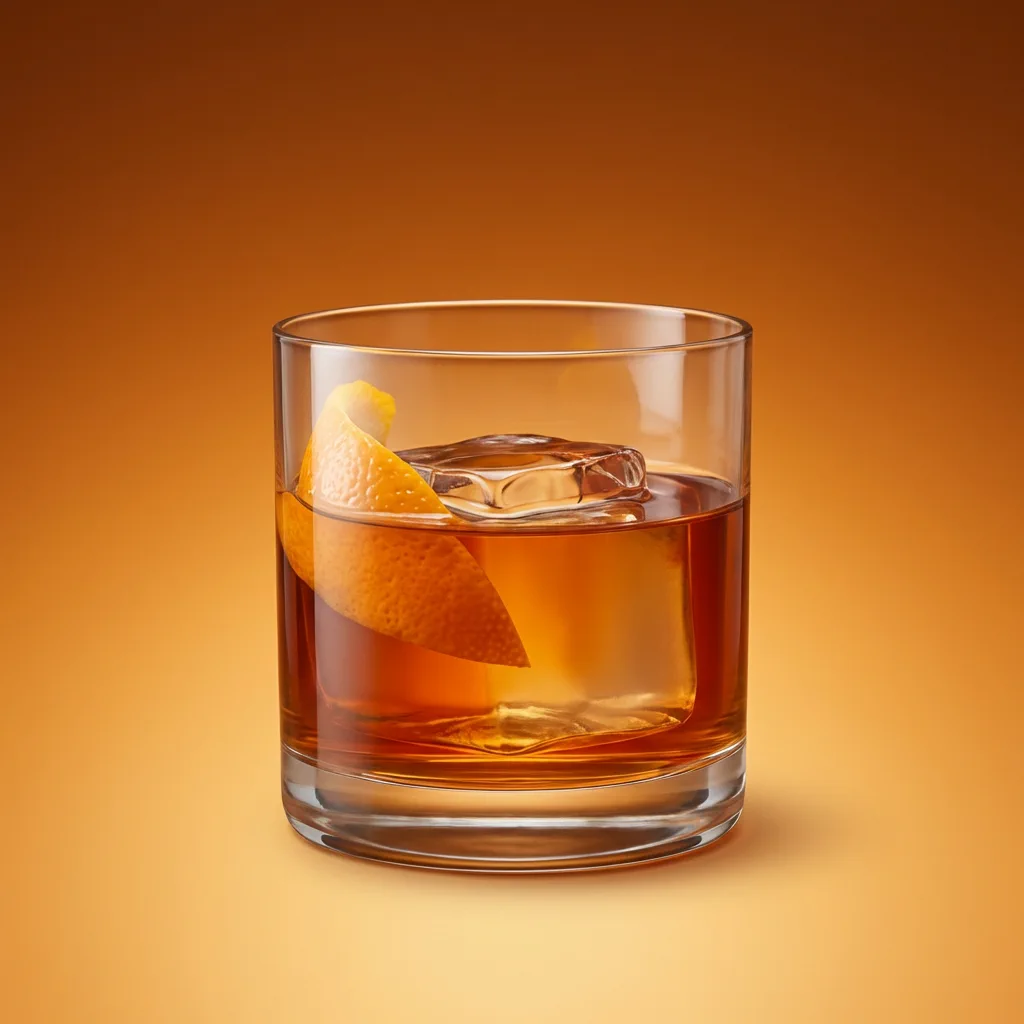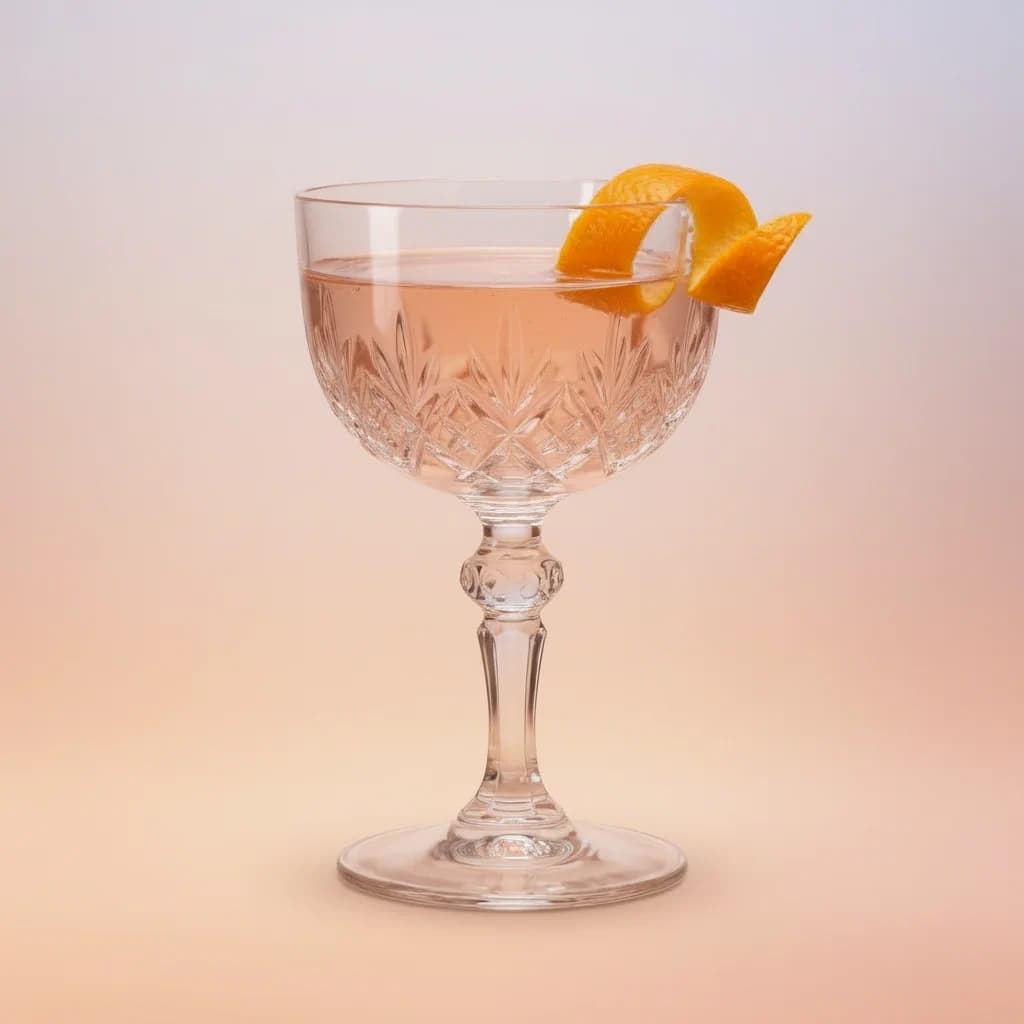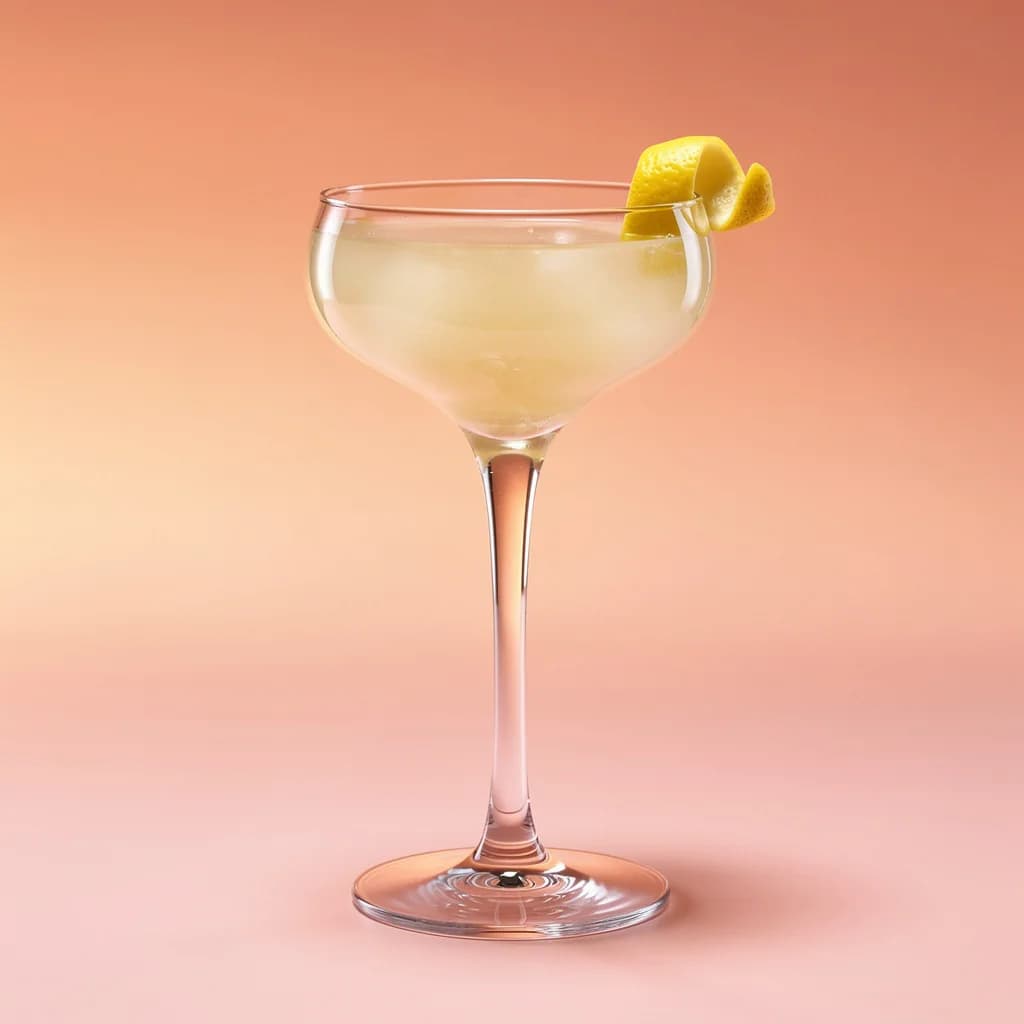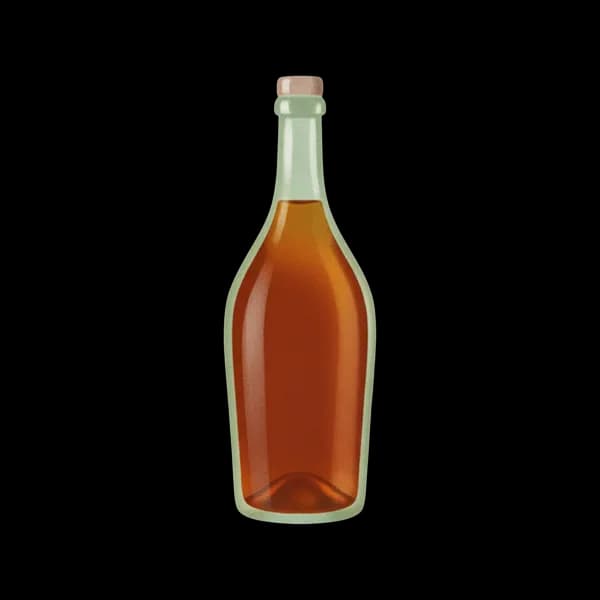
Aromatized wine is wine flavoured with botanicals — herbs, roots, bark and spices — and usually lightly fortified. Vermouth is the best-known type; the family also takes in aperitif wines like Lillet and Cocchi Americano.
Wine leads, with the character set by the botanicals — herbal wormwood in vermouth, bitter cinchona or gentian in the aperitif styles. The body is usually medium and the sweetness gentle. The wines themselves range from pale and floral to dark and bittersweet.
Aromatized wines are only moderately strong — much lower than vodka, gin or other spirits — so they flavour a drink without loading it with alcohol. A small pour works as seasoning for a base spirit: dry vermouth in a Martini, Lillet in a Vesper or Corpse Reviver No. 2. Bottles differ a lot in sweetness, so adjust how much you add to taste. In a larger serving the wine is drunk on its own as an aperitif, chilled over ice or topped with soda.
Within a style, aromatized wines swap freely — one dry vermouth for another. Across styles they don't: the cinchona bitterness of a Lillet won't replace vermouth's wormwood. If your substitute is drier or sweeter, rebalance with a little sugar syrup.
Aromatised wine-based drink
This is the lighter cousin: less wine (at least 50%), usually weaker (under 14.5%), and no added spirit allowed — sangria is one. Aromatized wine proper needs at least 75% wine, runs 14.5–22%, and may be fortified.
Vermouth
Vermouth is just one specific type of aromatized wine — the one whose botanicals must include wormwood (Artemisia). 'Aromatized wine' is the broader family and doesn't require wormwood.
Wine is steeped with herbs, roots and spices and often lightly fortified with neutral spirit, so the result is far more complex than the wine alone. Styles are set apart by their main bittering botanical. Wormwood defines vermouth. Cinchona makes a quinquina — its best-known example, Lillet, now carries only a trace of it. Gentian makes an americano, as in Cocchi Americano. Most are gently sweetened and considerably lighter than full-strength spirits.
Remember it's still wine once opened, so it oxidises. Keep the bottle in the fridge and use it within a few weeks.
Aromatized wine is a category fixed by EU regulation, which sets the minimum share of wine and the 14.5–22% strength range. The practice of flavouring wine with botanicals, though, goes back centuries.

White Negroni
London dry gin, Gentian liqueur

Corpse Reviver No. 2 – IBA
London dry gin, Orange curaçao liqueur, Aromatized wine

Corpse Reviver No. 2 (Contemporary recipe)
London dry gin, Herbal liqueur (e.g., Yellow Chartreuse), Aromatized wine

Corpse Reviver No. 2 (Savoy recipe)
London dry gin

Pomegranate Negroni
London dry gin

Vesper – IBA
London dry gin

20th Century Cocktail
London dry gin

Golden Hour
Bourbon

Tuxedo Affumicato
Mezcal

21st Century
Tequila reposado