Corpse Reviver No. 2 (Savoy recipe)
Shake ∙ 3 min ∙ 21.6% ABV ∙
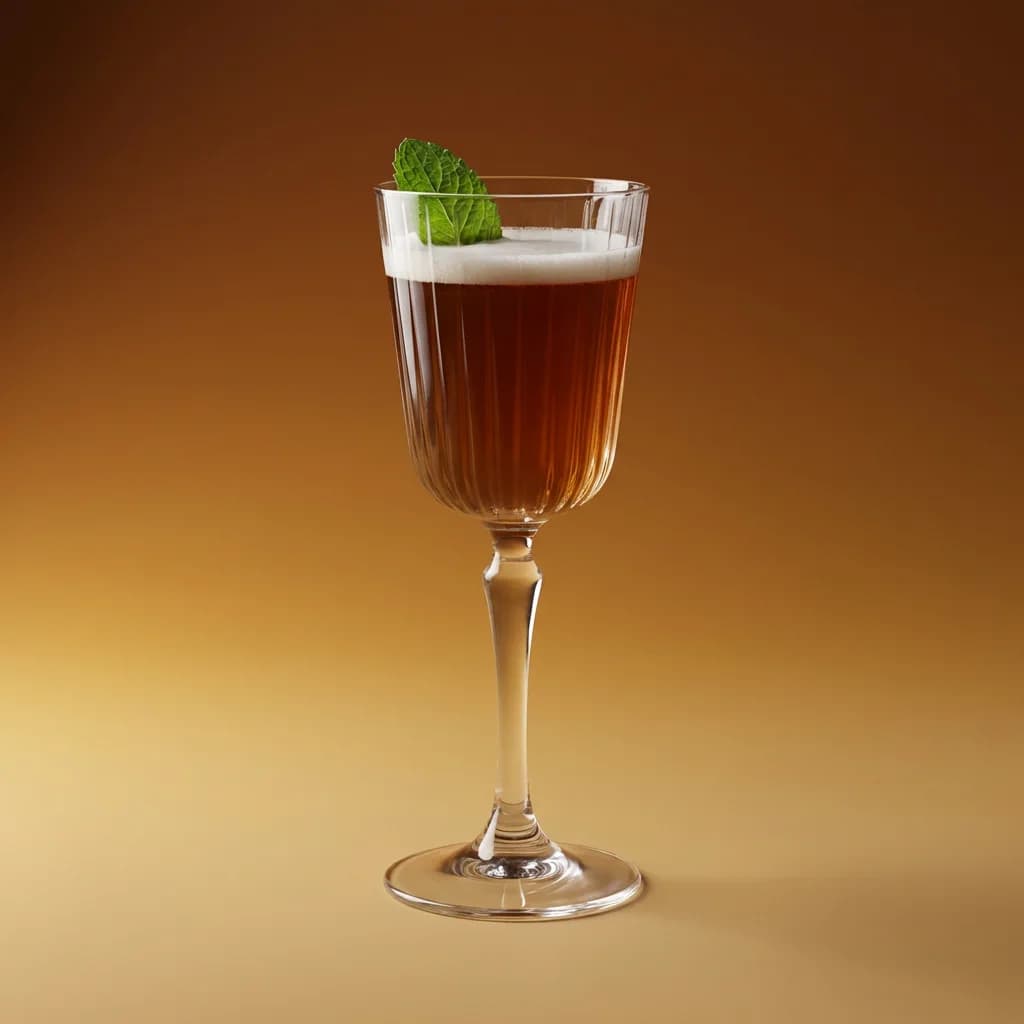
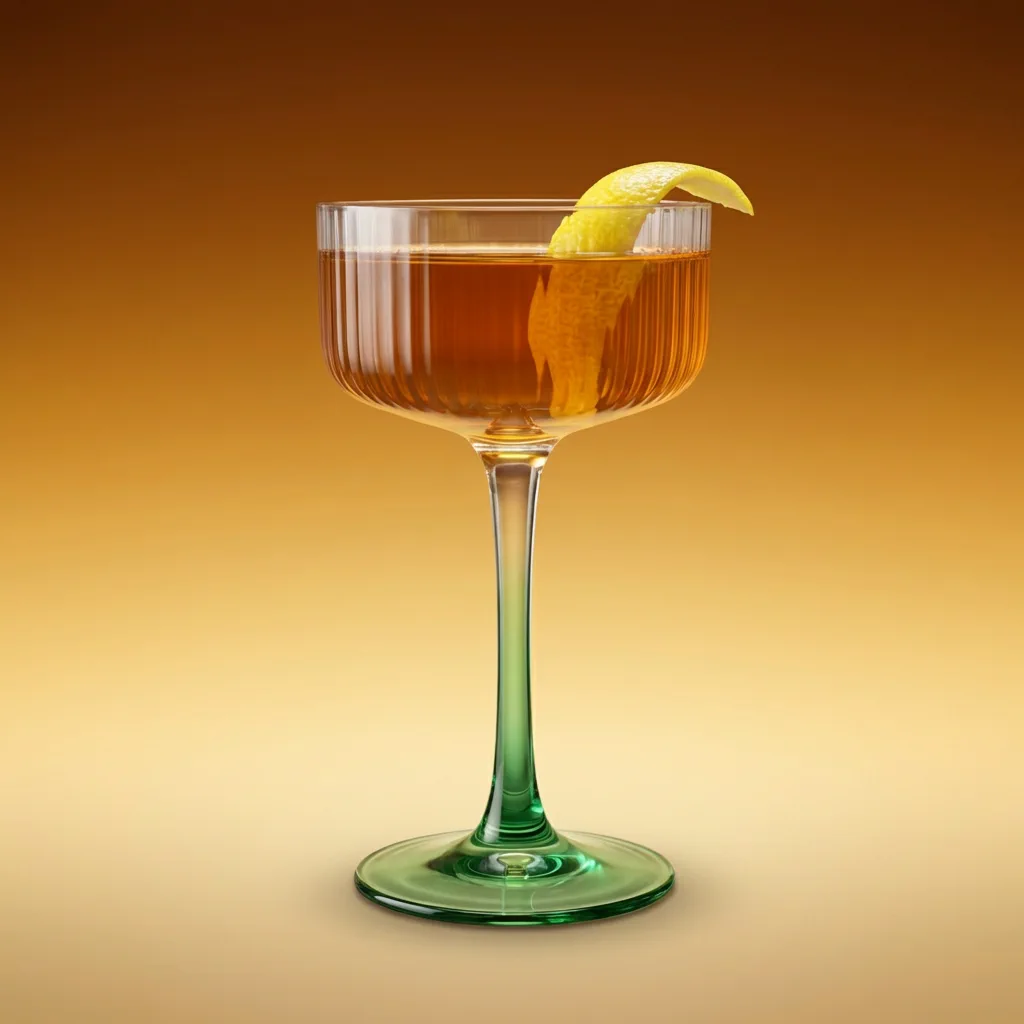
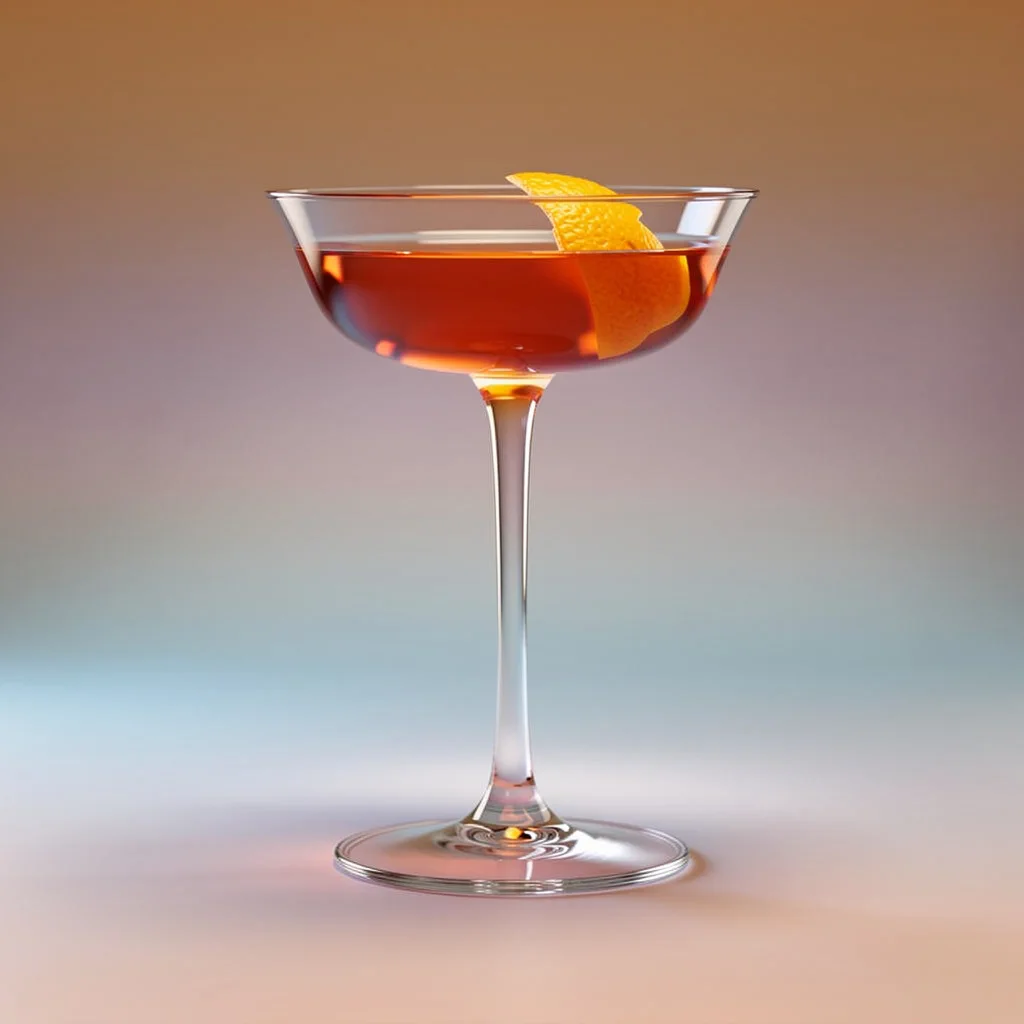
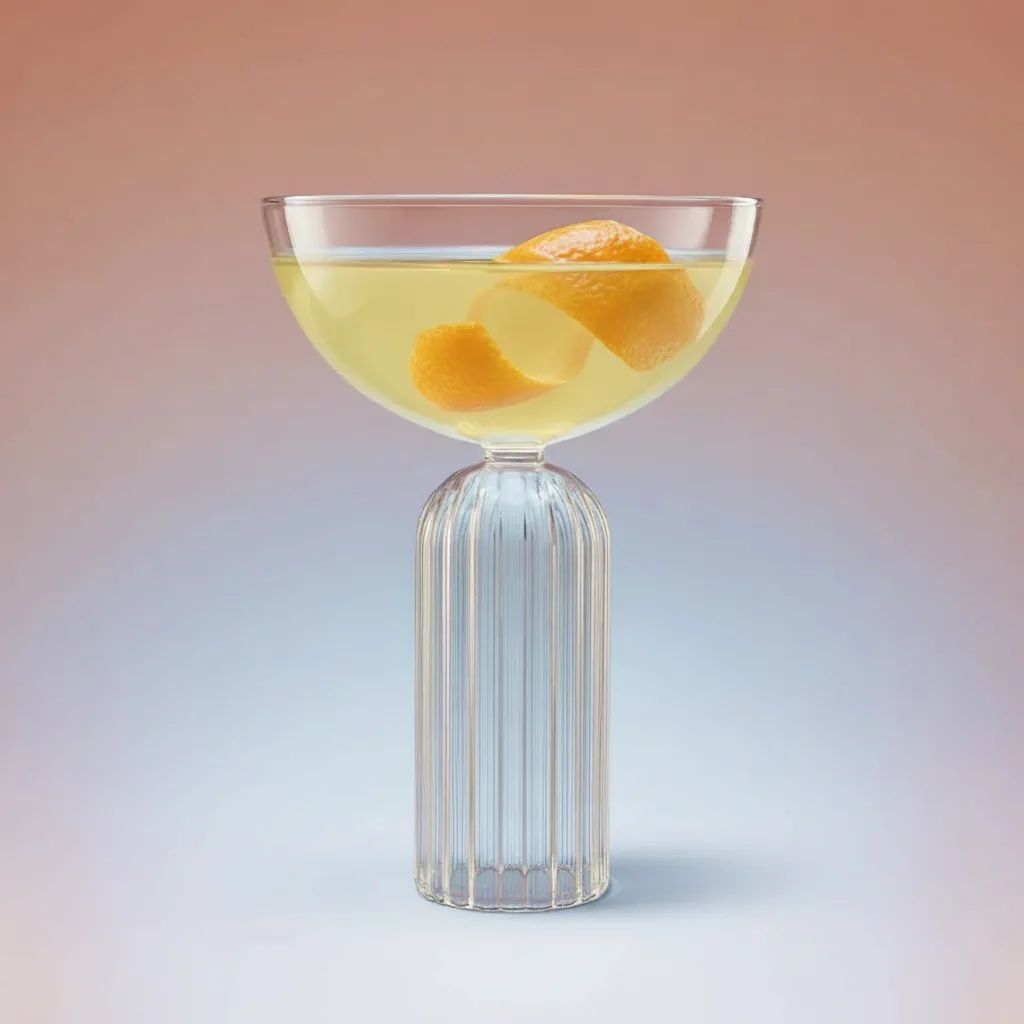
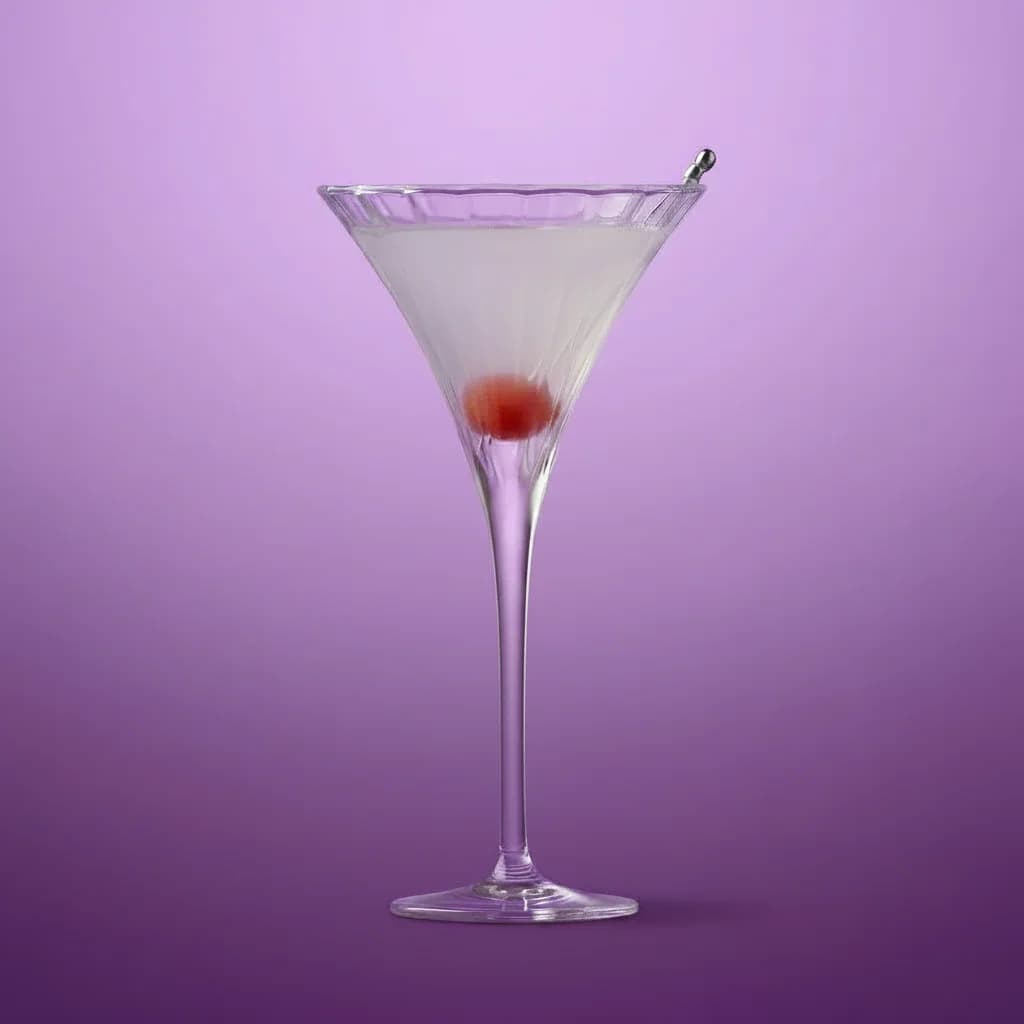
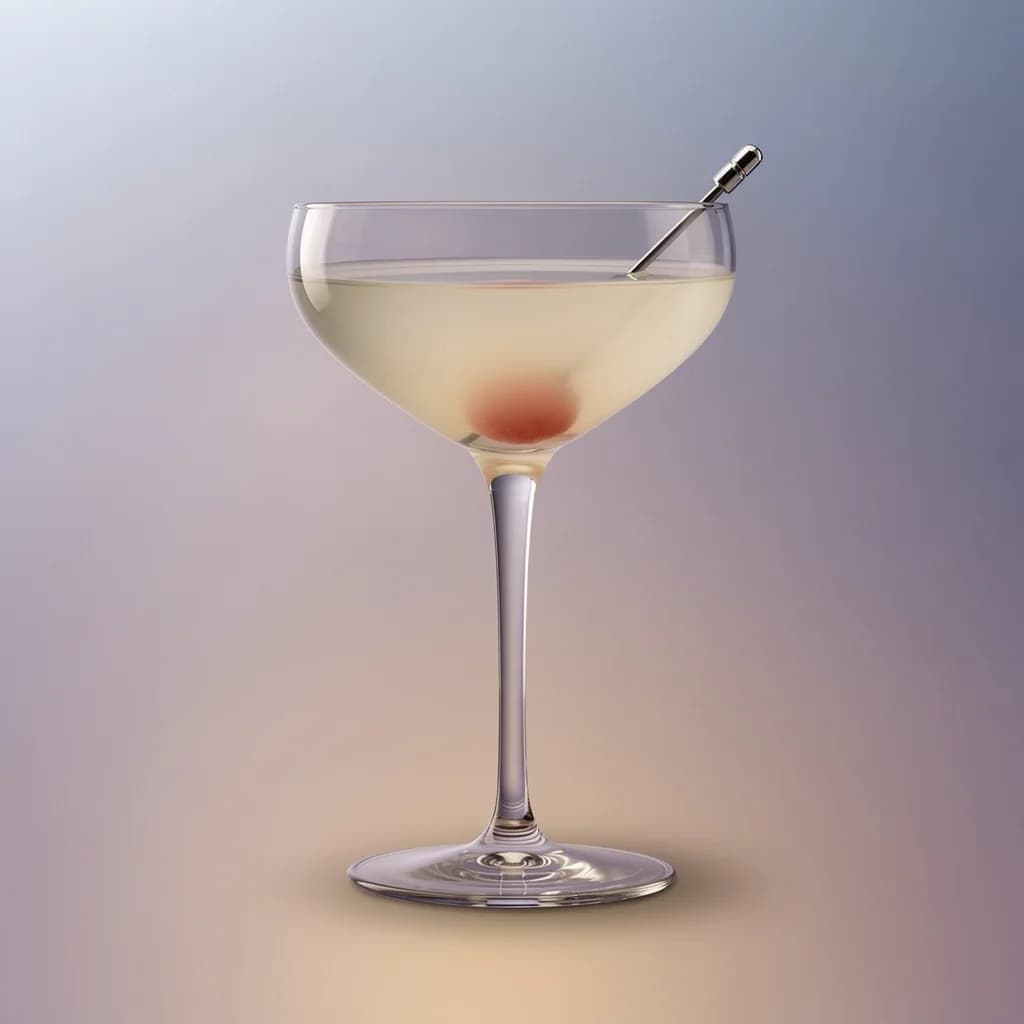
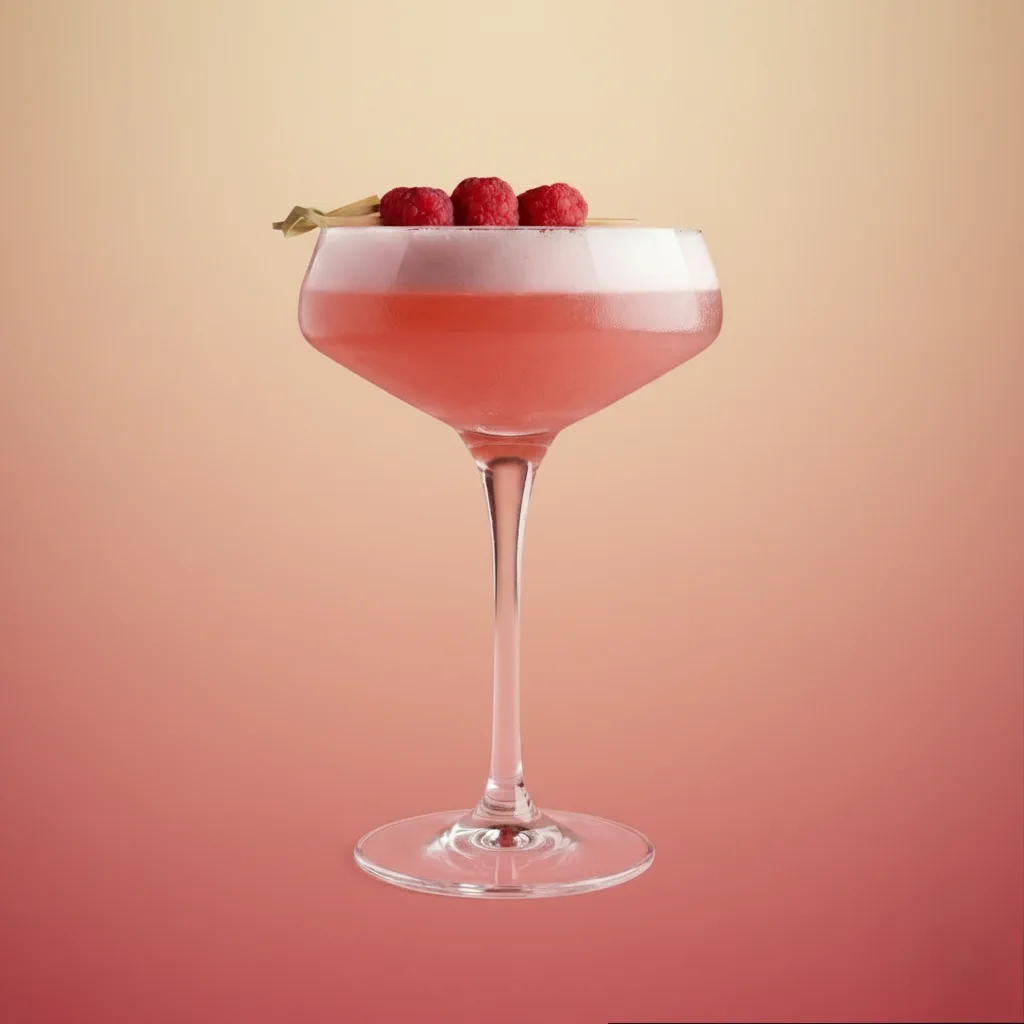
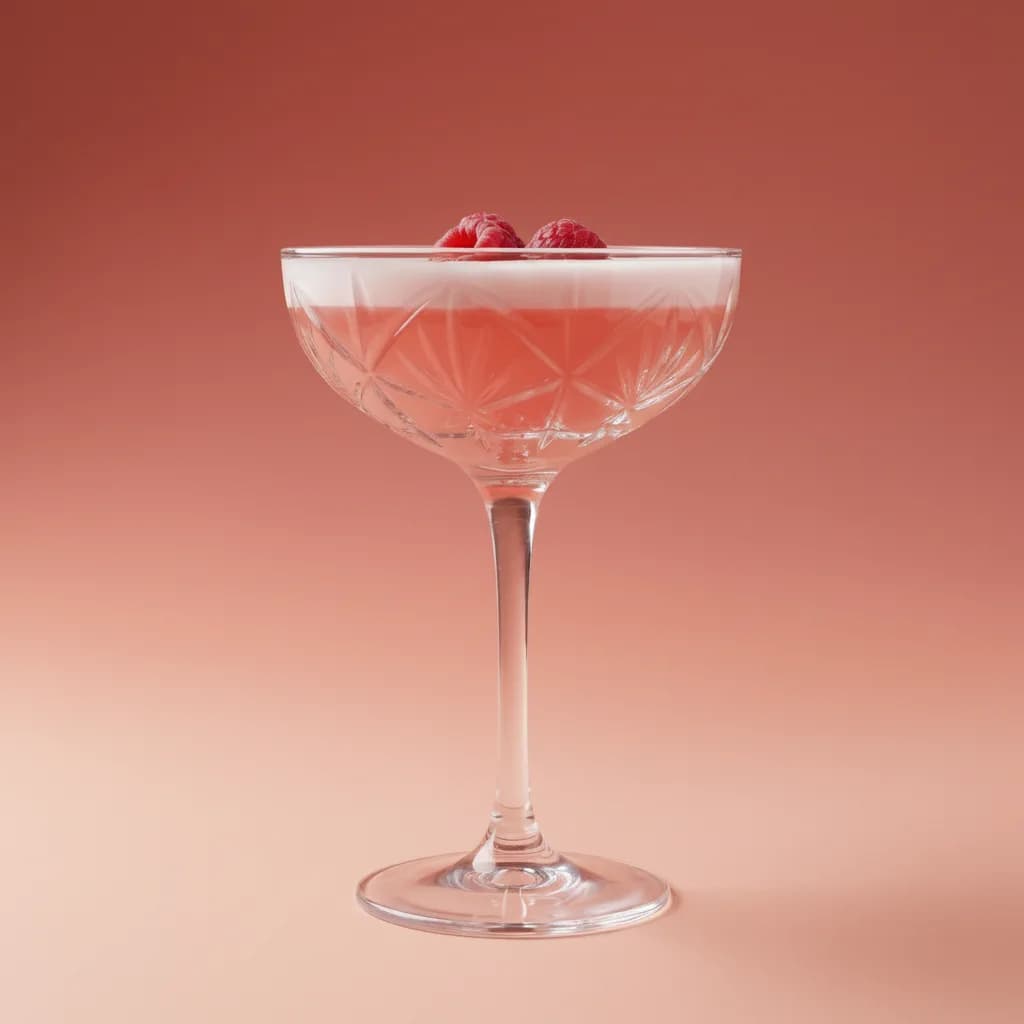
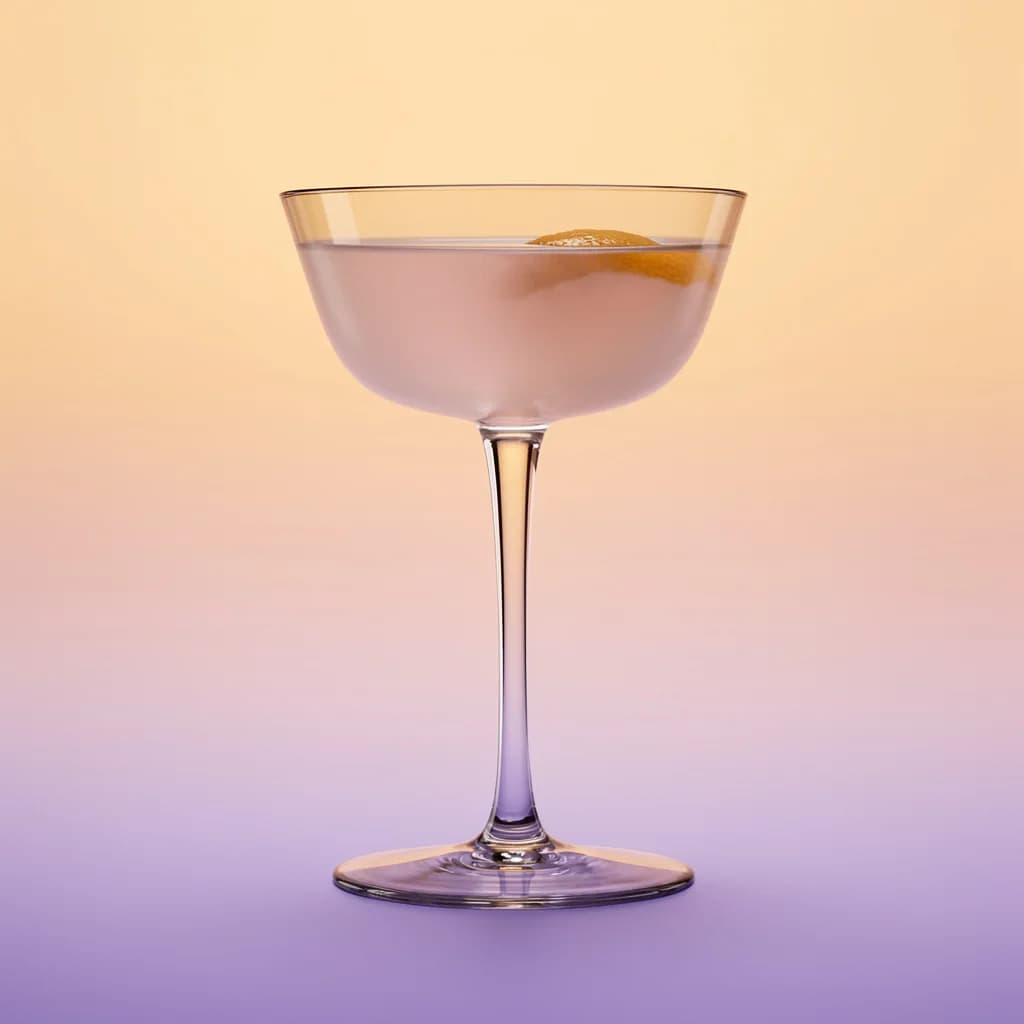
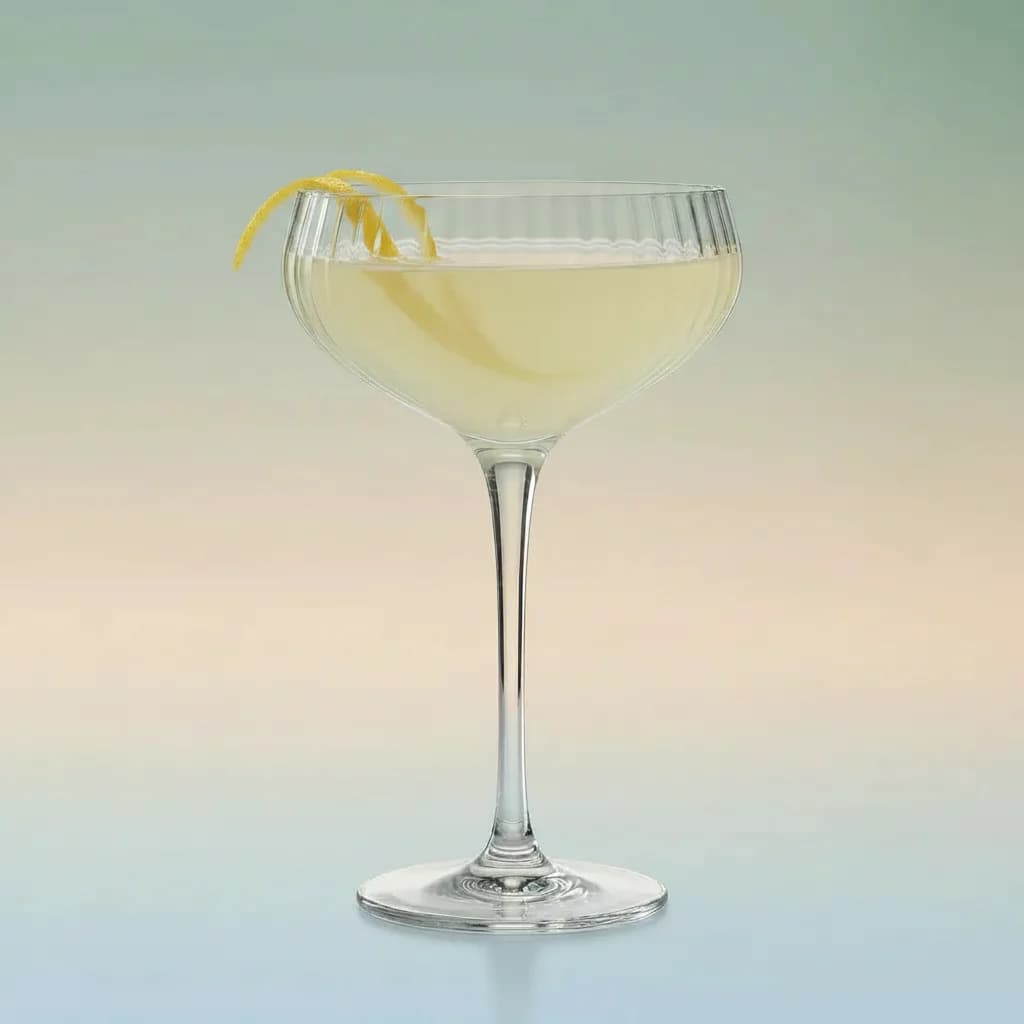
The Corpse Reviver No. 2 shakes equal parts gin, orange liqueur, an aromatized wine such as Lillet Blanc and lemon with absinthe, served up in a coupe. Citrus-forward and faintly bitter, the absinthe's anise trace lingers beneath bright lemon and orange liqueur, finishing dry and herbal — a sharp, wide-awake aperitivo.
Ingredients
1
Servings
Garnish

Instructions for 1 serving
- Pre-chill a glass
- Shake all ingredients with ice: London dry gin 20 mlTriple sec 20 mlAromatized wine 20 mlLemon juice 20 mlCane syrup 2 mlAbsinthe 2 dashes
- Fine strain into the chilled coupe glass
- Garnish with a lemon twist
Tips
- The two dashes of absinthe go into the shaker with everything else rather than being used as a glass rinse - that is enough to leave the anise in the background.
- Shake the equal-parts gin, triple sec, aromatized wine and lemon juice hard for a full 10-15 seconds with fresh ice to reach proper dilution and a pale, frothy texture.
- Measure the small cane syrup addition precisely, as its 2 ml is easy to over-pour and will unbalance the equal quarter-ounce ratios of the other four ingredients.
History
Corpse Reviver No. 2 belongs to the "corpse reviver" family of morning-after drinks, a term for restorative cocktails that appears in English literature as early as 1861, when the satirical magazine Punch referenced a drink capable of reviving even the most hungover of drinkers. The first known printed recipe under that name was published in the Gentleman's Table Guide in 1871, a brandy, maraschino, and bitters mixture, and by the late 19th century "corpse reviver" was common bar slang for a stiff morning dram meant to cure the previous night's excess.
The version that made the name famous, the Corpse Reviver No. 2, was published in 1930 by Harry Craddock, head bartender of the American Bar at the Savoy Hotel in London, in his Savoy Cocktail Book, alongside a companion Corpse Reviver No. 1. Craddock's own recipe note warned that several in quick succession would "unrevive the corpse again." Unlike the earlier brandy-based revivers, this Savoy version built its restorative reputation on a gin base rounded out with orange liqueur, a fortified wine, lemon juice, and a dash of absinthe.
FAQ
What is in a Corpse Reviver No. 2?
Gin, triple sec, an aromatized wine such as Lillet Blanc, and lemon juice in near-equal parts, plus a touch of cane syrup and a dash of absinthe, shaken and served up. The absinthe is used sparingly, just enough to scent the drink without dominating it.
Is a Corpse Reviver No. 2 shaken or stirred?
Shaken. The lemon juice and syrup need the aeration and quick chill of a hard shake; stirring would leave the citrus flat and the drink under-diluted.
What glass is a Corpse Reviver No. 2 served in?
A coupe glass, served up and garnished with a lemon twist. It is fine-strained, so no ice reaches the glass.
Can I use a different aromatized wine or leave out the absinthe?
A dry aromatized wine like Lillet Blanc is the standard choice, though other quinquina-style wines work similarly. Absinthe is meant to be present only as a trace note; skipping it removes the anise backbone that defines the drink's finish, so a small dash is worth keeping even for those wary of its strength.
Is the Corpse Reviver No. 2 a strong drink?
Yes, at roughly 21.6% ABV it is a fully spirited cocktail despite its bright, citrus-forward taste. The lemon and orange liqueur mask much of the alcohol, which is part of why it drinks faster than its strength suggests.