20th Century Cocktail
Shake ∙ 3 min ∙ 23.6% ABV ∙
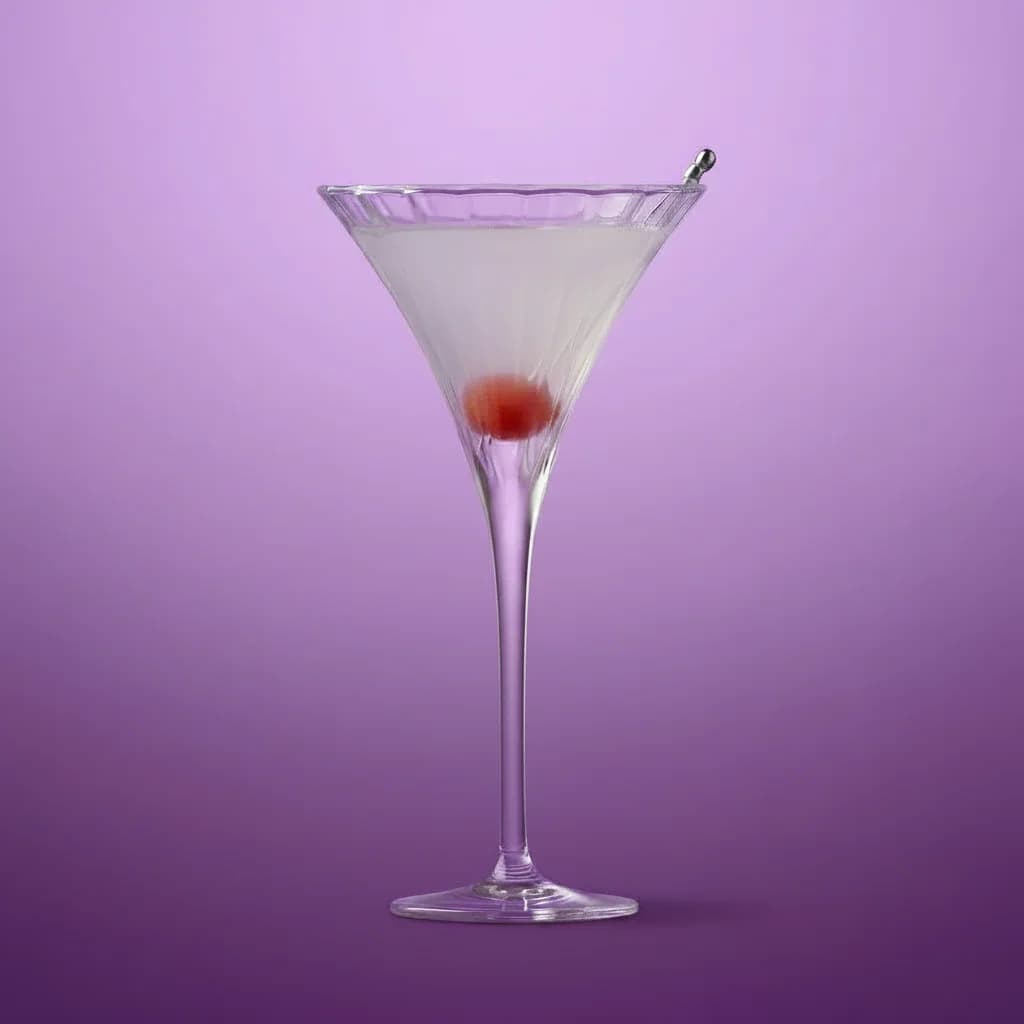
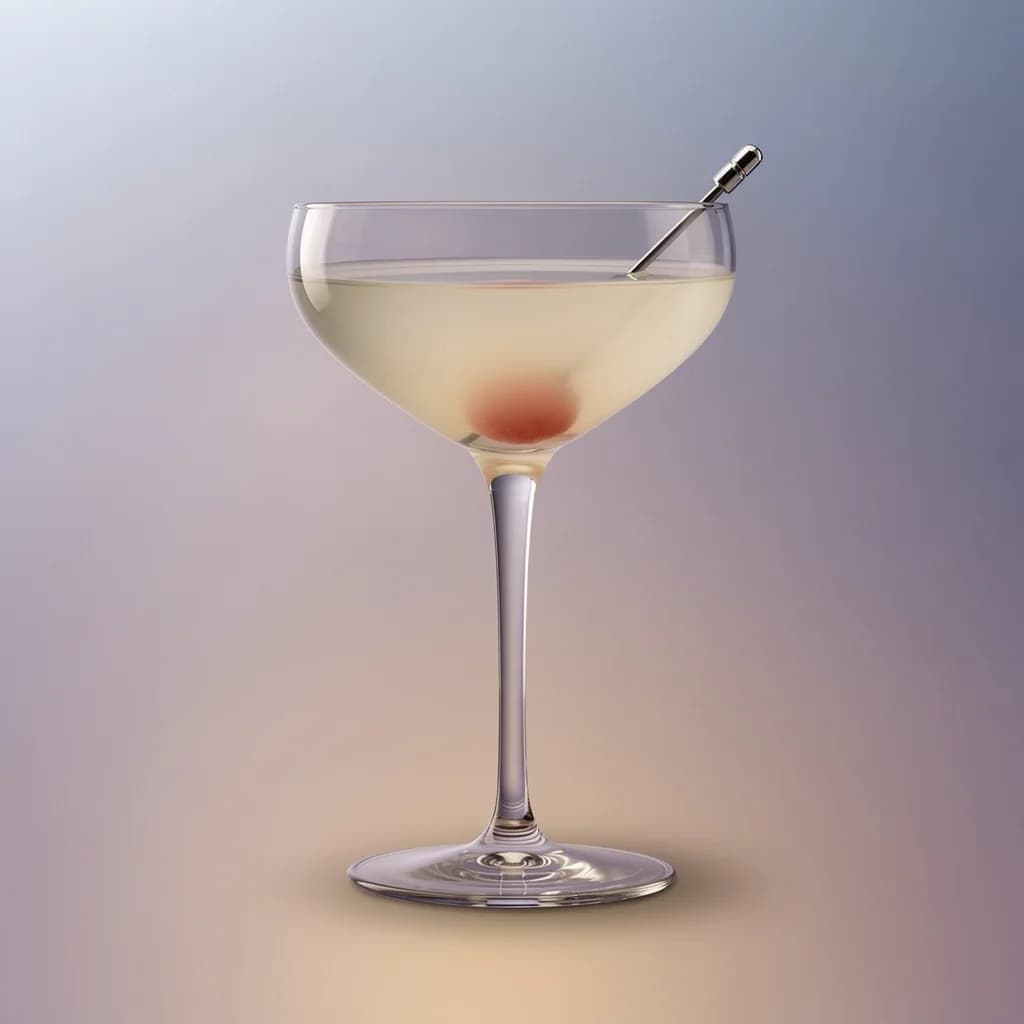
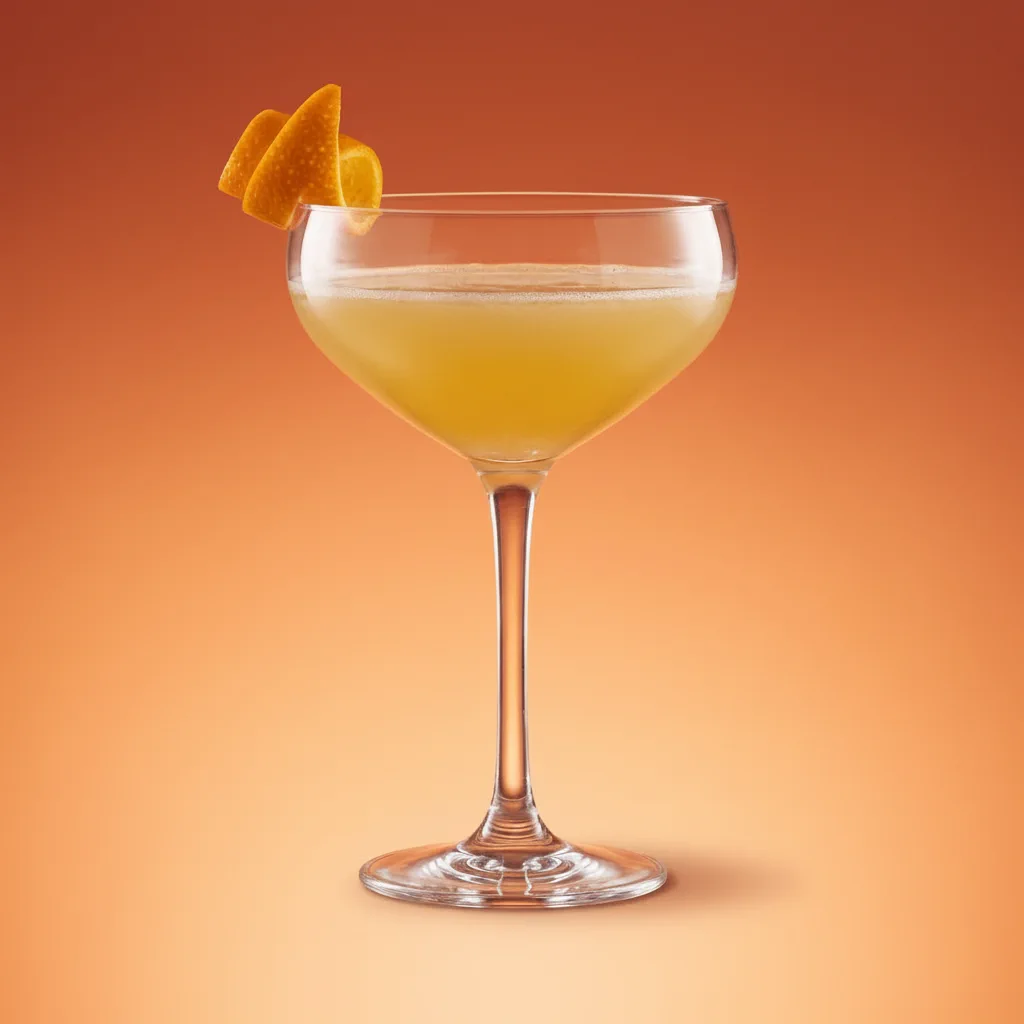
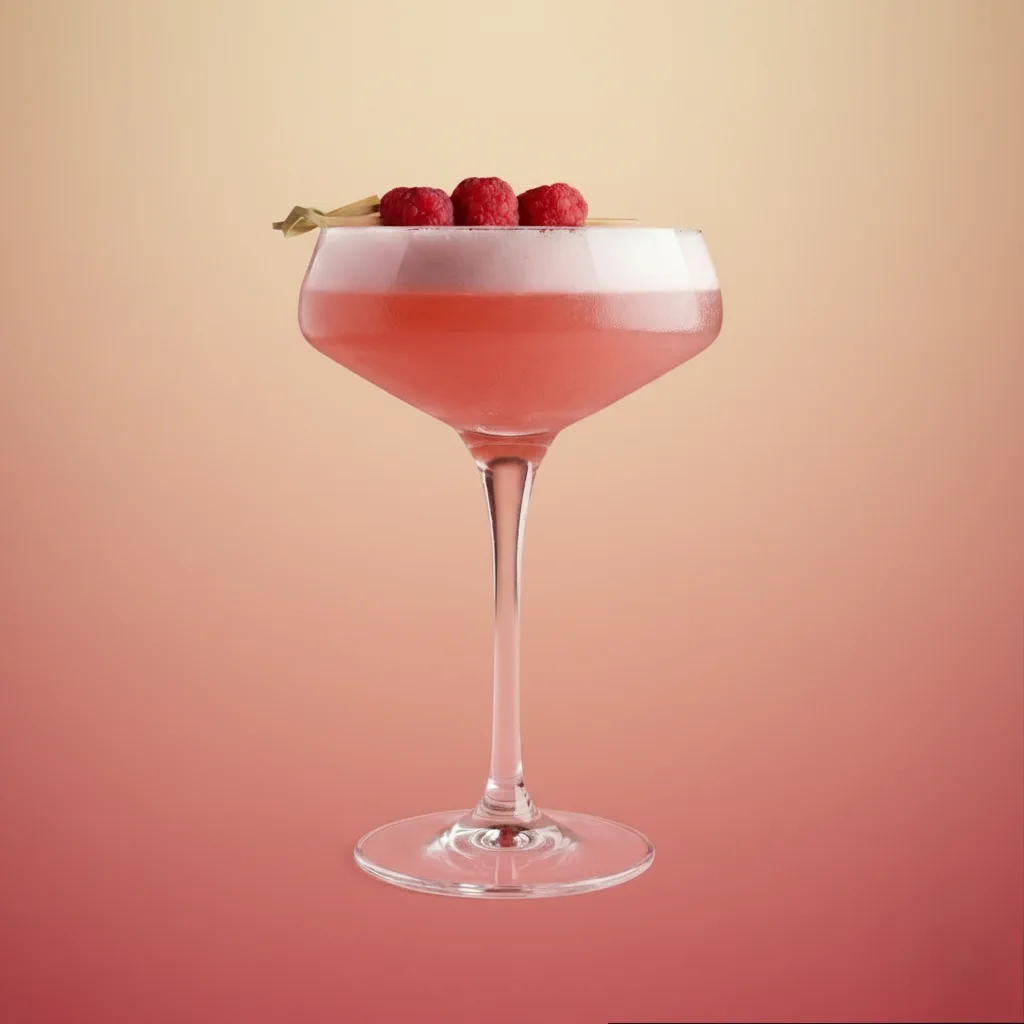
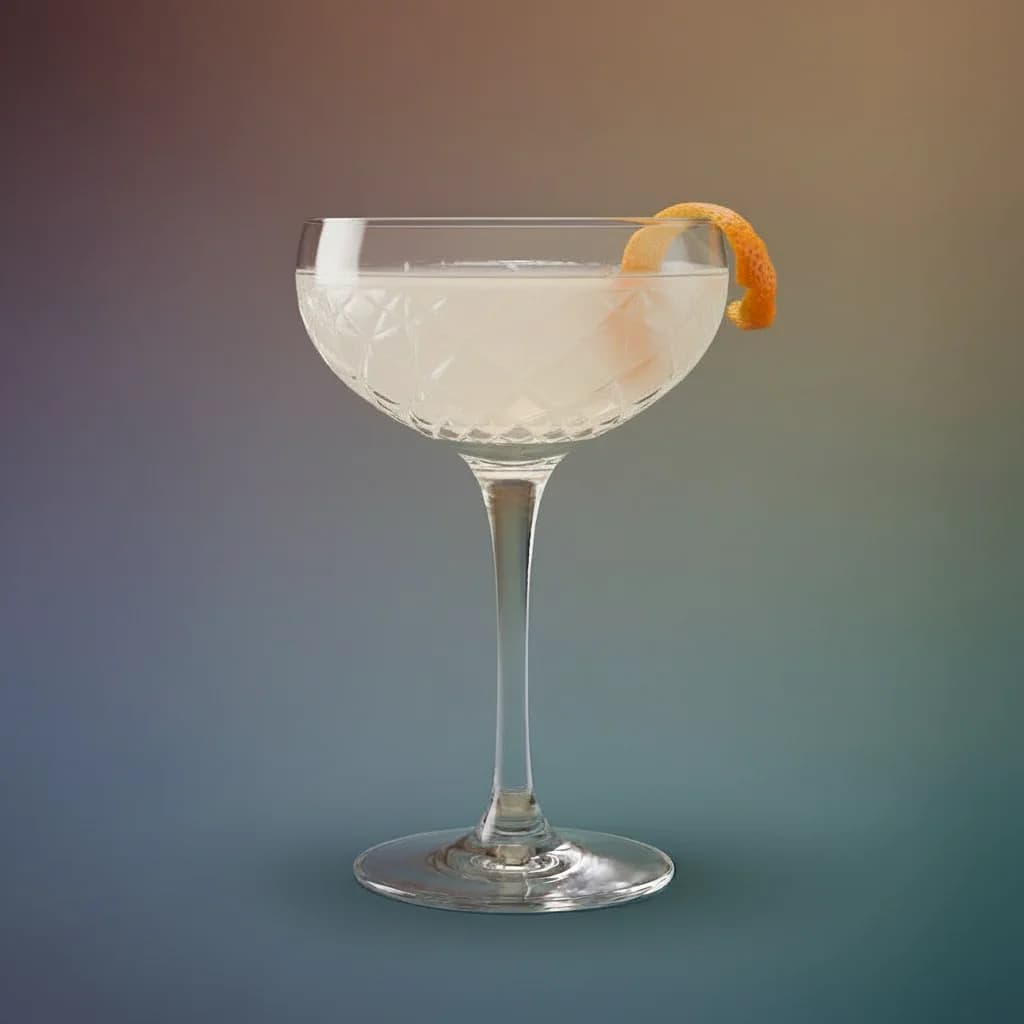
The 20th Century is a shaken gin sour built with white crème de cacao, an aromatized wine such as Lillet Blanc, and lemon juice, served up in a coupe. Silky and citrus-bright, with cocoa richness threading under the gin's botanicals and Lillet's honeyed bitterness before a clean lemon snap closes it out.
Ingredients
1
Servings
Garnish

Instructions for 1 serving
- Pre-chill a glass
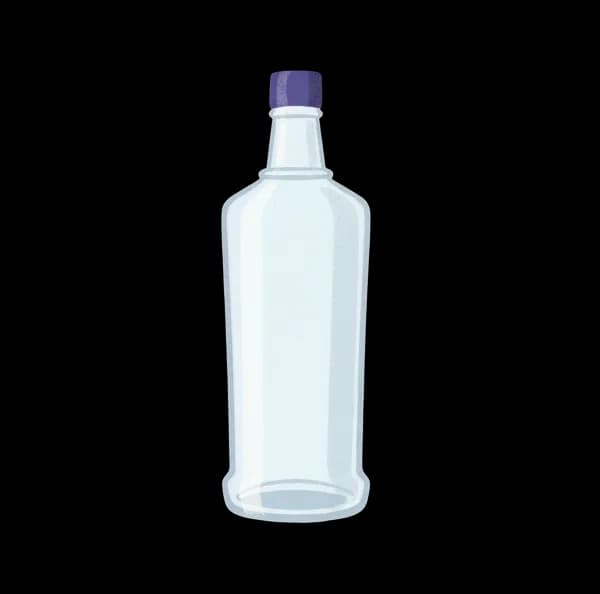
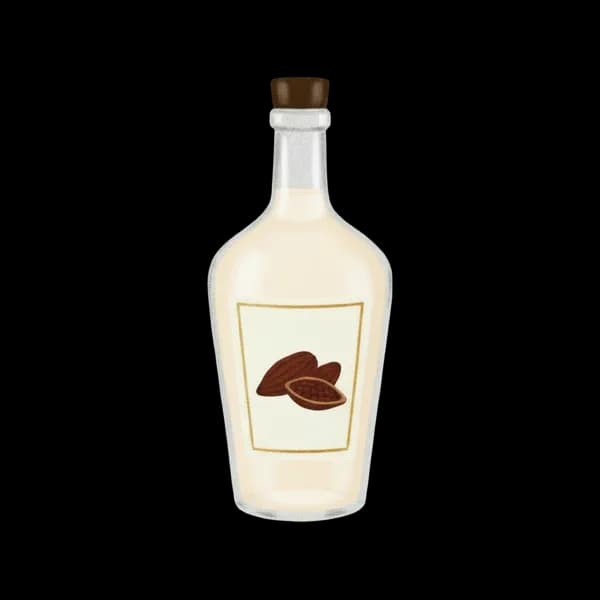
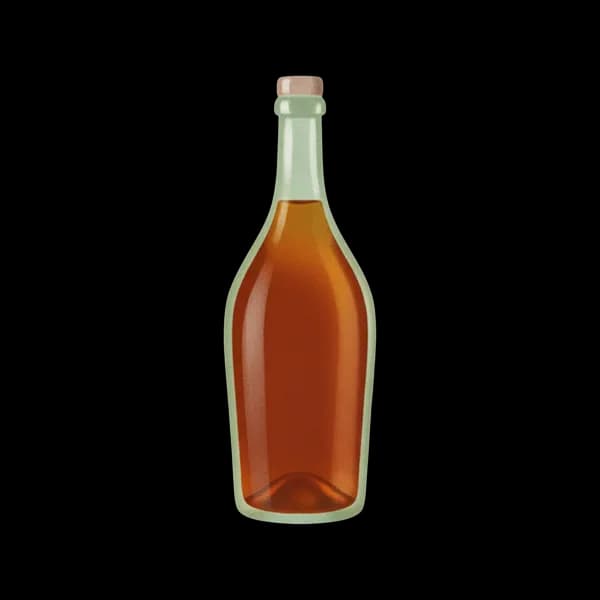
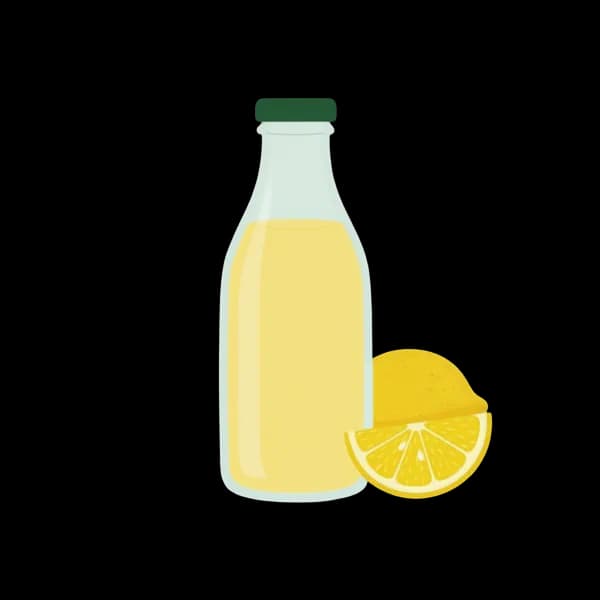
- Shake all ingredients with ice: London dry gin 50 mlWhite Crème de Cacao 30 mlAromatized wine (e.g., Lillet Blanc) 30 mlLemon juice 10 ml
- Fine strain into the chilled glass
- Express an orange twist over the cocktail and use as garnish
Tips
- Shake hard with plenty of ice for a full 12-15 seconds; the crème de cacao adds density that needs vigorous agitation to aerate and chill properly.
- Use fresh lemon juice only, since the low 10 ml pour means stale or bottled juice will flatten the drink's brightness disproportionately.
History
The 20th Century cocktail was created in 1937 by British bartender C.A. Tuck, who worked at London's Café Royal. The recipe first appeared that year in the Café Royal Cocktail Book, compiled by William J. Tarling, head bartender at the Café Royal and president of the United Kingdom Bartenders' Guild. Tuck is said to have named the drink after the 20th Century Limited, a famous express train that ran between New York City and Chicago from 1902 to 1967, though the recipe's publication predates the train's celebrated Art Deco redesign of 1938.
The original build, a gin sour built on Kina Lillet with white crème de cacao and lemon juice, is widely described as a riff on the Corpse Reviver No. 2, substituting crème de cacao for the orange liqueur used in that earlier drink.
FAQ
What is a 20th Century cocktail?
It is a Prohibition-era style gin sour made from gin, white crème de cacao, an aromatized wine such as Lillet Blanc, and lemon juice, shaken and strained up into a coupe. It is finished with an orange twist and sits at roughly 24% ABV, making it a lighter, brighter alternative to a straight gin cocktail.
What does a 20th Century cocktail taste like?
It tastes drier than its chocolate liqueur suggests — the cacao reads as a soft undercurrent rather than dessert-sweet, balanced by Lillet's floral bitterness and a firm lemon acidity. Body is silky from the shake, with a clean, citrus-forward finish rather than a lingering sweet one; it is closer to a classic gin sour than to a cream-based drink.
How do you make a 20th Century cocktail?
Shake gin, white crème de cacao, an aromatized wine such as Lillet Blanc, and lemon juice with ice, then fine-strain into a chilled coupe and garnish with an orange twist. The shake is essential to properly integrate the lemon juice and liqueur and to chill the drink fully before serving.
Is a 20th Century cocktail shaken or stirred?
Shaken. The lemon juice requires the aeration and rapid chilling of a shake; stirring would leave the citrus flat and the liqueur poorly combined with the other ingredients.
What glass is a 20th Century cocktail served in?
A coupe glass, served up with an orange twist. There is no ice in the glass, since the drink is fine-strained after shaking.