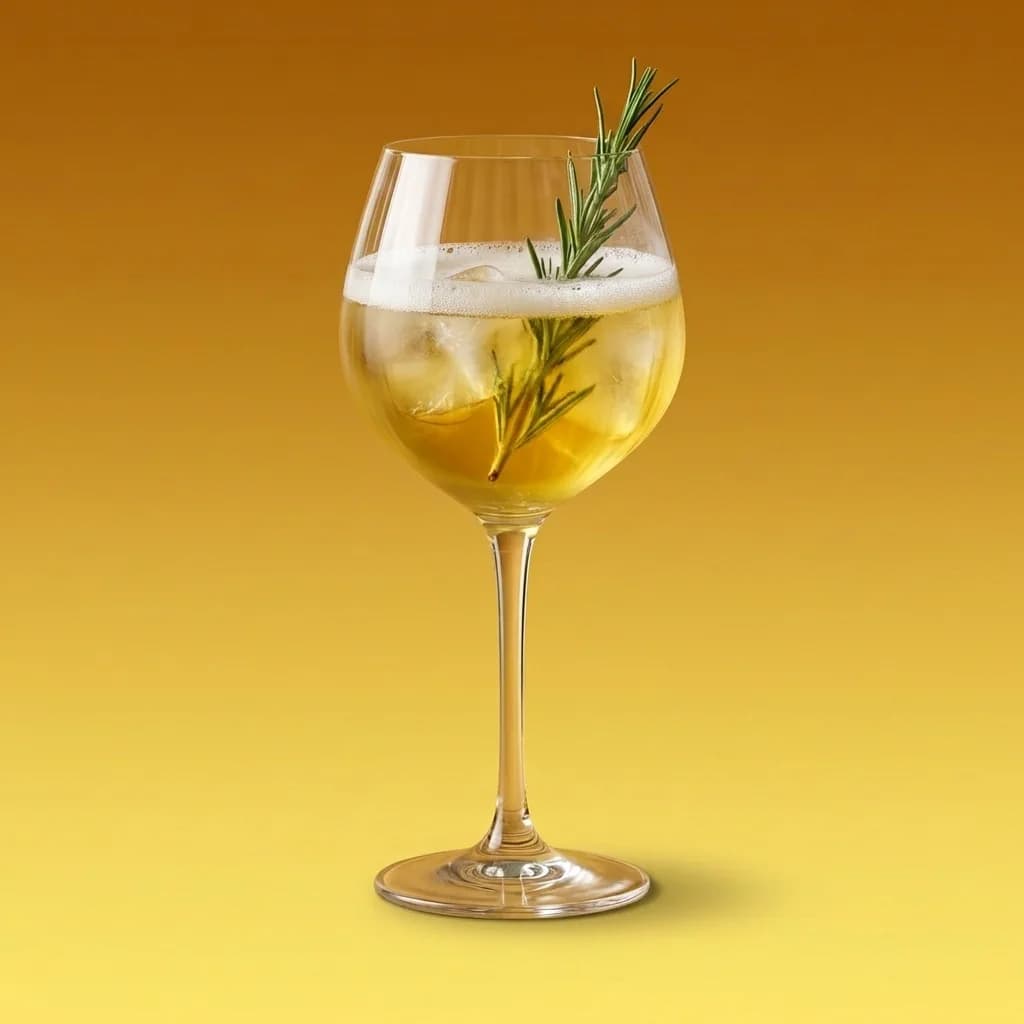
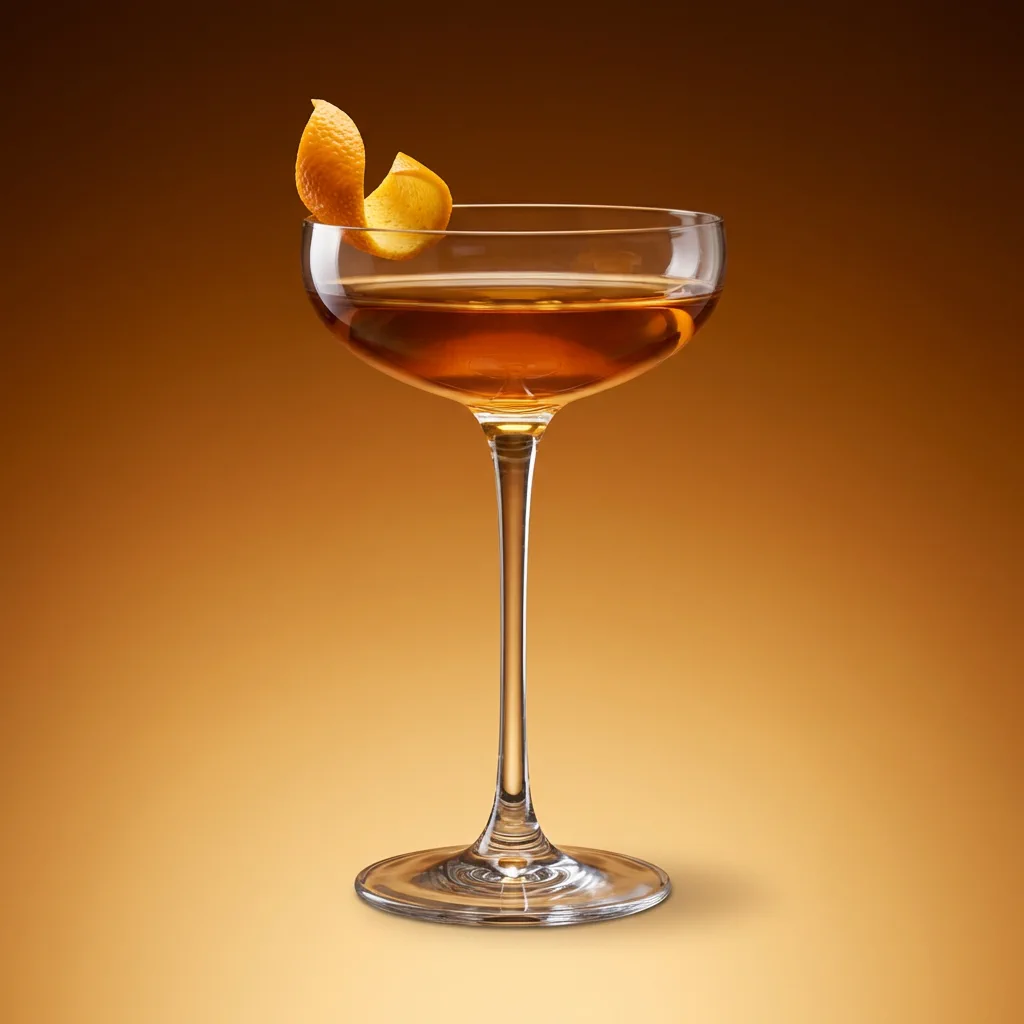
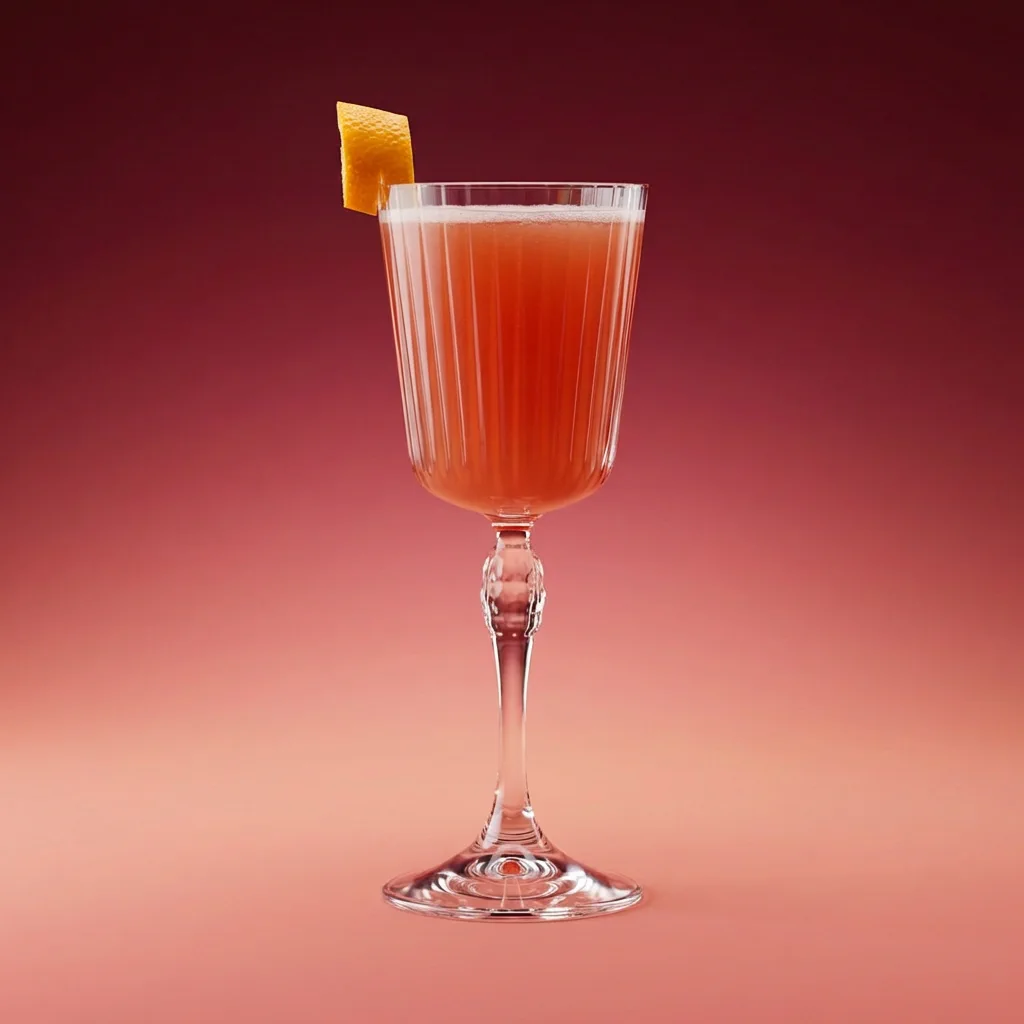
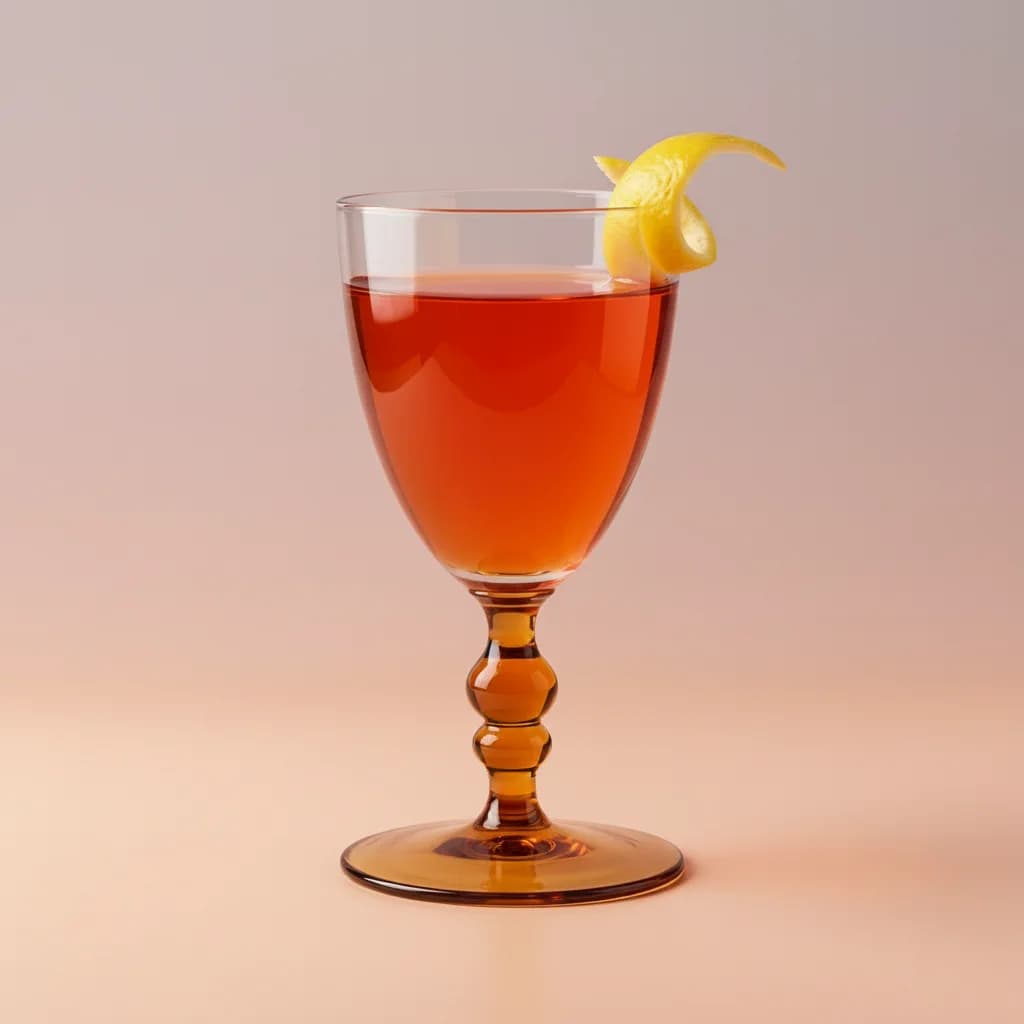
White Negroni
A herbal and bitter cocktail ∙ Stir ∙ 3 min ∙ 21.1% ABV ∙
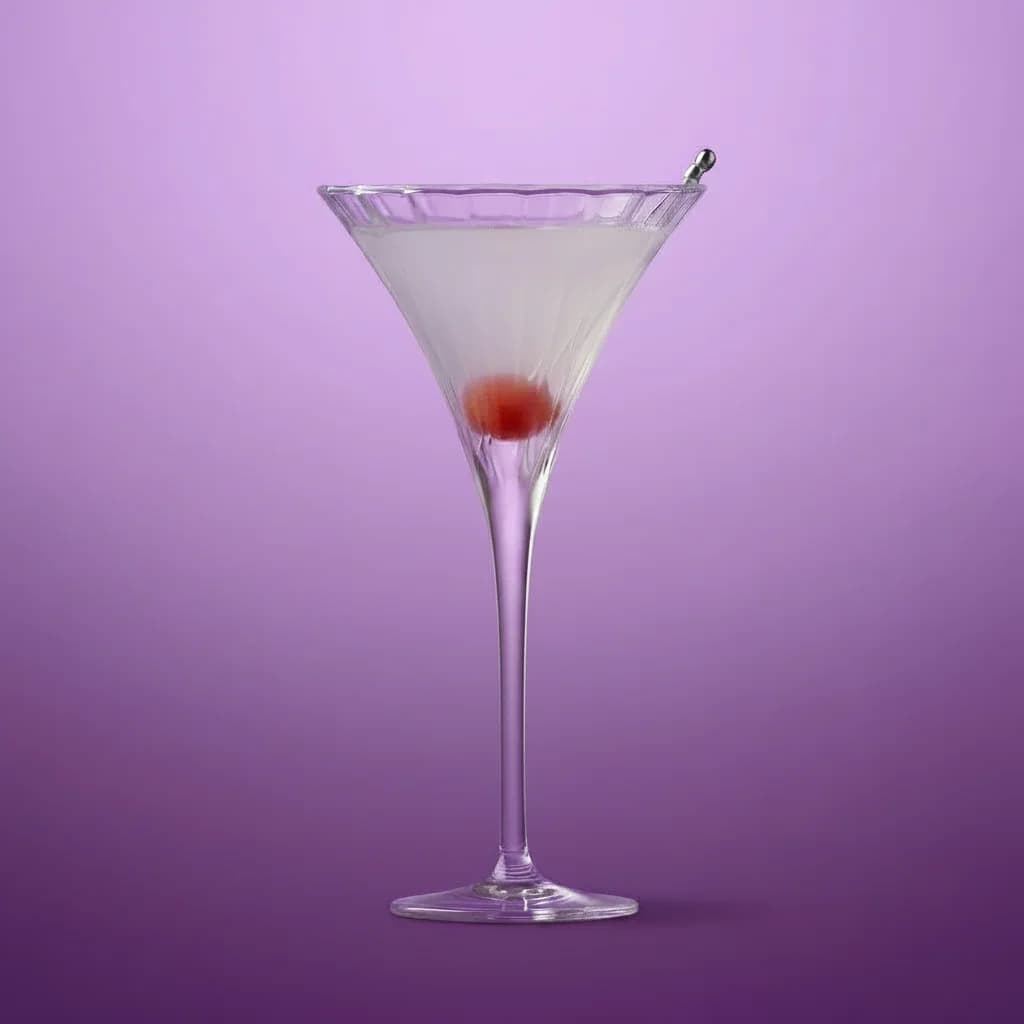
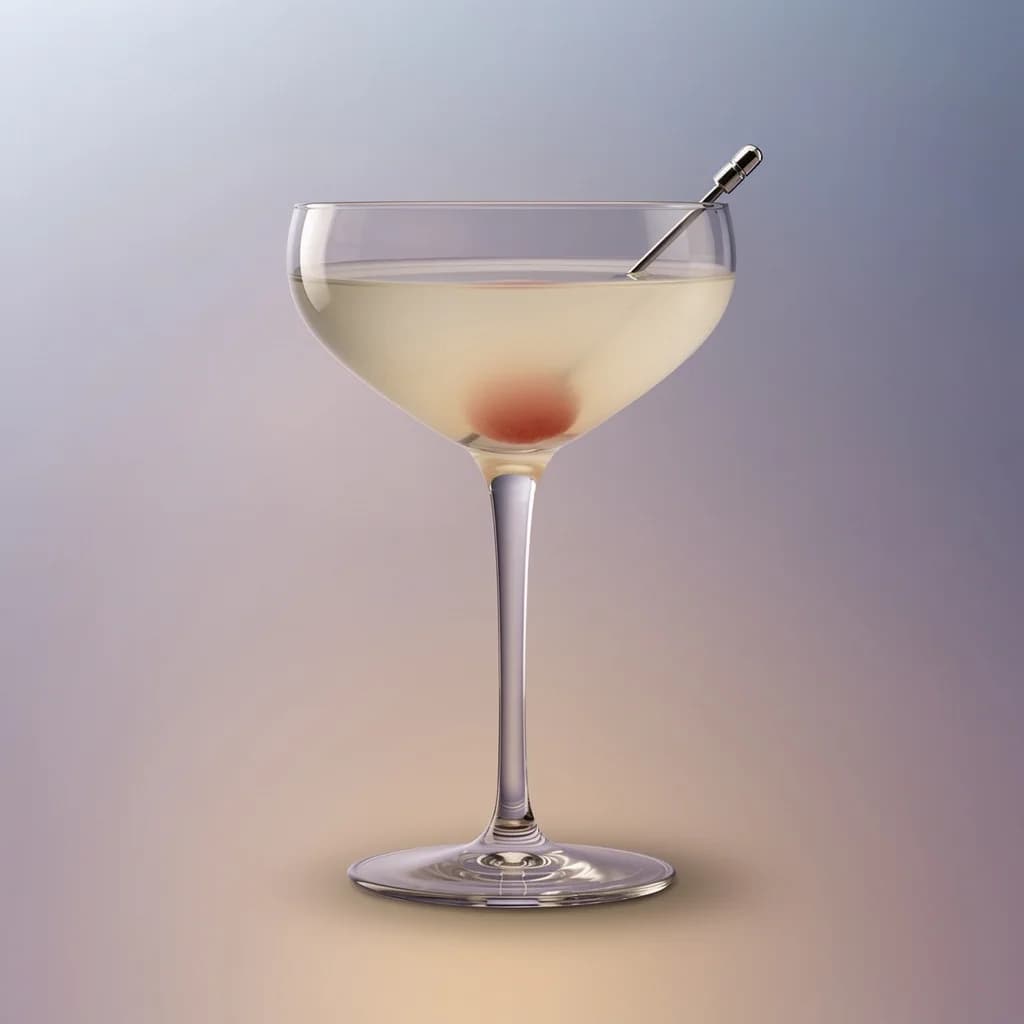
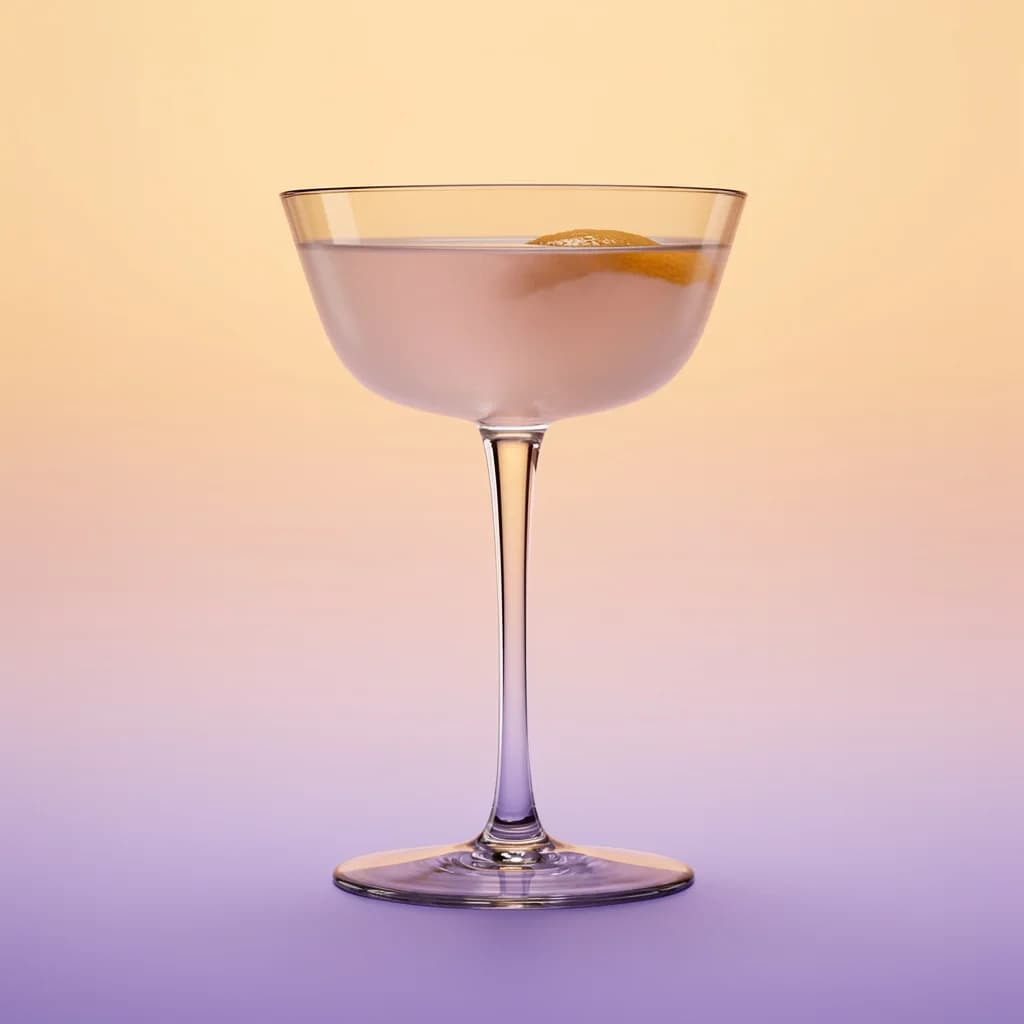
The White Negroni is a stirred, equal-parts mix of London dry gin, a gentian liqueur such as Suze and an aromatized wine such as Lillet Blanc.
Ingredients
1
Servings

Garnish

Instructions for 1 serving
- Pre-chill a glass
- Pour all ingredients into the ice-filled glass: London dry gin 30 mlGentian liqueur 30 mlAromatized wine 30 ml
- Stir gently
- Express a grapefruit twist over the cocktail and use as garnish
Tips
- Equal parts is the starting point; if the bitterness is too much for you, pull the gentian liqueur back slightly.
History
The White Negroni was created in 2001 by London bartender Wayne Collins at Vinexpo, a wine and spirits trade fair in Bordeaux, France. The night before a cocktail competition, Collins and Nick Blacknell, then brand director of Plymouth Gin, wanted a Negroni but stocked their ingredients from a local French shop. Collins substituted the French bitter liqueur Suze for Campari and Lillet Blanc for sweet vermouth, keeping gin and equal proportions. The drink caught on slowly since Suze was not yet sold in the United States; it gained wider traction after being introduced to Audrey Saunders, who put it on the menu at her New York bar Pegu Club.
The Negroni itself is generally traced to Florence around 1919, though its origin is disputed among several claimants. Swapping Suze and Lillet Blanc for Campari and sweet vermouth gives the White Negroni a paler color and a drier, more herbal profile.
FAQ
What goes in a White Negroni?
Equal parts London dry gin, a gentian liqueur such as Suze and an aromatized wine such as Lillet Blanc, 30 ml of each.
What is a Negroni bianco?
Another name for the White Negroni. It keeps the Negroni's gin and equal parts but swaps the red bitter and sweet vermouth for a gentian liqueur and a pale aromatized wine. The result is paler and lighter.
What's the difference between a regular Negroni and a White Negroni?
The bitter and the vermouth. A regular Negroni uses a red bitter such as Campari and sweet vermouth, which make it deep red and bittersweet. The White Negroni uses a gentian liqueur such as Suze and an aromatized wine such as Lillet Blanc instead. It keeps the equal parts but tastes lighter, drier and more floral, and it is pale straw in color.
Is a White Negroni stronger than a regular Negroni?
No, they are about the same. Both are equal parts of three alcoholic ingredients, and this White Negroni comes in at about 21% ABV. It tastes lighter and drier, so it can feel less heavy.
What is a substitute for Suze in a White Negroni?
The closest substitutes are another gentian liqueur such as Salers or a gentian aperitif wine such as Bonal; Aveze is another common stand-in. Gentian's bitter root flavor is what defines the drink, so any of them works, each with slightly different bitterness.