Cocktails with Brandy
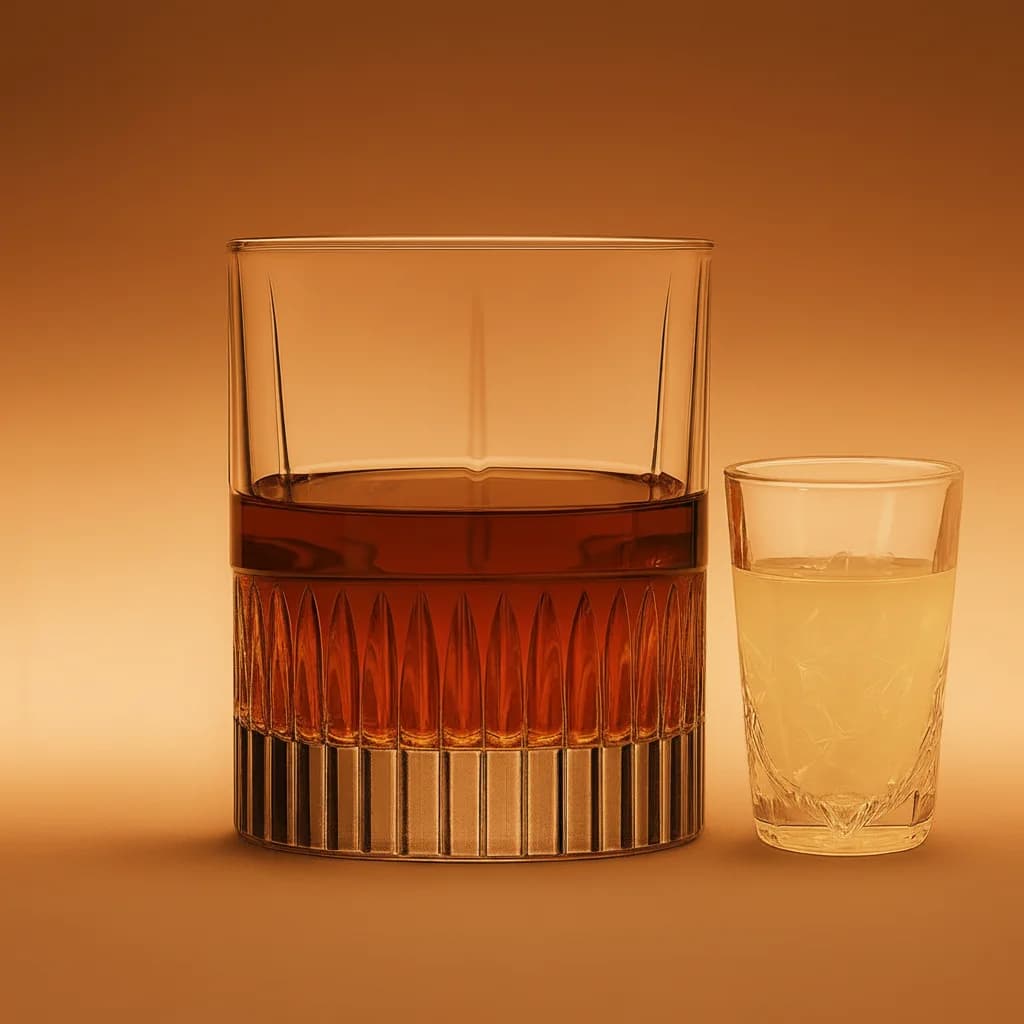
Brandy is a spirit distilled from wine or fermented fruit, usually aged in oak. Labeled just "brandy", it’s the grape kind; fruit brandies carry their own names — Calvados from apples, kirsch from cherries.
ABV40%On most bottles — the legal floor for Cognac. Stronger bottlings exist.
How it's used
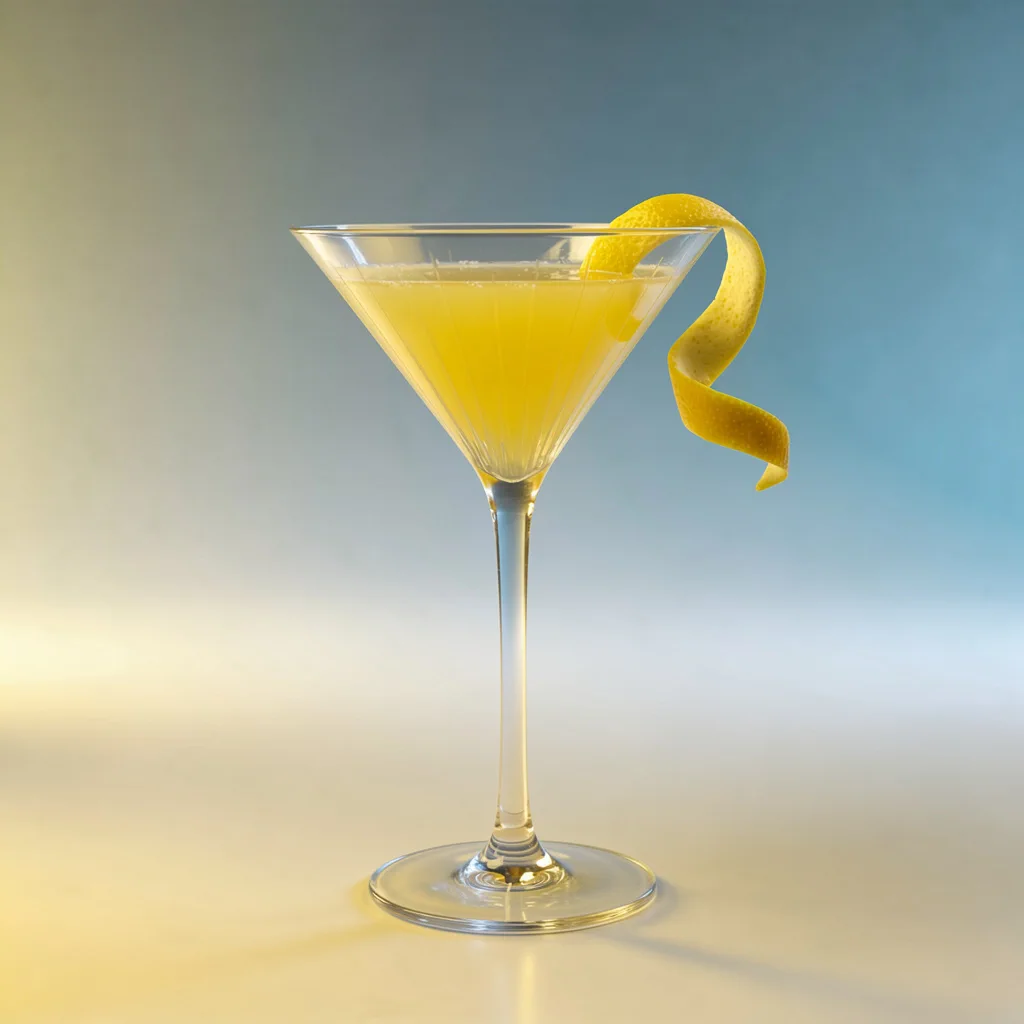
Brandy carries a whole run of 19th-century classics: the Sidecar, Brandy Crusta, Alexander, Vieux Carré, Between the Sheets. In a citrus shake like the Sidecar the lemon and triple sec cover a lot of ground, so a younger VS or VSOP holds its own where an XO is wasted. No brandy at all? An aged rum stands in for a Sidecar — different, but it works.
Substitutes for Brandy
Any grape brandy can stand in one for one: a VS cognac, an Armagnac or a Spanish brandy. Age matters more than the name: an older brandy makes a rounder, richer drink; a young one, a lighter and sharper one. A bourbon or an aged rum works in a pinch, one for one, but the drink loses the grape.
Cognac, Armagnac and Spanish brandy
Cognac must age at least two years, VSOP four and XO ten. EU brandy needs only six months in casks under 1,000 liters, so a cognac is the safer bet.
Grappa and marc
Distilled from pomace rather than wine: in place of brandy they make a harsher, more rustic drink.