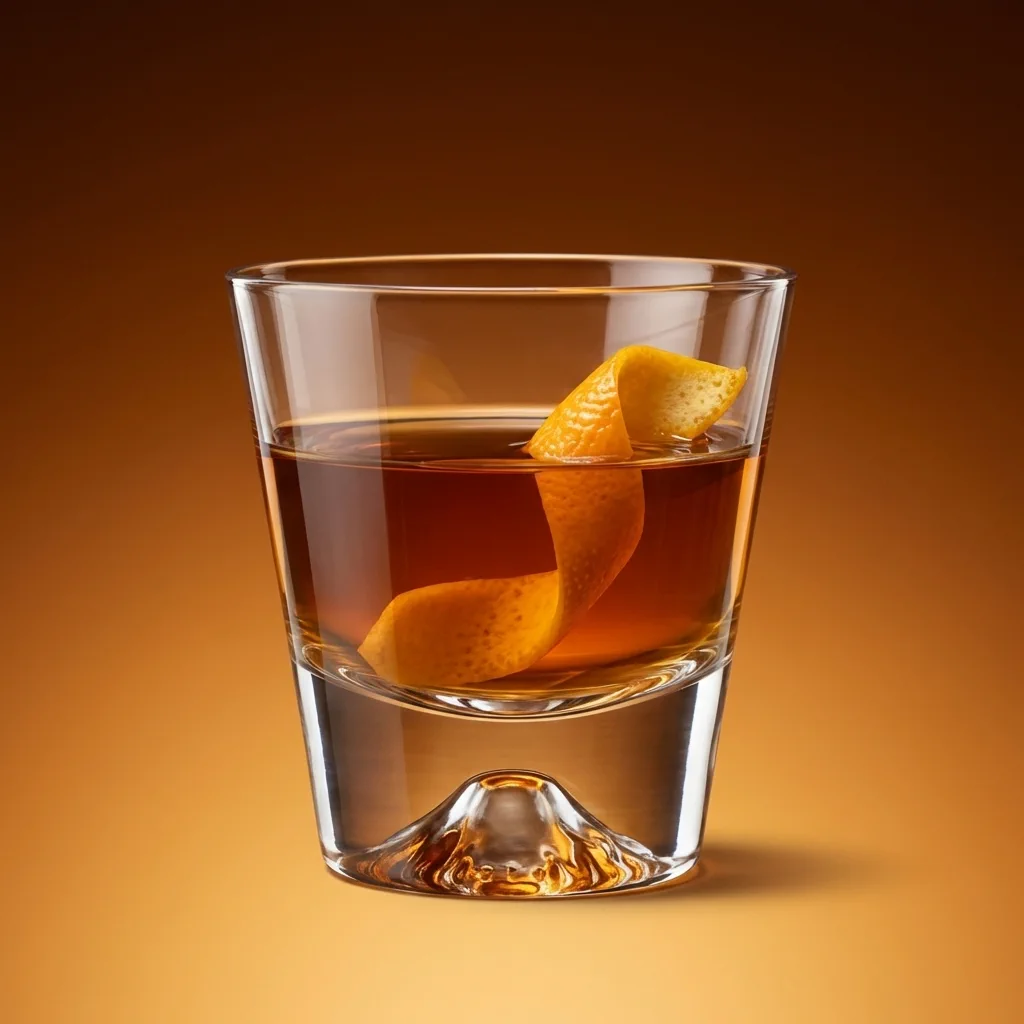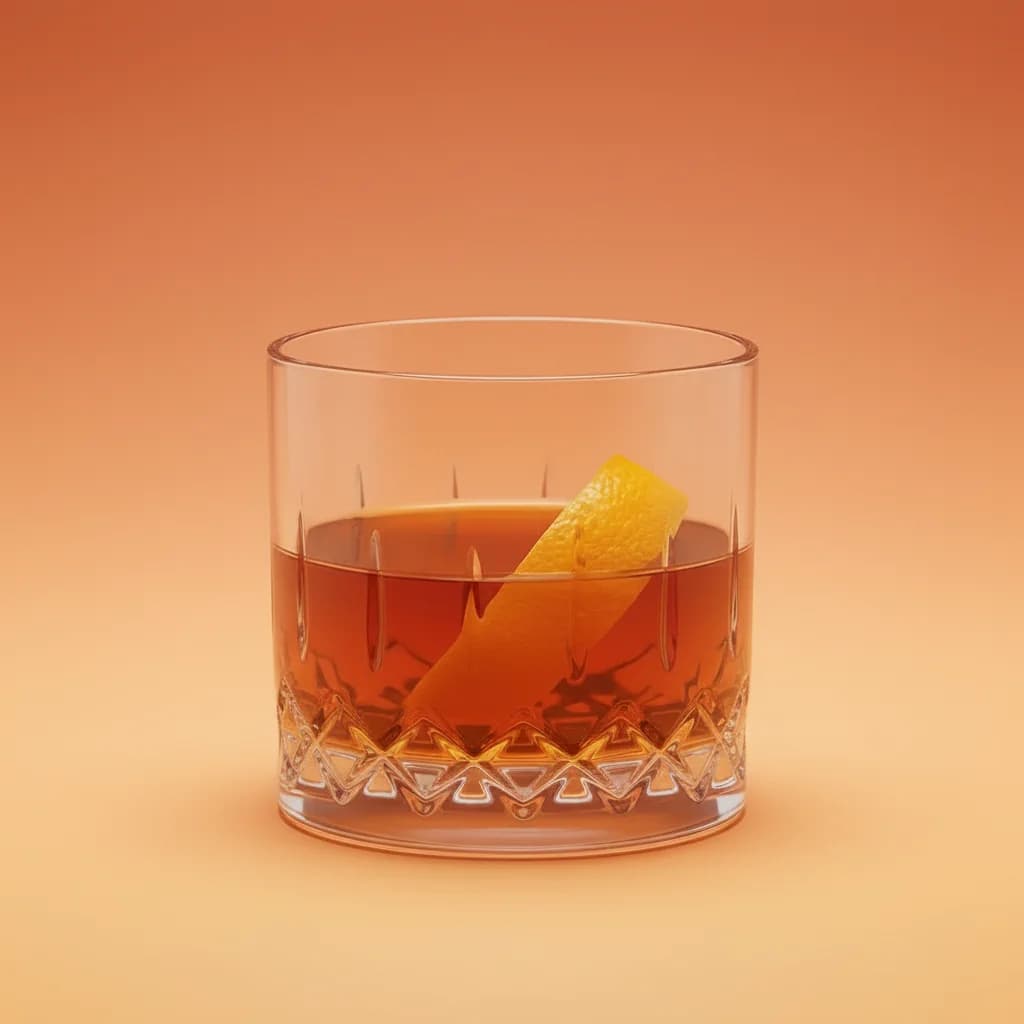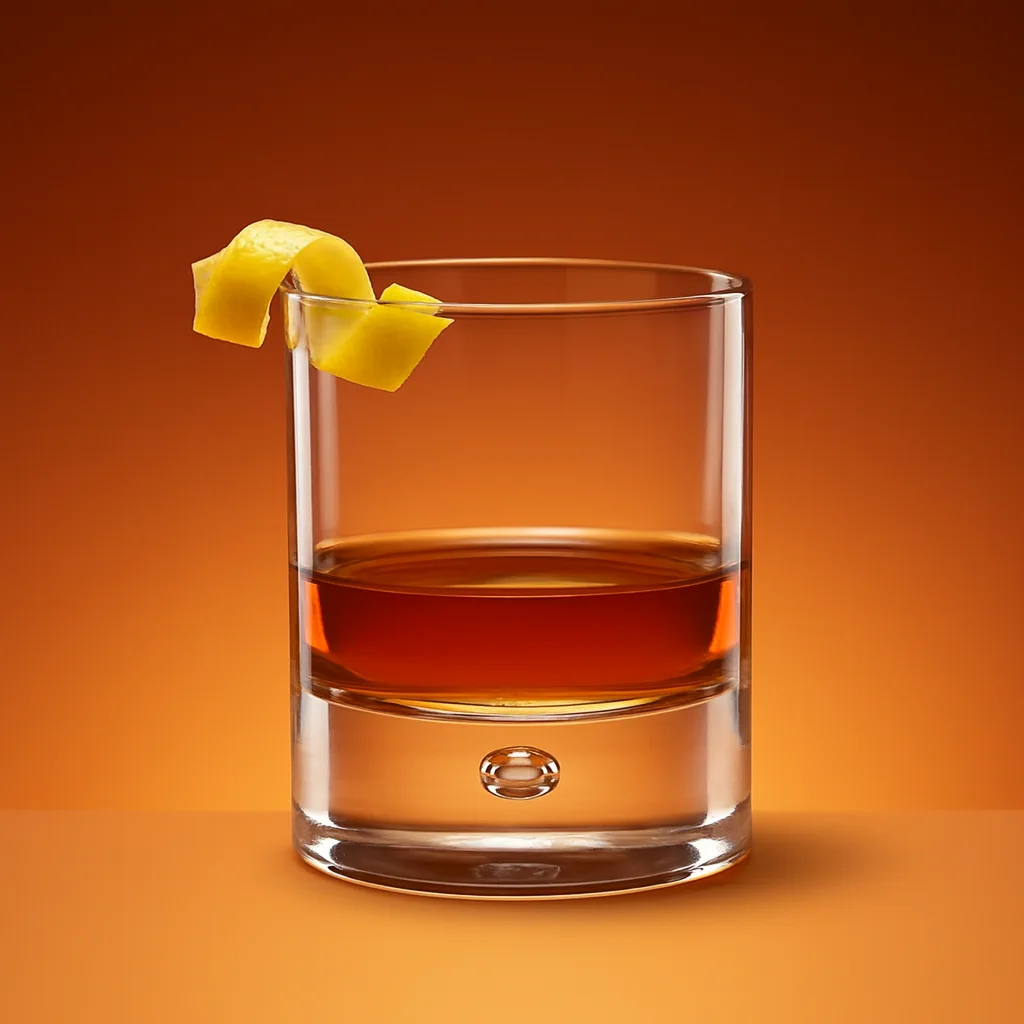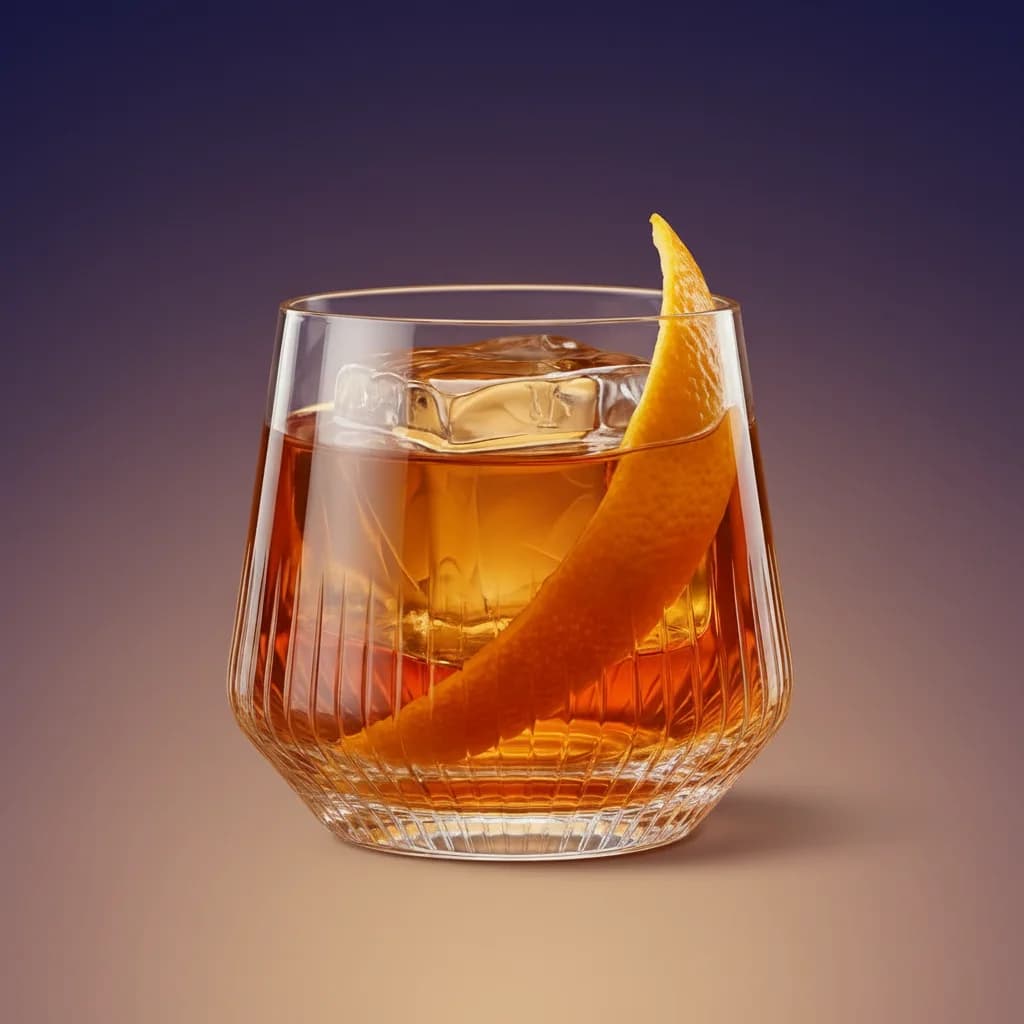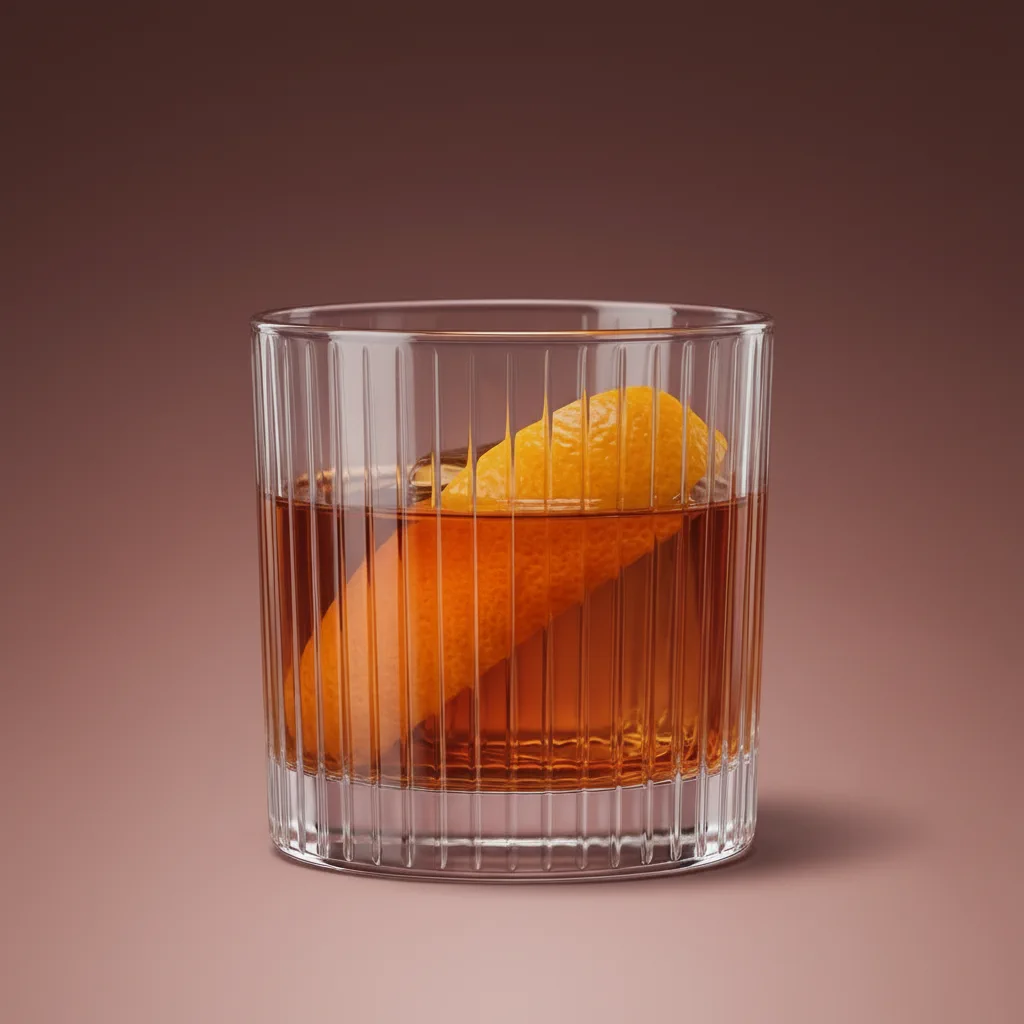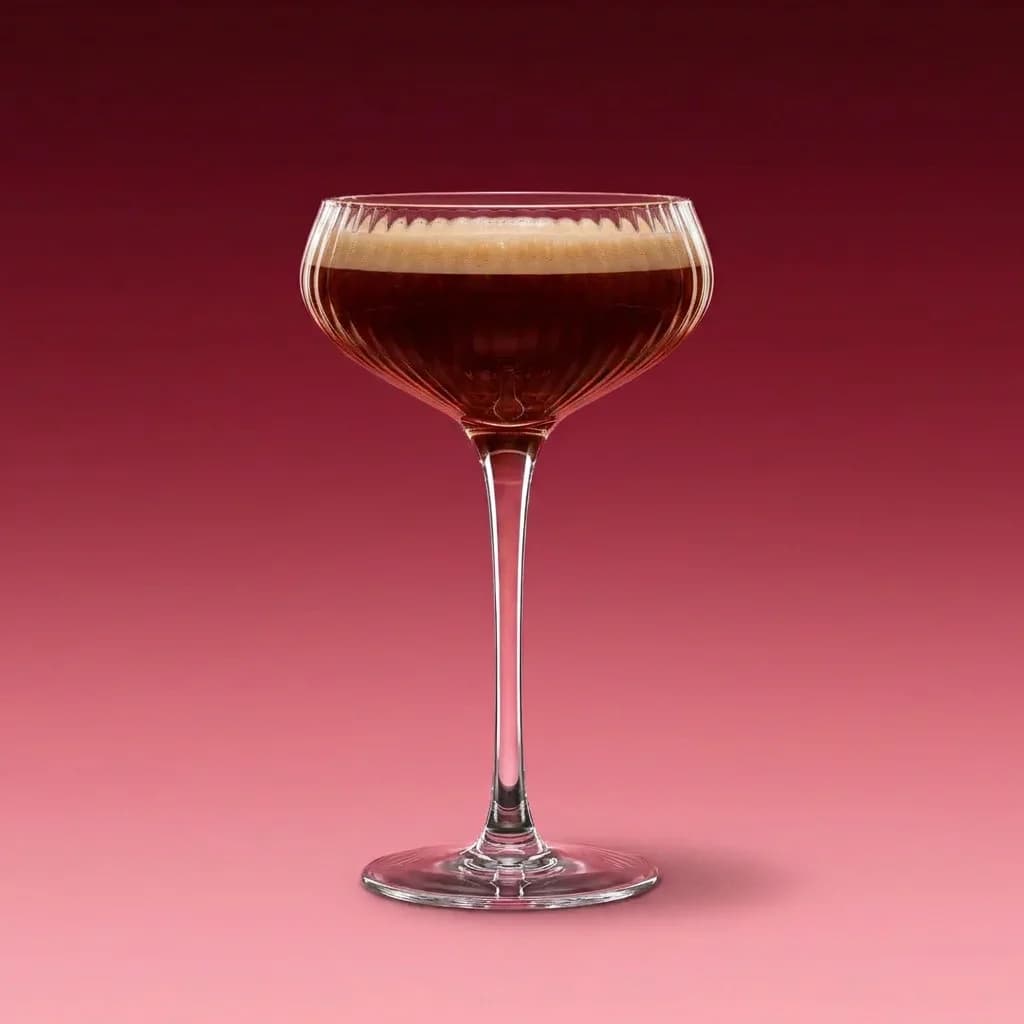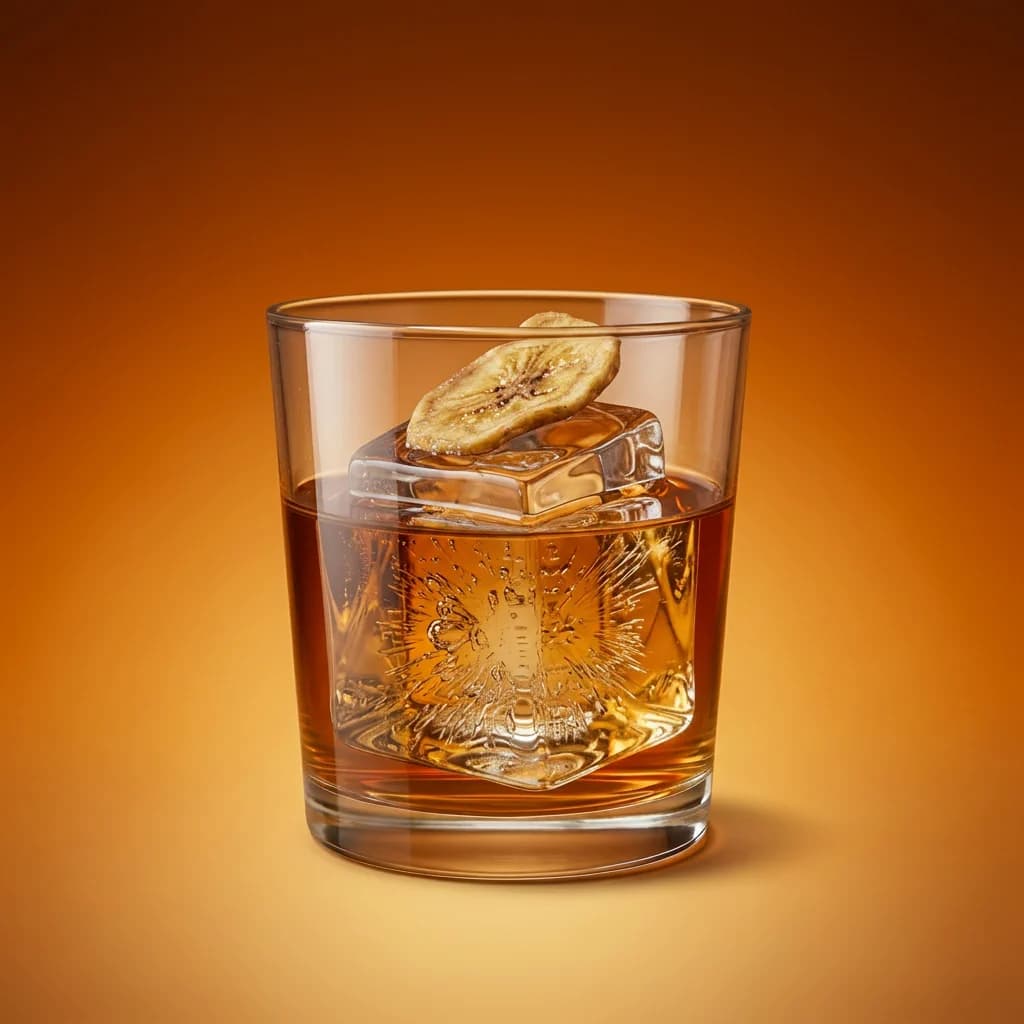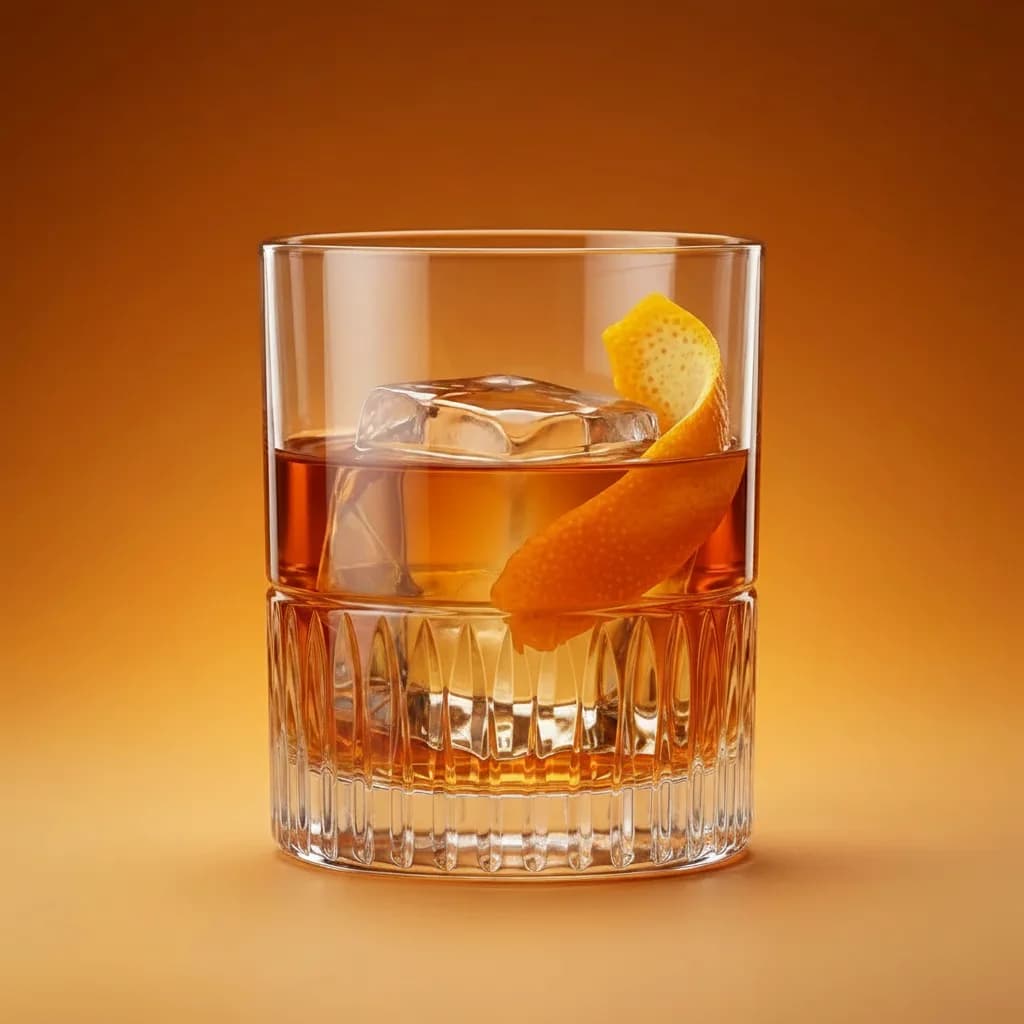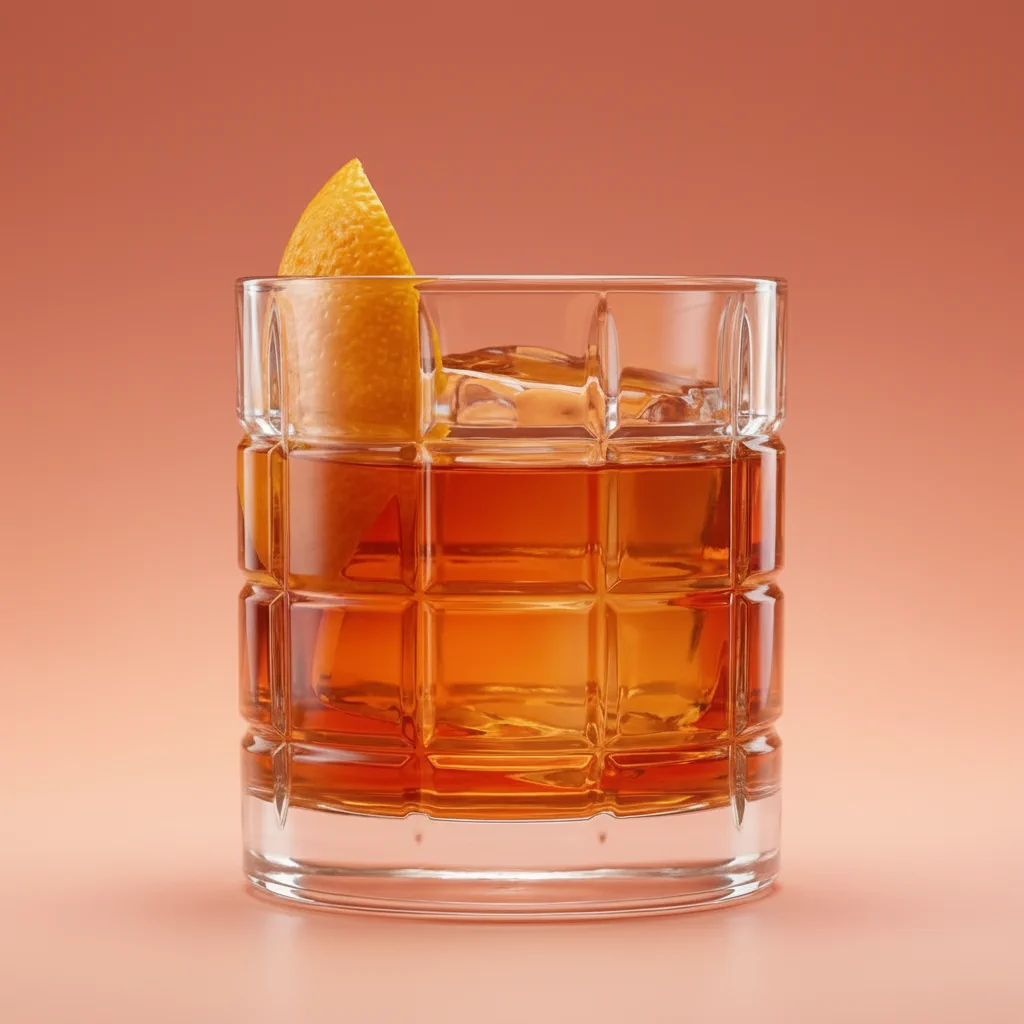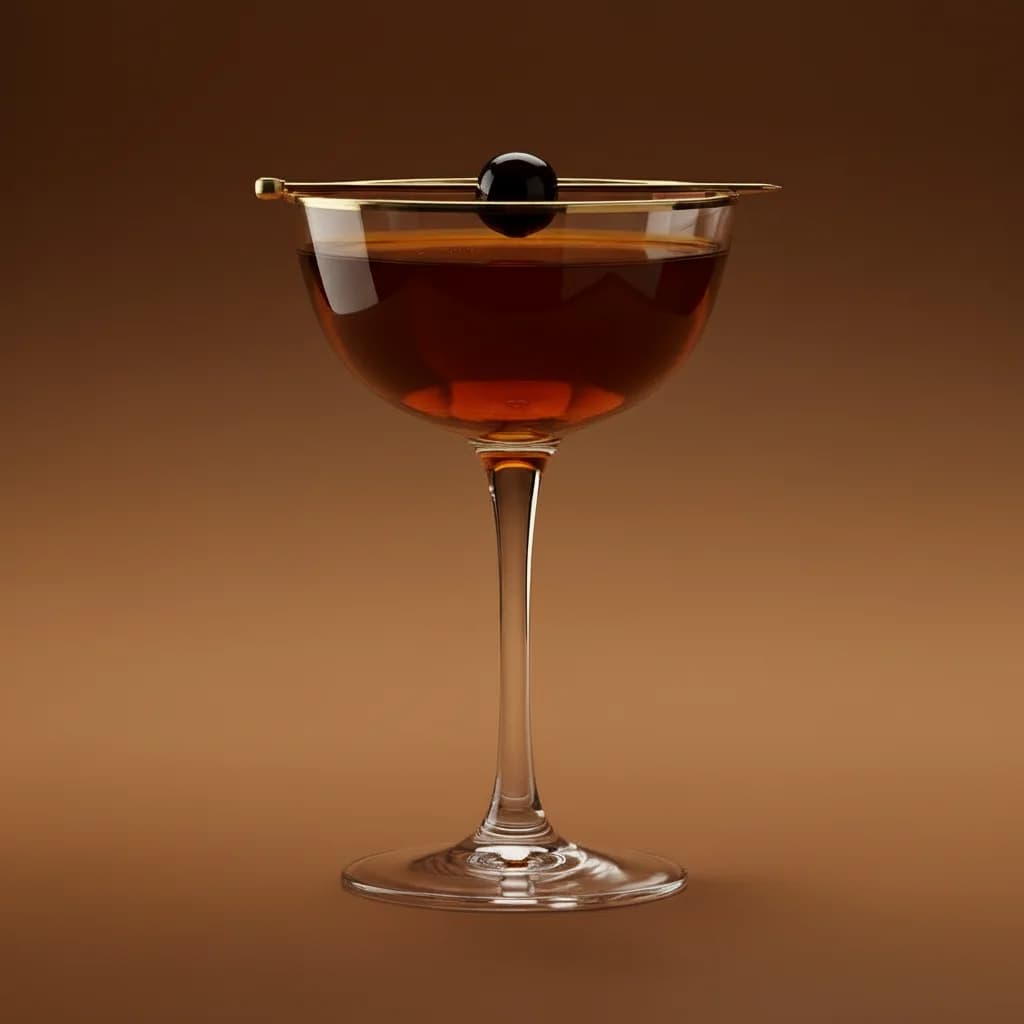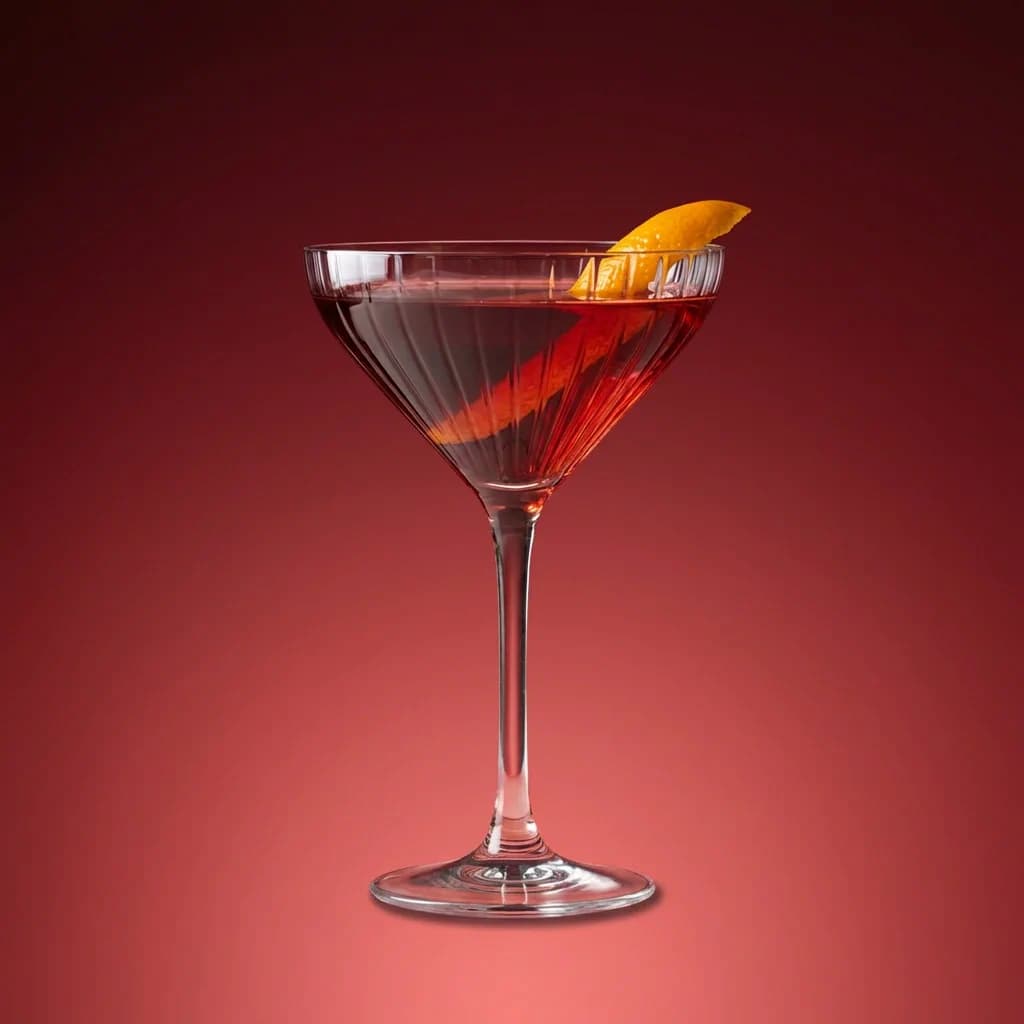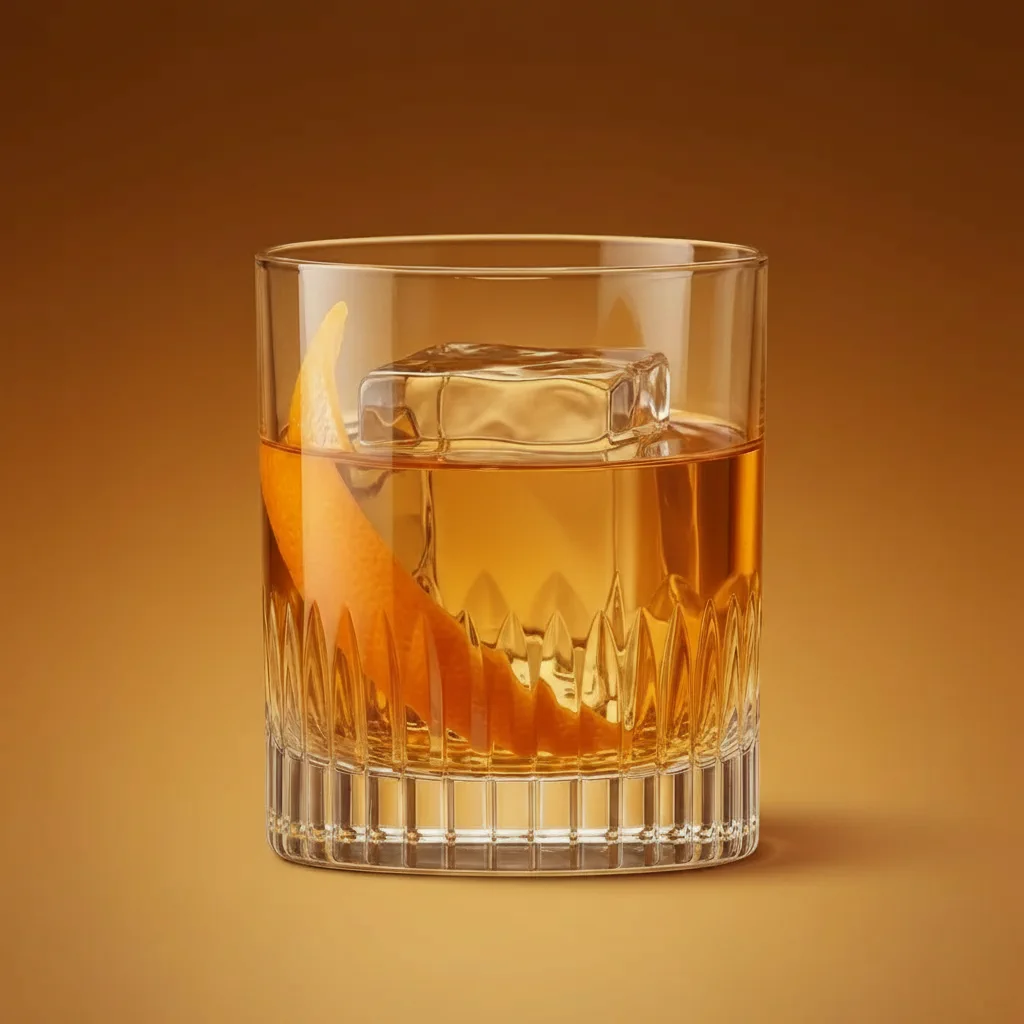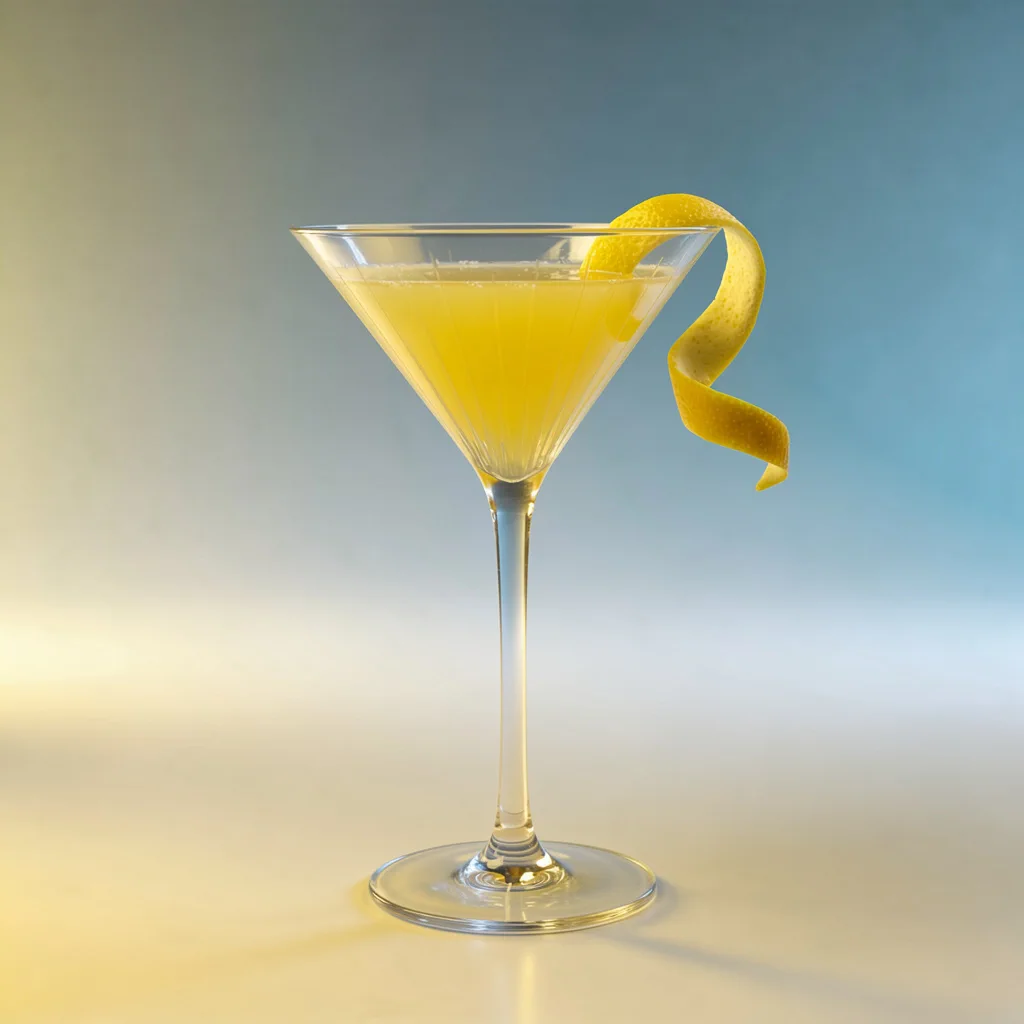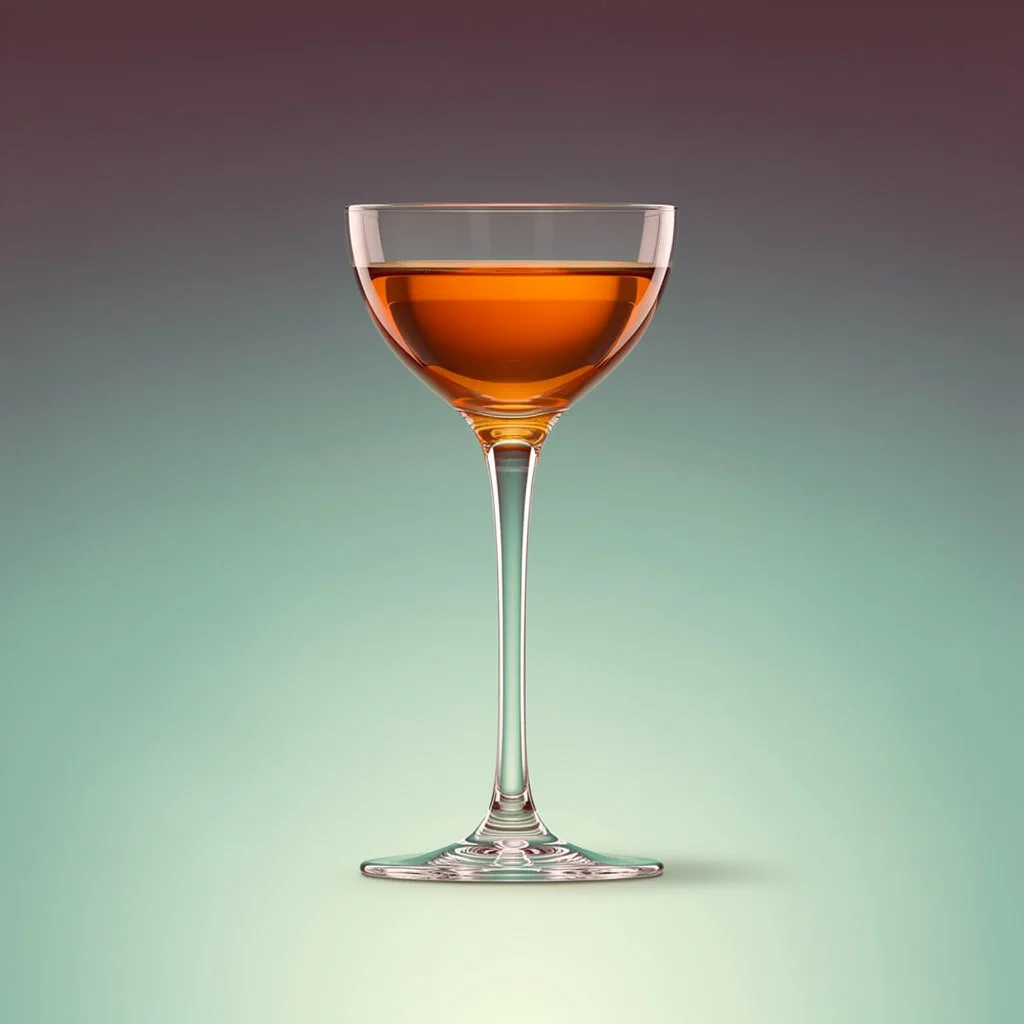
Sazerac
Stir ∙ 3 min ∙ 21.1% ABV ∙
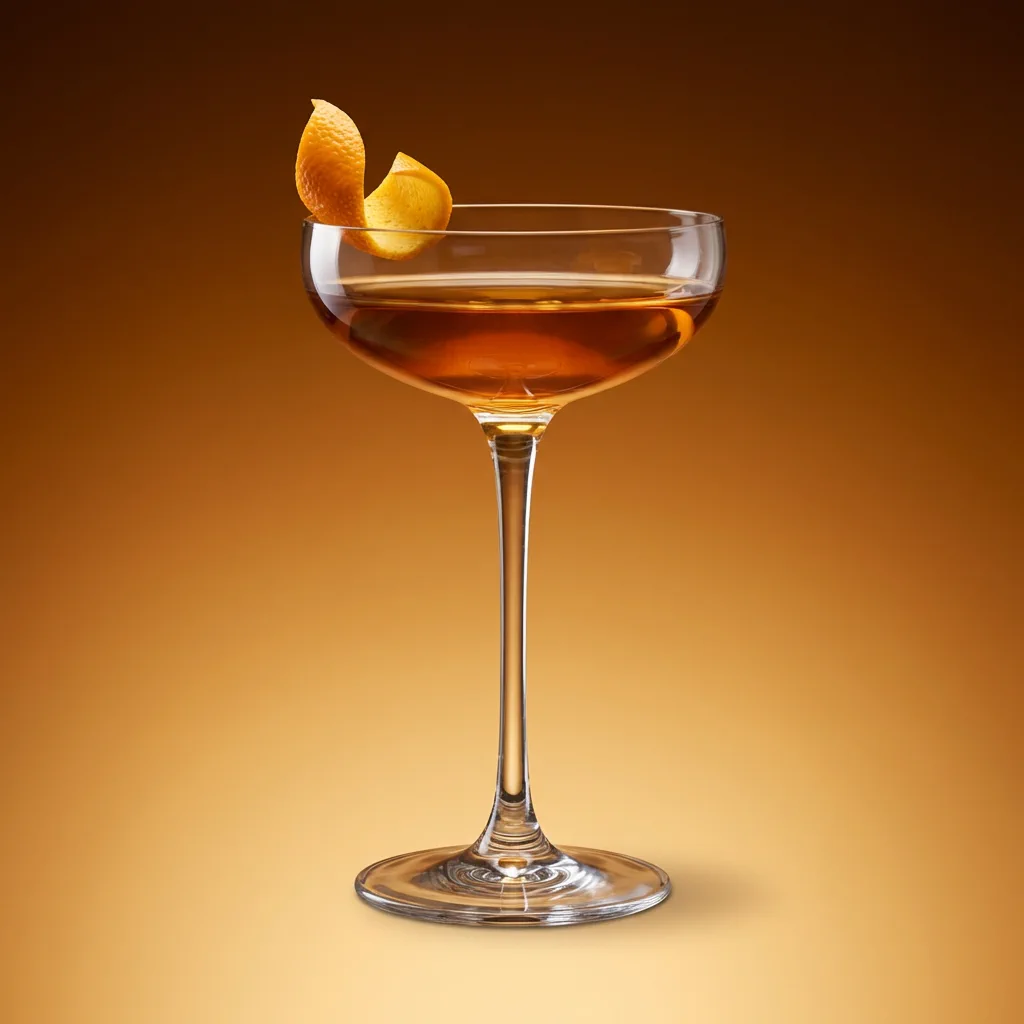
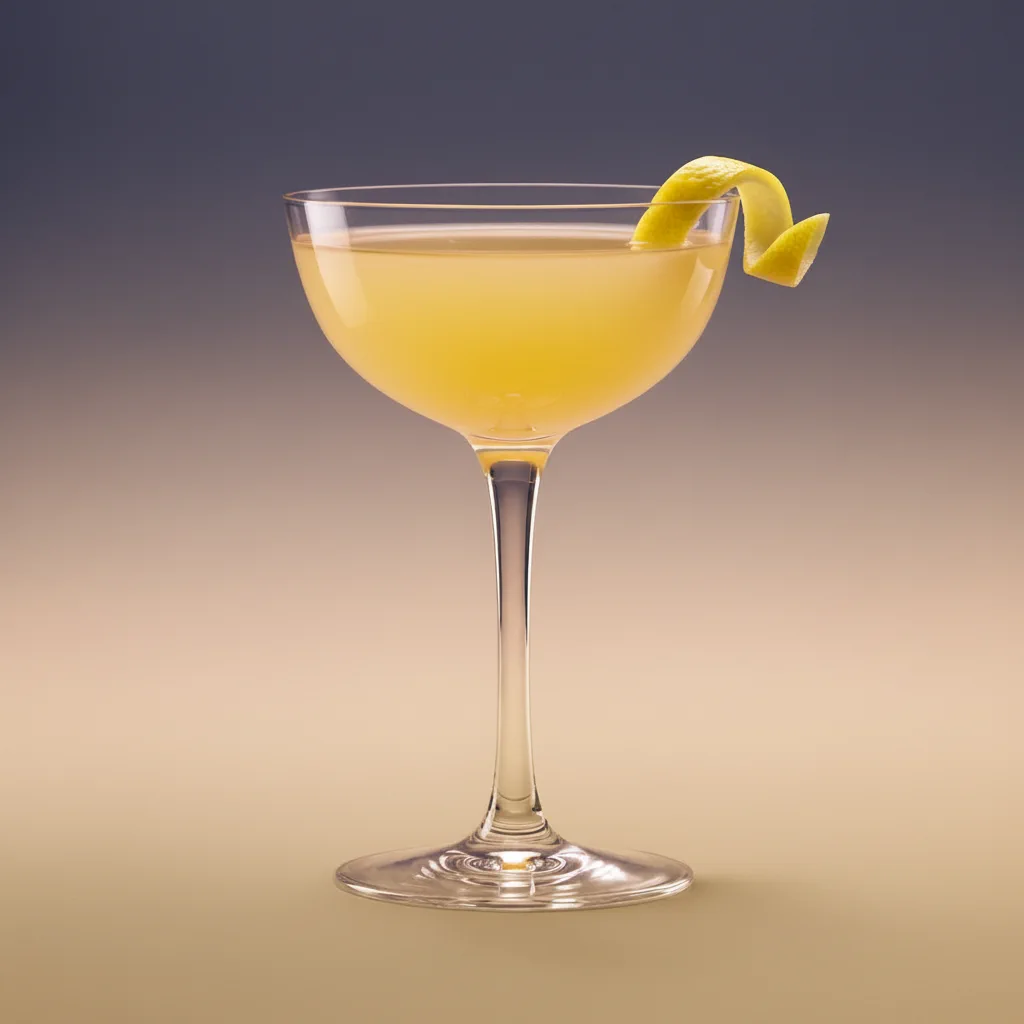
The Sazerac is a New Orleans whiskey cocktail of rye, an absinthe rinse, sugar, and Peychaud's-style Creole bitters, stirred and served without ice. Aromatic anise off the rinse hits first, then warm rye and brandy carry a spiced, faintly floral bitterness to a dry, potent finish — a proper nightcap sipper.
Ingredients
1
Servings



Garnish

Instructions for 1 serving
- Pre-chill a glass
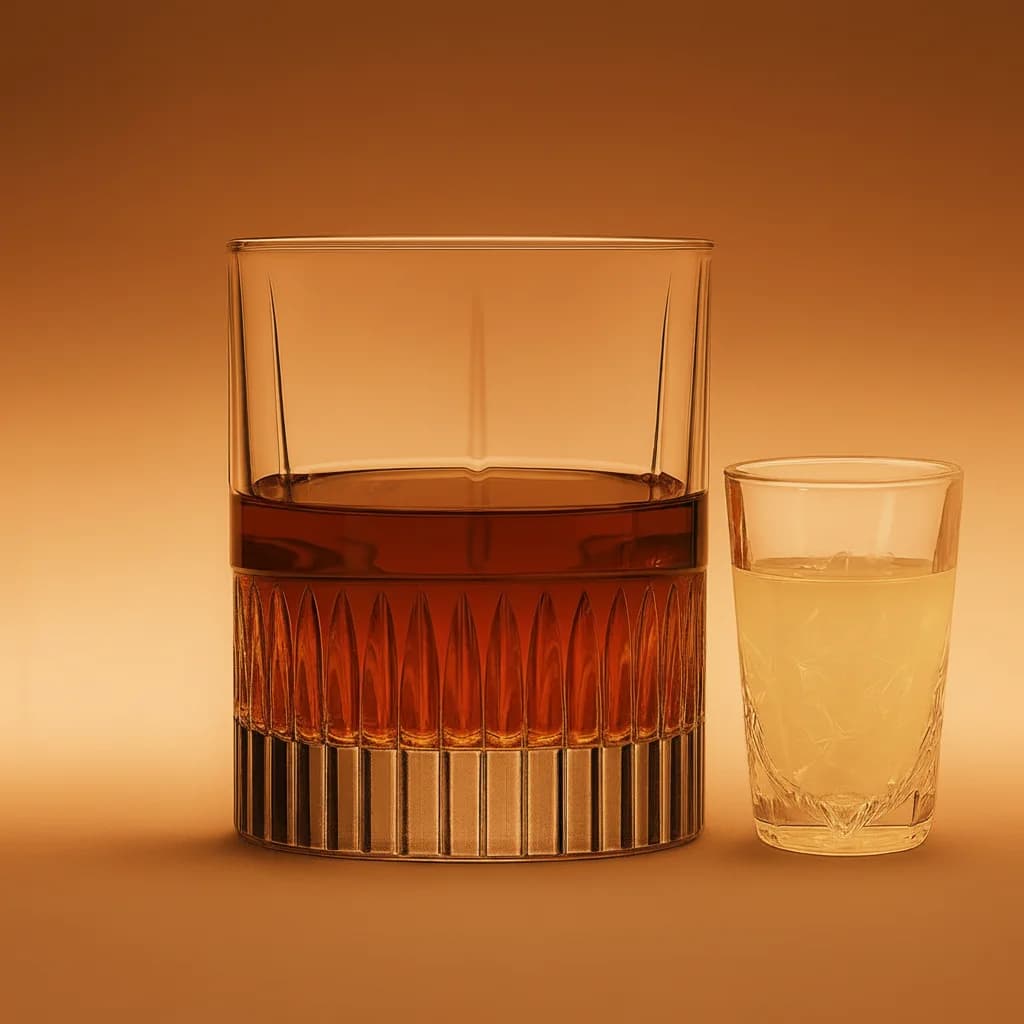
- Pour the Absinthe 5 ml into an old-fashioned glass filled with ice, top up with Chilled water and stir
- Strain the contents of the old-fashioned glass into the chilled shot glass to be served as an optional extra alongside the Sazerac
- Stir the remaining ingredients with ice: Brandy 20 ml, straight Rye whiskey 20 mlBourbon 20 mlSugar syrup 10 mlCreole-style bitters 4 dashes
- Strain the drink into the Absinthe-coated glass
- Express a lemon twist over the cocktail and use as garnish
Tips
- Rinse a chilled glass with absinthe, swirl to coat, then discard the excess — it should scent the drink, not flavor it heavily.
- Stir the whiskey, sugar, and bitters over ice for about 30 seconds, then strain into the rinsed glass so it lands cold with no ice.
History
The Sazerac grew out of a New Orleans coffee house. Around 1850, Sewell T. Taylor sold the Merchants Exchange Coffee House to become a spirits importer, bringing in the Sazerac-de-Forge et Fils cognac; the new owner, Aaron Bird, renamed the bar the Sazerac Coffee House and served a "Sazerac Cocktail" using that cognac and bitters made by local apothecary Antoine Amédée Peychaud.
When Thomas Handy took over around 1870, the base shifted from cognac to rye during the Great French Wine Blight. At some point before Handy's death in 1889, he recorded the recipe, which first appeared in print in William T. "Cocktail Bill" Boothby's The World's Drinks and How to Mix Them (1908), though that printed recipe called for Selner Bitters rather than Peychaud's. New Orleans named it the city's official cocktail in 2008.
FAQ
What is in a Sazerac cocktail?
A Sazerac is rye whiskey, sugar, and Peychaud's-style Creole bitters, stirred and strained into a glass rinsed with absinthe, then finished with a lemon twist. This build uses a split base of rye, bourbon, and brandy, in the style of a New York Sazerac.
What's the difference between an Old Fashioned and a Sazerac?
Both are stirred spirit-and-sugar drinks, but a Sazerac adds an absinthe rinse and Peychaud's bitters and is served without ice, giving it a distinct anise aroma. An Old Fashioned uses aromatic bitters and is served over ice.
Is a Sazerac a strong drink?
Yes, a Sazerac is a strong, spirit-forward cocktail. It is essentially chilled, sweetened, and aromatized whiskey served without ice, so there is no soda or juice to soften it — dilution comes only from the stir.
Can you drink a Sazerac straight?
A Sazerac is already meant to be sipped neat, without ice in the glass. It is stirred with ice and strained, so it arrives chilled and lightly diluted but undiluted further at the table — sip it slowly.
What is a substitute for absinthe in a Sazerac?
Herbsaint, pastis, or Pernod all work as substitutes for the absinthe rinse. In New Orleans, Herbsaint is the traditional stand-in, since it was created locally in 1934 during the decades absinthe was unavailable in the United States.
What glass is a Sazerac served in?
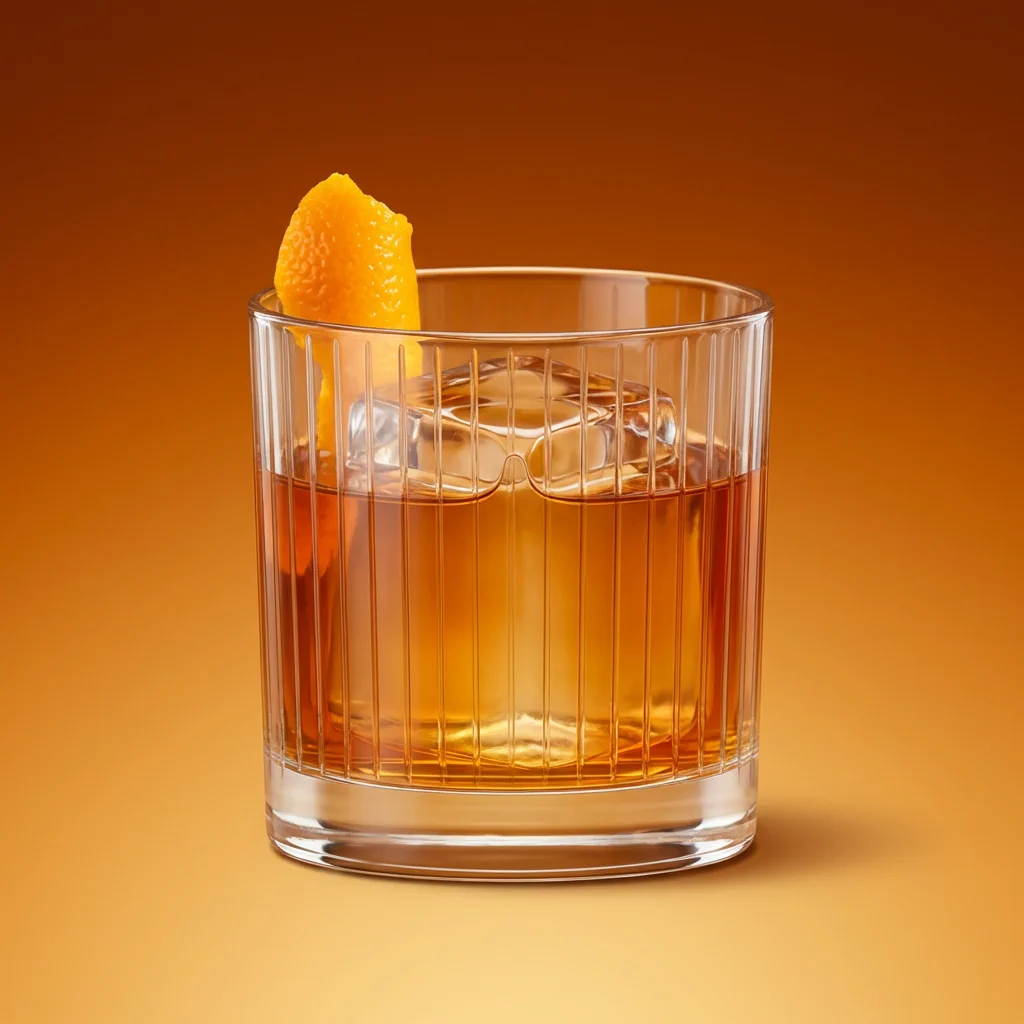
A Sazerac is served in a chilled old-fashioned glass, without ice. The glass is first rinsed with absinthe and the excess discarded, so the anise aroma coats the inside before the drink is strained in.