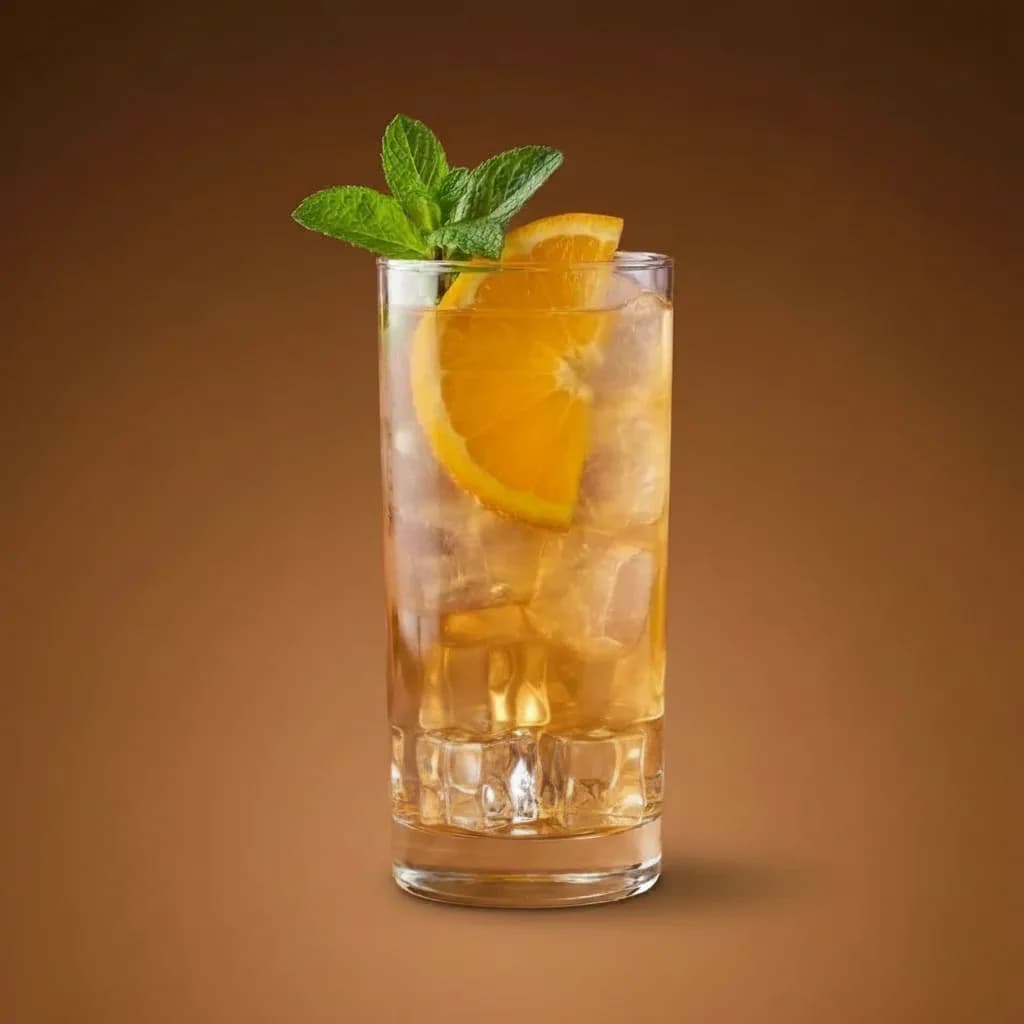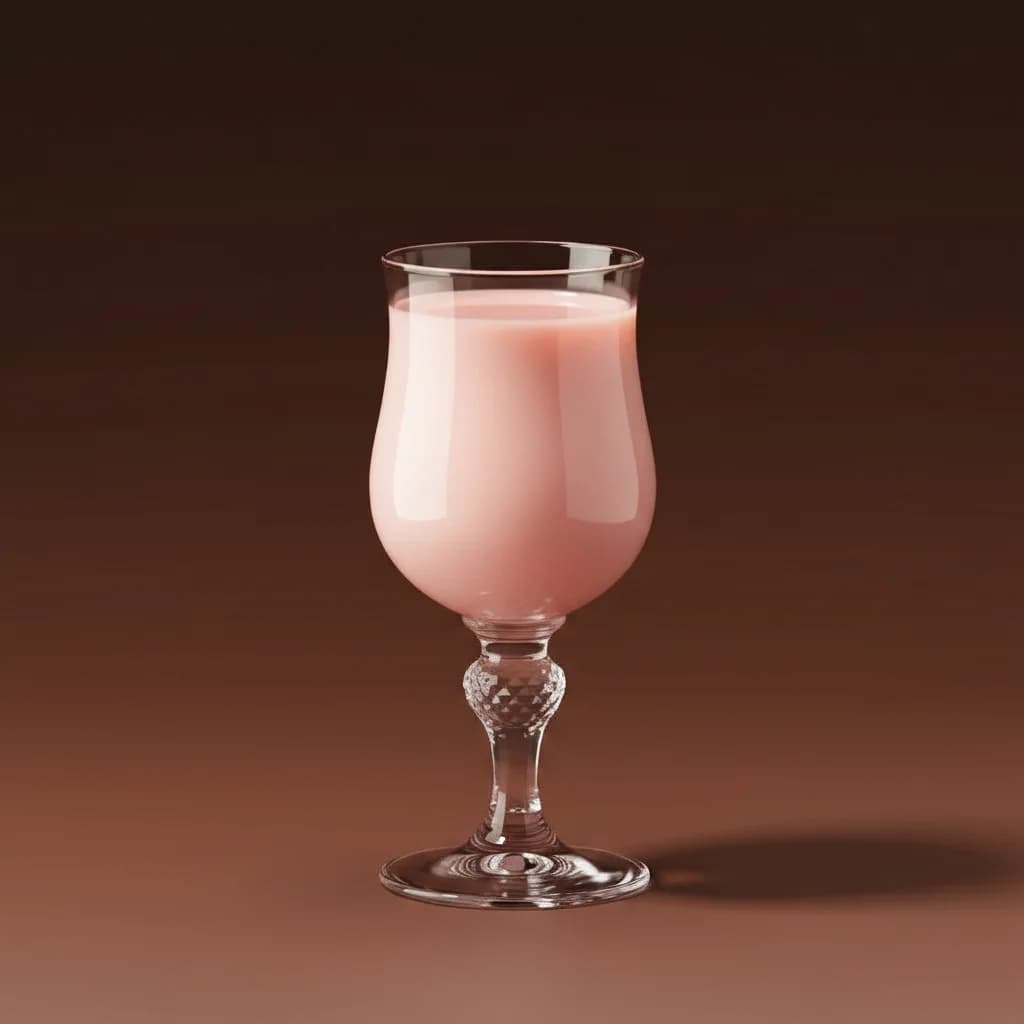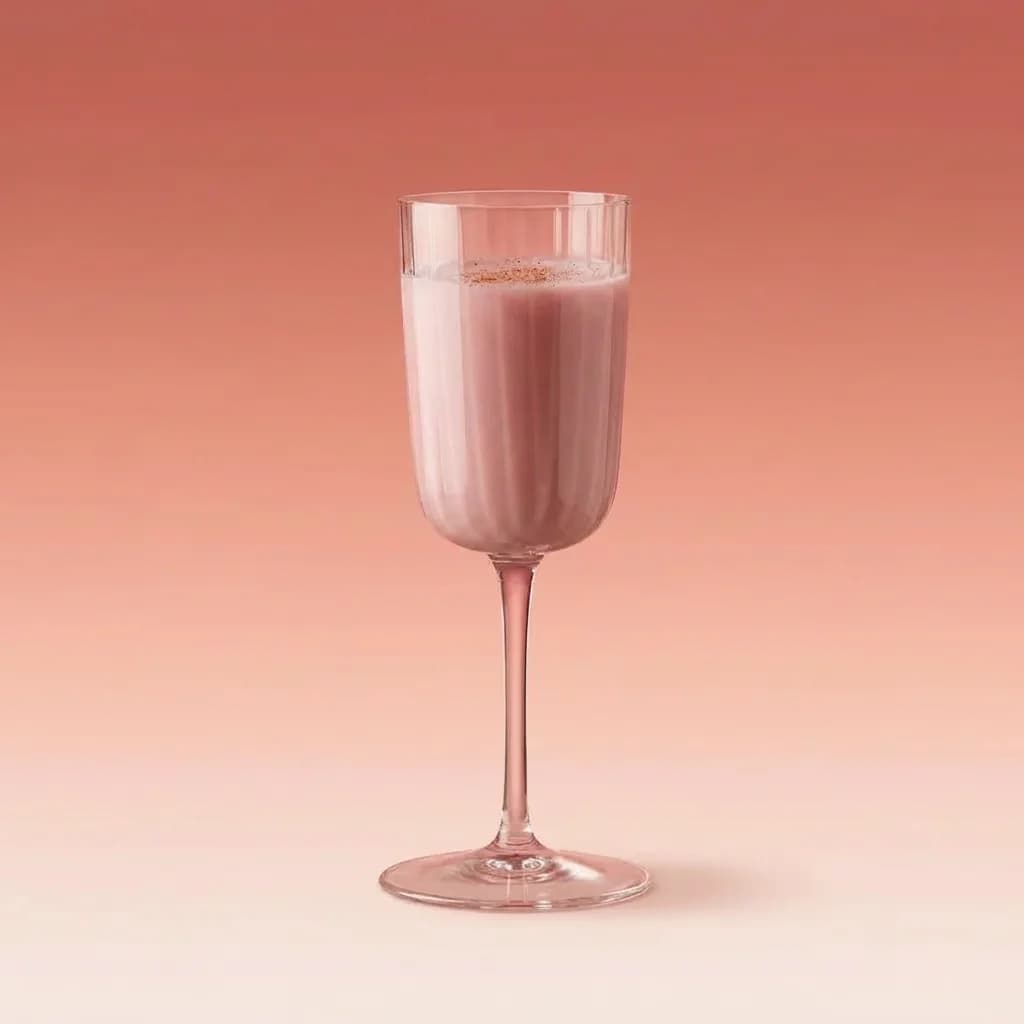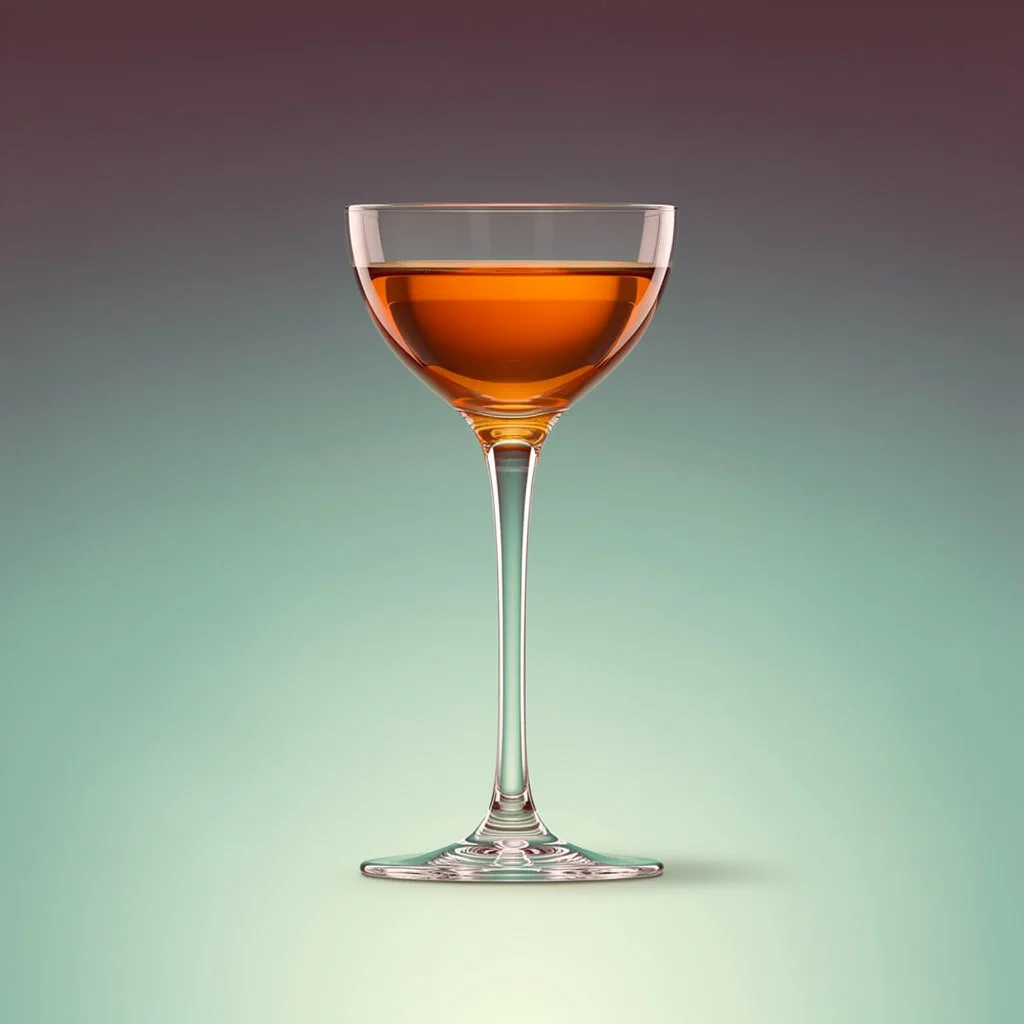
Brandy Sangaree
Stir ∙ 3 min ∙ 26.8% ABV ∙
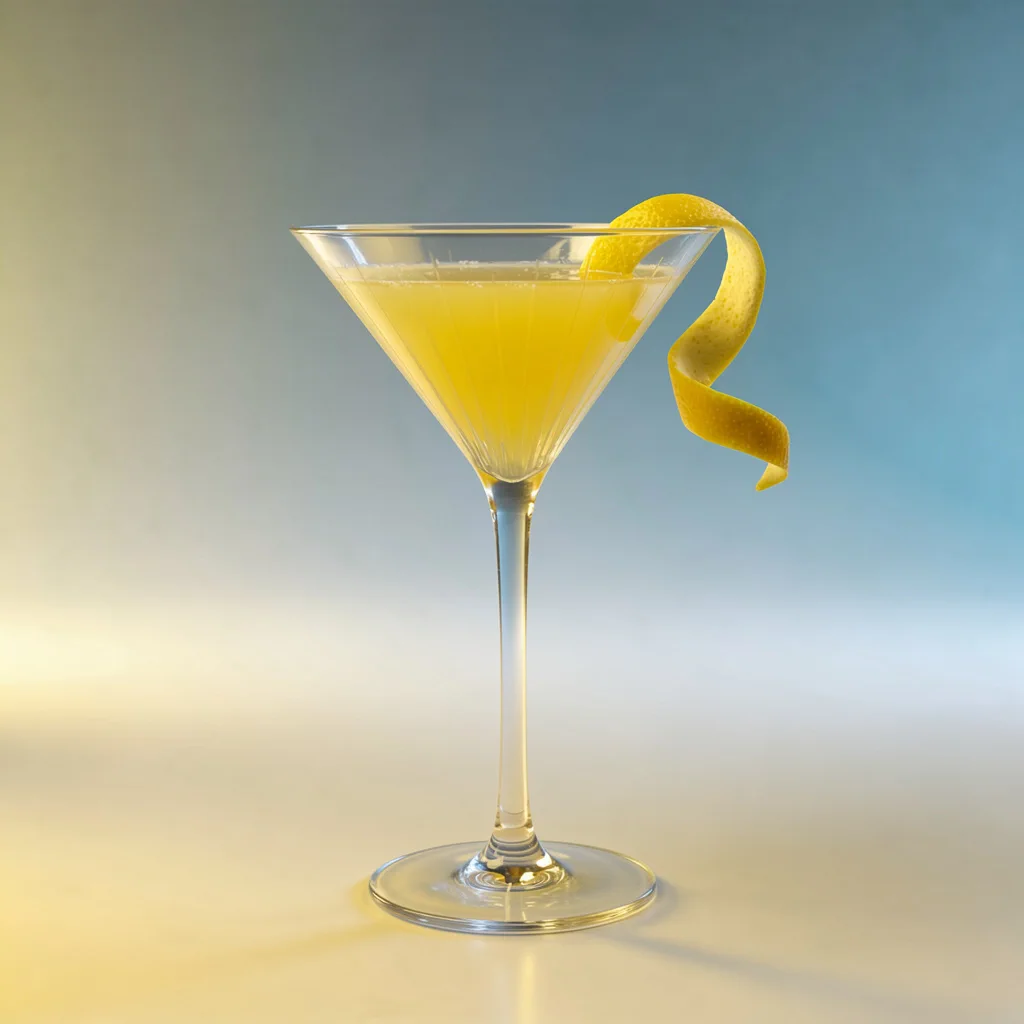
The Brandy Sangaree stirs brandy with tawny port and a touch of cane syrup, finished with grated nutmeg over ice in a coupe. Warm dried-fruit sweetness from the port meets brandy's grape-brandy backbone, with a fragrant nutmeg lift on the nose finishing dry and spiced.
Ingredients
1
Servings
Garnish
Instructions for 1 serving
- Pre-chill a glass
- Stir all ingredients with ice: Brandy 45 mlTawny port 20 mlCane syrup 5 ml
- Fine strain into the chilled glass
- Garnish with grated nutmeg
Tips
- Stir the brandy, tawny port and cane syrup with ice for about 15 seconds only, then strain to keep the drink cold without over-diluting it.
- Measure the tawny port at 20 ml against 45 ml of brandy - it is stirred in, not floated, so a heavy pour turns the whole drink sweet rather than sitting on top.
History
The sangaree is one of the oldest named mixed-drink styles in English, first recorded in a 1736 issue of The Gentleman's Magazine, which described a punch seller in the Strand selling a strong Madeira punch called "Sangre." The name derives from the Spanish sangre, meaning blood, a reference shared with sangria, though the two drinks are historically distinct: sangaree dates to the 18th century, while sangria as known today only emerged in the 20th. Early sangarees were simple mixtures of fortified wine, water, sugar, and grated nutmeg, served warm or cold.
By the time "Professor" Jerry Thomas published his 1862 Bar-Tender's Guide, the style had diversified into six versions built on different base spirits, including port, sherry, brandy, gin, ale, and porter, unified by sugar and nutmeg and, by then, commonly served over ice. The brandy version was one of these standard Sangarees rather than a separate invention, following the same basic template Thomas codified.
The sangaree largely fell out of fashion after Prohibition but has been periodically revived by bartenders interested in pre-cocktail-era drinks.
FAQ
What is the most popular brandy cocktail?
Popular brandy cocktails include the Sidecar, the Brandy Alexander, and the Brandy Sangaree, a stirred drink of brandy, tawny port, and a touch of cane syrup topped with grated nutmeg. Sangarees themselves are an old style of sweetened, spiced wine or spirit drinks that predate most modern brandy classics.
What is in a Brandy Sangaree?
Brandy, tawny port, and a touch of cane syrup, stirred and served in a coupe with grated nutmeg on top. The port adds sweetness and body to the brandy base, while the nutmeg garnish is the drink's signature finishing touch.
Is a Brandy Sangaree shaken or stirred?
Stirred. Stirring keeps the drink clear and smooth rather than aerated, which suits its wine-and-spirit base better than a shake would.
What glass is a Brandy Sangaree served in?
A coupe glass, garnished with grated nutmeg on top.
Do you put brandy in a sangria?
Yes, many sangria recipes include a splash of brandy alongside the wine, fruit, and sweetener, though it is not strictly required. This is different from a Sangaree, which despite the similar-sounding name is a distinct stirred cocktail built on a spirit rather than a wine punch.
Does real sangria have brandy in it?
Traditional Spanish sangria is typically just red wine, fruit, and a sweetener, though brandy or a orange liqueur is a common addition in many recipes. It varies by region and household, so there is no single fixed formula.