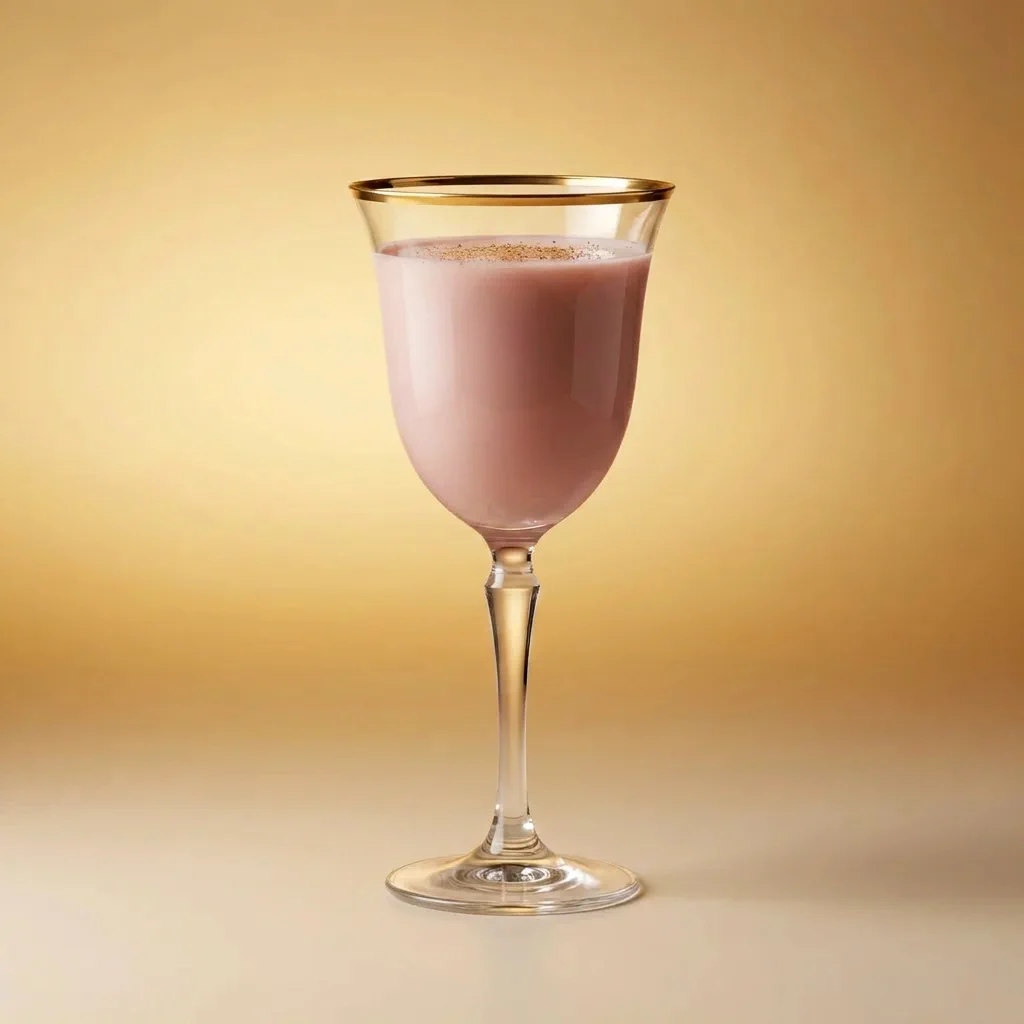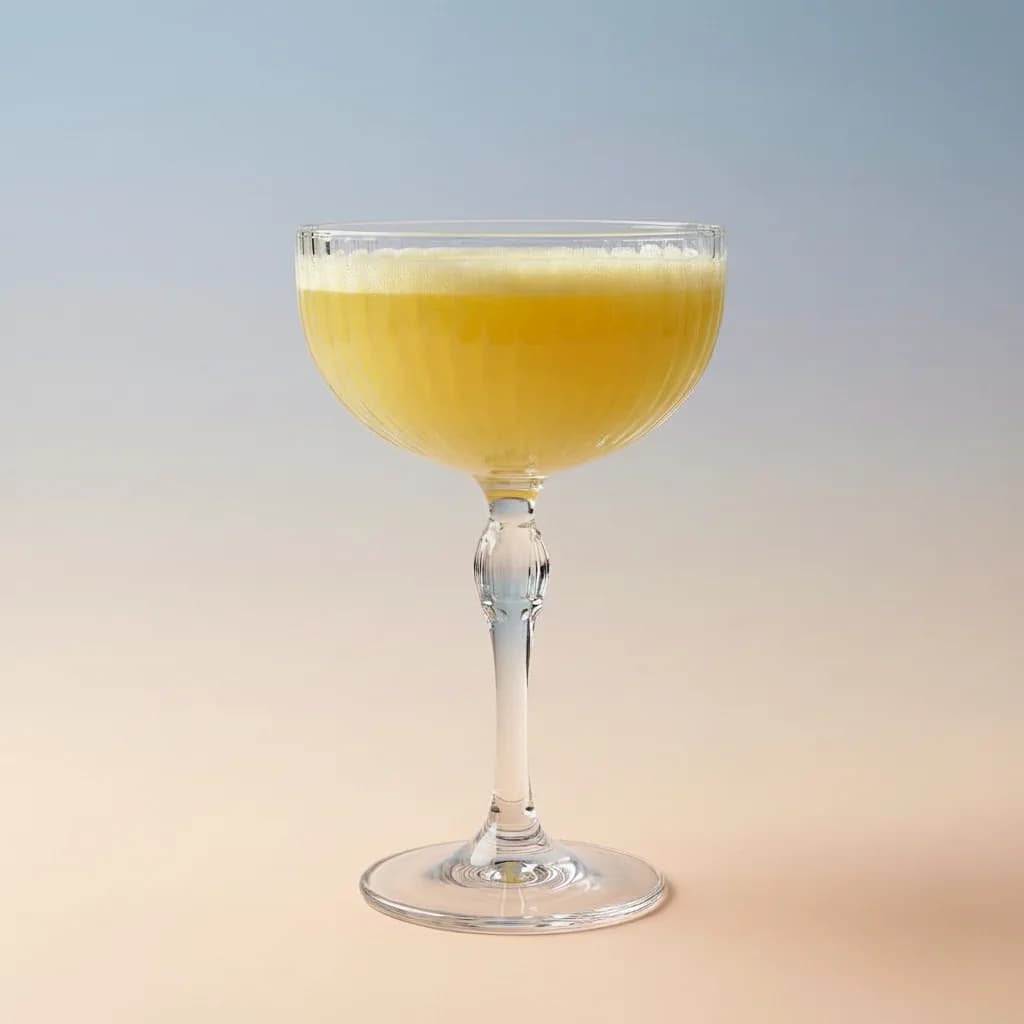
Cocktails with Egg
Egg is an animal product, most often the egg of the domestic chicken, comprising a shell enclosing the egg white (albumen) and the fat-rich yolk.
Substitutes for Egg
What you swap depends on which half the drink was using. Nothing plant-based does both at once, and the pasteurized version answers the safety question without changing the drink.
Often confused with
Pasteurized egg
Heated enough to be safe and not enough to cook, sold in cartons or in shell: it foams slightly less enthusiastically and removes the argument entirely.
Aquafaba
Chickpea water, which foams remarkably like egg white and tastes faintly of chickpea; it substitutes for the white and never for the whole egg.
Storage
Refrigerated, in date, and cracked to order. Never keep a cracked egg or a separated white sitting out on the station. If the room includes anyone pregnant, elderly or immunocompromised, use pasteurized eggs and say so.