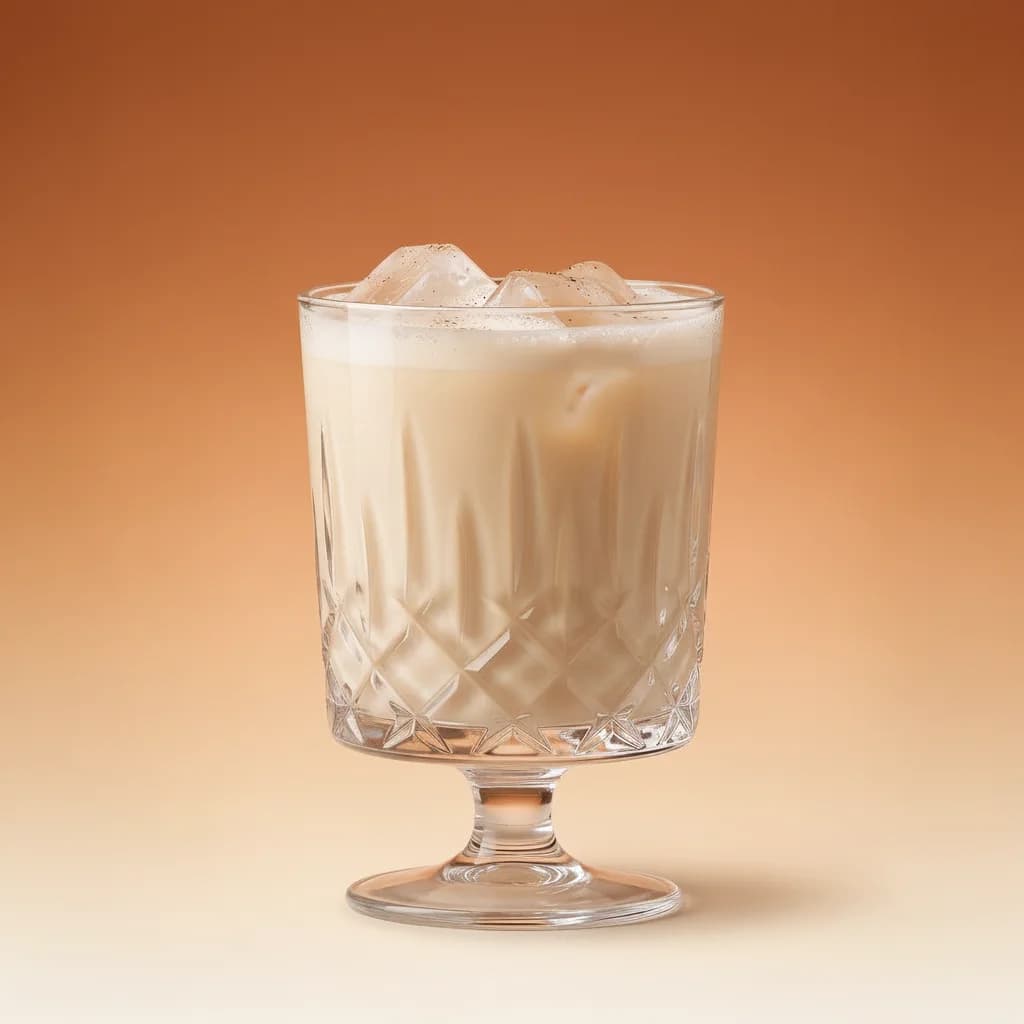
Eggnog
Dry shake ∙ 5 min ∙ 11.1% ABV ∙
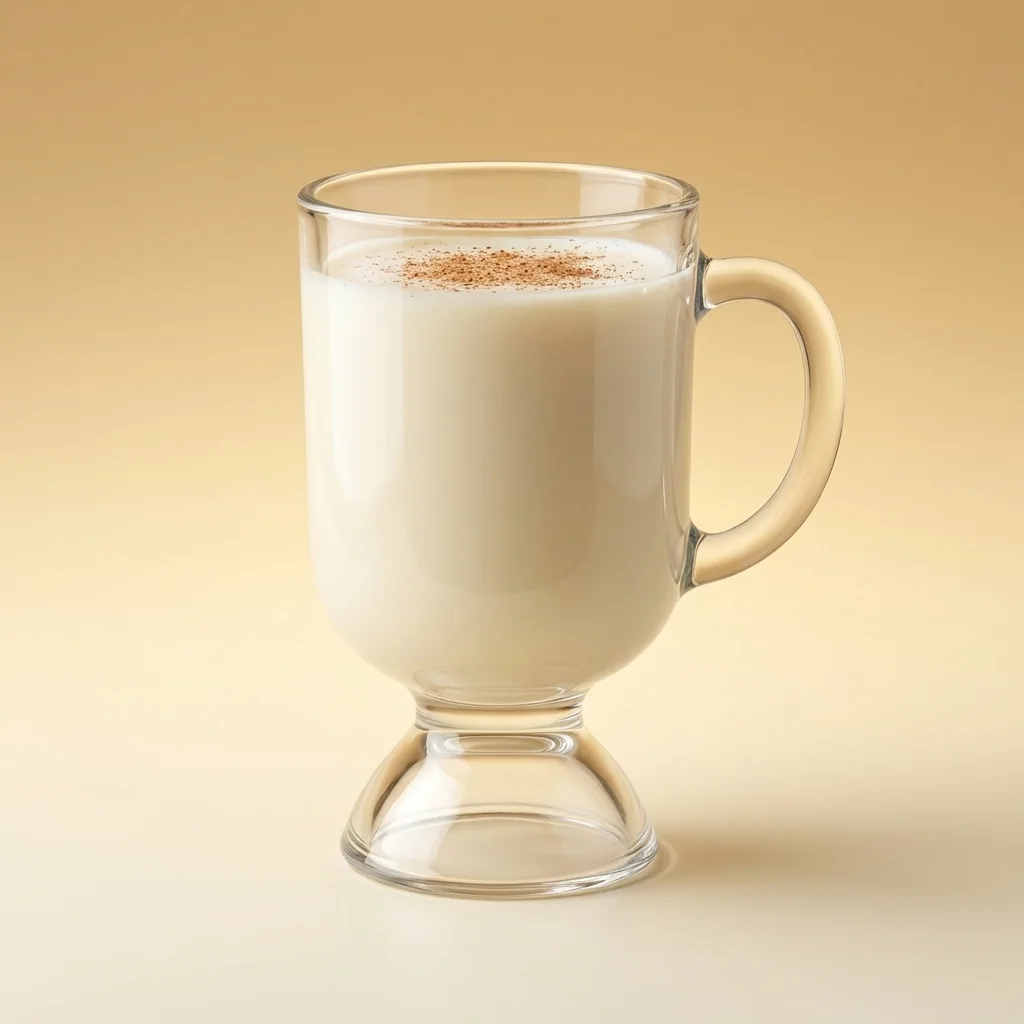
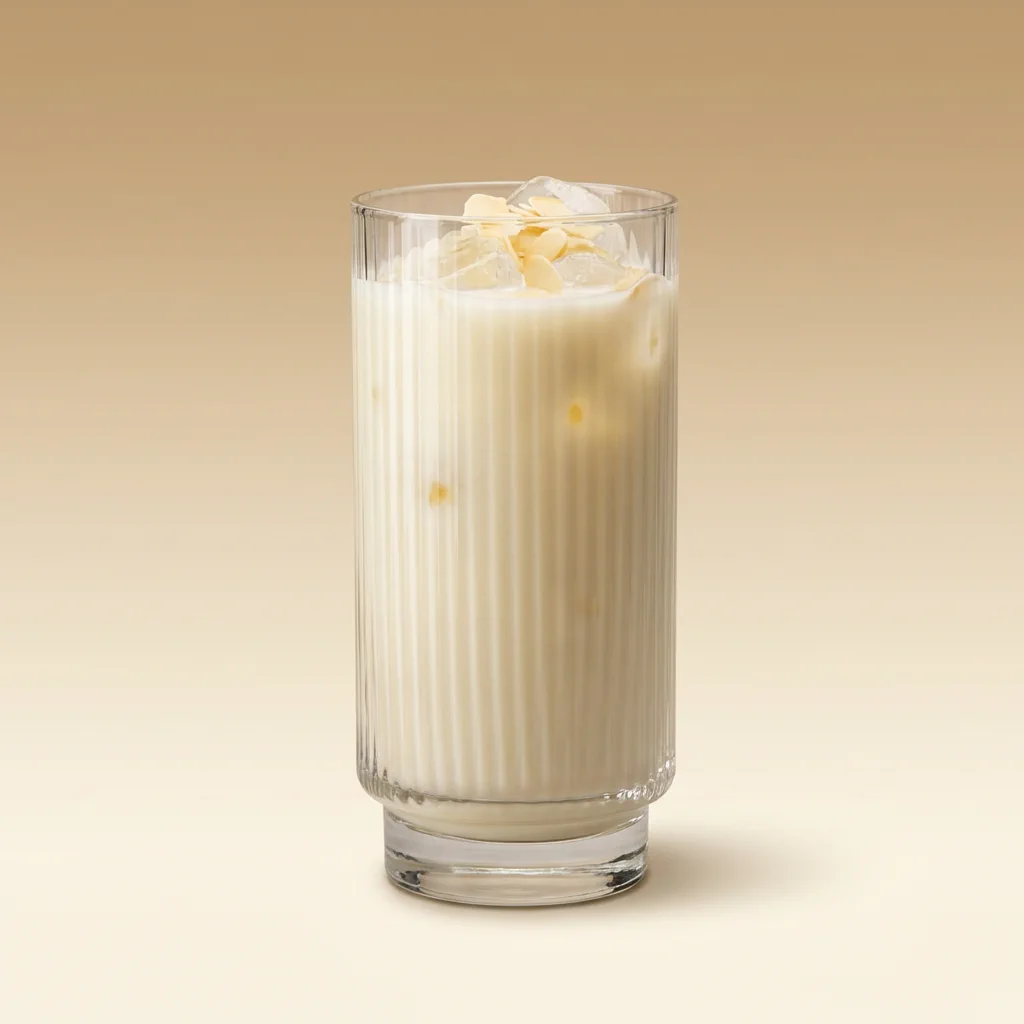
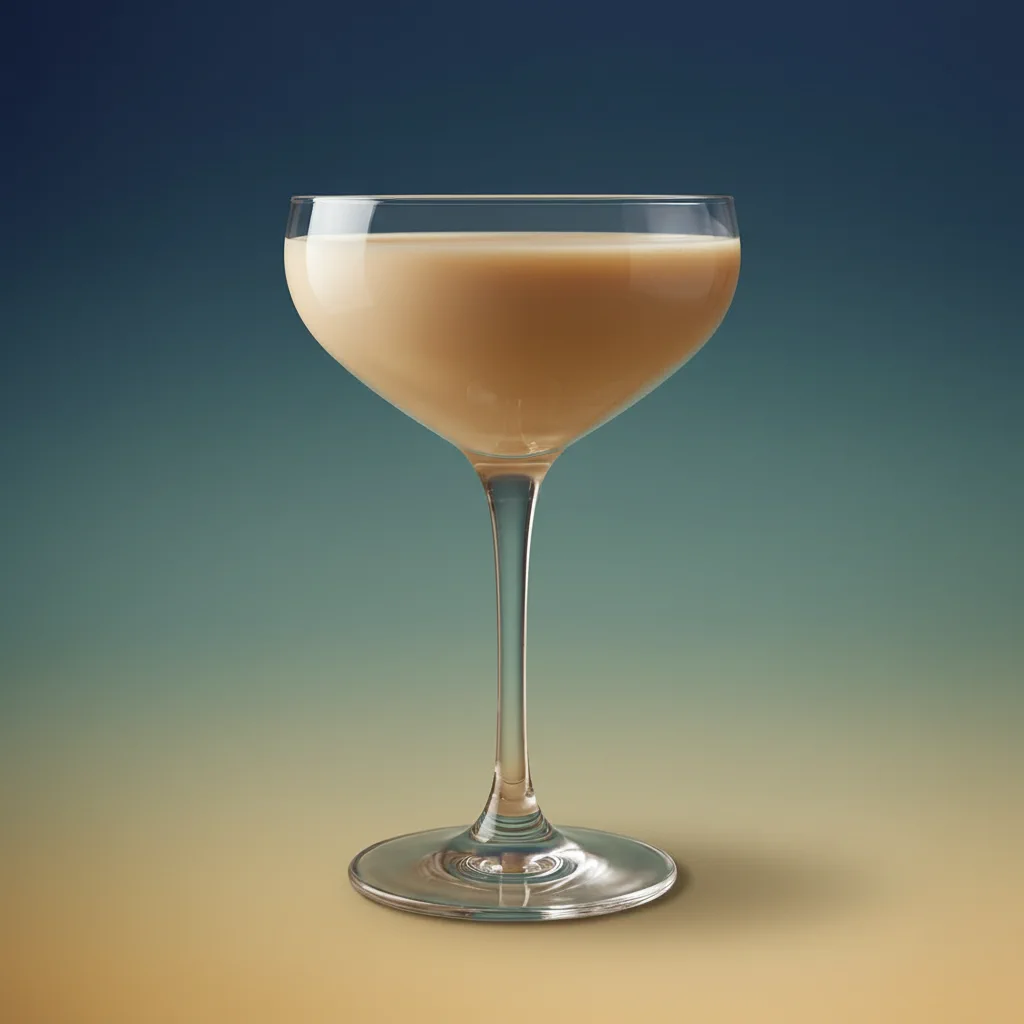
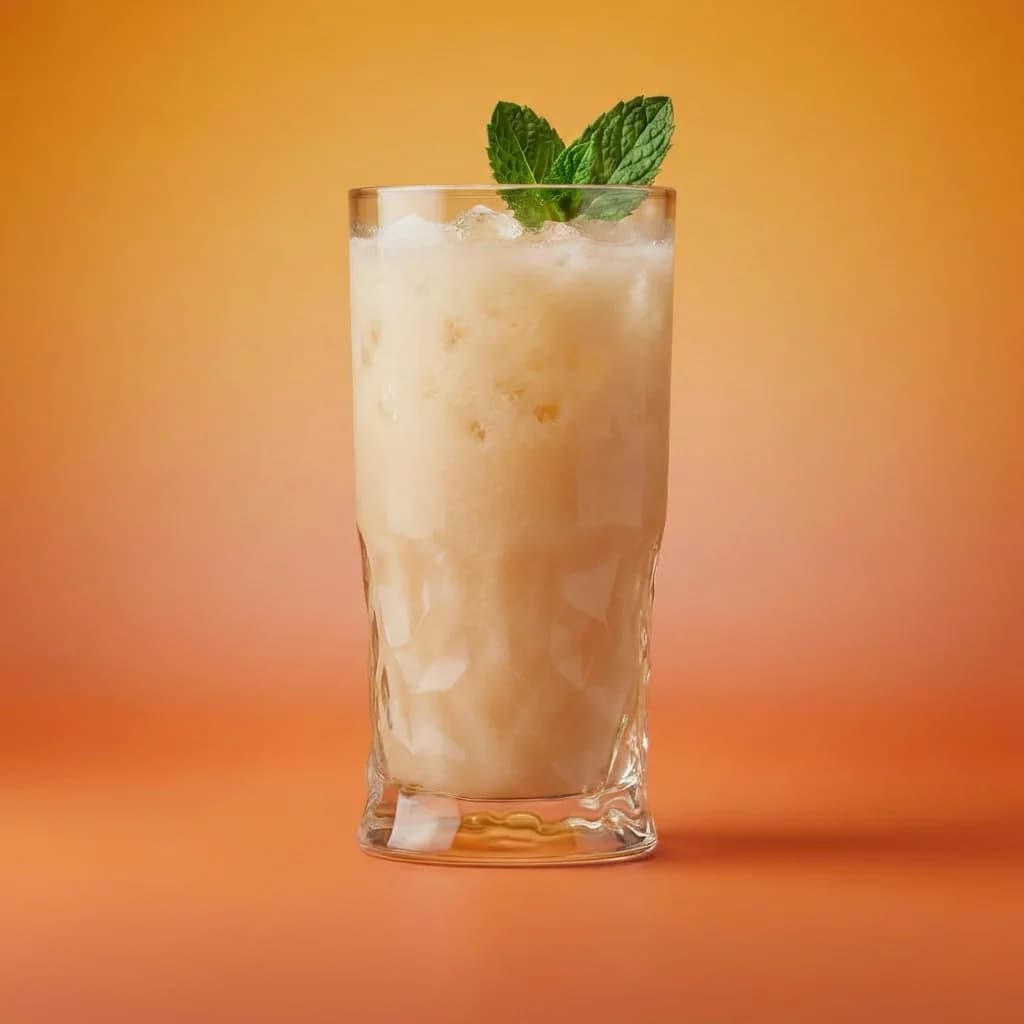
Eggnog is a creamy holiday drink of cognac and aged rum with milk, whole egg, and sugar, shaken and dusted with grated nutmeg.
Ingredients
1
Servings

Garnish
Instructions for 1 serving
- Pre-chill a glass
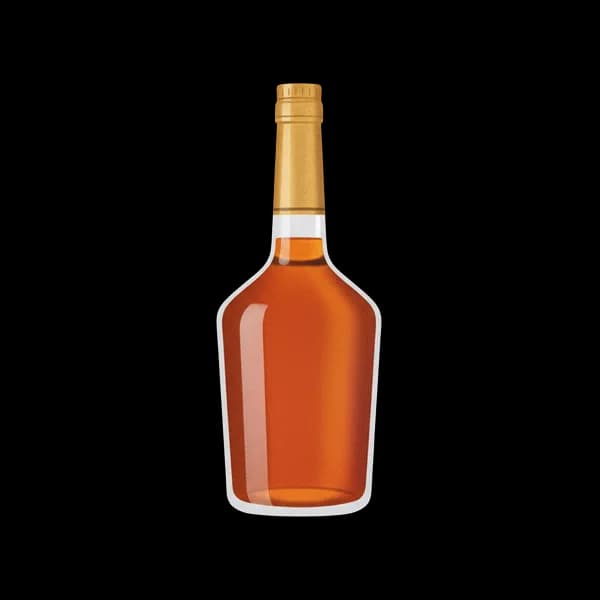
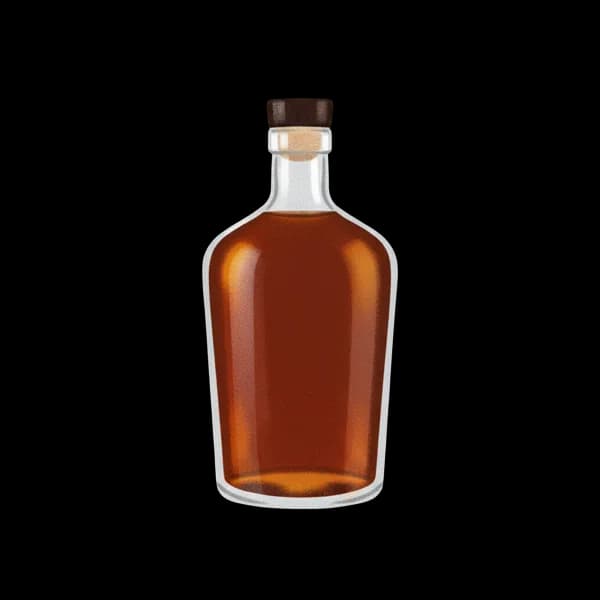
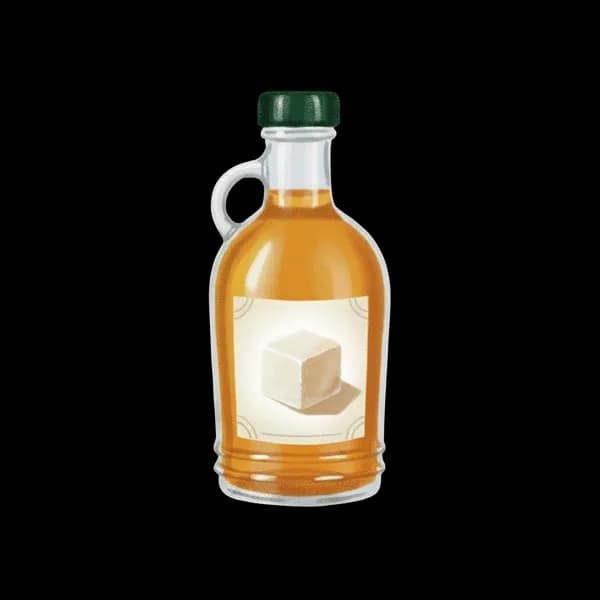
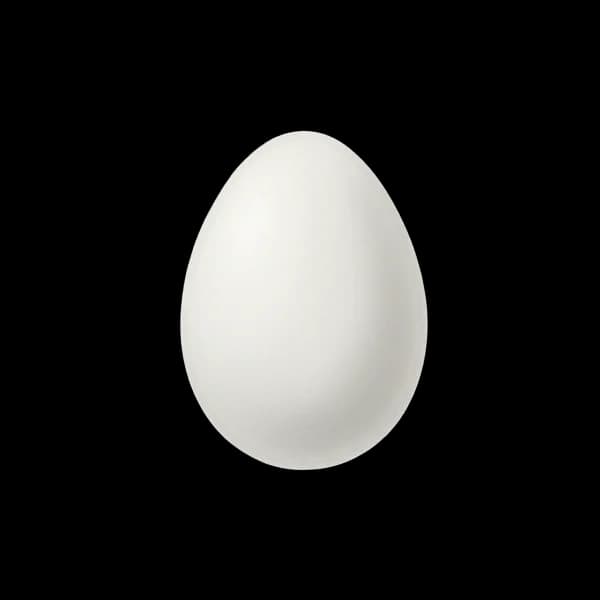
- Shake all ingredients with ice: Cognac 25 mlCaribbean aged rum 25 mlSugar syrup 10 mlMilk 25 mlEgg 1 pc
- Strain back into the shaker
- Dry shake (without ice)
- Fine strain into the ice-filled glass
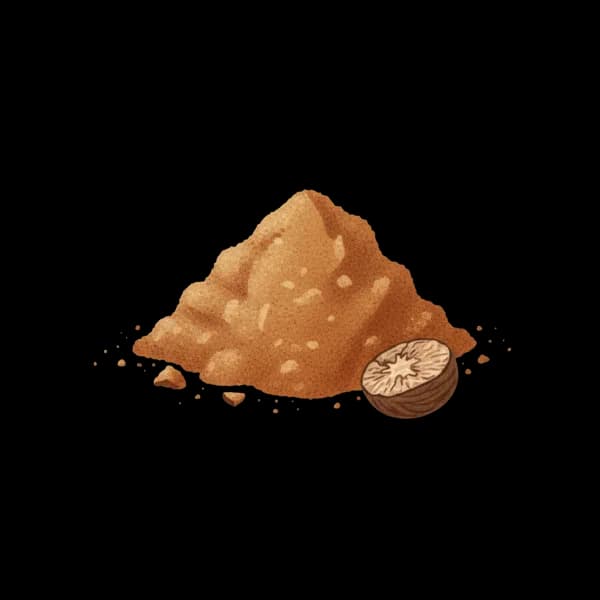
- Garnish with grated nutmeg
Tips
- Grate whole nutmeg over the top just before serving; pre-ground powder tastes flat and dusty.
- Splitting the base between cognac and aged rum, 25 ml each, makes a richer drink than either spirit alone.
History
The history of Eggnog traces its lineage to medieval European hot milk drinks curdled with wine or ale, most notably posset. This template flourished in colonial America, where abundant access to dairy and eggs transformed it into a popular large-batch communal punch. The tradition of fortifying this rich base shifted alongside regional economics: the primary spirit transitioned from expensive imported brandy and wine, such as sherry and Madeira, to Caribbean rum, and eventually to domestic American whiskey following the American Revolutionary War. In 1826 it famously sparked the Eggnog Riot at the United States Military Academy at West Point.
While modern cocktail mythology often attributes a heavily fortified recipe to George Washington, no such recipe has been definitively linked to him, and it does not come from the Washingtons' papers. Aged communal batches remain a holiday tradition, alongside modern single-serving builds like this one.
FAQ
What are the ingredients in an eggnog?
Eggnog combines cognac and Caribbean aged rum with whole milk, a whole egg (white and yolk), and a little sugar syrup, garnished with freshly grated nutmeg. Many home versions also add cream.
What is eggnog usually spiked with?
Eggnog is most often spiked with rum, brandy, or whiskey, and many recipes blend two of them. This version pairs cognac and Caribbean aged rum.
How do you make an eggnog cocktail?
Shake the spirits, milk, sugar syrup and a whole egg with ice to chill, strain back into the empty shaker, and shake again without ice to froth the egg. Fine-strain into an ice-filled old-fashioned glass and grate fresh nutmeg on top.
What glass is eggnog served in?
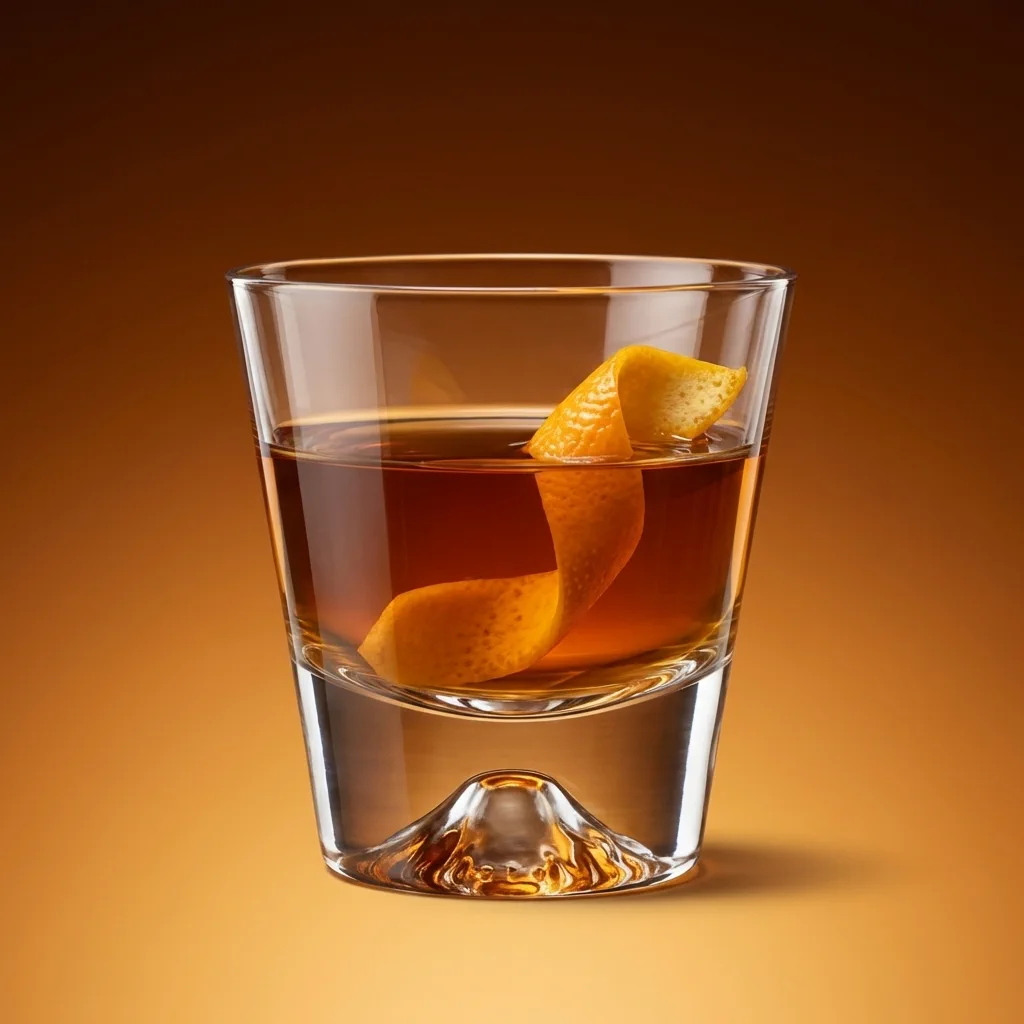
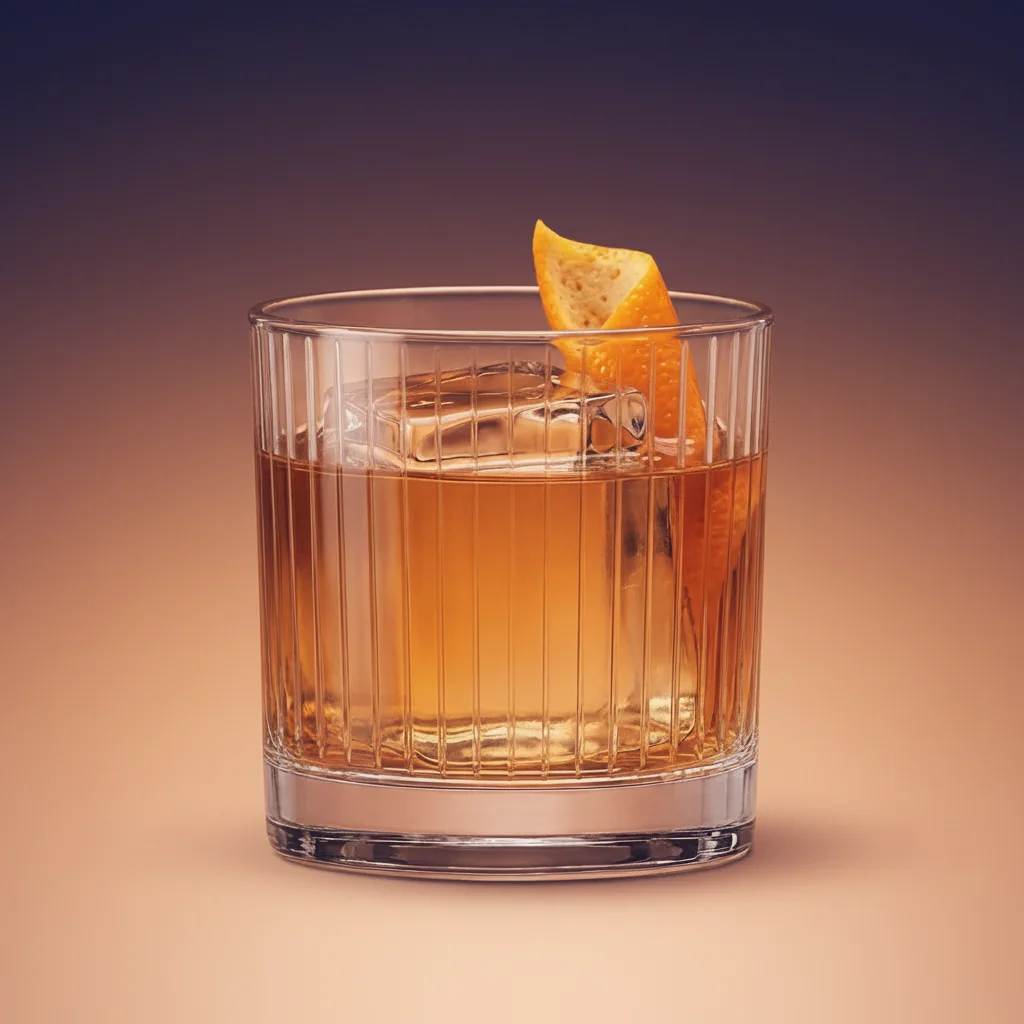
This single-serving eggnog is served over ice in an old-fashioned glass, topped with freshly grated nutmeg. Large batches are more often ladled into mugs or goblets.
Is eggnog shaken or stirred?
Shaken twice: first with ice to chill, then again without ice, which whips the whole egg into a light, frothy texture.