Port Flip
A sweet and creamy fortified wine cocktail ∙ Dry shake ∙ 5 min ∙ 20.7% ABV ∙
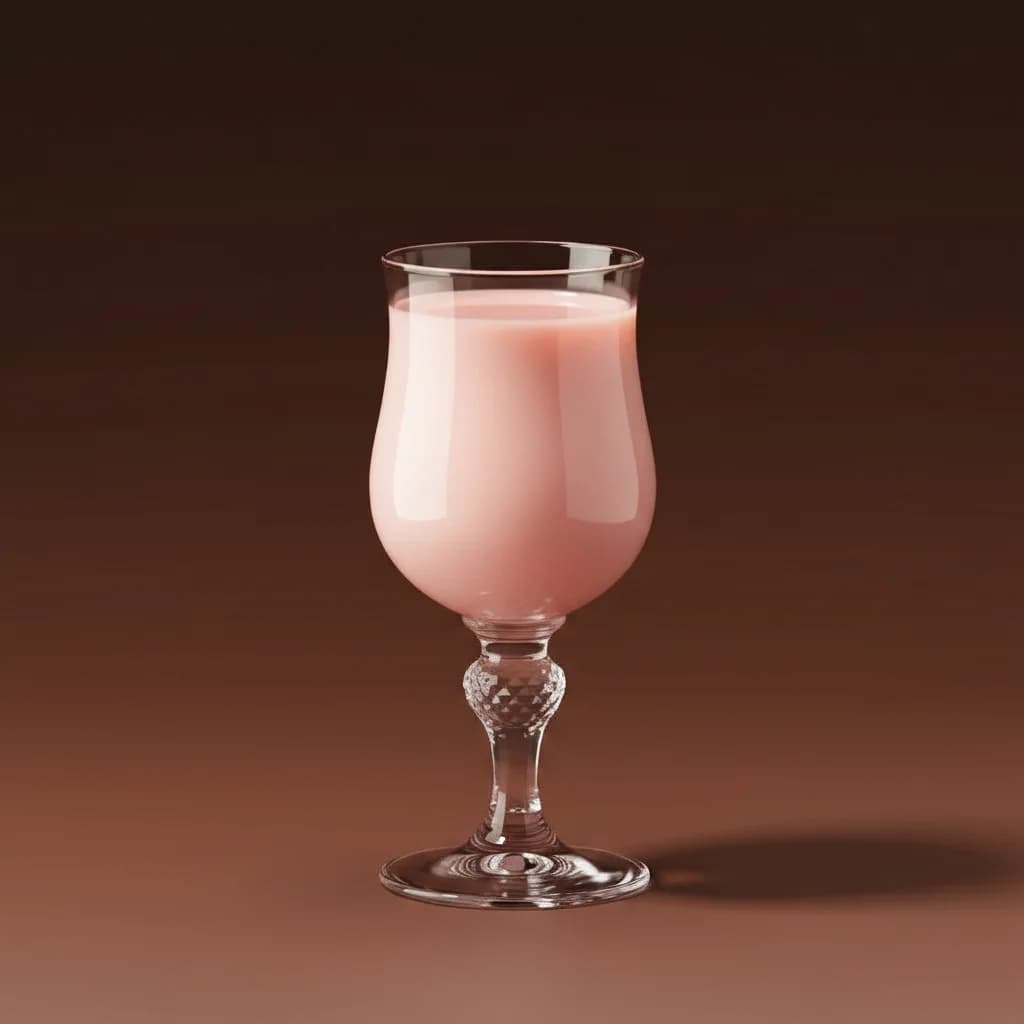
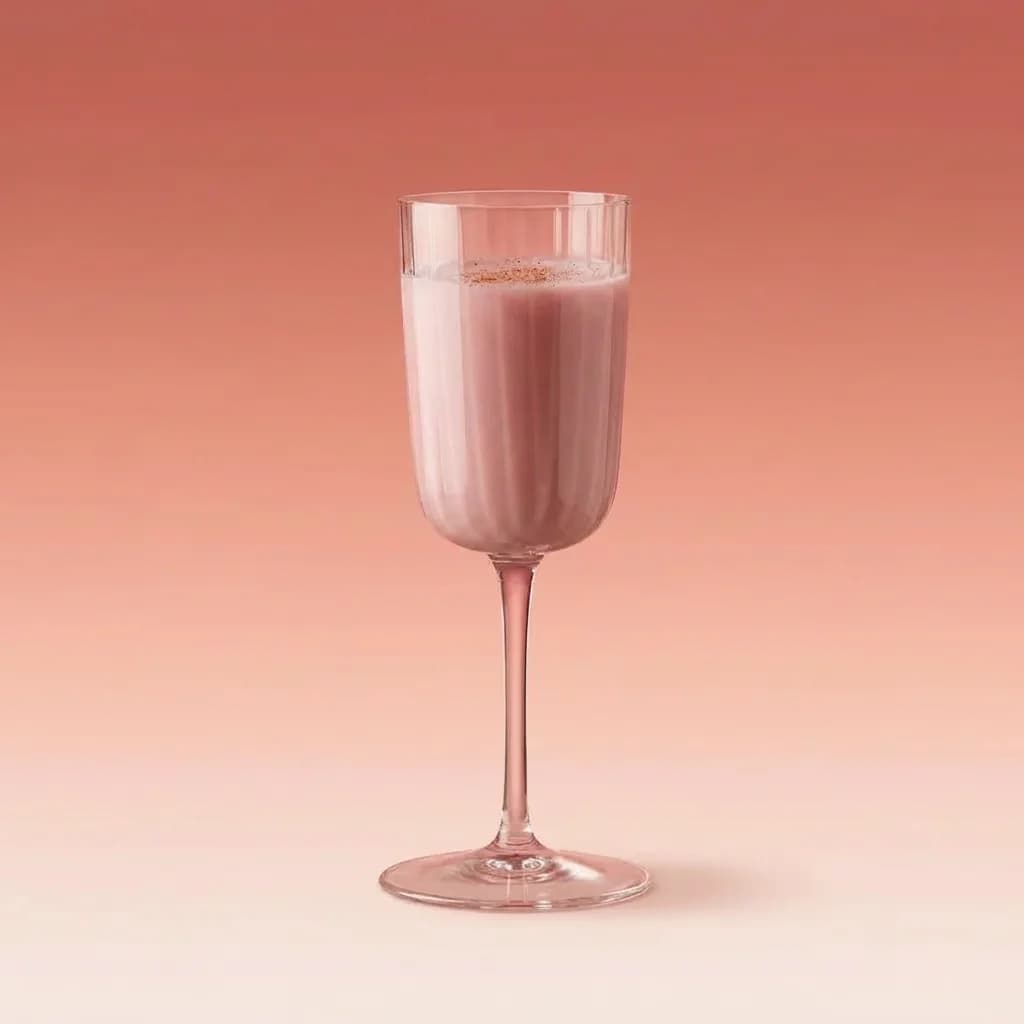
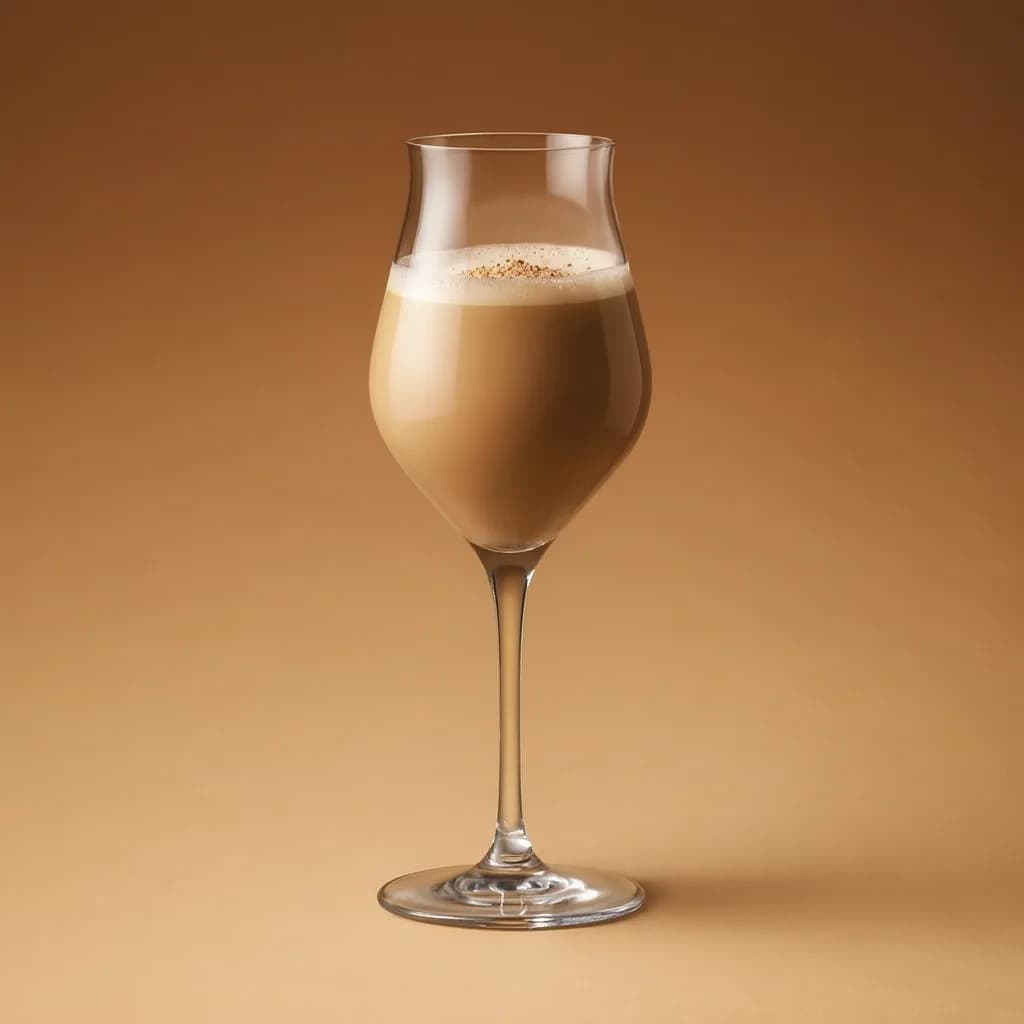
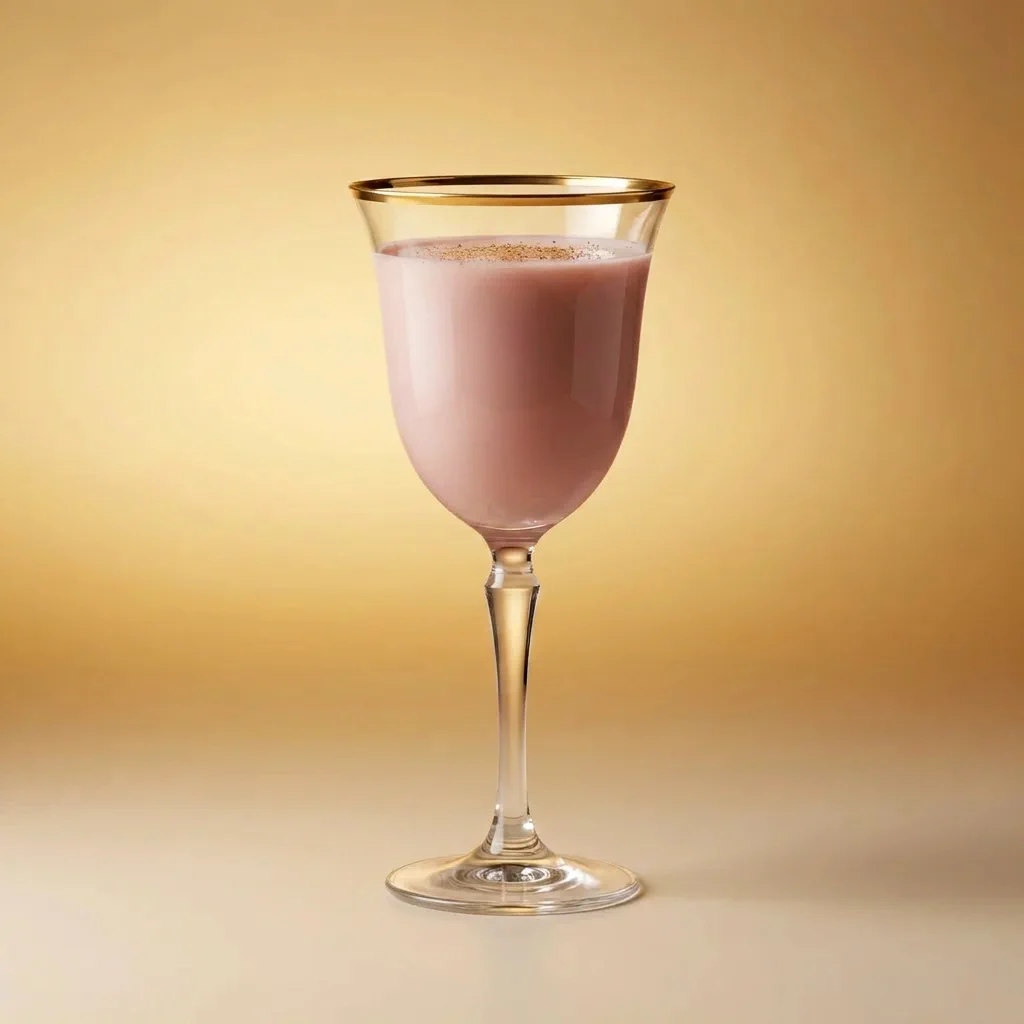
The Port Flip is a whole-egg flip made with tawny port and Cognac, double-shaken until smooth and served up with grated nutmeg. The result pours thick and custardy, rich and warming with a plush, foamy cap that carries a faint warm-spice aroma into a lingering, silky finish.
Ingredients
1
Servings
Garnish
Instructions for 1 serving
- Pre-chill a glass
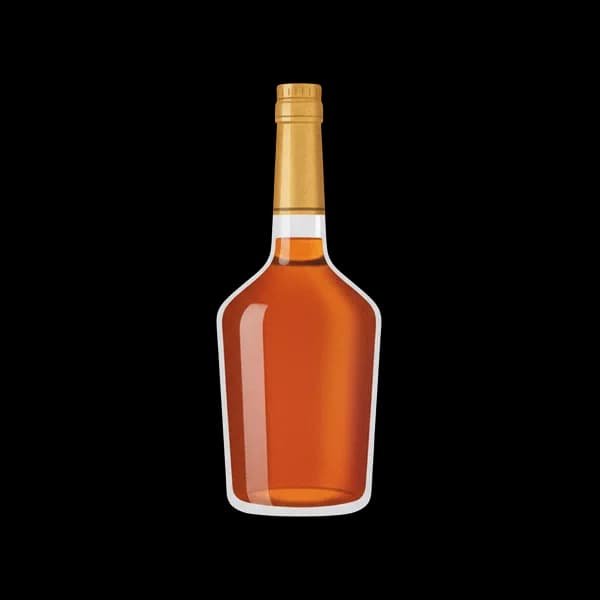
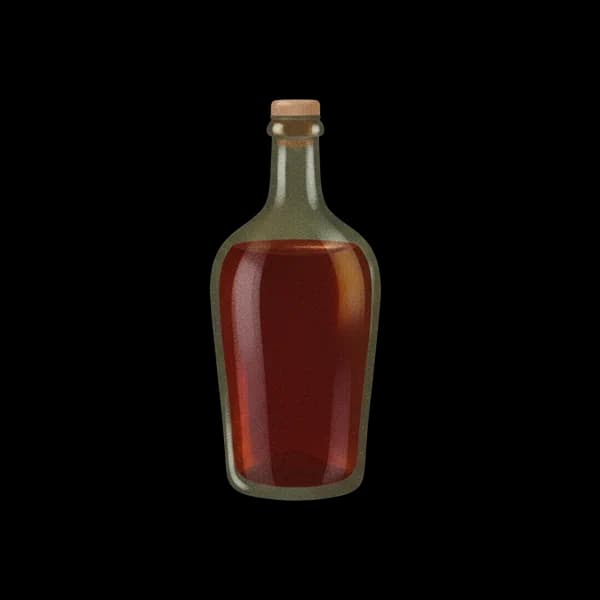
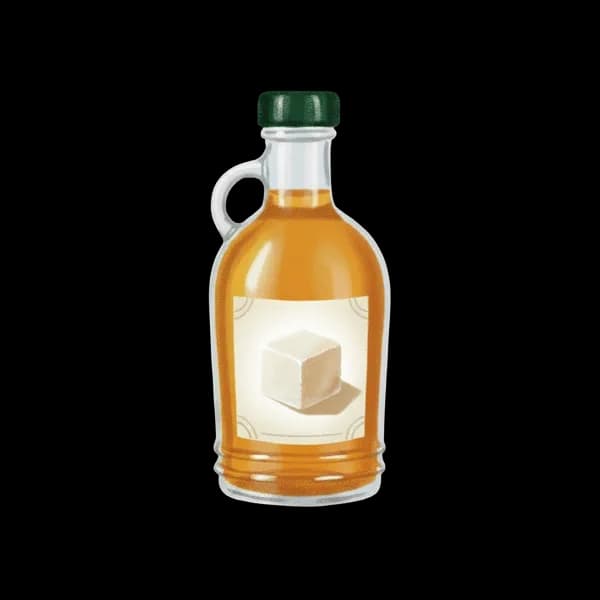
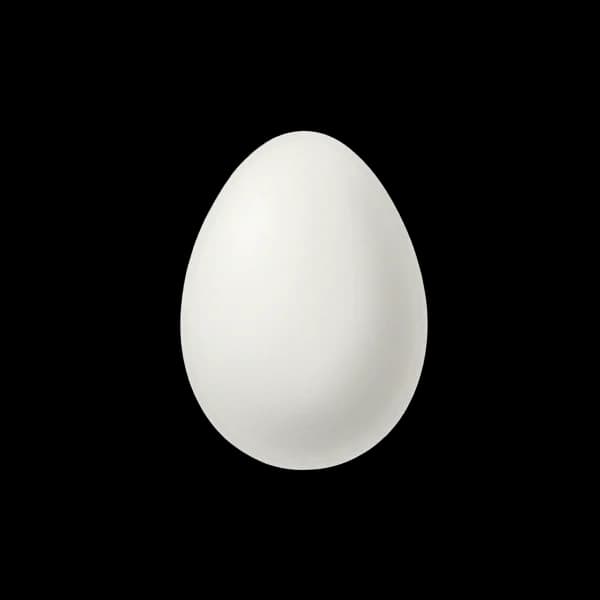
- Shake all ingredients with ice: Cognac 30 mlTawny port 45 mlSugar syrup 5 mlEgg 1 pc
- Strain back into the shaker
- Dry shake (without ice)
- Fine strain into the chilled glass
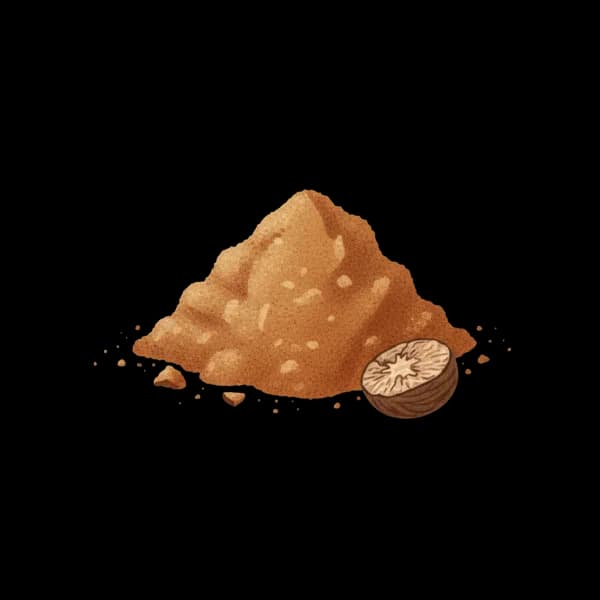
- Garnish with grated nutmeg
History
The Port Flip traces to a drink first printed by Jerry Thomas in his 1862 guide How to Mix Drinks; or, The Bon-Vivant's Companion, where it appeared under the name Coffee Cocktail, a label describing its dark, frothy look rather than any coffee content. Thomas's recipe combined brandy, port wine, sugar, and a whole egg, shaken and strained, establishing the cognac-and-port flip formula that the modern Port Flip still follows.
The drink belongs to the broader flip family, a style of egg-based mixed drink documented in English usage since the late 17th century, originally made hot with beer, rum, and sugar before bartenders shifted to cold, shaken preparations with spirits and egg during the 19th century. Within that family, the Port Flip is distinguished simply by its pairing of brandy with port wine and egg, a combination that became one of the best-known surviving flips as the wider category fell out of everyday use after the 19th century.
FAQ
What is a Port Flip?
A Port Flip is a flip cocktail made from tawny port, Cognac, sugar syrup, and a whole egg, double-shaken until silky and strained into a chilled glass with grated nutmeg on top. It belongs to the flip family of egg-enriched drinks and is served without ice, so the shake alone provides the chill and the airy, custard-like texture.
What are the ingredients in a flip cocktail?
A flip is built from a spirit or fortified wine, a sweetener, and a whole egg, shaken hard without ice until smooth and frothy. This Port Flip follows that same structure, using tawny port as its base alongside Cognac and sugar syrup, with the egg's white and yolk both going into the shaker.
How do you make a Port Flip?
Shake the tawny port, Cognac, sugar syrup, and whole egg hard with ice, then strain the mixture back into the shaker and dry shake it again without ice to build the foam. Fine-strain into a pre-chilled Porto glass and finish with a dusting of grated nutmeg; no ice ever reaches the glass.
Why is a flip cocktail called a flip?
The name comes from an old technique of flipping the drink back and forth between two vessels to mix it, a method used long before modern shakers existed. Today the defining trait is the whole egg, shaken vigorously into a smooth, thick, custard-like drink rather than the physical flipping motion.