Cocktails with Elderflower cordial
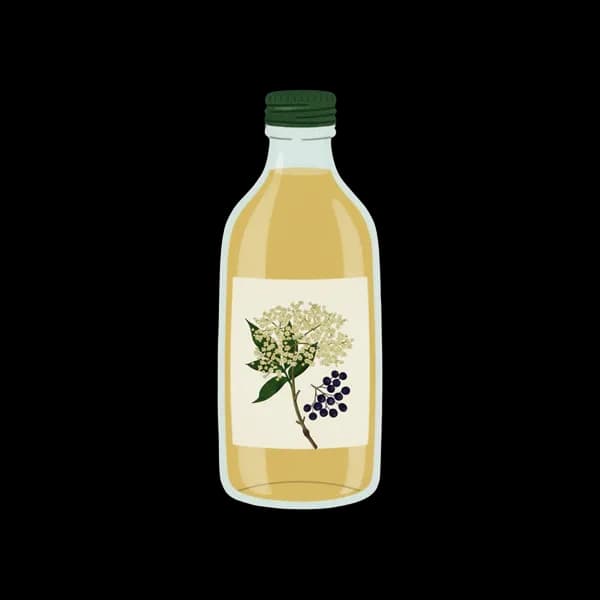
Elderflower cordial is a non-alcoholic elderflower infusion sweetened and acidified — citric acid or lemon is in every classic recipe — so it carries sourness as well as sugar.
Substitutes for Elderflower cordial
Elderflower liqueur brings the aroma with alcohol and less sugar, so it replaces the flavor and leaves the drink needing sweetening. A plain elderflower syrup carries the flower and none of the acid, so put the lemon back with it. Made at home it is the same thing and takes a day — flowers, sugar, lemon and citric acid.
Often confused with
Elderflower liqueur
Alcoholic, around 20% ABV, dosed in tens of milliliters, and bar recipes name one and mean the other often enough that the quantity is the safer guide.
Elderflower syrup
Sugar, water and elderflower with no acid in it. It sweetens and does not sharpen, so a spritz built on the cordial goes flabby and needs a squeeze of lemon put back.
Storage
Sealed and commercial, months; open, the fridge and a few weeks. Homemade keeps a couple of weeks refrigerated and shows the first sign of turning as a faint fizz rather than a smell.