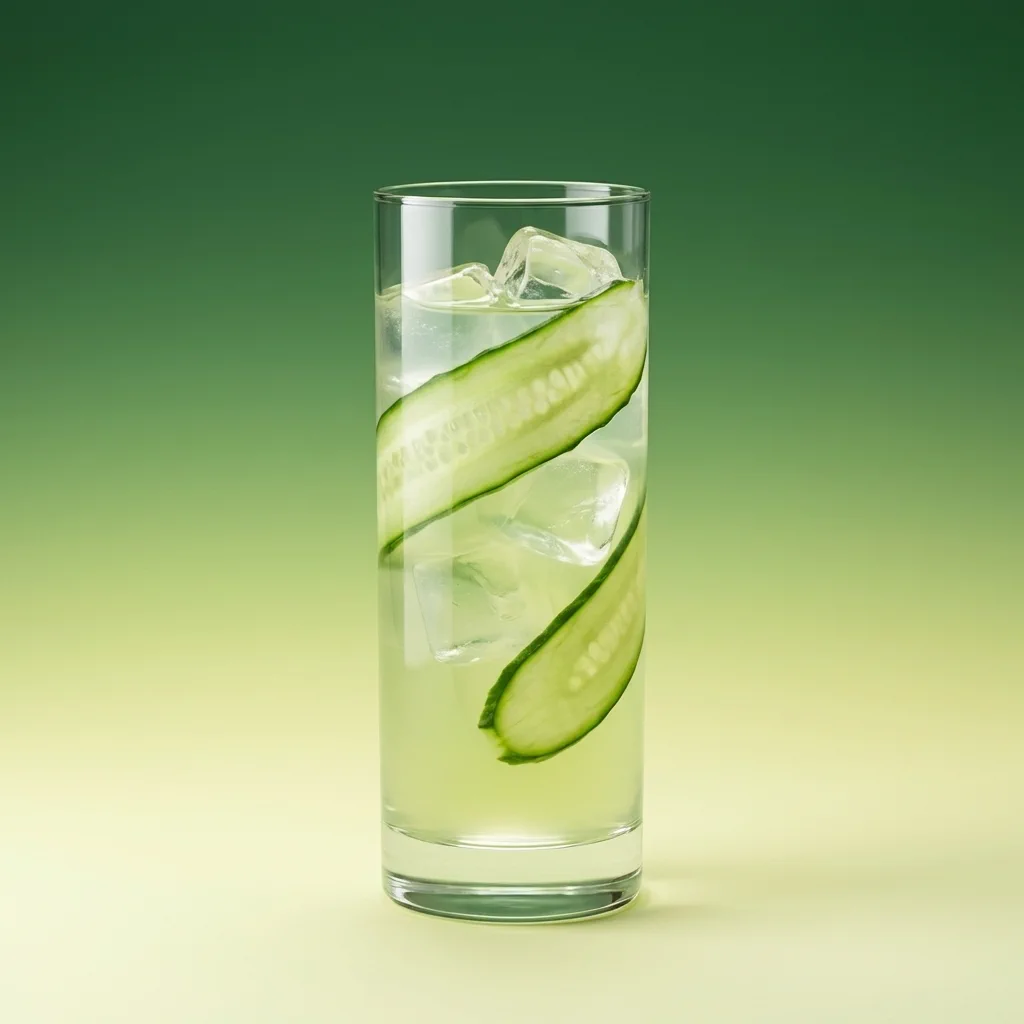
Cocktails with Elderflower syrup
Elderflower syrup is a sweet, non-alcoholic infusion of elderflowers in sugar and water — flavor and sugar, with none of the acid a cordial carries.
Substitutes for Elderflower syrup
Any light floral syrup — muscat, linden, St-Germain cut with syrup — brings the same sweetness and floral lift and gives up the recognition. There is no swap that keeps the elderflower itself, because nothing else smells like it.
Often confused with
Acid is what a cordial adds, and it is the bottle a British shelf actually carries. Pour it in place of the syrup and cut the lemon back. It sweetens and sharpens at once, so in its place the drink needs less lemon.
Elderberry syrup
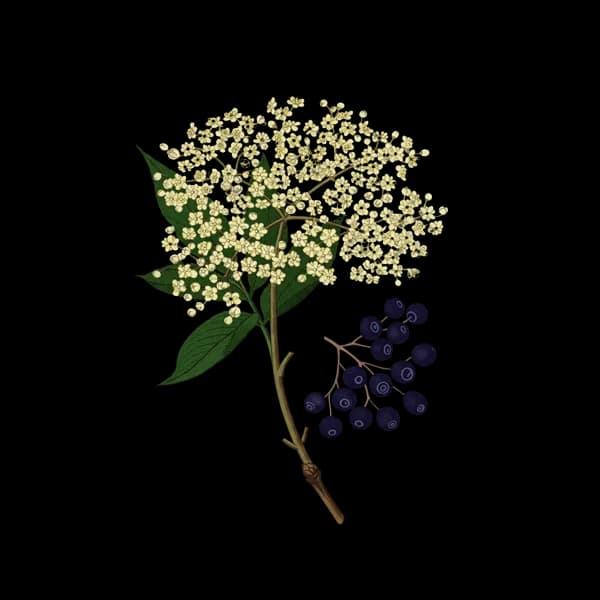
The dark ripe fruit of the same plant, cooked, and a completely different drink: deep red, jammy, no floral note at all. The berries have to be cooked, which the flowers do not.
St-Germain and other elderflower liqueurs
Alcoholic, around 20% ABV, and dosed in tens of milliliters rather than by the spoon; swapping syrup for liqueur one to one rewrites the strength of the drink.
Storage
A sealed bottle keeps for months; once opened it belongs in the fridge. Homemade elderflower syrup lasts a couple of weeks refrigerated. If you are making it, strip the blossom off the green stalks first — the stalks are bitter, and the green parts of the plant are not for infusing.