Sugar-free sweetener syrup is an umbrella term for any simple-syrup-style liquid sweetener made without sucrose, relying instead on non-nutritive or low-calorie sweeteners.
Clean sweetness with little else — no aroma or colour to speak of, and at most a faint bitterness from certain high-intensity sweeteners. Thinner and less rounded on the palate than a sucrose syrup, since it carries fewer dissolved solids.
Dosed to taste rather than by fixed volume, because sweetness power varies widely between sweetener systems. It fills the background-sweetener role of simple syrup without the sugar or calories, stirred or shaken into the build; the trade-off is reduced body, so drinks that leaned on sucrose for texture will feel thinner.
Any other sugar-free sweetener system delivering equivalent perceived sweetness works, but the amount must be re-titrated to taste rather than swapped volume-for-volume; lost viscosity can be partly rebuilt with a bulk agent such as a polyol or allulose syrup, since a high-intensity sweetener adds sweetness without body. Ordinary sucrose simple syrup restores flavour and body but destroys the defining sugar-free property.
Conventional simple syrup
Both are clear liquid sweeteners used the same way, but conventional simple syrup is a sucrose solution that contributes full body and calories, whereas the sugar-free class deliberately omits sucrose and typically delivers less body.
Prepared in the manner of simple syrup — a sweetener dissolved in water — but with the sucrose replaced by one or more sugar substitutes such as erythritol, allulose, sucralose, stevia or monk fruit extract. Composition is defined by that substitution rather than a fixed recipe: bulk sweeteners like erythritol and allulose are used at volumes near sucrose and add dissolved solids, while high-intensity sweeteners like sucralose, stevia and monk fruit sweeten at a fraction of the mass and contribute essentially no solids.
Lacking the preservative effect of a high-sucrose concentration, home-made versions are more perishable than standard simple syrup; refrigerate and expect a shorter shelf life, which also depends on the specific sweetener used.

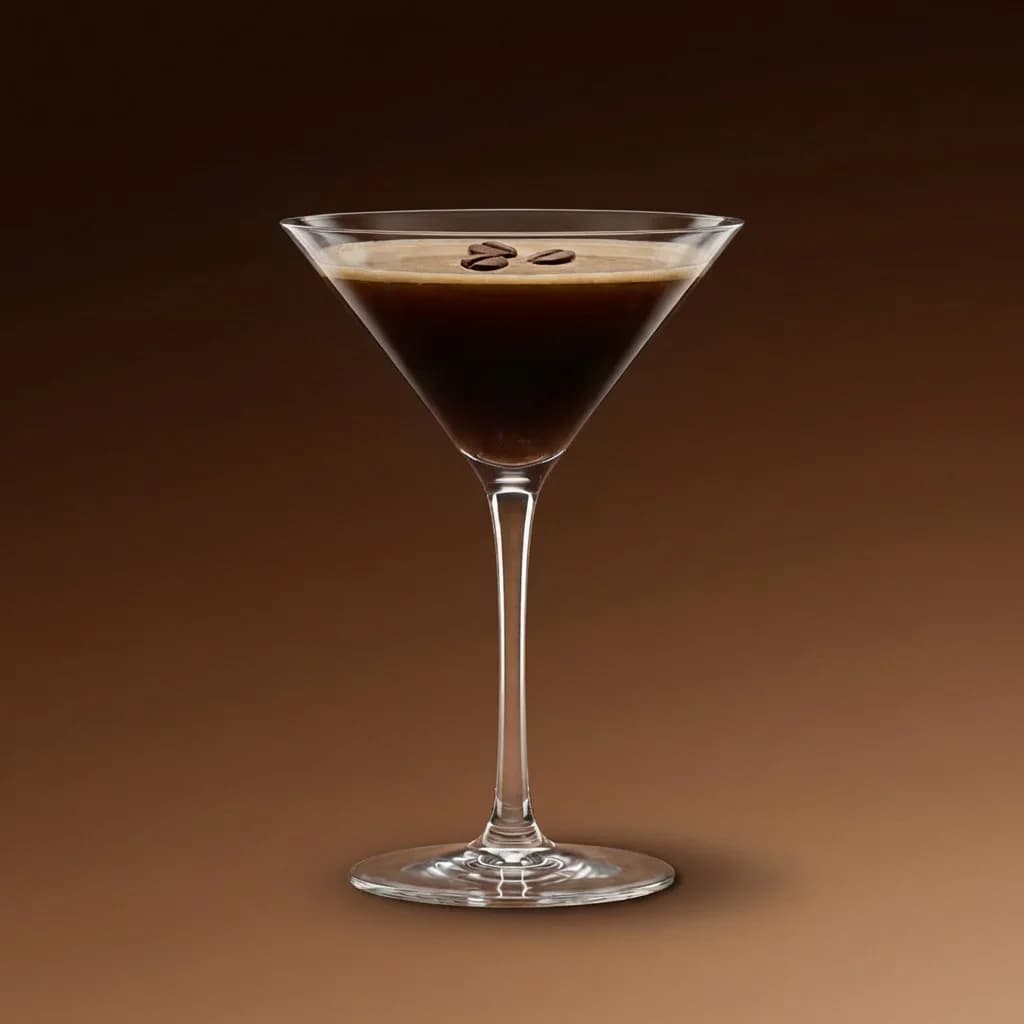
Espresso Martini (low-calorie)
Vodka

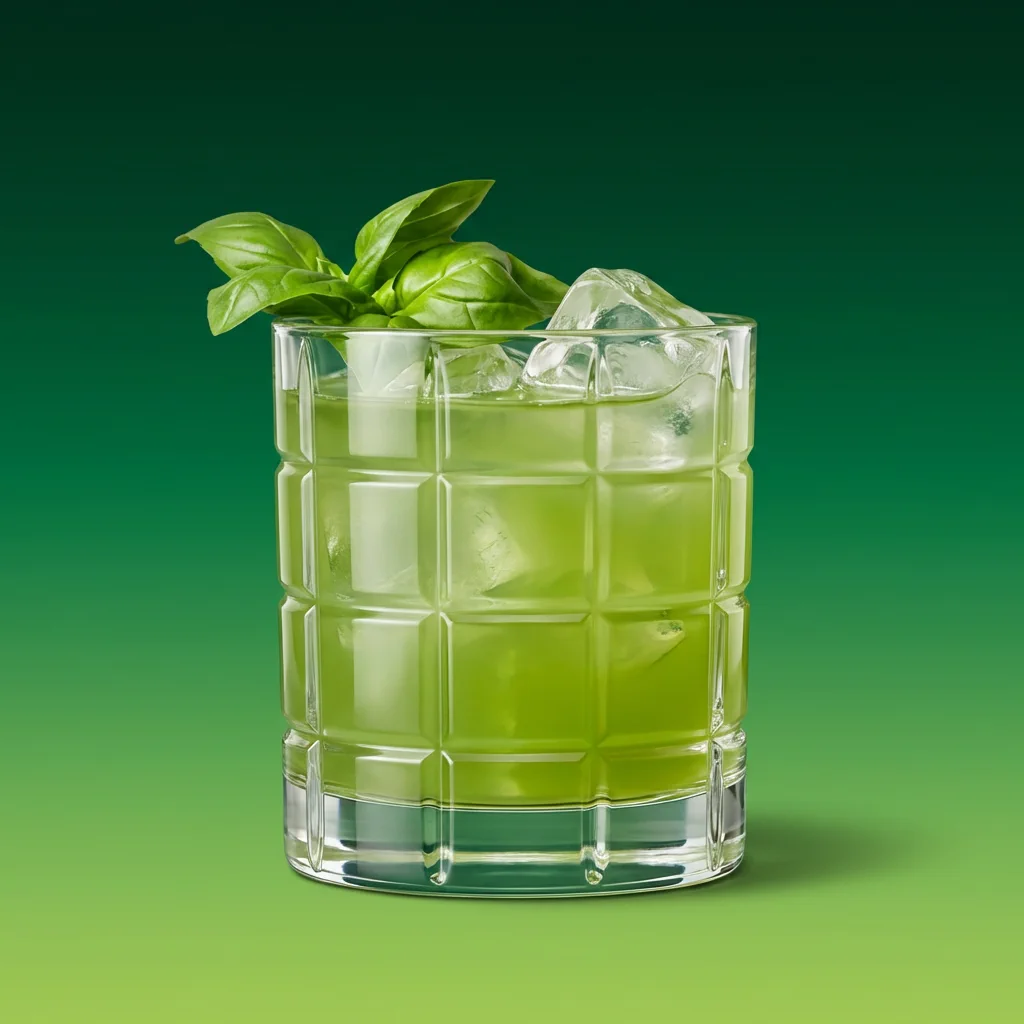
Gin Basil Smash (low-calorie)
London dry gin

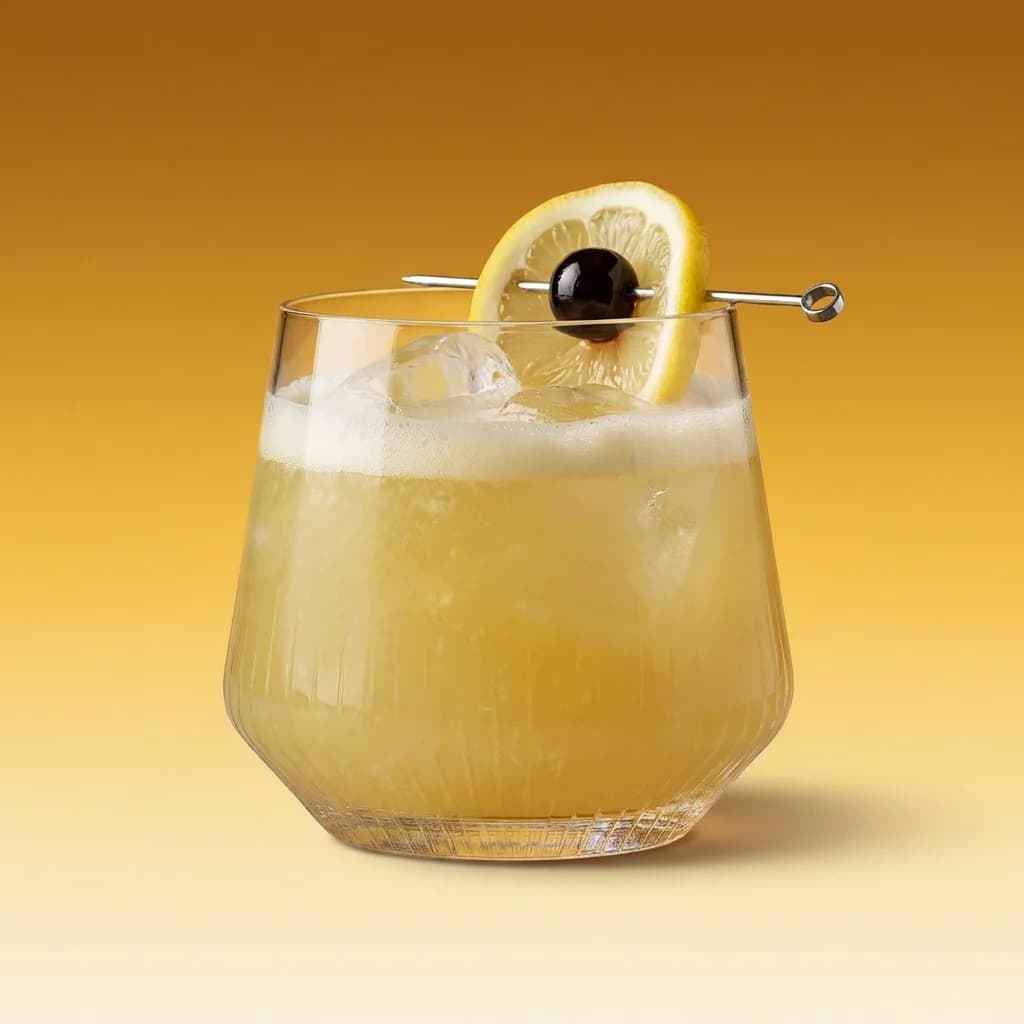
Vodka Sour (low-calorie)
Vodka

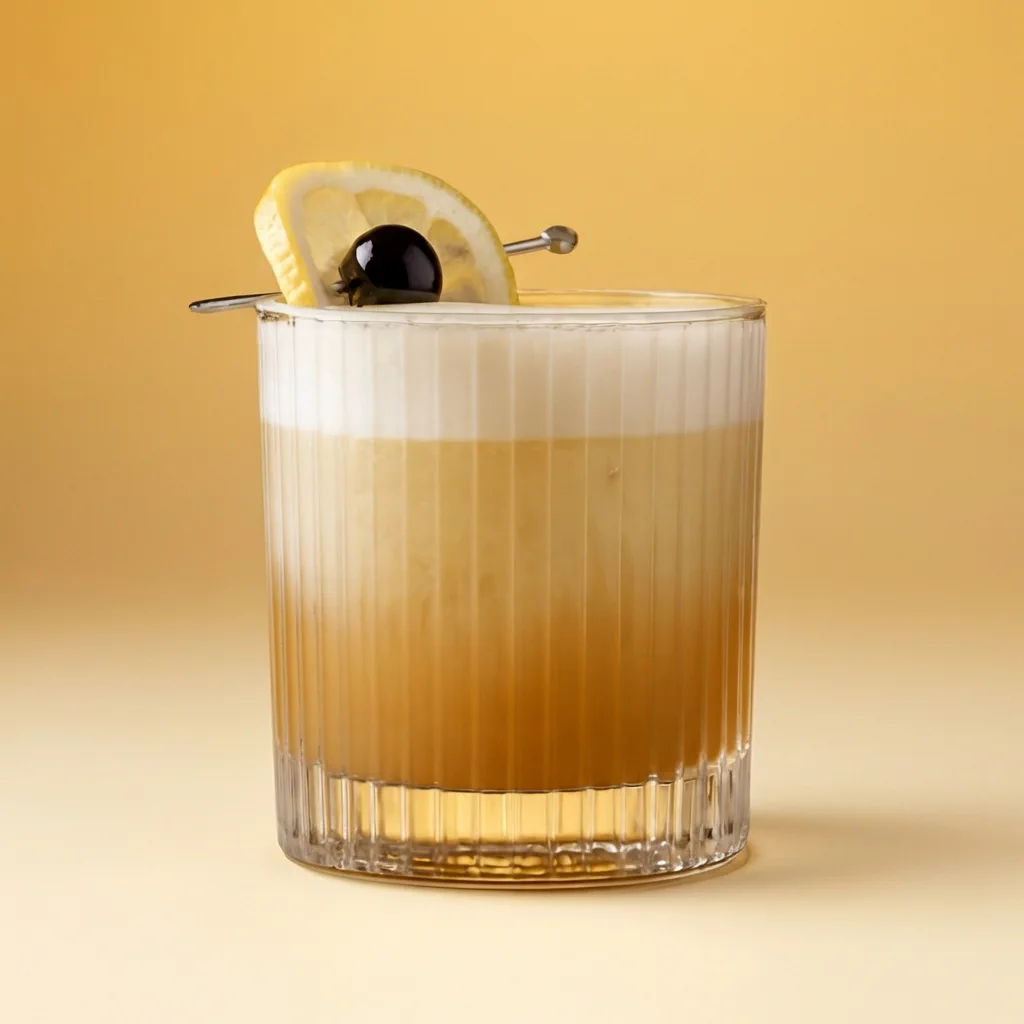
Whiskey Sour (low-calorie)
Bourbon

Bloody Mary (low-calorie)
Vodka

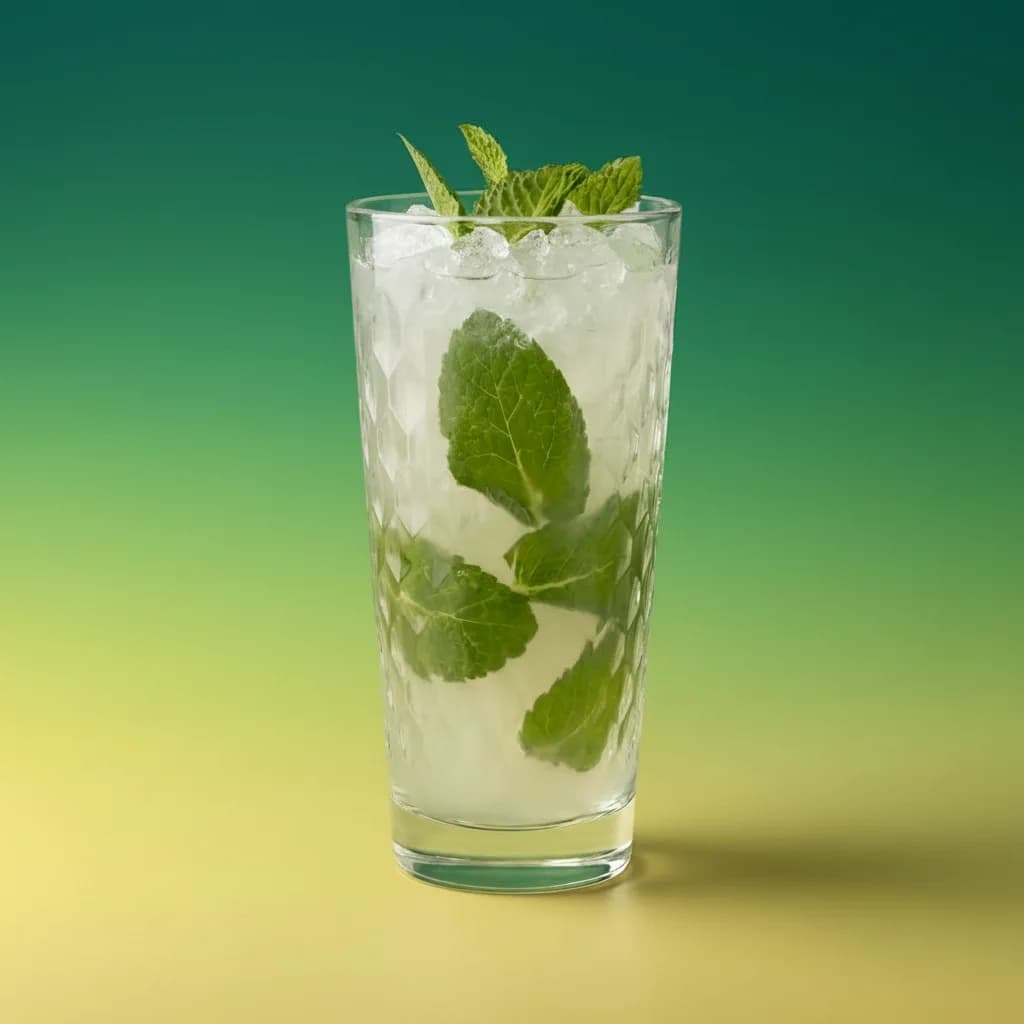
Mojito (low-calorie)
White rum

Sazerac (low-calorie)
Bourbon

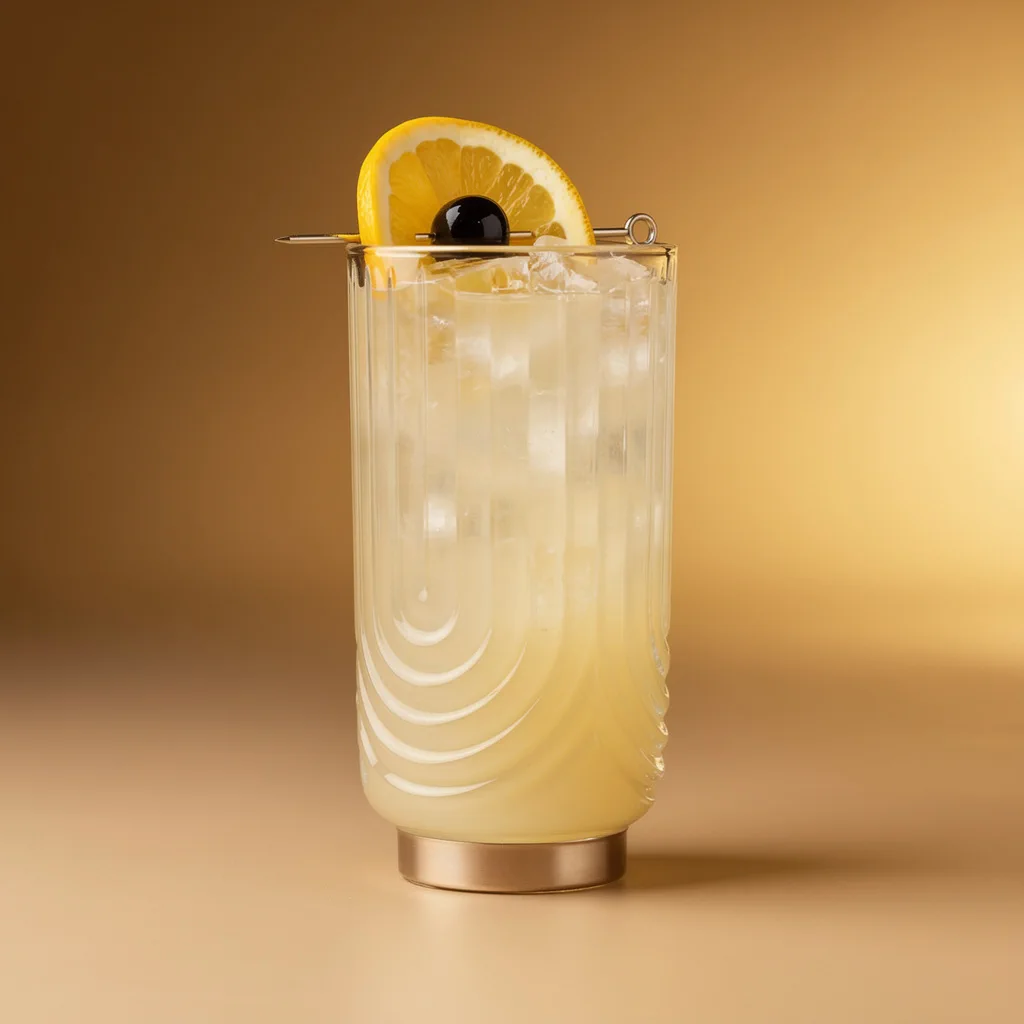
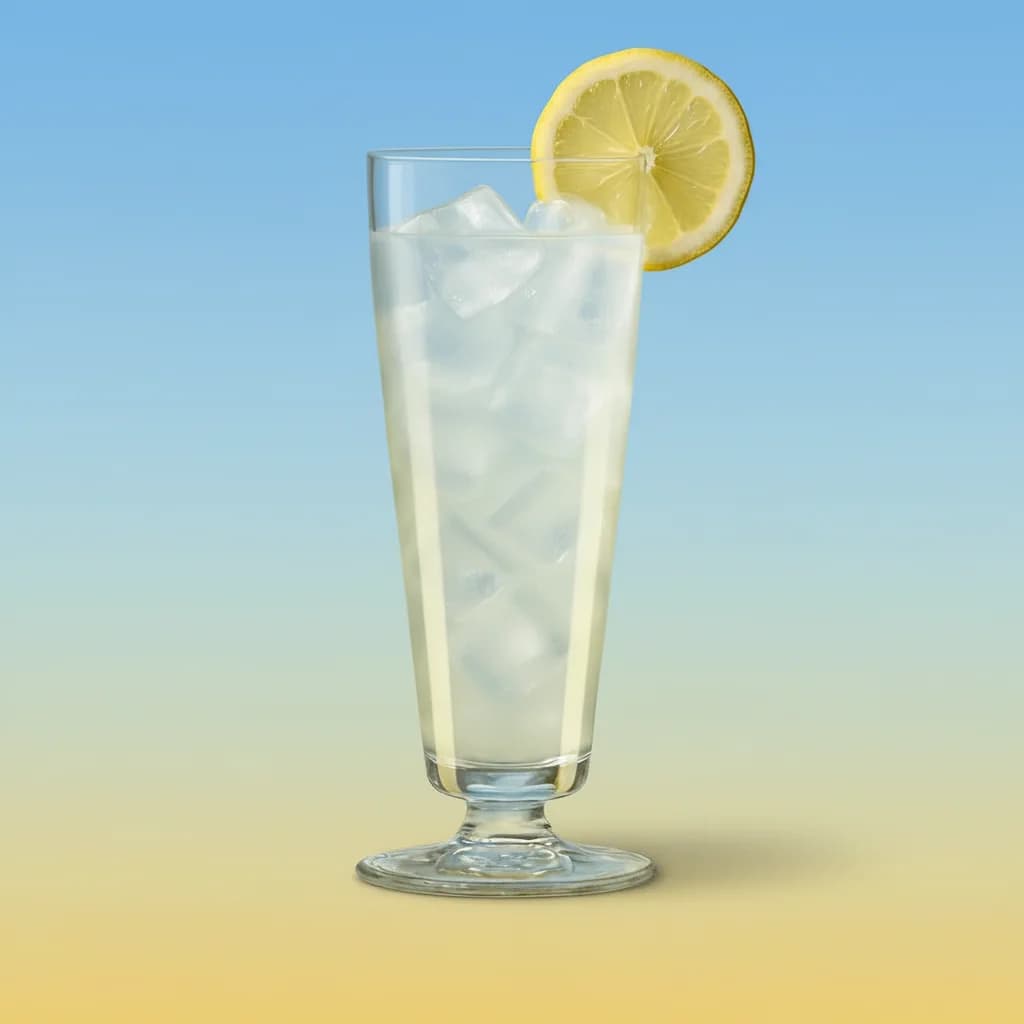
Tom Collins (low-calorie)
London dry gin

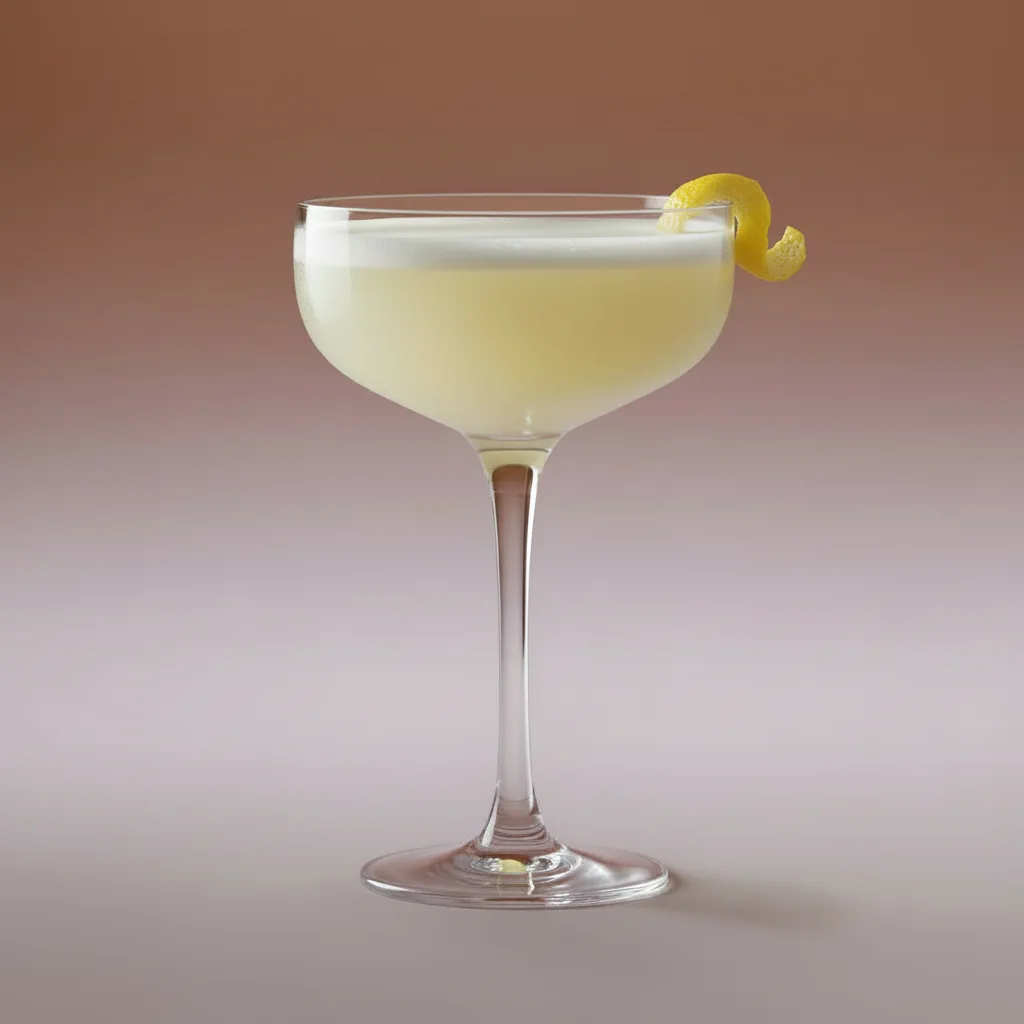
White Lady (low-calorie)
London dry gin

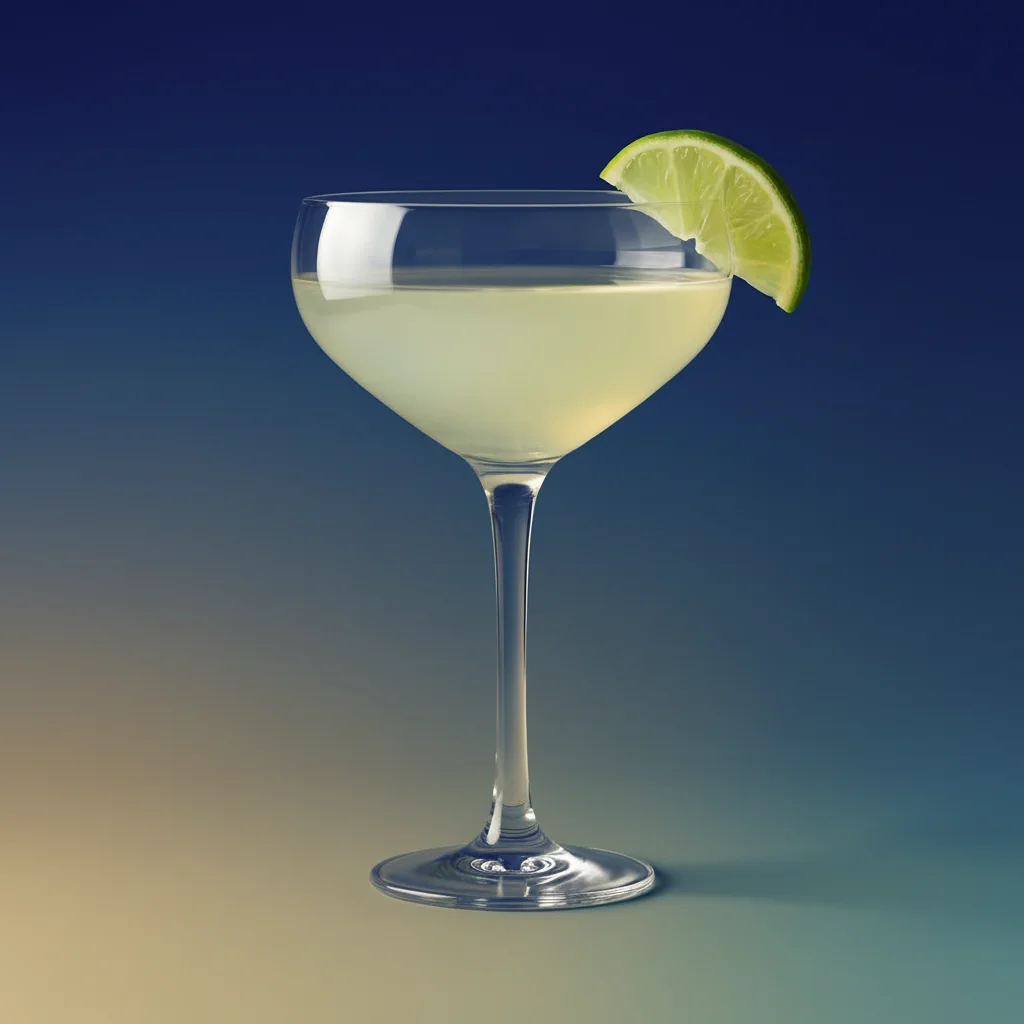
Daiquiri (low-calorie)
White rum

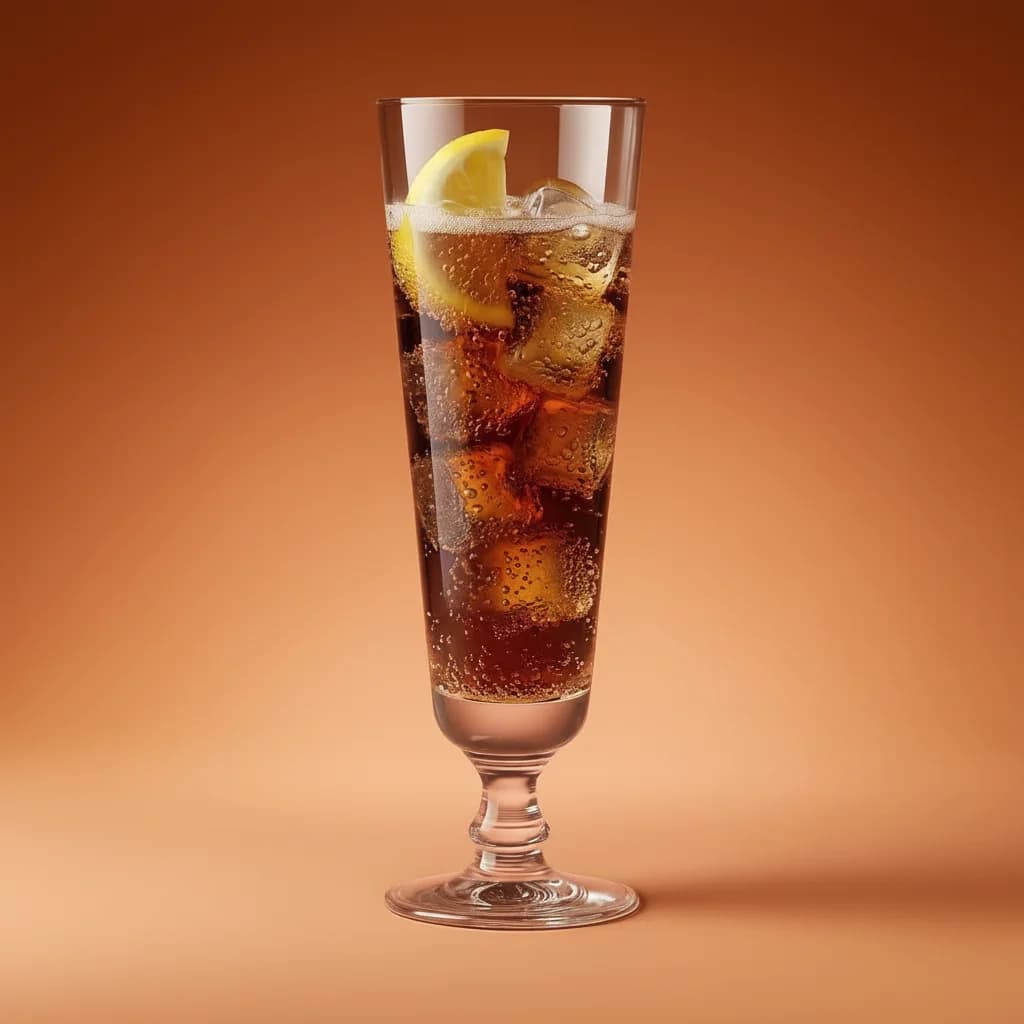
Long Island Iced Tea (low-calorie)
White rum, London dry gin, Vodka, Tequila blanco, Triple sec

Margarita (low-calorie)
Tequila reposado

Vodka Collins (low-calorie)
Vodka

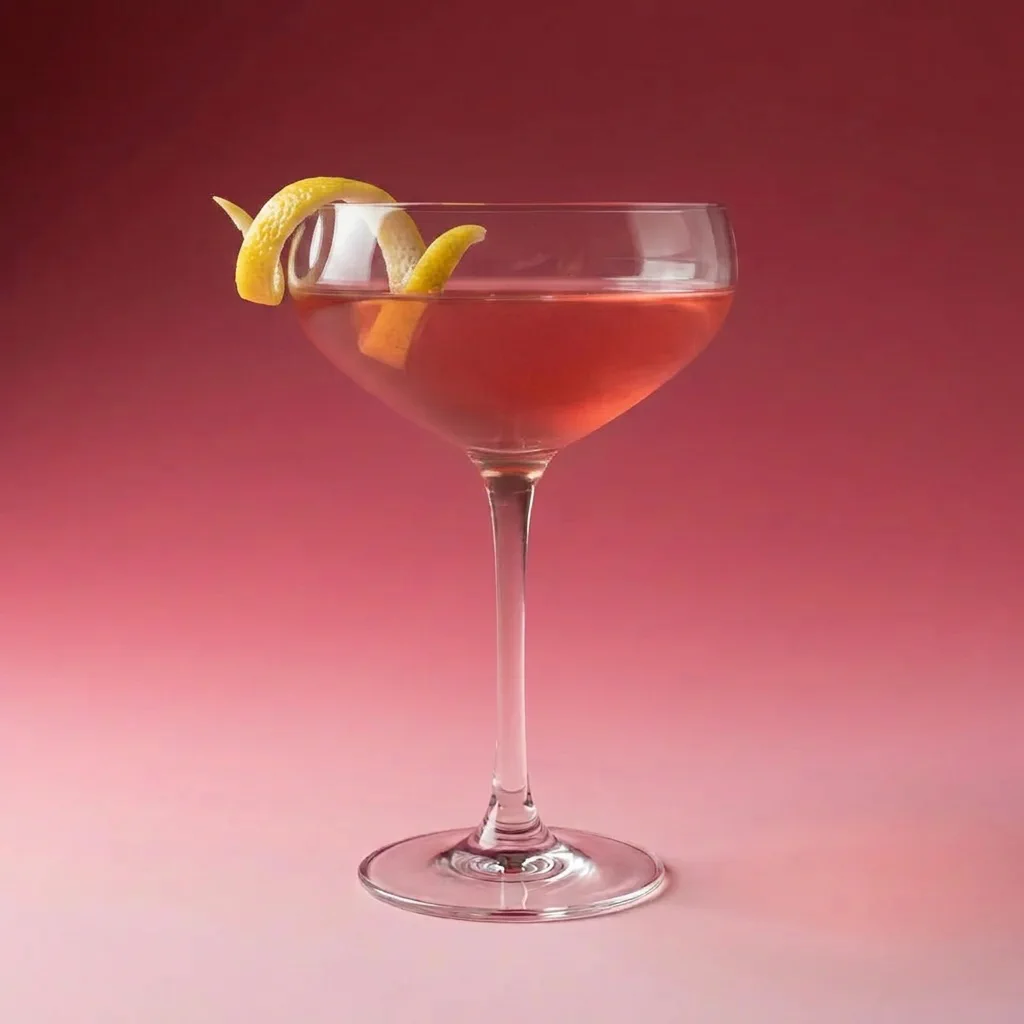
Cosmopolitan (low-calorie)
Citron vodka

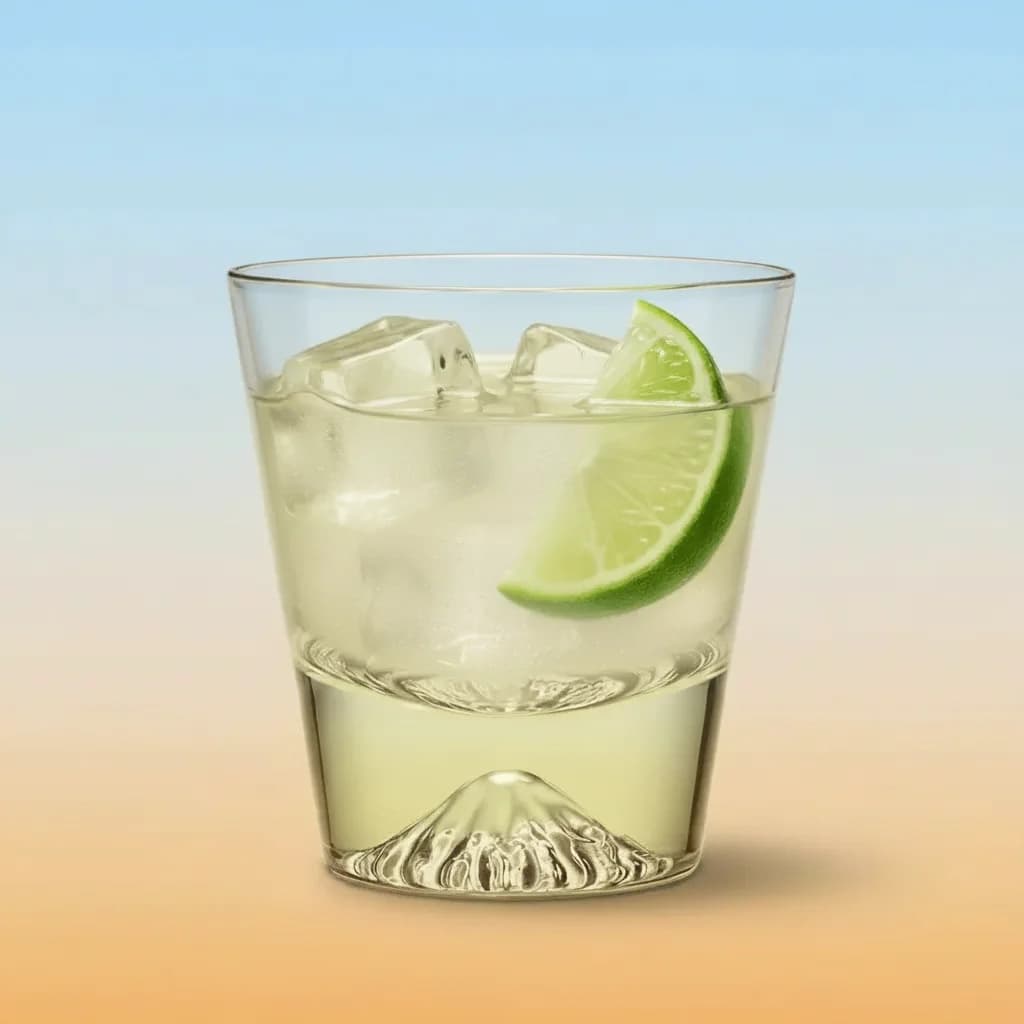
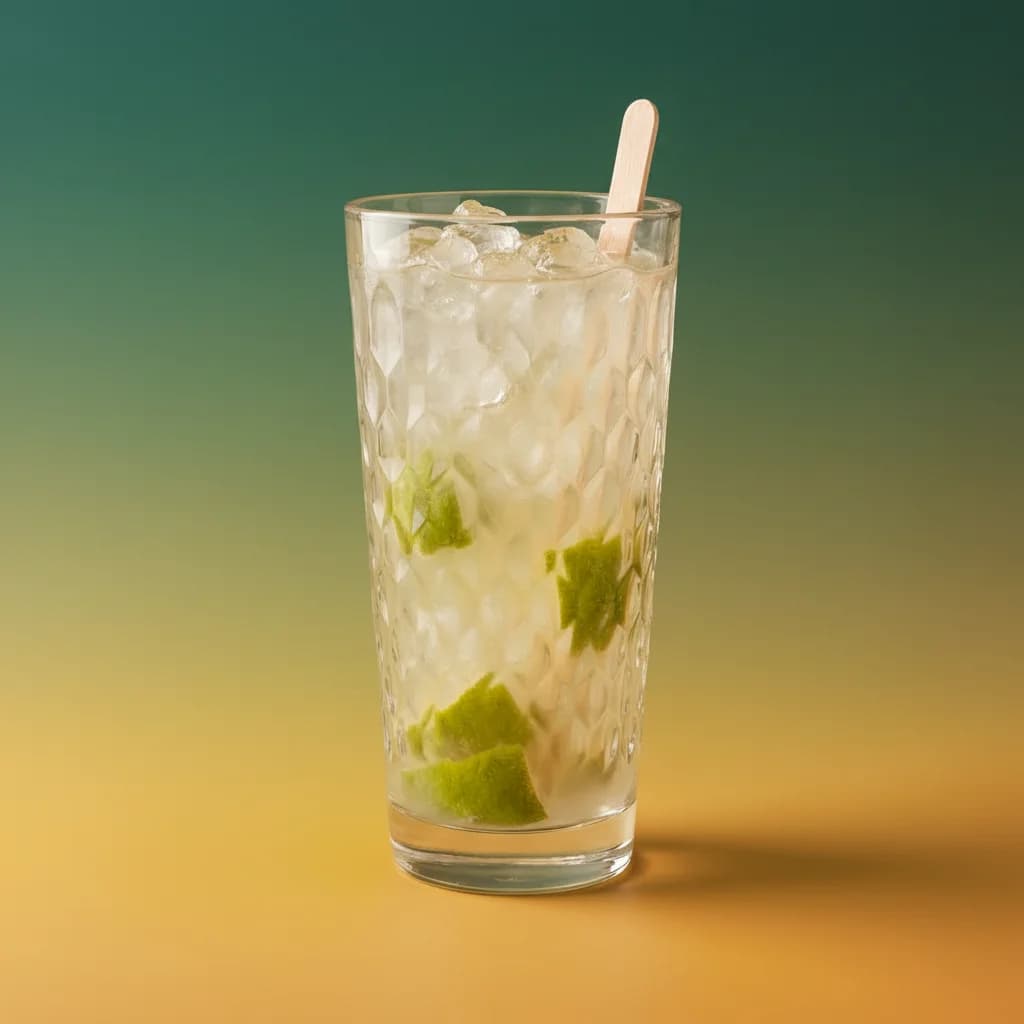
Caipirinha (low-calorie)
Cachaça

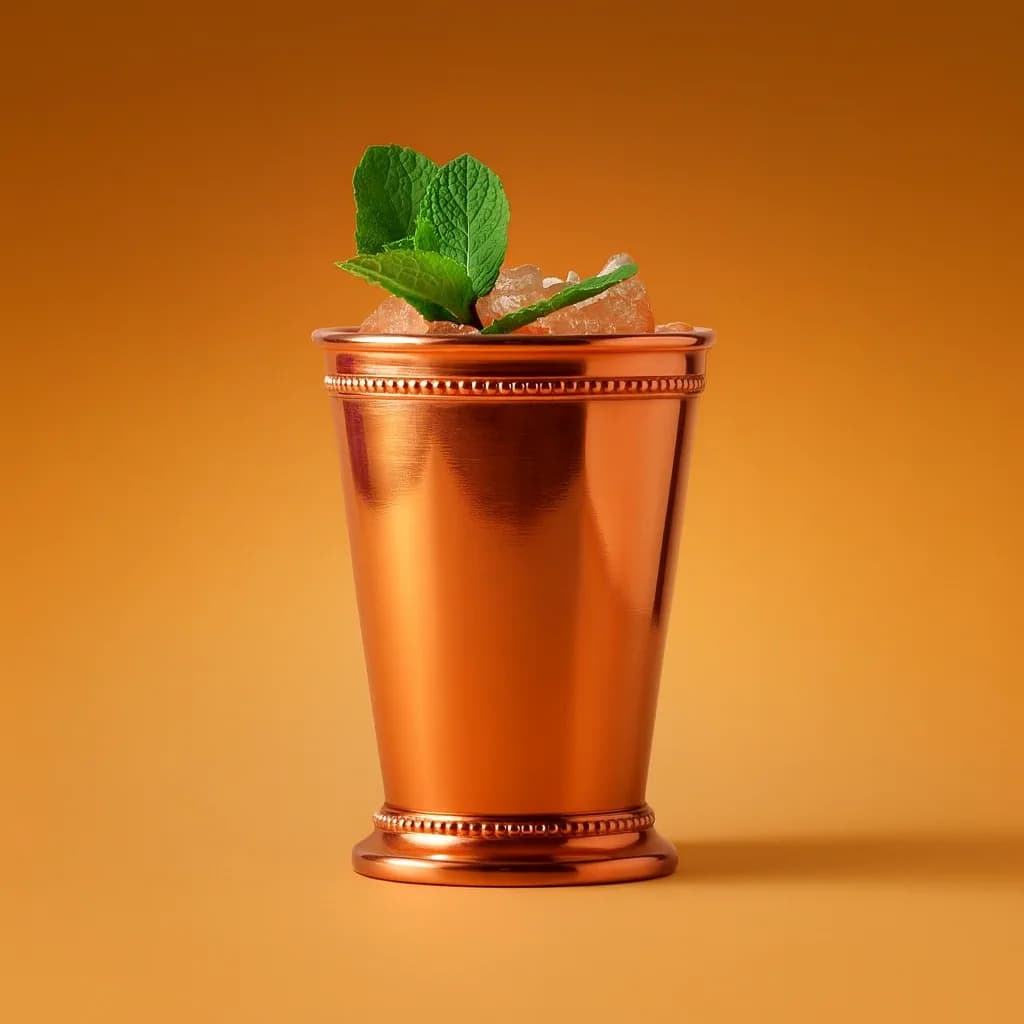
Mint Julep (low-calorie)
Bourbon

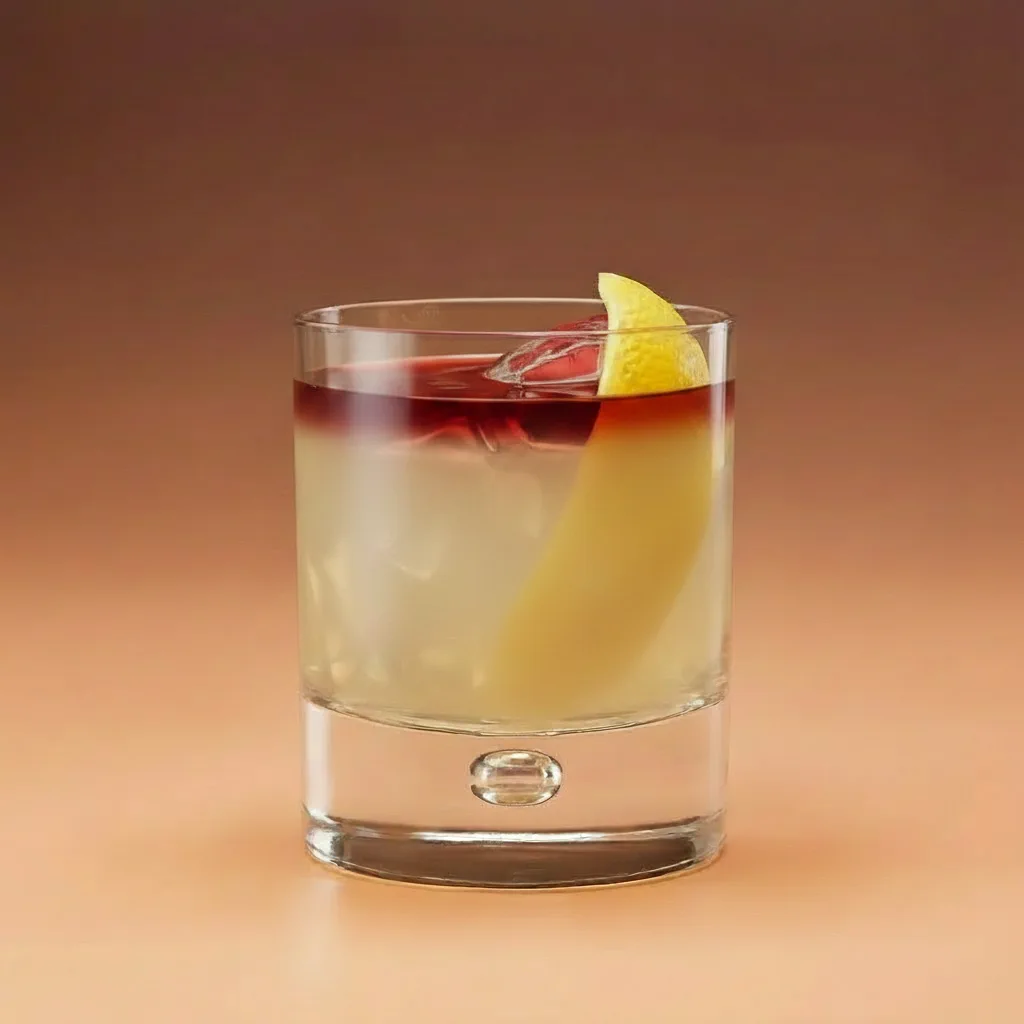
New York Sour (low-calorie)
Bourbon

Gin Sling (low-calorie)
London dry gin