IBA
French Martini – IBA
A fruity and berry vodka cocktail ∙ Shake ∙ 3 min ∙ 23.3% ABV ∙
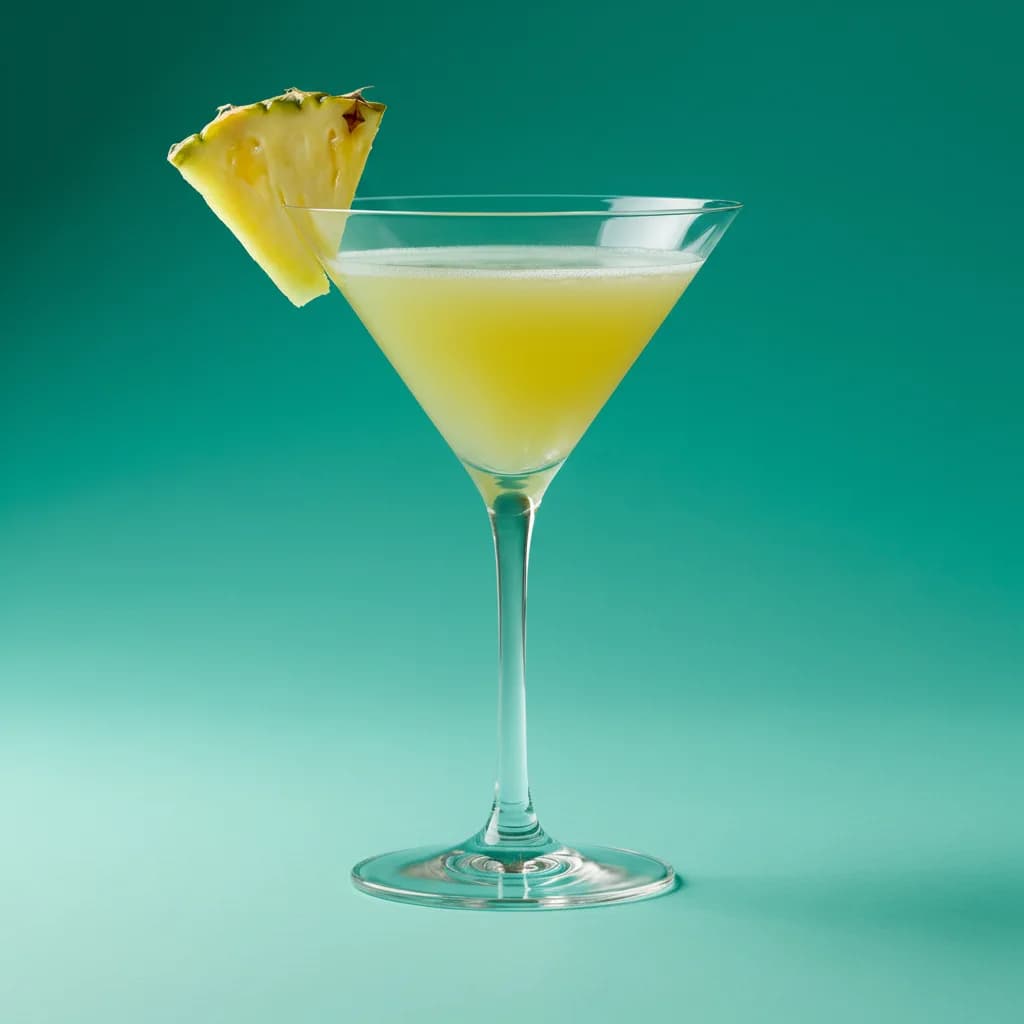
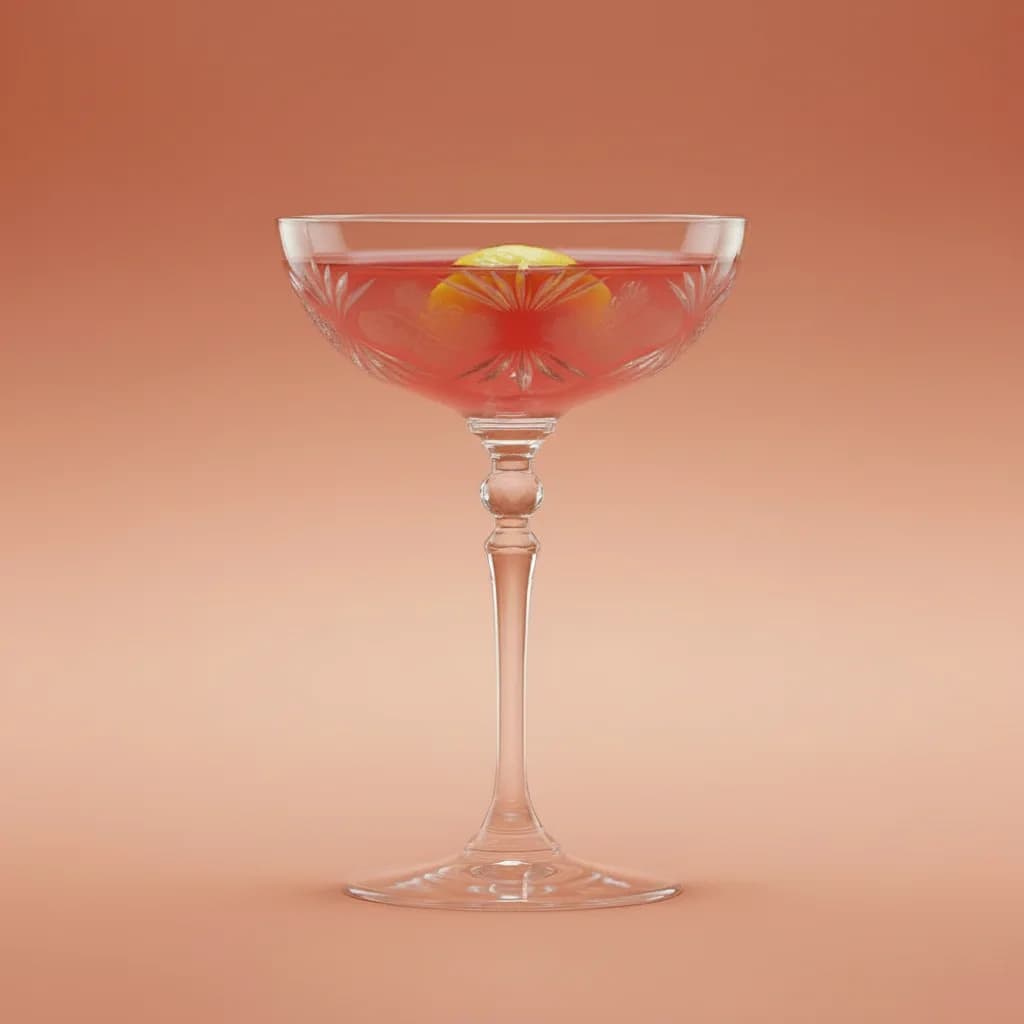
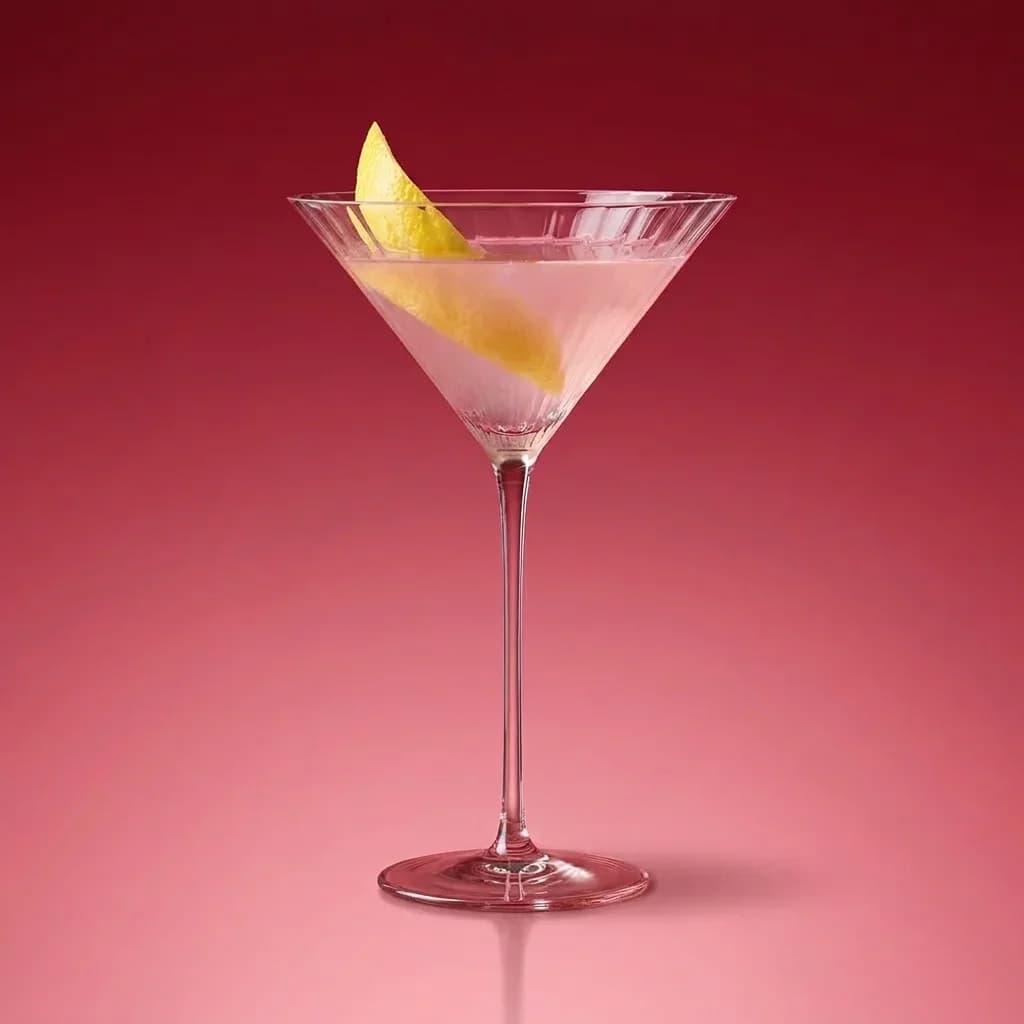
The French Martini is an IBA-listed vodka cocktail shaken with raspberry liqueur and pineapple juice, then strained up into a cocktail glass. Silky and fruity, with a raspberry sweetness upfront, a tropical pineapple roundness underneath, and a citrus-oil lift from the lemon peel on top.
Ingredients
1
Servings
Garnish

Instructions for 1 serving
- Pre-chill a glass
- Shake all ingredients with ice: Vodka 45 mlRaspberry liqueur 15 mlFresh pineapple juice 15 ml
- Strain into the chilled cocktail glass
- Squeeze oil from lemon peel onto the drink
Tips
- Use a raspberry liqueur with real fruit character; a thin or overly sweet one flattens the balance against the pineapple.
History
The French Martini was created in the late 1980s by Keith McNally, a New York City bar owner, using vodka, raspberry liqueur, and pineapple juice. The drink takes its name from Chambord, the black raspberry liqueur produced in France that gives the cocktail its color and flavor, even though the recipe has no French origin beyond that ingredient. It gained wider recognition after 1996, when bartender Dale DeGroff added it to the menu at a prominent New York restaurant, helping the drink spread to other bars and eventually abroad.
The International Bartenders Association situates this recipe within its Fruit Martini lineage, the broader IBA family of vodka-and-liqueur martini-glass drinks built on fruit juices and liqueurs rather than the gin-and-vermouth formula of the original Martini. Within that family, the French Martini is distinguished simply by its specific pairing of raspberry liqueur and pineapple juice.
FAQ
What is in a French Martini?
Vodka, raspberry liqueur, and fresh pineapple juice, shaken with ice and strained up into a cocktail glass, finished with a squeeze of lemon peel oil over the top. It is vegan, vegetarian, and lactose-free, and comes in at about 153 calories per serving.
How do you make a French Martini?
Chill the glass first, then shake vodka, raspberry liqueur, and fresh pineapple juice hard with ice until well-aerated. Strain into the chilled cocktail glass and squeeze lemon peel oil over the surface to finish.
How much alcohol is in a French Martini?
A French Martini comes in at about 23.3% ABV, moderate for a shaken cocktail since the raspberry liqueur and pineapple juice dilute the vodka base.
What can I use instead of Chambord in a French Martini?
Any raspberry liqueur can stand in for Chambord, such as Merlet Creme de Framboise or a similar raspberry creme liqueur; look for one with real fruit depth rather than a purely sugary one, since it carries most of the drink's flavor.