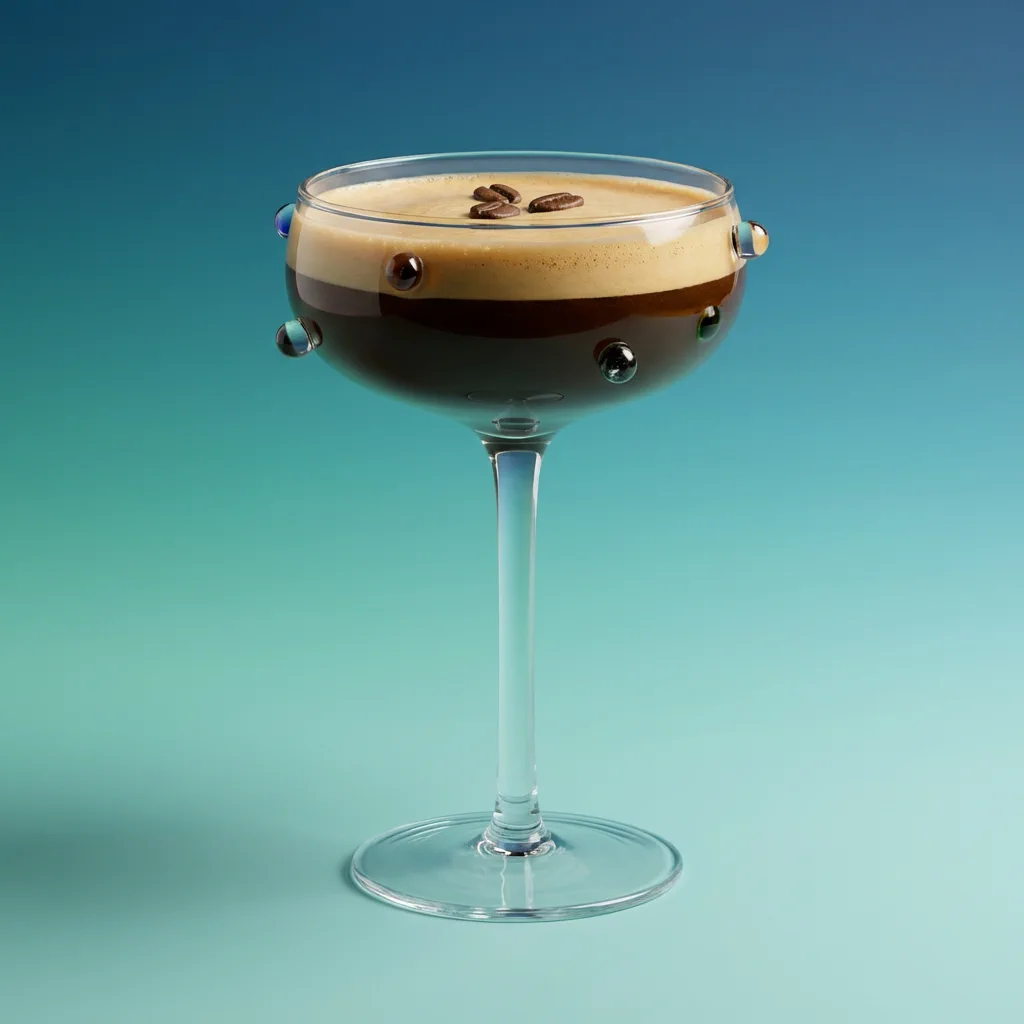
Espresso Martini
Shake ∙ 3 min ∙ 19.3% ABV ∙
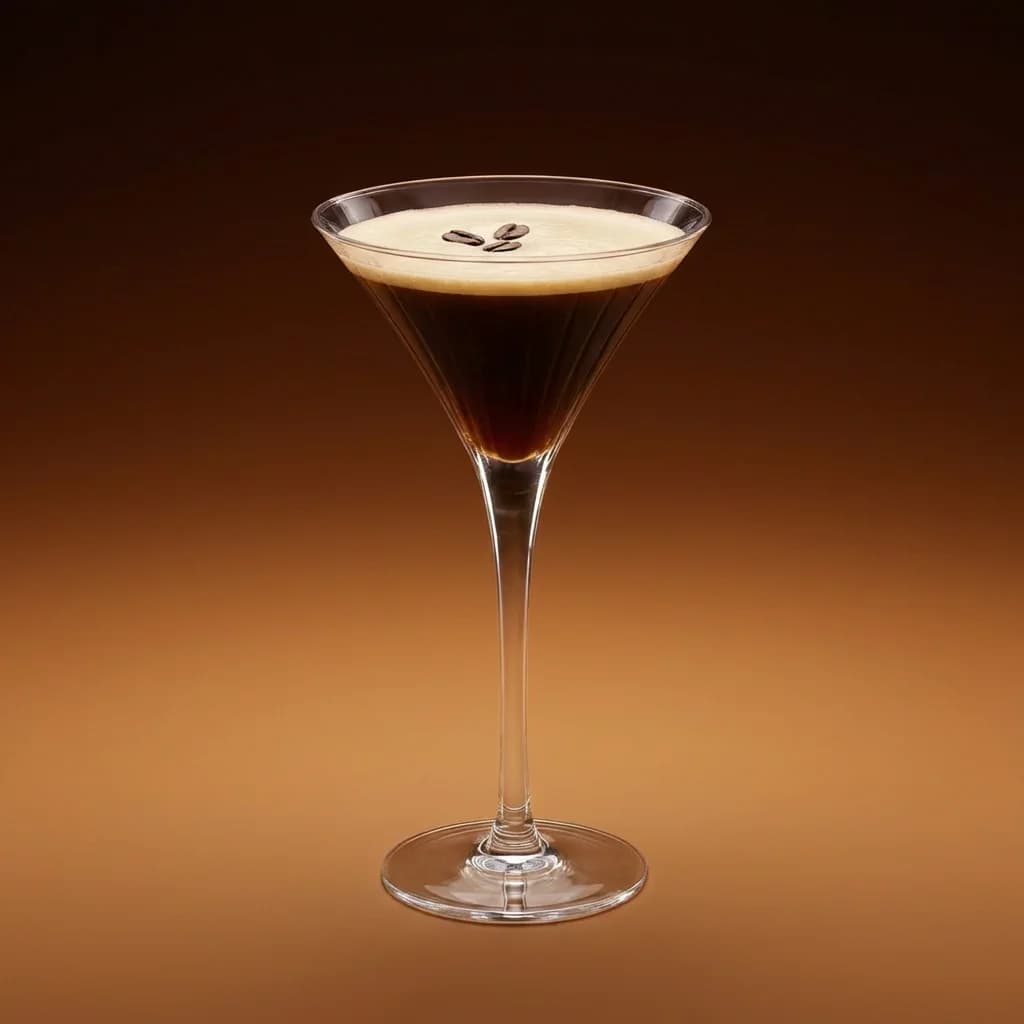
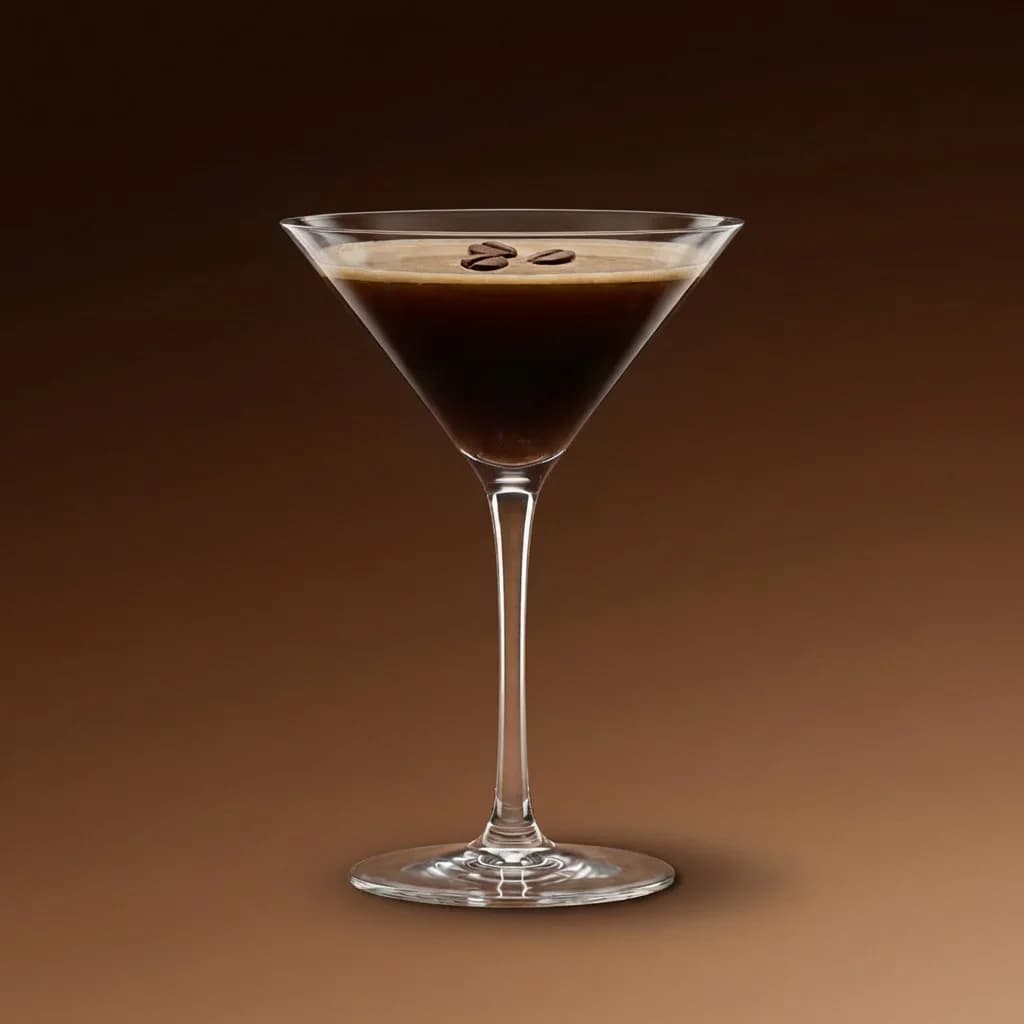
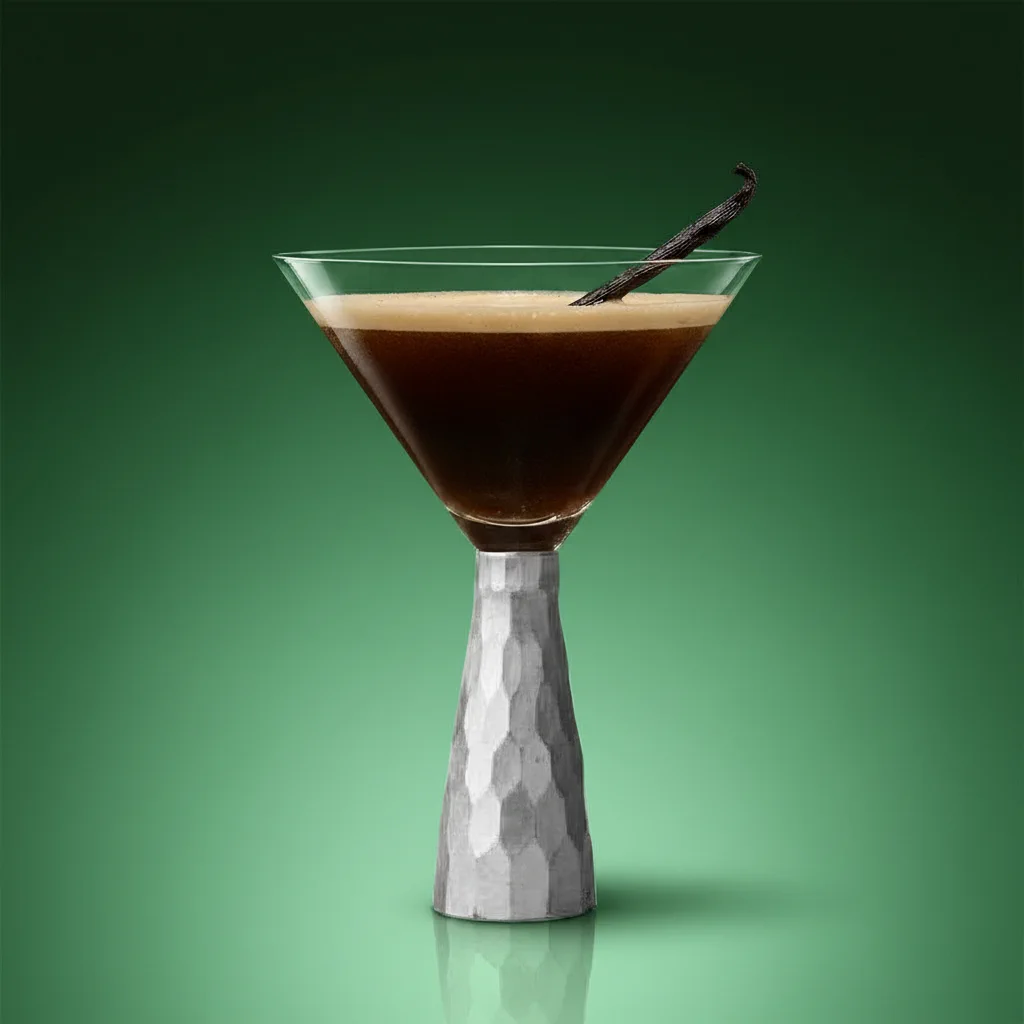
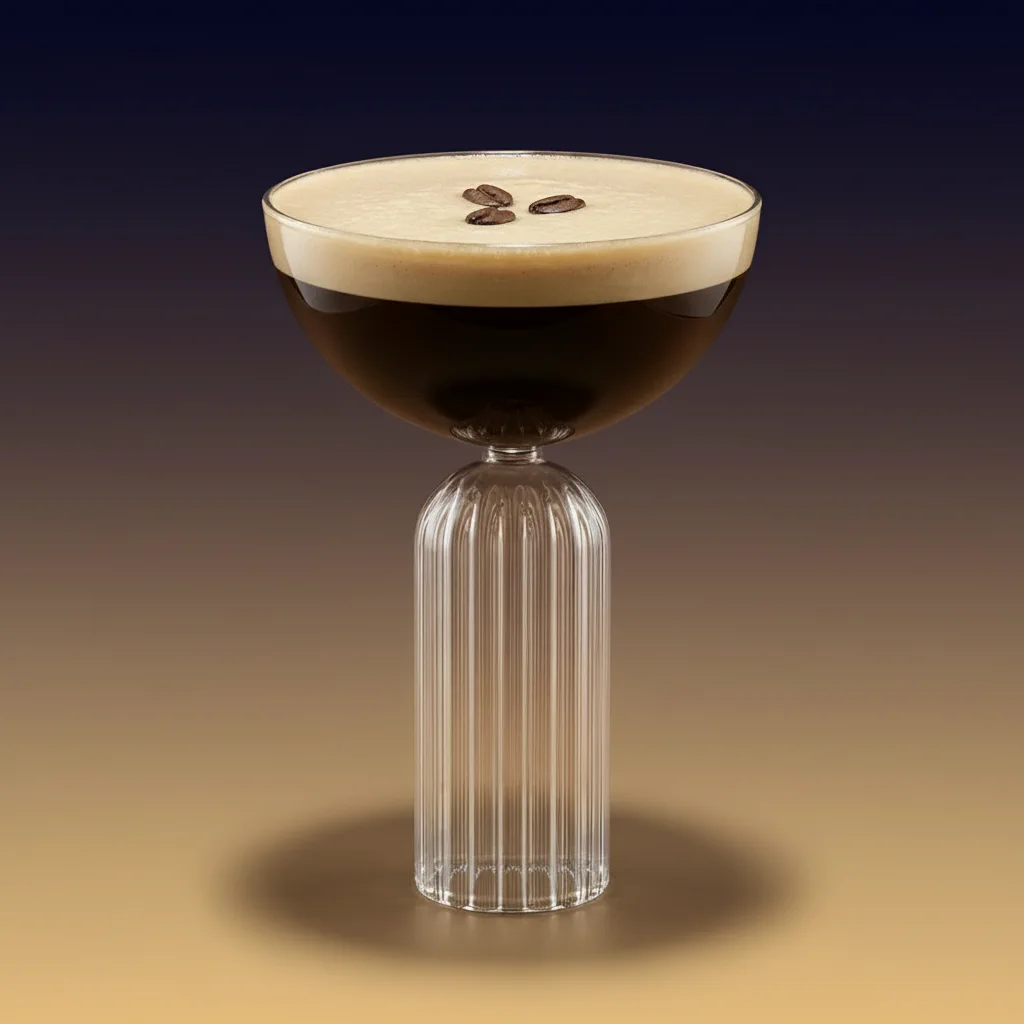
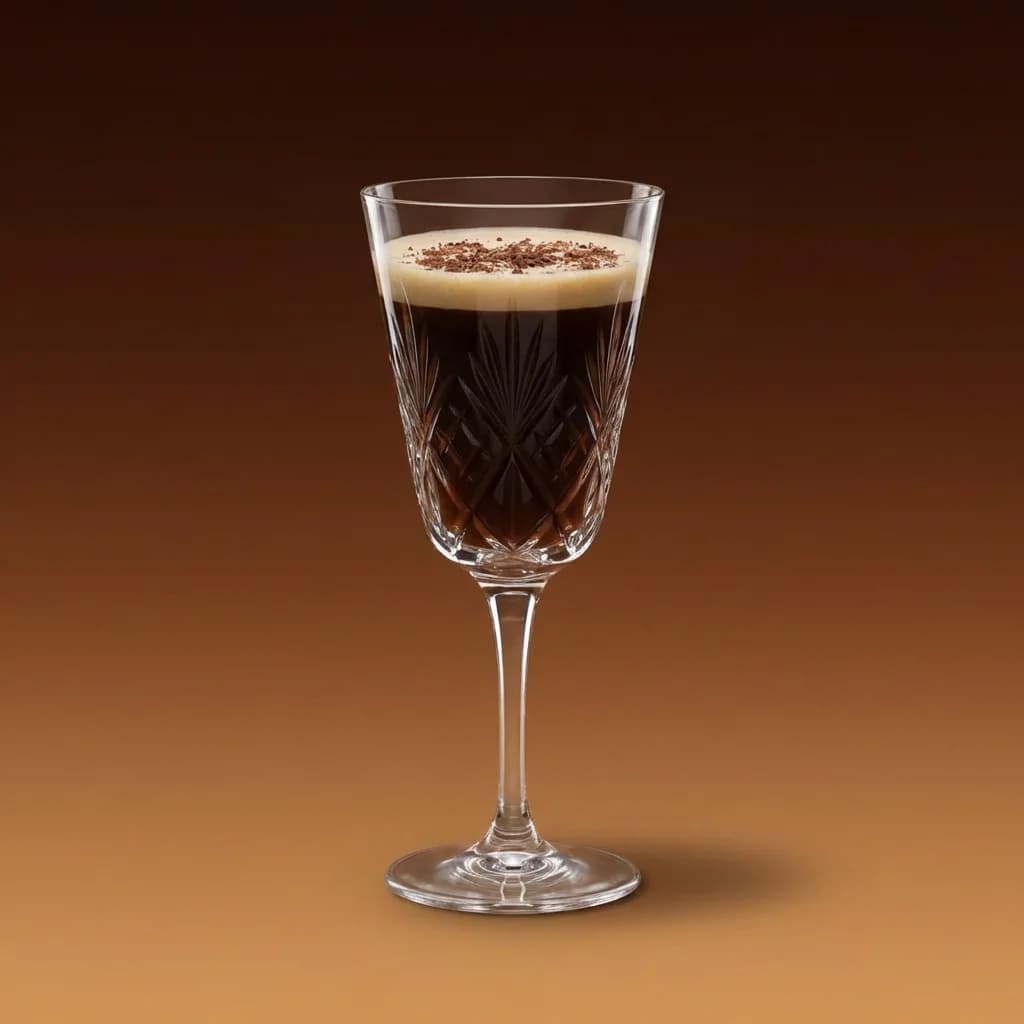
The Espresso Martini is an IBA contemporary classic shaken with vodka, coffee liqueur, freshly brewed espresso and simple syrup, served in a cocktail glass. A robust, bittersweet roasted-coffee profile leads, topped with a dark crema over a clean, crisp spirit base.
Ingredients
1
Servings



Garnish
Instructions for 1 serving
- Pre-chill a glass
- Shake all ingredients with ice: Vodka 50 mlCoffee liqueur 30 mlSugar syrup 10 mlEspresso coffee 25 ml
- Strain into the chilled cocktail glass
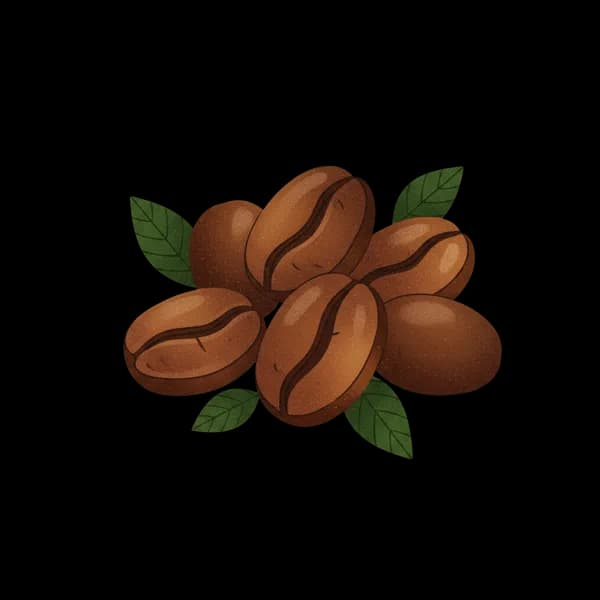
- Garnish with three coffee beans
Tips
- Shake hard for 15-20 seconds — the vigorous shake against ice is what builds the signature foam cap.
- Use fresh, hot espresso and let it cool slightly; stale or lukewarm coffee gives a flat, thin crema.
History
There are several competing claims for the Espresso Martini's origin, but the most widely cited credits London bartender Dick Bradsell, who created it in the 1980s for a young woman asking for something to wake her up and knock her out. The bar is identified as the Soho Brasserie, dating the drink to around 1983; Bradsell never named the model, referring to her only as a "top model" or an American model, and later rumors attaching Naomi Campbell or Kate Moss are considered implausible given their ages at the time. He recalled coffee being constantly on his mind because the café's coffee machine stood beside his station. Originally known as the Vodka Espresso, the drink saw a major surge in popularity in the early 2020s.
FAQ
What are the three ingredients in an espresso martini?
The core is vodka, coffee liqueur, and fresh espresso. This recipe also adds a small measure of sugar syrup to round out the coffee's bitterness, then finishes with a garnish of coffee beans. Classic coffee liqueurs include Kahlua or Tia Maria.
What is the recipe for an espresso martini?
Shake vodka, coffee liqueur, sugar syrup, and freshly pulled espresso hard with ice, then double-strain into a chilled cocktail glass. Garnish with three coffee beans floated on the foam. The espresso should be hot and fresh for the best crema.
Is an espresso martini shaken or stirred?
Shaken, always. A hard shake against ice is essential because it aerates the espresso and coffee liqueur, creating the drink's signature frothy foam cap. Stirring would leave it flat and dull, without the glossy crown that defines the cocktail.
What glass is an espresso martini served in?
A cocktail glass, served straight up without ice. The drink is shaken and strained cold into the chilled glass so the foam settles evenly on top, with coffee beans floated on the surface as garnish.
Why don't bartenders like making espresso martinis?
The drink is labor-intensive, requiring a freshly pulled shot of espresso and a long, hard shake for every order. During the early-2020s popularity surge, the time and effort per drink made it a frustrating order to fill on a busy service.
Is an espresso martini actually a martini?
No. It contains neither gin nor vermouth, so it is not a true martini; it simply borrows the name and the stemmed glass. It was originally called the Vodka Espresso, which more accurately describes its vodka-and-coffee makeup.