Gin Sangaree
A sweet and bitter gin cocktail ∙ Shake ∙ 3 min ∙ 24.5% ABV ∙
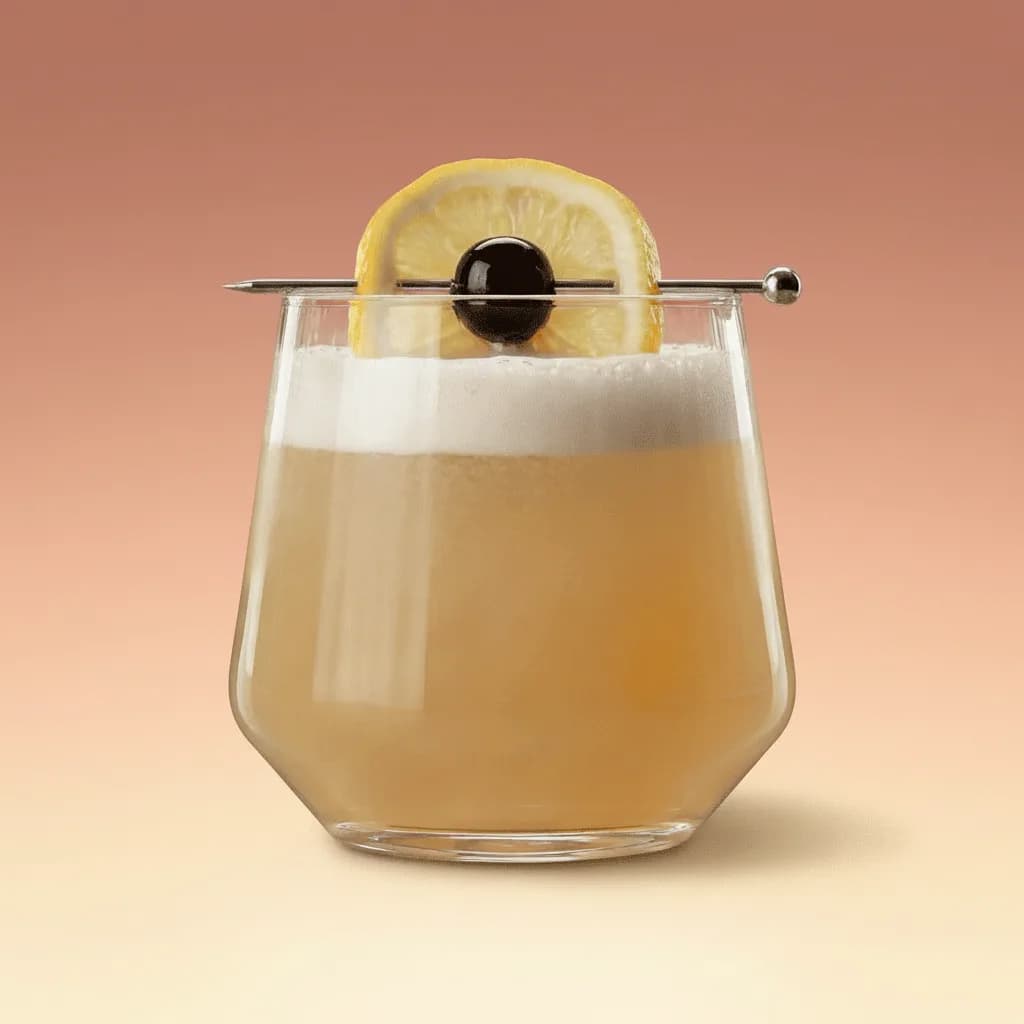
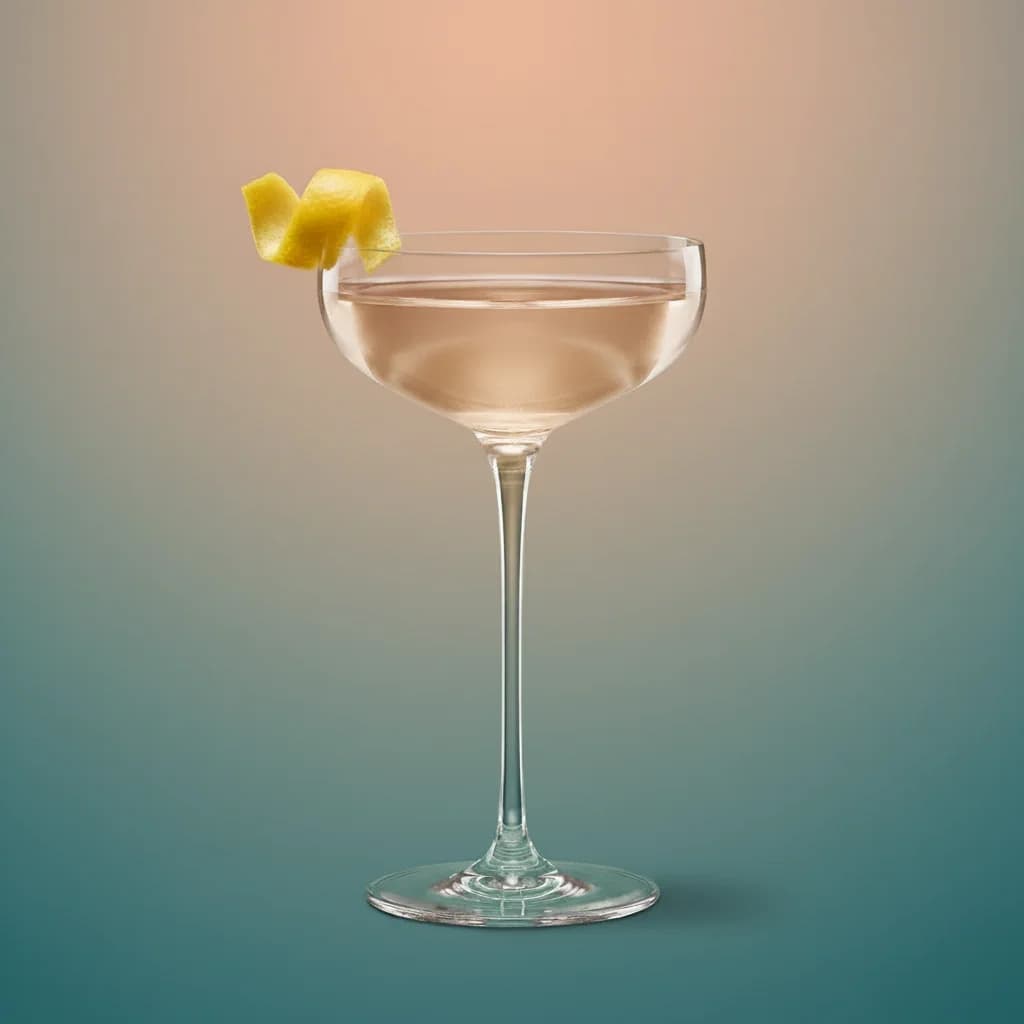
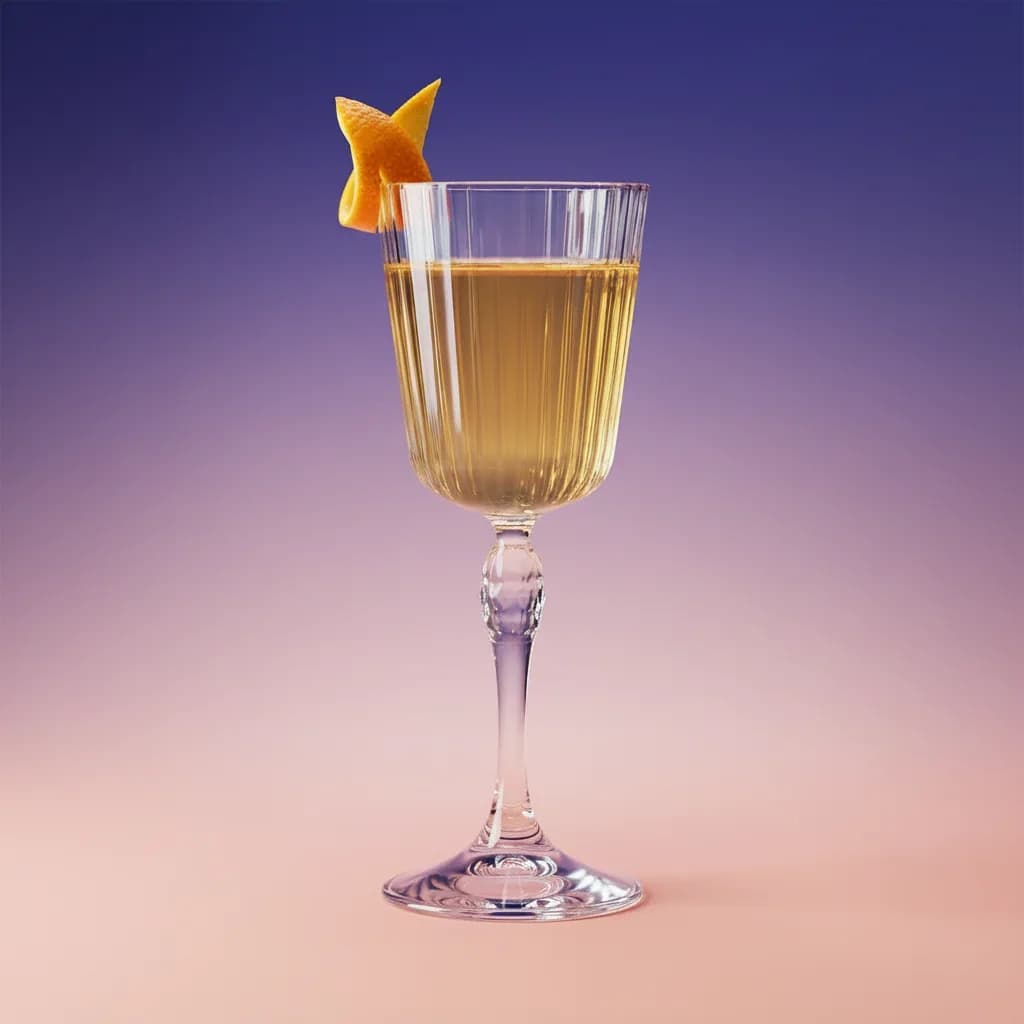
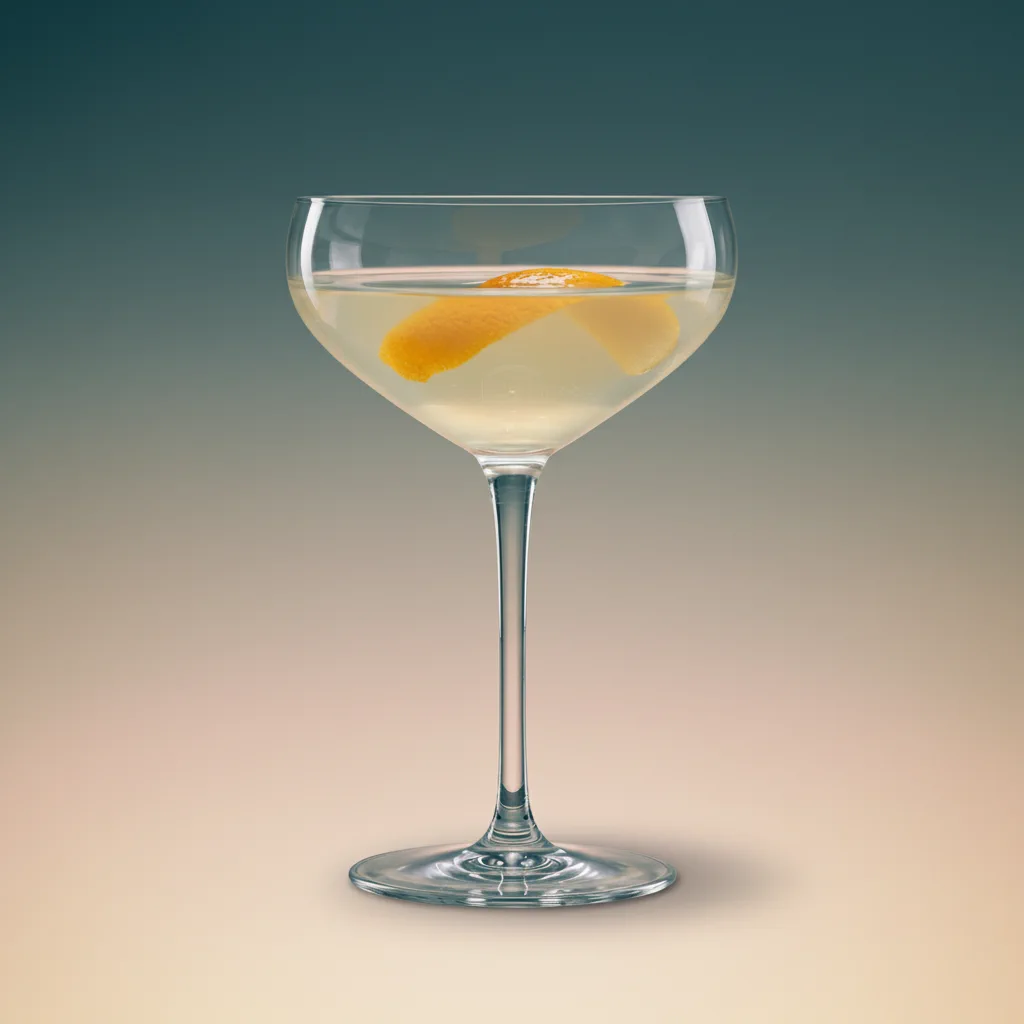
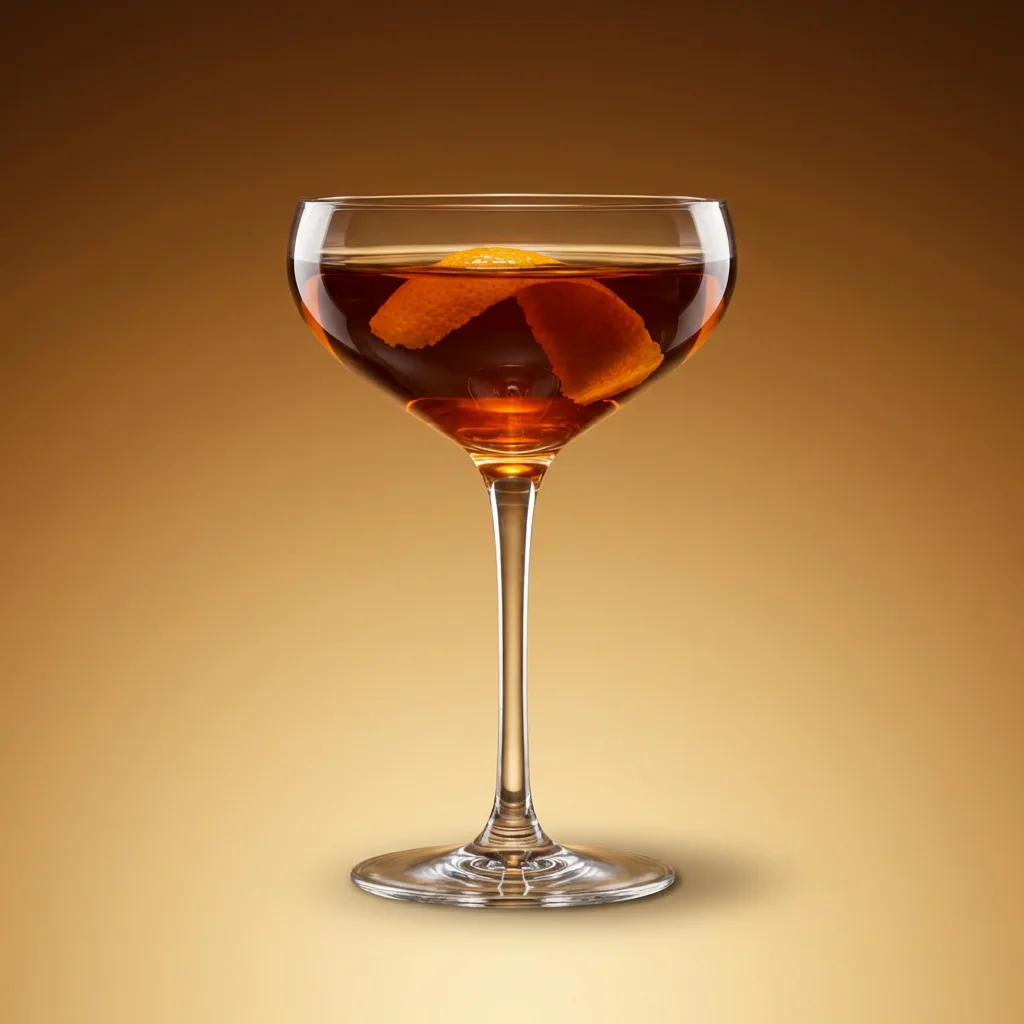
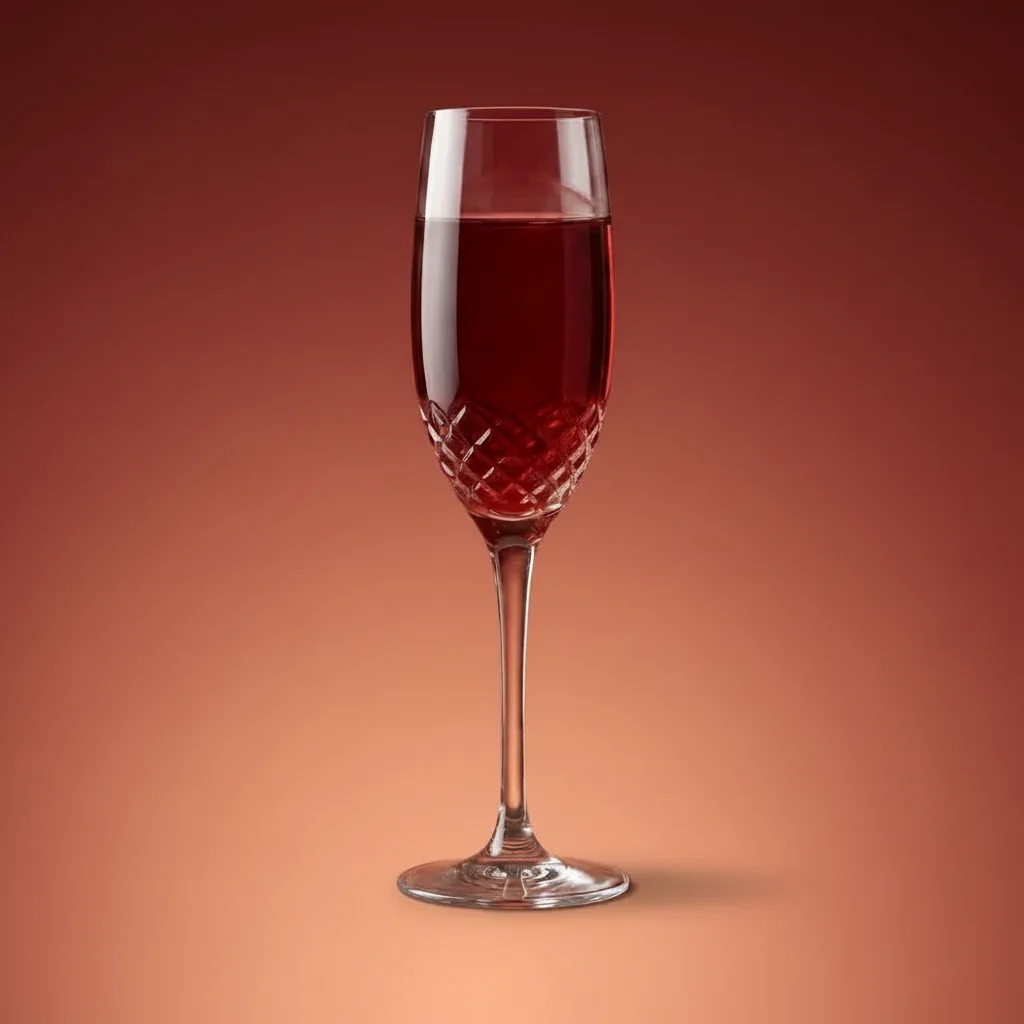
The Gin Sangaree is a port-topped gin cocktail: Old Tom gin and sugar syrup shaken and strained, then finished with a float of tawny port and grated nutmeg. The chilled base drinks smooth and lightly sweet, while the deep, fruity float settles on top, finishing warm with a fragrant dusting of spice.
Ingredients
1
Servings
Garnish
Instructions for 1 serving
- Pre-chill a glass
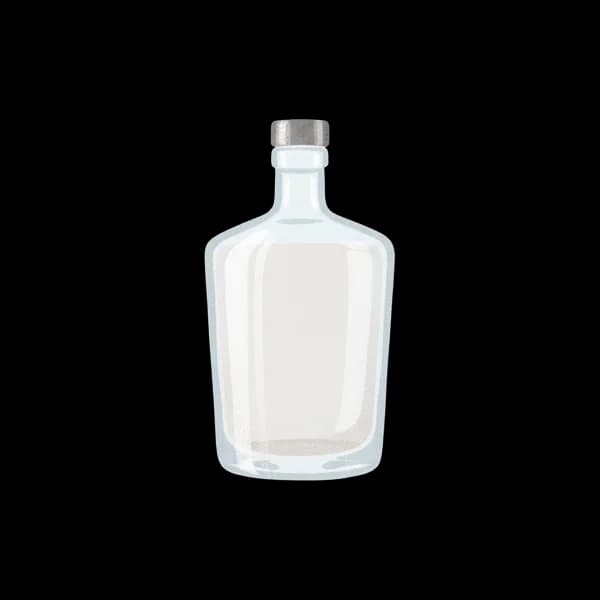
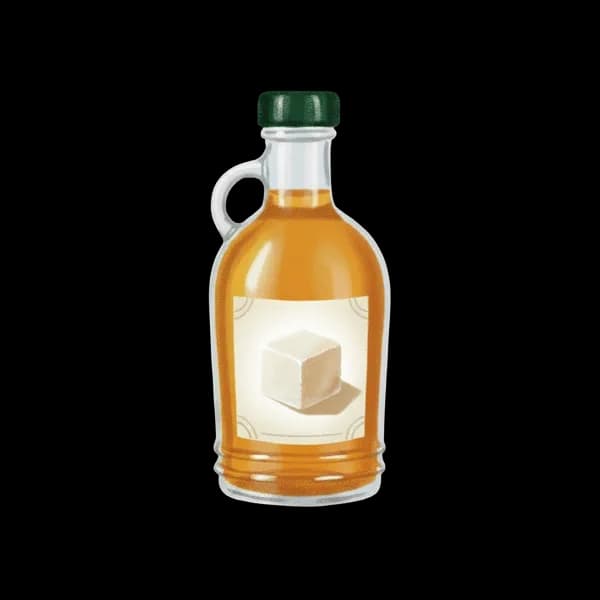
- Shake Old Tom gin 60 ml and Sugar syrup 10 ml with ice and strain into the chilled glass
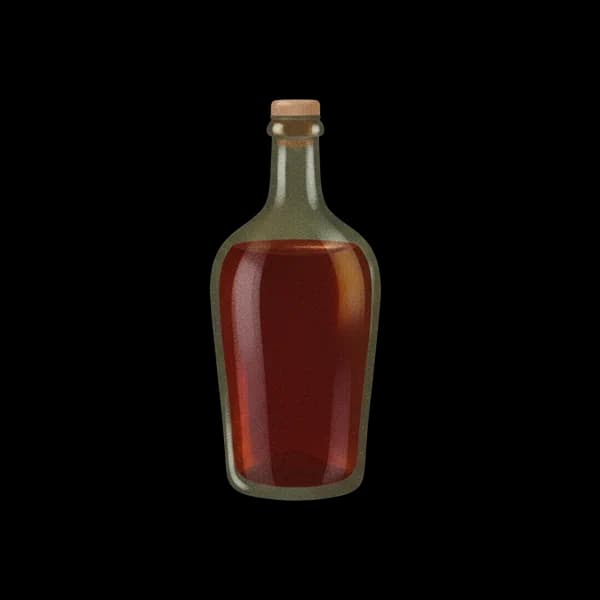
- Lastly pour Tawny port 30 ml
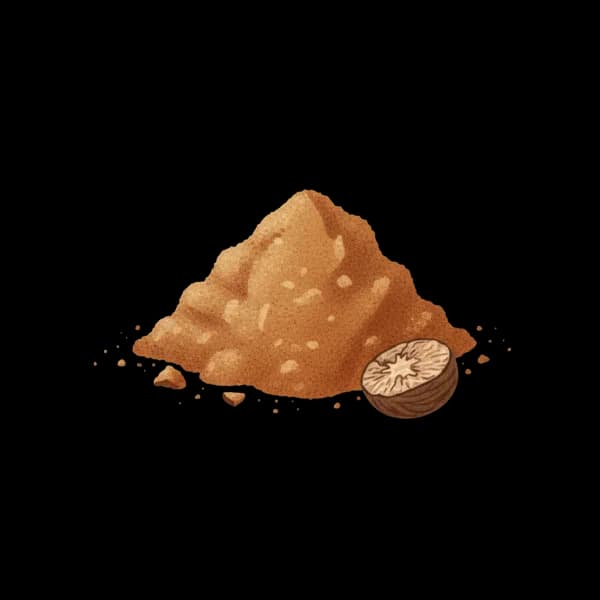
- Garnish by dusting with freshly grated nutmeg
History
The Sangaree family takes its name from the Spanish sangre, meaning blood, a reference to the deep red color of the fortified wine drinks that first bore the name. The earliest known mention appears in a 1736 issue of The Gentleman's Magazine, which described a London punch-seller devising a new drink from strong Madeira wine that he called Sangre; later cocktail historians have questioned whether this account genuinely marks the drink's invention or simply its first written record. Through the 18th century the sangaree spread through Britain's American colonies as a simple mix of fortified wine, water, sugar, and grated nutmeg, with citrus dropping out of most versions by the 19th century.
The gin version was codified alongside five other base spirits in Jerry Thomas's 1862 guide, How to Mix Drinks, or the Bon-Vivant's Companion, which listed separate Sangarees made with port wine, sherry, brandy, gin, ale, and porter, each built simply with sugar, water, and ice. Harry Craddock's Savoy Cocktail Book later carried the sangaree tradition into the 20th century with its own sherry and port versions. The drink is often confused with sangria, a related but distinct Spanish wine punch that shares the same root word but is a separate, later drink first popularized in the 20th century.
FAQ
What's the easiest gin cocktail to make?
A Gin Sangaree is one of the easier gin cocktails to make, since it only takes a quick shake with sugar syrup and a careful float of port before dusting with nutmeg, no juicing or muddling required.
What is an easy 3-ingredient gin cocktail?
The Gin Sangaree is a straightforward three-ingredient option: Old Tom gin and sugar syrup are shaken and strained, then topped with a float of tawny port and a dusting of nutmeg. It needs no citrus or elaborate garnish, just a careful shake and a gentle pour to keep the port sitting on top.