Tom Collins
A refreshing, sour and bubbly gin cocktail ∙ Shake ∙ 3 min ∙ 13.3% ABV ∙
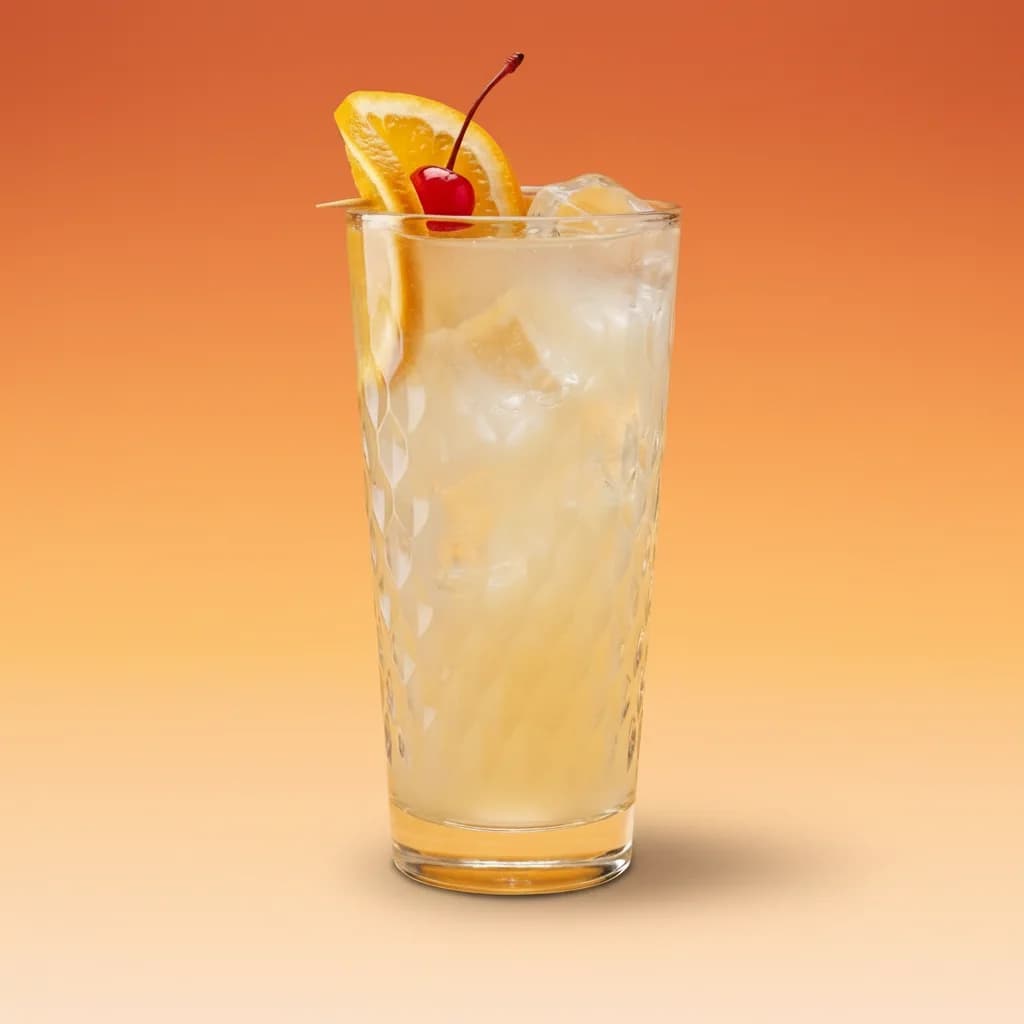
The Tom Collins is a gin fizz-style highball of Old Tom gin, lemon juice, and sugar syrup topped with soda water, served long over ice. Tart lemon and a light malty sweetness from the Old Tom gin lead, fizzing out into a clean, effervescent finish that stays easy to drink.
Ingredients
1
Servings
Garnish
Instructions for 1 serving
- Pre-chill a glass
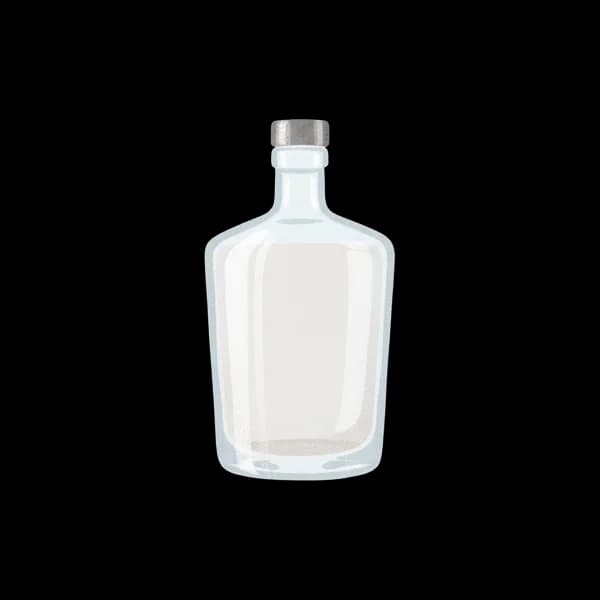
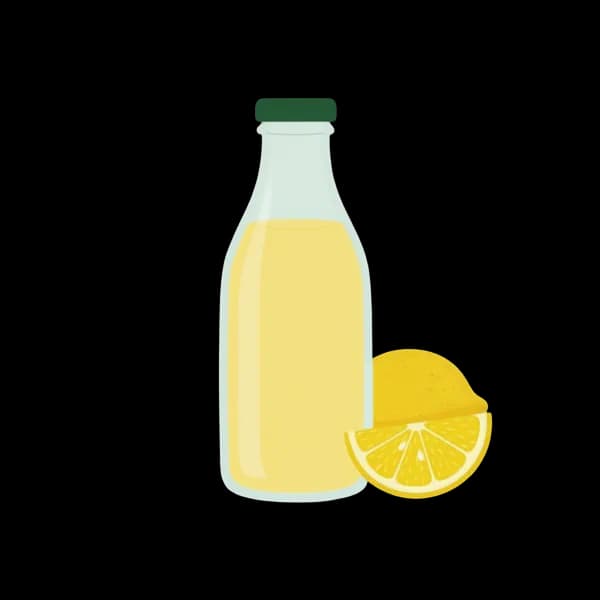
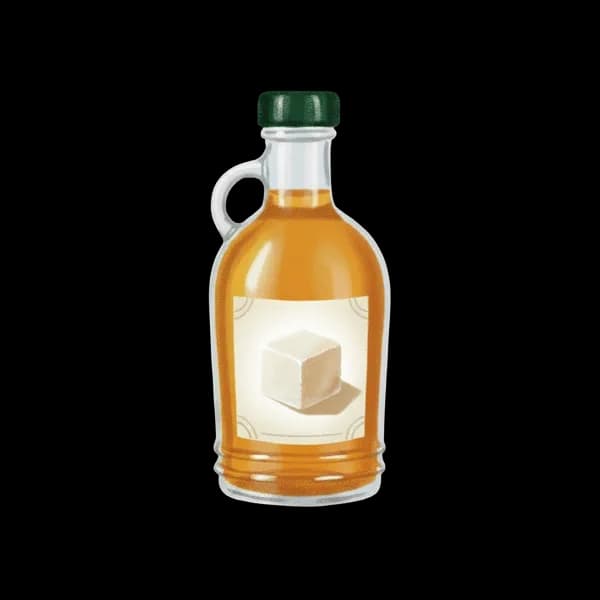
- Shake the first 3 ingredients with ice: Old Tom gin 60 mlLemon juice 25 mlSugar syrup 15 ml
- Strain into the ice-filled glass
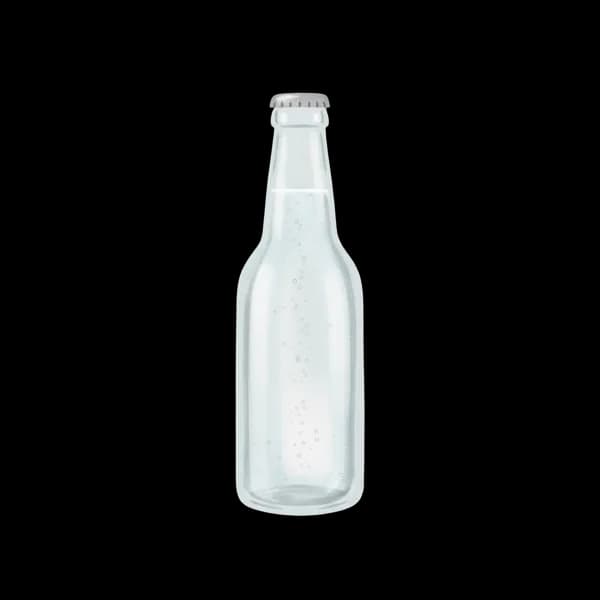
- Top with Soda water and briefly stir
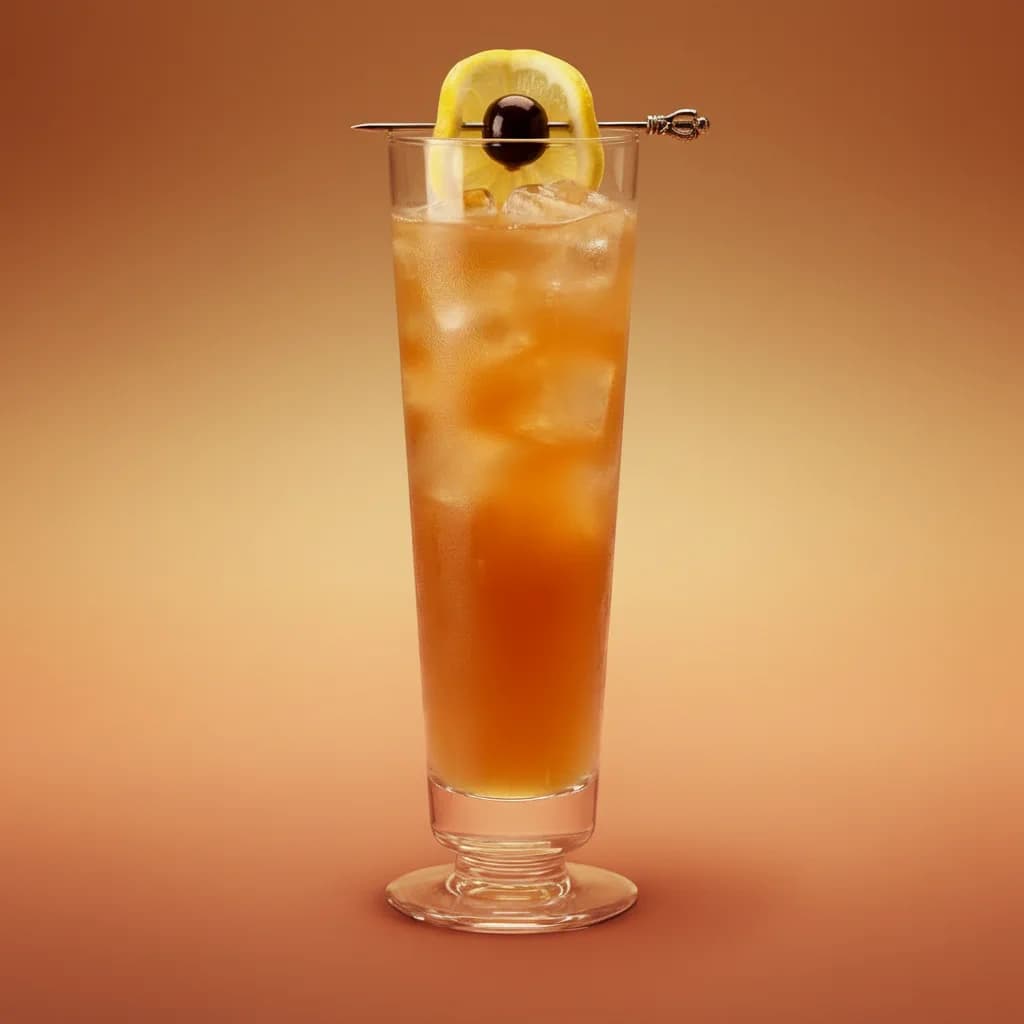
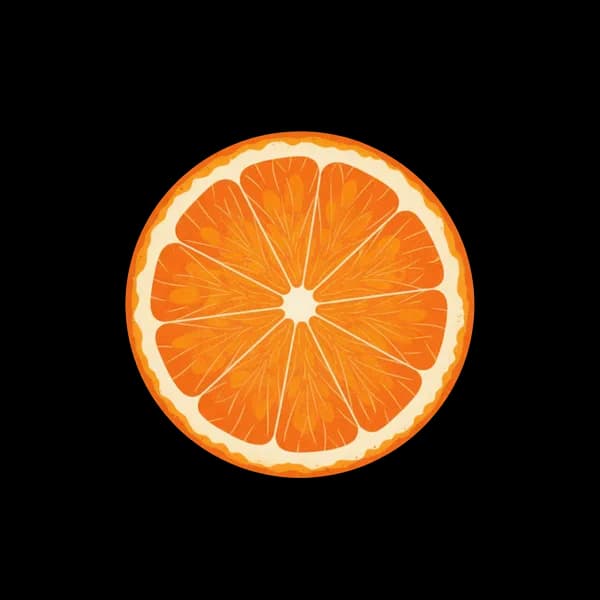
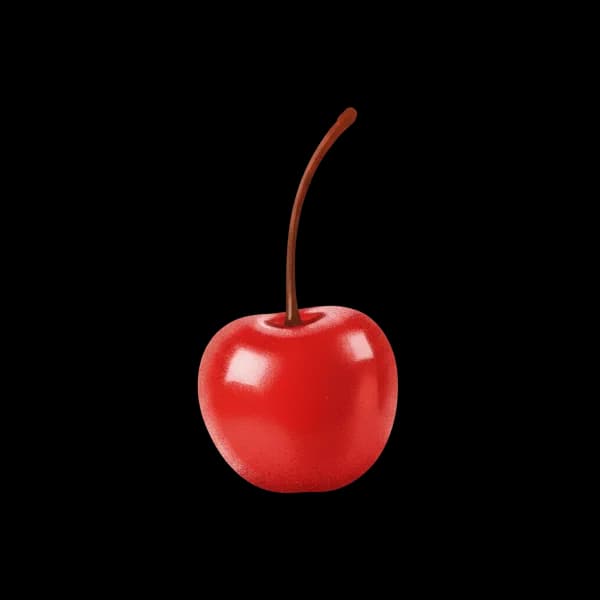
- Garnish with an orange wheel and a maraschino cherry on a skewer
Tips
- Use Old Tom gin rather than a dry London gin — its slight sweetness is what balances the lemon in this build.
History
The Tom Collins takes its name from "The Great Tom Collins Hoax of 1874," a prank that swept New York and Philadelphia in which pranksters convinced victims that a man named Tom Collins was nearby slandering them, sending them rushing off to confront someone who did not exist; the joke even spawned songs and newspaper items about the fictitious man. Drinks historians link the hoax's popularity to bartenders serving up a gin drink under that name to the flustered patrons who came asking for him. Many popular accounts credit the second edition of Jerry Thomas's Bar-Tender's Guide (1876) with the first printed recipe, though Wikipedia's sourced account instead identifies Harry Johnson's 1882 New and Improved Bartender's Manual as the earliest known published recipe, with a Tom Collins recipe appearing in Thomas's guide only in its 1887 posthumous edition. An older, rival explanation ties the name to an alternate history placing its origin in St. Louis, and a further international dispute has argued the drink began in England rather than America.
The Tom Collins is essentially a direct descendant of the Collins, a gin punch that had existed in England since at least the 1860s, reputedly linked to a headwaiter named John Collins at Limmer's Old House in London's Mayfair district. As Old Tom gin's sweeter style became the more common base for the drink in America, the name shifted from John Collins to Tom Collins, with the two ultimately becoming distinguished largely by gin style.
FAQ
What is a Tom Collins made of?
Old Tom gin, lemon juice, and sugar syrup, shaken and strained over ice, then topped with soda water and garnished with an orange wheel and a maraschino cherry. It is served long in a Collins glass, around 13.3% ABV.
What's the difference between a John Collins and a Tom Collins?
A John Collins is made with a dry London-style gin, or sometimes bourbon, while a Tom Collins specifically calls for the slightly sweeter Old Tom gin, as this recipe does. The two are otherwise built the same way: base spirit, lemon, sugar syrup, and soda water served long over ice.
What is a Tom Collins with bourbon called?
A Tom Collins made with bourbon instead of gin is usually called a Whiskey Collins or Bourbon Collins, not a Tom Collins, since the name is tied to the Old Tom gin base. The formula stays the same: base spirit, lemon juice, sugar syrup, and soda water over ice.
Do people still drink Tom Collins cocktails?
Yes, the Tom Collins remains a popular warm-weather highball and a staple on classic cocktail menus. Its light, fizzy, citrus-forward profile keeps it in regular rotation alongside other gin long drinks, especially in summer.