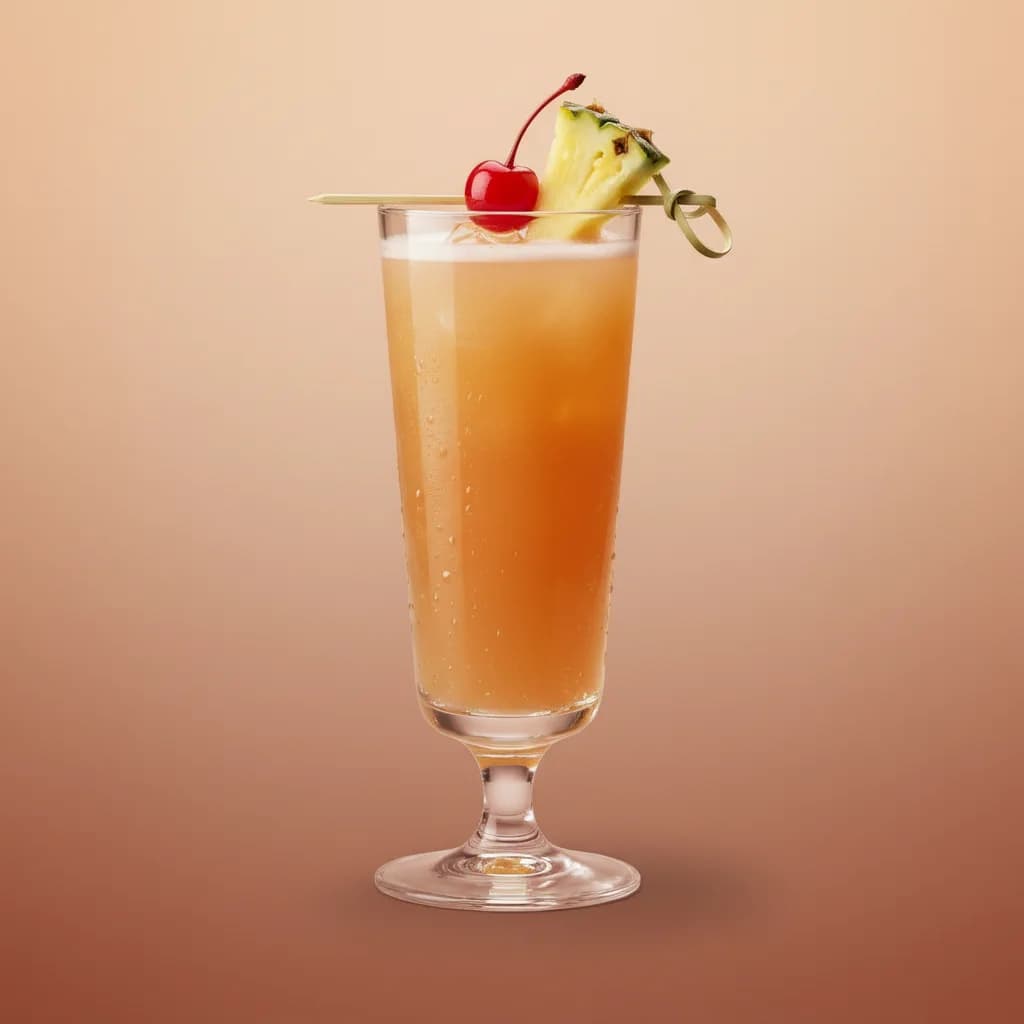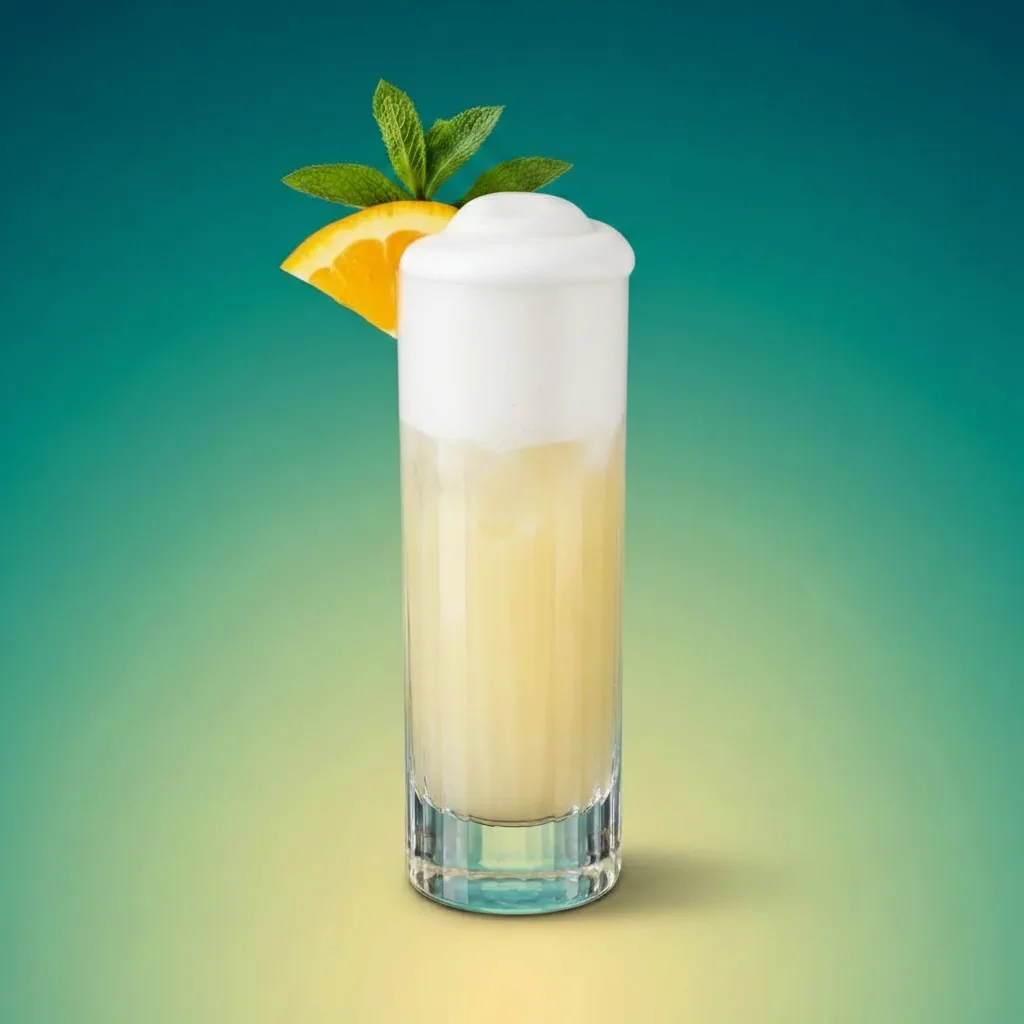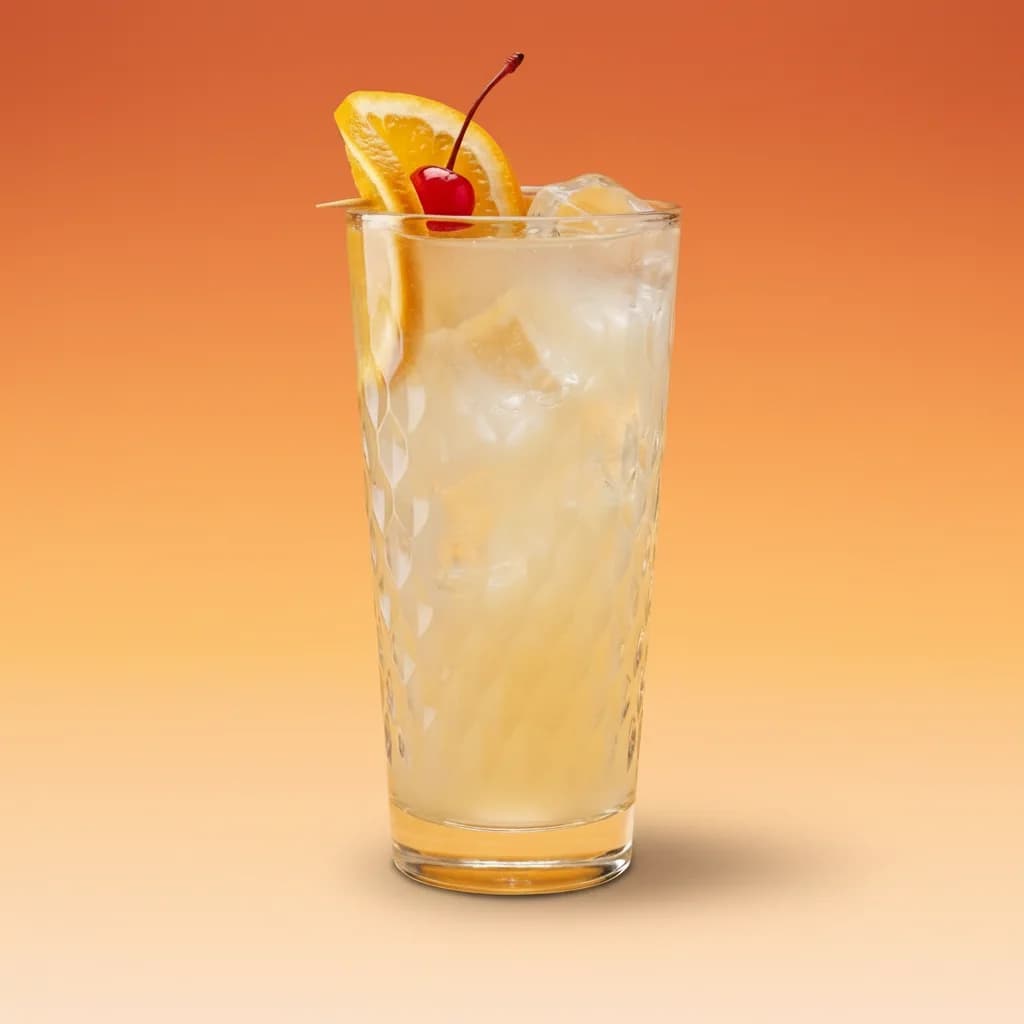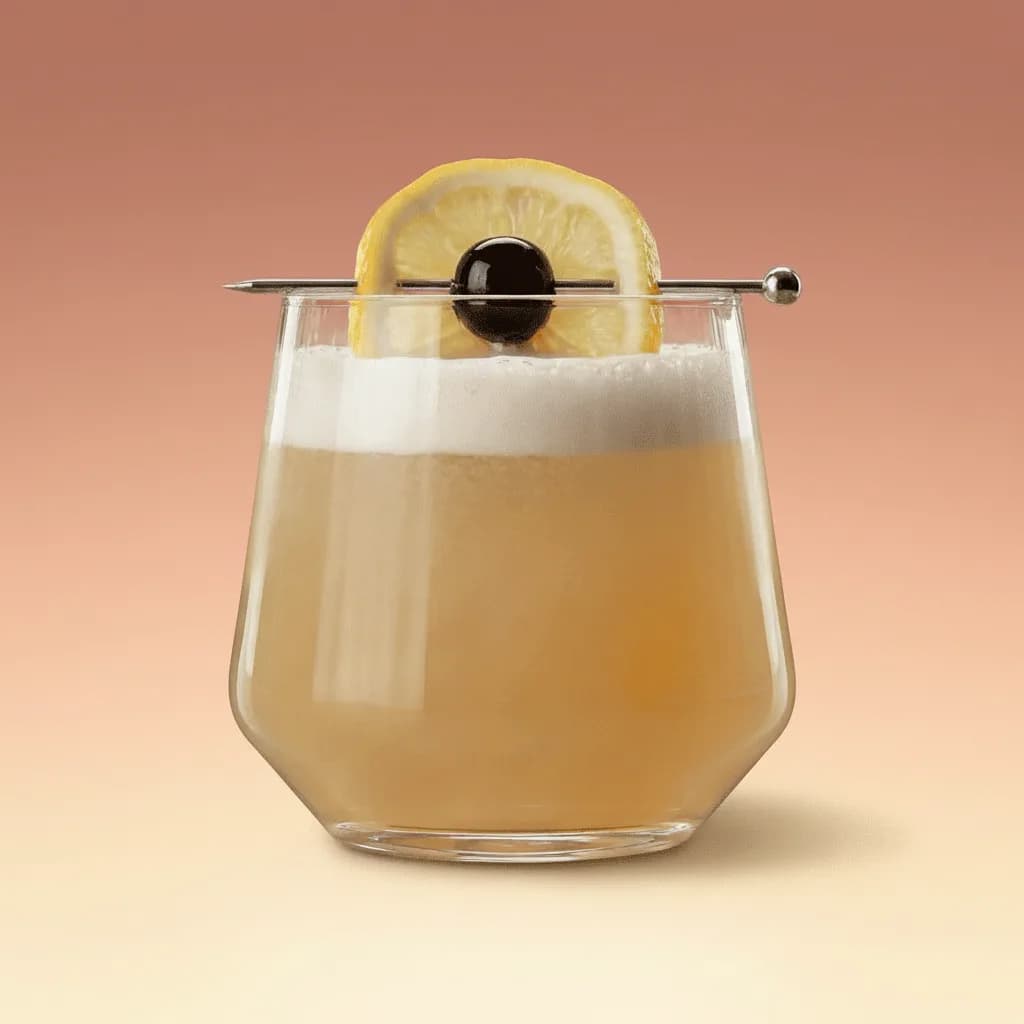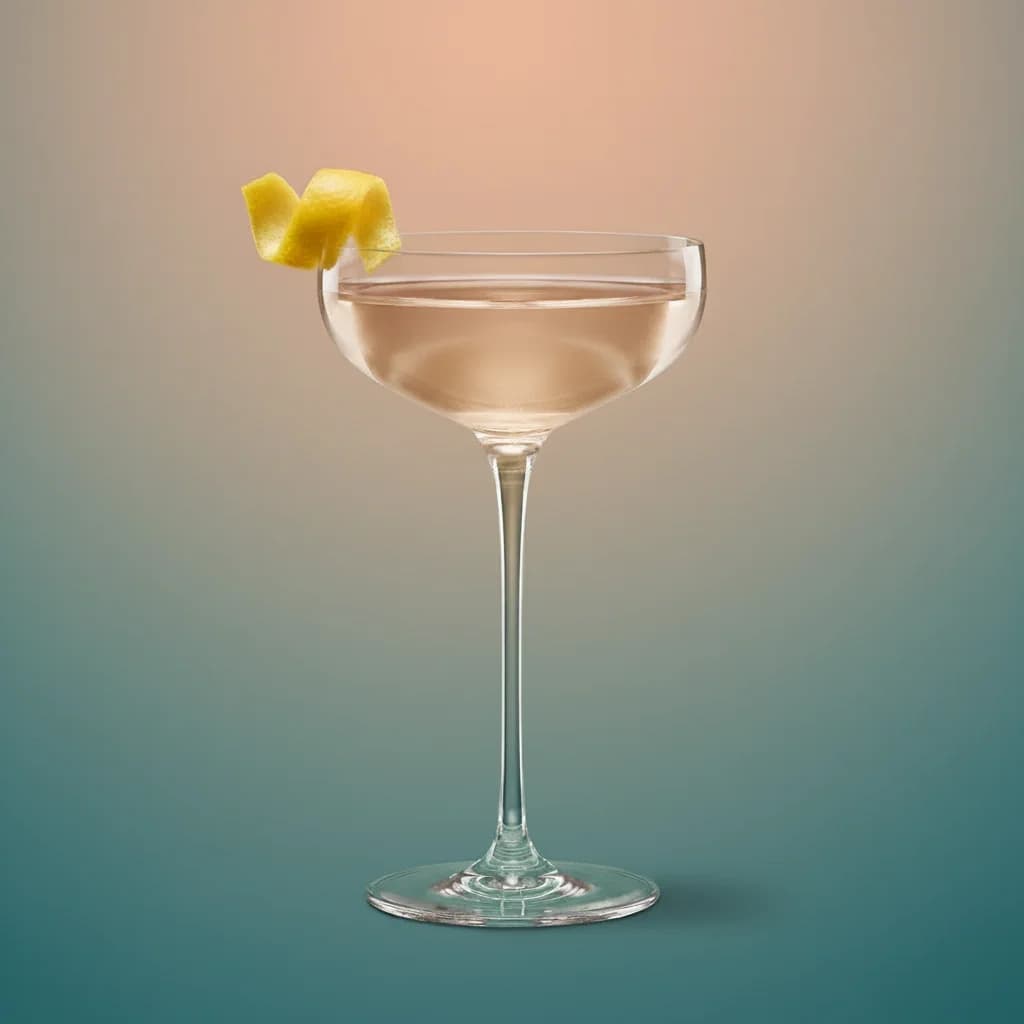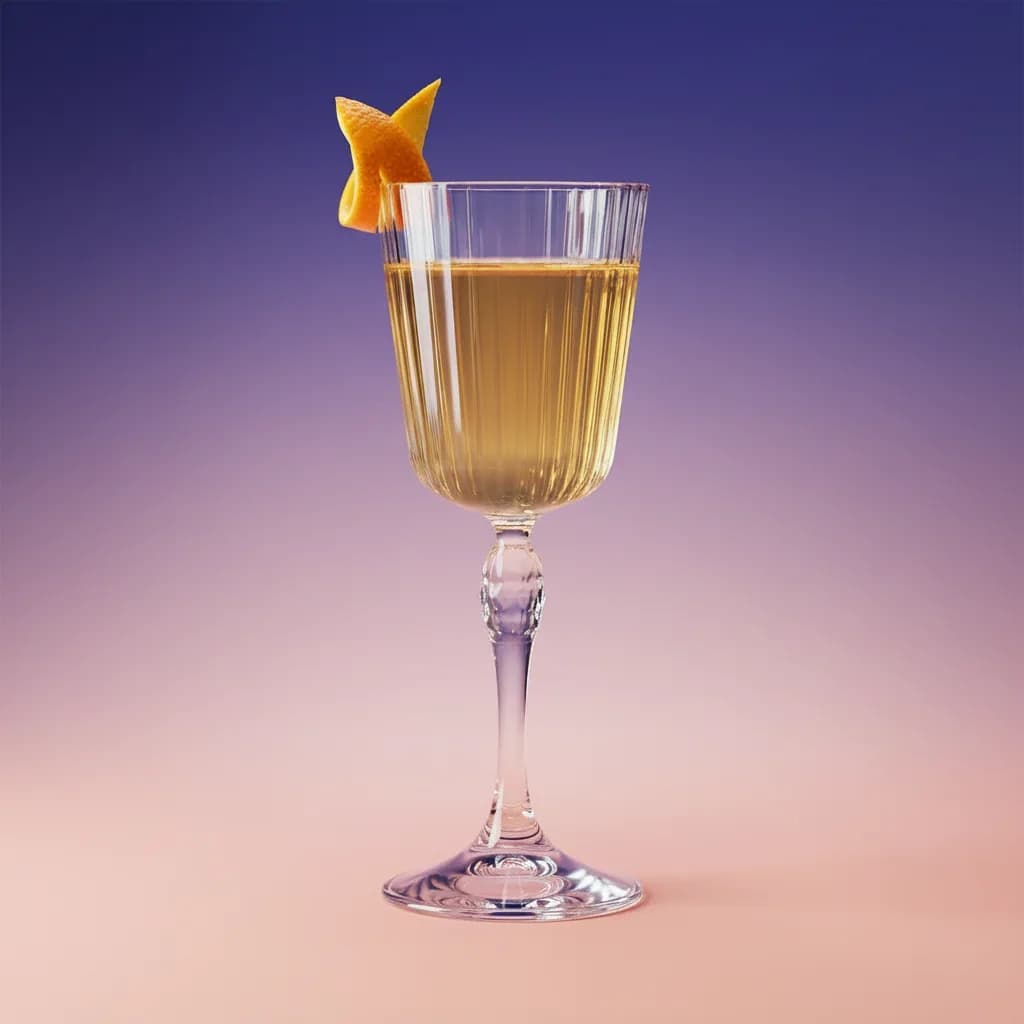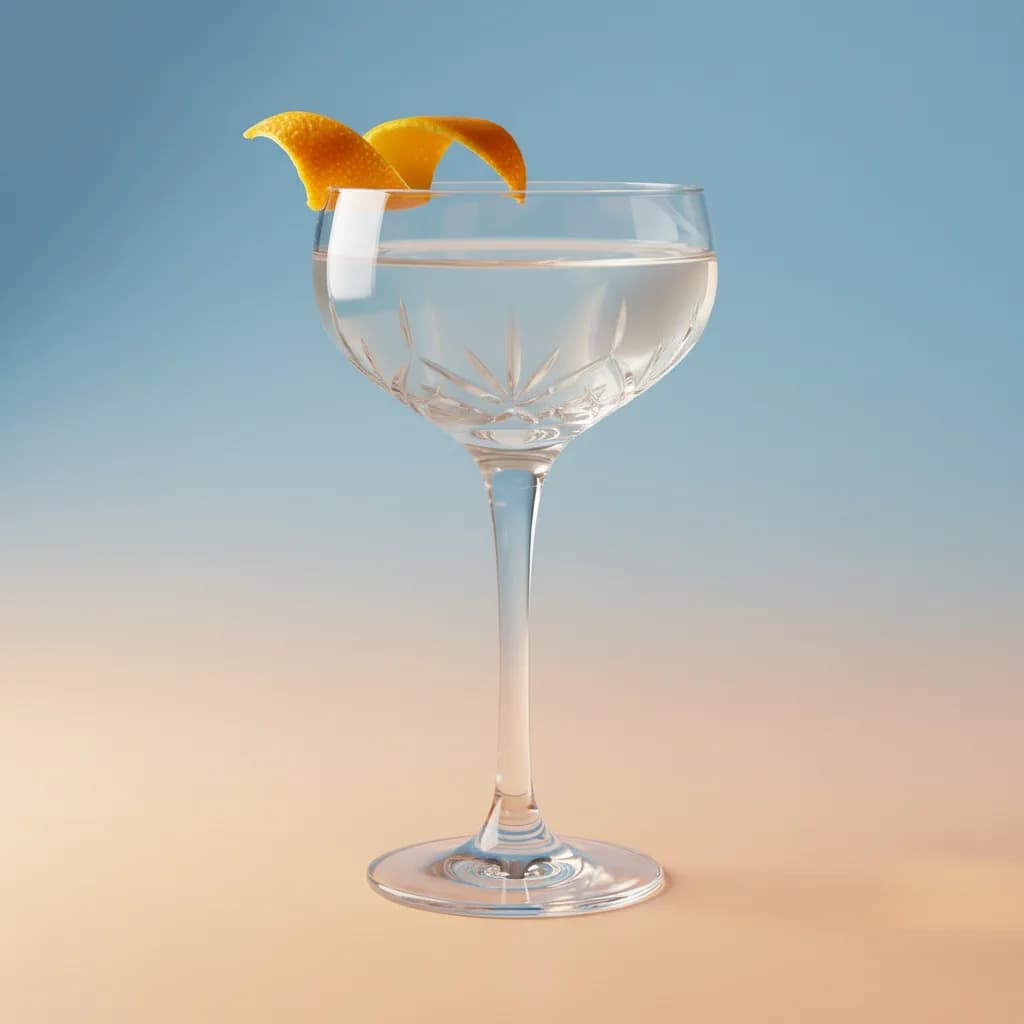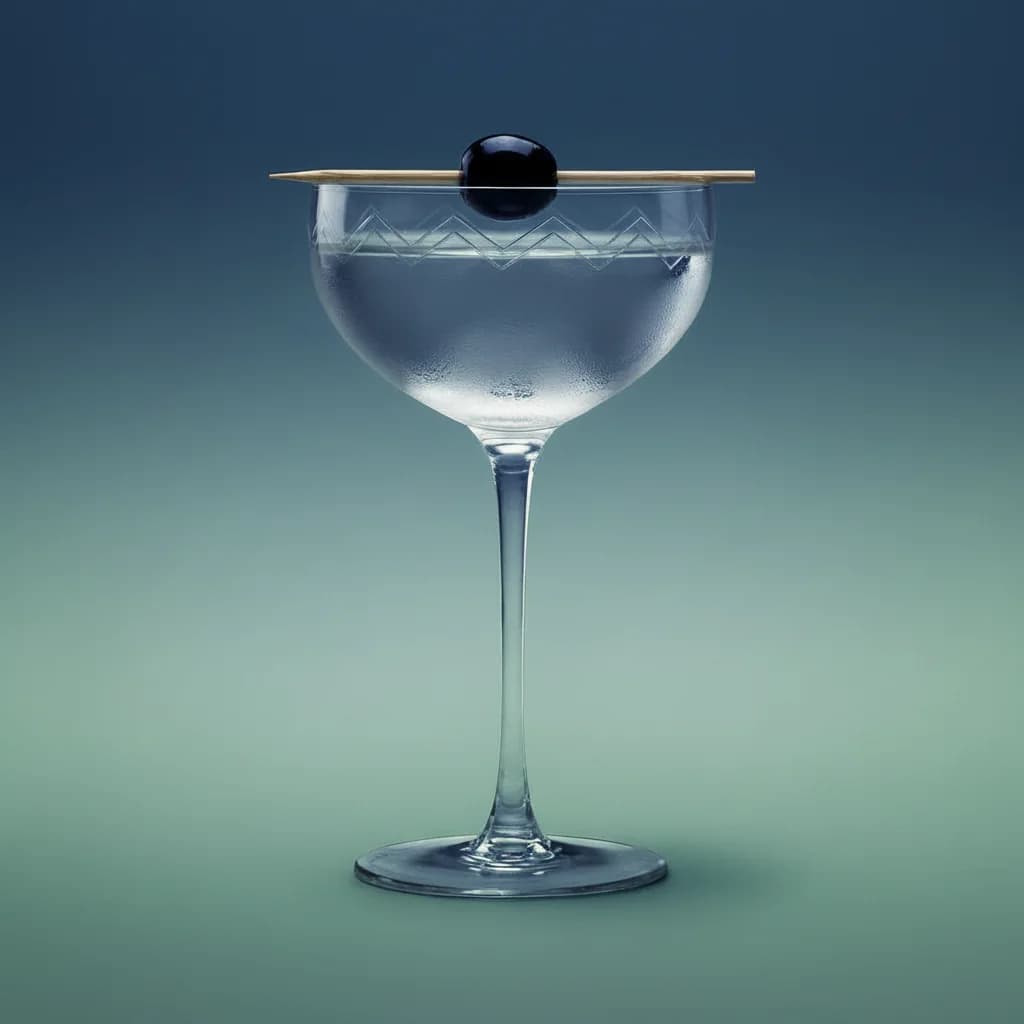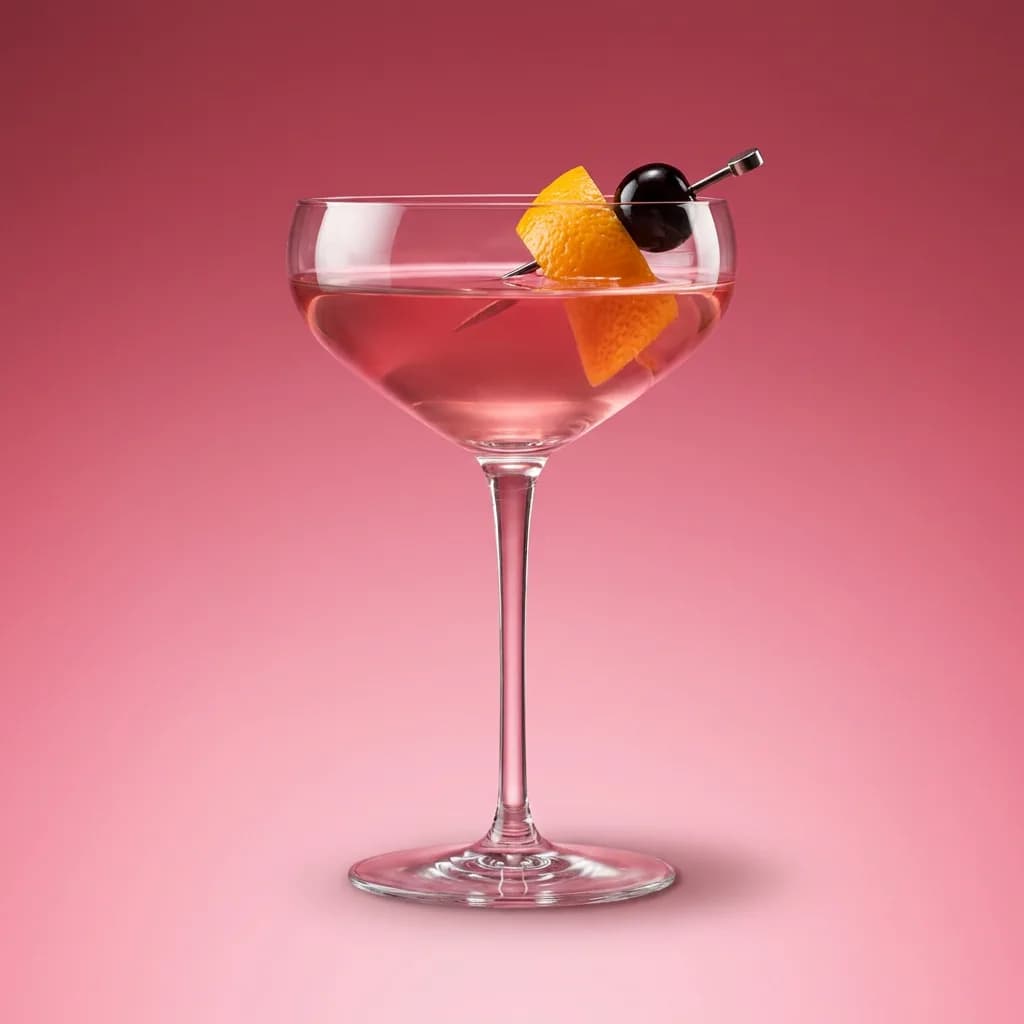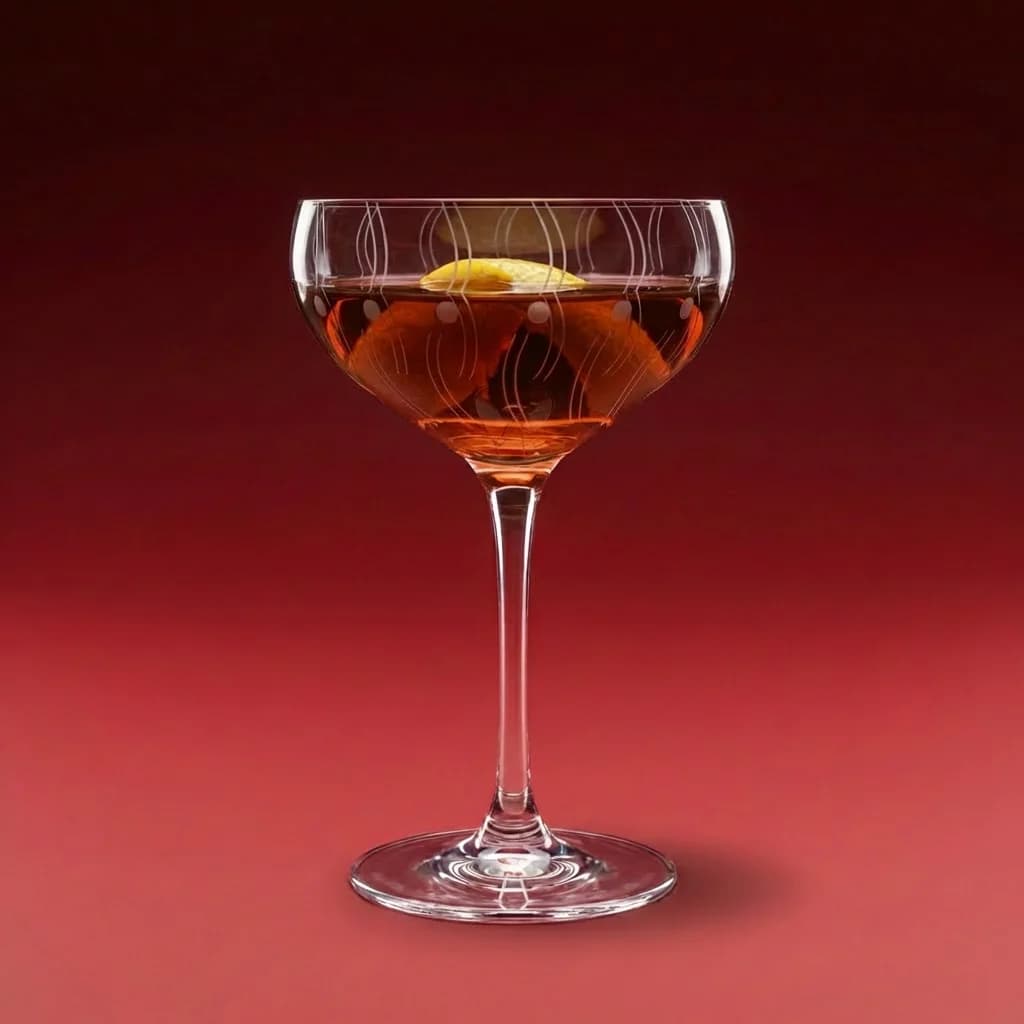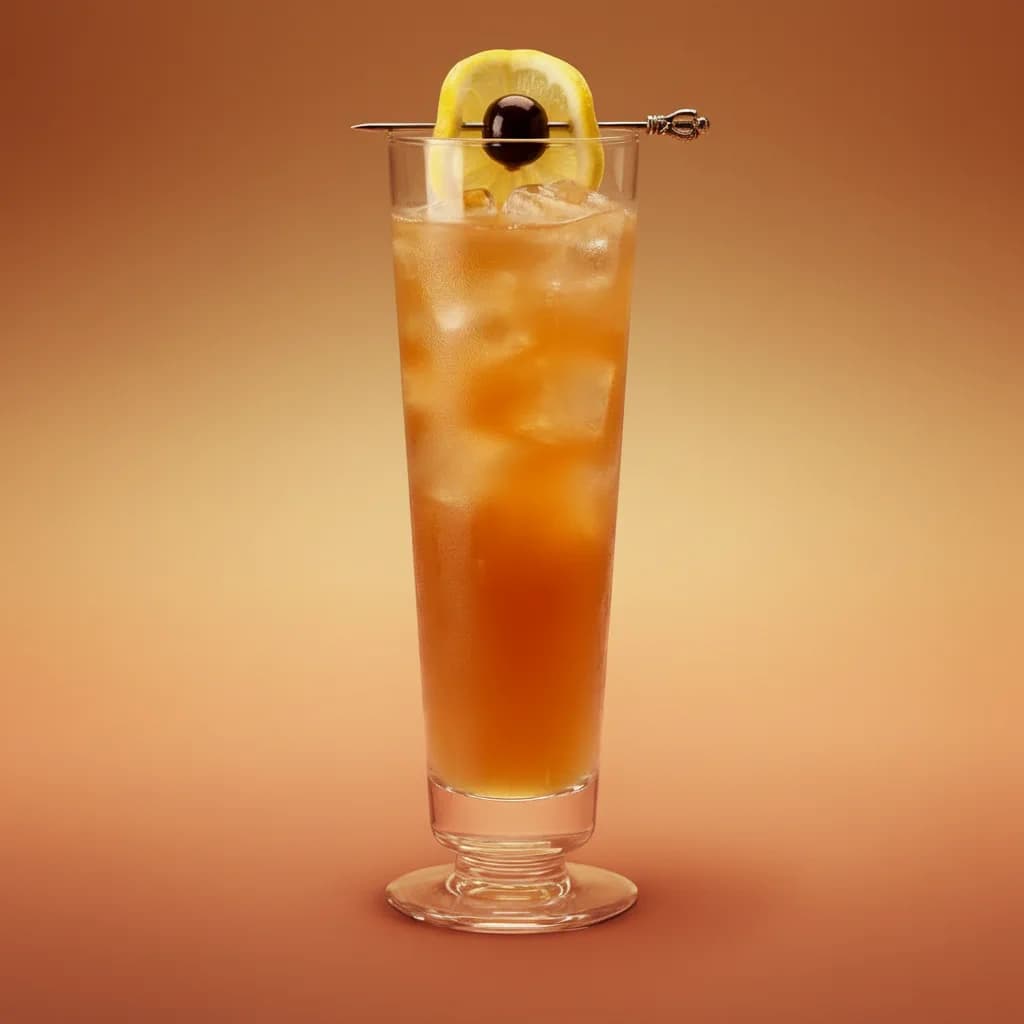
Singapore Sling (Old Tom Gin)
A fruity, herbal and bubbly gin cocktail ∙ Shake ∙ 3 min ∙ 18.7% ABV ∙
This variation on the Singapore Sling builds the classic gin, Bénédictine, and cherry liqueur mix on Old Tom gin, shaken with lemon and lifted with soda. Tart and honeyed at once, with a soft fizzy lift and a gentle sweetness that lingers through a long, refreshing finish.
Ingredients
1
Servings
Garnish
Instructions for 1 serving
- Pre-chill a glass
- Shake the first 6 ingredients with ice: Old Tom gin 60 mlBénédictine D.O.M. liqueur 15 mlCherry liqueur 15 mlLemon juice 30 mlAngostura aromatic bitters 2 dashesOrange bitters 2 dashes
- Strain into the ice-filled glass
- Top with Soda water and lightly stir
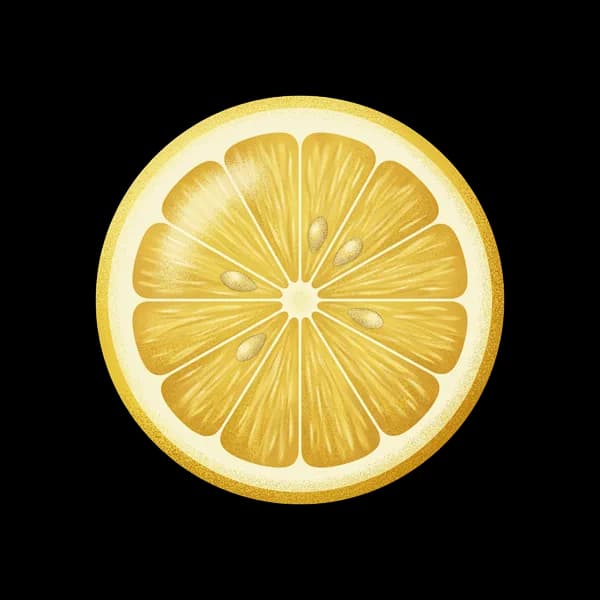
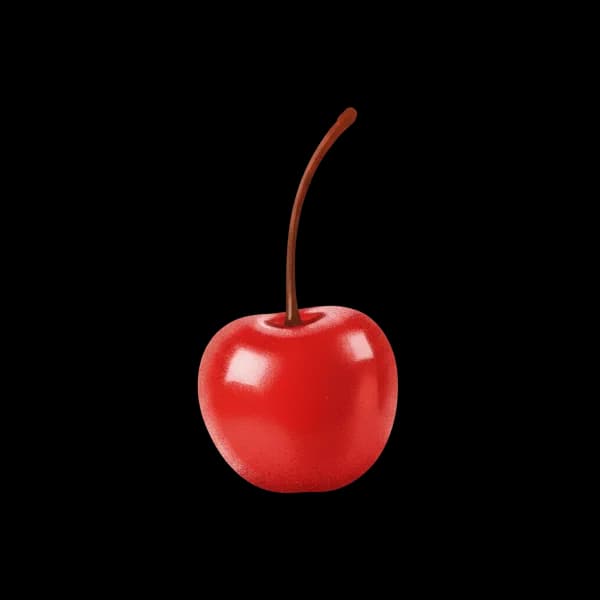
- Garnish with a lemon slice and a maraschino cherry
Tips
- Add the bitters as dashes only — Angostura and orange bitters both concentrate quickly and can overwhelm the lemon.
History
This version swaps in Old Tom gin, the sweeter, more old-fashioned style of gin that predates the London Dry now used in most modern Singapore Slings. Built with cherry liqueur, Bénédictine, lemon juice and bitters rather than the fruit-juice-heavy "tiki" formula most bars pour today, it reads closer to the leaner, spirit-forward drink cocktail historians believe predated the pineapple-and-grenadine version popularized from the mid-20th century onward, before pink, fruity-style cocktails became fashionable and the recipe grew sweeter and more elaborate.
The Singapore Sling itself is generally credited to Ngiam Tong Boon, a bartender at the Long Bar in Raffles Hotel in Singapore, with its creation dated to sometime between 1899 and 1915. It was originally devised, by the most common account, as a pink drink disguised to look like fruit juice so that women could drink it discreetly in an era when female public drinking was frowned upon. Because the hotel never recorded the original formula, the exact early recipe remains disputed among historians and the version served today was reconstructed decades later from bartenders' recollections and scattered notes.
FAQ
What is the original Singapore Sling?
The original Singapore Sling was created at the Long Bar of Raffles Hotel, and this version uses Old Tom gin in place of a London dry, giving the classic shaken build a rounder, slightly sweeter backbone.
What's in the original Singapore Sling?
The classic roster is gin, Bénédictine, cherry liqueur, lemon juice, and a dash of bitters, lengthened with soda water. This build follows that same lineup but swaps in Old Tom gin, shaken with the lemon and liqueurs, strained over ice, and topped with soda.
What gin is best for a Singapore Sling?
Old Tom gin is the base spirit here because its slight sweetness rounds out the tart lemon juice rather than competing with it.
What is a substitute for Bénédictine in a Singapore Sling?
Bénédictine's honeyed, herbal profile is hard to fully replace, but a small amount of Drambuie or a honey-forward herbal liqueur can approximate its sweetness and spice. The substitute will read simpler and less complex than the Bénédictine base this recipe calls for.