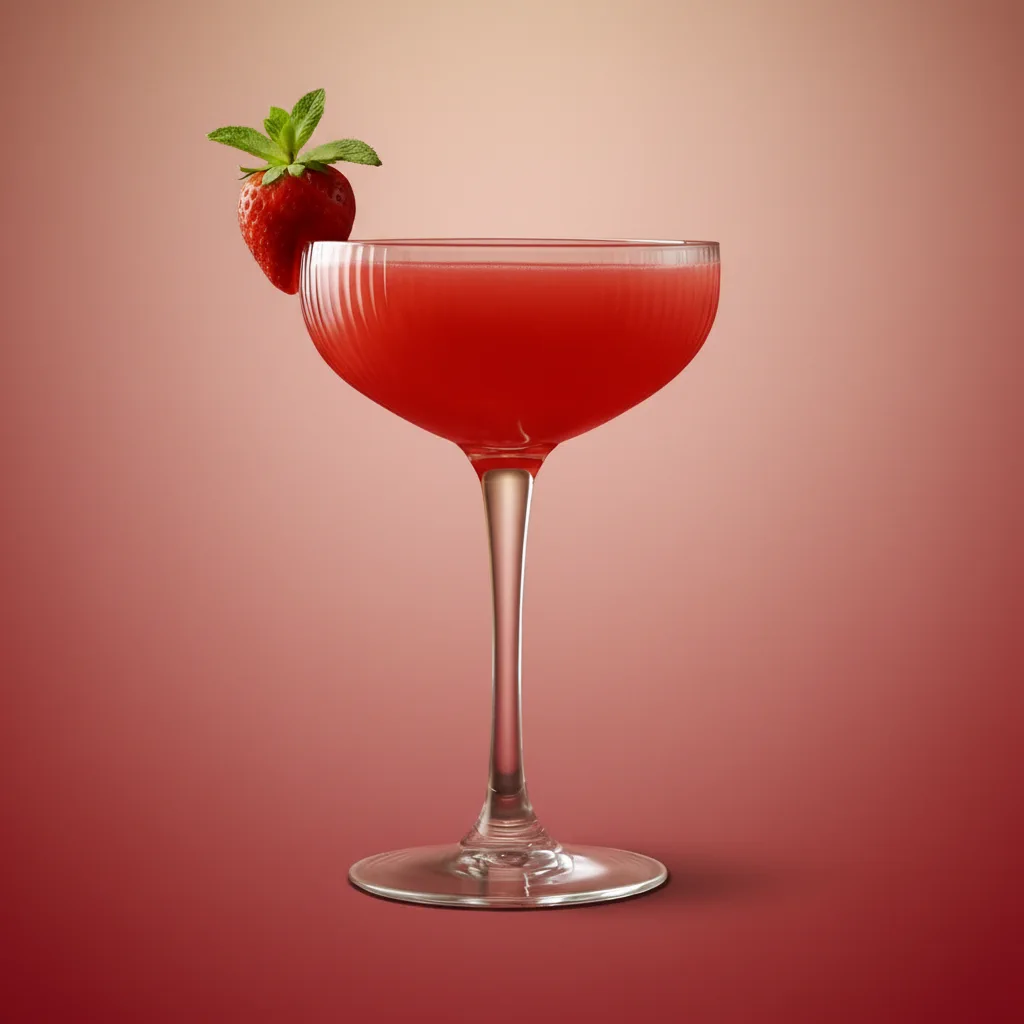
Cocktails with Black pepper
Black pepper is the dried unripe fruit of the vine Piper nigrum, used as a pungent aromatic spice.
Substitutes for Black pepper
For a light aromatic touch another warm spice — grains of paradise, pink peppercorn — stands in. Where the piperine bite and the woody aroma are the point, nothing else does the job, and reaching for chili gets you heat instead of aroma.
Often confused with
White pepper
White pepper is the ripe berry with its hull removed. Milder, pale and less floral than black, it seasons without darkening a clear drink. White keeps a pale drink looking clean and gives less bite for the same measure.
Chili pepper
Entirely different plants — chili heat is capsaicin from Capsicum, black pepper heat is piperine from Piper nigrum. Only the name is shared, and chili heat builds and lingers where pepper flashes and goes.
Storage
Whole peppercorns keep their oil for years in a sealed jar; ground pepper is flat within months, which is the whole argument for a grinder on the station. Keep it away from the heat of the machine, since warmth drives off the volatile part first and leaves the burn behind.