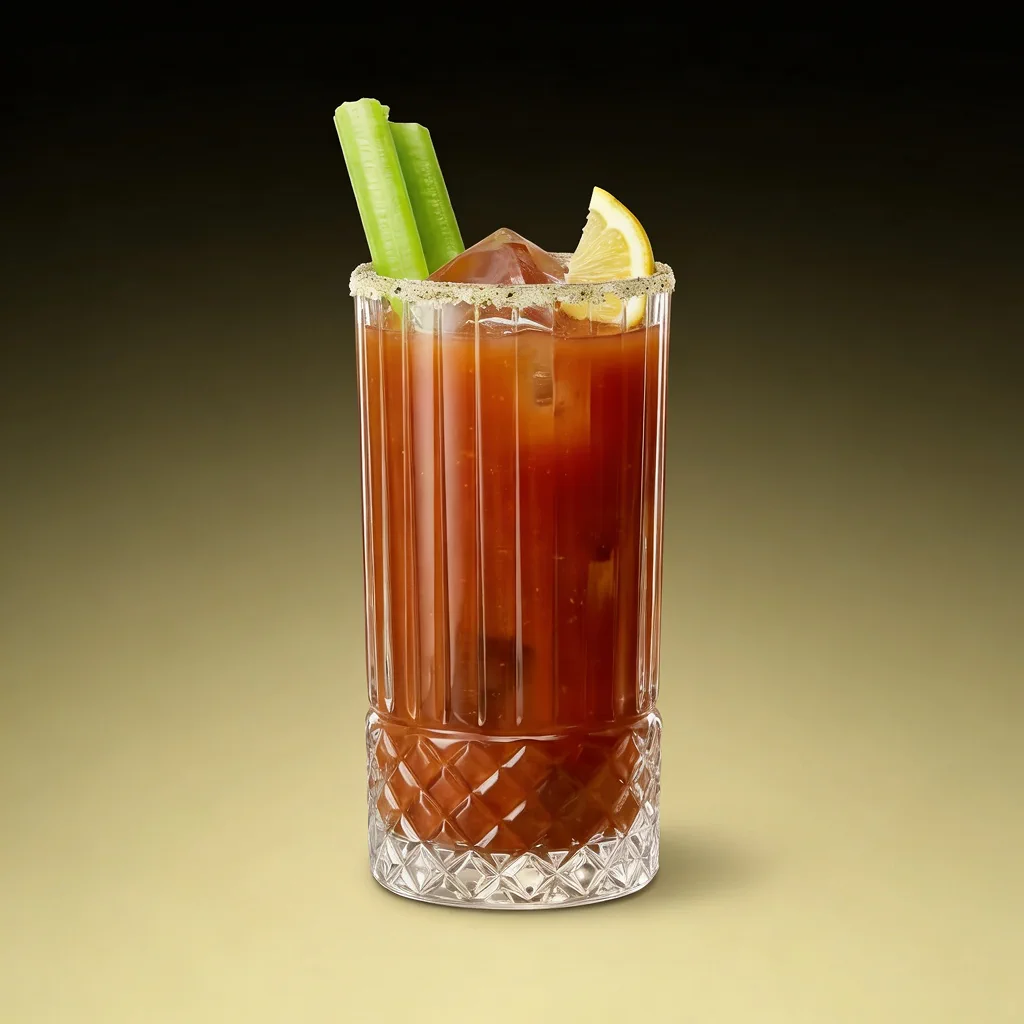
Cocktails with Tomato juice
Tomato juice is the strained, unfermented juice of ripe red tomatoes, still cloudy with fine pulp.
Substitutes for Tomato juice
Body and seasoning are separate problems. Anything unseasoned needs salt, acid and heat built back from scratch; anything pre-seasoned needs you to stop seasoning and taste first.
Often confused with
Passata and tomato purée
Reduced, concentrated and unseasoned, and much thicker than juice. They need thinning with water before they behave like juice at all; a Bloody Mary built on them straight comes out a paste.
Ready-made cocktail mix
Tomato juice already seasoned with salt, spice, acid and often horseradish. Build on it and season again and a Bloody Mary comes out undrinkable — taste first, then correct.
Storage
Refrigerated once opened and used within a few days, stirred back together each time. It is low in acid for a fruit product and goes off without much warning, so smell it before a shift rather than after.