
Grapefruit Daiquiri n/a
A citrus and sour cocktail ∙ Shake ∙ 3 min ∙ 0.4% ABV ∙
A Grapefruit Daiquiri N/A shakes fresh pink grapefruit and lime juice with sugar syrup — a virgin take on the rum classic. Tart grapefruit leads with a bittersweet edge, lime sharpens the middle, and a faint Angostura spice lingers on a clean, refreshing finish.
Ingredients
1
Servings

Garnish
Instructions for 1 serving
- Pre-chill a glass
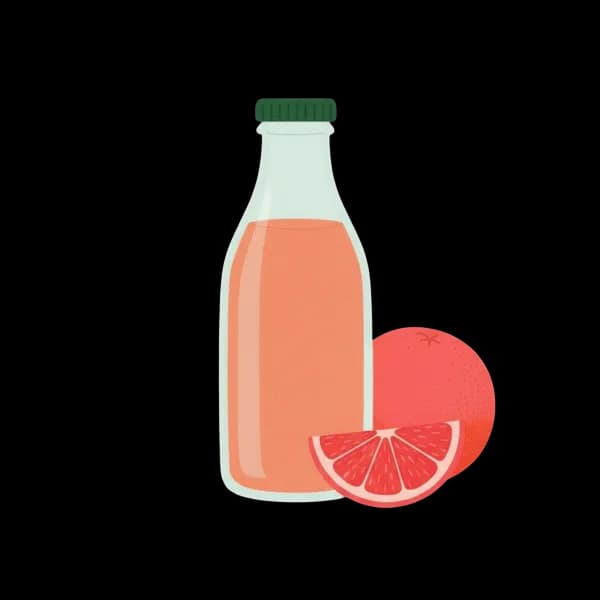
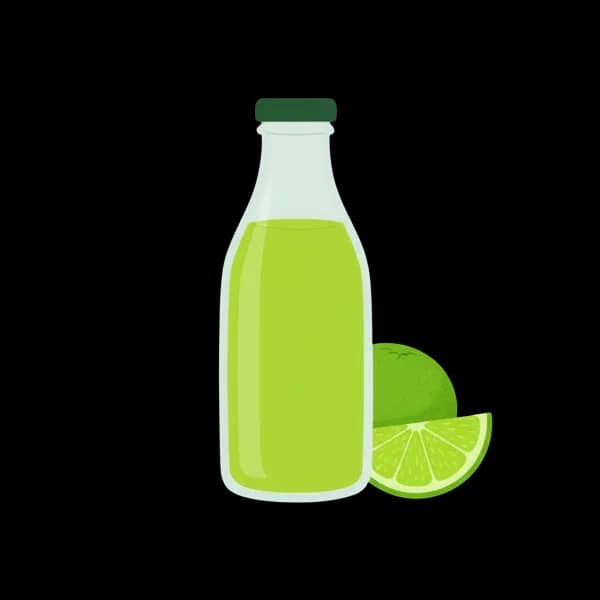
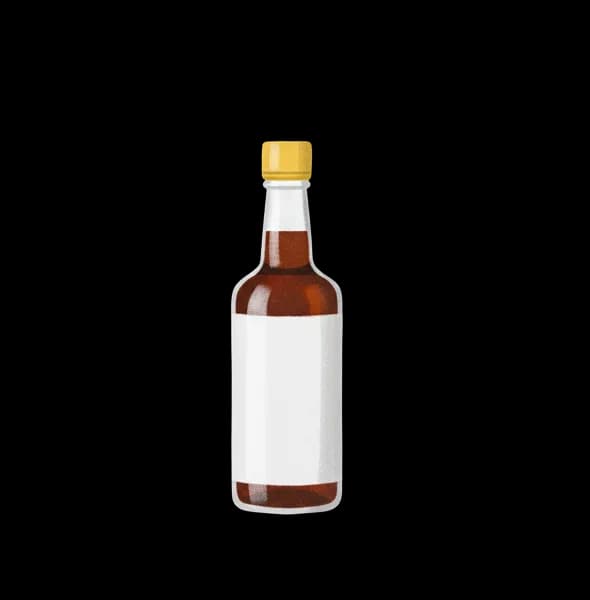
- Shake all ingredients with ice: Pink grapefruit juice 60 mlLime juice 30 mlSugar syrup 15 mlAngostura aromatic bitters 2 dashes
- Fine strain into the chilled glass
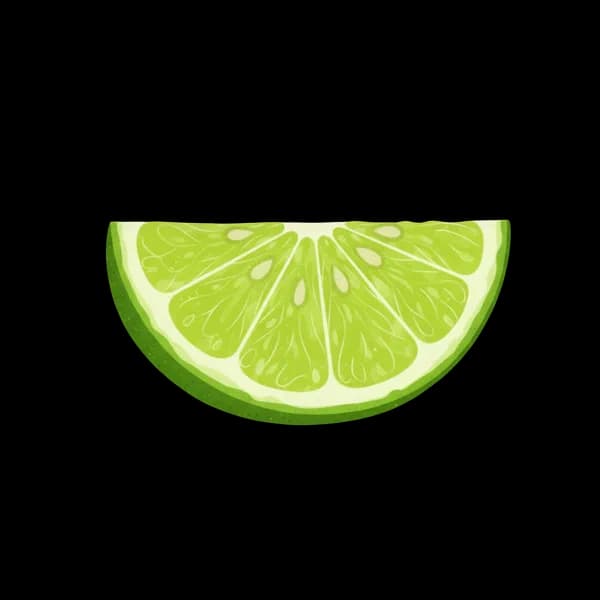
- Garnish with a lime wedge
Tips
- Taste before adding the full sugar syrup amount — grapefruit sweetness varies more than lime, so adjust to balance the tartness.
History
The Grapefruit Daiquiri traces to El Floridita, the Havana bar where head bartender Constantino "Constante" Ribalaigua Vert numbered his Daiquiri variations. In the 1930s Ernest Hemingway, a regular at the bar, asked for his Daiquiri with no sugar and double the rum; Ribalaigua later refined this into a version cut with grapefruit juice and a touch of maraschino liqueur, known as the Papa Doble, the Hemingway Special, or Daiquiri No. 3.
The drink is a direct offshoot of the Daiquiri, the Cuban rum sour historians credit to American mining engineer Jennings Cox around 1898 near Santiago de Cuba, though some accounts also name a US congressman as an early conduit for its spread to New York clubs. Where the original Daiquiri is built on rum, lime, and sugar, this grapefruit-forward take drops or reduces the sugar and adds grapefruit juice, giving the drink its tart, citrus-forward profile in place of the classic's straightforward sweetness.
FAQ
How do you make a Grapefruit Daiquiri N/A?
Shake fresh pink grapefruit juice, lime juice, and sugar syrup with a couple of dashes of Angostura bitters over ice, then fine-strain into a chilled old-fashioned glass and garnish with a lime wedge. The fine strain keeps it clear and smooth despite having no spirit to carry the texture.
Can you use lemon juice instead of lime juice in a daiquiri?
Yes, lemon juice can substitute for lime juice, giving similar acidity with a slightly softer, less sharp edge. In this grapefruit version, lime is what balances the grapefruit's bitterness, so lemon will shift the drink toward a rounder, less tart profile.
What can I use if I don't have lime juice?
Lemon juice is the closest substitute, since it offers comparable acidity to lime with a milder citrus bite. Fresh juice is important here regardless of which citrus is used, since the drink has no alcohol to mask a flat, bottled taste.
Can you use bottled lemon or lime juice for cocktails?
Fresh juice is strongly preferred over bottled, since bottled juice loses aromatic oils and brightness during processing and storage. This recipe calls for freshly squeezed pink grapefruit and lime juice specifically, and that fresh acidity is essential to keeping a non-alcoholic drink from tasting dull.