Margarita (frozen)
A sour and citrus tequila cocktail ∙ Blend ∙ 4 min ∙ 11.5% ABV ∙
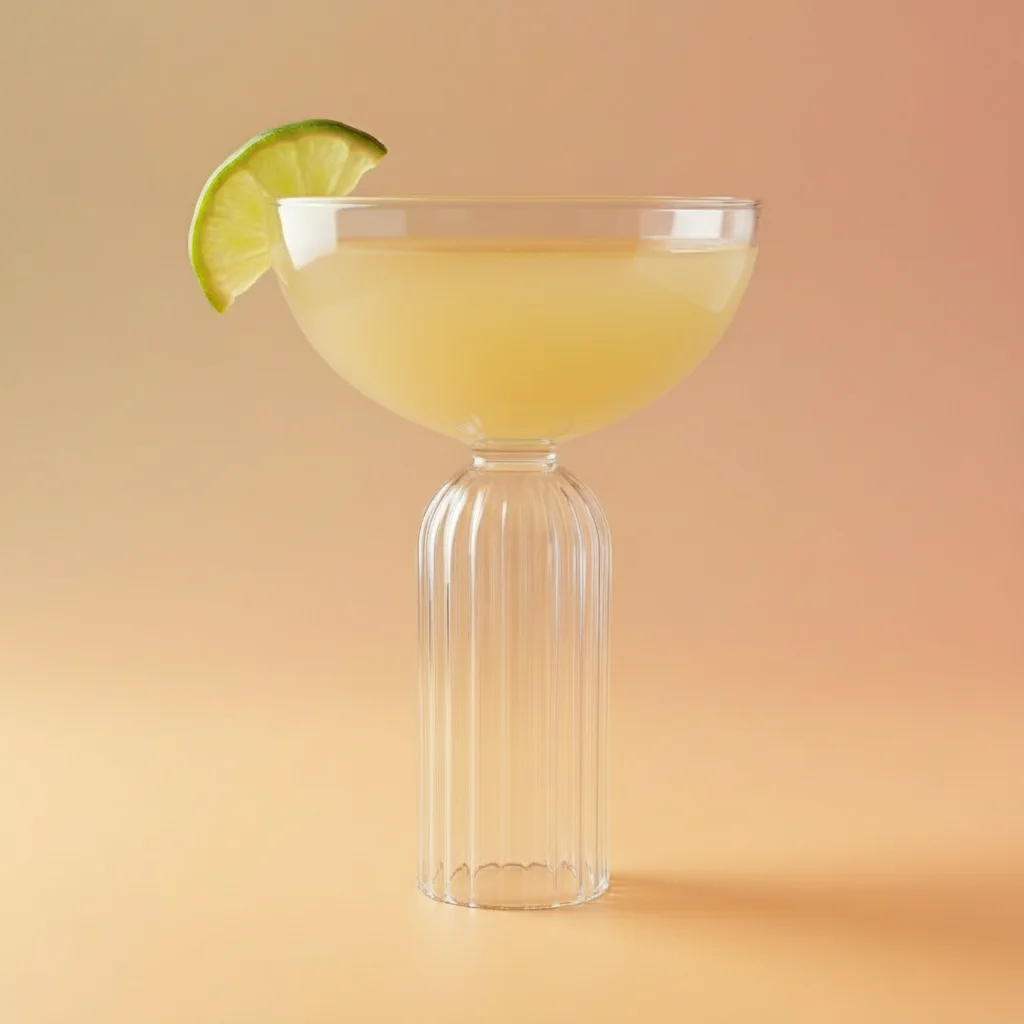
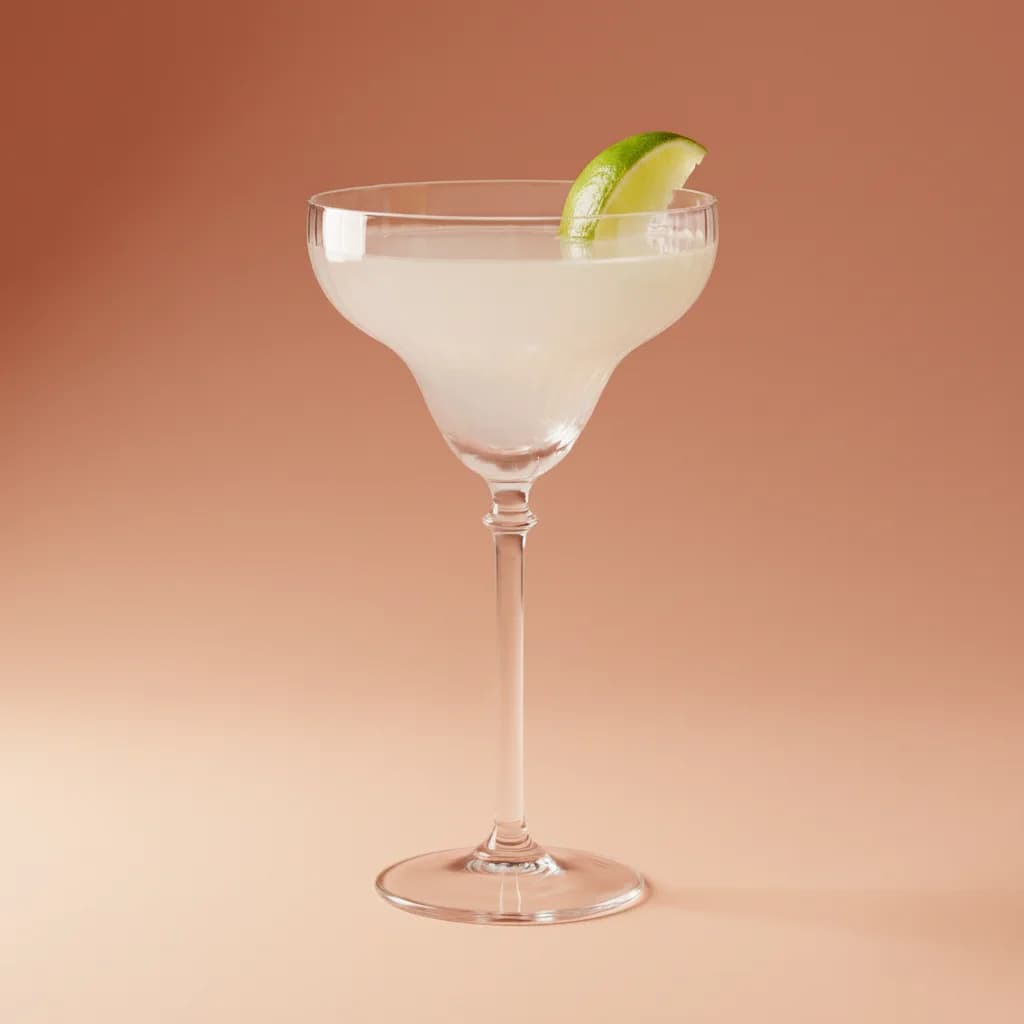
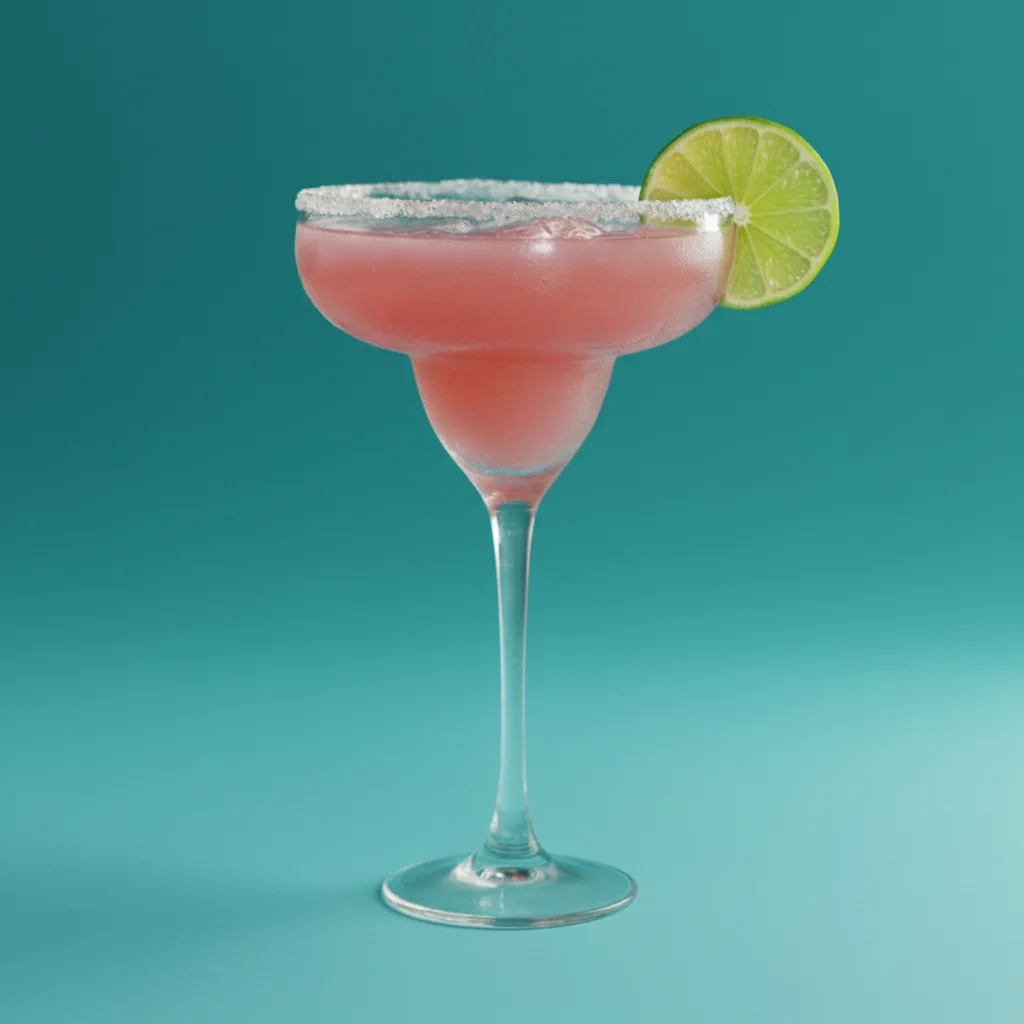
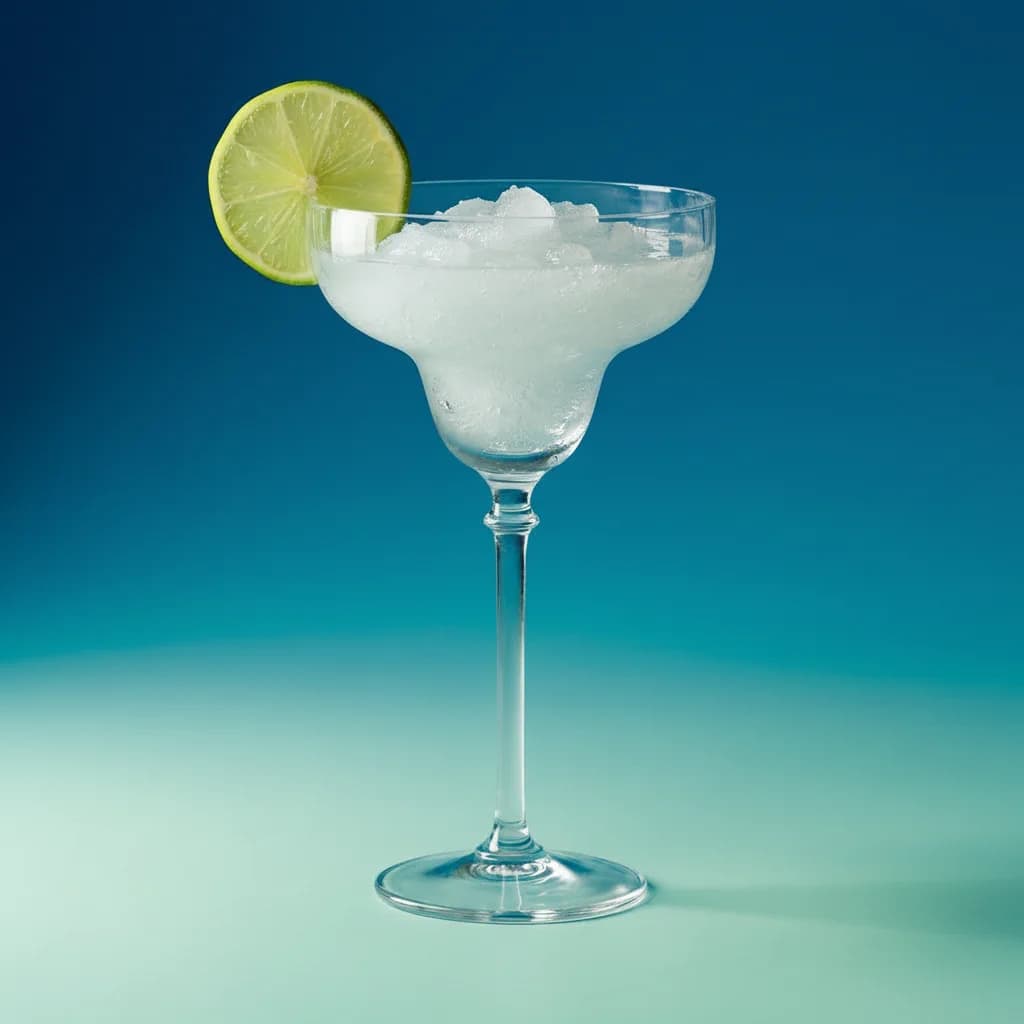
The Margarita (frozen) is a Margarita blended with crushed ice: tequila blanco, triple sec, lime juice and sugar syrup, served slushy in a cocktail glass.
Ingredients
1
Servings
Garnish
Instructions for 1 serving
- Pre-chill a glass
- Blend all ingredients with a scoop of crushed ice: Tequila blanco 45 mlTriple sec 20 mlLime juice 25 mlSugar syrup 15 ml
- Pour into the chilled glass
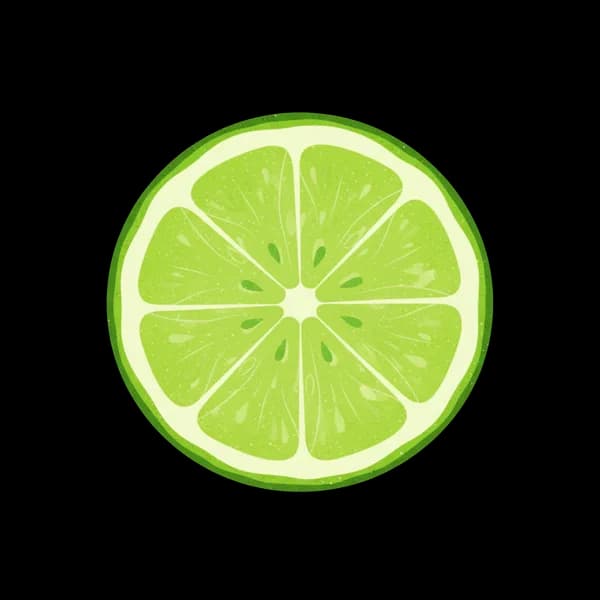
- Garnish with a lime wheel on the rim
Tips
- Limes vary, so taste before you pour. If it's too sharp, add a touch more sugar syrup.
History
The frozen Margarita has its own well-documented creation story, distinct from the original cocktail's murkier past. On May 11, 1971, Dallas restaurateur Mariano Martinez, struggling to keep up with demand at his restaurant, adapted a soft-serve ice cream machine (inspired by a 7-Eleven Slurpee dispenser) into what he billed as the world's first frozen margarita machine. It produced a consistent frozen version of the drink on tap rather than one blended to order. The machine let restaurants serve a slushy Margarita quickly and uniformly, and it is widely credited with pushing the drink from a regional Tex-Mex specialty into a nationwide staple. Martinez's original machine was acquired by the Smithsonian's National Museum of American History in 2005.
The base Margarita is generally traced to Mexico and the American Southwest in the 1930s and 1940s, though its exact creator is disputed among several claimants. The frozen version keeps the same tequila, orange liqueur, and lime combination but blends it with ice into a slush rather than shaking it over cubes.
FAQ
How do you make a frozen margarita?
Blend 45 ml tequila blanco, 20 ml triple sec, 25 ml lime juice and 15 ml sugar syrup with a scoop of crushed ice until slushy. Pour into a chilled cocktail glass and put a lime wheel on the rim. Nothing is shaken or strained.
What alcohol goes in a frozen margarita?
Tequila blanco, 45 ml of it, plus 20 ml of triple sec, an orange liqueur.
What is the best ratio for a frozen margarita?
Roughly 9 parts tequila to 5 lime, 4 triple sec and 3 sugar syrup: 45 ml, 25 ml, 20 ml and 15 ml. The syrup makes up for the extra water that blending with crushed ice adds. Limes vary, so taste and add a touch more syrup if it is too sharp.
What are some common margarita mistakes?
The most common mistakes are using bottled lime juice, over-blending until the ice fully melts into a watery mix, and skipping a taste check before serving. Fresh lime juice and short blending bursts keep the texture slushy rather than soupy, and tasting first catches a batch that's too sour or too weak before it's poured.