Margarita
Shake ∙ 3 min ∙ 27.5% ABV ∙
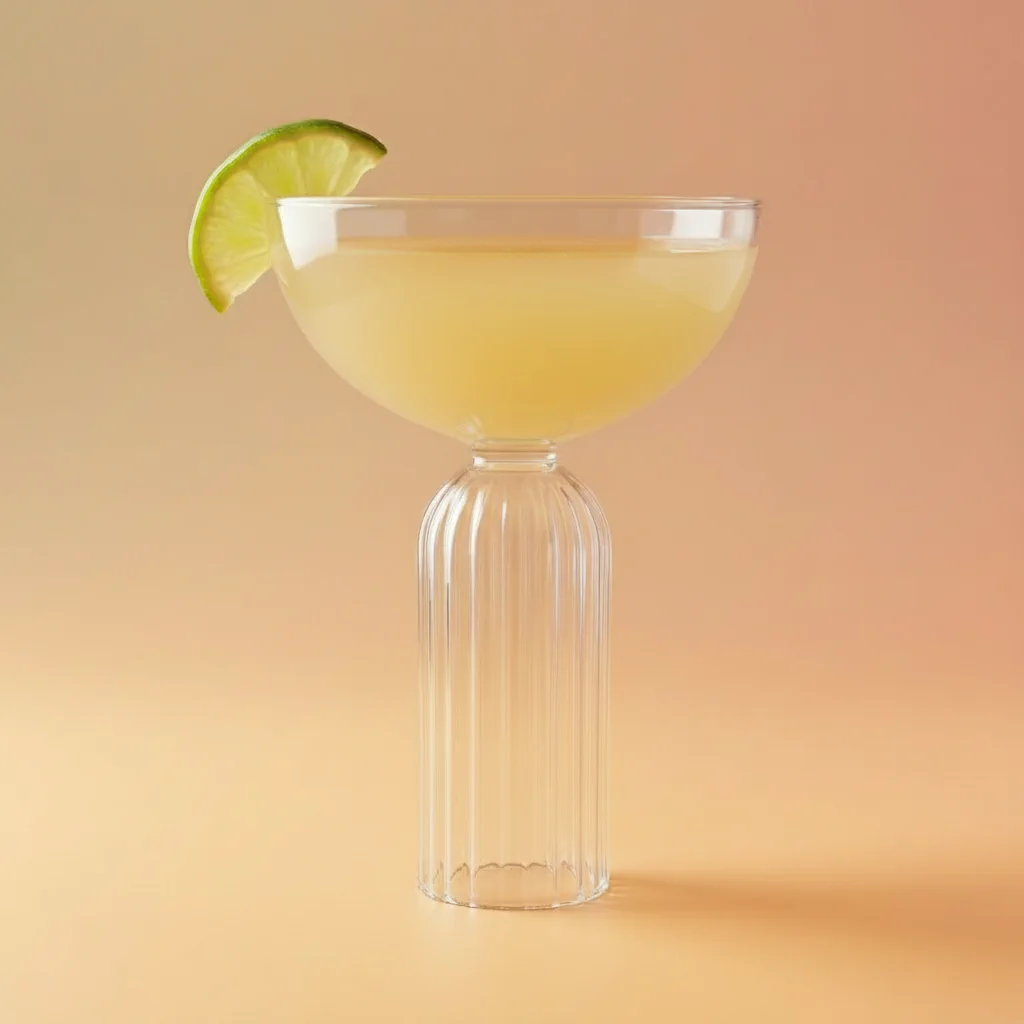
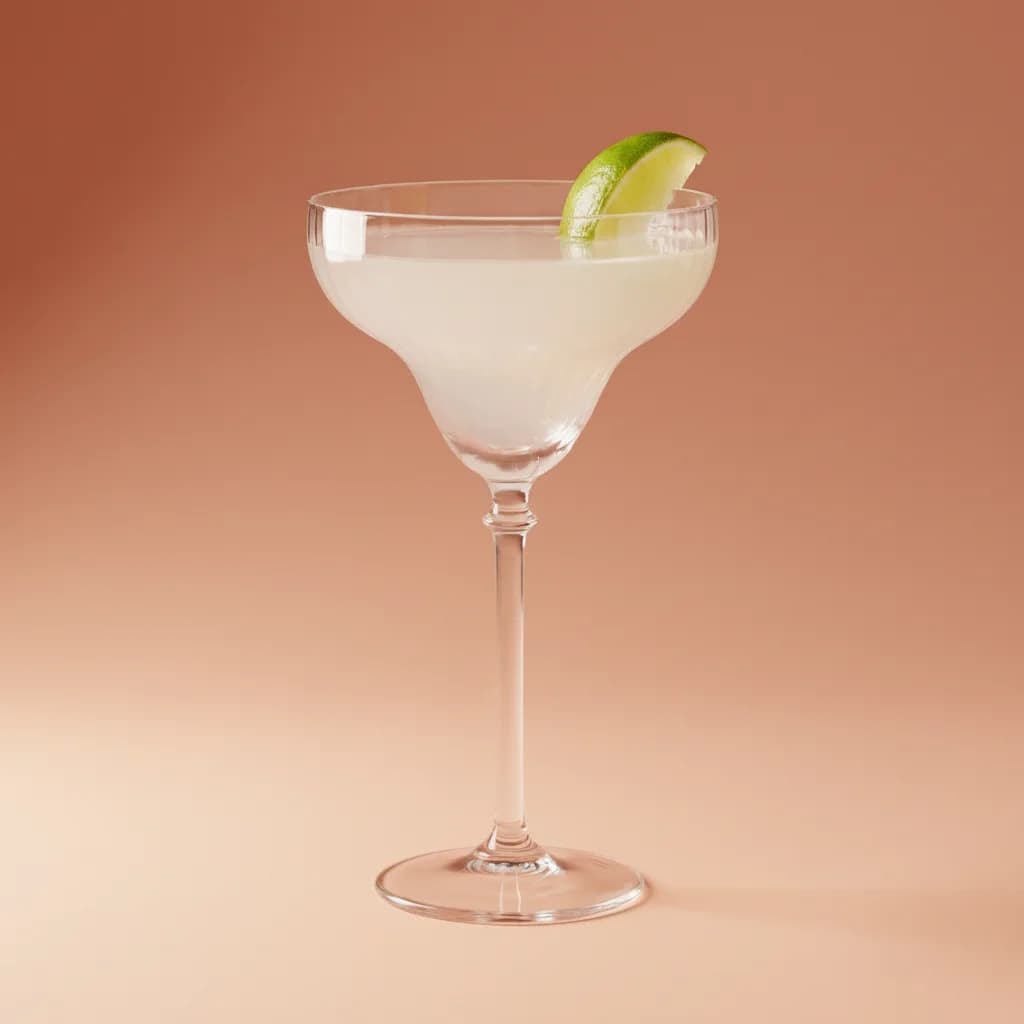
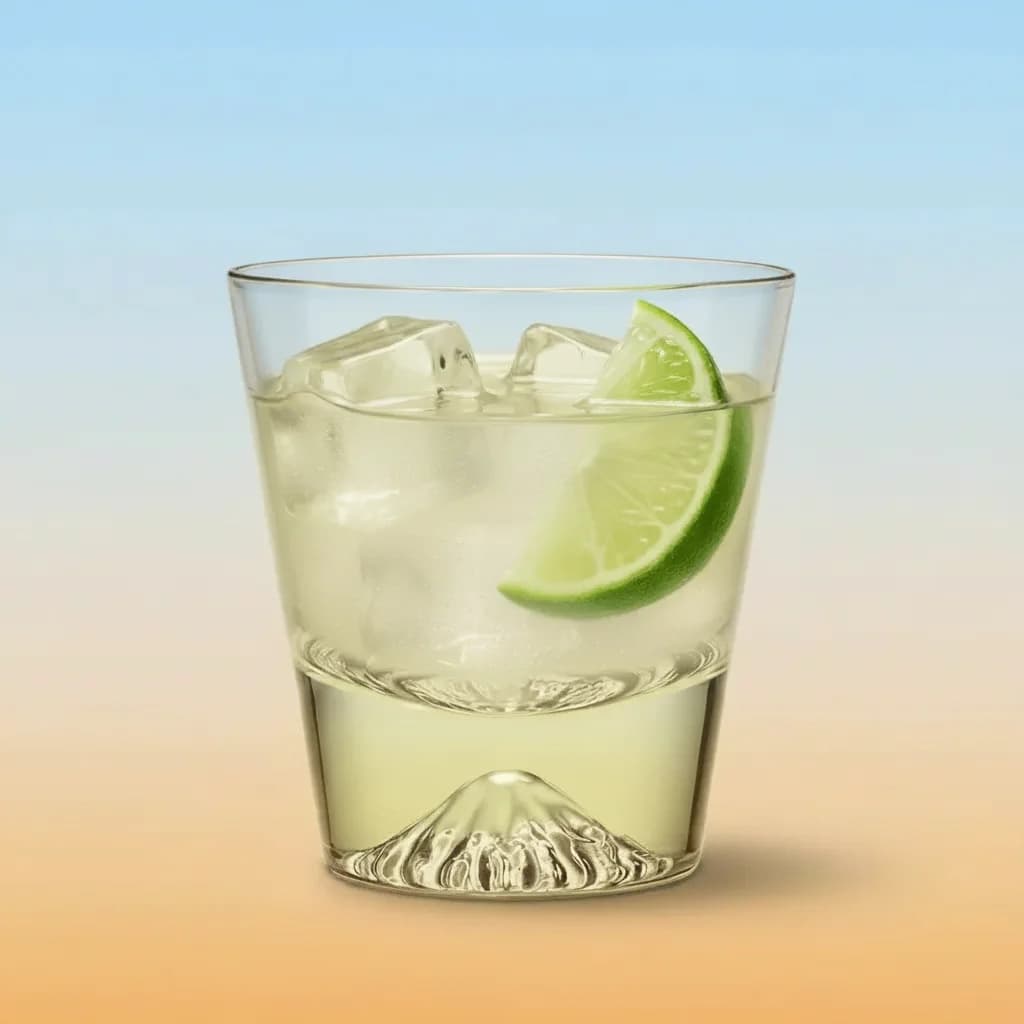
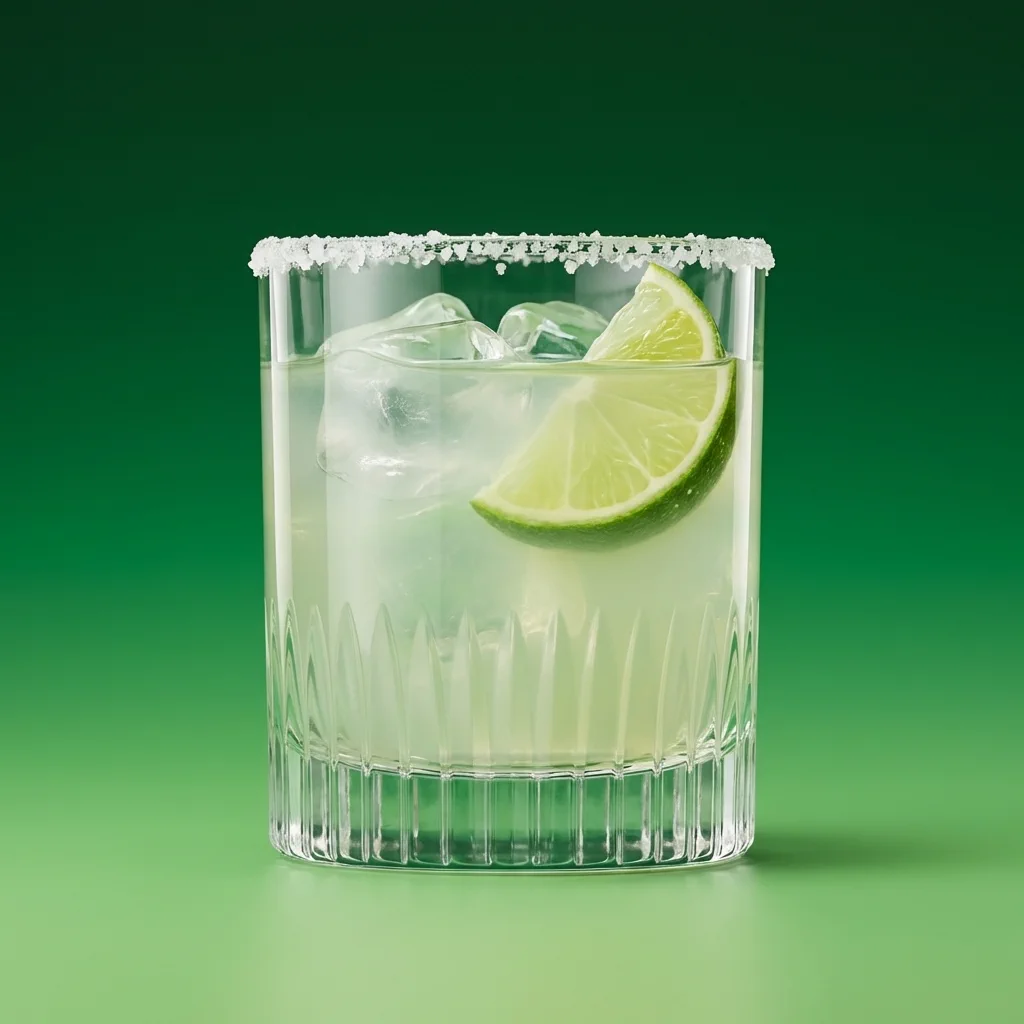
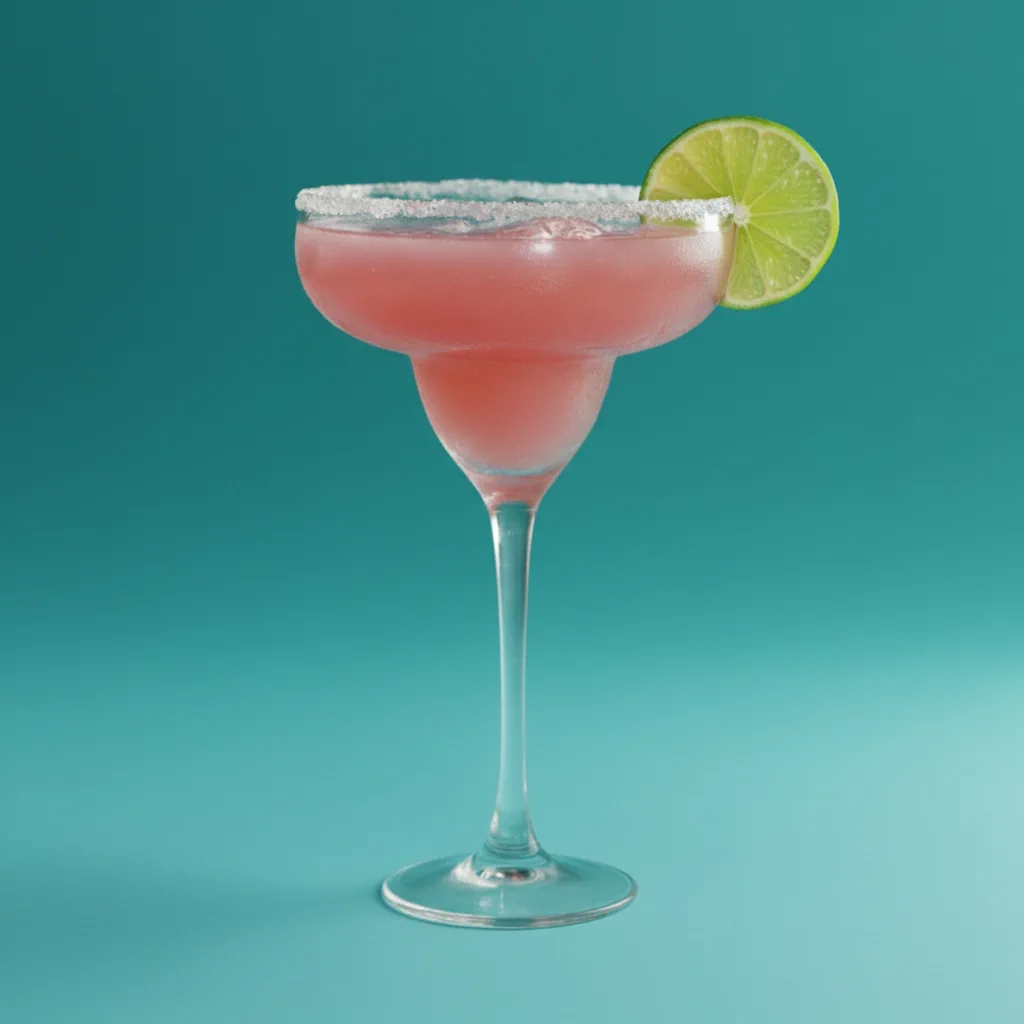
The Margarita is an official IBA classic shaken sour built on blanco tequila, triple sec, and fresh lime juice, served up in a salt-rimmed cocktail glass. Tequila's agave bite leads, orange liqueur rounds the middle, and fresh lime keeps the finish tart and clean rather than sweet.
Ingredients
1
Servings
Garnish
Instructions for 1 serving
- Pre-chill a glass
- Shake all ingredients with ice: Tequila blanco 50 mlTriple sec 20 mlLime juice 15 ml
- Strain into the chilled cocktail glass
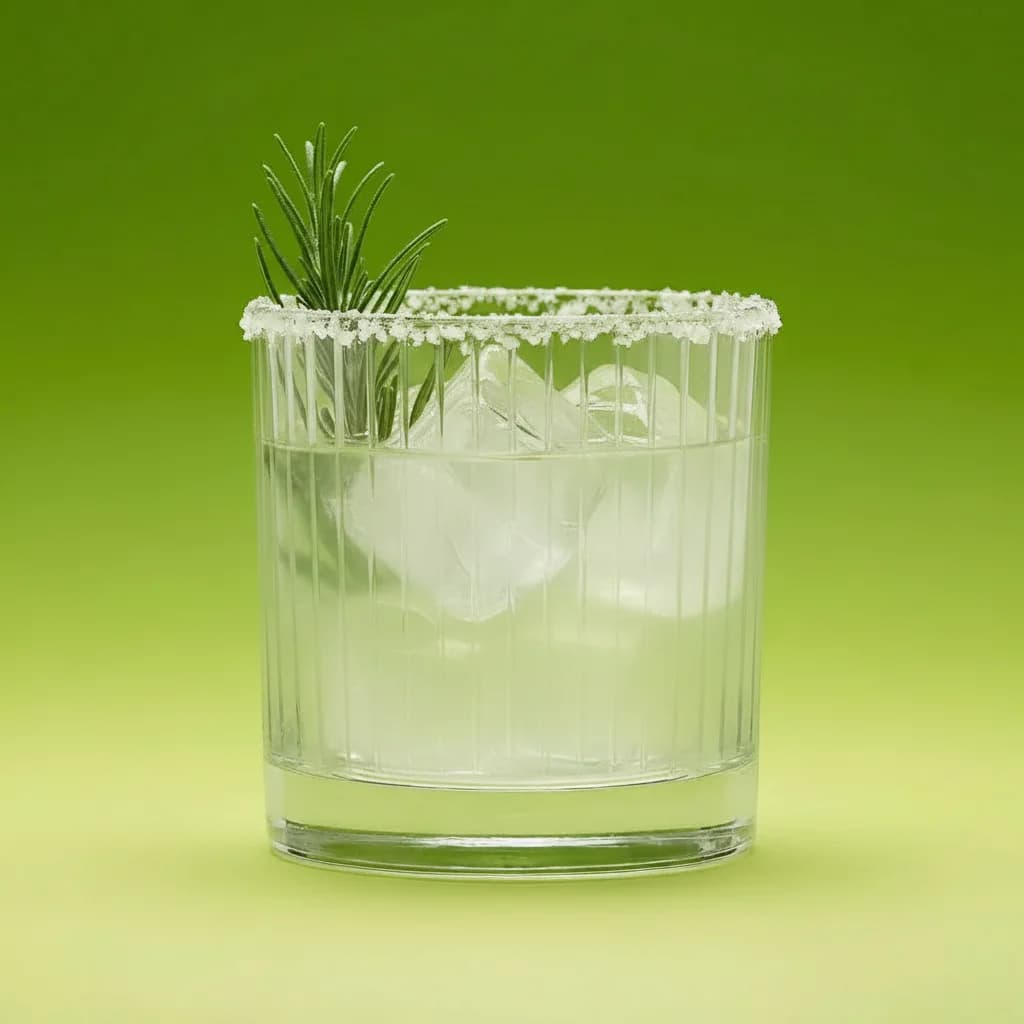
- Garnish with a salt rim (opt.)
Tips
- Use fresh lime juice, not bottled — it is squeezed just before shaking and carries the drink's whole acid backbone.
- Salt only half the rim, or leave it off entirely, so drinkers can control how much salt hits each sip.
History
The margarita's origin is not settled, and cocktail historians treat it as one of the most contested stories in mixology. Most trace its lineage to the Daisy family of drinks (margarita is Spanish for "daisy"), a 19th-century category of spirit, orange liqueur, and citrus drinks that by the 1930s was being made with tequila as the "Tequila Daisy" along the Mexican border. A 1937 British cocktail book, the Café Royal Cocktail Book by William "Billy" Tarling, included a nearly identical drink called the Picador, and in 1939 New York bartender Charlie Connolly published a salt-rimmed Tequila Sour in his Cotton Club book of mixed drinks, both predating the name "Margarita" by years.
Several Mexican and American bartenders have separately claimed to have invented and named the drink itself: Carlos "Danny" Herrera at his Rancho La Gloria restaurant near Tijuana, said to have mixed it around 1938 or 1947-48 for an actress who could drink only tequila; Francisco "Pancho" Morales at Tommy's Place in Ciudad Juárez on July 4, 1942; Danny Negrete in 1936 in Tehuacán, Puebla, who is said to have created it as a wedding gift for his brother's fiancée, Margarita; and bartenders at Hussong's Cantina in Ensenada, who date it to 1941 and tie the name to patron Margarita Henkel. Non-bartender origin stories credit Dallas socialite Margarita Sames, who is said to have mixed it for guests at her Acapulco home in 1948, an account later popularized through the Hilton hotel chain.
No single claim has been verified as definitive. The drink's modern popularity owes much to the frozen margarita machine that restaurateur Mariano Martinez built in Dallas in 1971, adapting a soft-serve ice cream machine, an invention later preserved in the Smithsonian National Museum of American History.
FAQ
What is a classic margarita made of?
A classic Margarita is tequila, orange liqueur (triple sec), and fresh lime juice, shaken with ice and strained up, often with a salt rim. This build follows that same three-ingredient core, shaken and served in a chilled cocktail glass.
What is the 3:2:1 rule for margaritas?
The 3:2:1 rule is a common ratio guideline of 3 parts tequila, 2 parts orange liqueur, and 1 part lime juice, used as a quick way to scale a Margarita to any batch size. This recipe uses its own proportions rather than that exact ratio, but the same three ingredients, shaken and strained, are the foundation either way.
What are some common margarita mistakes?
The most common mistake is using bottled lime juice or a premade sour mix instead of fresh lime, which flattens the tart edge the drink depends on. Over-pouring the triple sec is another, since it buries the tequila; shaking too briefly also leaves it under-diluted and harsh.
Is a margarita gluten-free?
Yes, a margarita is gluten-free, since tequila and lime juice contain no gluten; celiac drinkers should still double-check the triple sec brand for additives.
Is a margarita shaken or stirred?
Shaken. The lime juice needs the aeration and quick chill of a hard shake with ice, which stirring can't provide.
How strong is a margarita?
This Margarita comes in at about 27.5% ABV, making it a notably strong shaken cocktail despite its bright, citrus-forward taste.