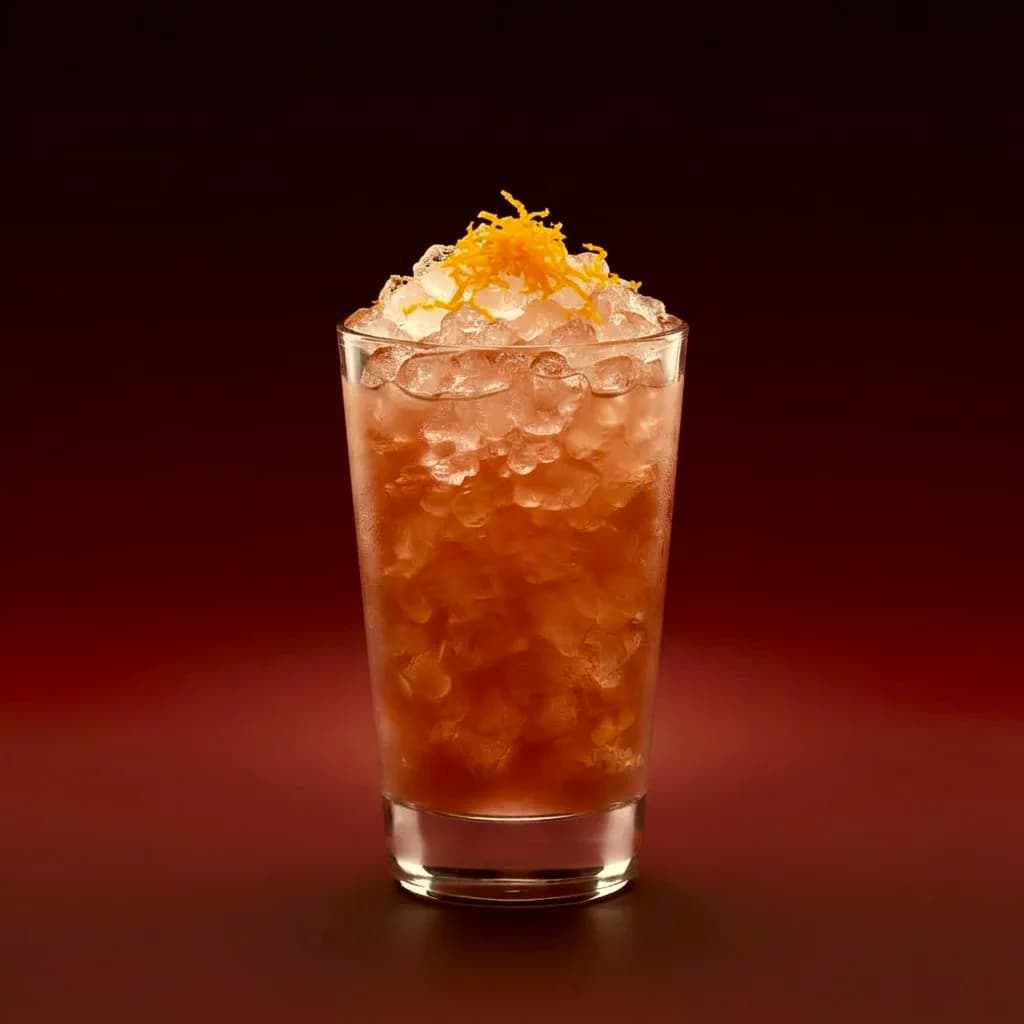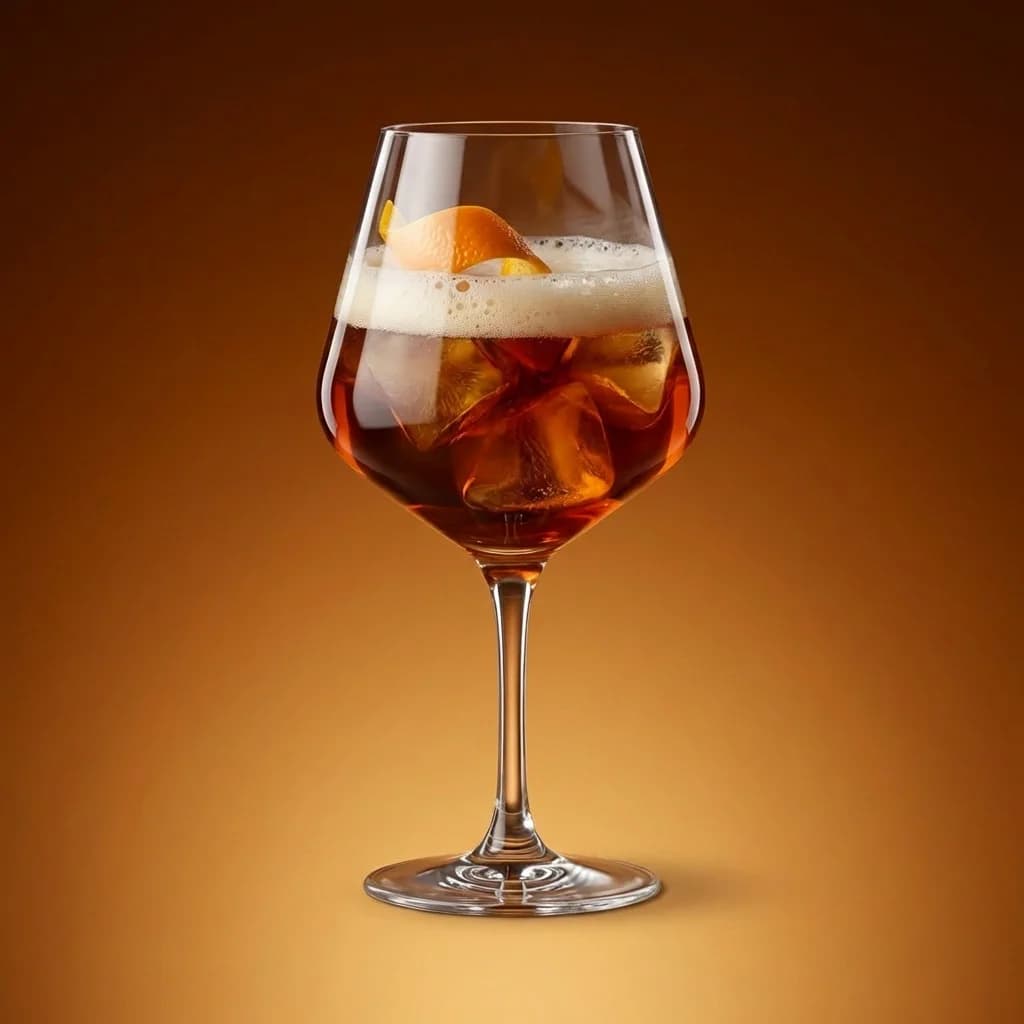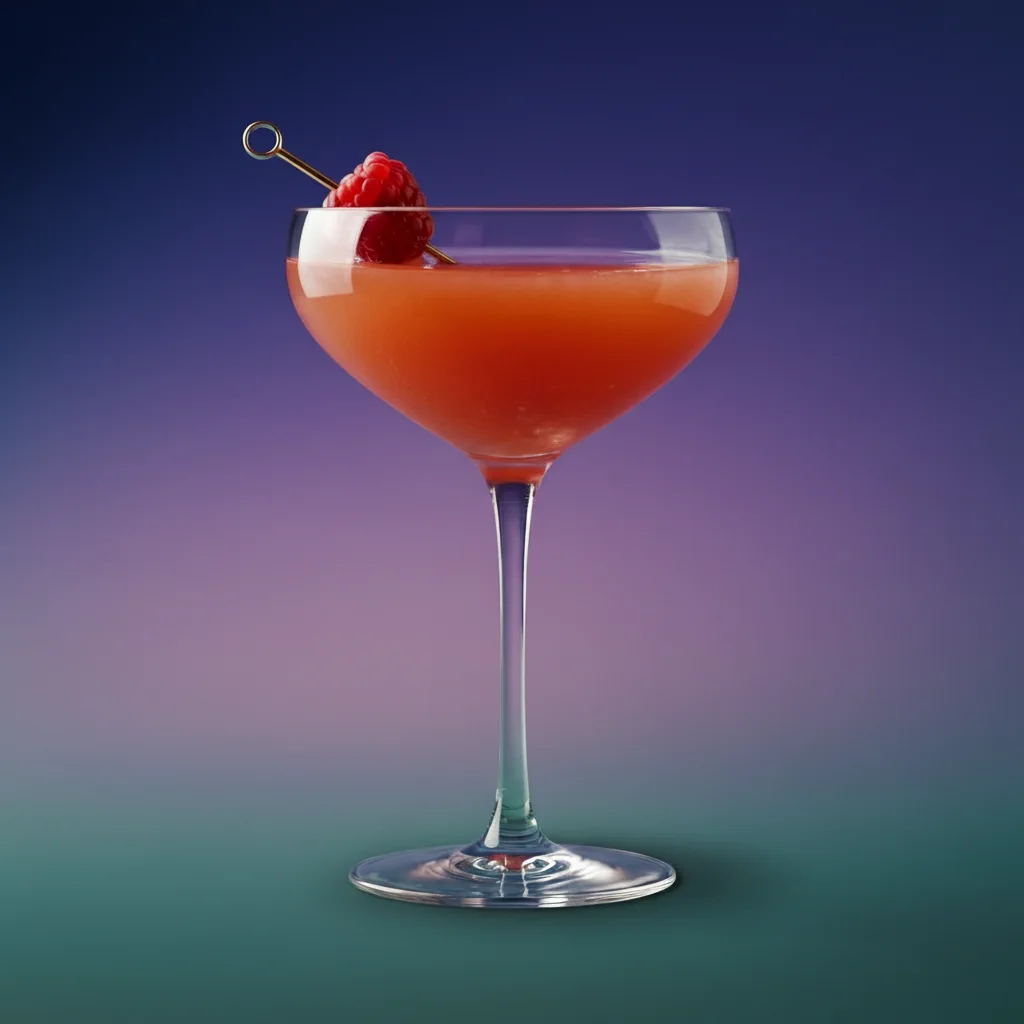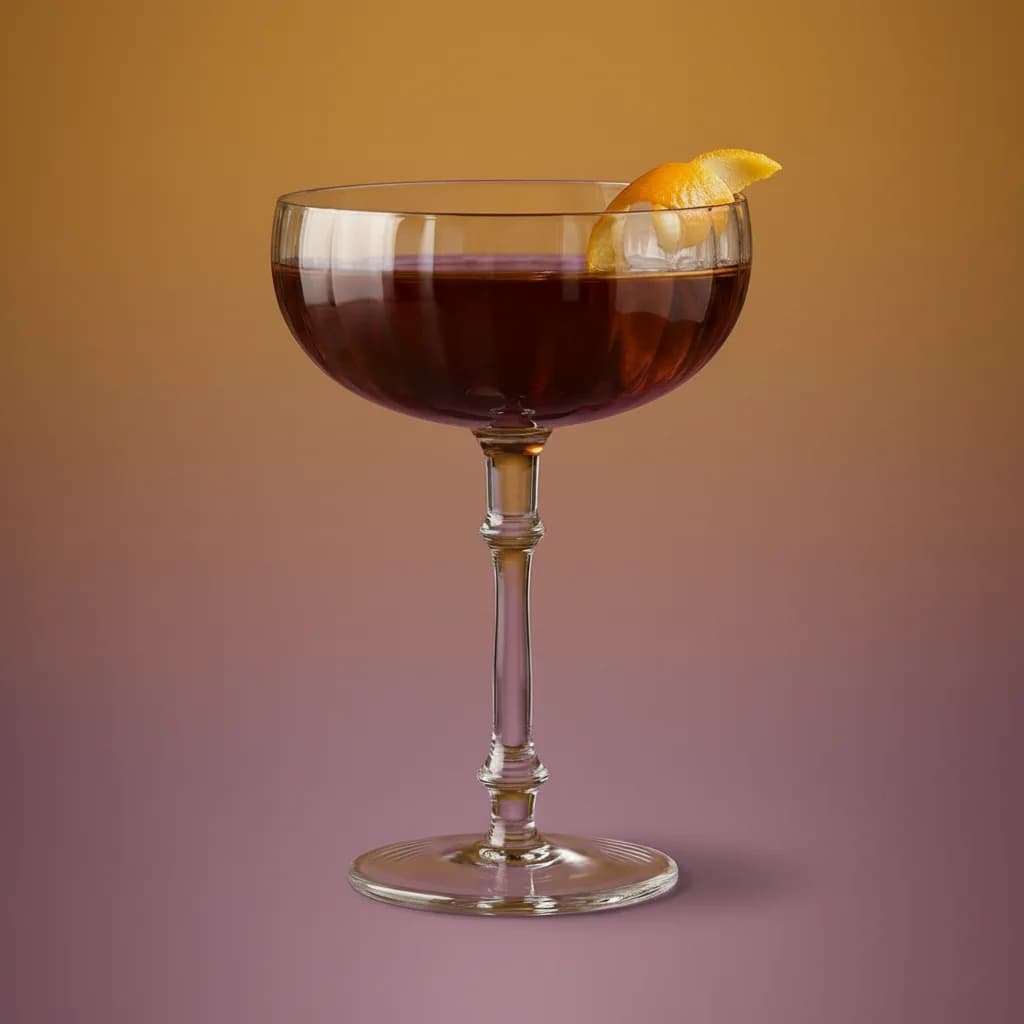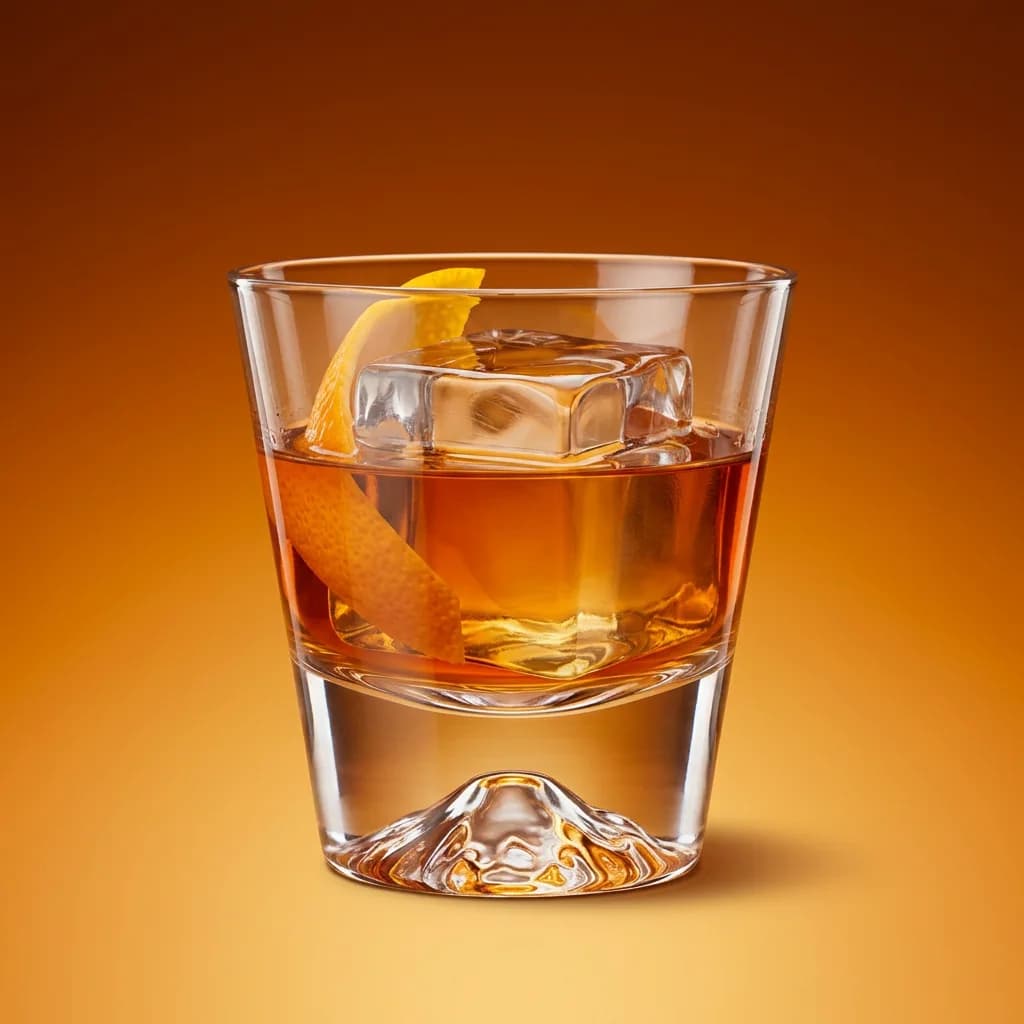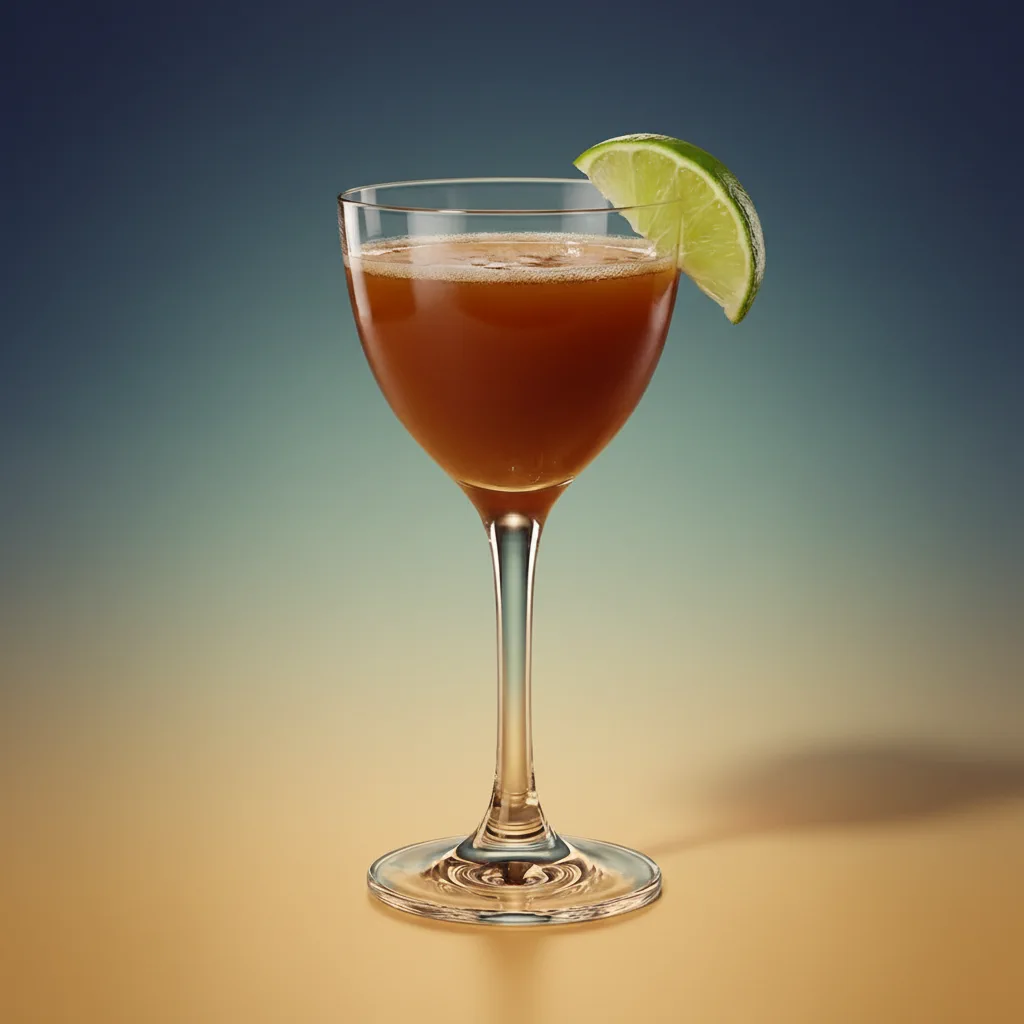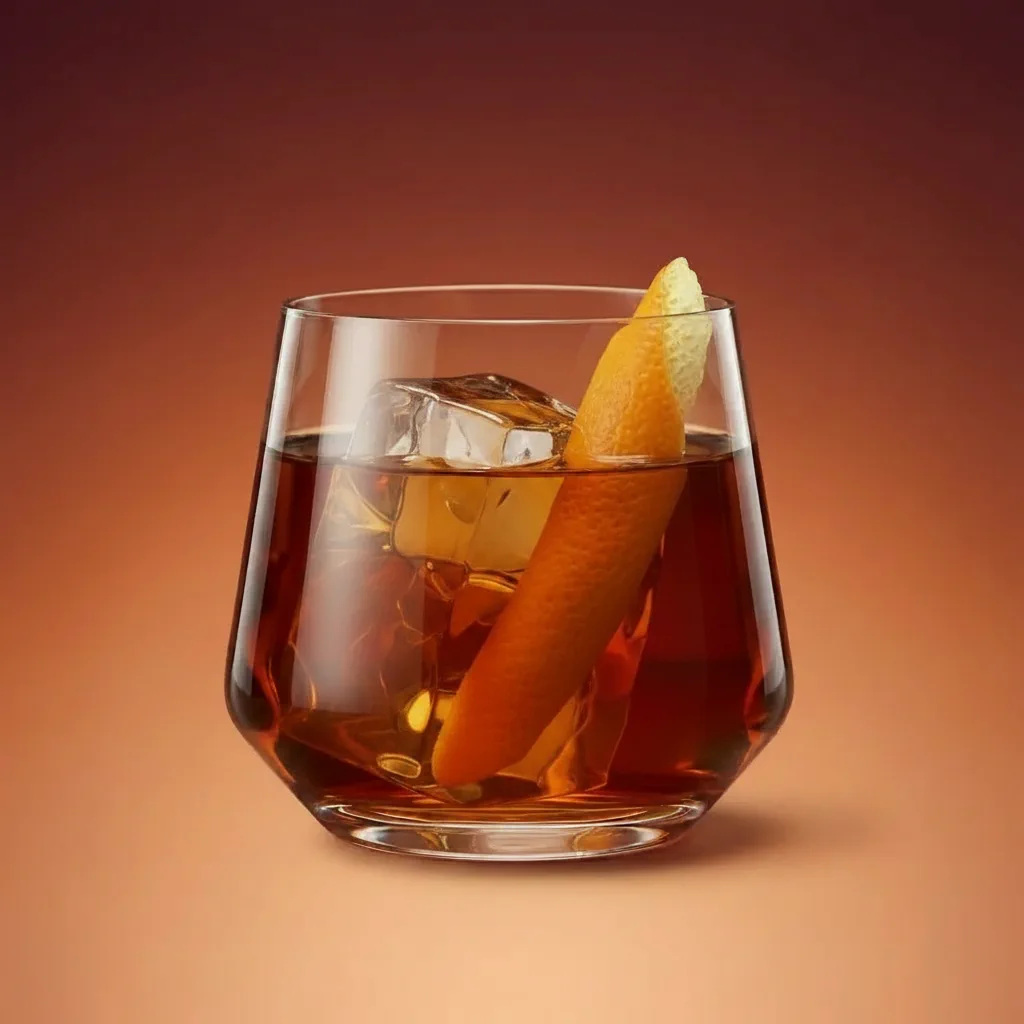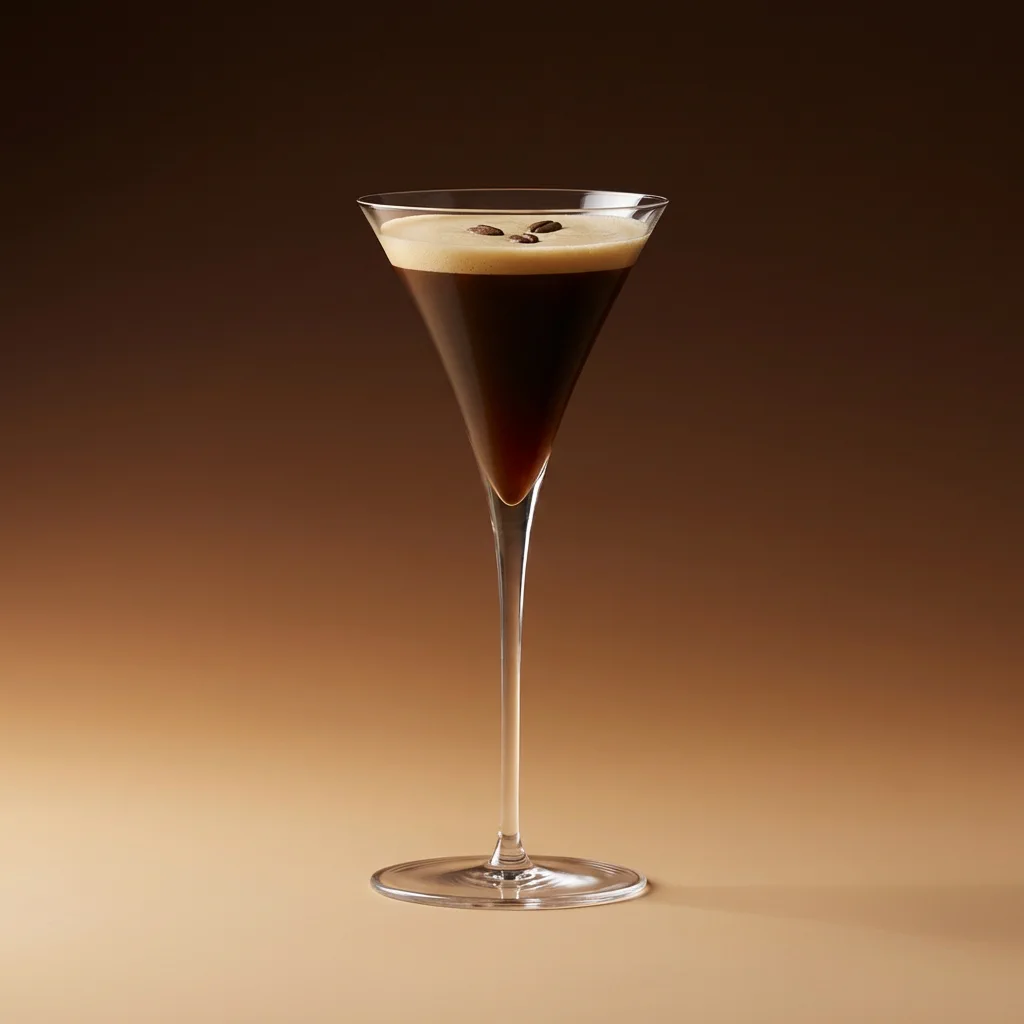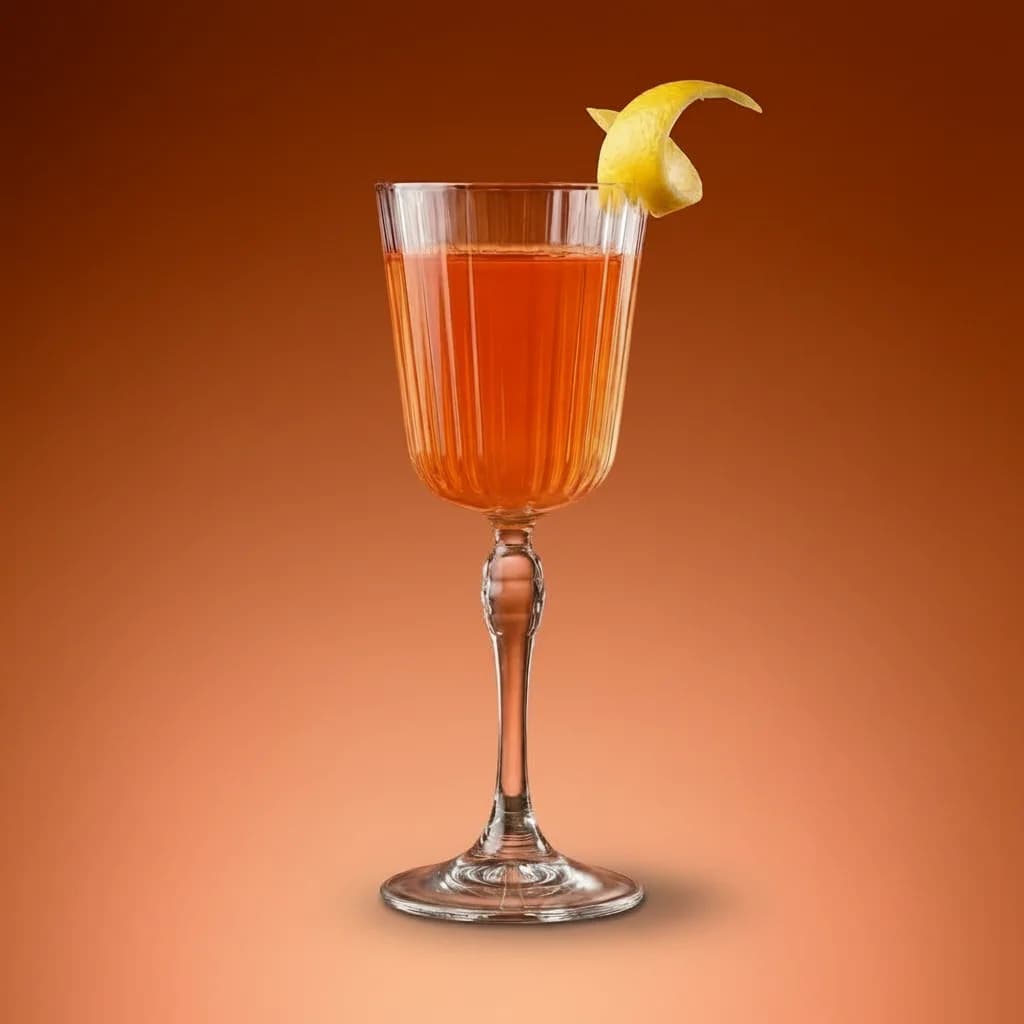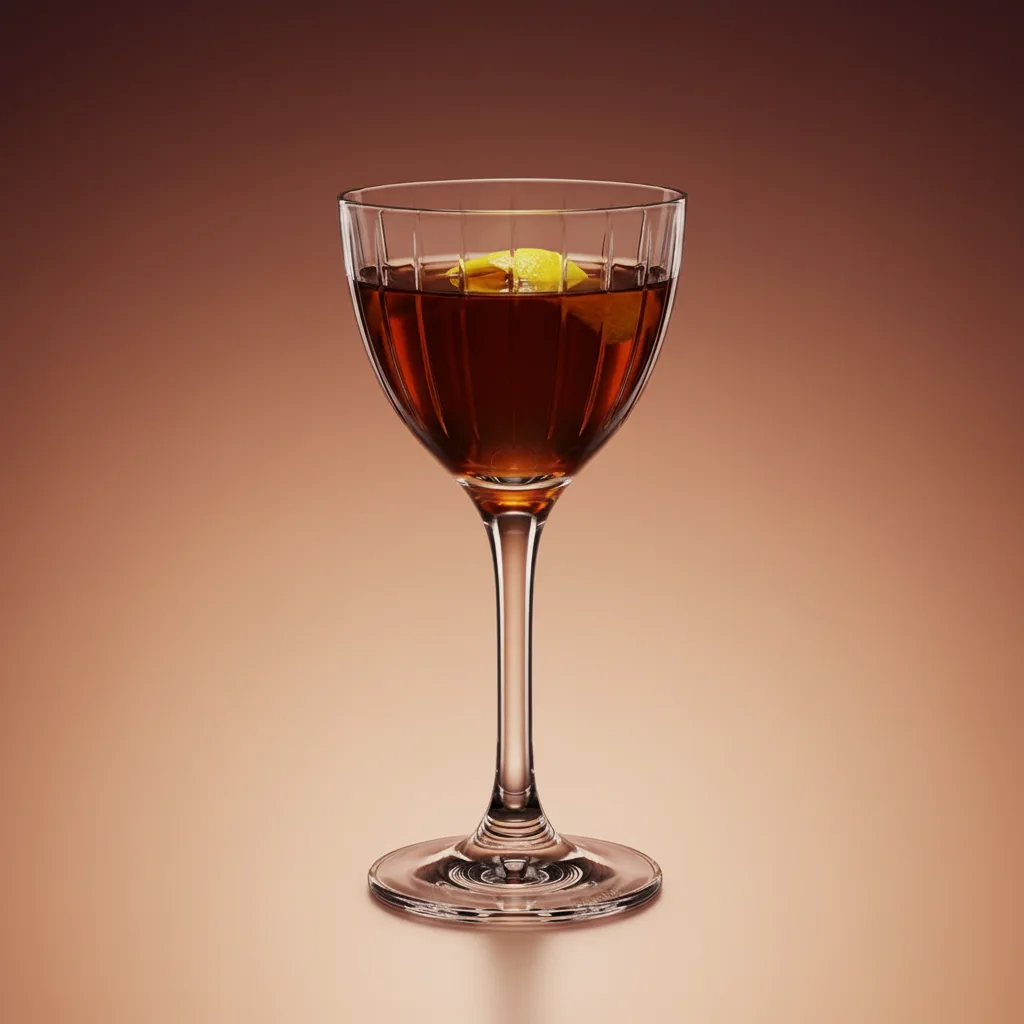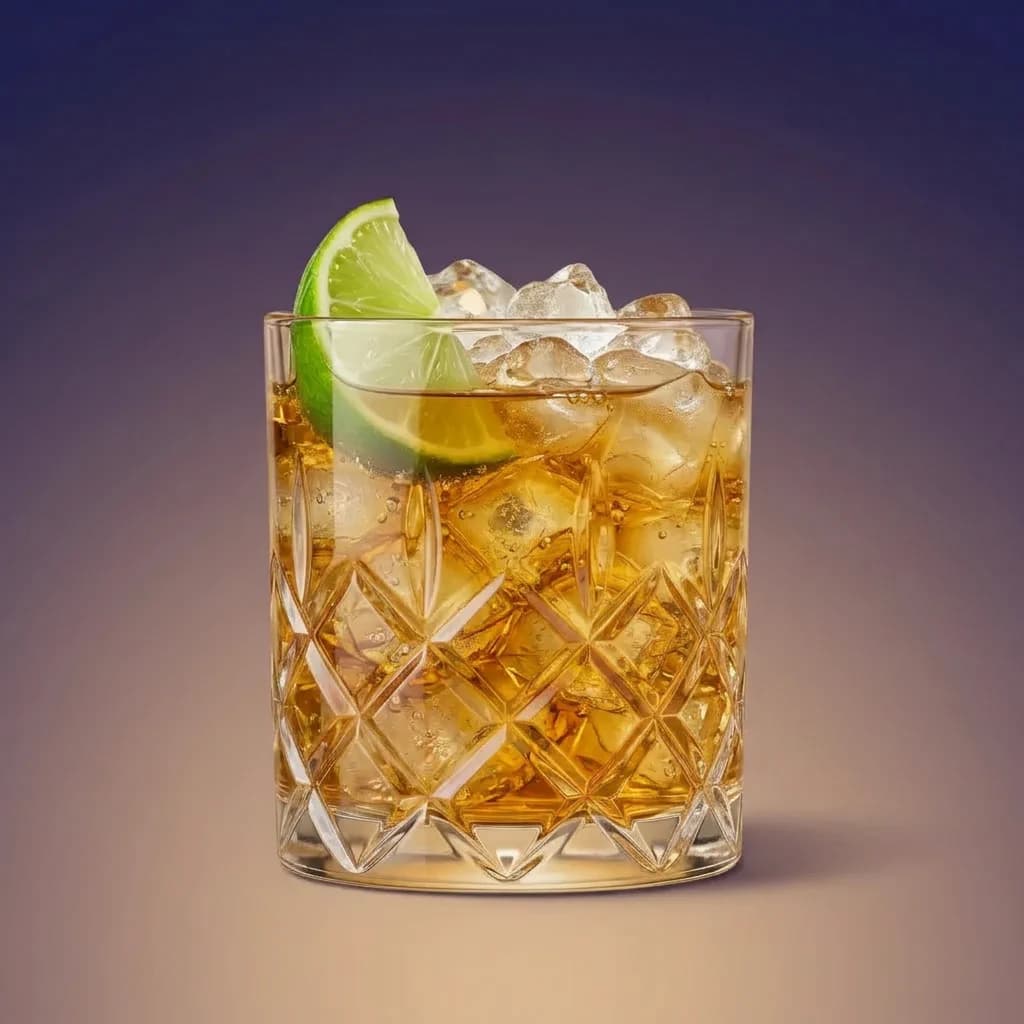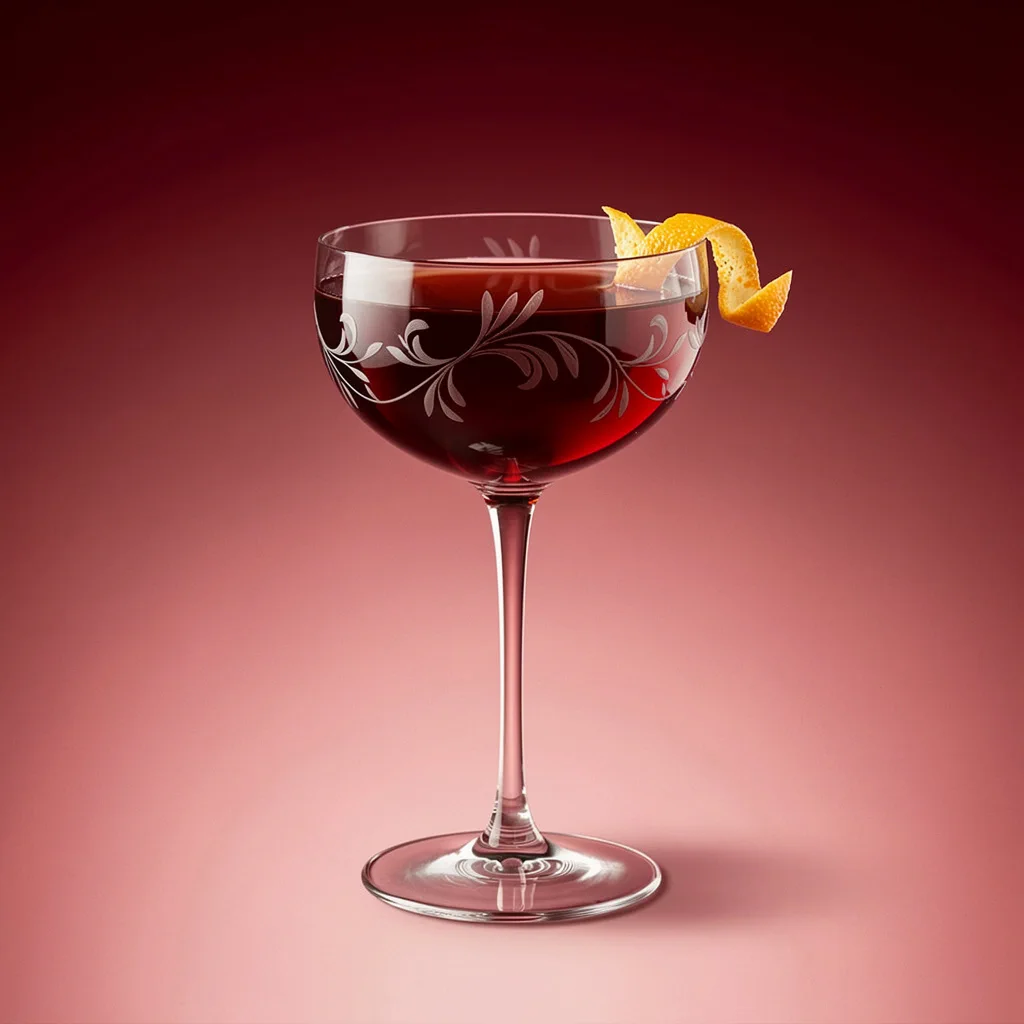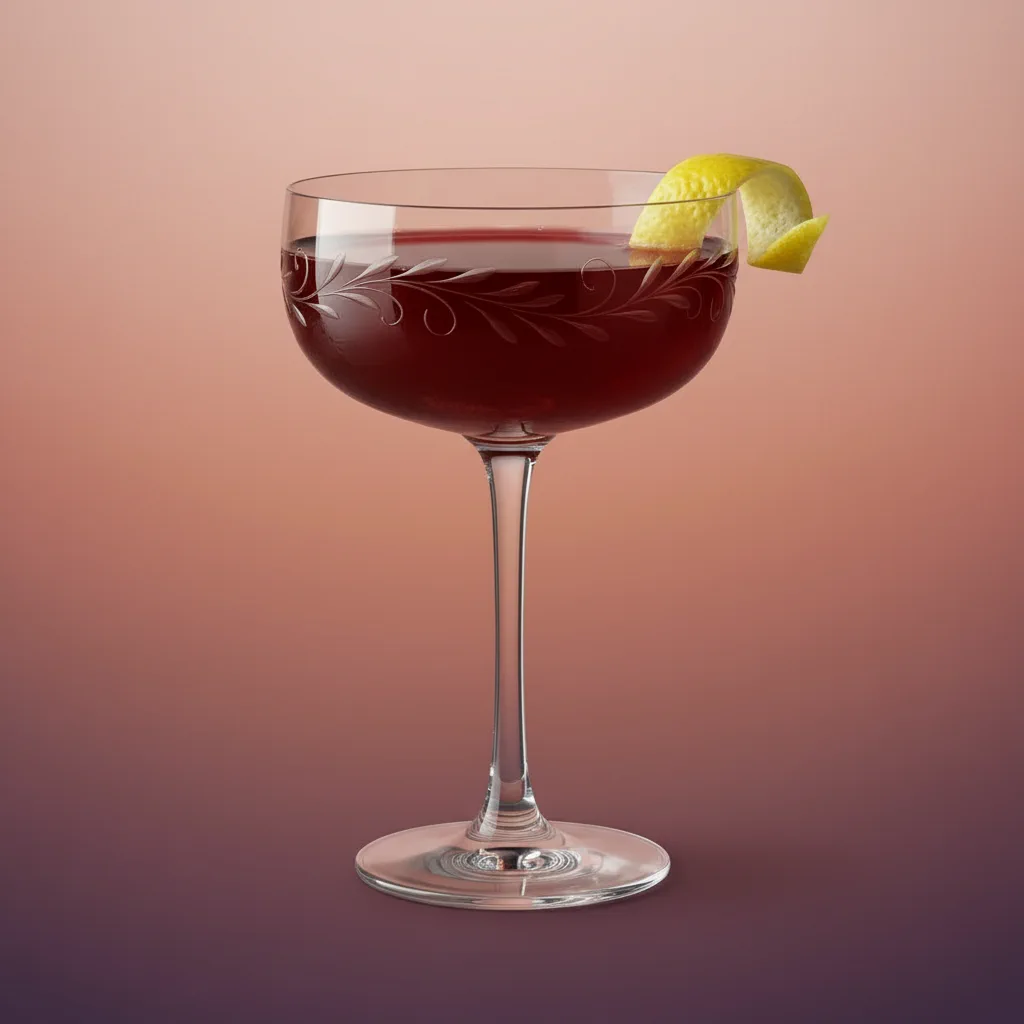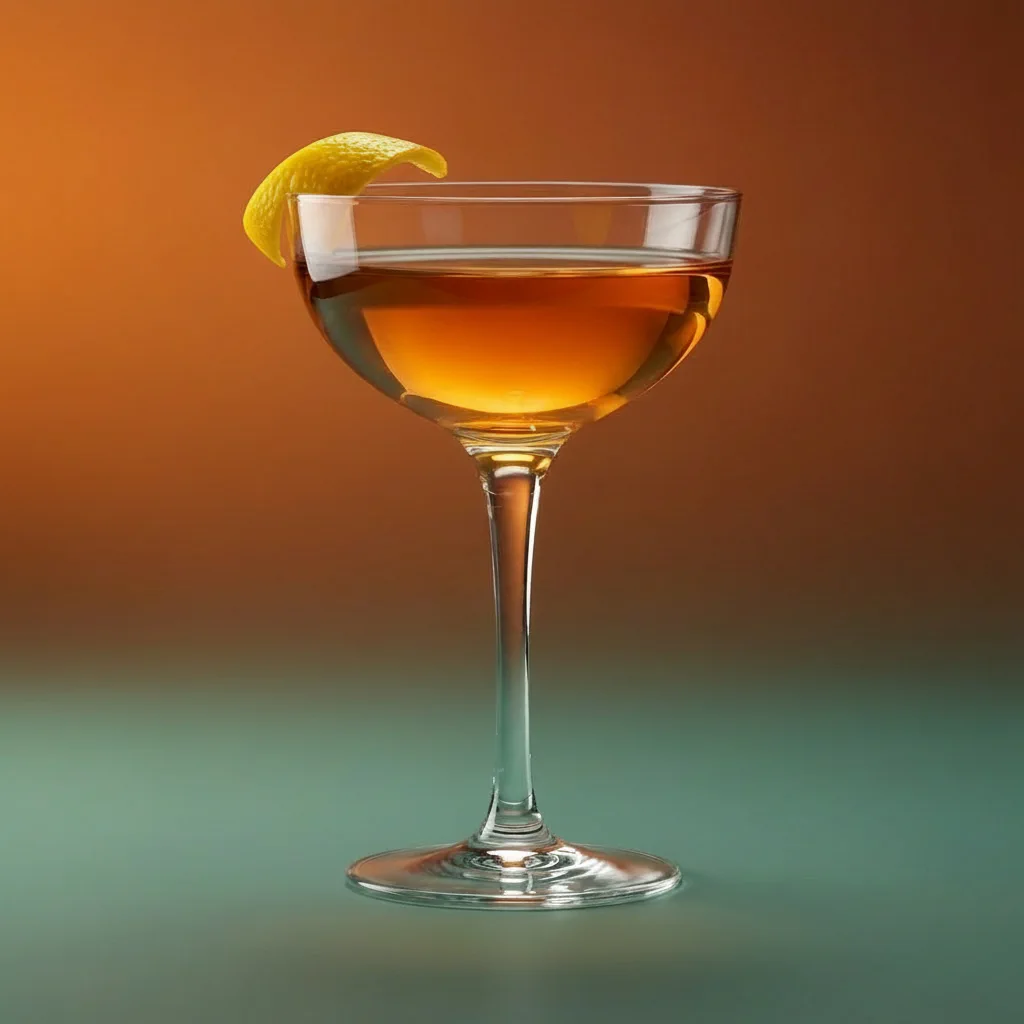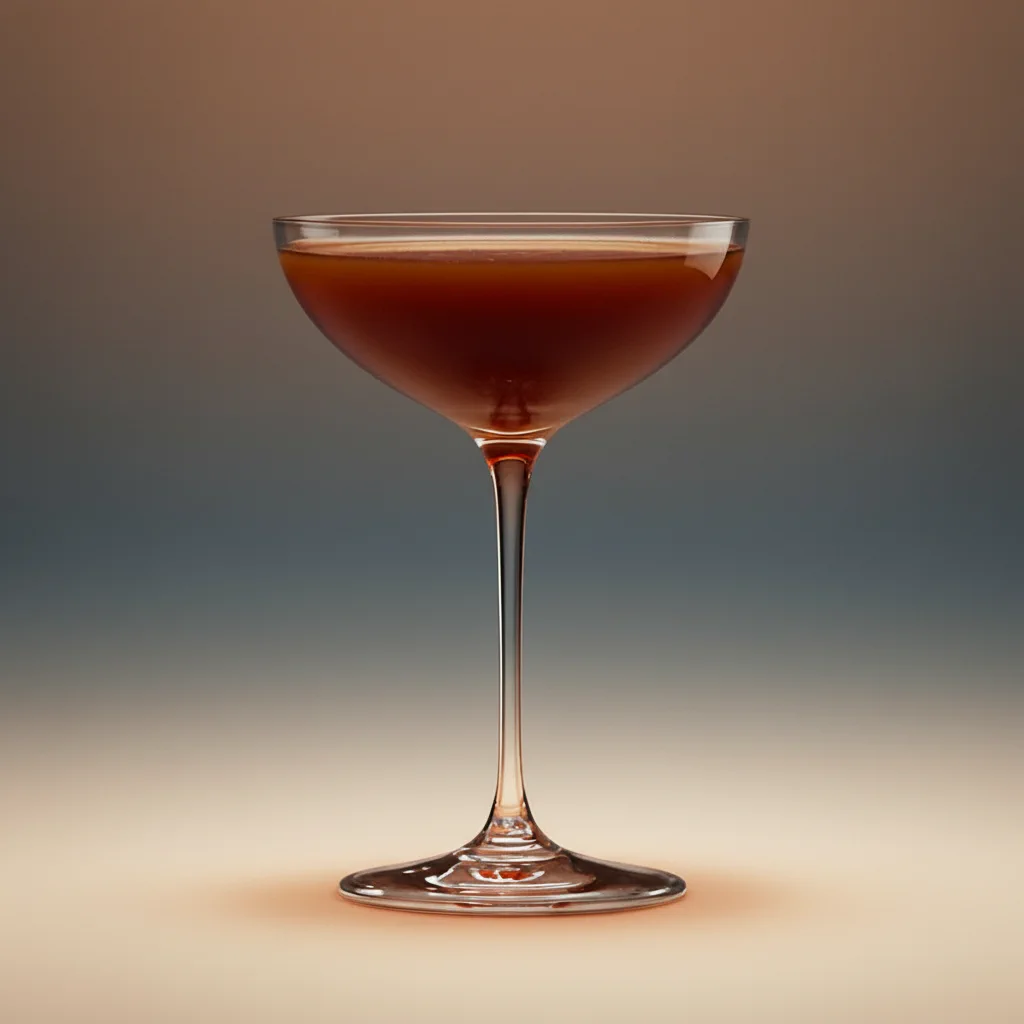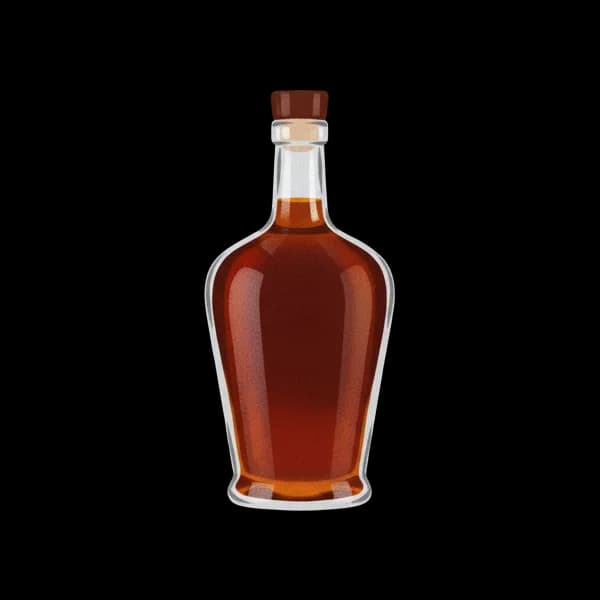
Amaro is a family of Italian herbal liqueurs, bittersweet and deep brown. It's traditionally served after a meal as a digestivo. Less one drink than a whole spectrum — from gentle and floral to intensely bitter.
The common thread is a bittersweet base, botanical bitterness balanced by sugar. Beyond that they diverge widely. Montenegro is light, with orange-blossom notes. Averna runs to caramel and citrus, Cynar turns savoury and vegetal, and Fernet-Branca hits hard with menthol and camphor.
Traditionally amaro is served chilled and neat after dinner, or mixed with tonic as an aperitivo. In cocktails it often replaces sweet vermouth — Averna builds a Black Manhattan, Cynar a Little Italy — or takes over part of the base spirit to push a drink toward herbs and bitterness. The styles differ so much that what matters is less the proportions than which amaro you choose.
One amaro rarely replaces another without shifting the balance, so match the substitute to the style, not the name. A medium, caramel amaro like Averna swaps for something similar, such as Ramazzotti; a fierce fernet, only for another fernet. Let the flavour the drink needs be your guide — pour a fierce Fernet-Branca in place of a light amaro and you don't just change the balance, you make a different drink.
Vermouth
Vermouth is a fortified wine aromatised with wormwood and other botanicals, while amaro is a sweetened liqueur bittered with herbs and roots. Wine-based amaro can resemble vermouth closely, but most are made on a spirit or brandy base and noticeably more bitter.
Amaro is made by maceration: herbs, roots, bark and citrus peel are steeped in a spirit or wine base, then sweetened and usually aged. The bitterness typically comes from gentian, wormwood, cinchona bark and rhubarb, but producers keep the exact botanical recipe a close secret. A few classic styles anchor the category: light and floral (Amaro Montenegro), medium and caramel-rich (Averna), artichoke-based (Cynar, the carciofo style) or rhubarb-based (Zucca, the rabarbaro style), pine-driven alpine (Braulio), and intense, menthol-heavy fernet (Fernet-Branca).
Spirit-based amaro keeps well once opened, thanks to its high sugar and alcohol. Wine-based styles are less stable, so refrigerate the bottle after opening.
Amaro's home is Italy. Most classic recipes took shape in the 19th century, often at monasteries and old pharmacies.

Dry Pornstar Daiquiri
Light gold rum

Three Citrus Garibaldi
Amaro

Negroni Amaro Sour
London dry gin

Negroni Frappé
London dry gin, Amaro, Rosso vermouth

Bitter Dreams
Dry sparkling wine

French Kiss
Cognac

Pura Vida
Mezcal

African Flower
Bourbon

Amaro Daiquiri
Caribbean aged rum

Cubano
Caribbean aged rum, Amaro, Cherry liqueur

Italian Chocolate Martini
Amaro

Lost Plane
Dark rum, Aperitivo, Amaro

25th Hour
Peated single malt whisky

Across The Pacific
Caribbean aged rum

Beatnik
Rye whiskey, Amaro

Cutter
Bourbon

Yamabuki
Japanese blended whisky

Bubo Bubo
Rye whiskey