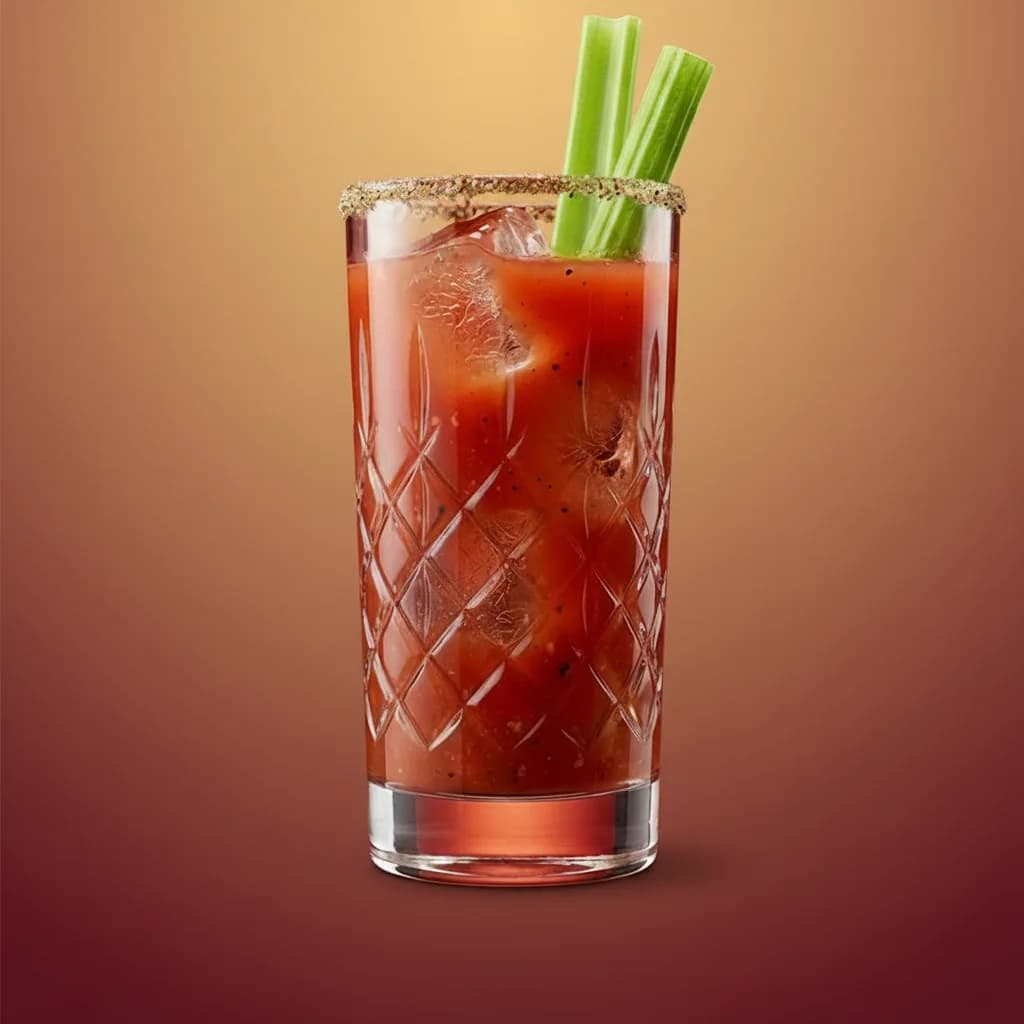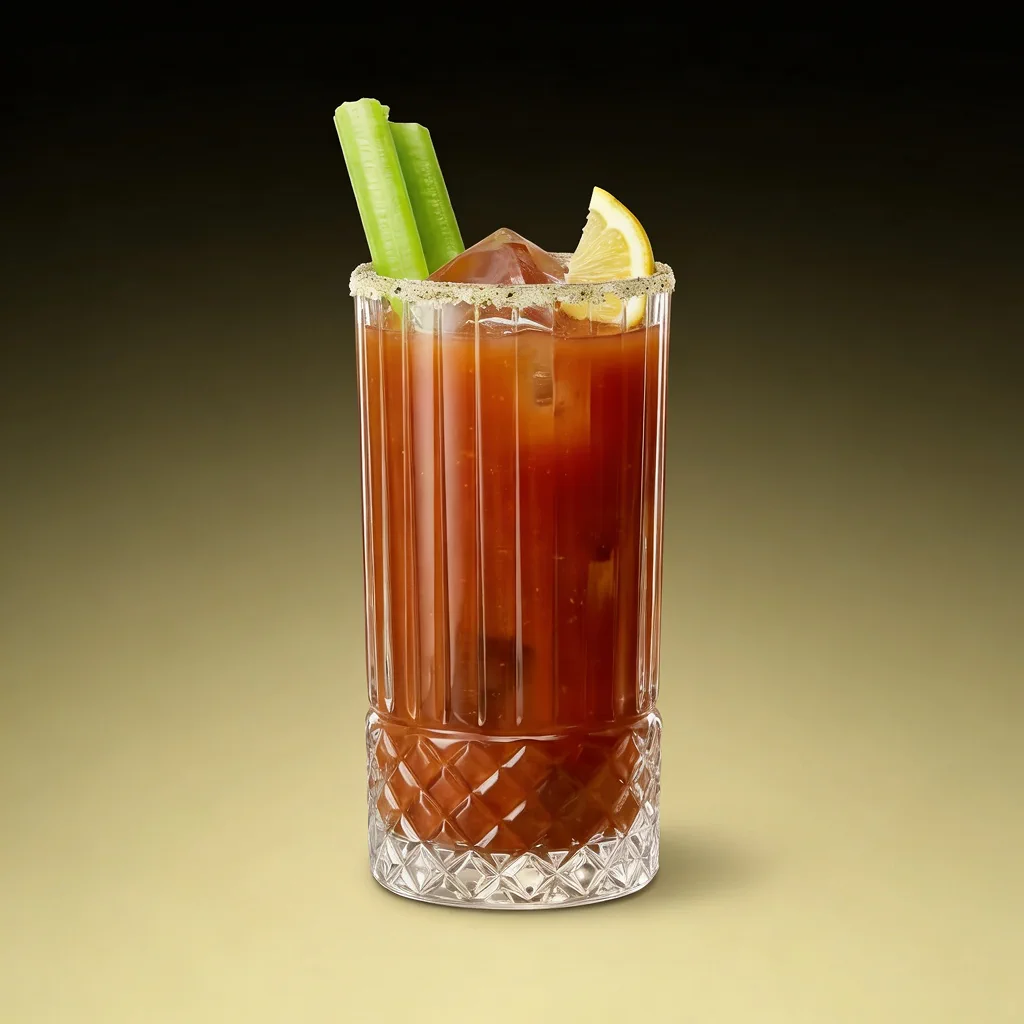
Cocktails with Hot pepper sauce
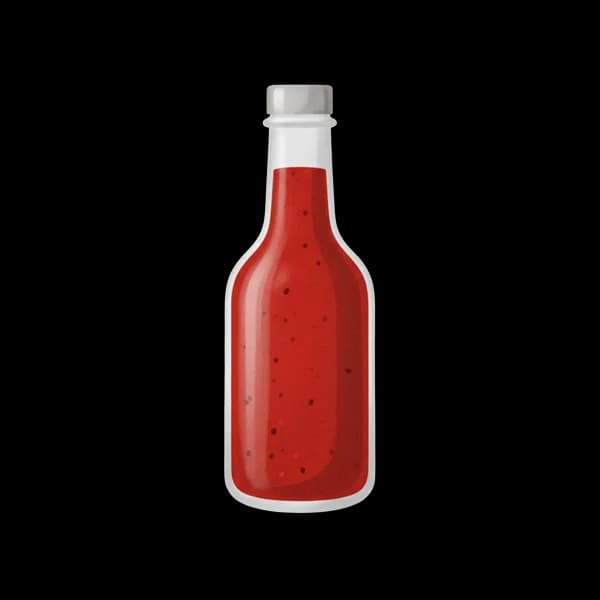
Hot pepper sauce is chili blended with vinegar and salt. It brings acidity to a drink as well as heat, and sometimes sugar.
Substitutes for Hot pepper sauce
"Any hot sauce" is the trap. The classics assume a thin, vinegar-led cayenne sauce: sharp, sour and unsweetened. A thick or sweet one brings sugar and body the drink did not plan for, and a dry chili brings heat with no acid at all.
Often confused with
Chili paste and sriracha
Thick, sweet and sugary. They deliver heat but bring body and sweetness with it, and almost no acidity — in a clear drink the difference shows at once.
Ground cayenne
The dry spice: the same heat with no vinegar and no water. It does not dissolve and settles out, which is why it belongs on a rim and not in the glass.
Storage
Vinegar and salt preserve as well as alcohol does, so a bottle lasts for years. The heat outlives everything; what goes is the color, from red toward brown, and faster on a sunlit shelf.