Cocktails with Pisco
Pisco is a clear grape brandy from Peru and Chile, distilled from fermented grape must. The Peruvian style is bottled unaged and clear, tasting purely of the grape, with no oak behind it; Chilean pisco may instead be oak-rested.
ABV38–48%For Peruvian pisco, bottled at the strength it comes off the still with no water added, so 42–43% is common — and in a Pisco Sour, with egg white and lime, that carries noticeably better than a 38% bottle. Chilean pisco is graded and can go as low as 30–35%.
How it's used
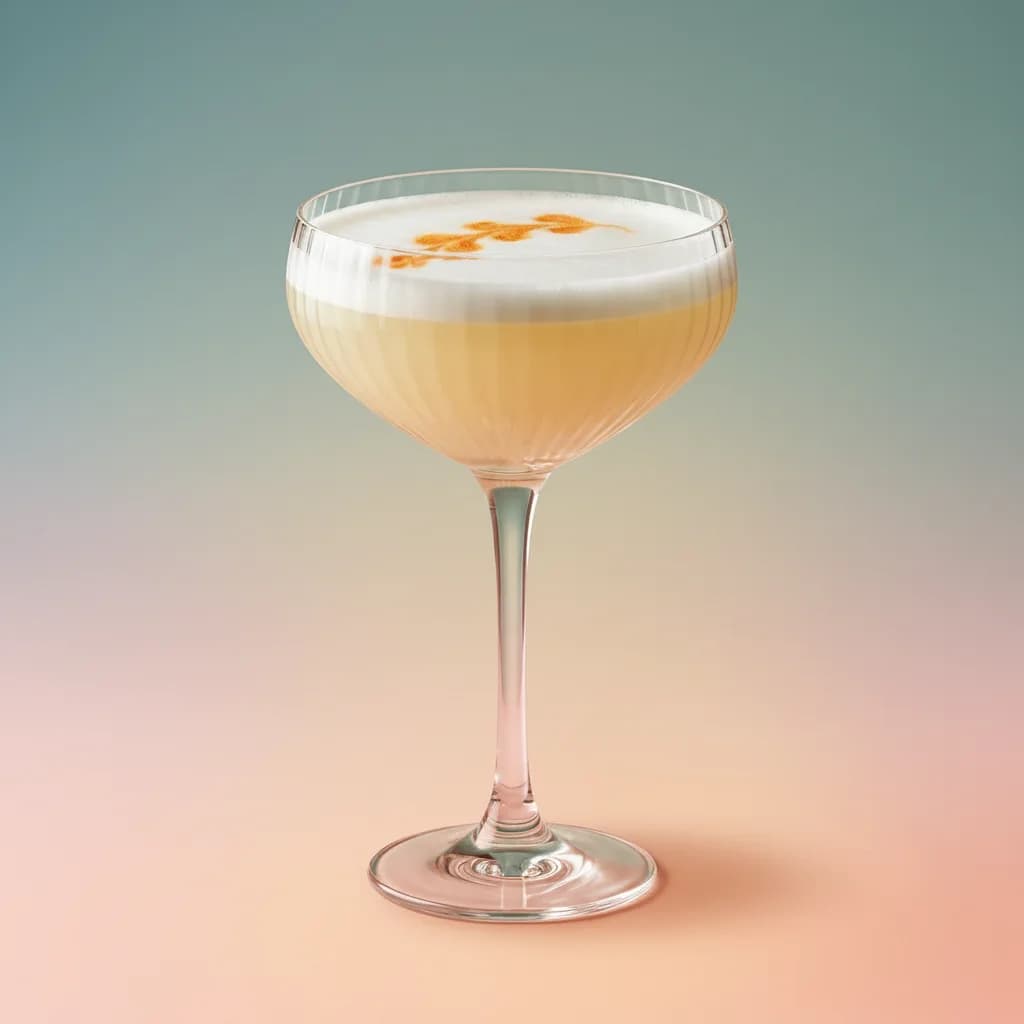
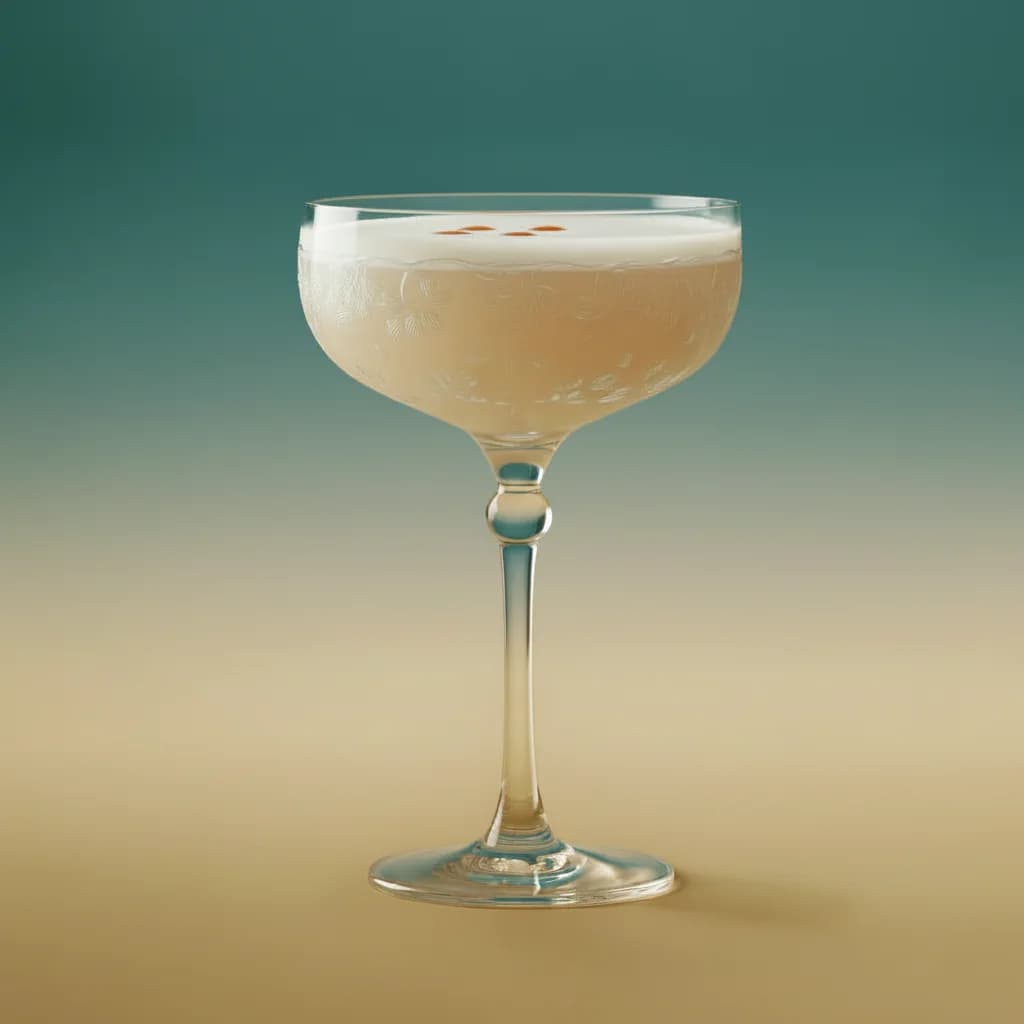
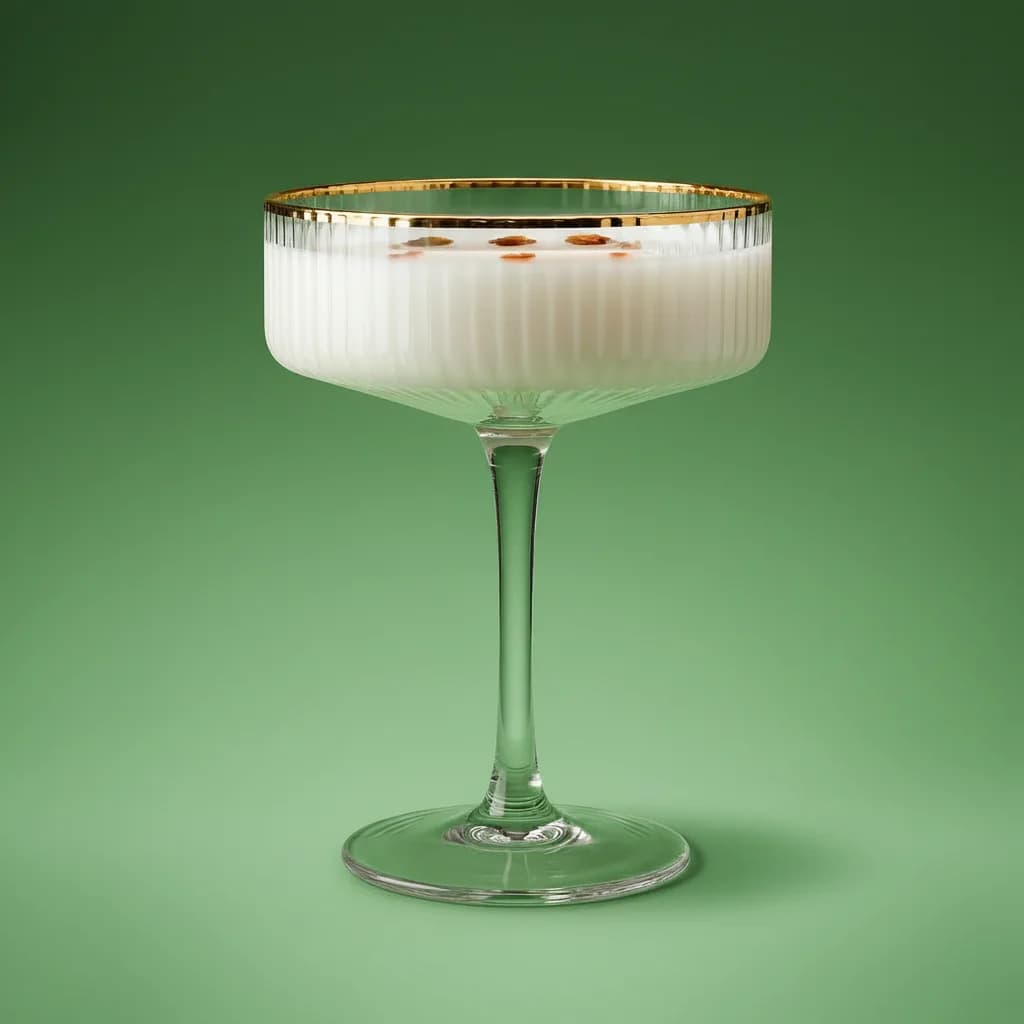
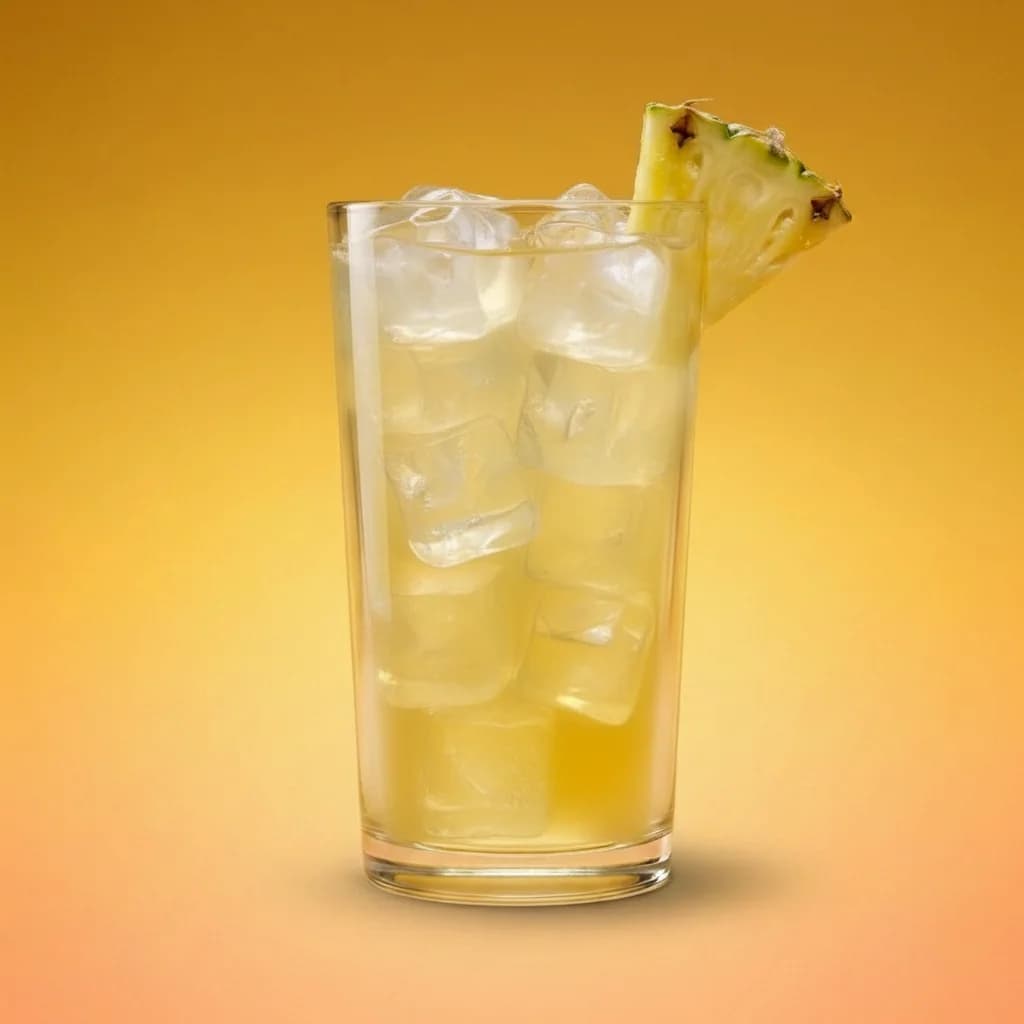
Pisco is the base of a drink, not a modifier. Its signature is the Pisco Sour, shaken with lime, sugar and egg white and finished with a dash of Angostura on the foam; the long version is a Chilcano, built with lime and ginger ale. The egg white needs a dry shake first, without ice, to whip up the foam, and pasteurized white is safest. Its clean grape aroma wants bright, simple partners: reach for an aromatic-grape pisco when you want the floral lift, and a Quebranta for a rounder base.
Substitutes for Pisco
Another pisco works one for one. Peruvian pisco is unaged and tastes purely of the grape, while Chilean pisco may be rested in wood, which adds color. Singani, Bolivia's brandy from Muscat of Alexandria, is the closest relative and swaps in at the same measure. An unaged grape brandy works too; an aged one darkens the drink and covers the grape with oak.