Pisco Punch
Muddle; Shake ∙ 4 min ∙ 21% ABV ∙
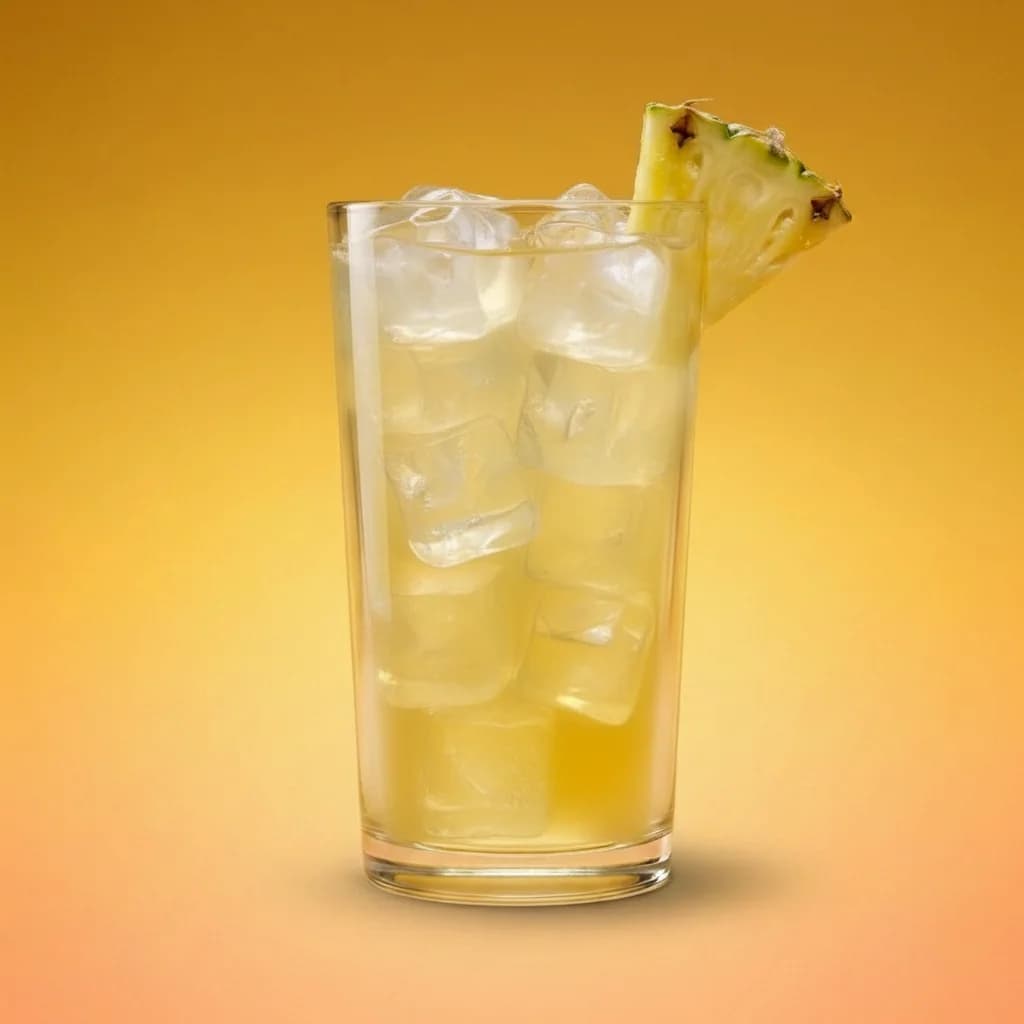
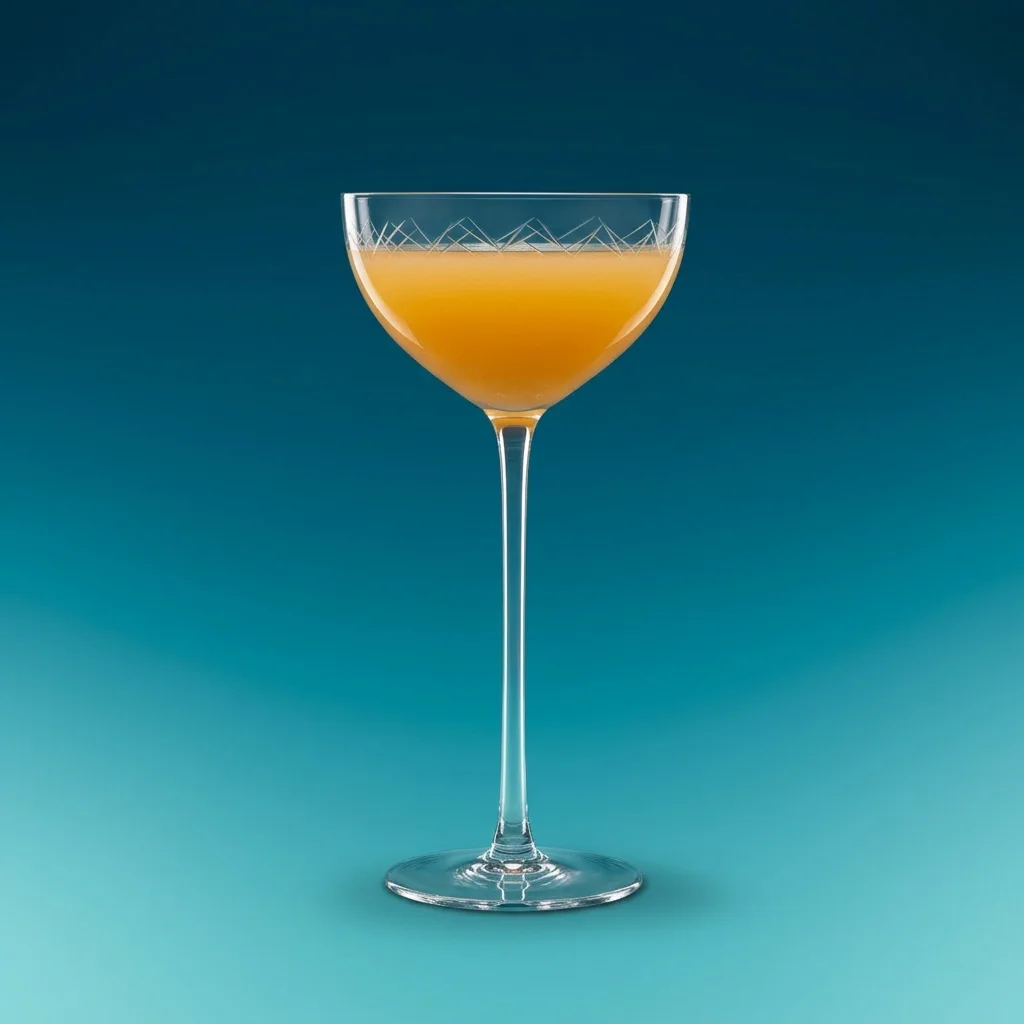
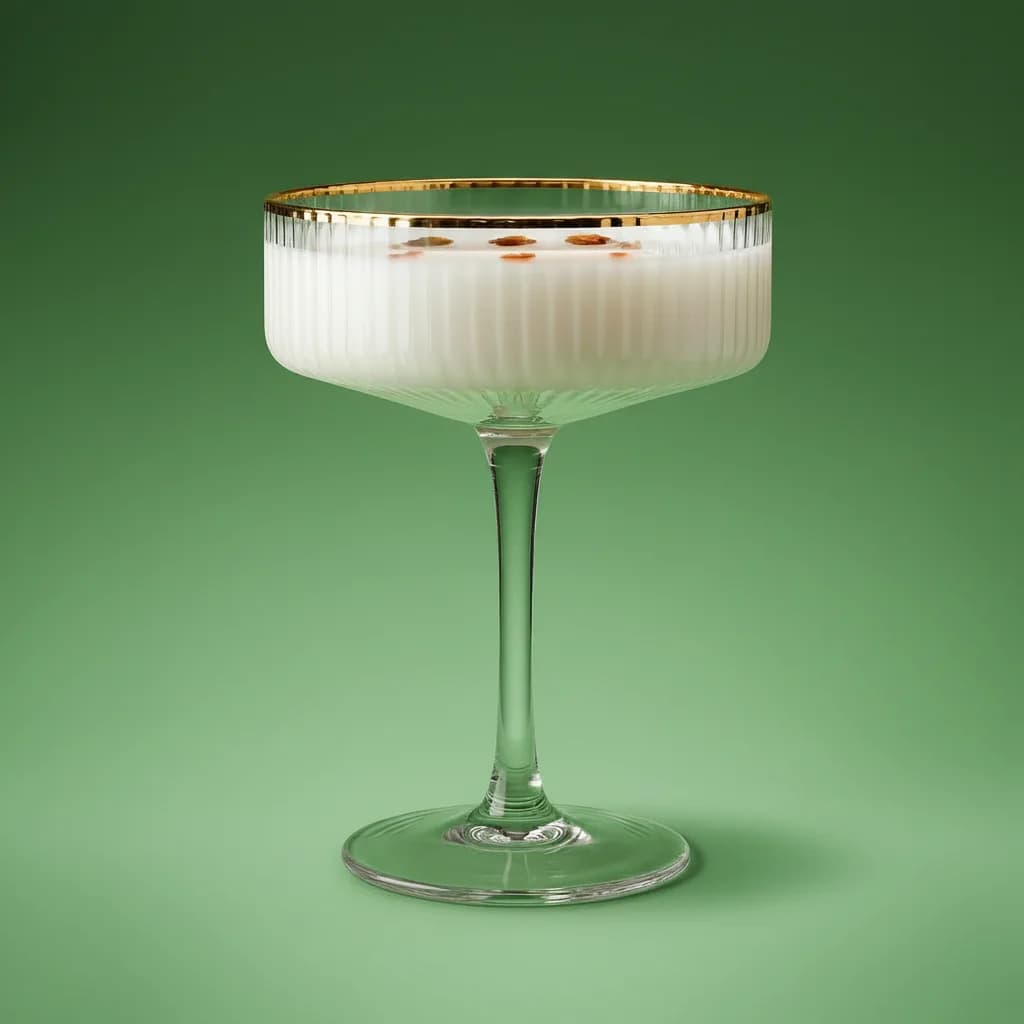
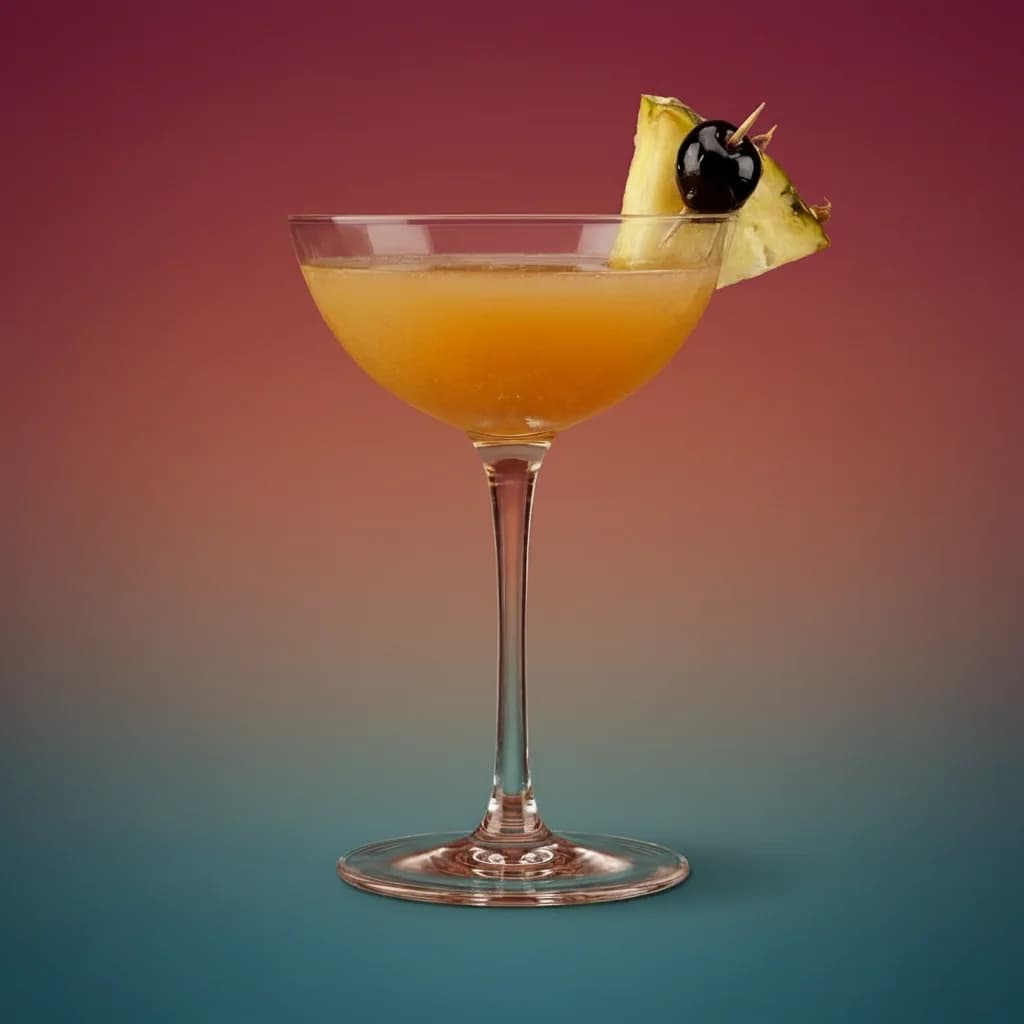
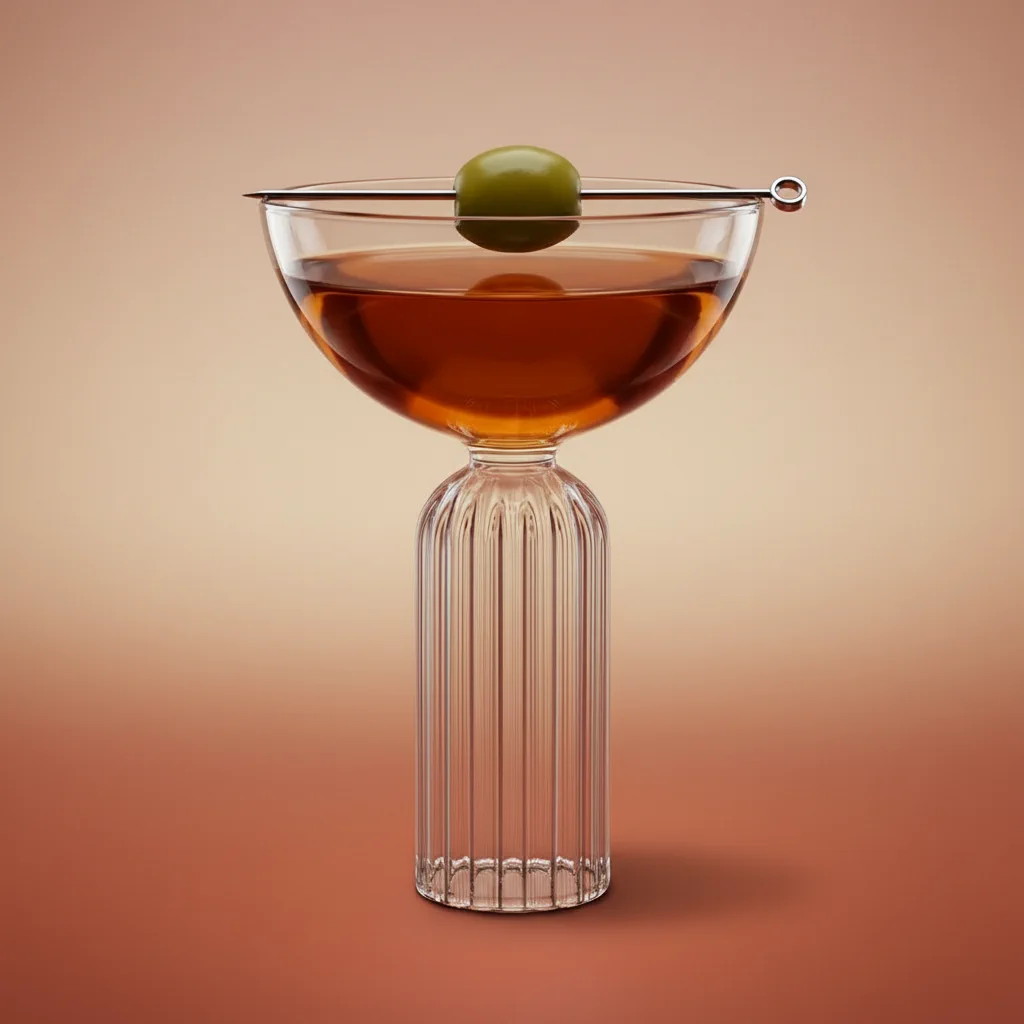
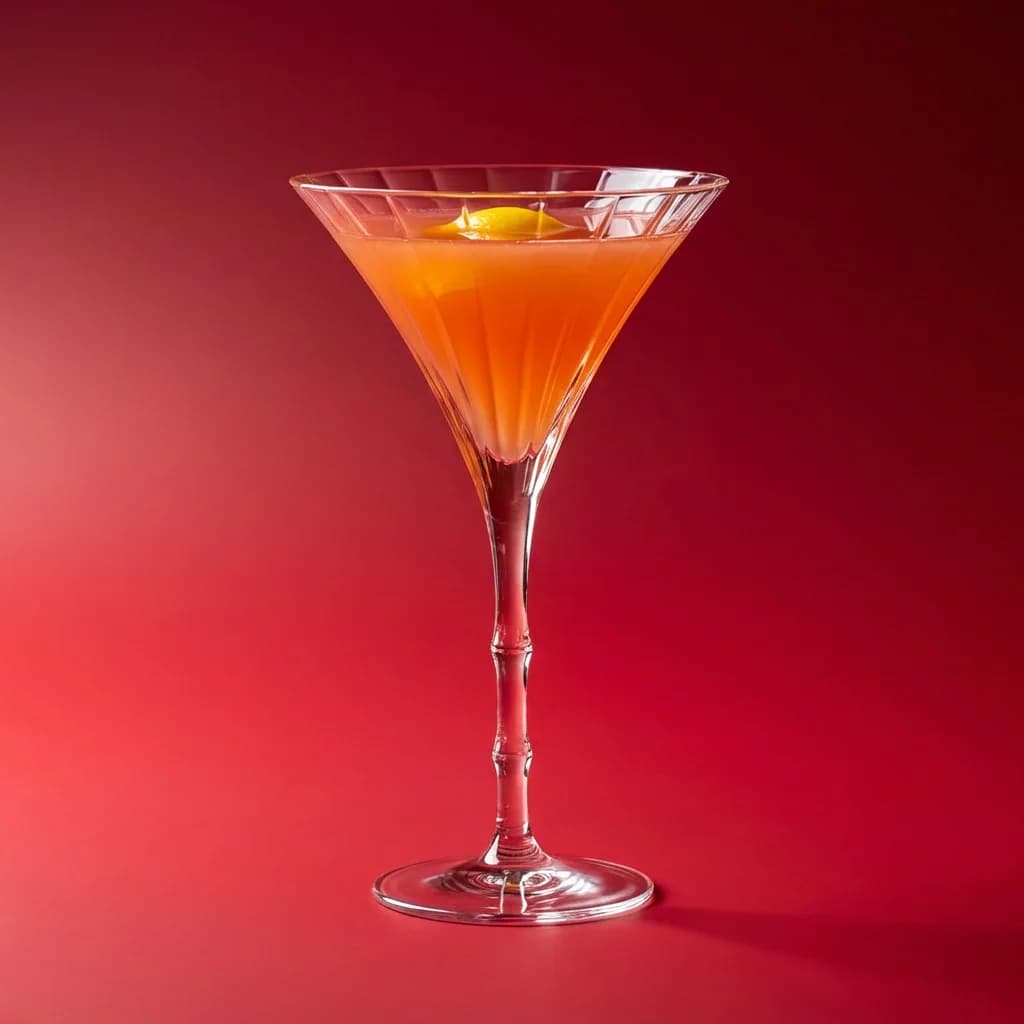
Pisco Punch is a San Francisco classic of Peruvian pisco with muddled grapes, pineapple juice, and a touch of absinthe — a shaken punch-style cocktail. Fruit-forward, grape and pineapple sweetness over an aromatic pisco base, a faint anise lift from the absinthe — an easygoing pre-dinner sipper.
Ingredients
1
Servings
Garnish
Instructions for 1 serving
- Pre-chill a glass
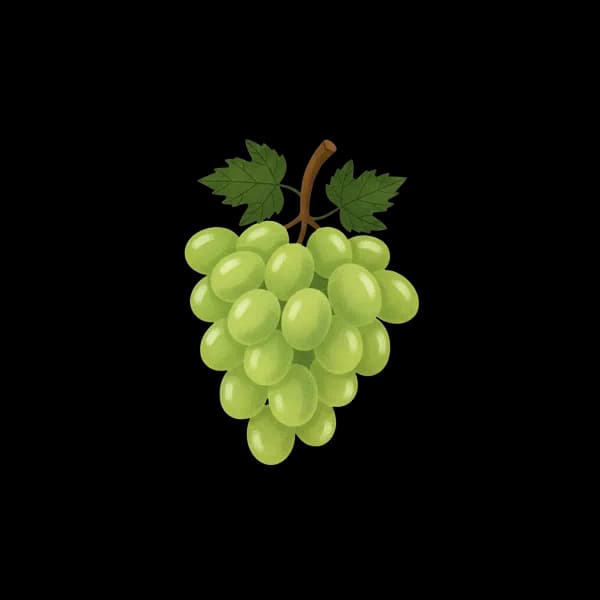
- In the base of the shaker, muddle: Green grapes 12 pcs
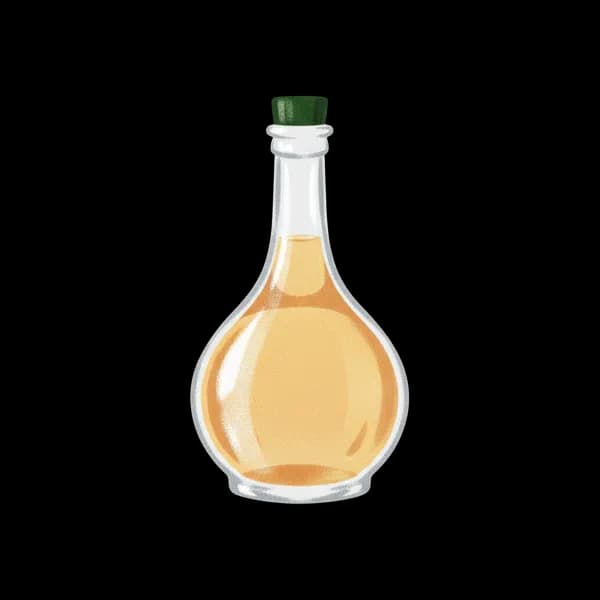
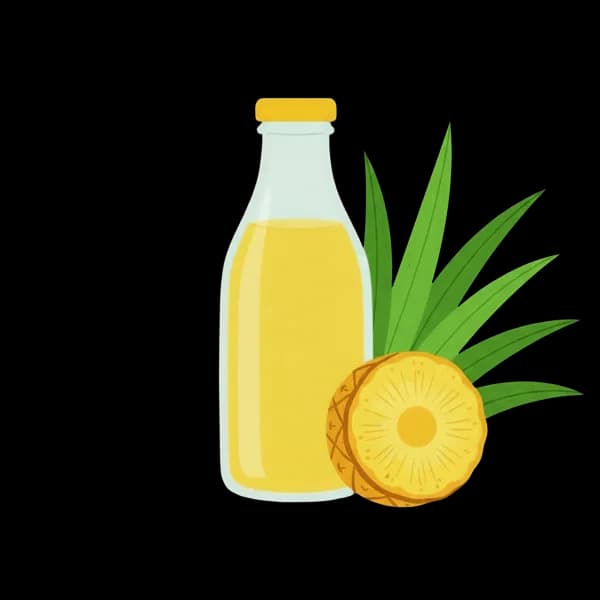
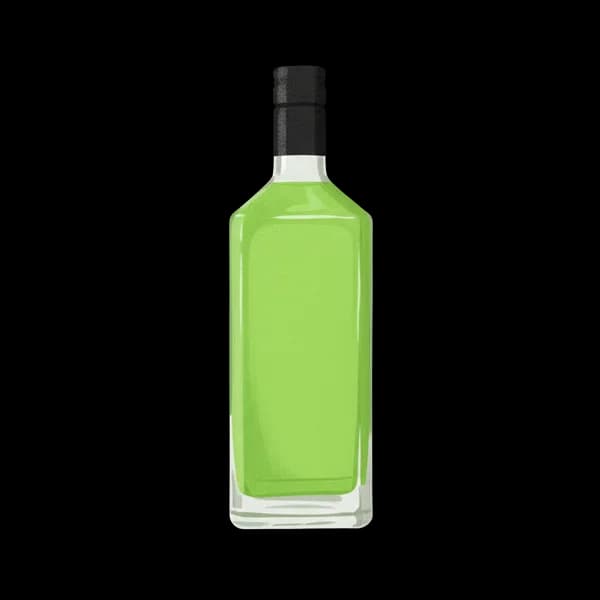
- Add the remaining ingredients: Pisco 60 mlPineapple juice 30 mlAbsinthe 2 ml
- Shake with ice
- Fine strain into the chilled glass
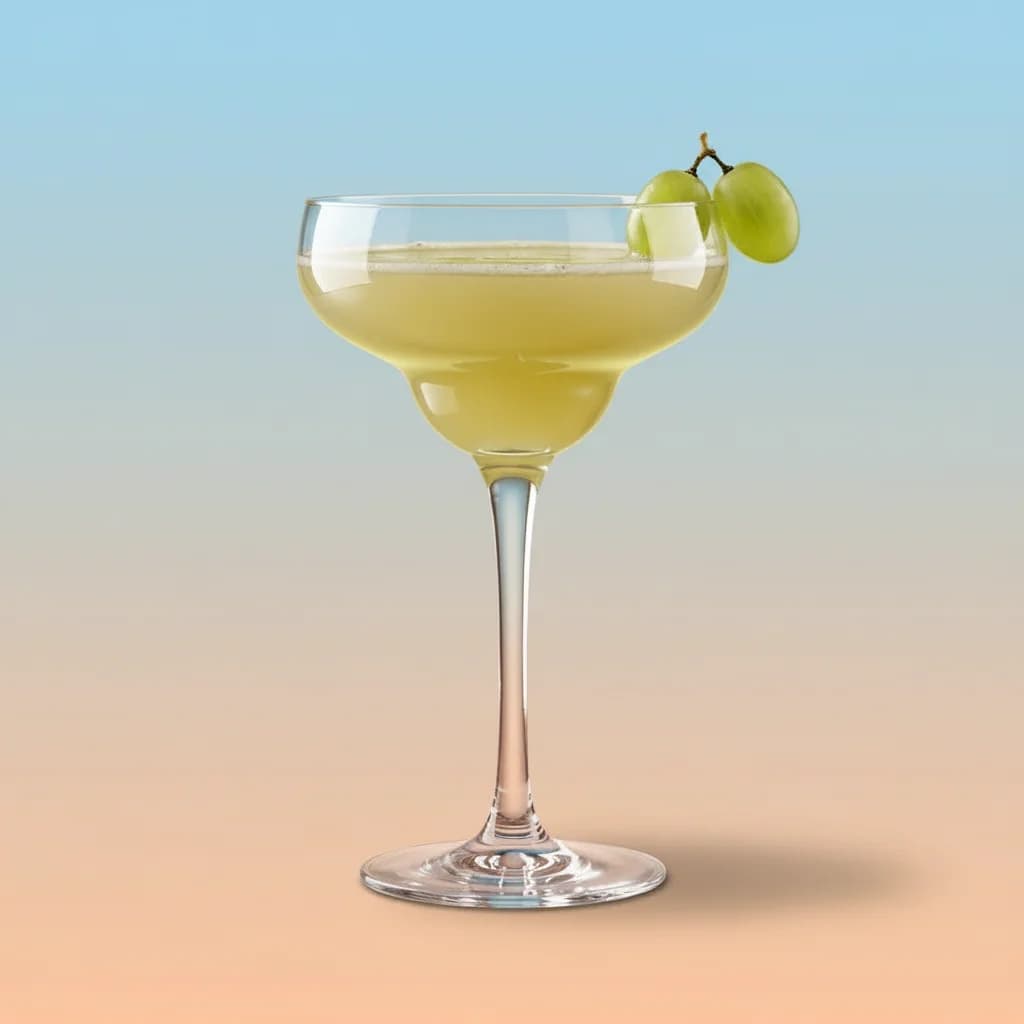
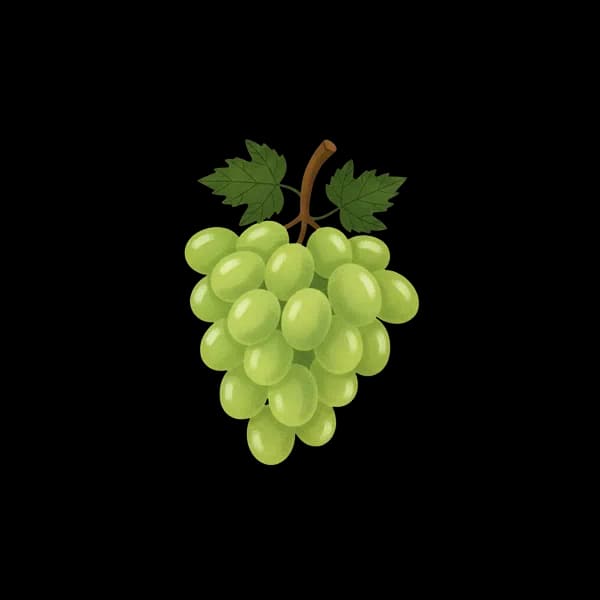
- Garnish with grapes
- Note: Can be scaled up and served from a punch bowl or a large pitcher
Tips
- Muddle the seedless green grapes gently just to release juice — crushing the seeds or skins adds bitterness.
- Absinthe is a rinse-level accent, not a base — a couple of drops is enough, or the anise overwhelms the fruit.
History
Pisco Punch was made famous by bartender Duncan Nicol at the Bank Exchange Saloon in San Francisco, which sat in the Montgomery Block where the Transamerica Pyramid now stands. The saloon served pisco drinks after it opened in 1853, but the punch rose to fame under Nicol between roughly 1893 and 1919, when Prohibition and the Volstead Act closed its doors. Nicol reputedly took the exact recipe to his grave.
Rudyard Kipling praised it in his 1889 From Sea to Sea, and researcher Guillermo Toro-Lira documented his rediscovery of a formula in the 2006 book Wings of Cherubs, arguing a secret ingredient was the cocaine in Vin Mariani, a Bordeaux wine made with coca leaves from Peru. Lima bartenders have since revived the drink in pisco's native Peru.
FAQ
What is in a Pisco Punch?
Traditionally pisco brandy with pineapple, citrus, sugar and gum arabic for a silky body. This recipe muddles seedless green grapes with pisco and pineapple juice, adds a few drops of absinthe, then shakes and strains it into a coupe, garnished with grapes.
Is a Pisco Punch shaken or stirred?
Shaken. The grapes are muddled first to release their juice, then everything is shaken hard with ice and strained into a chilled coupe, giving the drink its bright, frothy fruit character.
What is the difference between a Pisco Punch and a Pisco Sour?
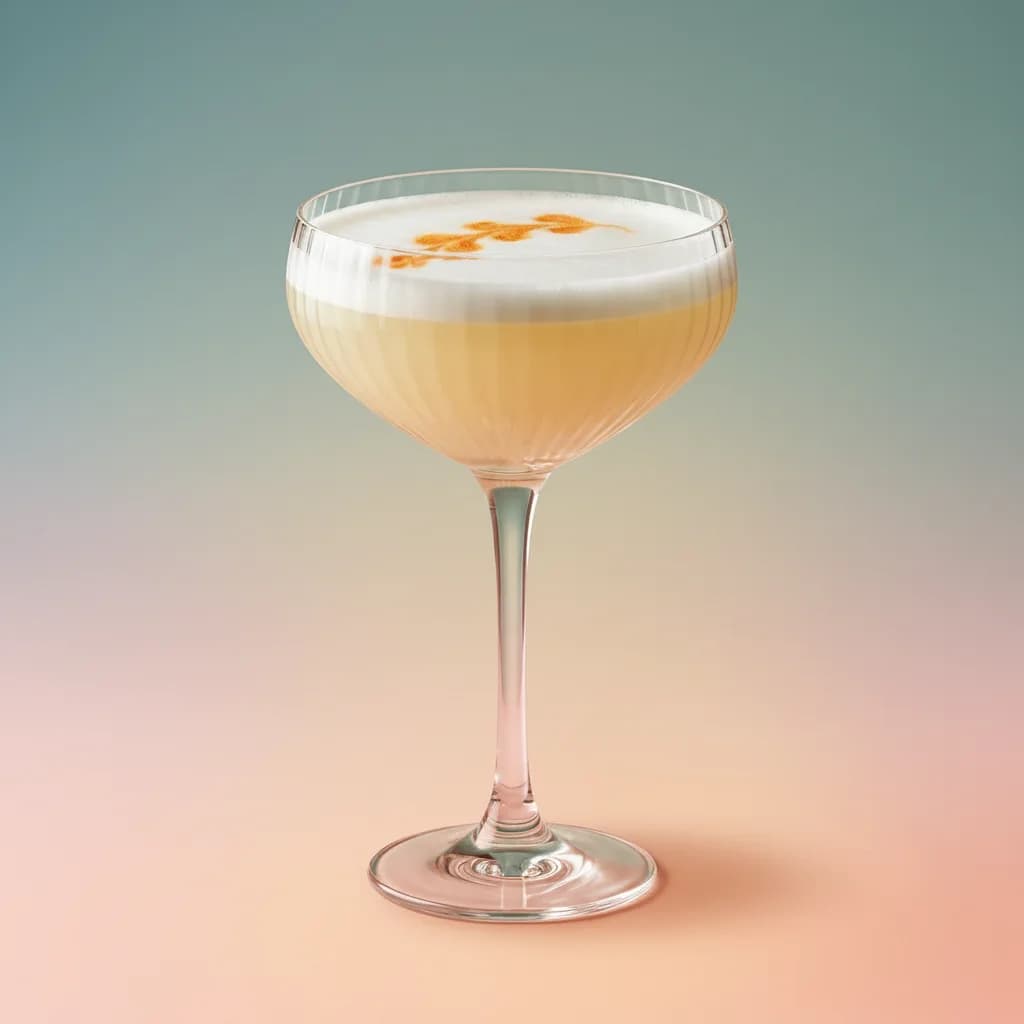
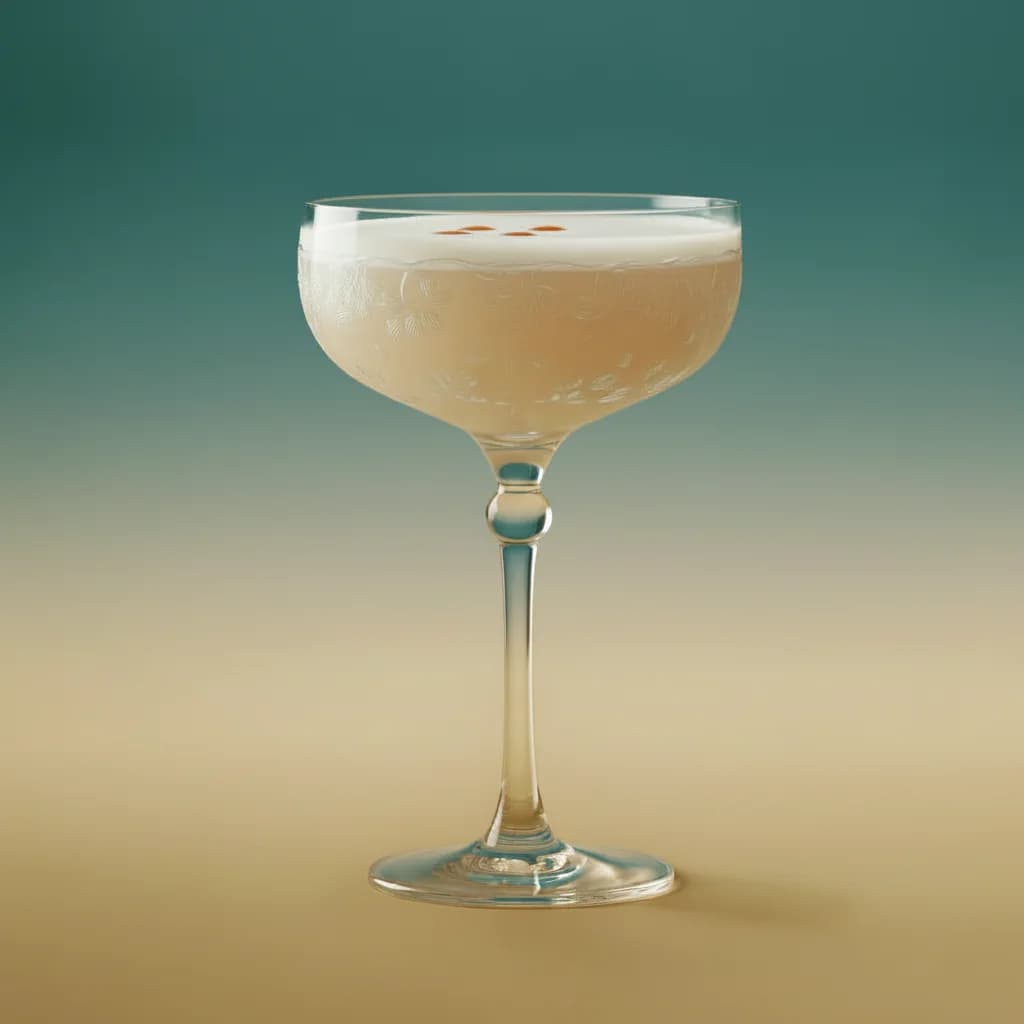
Both are built on pisco, but a Pisco Sour is a citrus sour shaken with lime, sugar and egg white for a foamy top. A Pisco Punch is a punch-style drink built around pineapple and fruit, without egg white.
What kind of alcohol is pisco?
Pisco is a grape brandy made in Peru and Chile, distilled from wine. It comes in aromatic and non-aromatic grape varieties and carries bright fruit and floral notes, which is why it anchors drinks like the Pisco Punch and Pisco Sour.
What glass is a Pisco Punch served in?
A coupe glass. This version is shaken and strained up into a chilled coupe and garnished with grapes, though the historic Bank Exchange version was often served over ice as a punch.