Absinthe
A herbal and refreshing aperitif & bitters cocktail ∙ Shake ∙ 3 min ∙ 15.2% ABV ∙
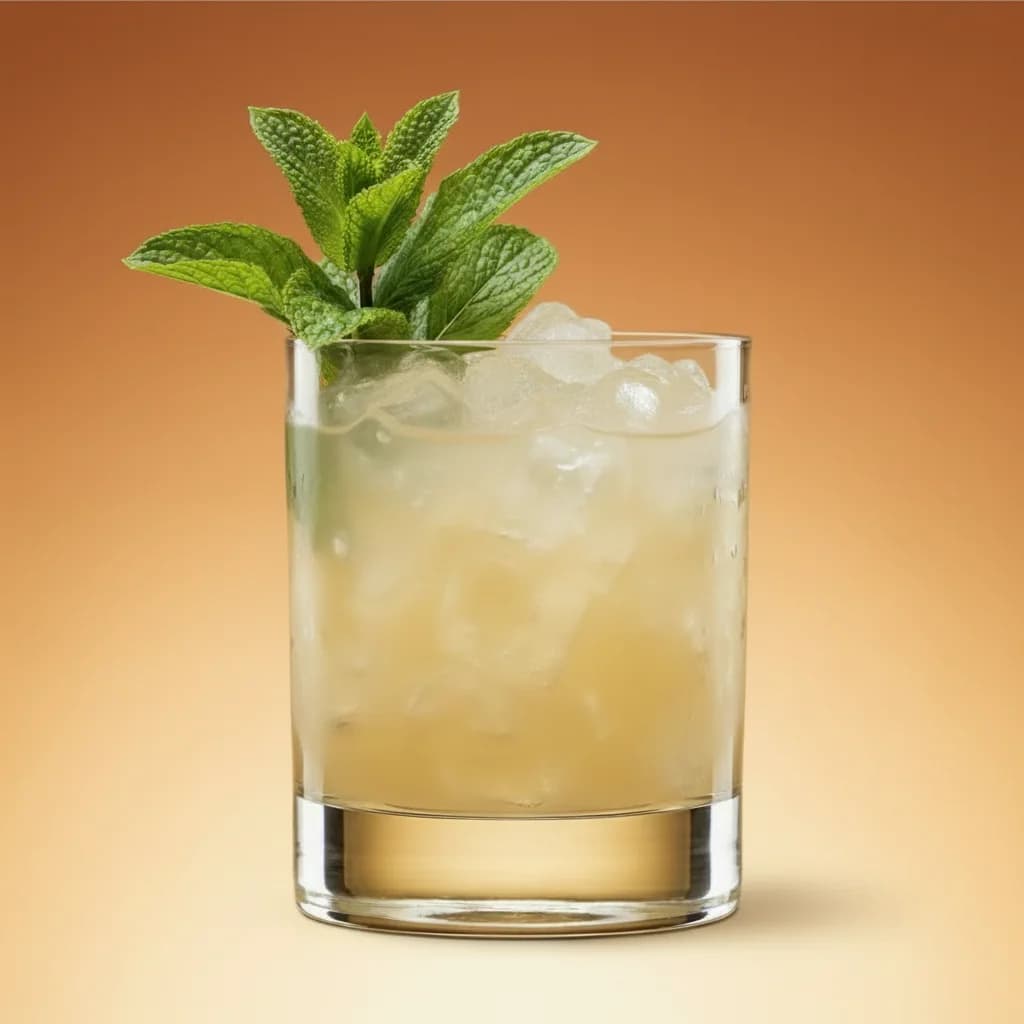
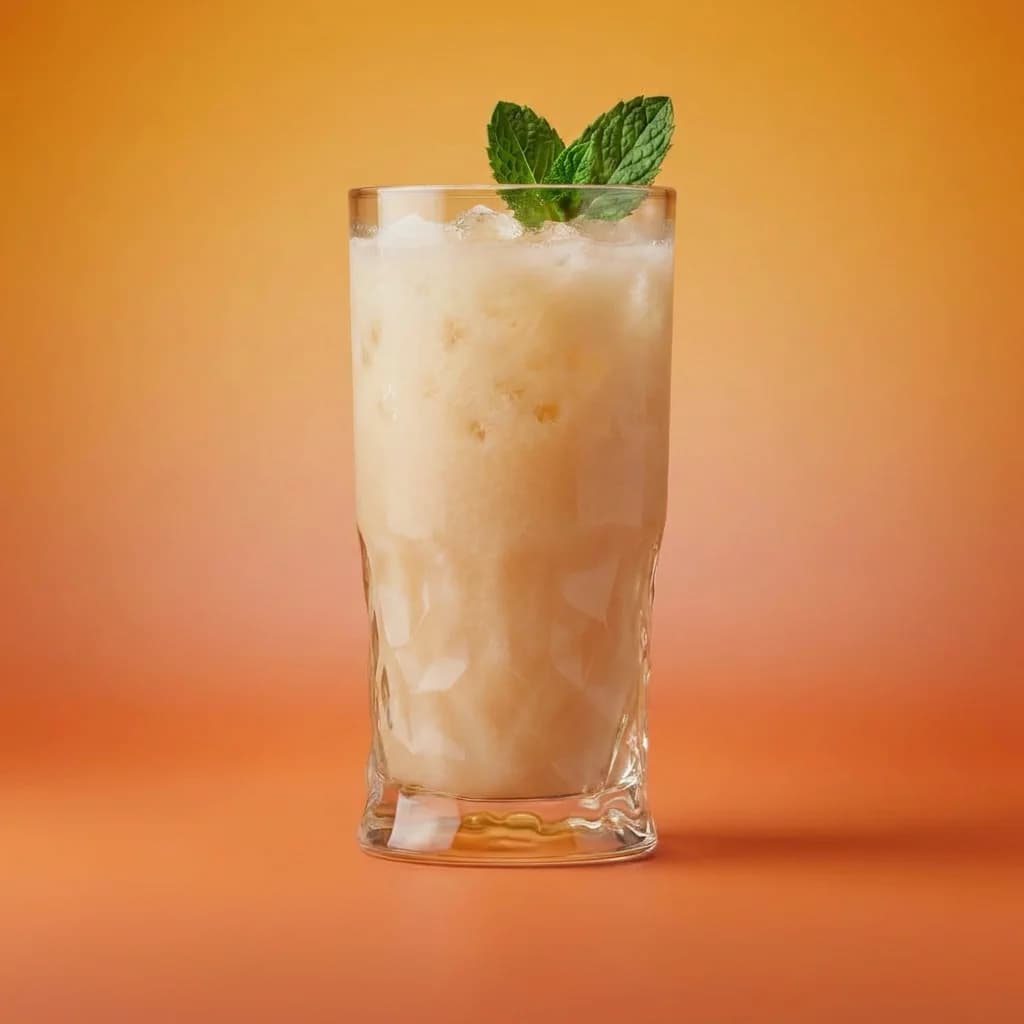
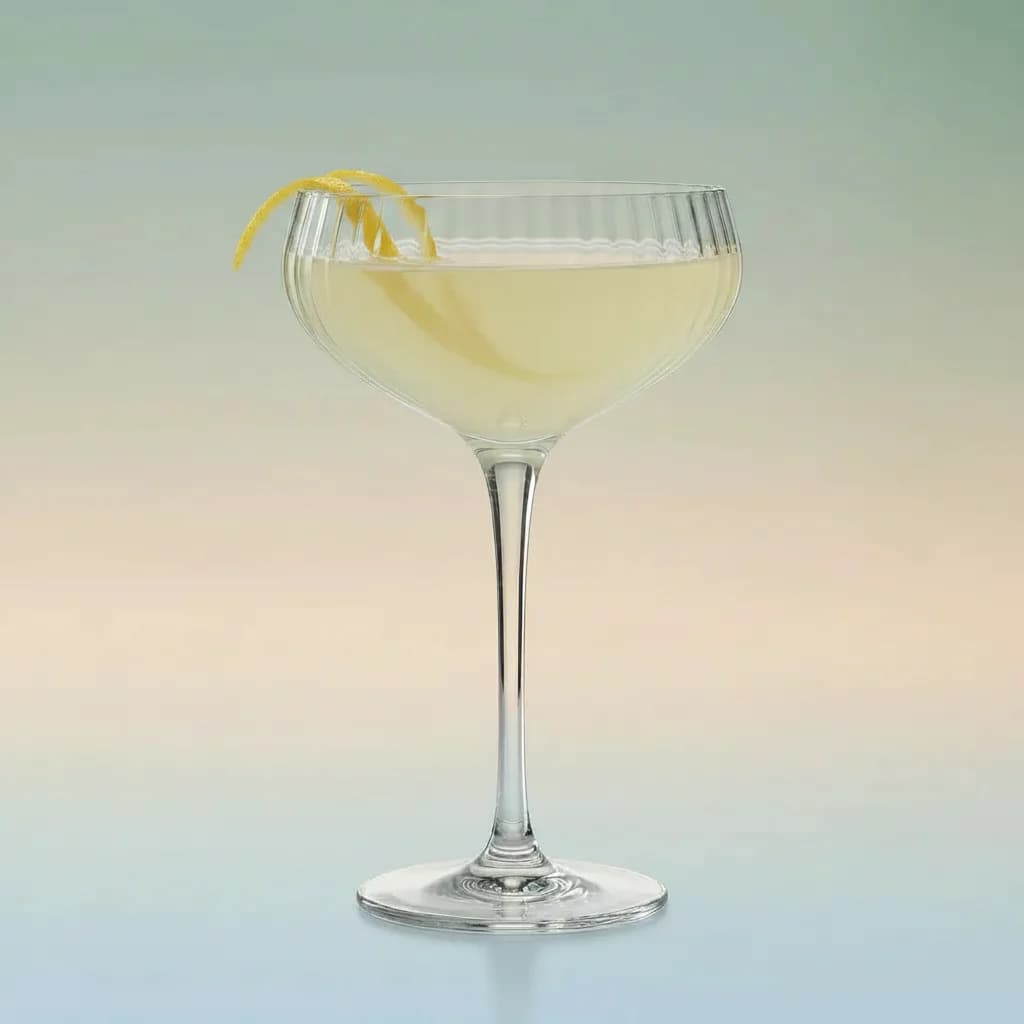
The Absinthe cocktail is a simple shaken preparation of absinthe, chilled water, and sugar syrup, echoing the classic French absinthe drip in glass form. Anise and wormwood herbs lead on a cool, almost milky texture, with a faint sweetness easing the bitter, licorice-heavy finish — best sipped slowly as an aperitif.
Ingredients
1
Servings
Garnish
Instructions for 1 serving
- Pre-chill a glass
- Shake all ingredients with ice: Absinthe 30 mlChilled water 75 mlSugar syrup 10 ml
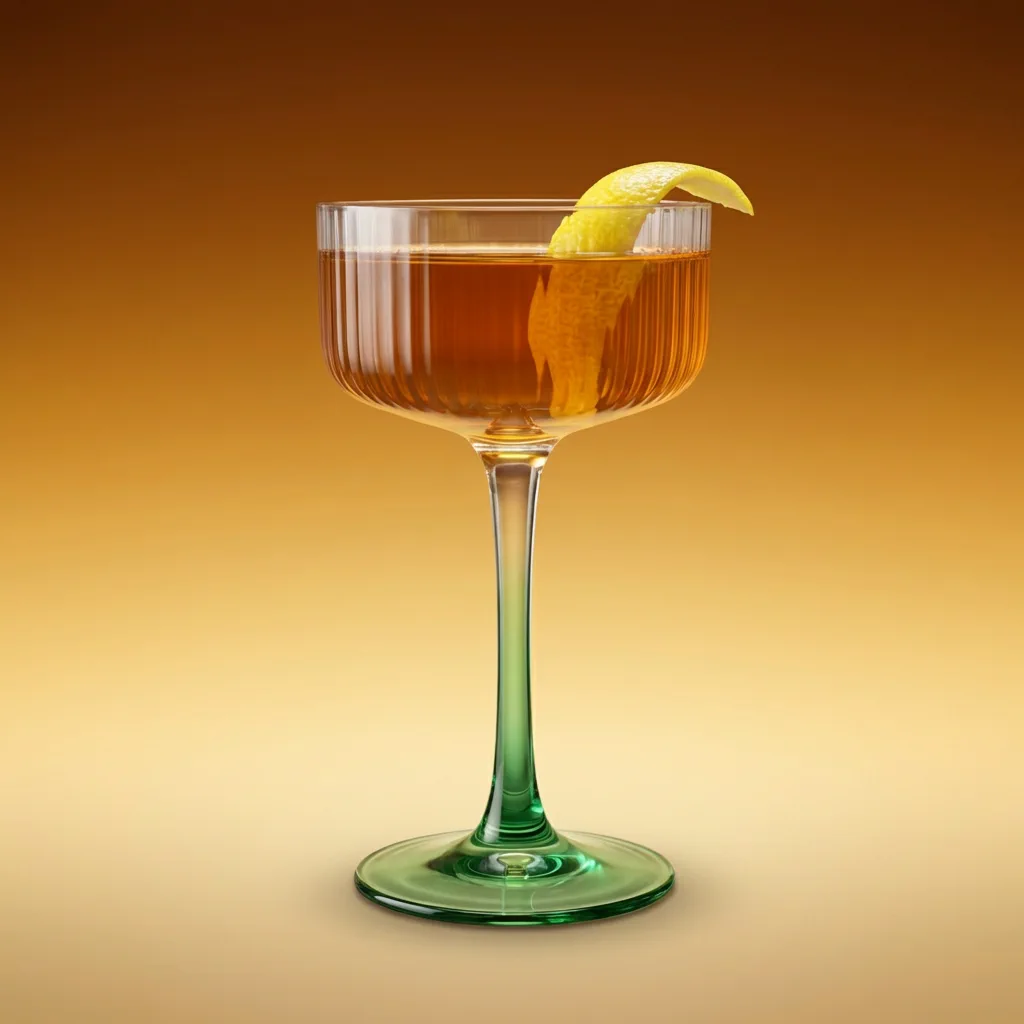
- Fine strain into the chilled glass
- Garnish with a mint leaf
Tips
- Chill the water and syrup before shaking; a warm dilution ratio causes the anise oils to separate unevenly and clouds the drink unattractively.
History
Absinthe is a high-proof anise-and-wormwood spirit generally traced to Couvet, in Switzerland's Val-de-Travers region, in the late 18th century. Popular legend credits Dr. Pierre Ordinaire, a French physician who had fled the French Revolution, with formulating the recipe around 1792 from wormwood and other botanicals macerated in grape spirit; some accounts, however, hold that the Henriod sisters of Couvet, his housekeepers, were already producing a similar wormwood elixir before his arrival, citing a 1769 Neuchatel newspaper advertisement as evidence. By one account or the other, the recipe passed to the Henriod sisters, and in 1797 Major Daniel-Henri Dubied acquired it from them, building a distillery with his son and son-in-law Henry-Louis Pernod. In 1805 Pernod established his own factory, Pernod Fils, across the border in Pontarlier, France, chiefly to avoid French import taxes, and that town became absinthe's commercial capital.
The drink served here follows the traditional French preparation, in which absinthe is diluted with iced water and a touch of sugar, causing the spirit's oils to cloud into the characteristic milky "louche."
FAQ
What do you mix with absinthe?
Absinthe is most often mixed simply with cold water and a little sugar to soften its bitterness, which is exactly this build's approach: absinthe, chilled water, and sugar syrup, shaken and strained into a coupe. Absinthe also appears in classic cocktails like the Sazerac, where it is used as a rinse rather than a main ingredient.
What is absinthe and why was it banned?
Absinthe is a high-proof anise- and wormwood-based spirit distilled with botanicals; it was banned in much of Europe and the United States in the early 20th century over fears that thujone, a compound in wormwood, caused hallucinations and madness. Those fears are now considered largely exaggerated, and absinthe has been legal again in most countries, including the US, since the mid-2000s.
Is absinthe the strongest alcohol?
No, absinthe is not the strongest alcohol, though it is unusually potent, often bottled between 45% and 74% ABV. Spirits like certain grain alcohols or specialty moonshines can exceed 90% ABV, well above even the strongest absinthe.
What is the proper way to drink absinthe?
The traditional way is the absinthe drip: a sugar cube is set on a slotted spoon over a glass of absinthe, and ice water is dripped through it until the drink clouds and dilutes, usually to about a 1:3 or 1:4 ratio of absinthe to water. This cocktail follows that same logic in shaken form, combining absinthe, chilled water, and sugar syrup rather than dripping it table-side.
Does absinthe get you really drunk?
Absinthe can get you drunk quickly if drunk neat or under-diluted, since it is far stronger than most spirits at 45-74% ABV before dilution. Properly prepared with water, as in the traditional drip or in this shaken version at about 15% ABV, it is drunk more slowly and is no more intoxicating than an average cocktail.
Is the green fairy just absinthe?
Yes, "the green fairy" (la fée verte) is simply a nickname for absinthe, referring to its naturally green color from chlorophyll in the botanicals used to make it. It is not a different drink or ingredient, just a popular historical name for absinthe itself.