
Bamboo
Stir ∙ 3 min ∙ 12.4% ABV ∙
The Bamboo is a low-alcohol stirred aperitif of fino sherry and sweet vermouth with a dash of orange bitters, finished with a lemon twist.
Ingredients
1
Servings
Garnish

Instructions for 1 serving
- Pre-chill a glass
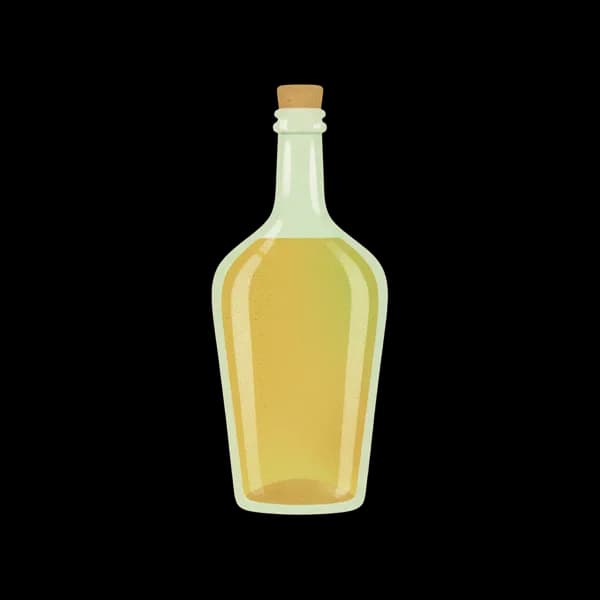
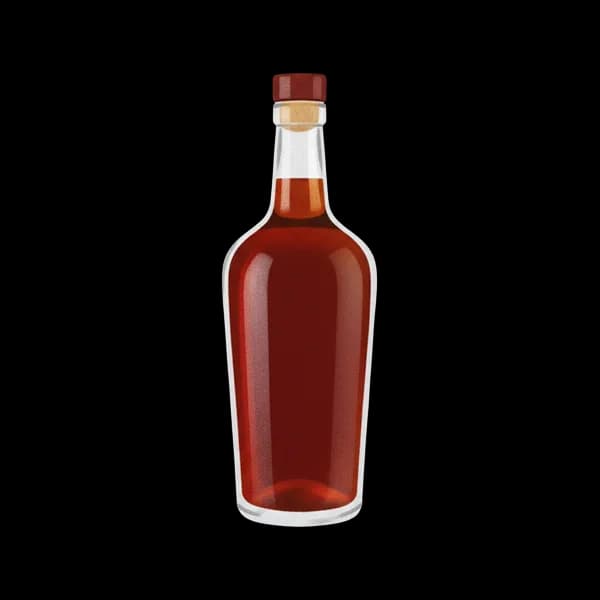
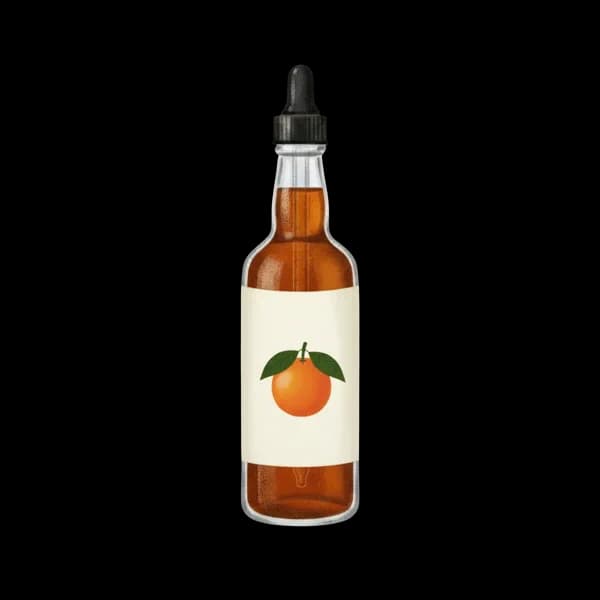
- Stir all ingredients with ice: Fino sherry 60 mlRosso vermouth 30 mlOrange bitters 1 dash
- Fine strain into the chilled glass
- Express a lemon twist over the cocktail and use as garnish
Tips
- Stir on plenty of ice for a full 20-30 seconds; a low-alcohol mix of sherry and vermouth needs the chill and water, or it tastes flat and syrupy.
- Fino goes stale quickly once opened, so use a fresh, well-chilled bottle; tired sherry makes the drink taste dull and flat.
History
The Bamboo is an early sherry-and-vermouth drink whose creation is credited by most sources to Louis Eppinger, a German-born bartender who ran a bar in San Francisco before moving to Japan. In 1889 he settled in Yokohama, where he ran the Grand Hotel’s bar from 1890 until his death. William T. Boothby's 1908 book "The World's Drinks and How to Mix Them" lists the drink as originated and named by Eppinger in Yokohama, and this account is the most widely repeated. However, the earliest known written reference to a "Bamboo" drink appeared in 1886, three years before Eppinger arrived in Japan, in a newspaper item crediting an unnamed Englishman with introducing the drink to New York barrooms. Its true origin and namer remain uncertain despite Eppinger's central role in popularizing it.
Early versions of the Bamboo called for roughly three parts sherry to one part vermouth, a ratio later loosened as the drink evolved toward equal parts sherry and dry vermouth with orange or Angostura bitters by the early 20th century. This Bamboo recipe follows Thomas Stuart's 1904 book Stuart's Fancy Drinks and How to Mix Them, from that earlier, sherry-heavy stage: fino sherry and sweet vermouth two to one, rather than the later equal-parts standard.
FAQ
What is in a Bamboo cocktail?
60 ml fino sherry, 30 ml sweet (rosso) vermouth, and a dash of orange bitters. Sherry, not a spirit like gin or whiskey, is the base, which is why it is lower in alcohol than most stirred cocktails.
What is the best sherry to use in a Bamboo cocktail?
A dry fino, as in this recipe. Fino is the driest, palest sherry, aged under a layer of flor yeast that keeps it crisp and nutty rather than oxidized or sweet. That matters because sherry is two-thirds of the drink.
Is a Bamboo cocktail shaken or stirred?
Stirred. Sherry and vermouth are both fortified wines with no citrus or egg, so stirring chills and dilutes the drink without clouding it.
What glass is a Bamboo cocktail served in?
A coupe glass, served up with a lemon twist and no ice in the glass.
How strong is a Bamboo cocktail?
About 12.4% ABV, roughly the strength of a glass of wine. That makes it much lighter than a Martini or Manhattan, which is why it works as an aperitif.


