El Tomato
A savory, citrus and bubbly tequila cocktail ∙ Muddle; Shake ∙ 4 min ∙ 10.9% ABV ∙
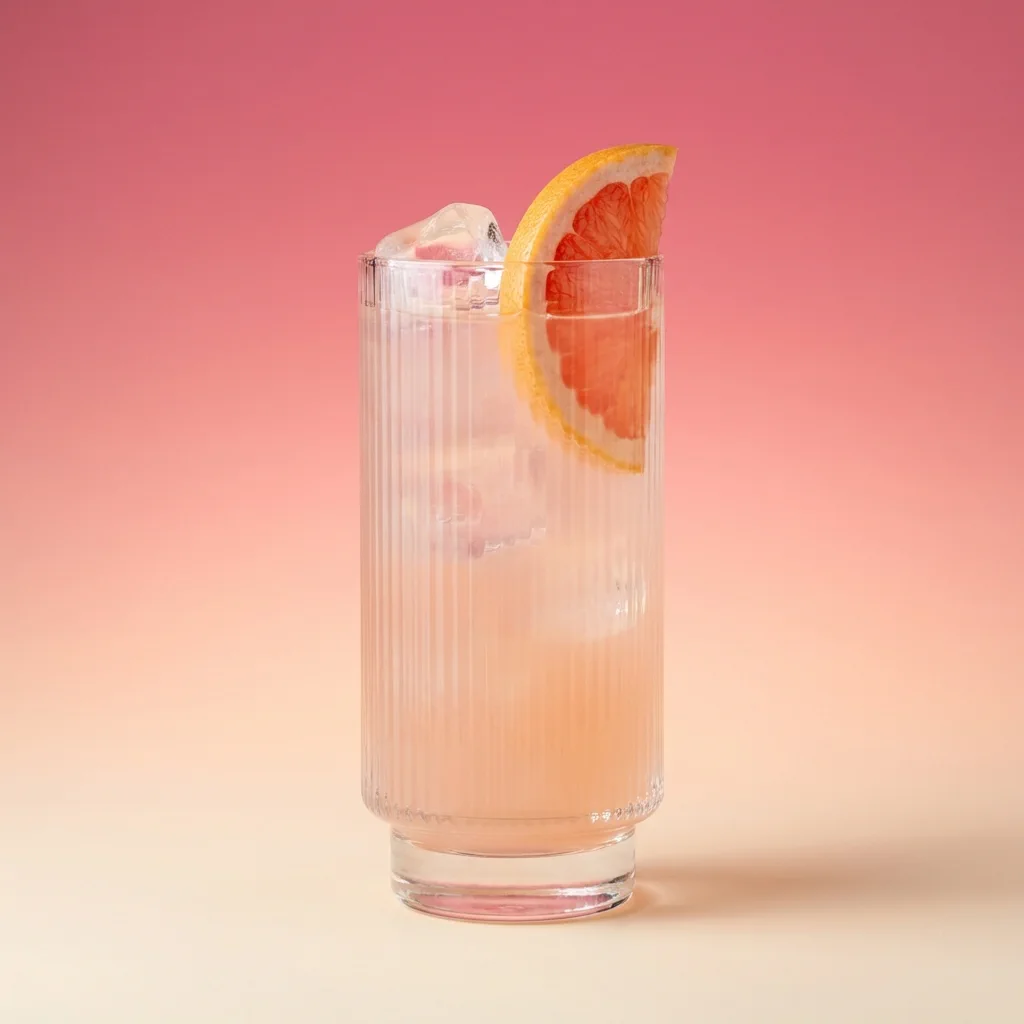
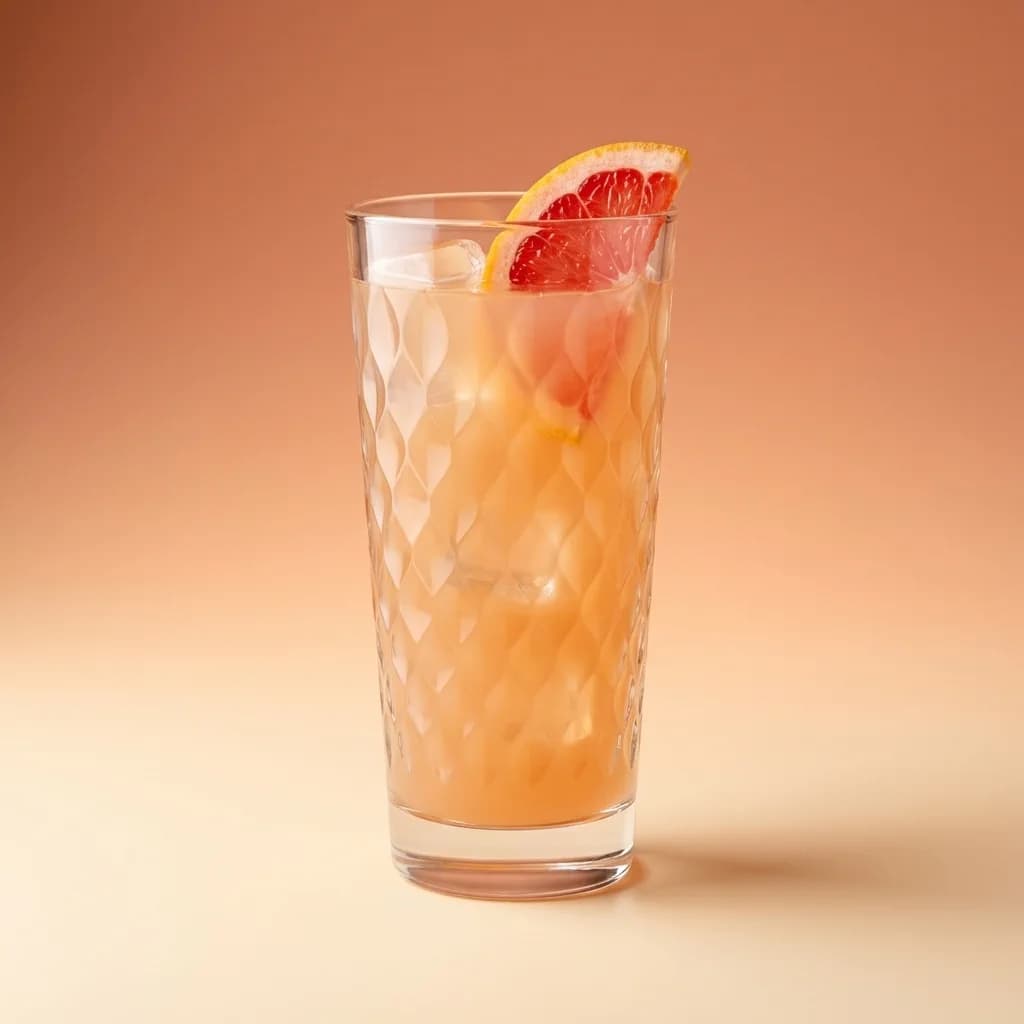
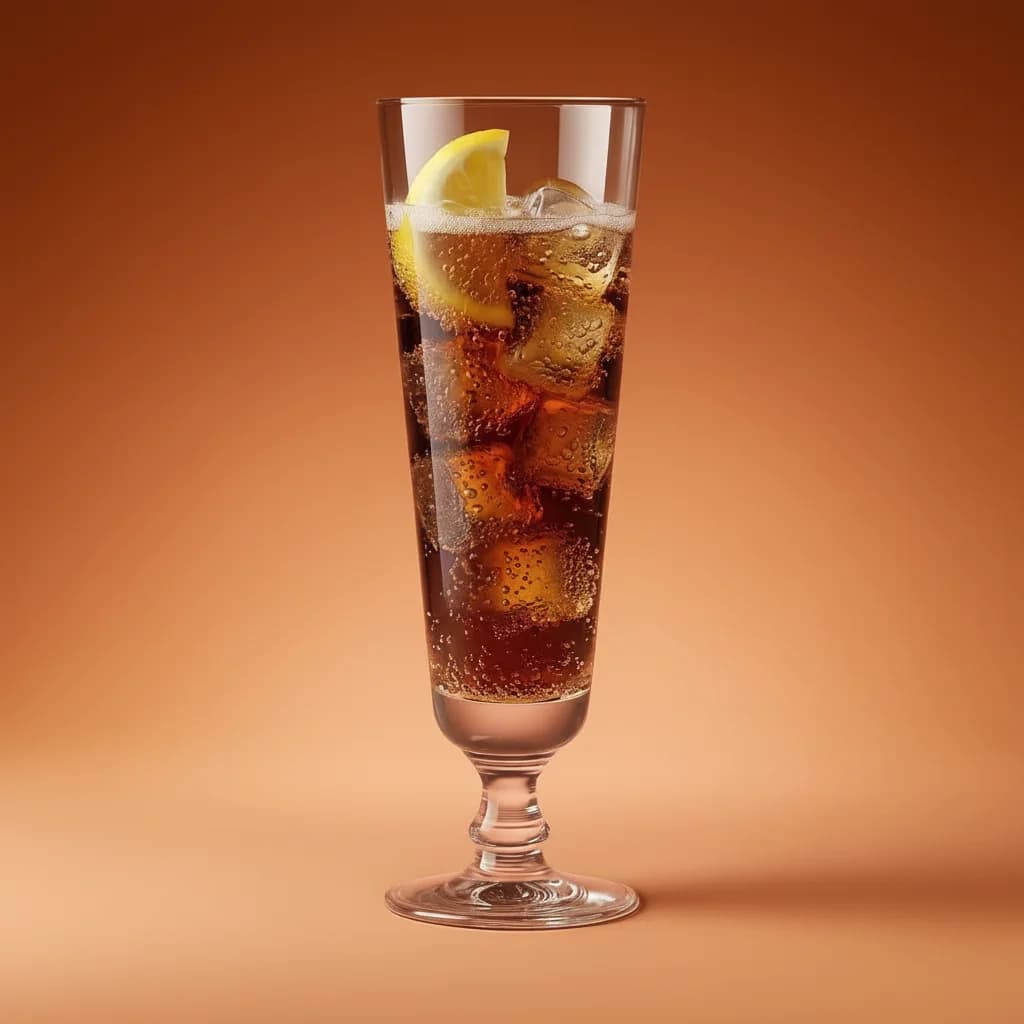
El Tomato is a muddled tequila cocktail built with cherry tomato, blood orange juice, fino sherry, lemon, and a soda topper in a highball. Savory and bright at once, ripe tomato and blood orange lead before a nutty sherry edge and a fizzy lift keep it light rather than heavy.
Ingredients
1
Servings
Garnish
Instructions for 1 serving
- Pre-chill a glass
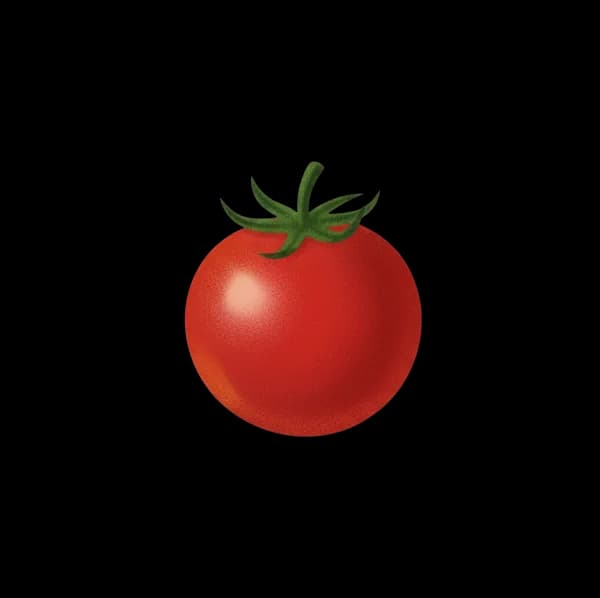
- In the base of the shaker, muddle: Cherry tomato 4 pcs
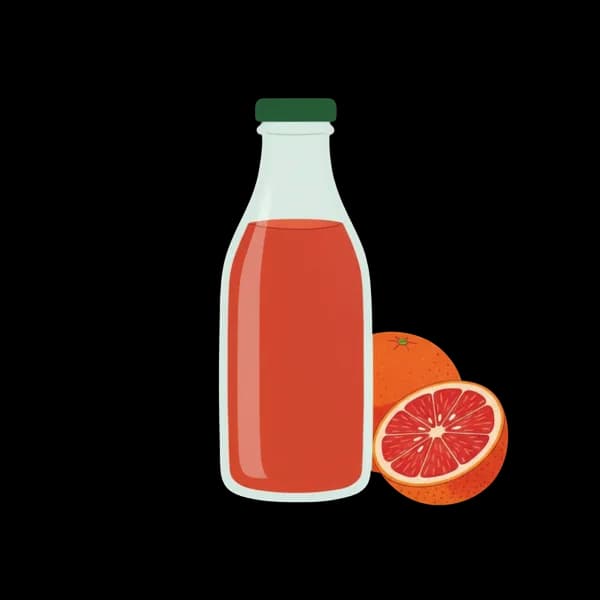
- Add the remaining ingredients: Tequila blanco 40 mlBlood orange juice 40 mlFino sherry 10 mlLemon juice 10 mlSugar syrup 10 ml
- Shake with ice
- Fine strain into the chilled glass
- Top with Soda water 20 ml
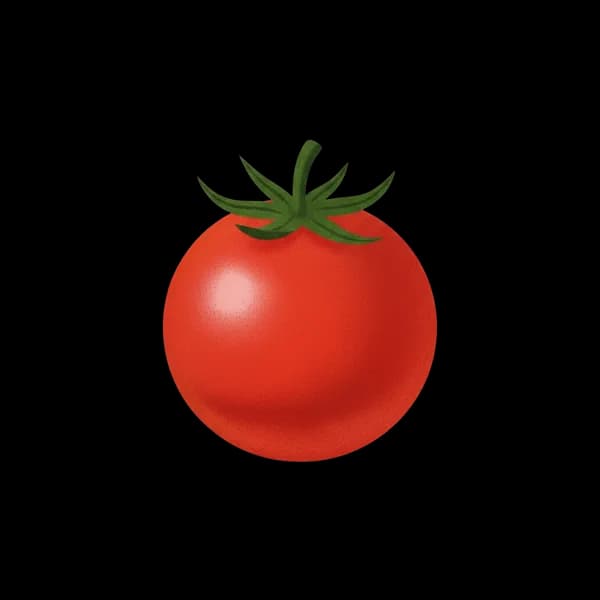
- Garnish with a cherry tomato
Tips
- Muddle the 4 cherry tomatoes gently in the base of the shaker just until skins break, over-muddling releases bitter seeds and pulp fiber that cloud the drink.
History
El Tomato is a variation on the Collins, the family of tall gin-lemon-sugar-soda drinks named for the Collins family of London bartenders. The John Collins is documented from 1869 and is traditionally traced to a headwaiter of that name at Limmer's Old House, a Mayfair hotel and coffee house active from about 1790 to 1817, while the nearly identical Tom Collins took hold in America and was first published in Harry Johnson's 1882 bartending manual, made with Old Tom gin. The two names became attached to essentially the same drink, and in 1874 a prank fad known as the Great Tom Collins Hoax, in which people convinced friends a man named Tom Collins was slandering them around town, further spread the drink's fame in the United States.
El Tomato reworks the Collins template by replacing the gin with tequila blanco and building the sour component around muddled tomato and citrus rather than lemon juice alone.
FAQ
What is in El Tomato?
Tequila blanco, muddled cherry tomato, blood orange juice, fino sherry, lemon juice, sugar syrup, and a soda water topper, shaken and served long in a highball glass. The muddled tomato and citrus give it a savory-sweet character rather than a straightforward sour.
Is El Tomato shaken or stirred?
Shaken. The muddled tomato and citrus need the aeration of a shake to blend properly; the soda water is added afterward to keep its fizz.
What glass is El Tomato served in?
A highball glass, built long over ice and garnished with a cherry tomato.
Is El Tomato healthy?
It is on the lighter side for a cocktail, at roughly 165 calories per serving and about 10.9% ABV, thanks to the soda water and fresh tomato and citrus juices diluting the tequila. It is also vegan, vegetarian, and lactose-free, since it uses no dairy or animal-derived ingredients.
What does el tomate mean?
El tomate is Spanish for "the tomato," using the masculine article el rather than la, since tomate is a masculine noun in Spanish.