
Classic Lemonade
A citrus, refreshing and bubbly cocktail ∙ Muddle ∙ 3 min ∙
Classic Lemonade is a non-alcoholic highball of muddled orange and grapefruit slices with lemon juice, sugar syrup, mint, and soda water.
Ingredients
1
Servings


Garnish
Instructions for 1 serving
- Pre-chill a glass
- In the base of the glass, muddle: Orange slice 1 pcGrapefruit slice 1 pc
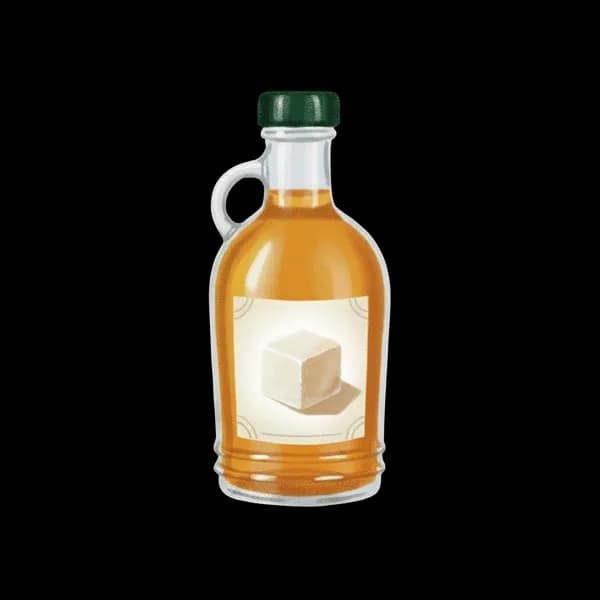
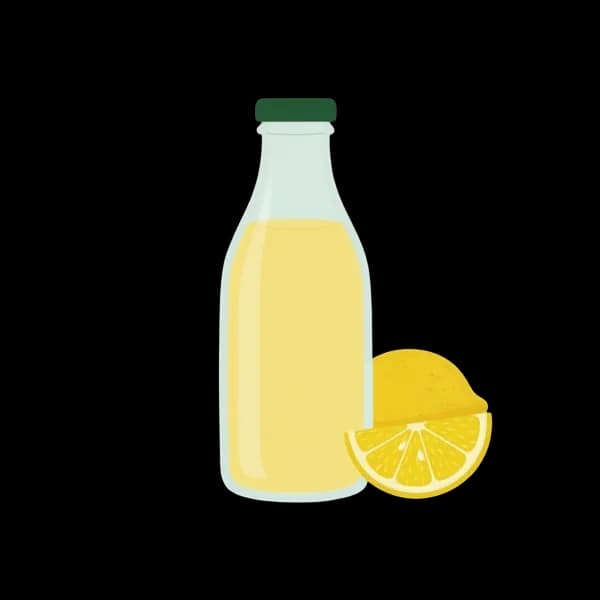
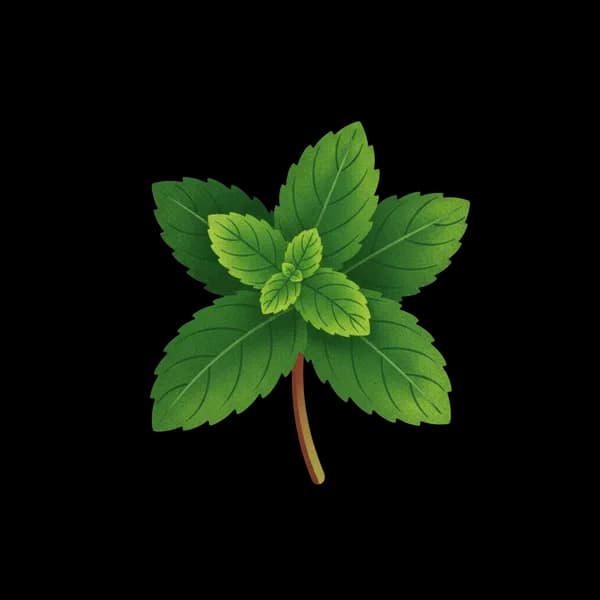
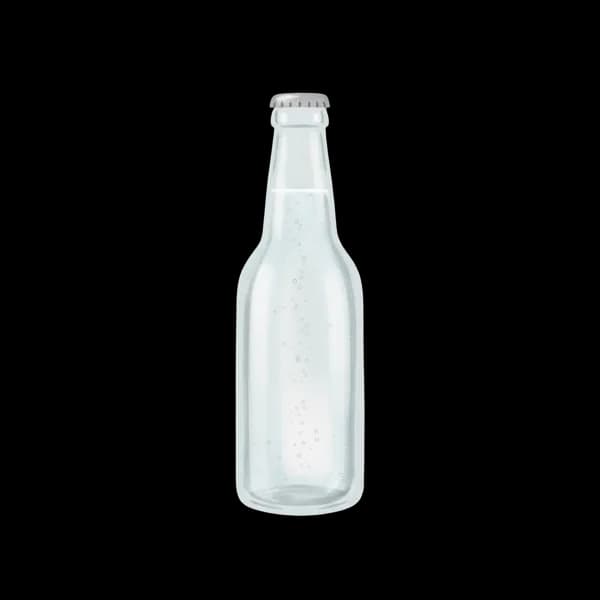
- Add the remaining ingredients: Sugar syrup 25 mlLemon juice 25 mlFresh mint leaves 7 pcsSoda water 120 ml
- Add ice
- Garnish with a mint sprig
Tips
- Muddle only the orange and grapefruit slices. Add the mint leaves whole with the syrup, lemon and soda, so they scent the drink without getting torn.
History
Lemonade's earliest documented ancestor traces to medieval Egypt, where records from 10th- to 13th-century Cairo describe qatarmizat, a drink of lemon juice and sugar made and sold by the city's Jewish community, sometimes exported abroad. The lemon itself had reached Egypt by around 700 AD, arriving from farther east, and sweetened lemon-water drinks are believed to have circulated in the Islamic world before this written evidence appears.
The drink later spread to Europe, and by the 17th century street vendors in Paris were selling it from tanks carried on their backs. The beverage became so popular in the city that in 1676 the vendors organized into a guild, the Compagnie de Limonadiers, granted a monopoly on selling the drink there. From this Parisian trade, lemonade spread across continental Europe and eventually to England and North America, evolving into the simple lemon juice, sugar, and water preparation known today. This recipe adds mint and muddled orange and grapefruit slices to the lemon juice, syrup, and soda water.
FAQ
How do you make a classic lemonade?
Muddle an orange slice and a grapefruit slice in a highball glass. Add 25 ml sugar syrup, 25 ml lemon juice, 7 whole mint leaves and 120 ml soda water, then add ice and garnish with a mint sprig. Leave the mint unmuddled so it scents the drink without tearing.
What is in a classic lemonade?
Lemon juice and sugar syrup topped with soda water, with fresh mint leaves and muddled orange and grapefruit slices. It contains no alcohol.
Is a classic lemonade shaken or stirred?
Neither. The orange and grapefruit slices are muddled in the glass and the rest is poured on top, so the soda keeps its fizz.
What glass is a classic lemonade served in?
A highball glass with ice, garnished with a mint sprig.
Is classic lemonade suitable for vegans or people avoiding gluten?
Yes, this recipe is vegan, vegetarian, lactose-free, and gluten-free, and it contains no alcohol, at around 100 calories per serving.