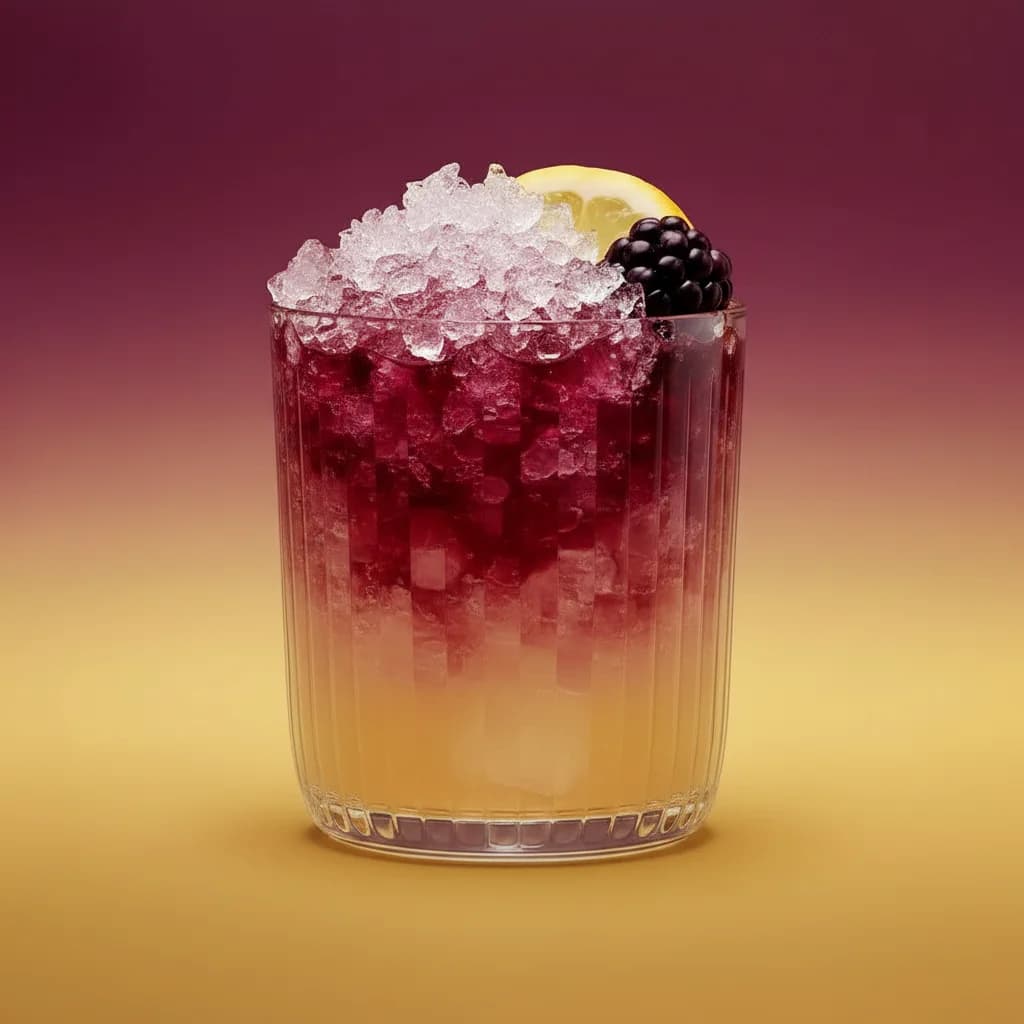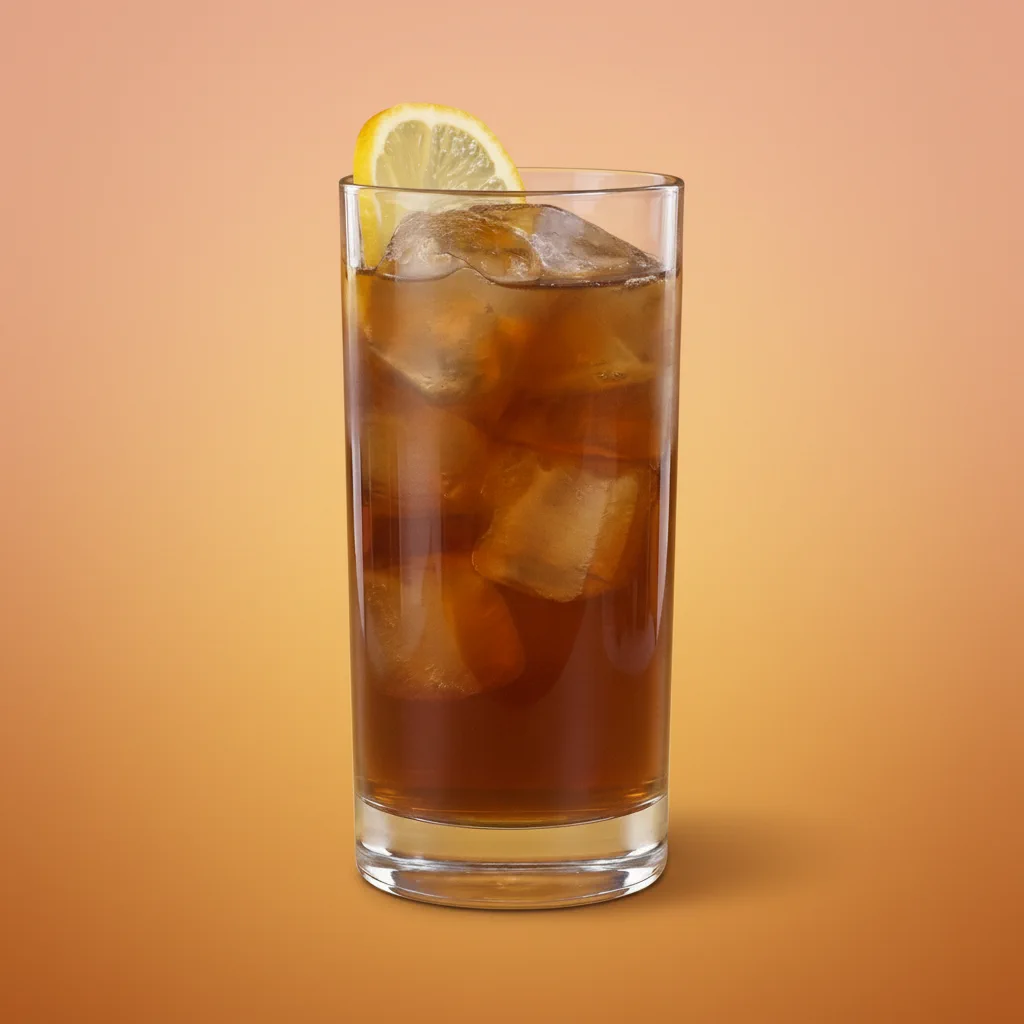
Long Island Iced Tea
Stir ∙ 3 min ∙ 15% ABV ∙
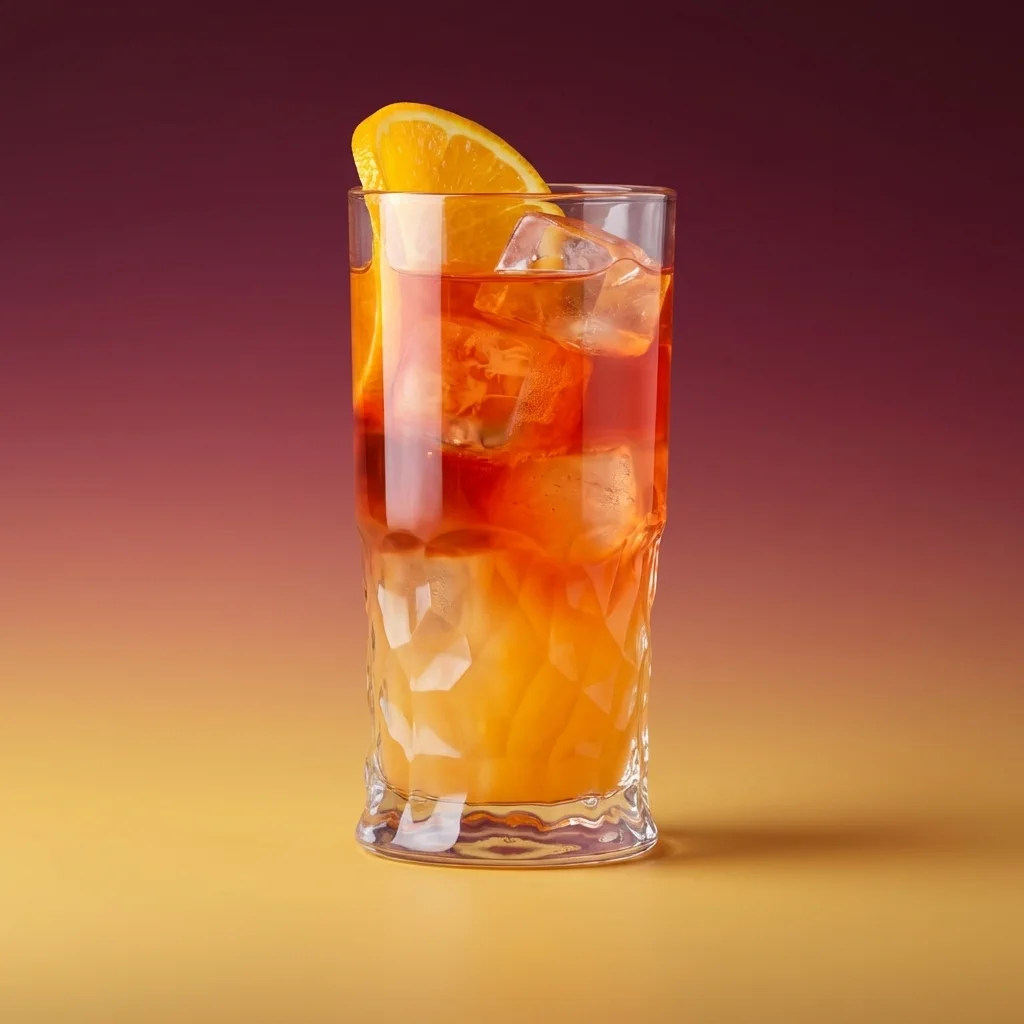
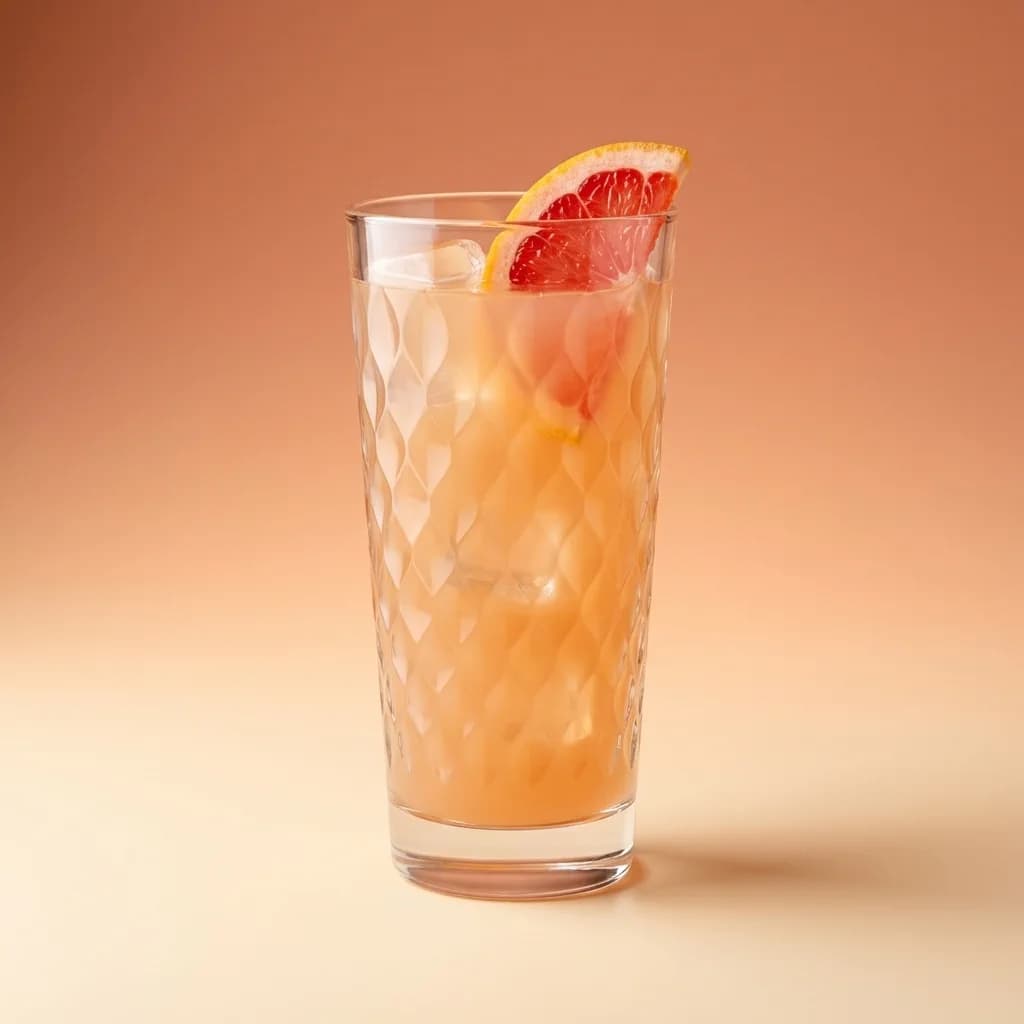
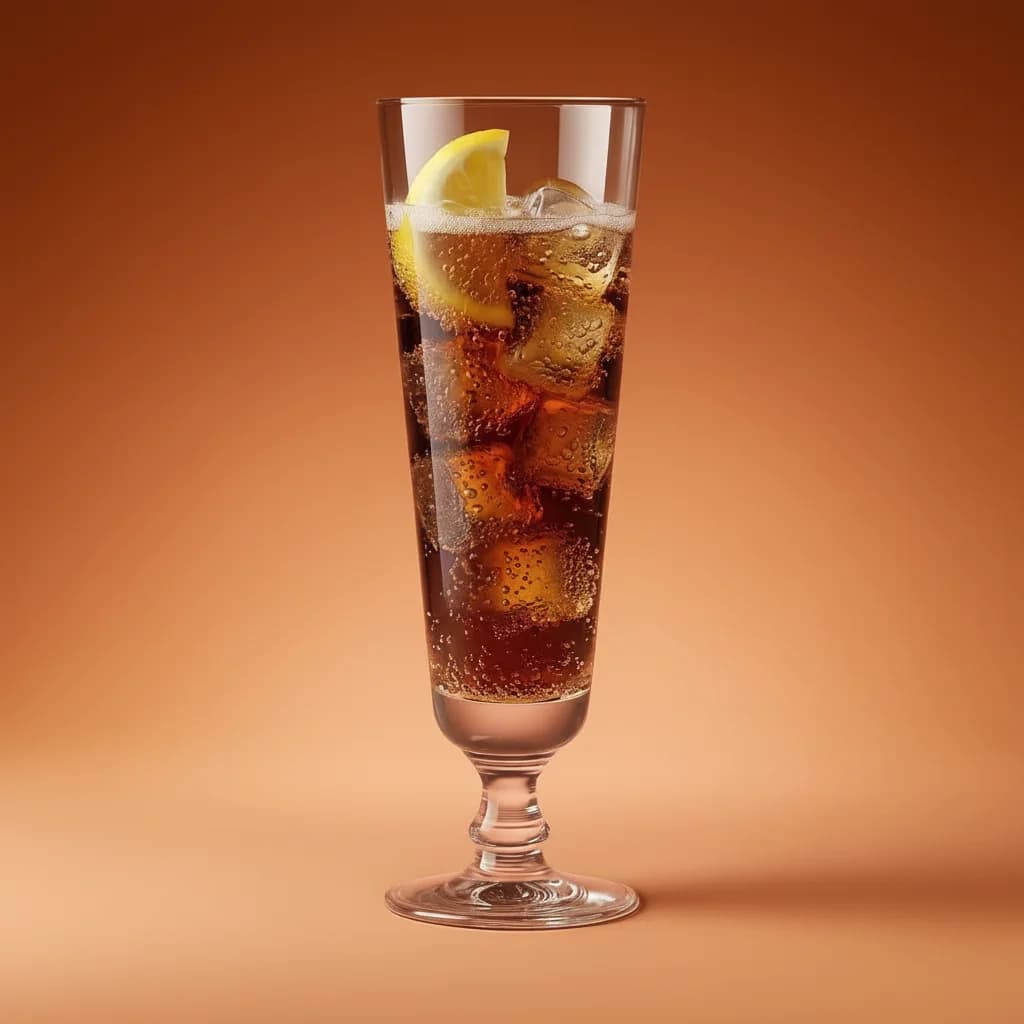
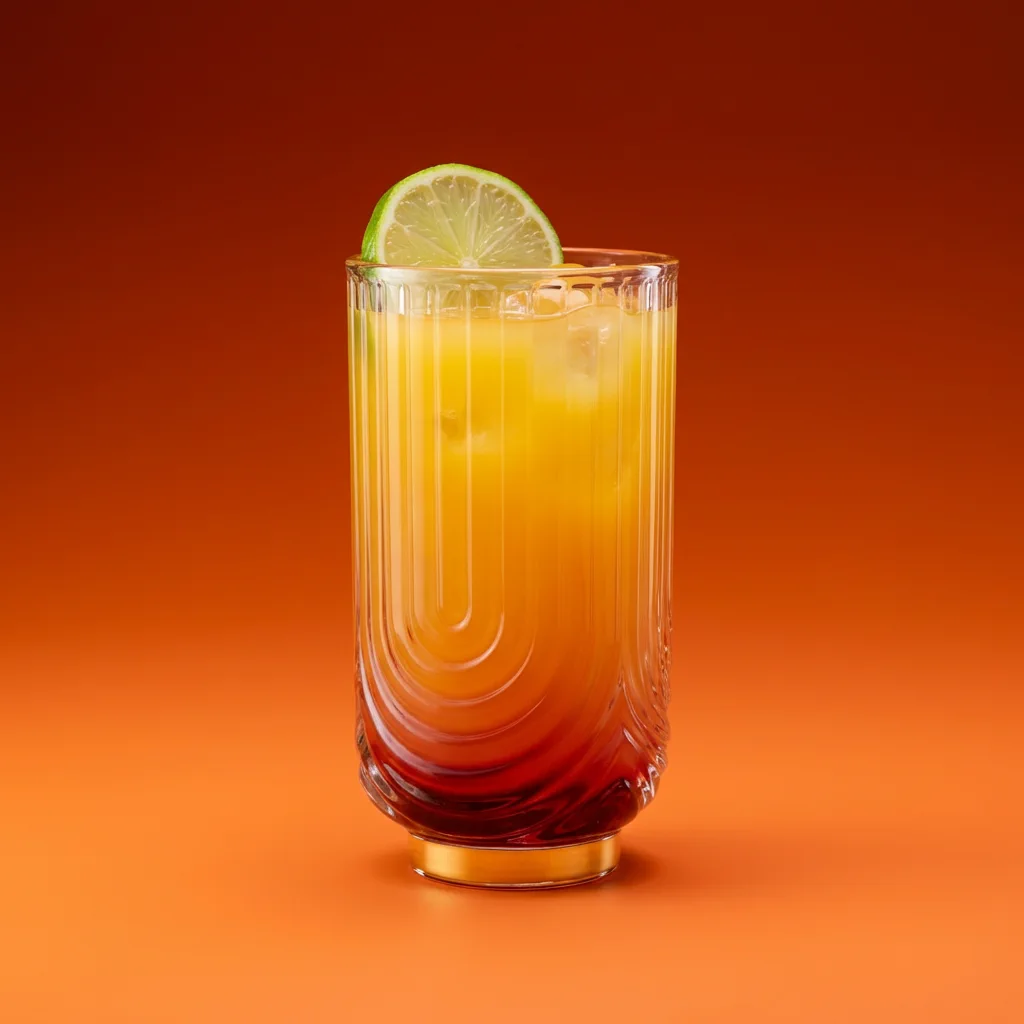
The Long Island Iced Tea is a highball built from vodka, tequila, rum, gin, and orange curaçao, lengthened with lemon juice, sugar syrup, and cola. Four spirits blur into one warm backbone under a tart lemon edge, while the cola adds just enough caramel color and fizz to soften the finish.
Ingredients
1
Servings
Garnish
Instructions for 1 serving
- Pre-chill a glass
- Add all ingredients into the highball glass filled with ice: Vodka 15 mlTequila blanco 15 mlWhite rum 15 mlLondon dry gin 15 mlOrange curaçao liqueur 15 mlLemon juice 25 mlSugar syrup 30 mlCola 50 ml
- Stir gently
- Strain into the chilled glass
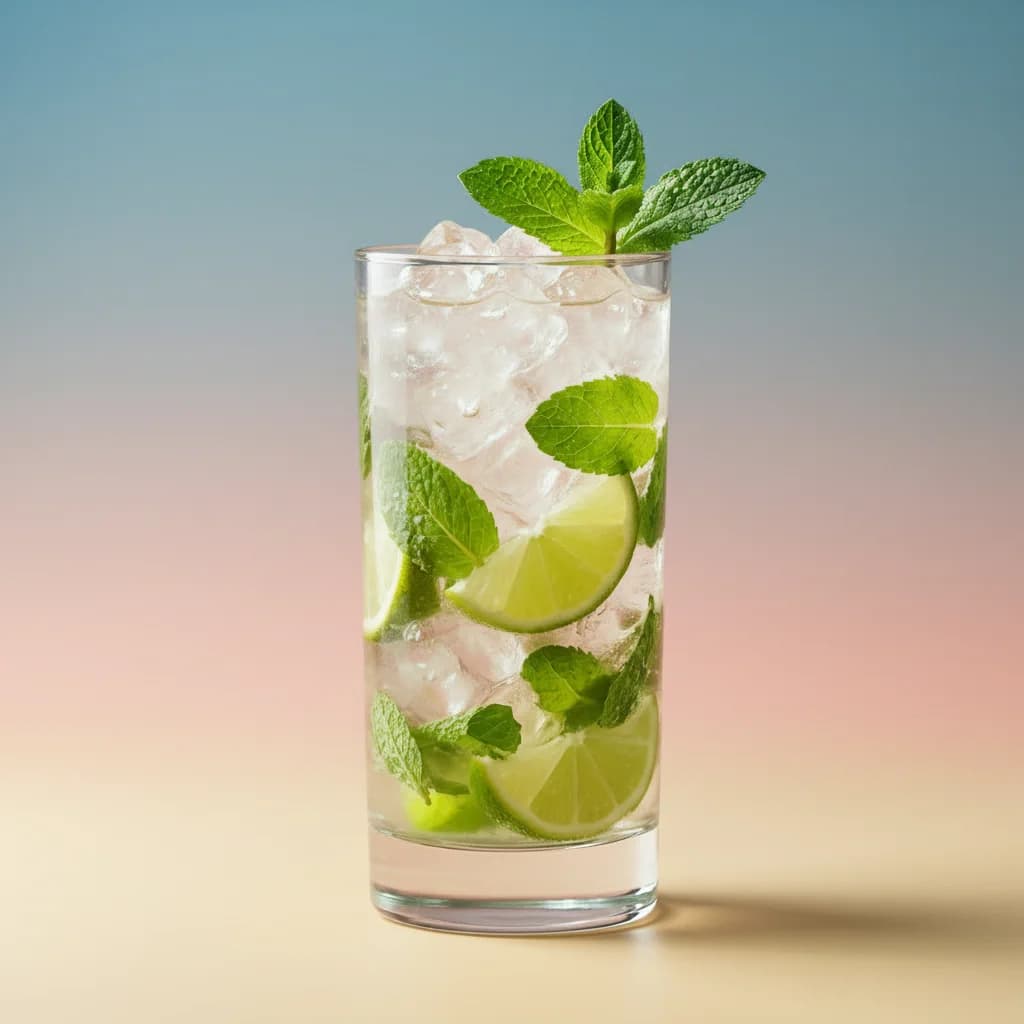
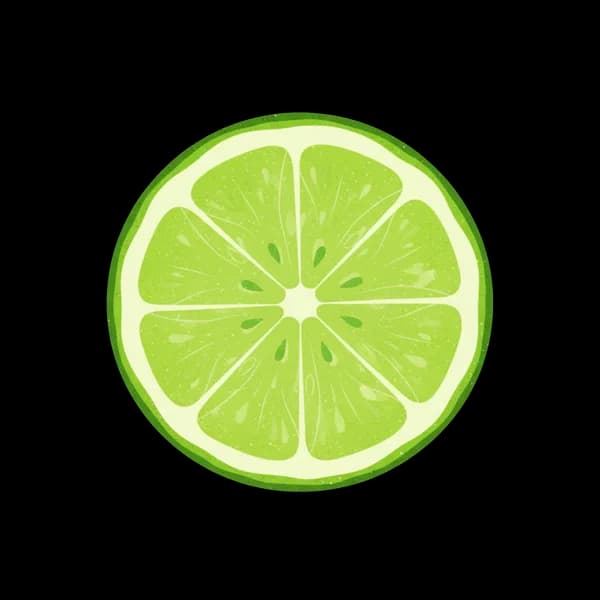
- Garnish with a lime wheel (opt.)
Tips
- Cola is the largest single pour here at 50 ml — measure it rather than free-pouring, since it sets both the sweetness and the tea-dark color.
- Measure the lemon juice and syrup carefully; too little and the four spirits taste harsh and hot.
History
The Long Island Iced Tea is most often credited to bartender Robert "Rosebud" Butt, who says he created it in 1972 at the Oak Beach Inn at Oak Beach, on Long Island, New York, as his entry in a bar contest that required using triple sec. His winning mix combined equal parts vodka, gin, white rum, tequila, and triple sec with sour mix and a splash of cola for color. The bar's owner, Robert Matherson, later corroborated Butt's account in his 1998 book Scandal at the Oak Beach Inn.
A rival story credits an earlier version to a Prohibition-era bootlegger known as "Old Man" Bishop in a community called Long Island in Kingsport, Tennessee, said to date to the 1920s and later modified by his son Ransom in the 1940s with the addition of cola and citrus; this account is undocumented and disputed by cocktail historians. Some sources claim a "Long Island Iced Tea" recipe appeared in Betty Crocker's New Picture Cook Book in 1961, though no such recipe has actually been found in the book despite the claim's wide repetition.
The drink takes its name not from actual tea but from its amber color, which resembles iced tea despite containing none.
FAQ
What is in a Long Island Iced Tea?
Vodka, tequila, white rum, gin, and orange curaçao, lengthened with fresh lemon juice, sugar syrup, and cola. It is stirred over ice and strained into a chilled highball glass, giving it a cola-dark color despite having no tea in it at all.
How do you make a Long Island Iced Tea?
Add the vodka, tequila, rum, gin, orange curaçao, lemon juice, sugar syrup, and cola to a highball glass full of ice. Stir gently to combine and chill, then strain into a fresh chilled glass and garnish with a lime wheel.
Is a Long Island Iced Tea the strongest cocktail?
No, this is a popular myth. In terms of alcohol by volume (ABV), a Long Island Iced Tea is actually middle-of-the-road, sitting at around 15–18%. For comparison, classic "short" cocktails like a Dry Martini or Negroni are much stronger (25–30% ABV) because they aren't diluted with non-alcoholic mixers.
The Long Island owes its "strongest cocktail" reputation to its deceptiveness rather than its proof. The recipe combines five different spirits (vodka, rum, gin, tequila, and triple sec), resulting in a massive base dose of alcohol in a single glass. However, thanks to the balance of sugar, citrus juice, and cola, the taste of the alcohol is completely masked. It goes down as easily and quickly as a regular iced tea, meaning a heavy dose of alcohol hits your system before you even realize it.
Will one Long Island Iced Tea get me drunk?
It depends on your alcohol tolerance and body weight, but for most people, the answer is yes—or at the very least, you will feel a significant buzz.