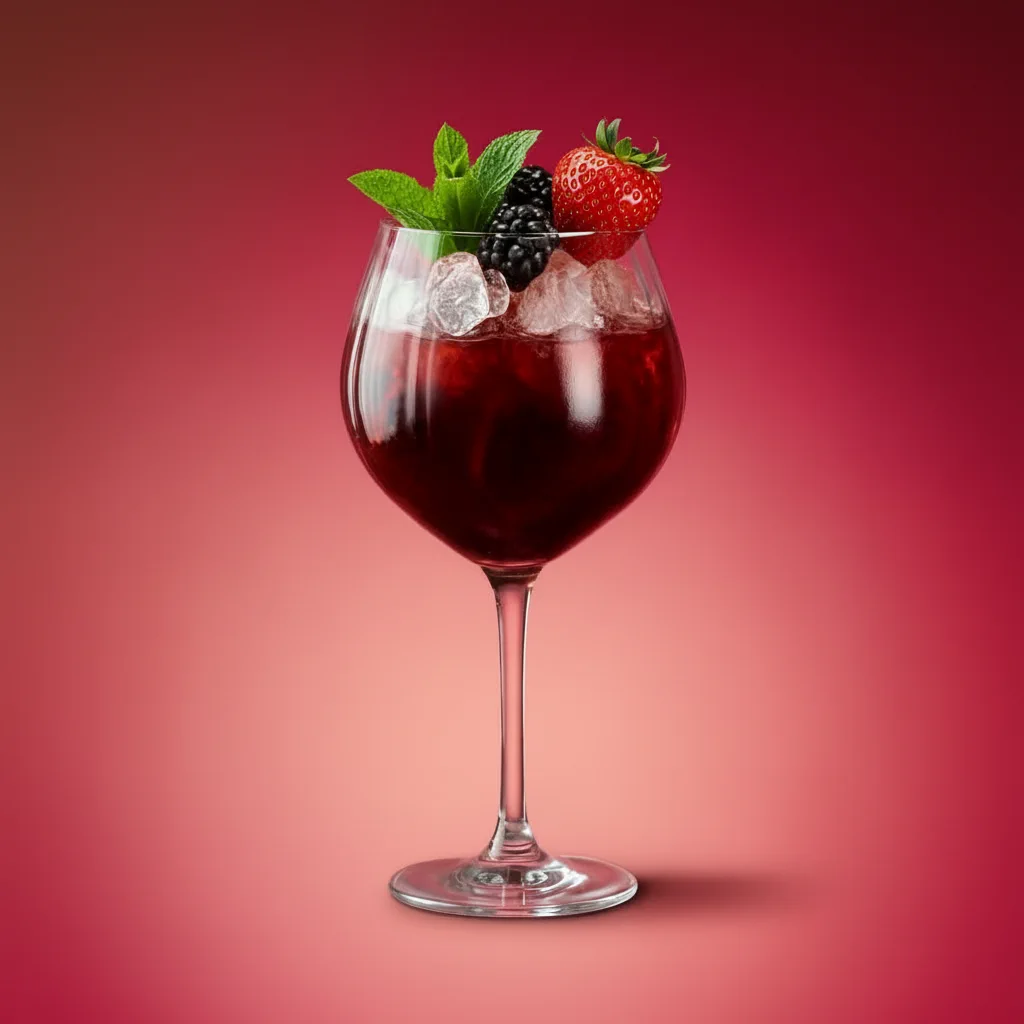
Sangria
Stir ∙ 3 min ∙ 10.4% ABV ∙
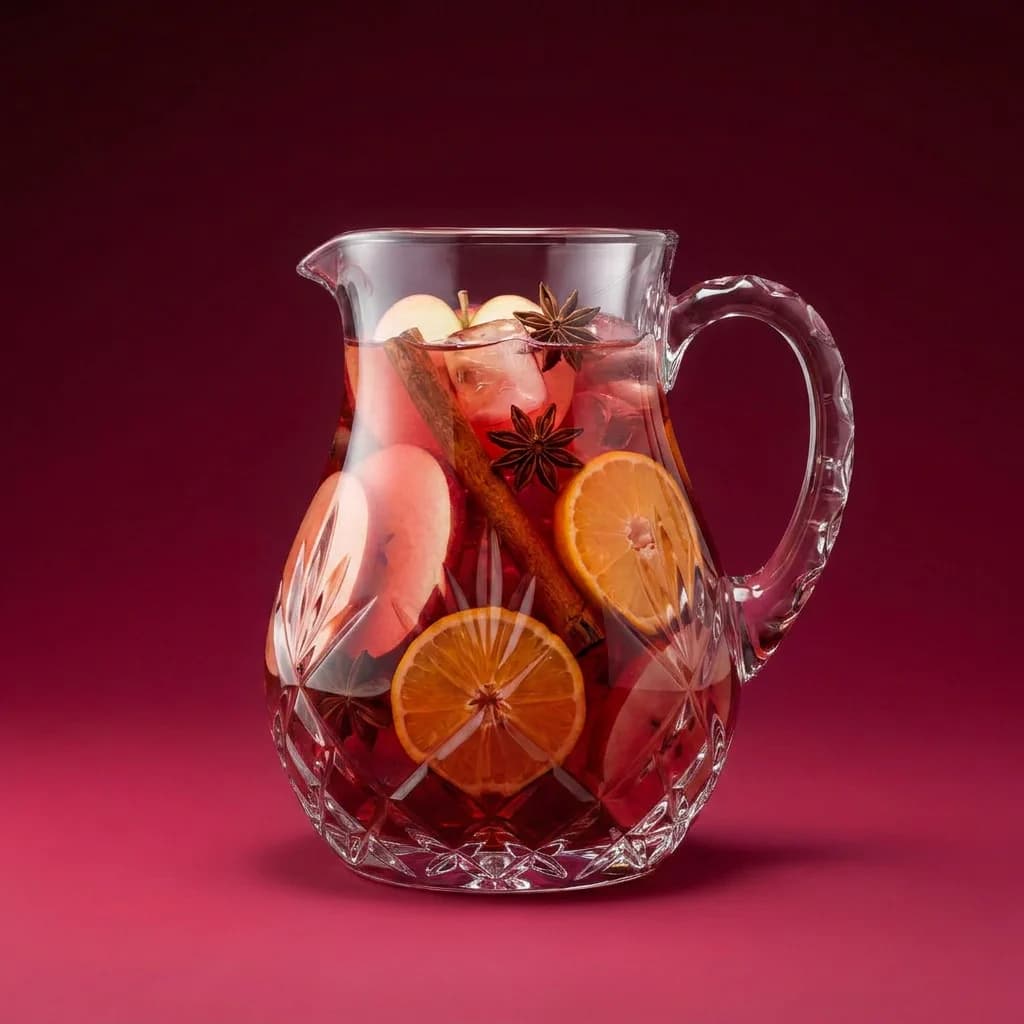
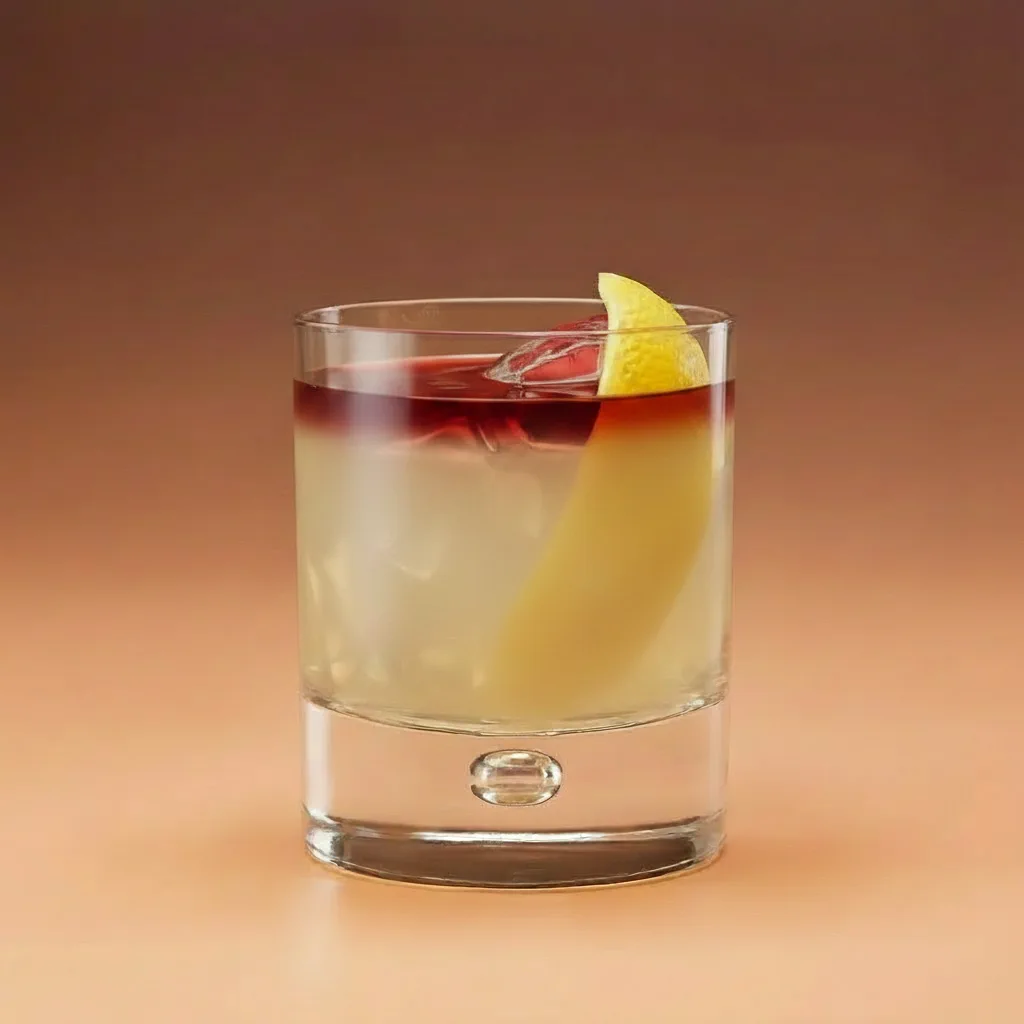
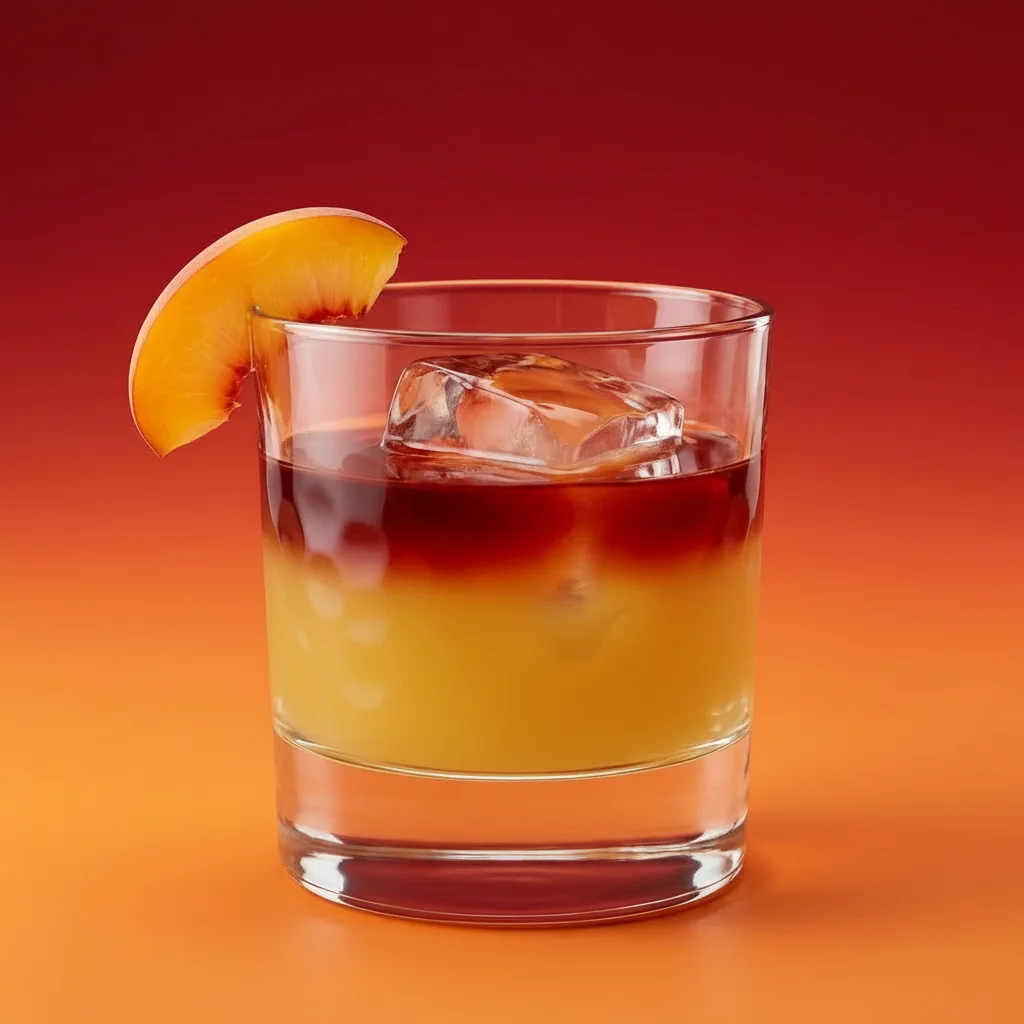
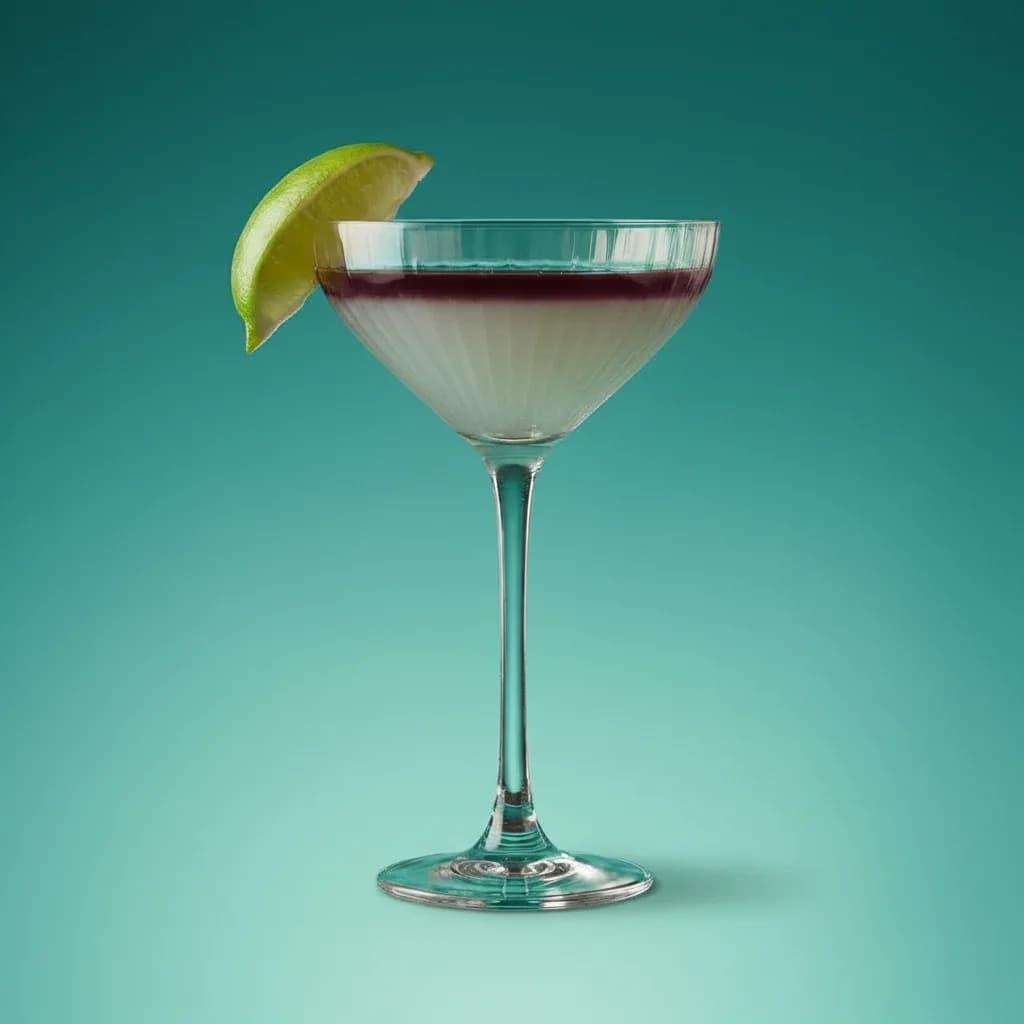
Sangria is a Spanish red wine punch built with brandy, orange liqueur, citrus juice, and a touch of sweetener, served chilled and topped with soda. Fruit-forward and lightly fizzy, a warming spice thread and soft sweetness lingering behind a crisp, wine-laced finish.
Ingredients
1
Servings

Garnish


Instructions for 1 serving
- Pre-chill a glass
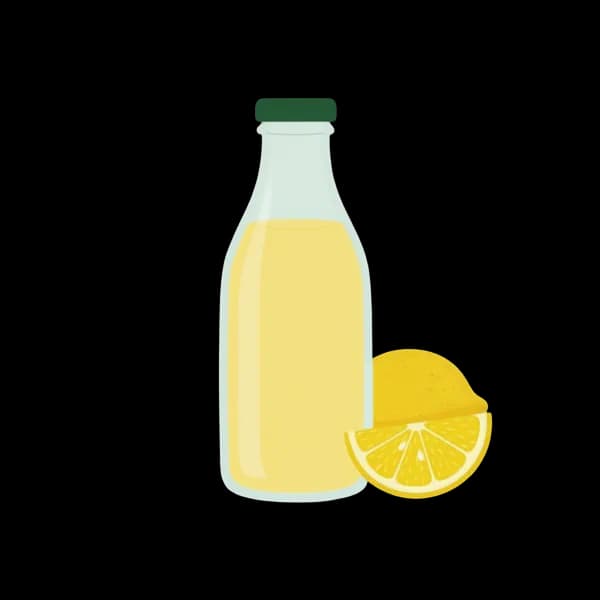
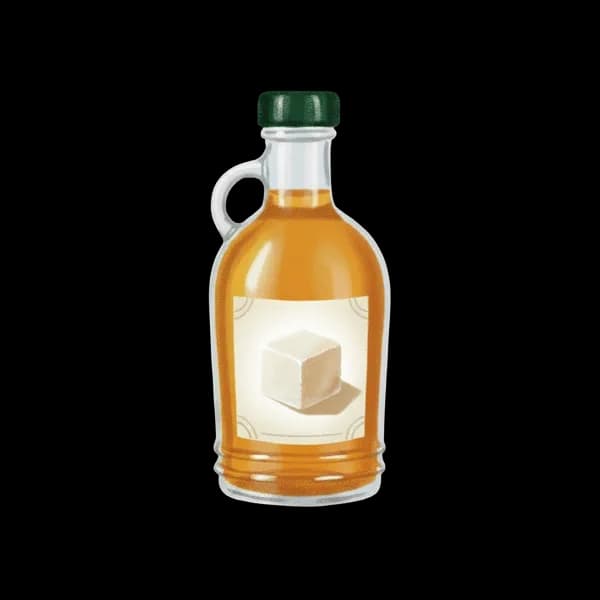
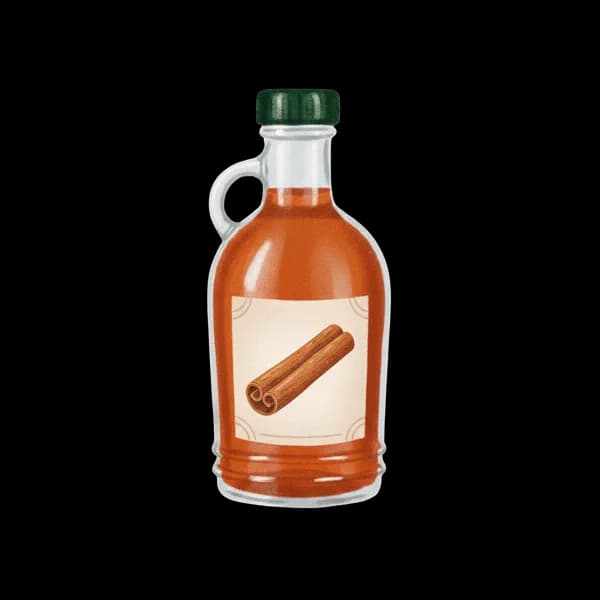
- Stir the first 7 ingredients with ice: Spanish brandy 15 mlOrange curaçao liqueur 15 mlRed wine 90 mlOrange juice 30 mlLemon juice 10 mlSugar syrup 5 mlCinnamon syrup 5 ml
- Strain into the ice-filled glass
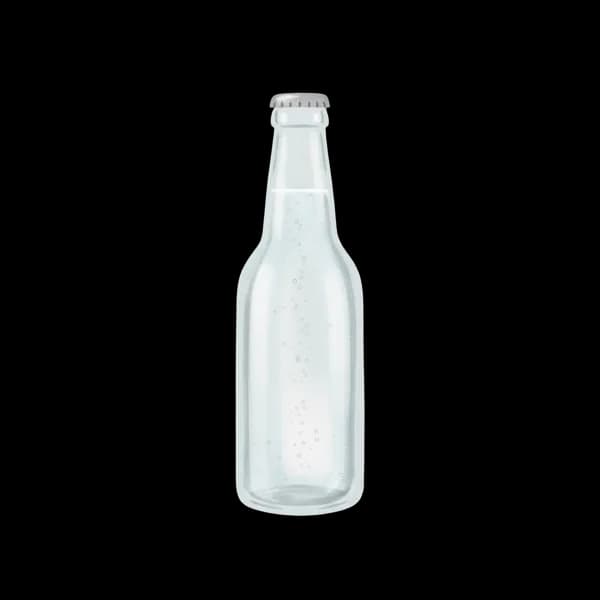
- Top with Soda water
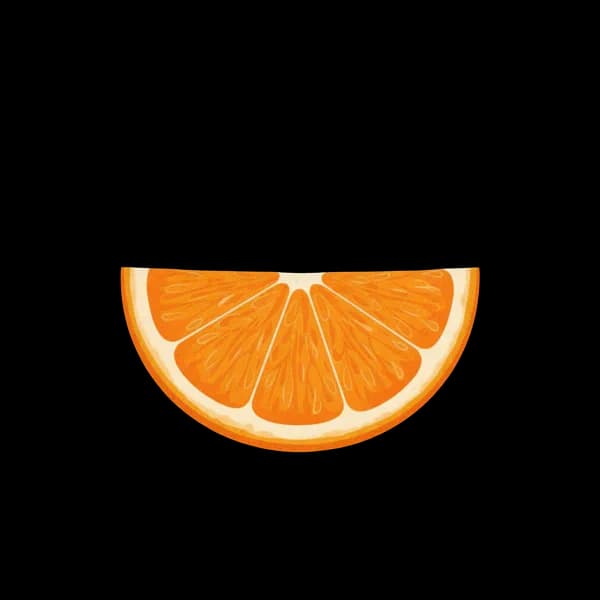
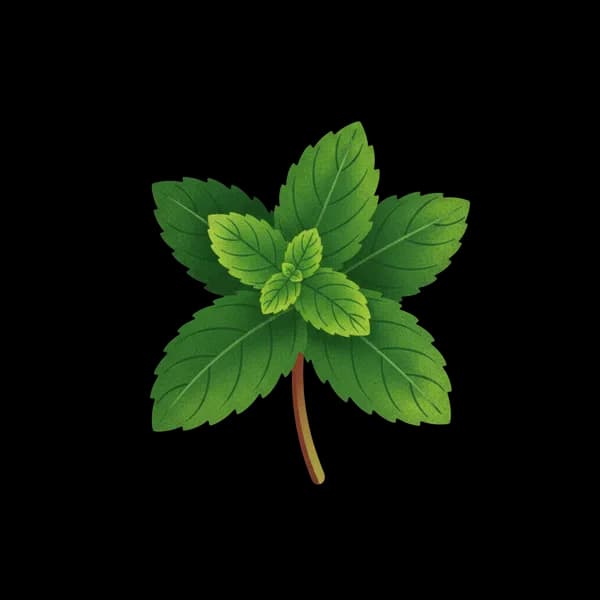
- Garnish with strawberries, orange slices, lemon slices and mint sprigs
Tips
- Slice the strawberries, orange, and lemon thin and drop them in right before serving so the fruit stays fresh rather than waterlogged.
- Use a dry, fruit-forward red wine rather than an oaky one — the cinnamon syrup and citrus need a base that won't turn muddy.
History
Sangria's name comes from the Spanish and Portuguese sangre, or "blood," a reference to the deep red color of the wine at its base; the term for the drink is traceable to the 18th century. Its roots go further back to the Kingdom of León in the Middle Ages, where a precursor called Leonese lemonade combined wine with oranges, lemons, sugar, and spices, part of a broader European habit of cutting wine with fruit and sweeteners that also produced hippocras and English claret cup. The sangria cocktail proper is documented from at least the early 19th century in Spain and Portugal.
A related but distinct drink, sangaree, likely originated in the Caribbean and was carried to colonial America, where it was common before largely dying out by the early 20th century. Sangria itself was reintroduced to the United States as an iced drink by Hispanic Americans and Spanish restaurants by the late 1940s, then reached mass popularity after Spain's pavilion served it to fairgoers at the 1964 New York World's Fair. Under European Union regulation adopted in 2014, the name sangria is legally reserved for wine punch produced in Spain or Portugal.
FAQ
What is a sangria cocktail?
Sangria is a Spanish punch built on red wine, chilled and stirred with brandy, orange liqueur, citrus juice, and a spiced syrup, then topped with soda for a light fizz and served over ice with fresh fruit garnish.
How do you make a sangria cocktail?
Stir the red wine, Spanish brandy, orange curaçao, orange juice, lemon juice, sugar syrup, and cinnamon syrup with ice, then strain into an ice-filled wine glass. Top with soda water and garnish with strawberries, orange and lemon slices, and mint sprigs.
What ingredients are in sangria?
This sangria combines Spanish brandy, orange curaçao liqueur, red wine, orange juice, lemon juice, sugar syrup, and cinnamon syrup, topped with soda water. It's finished with strawberries, orange and lemon slices, and mint sprigs.
What alcohol is best for sangria?
A dry, fruity red wine forms the base here, stirred with Spanish brandy and orange curaçao so the brandy adds depth while the curaçao lends citrus-forward sweetness.
Is sangria very alcoholic?
No, this sangria comes in at about 10.4% ABV, which is lighter than most spirit-based cocktails. The soda water top and generous ice dilute it further, making it a lower-strength, easy-drinking punch.
What is the secret to a good sangria?
Balance is the secret: enough citrus and sweetener to brighten a dry red wine without masking it, plus a splash of brandy and orange liqueur for depth. Chilling the mix thoroughly with ice before adding the soda water keeps it crisp rather than watered down.
What are the common mistakes when making sangria?
The most common mistake is stirring the soda water in with the rest instead of topping it at the end, which flattens the fizz; using a red wine that's too oaky or sweet is another, since it clashes with the citrus and cinnamon syrup.
What fruit is best in sangria?
Strawberries, orange slices, and lemon slices are the fruits used in this sangria, along with mint sprigs for aroma. Slicing the fruit thin and adding it just before serving keeps it fresh and lets it steep briefly in the wine without turning mushy.