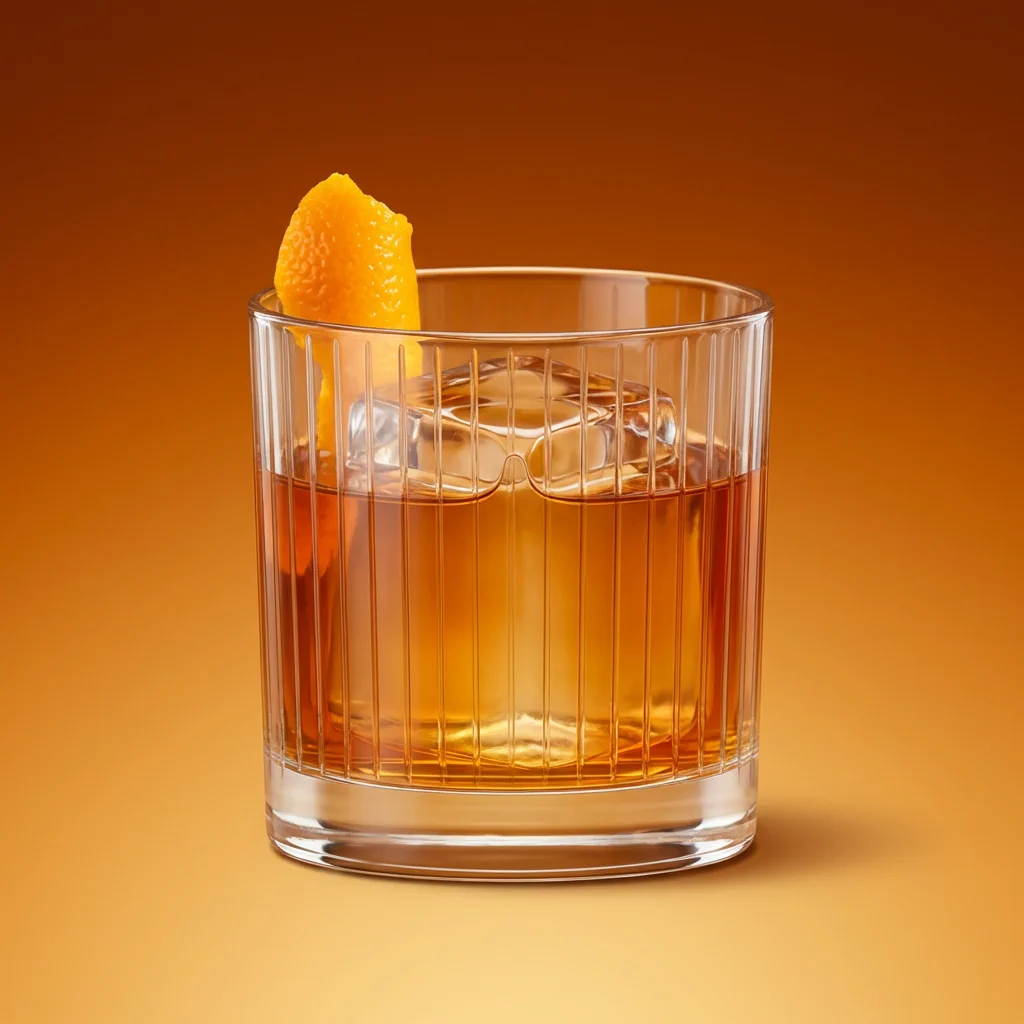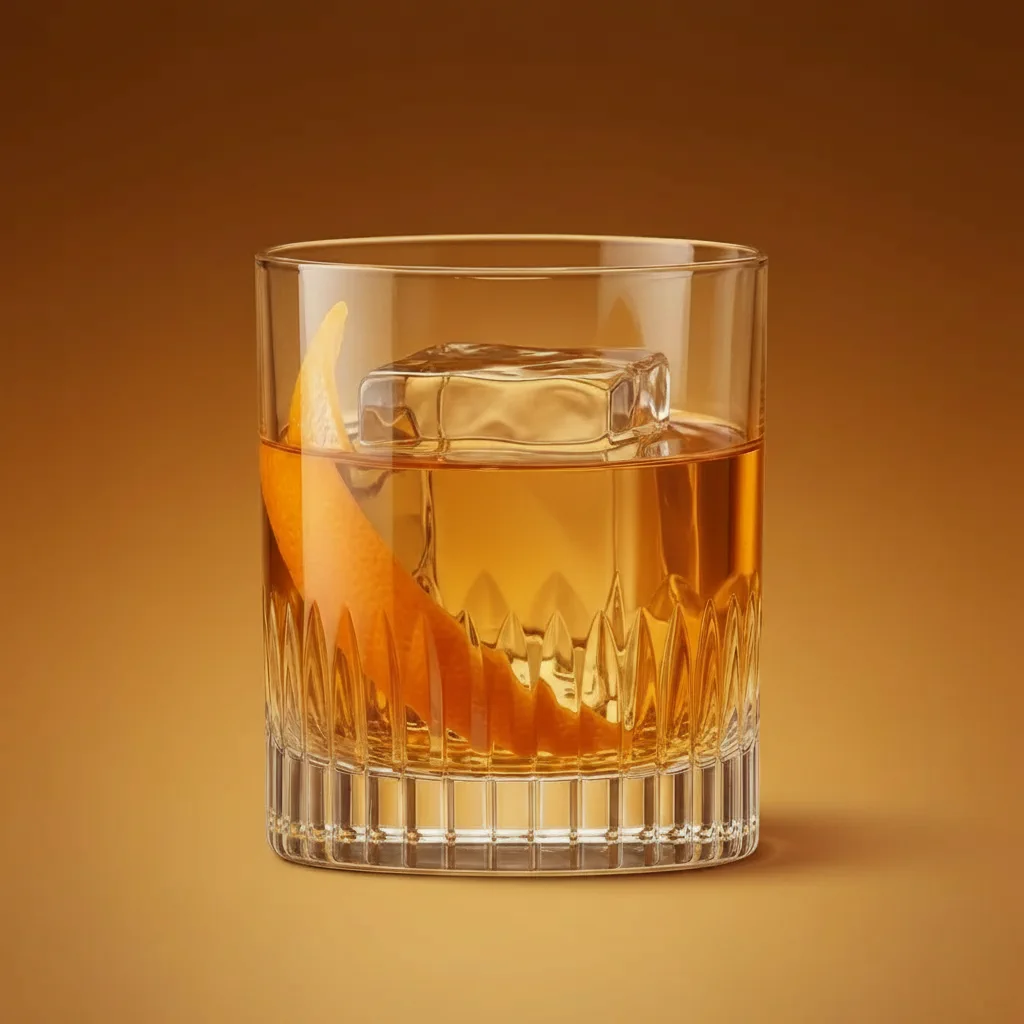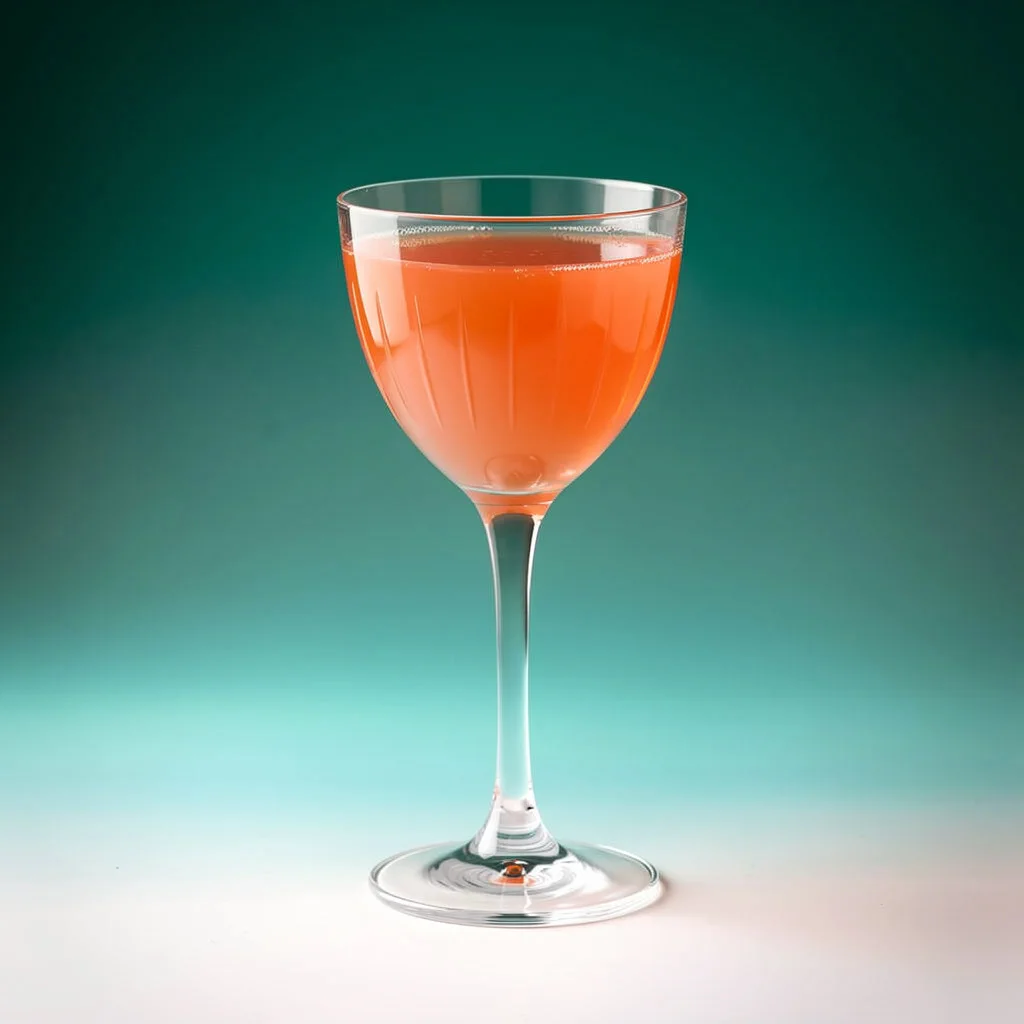
New York Stone Sour
A fruity and sour whiskey cocktail ∙ Shake ∙ 3 min ∙ 16.5% ABV ∙
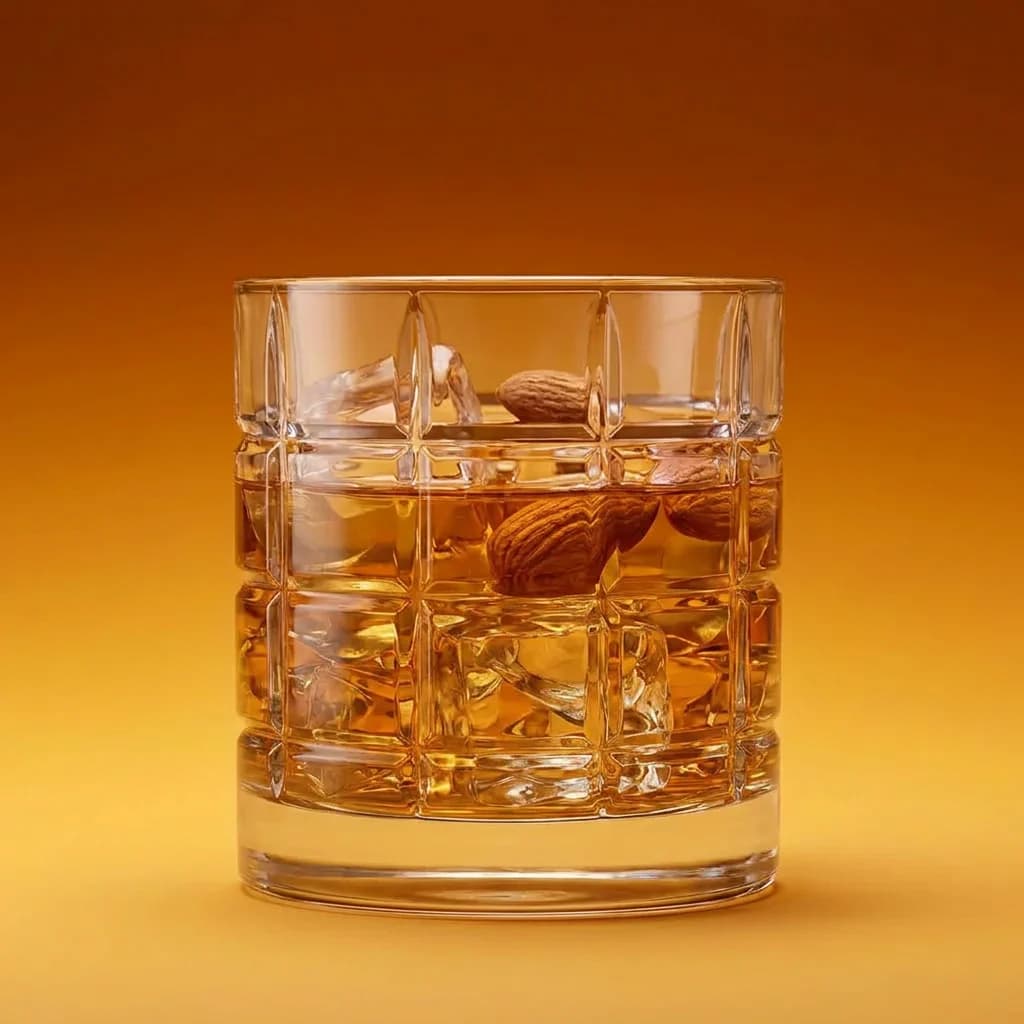
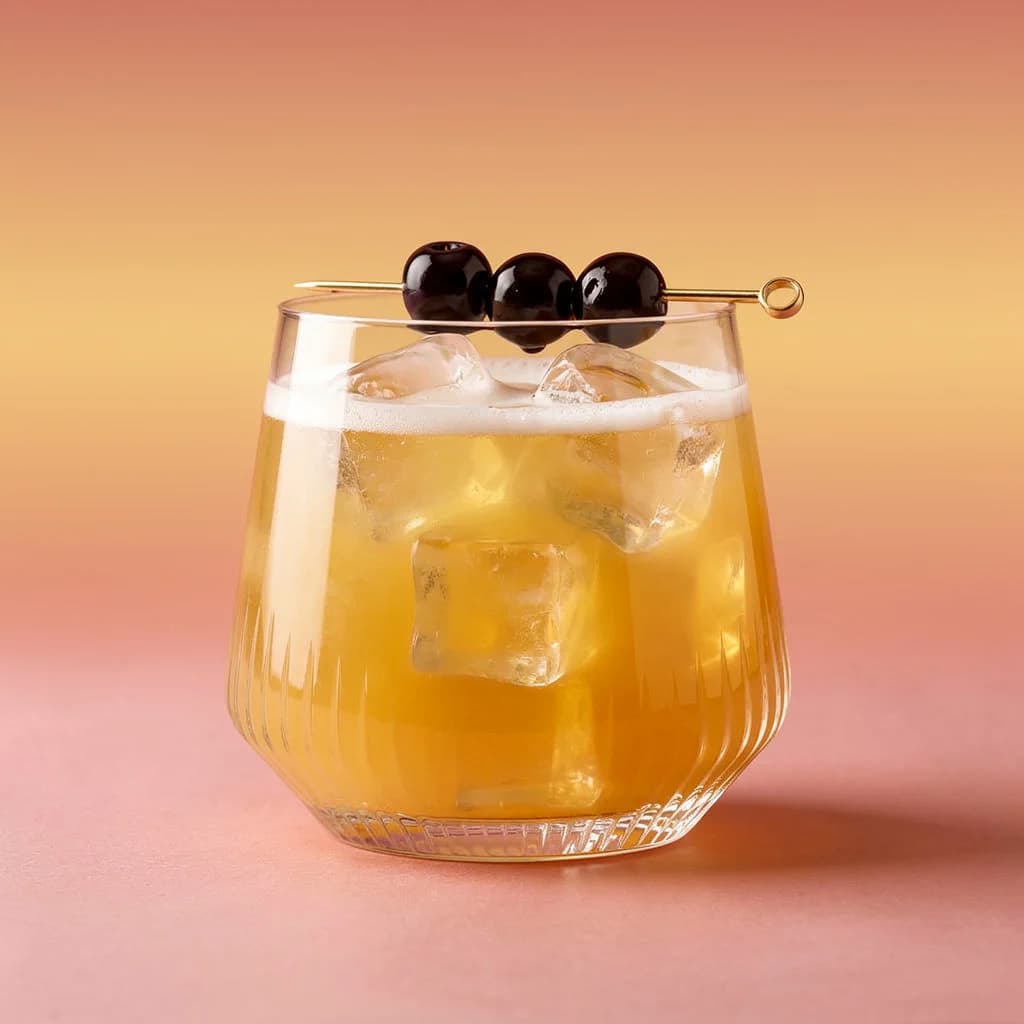
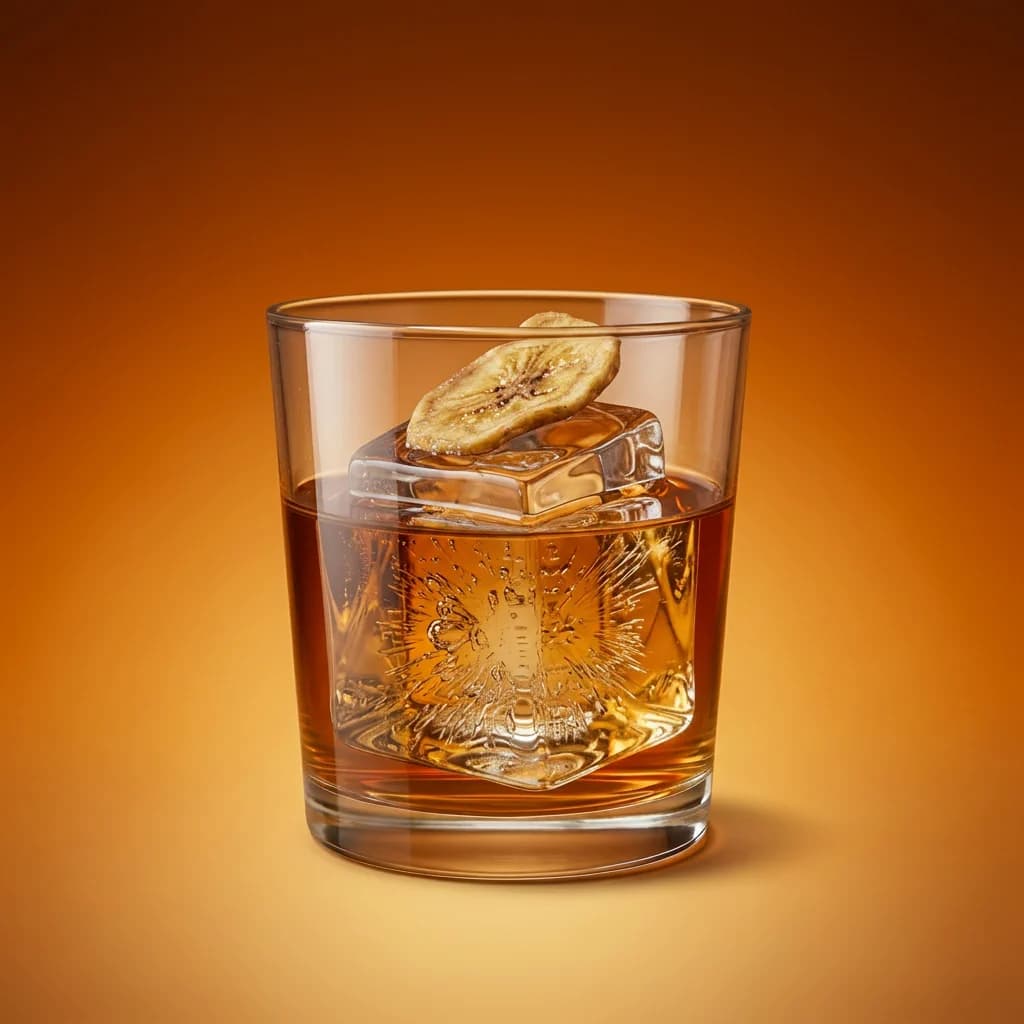
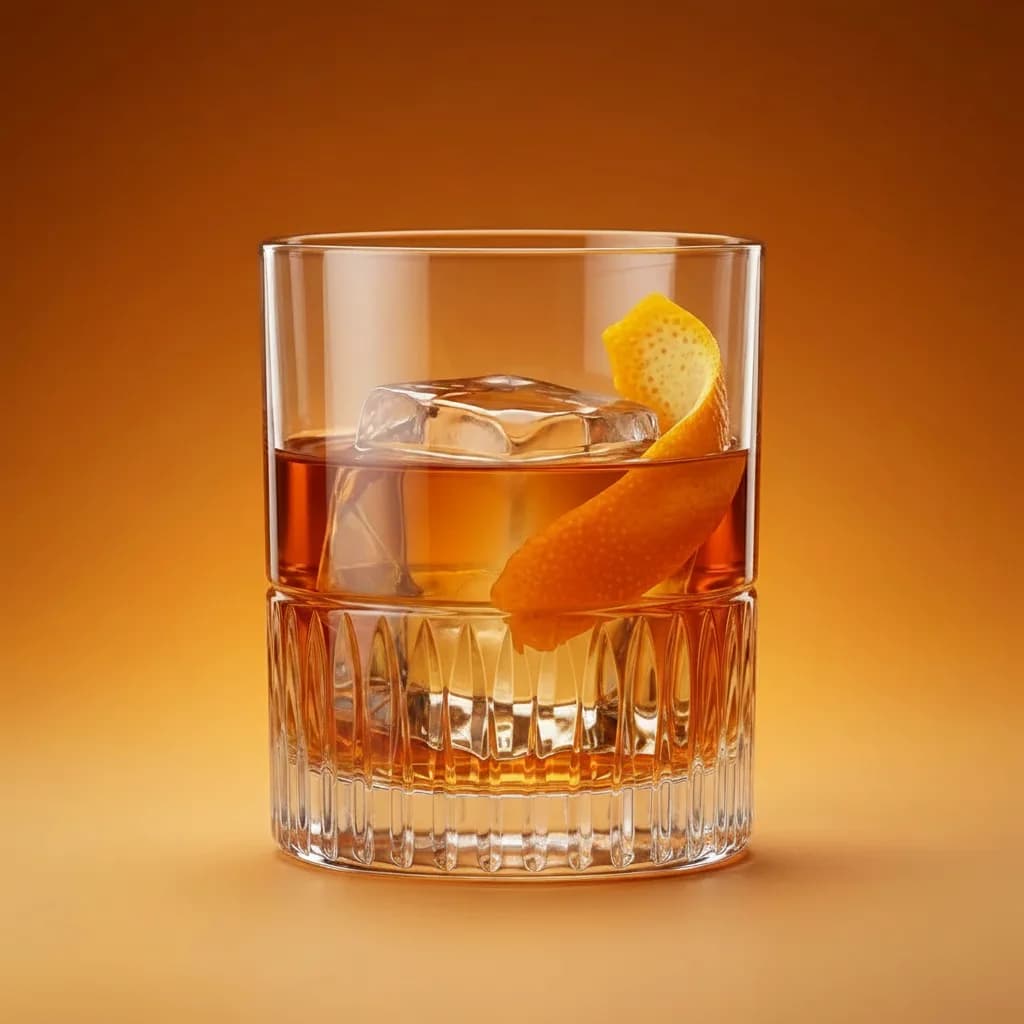
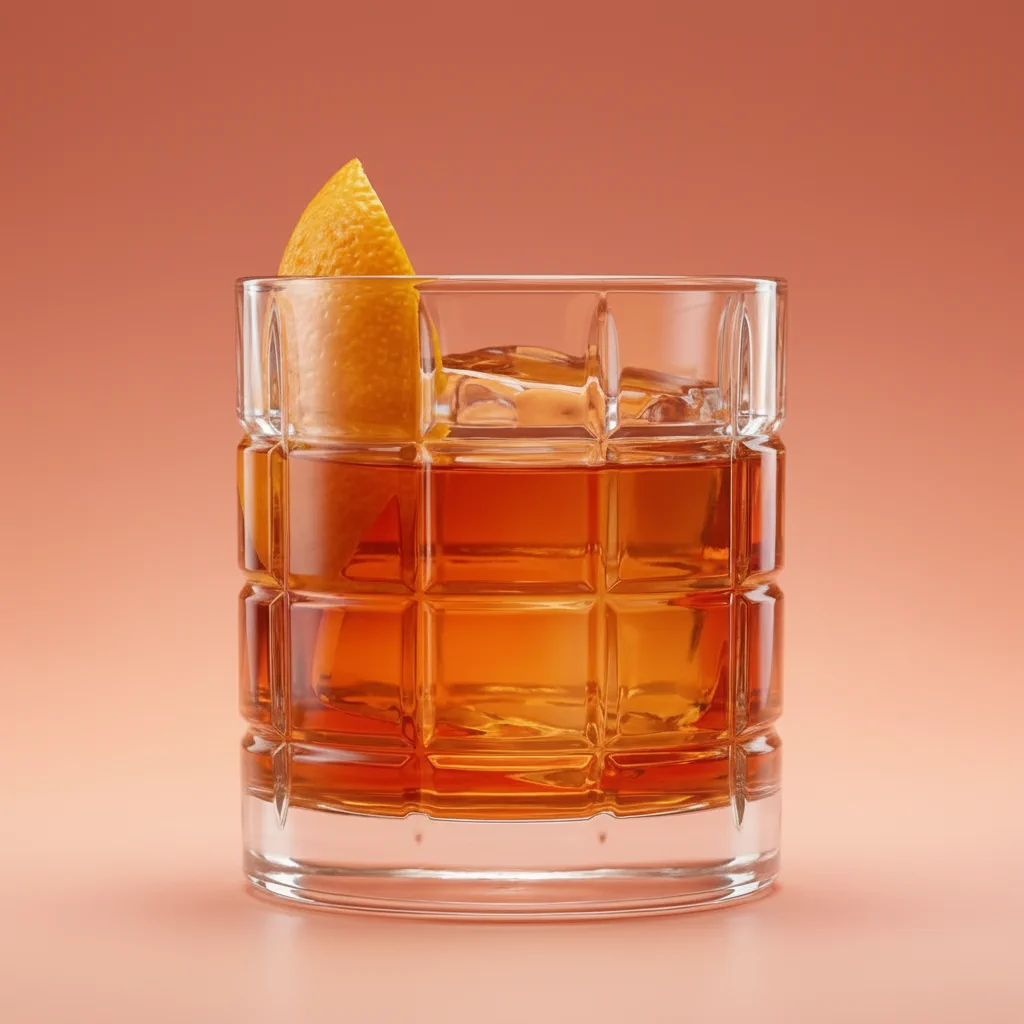
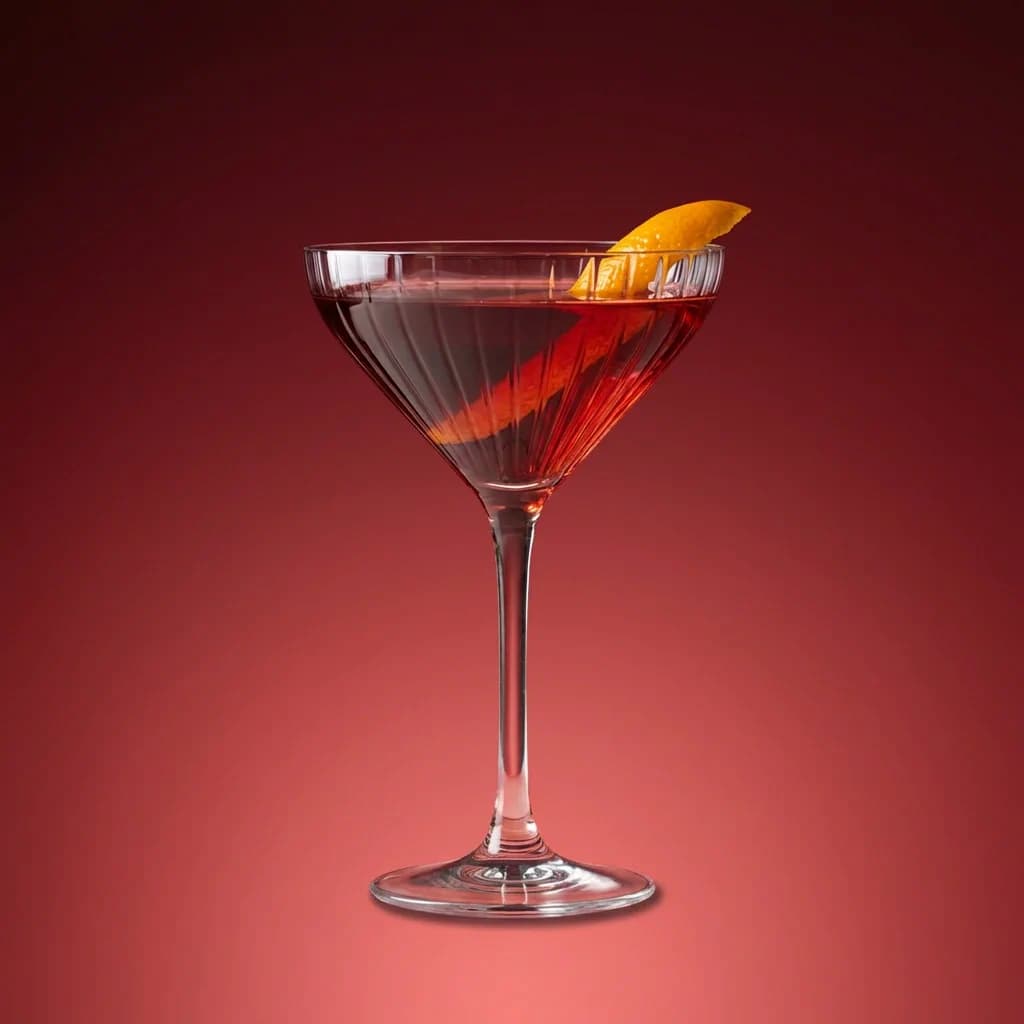
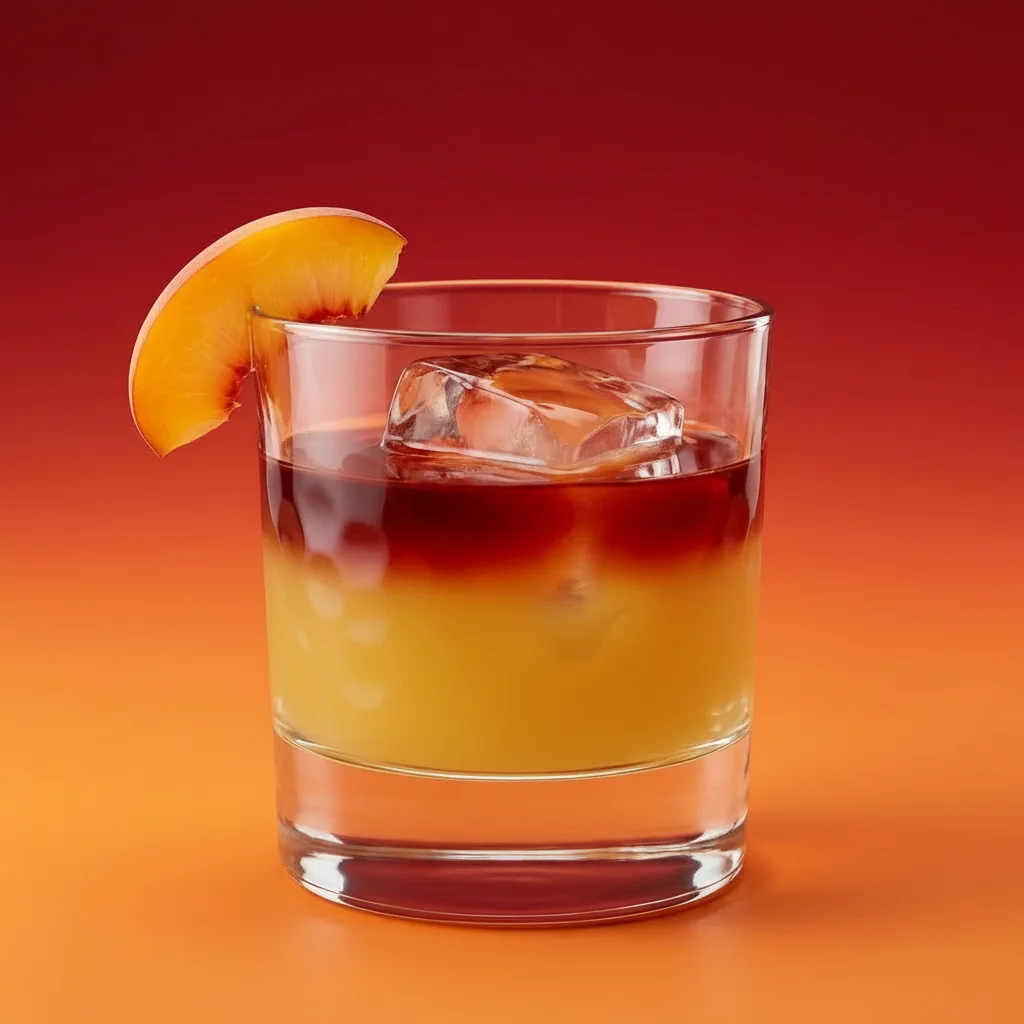
The New York Stone Sour is a bourbon whiskey sour built with apricot brandy liqueur, citrus, and sugar syrup, topped with a red wine float. Tart citrus and stone-fruit sweetness balance a firm whiskey backbone, while the wine float settles on top, staining each sip with a dry, fragrant finish.
Ingredients
1
Servings
Garnish
Instructions for 1 serving
- Pre-chill a glass
- Shake the first 5 ingredients with ice: Bourbon 45 mlApricot brandy liqueur 15 mlLemon juice 20 mlOrange juice 15 mlSugar syrup 10 ml
- Strain into the ice-filled glass (preferably over a chunk of block ice)
- Float Red wine 15 ml on the surface of the cocktail
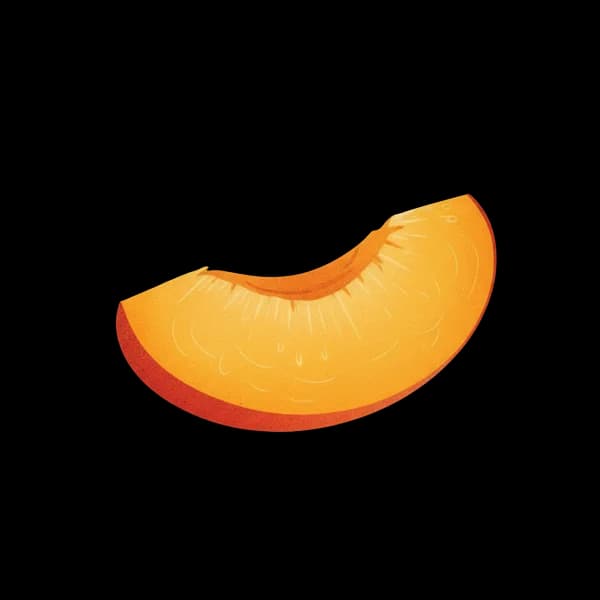
- Garnish with an apricot wedge
History
The New York Stone Sour is a modern riff credited to American bartender Julie Reiner, who added orange juice and apricot liqueur to the classic New York Sour formula. Cocktail historian David Wondrich has noted that the orange juice addition is what makes the drink work, tying it to the older "Stone Sour" style of whiskey sour finished with orange juice, a variant first documented in the early 20th century.
The New York Sour itself is generally traced to Chicago bartenders of the 1880s, who served a whiskey sour topped with a float of red wine under names such as Continental Sour, Southern Whiskey Sour, Brunswick Sour, and Claret Snap before the New York Sour name took hold, reportedly once the drink caught on with bartenders in Manhattan. The New York Stone Sour keeps that red wine float but layers in orange juice and apricot liqueur, giving the whiskey sour a fruitier, softer profile.
FAQ
What is a stone sour cocktail?
A stone sour is a whiskey sour variation that adds apricot brandy liqueur to the base spirit and citrus. This New York Stone Sour also finishes with a red wine float on top instead of stopping at the citrus and sweetener.
What is a New York Sour cocktail?
A New York Sour is a whiskey sour finished with a red wine float, giving the drink a dry, fruity cap over its citrus and sweetness. This version is a stone sour variant, so apricot brandy liqueur joins the bourbon before the wine is floated on top.
What liquor is in a New York Sour?
The base spirit is bourbon, with apricot brandy liqueur added as a secondary liqueur. These are shaken with citrus and sugar syrup, then finished with a red wine float on top.
What is the difference between a Boston Sour and a New York Sour?
A Boston Sour adds egg white for a frothy texture, while a New York Sour skips the egg white and instead floats red wine on top of the drink. This recipe follows the New York Sour's wine-float structure rather than Boston's egg-white foam.
Is a New York Sour hard to make?
No, it just requires an extra step beyond a standard sour. This version is shaken with ice and strained into a glass over block ice, then finished by carefully floating red wine on the surface before garnishing with an apricot wedge.
Are you supposed to mix a New York Sour?
You can stir the wine float in for a more blended flavor, or sip through it for a changing taste as the layers combine on their own. Either way is common; the float is meant to sit on top when first served, as in this build.