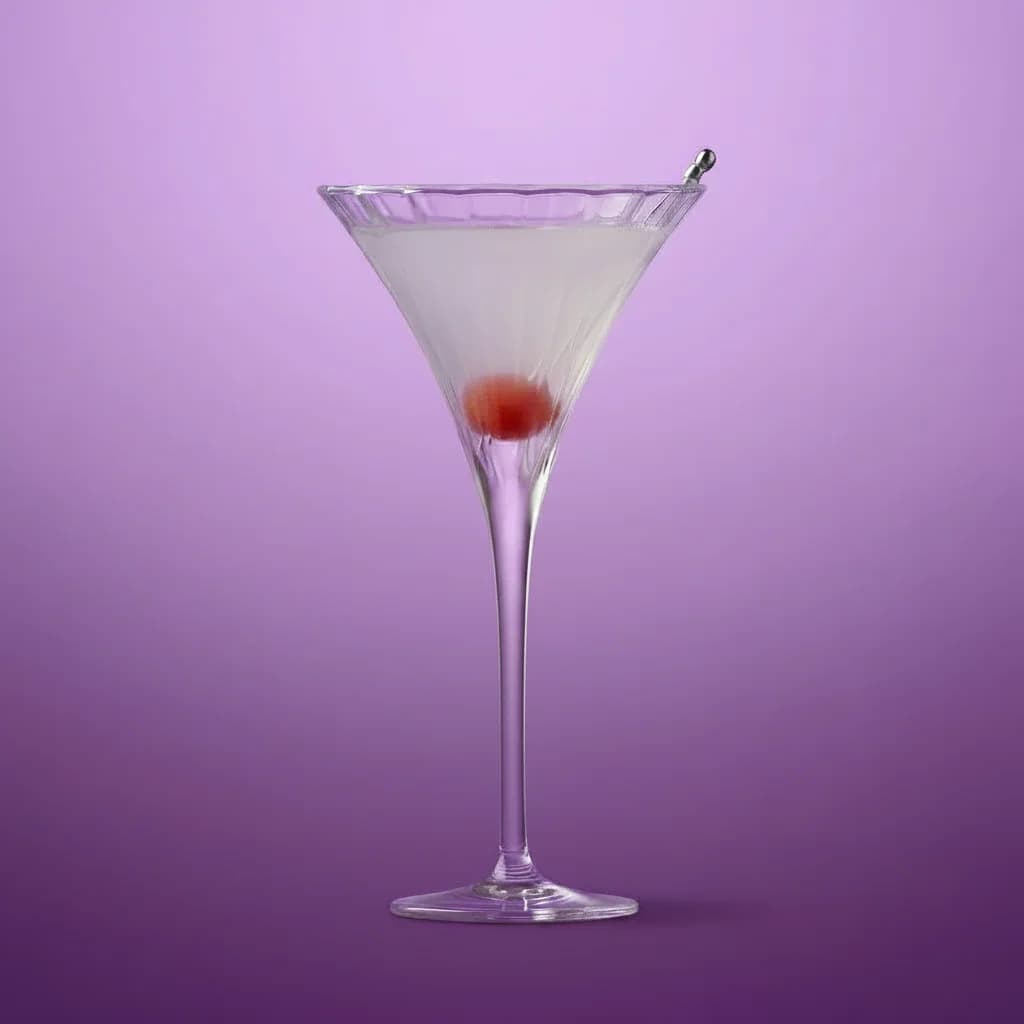
Aviation
Shake ∙ 3 min ∙ 22.8% ABV ∙
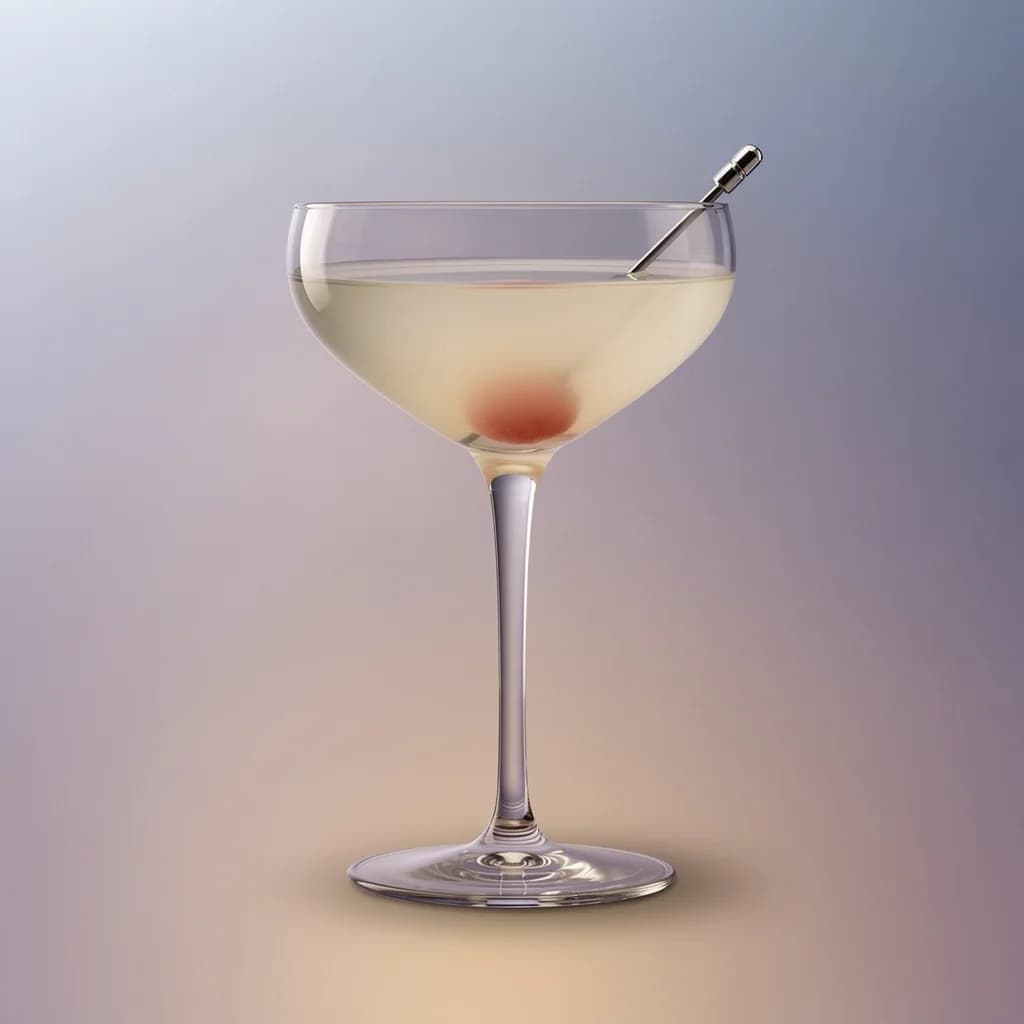
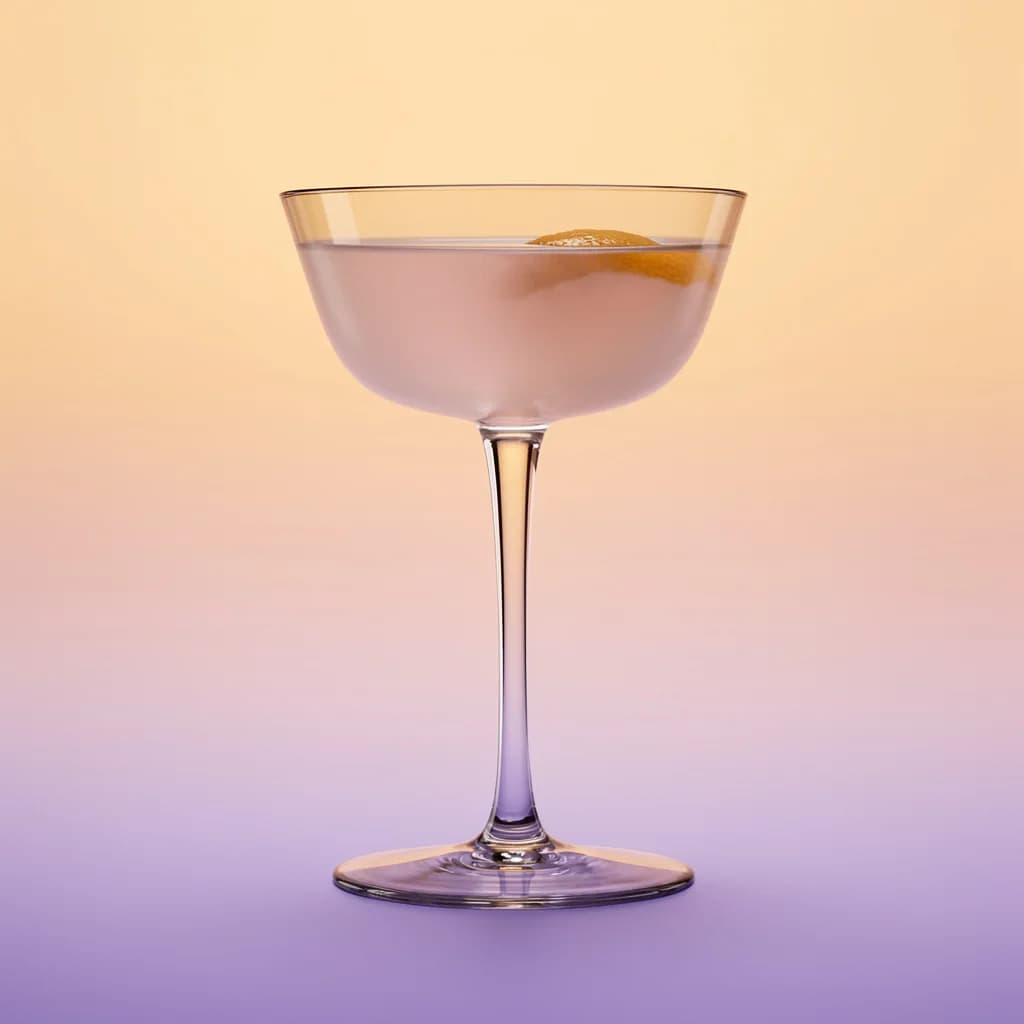
The Aviation is a pre-Prohibition gin sour combining maraschino liqueur, fresh lemon juice, and Crème de Violette, shaken to a pale lavender hue. Sharp citrus leads the profile, smoothed by a subtle cherry-almond sweetness, while a delicate floral whisper lingers just under a crisp botanical backbone on a dry finish.
Ingredients
1
Servings
Garnish
Instructions for 1 serving
- Pre-chill a glass
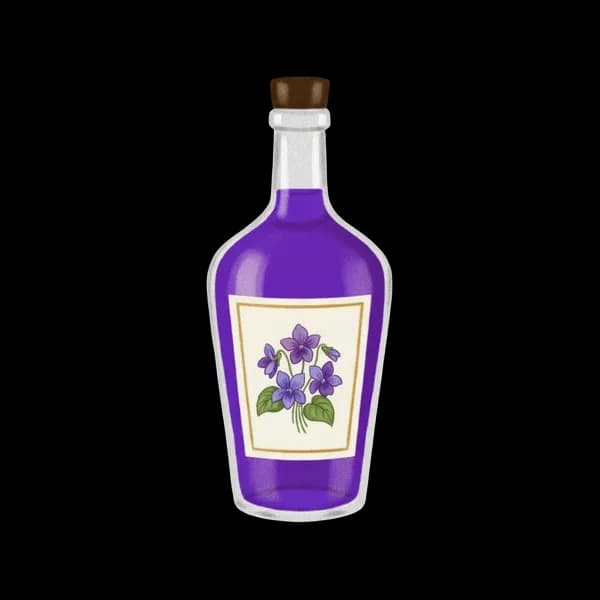
- Shake all ingredients with ice: London dry gin 45 mlMaraschino liqueur 15 mlLemon juice 15 mlCrème de Violette liqueur 1 bsp
- Strain into the chilled cocktail glass
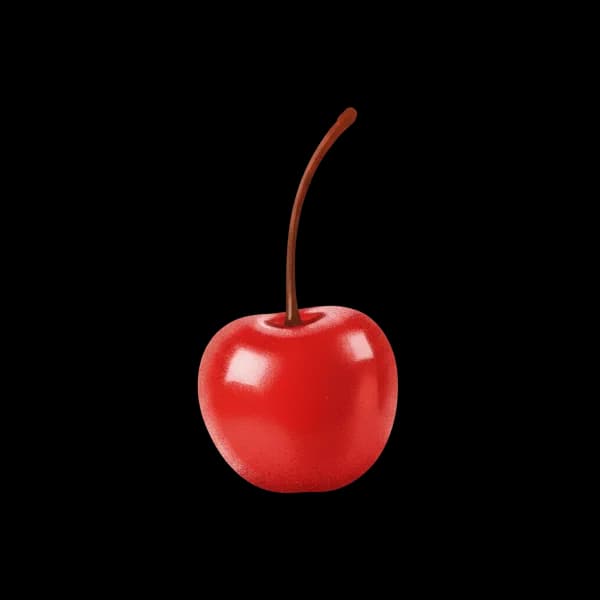
- Garnish with a maraschino cherry (opt.)
Tips
- Add a touch more crème de violette for a deeper lilac color and a more pronounced floral note.
- Measure the lemon juice and maraschino liqueur carefully so neither the tartness nor the cherry-almond note overwhelms the gin.
History
The Aviation was created by Hugo Ensslin, head bartender at the Hotel Wallick in New York, in the early twentieth century, with its first published recipe appearing in his 1916 book Recipes for Mixed Drinks. Ensslin's original formula called for gin, lemon juice, maraschino liqueur, and crème de violette, the violet liqueur that gave the drink its pale blue-lavender color and, by most accounts, its name, evoking a clear sky. When Harry Craddock printed the cocktail in the Savoy Cocktail Book in 1930, he omitted the crème de violette, creating what's now known as the Savoy Aviation — a gin, lemon, and maraschino sour that became the version most bartenders knew for decades, as the liqueur grew scarce and eventually vanished from the American market following Prohibition's repeal.
Crème de violette was reintroduced to the US in 2007, when Haus Alpenz began importing Rothman & Winter's version, reviving Ensslin's original blue-hued formula. The IBA's official Aviation recipe today restores this four-ingredient build, calling for gin, lemon juice, maraschino, and a small measure of crème de violette.
FAQ
What ingredients are in an Aviation cocktail?
London dry gin, maraschino liqueur, fresh lemon juice, and a small amount of Crème de Violette, shaken and strained into a chilled glass. The gin leads, with the maraschino and lemon building a sour around it and the violette adding a light floral color and aroma.
Is an Aviation shaken or stirred?
Shaken. The lemon juice needs the aeration and quick chill of a shake to integrate with the gin and liqueurs; stirring would leave it flat and under-diluted.
What glass is an Aviation served in?
A cocktail glass, served up and garnished with a maraschino cherry.
Why doesn't my Aviation taste or look floral?
Crème de Violette is used in a small amount, so if it is left out or under-poured the drink turns into a plain gin sour with no lavender tint or violet aroma. Measure it by the barspoon rather than eyeballing it, since a little goes a long way and too much just as easily overwhelms the gin.