Bijou Cocktail
Stir ∙ 3 min ∙ 27.4% ABV ∙
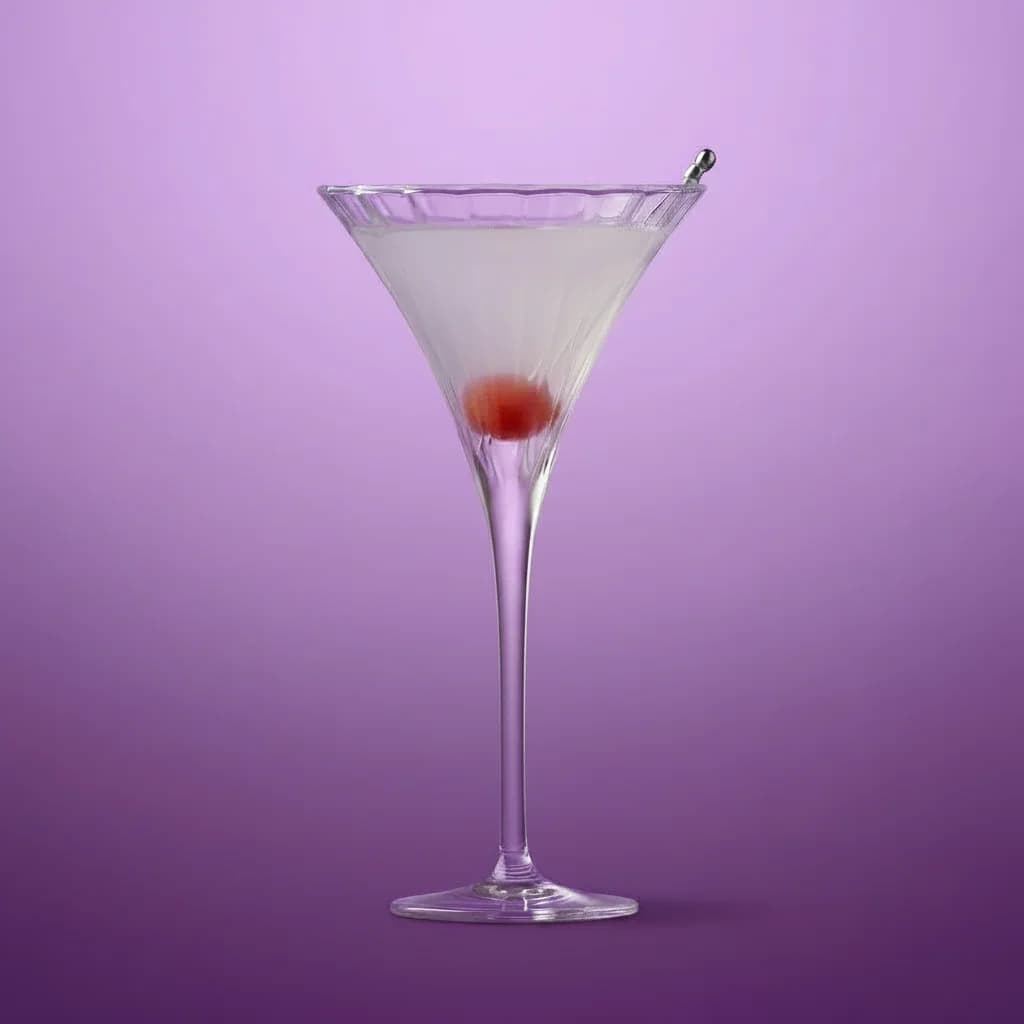
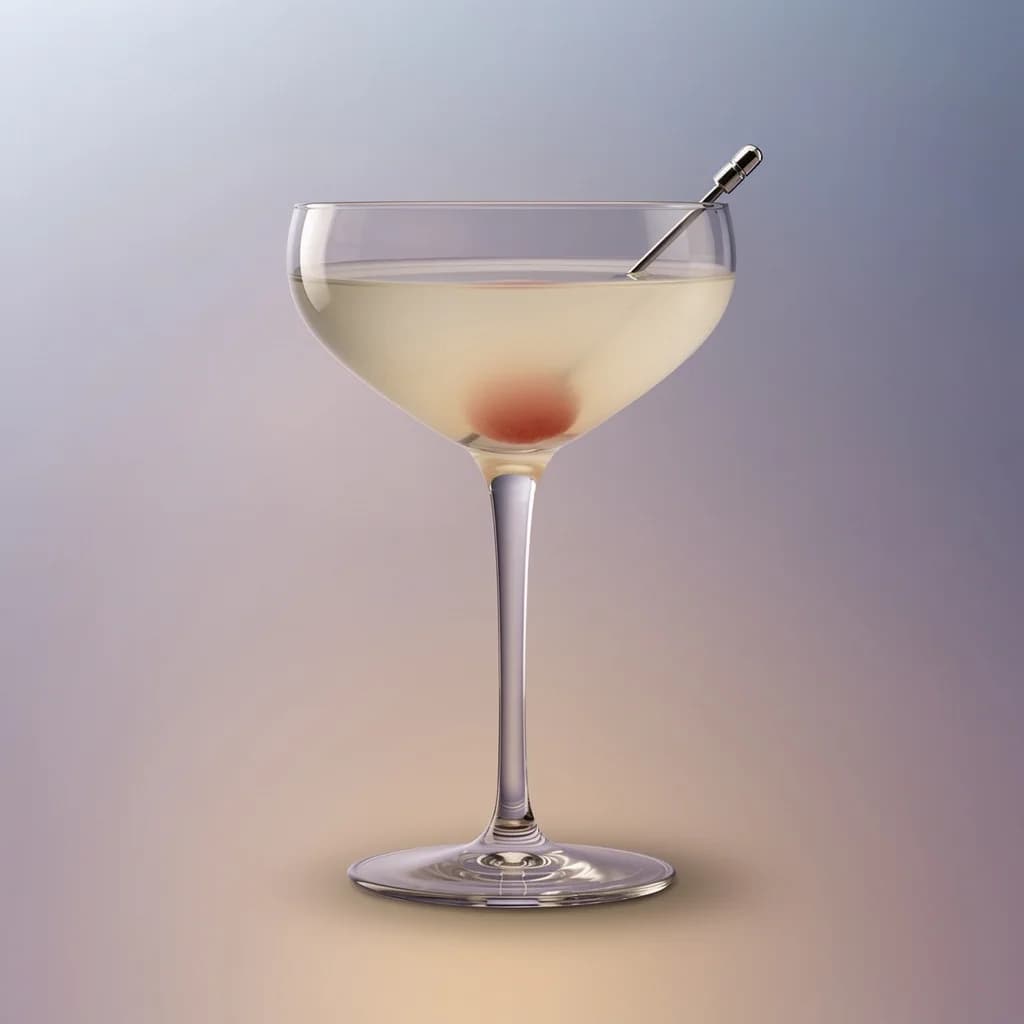
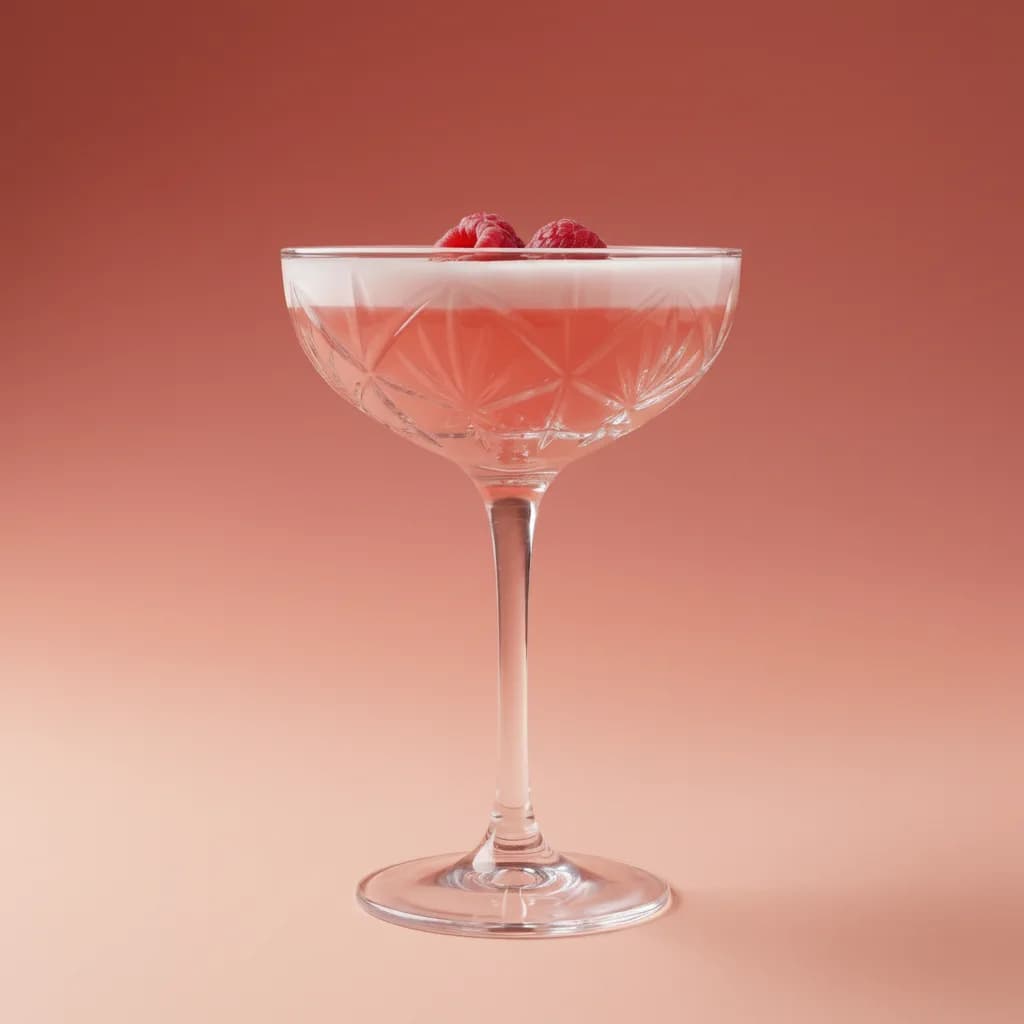
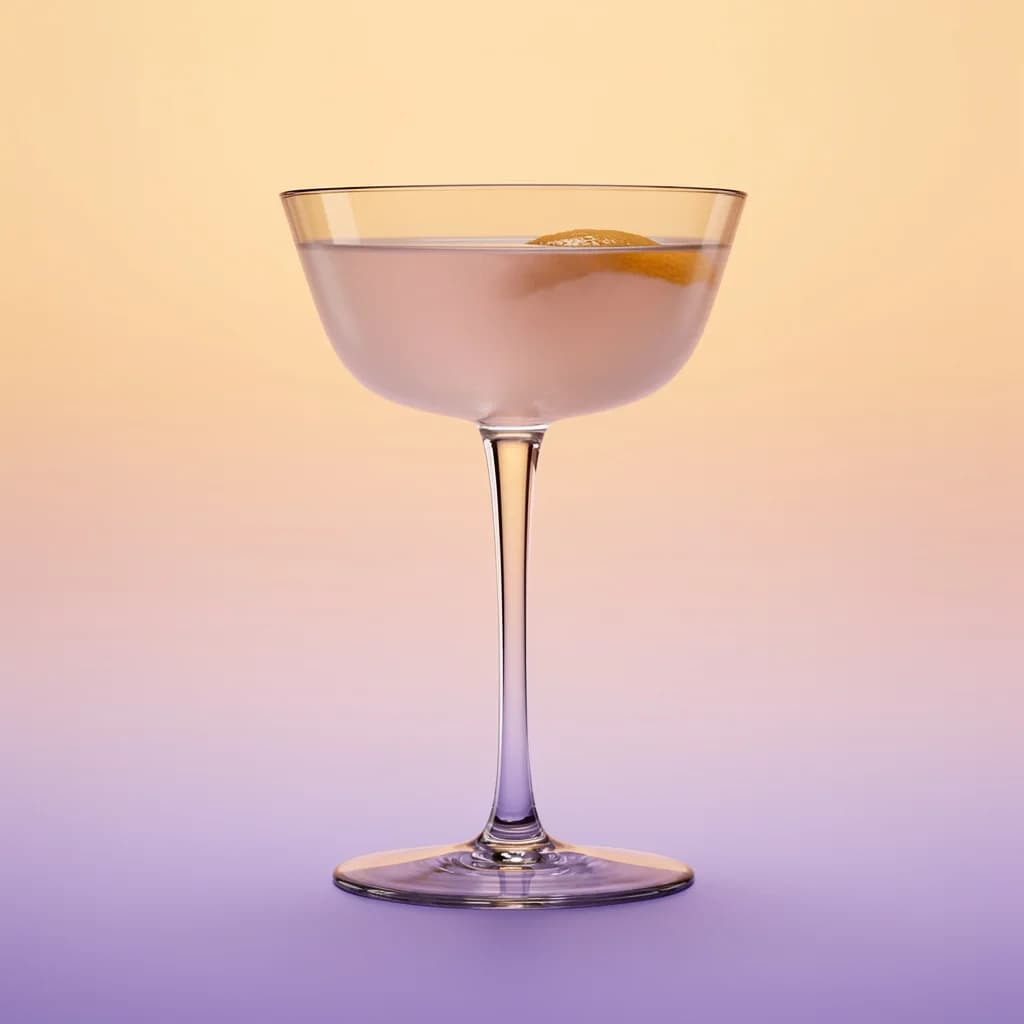
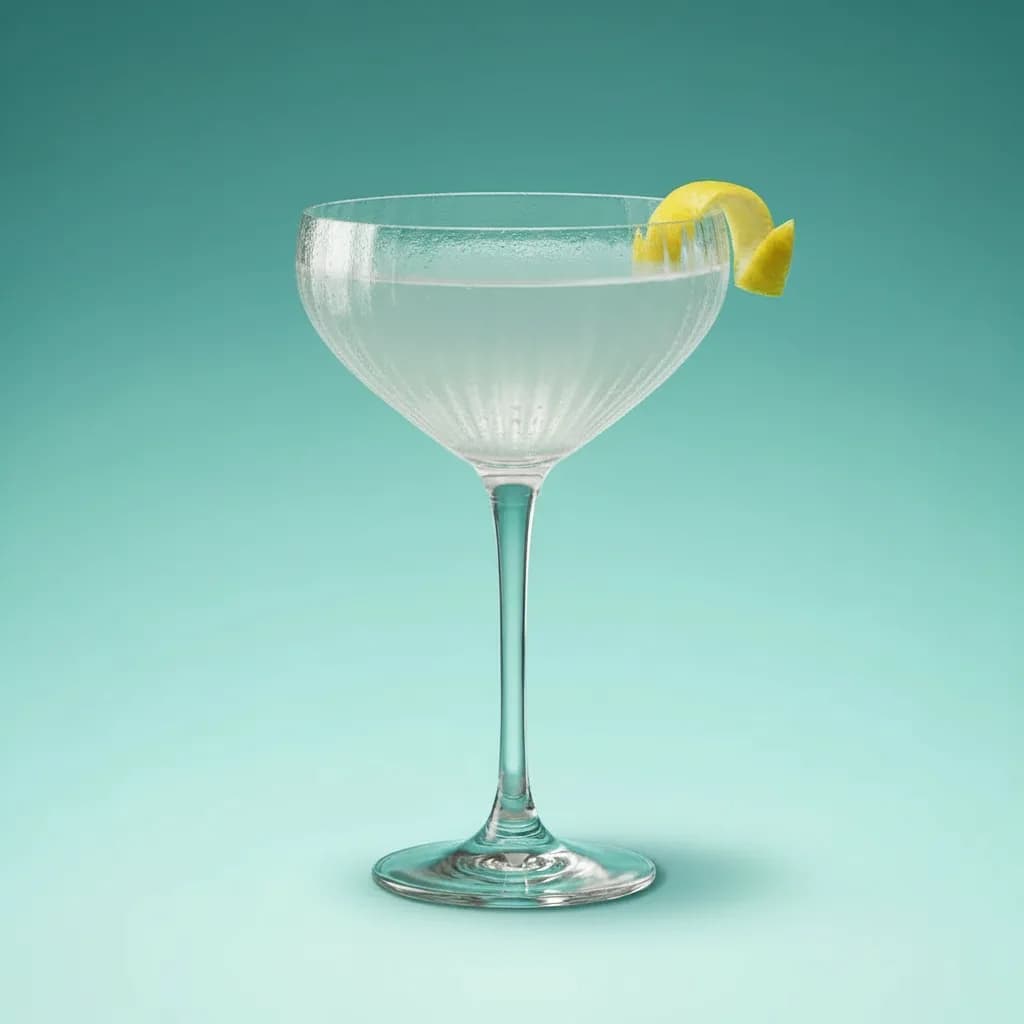
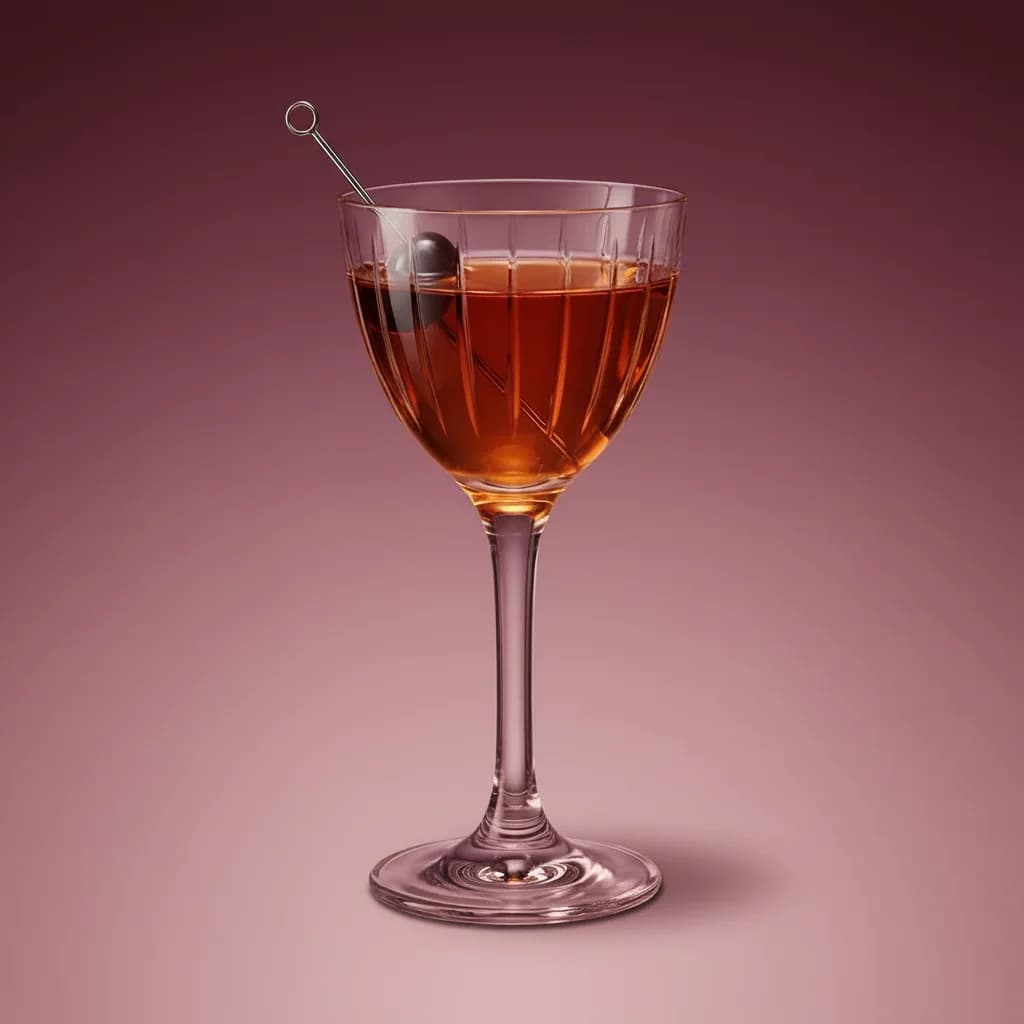
The Bijou Cocktail is a stirred gin drink with an herbal liqueur such as green Chartreuse and sweet vermouth, named for its jewel-like colors.
Ingredients
1
Servings
Garnish

Instructions for 1 serving
- Pre-chill a glass
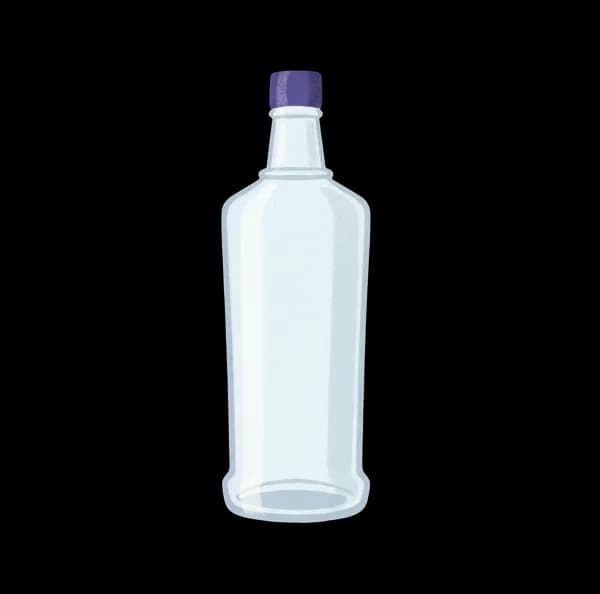
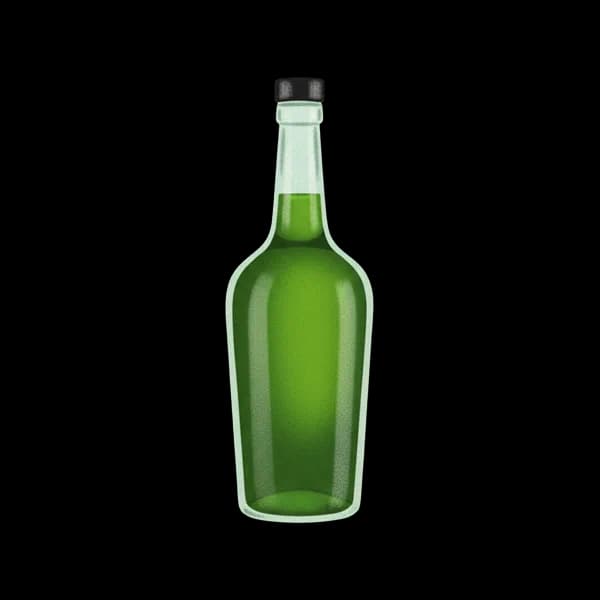
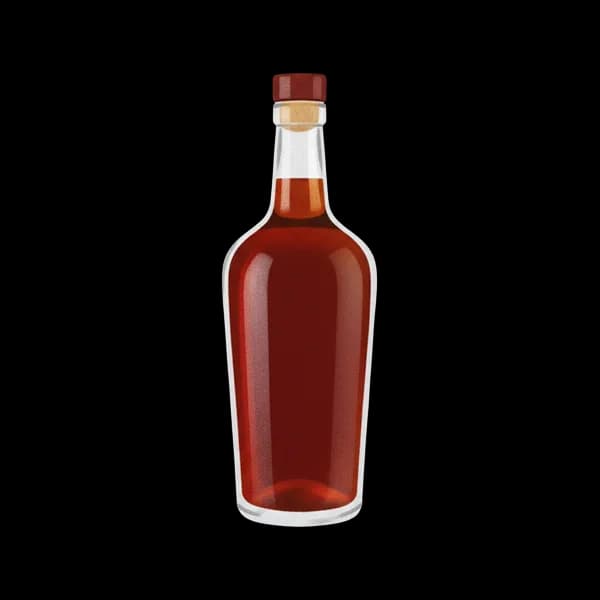
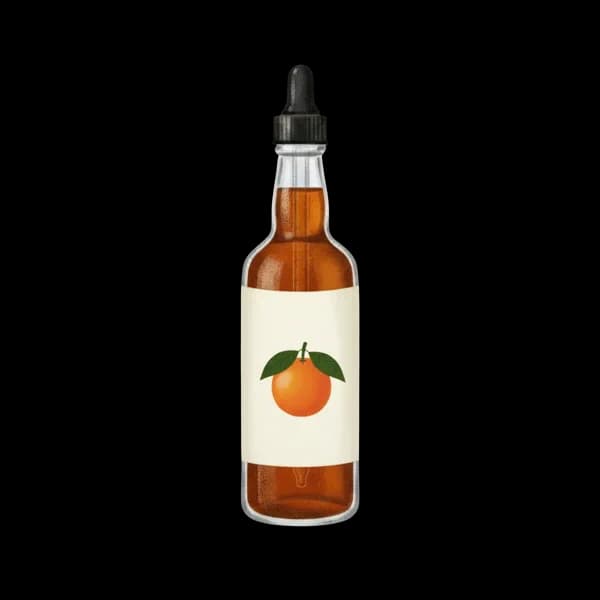
- Stir all ingredients with ice: London dry gin 25 mlHerbal liqueur (e.g., Green Chartreuse) 15 mlRosso vermouth 30 mlOrange bitters 1 dash (opt.)
- Fine strain into the chilled glass
- Express a lemon twist over the cocktail and discard
- Garnish with a maraschino cherry on a skewer
Tips
- There's no juice here, so stir over large ice cubes for a full 20–30 seconds until the drink is cold and silky.
- At 30 ml, the rosso vermouth is the biggest pour, more than the 25 ml of gin; free-pour it and its sweetness buries the juniper.
History
An early gin-based Bijou appeared in print in 1895 in C. F. Lawlor's book The Mixicologist, where it was made of equal parts gin, sweet vermouth, and Grand Marnier. Five years later, veteran bartender and bar-management consultant Harry Johnson published a revised version in the 1900 edition of his New and Improved Bartender's Manual, swapping in green Chartreuse for the Grand Marnier and adding a dash of orange bitters. His equal-parts formula of gin, sweet vermouth, and Chartreuse is the one that endured and is generally credited as the standard Bijou. Bijou is French for jewel, and Johnson is said to have explained the name by likening the gin to a diamond, the vermouth to a ruby, and the Chartreuse to an emerald.
The Bijou was popular for several decades but fell out of fashion as tastes shifted toward drier, simpler cocktails. Bartender Dale DeGroff rediscovered Johnson's recipe in the 1980s and popularized a version with roughly three times Johnson's measure of gin, which tames the original's strong herbal character. Unlike Johnson's equal parts, our recipe leans on the vermouth and goes lighter on the Chartreuse: 25 ml gin, 30 ml sweet vermouth and 15 ml Chartreuse.
FAQ
What is in a Bijou drink?
London dry gin (25 ml), sweet (rosso) vermouth (30 ml) and an herbal liqueur such as green Chartreuse (15 ml), plus an optional dash of orange bitters. The vermouth is the biggest pour, not the gin.
How do you make a Bijou cocktail?
Stir gin, green Chartreuse, sweet vermouth, and an optional dash of orange bitters with ice for about 30 seconds, then fine-strain into a chilled coupe. Express a lemon twist over the top, discard it, and garnish with a maraschino cherry.
Is the Bijou a strong cocktail?
Yes. At around 27% ABV it is a strong, spirit-forward drink, similar to a Martini or Manhattan. With no citrus or soda to stretch it, it sips like a stirred aperitif, not a light drink.
What is the difference between a Bijou and a Negroni?
The third ingredient. A Bijou adds an herbal liqueur such as green Chartreuse to gin and sweet vermouth, so it tastes herbal and faintly sweet. A Negroni uses a red bitter such as Campari instead, so it is more bitter and more orange. Both are stirred gin drinks of similar strength.