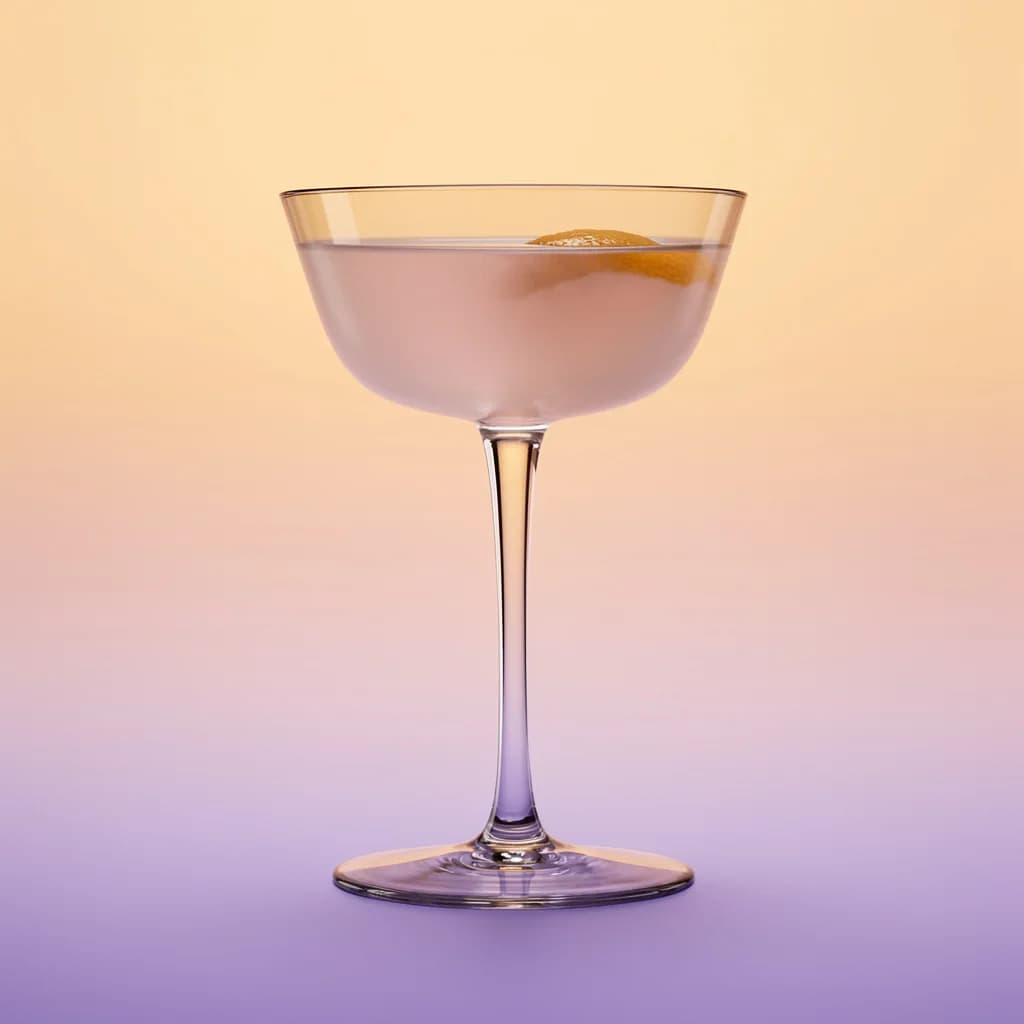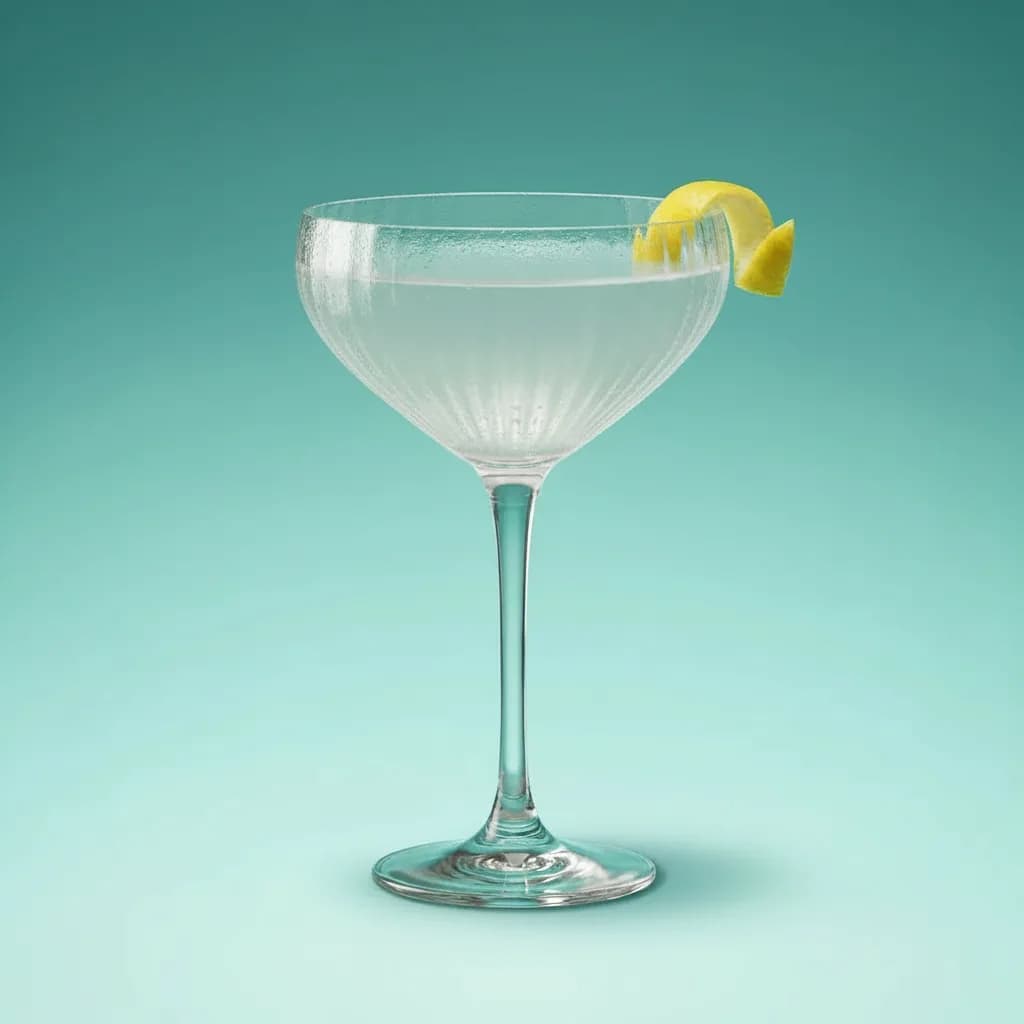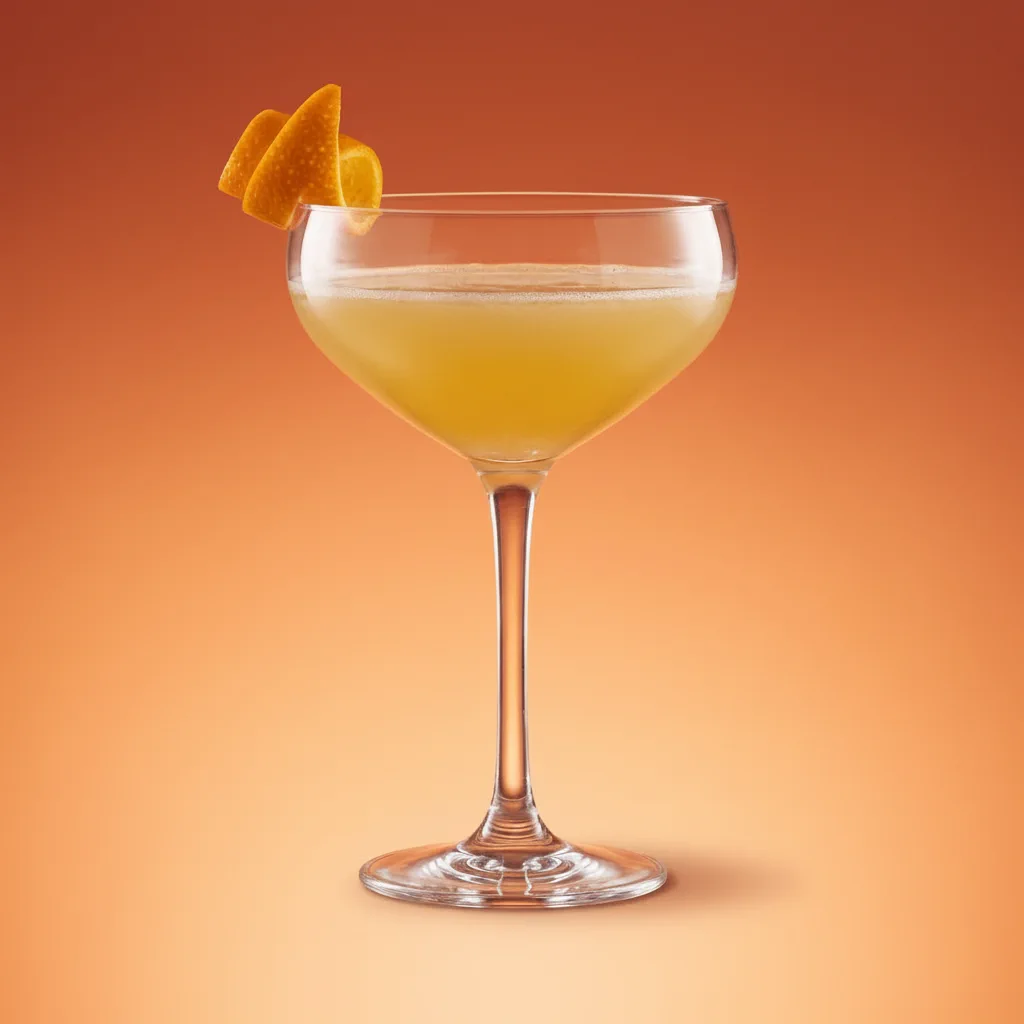
Bee's Knees
Shake ∙ 3 min ∙ 21.4% ABV ∙
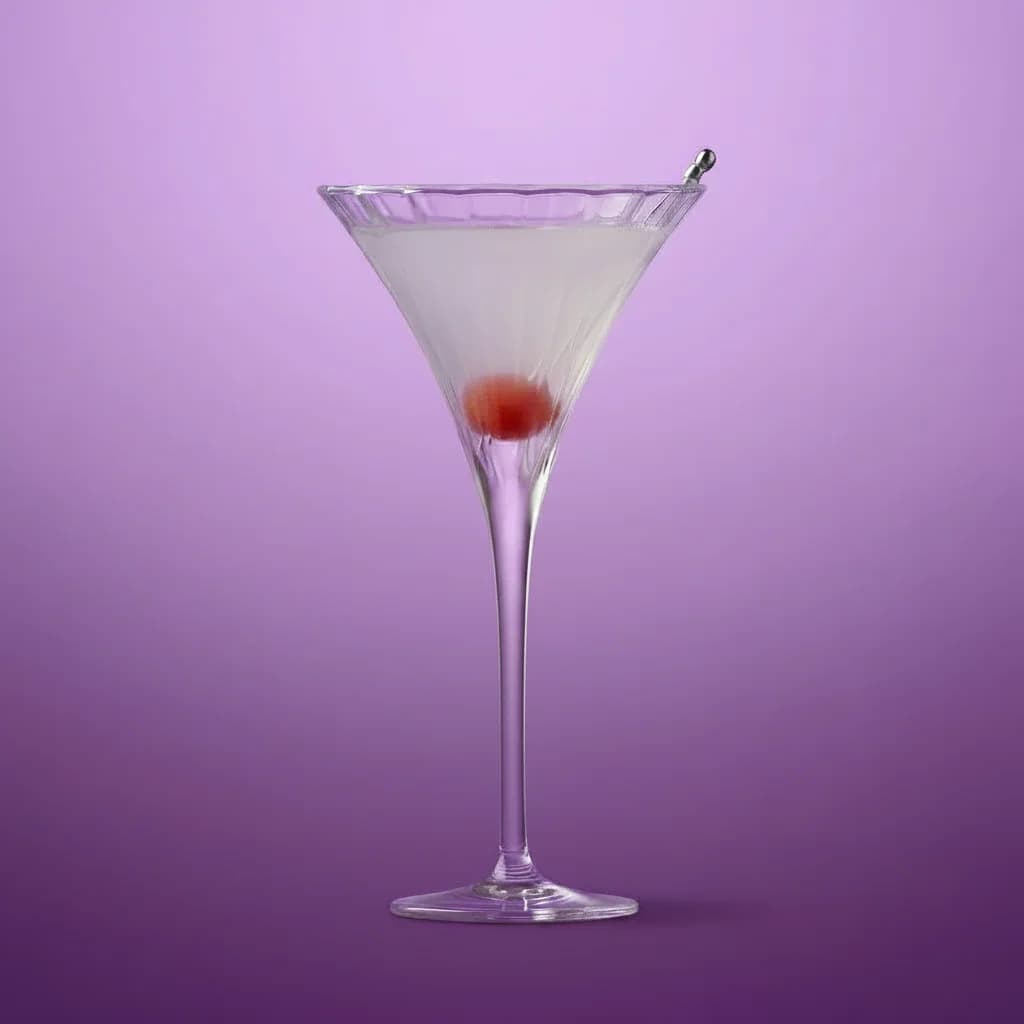
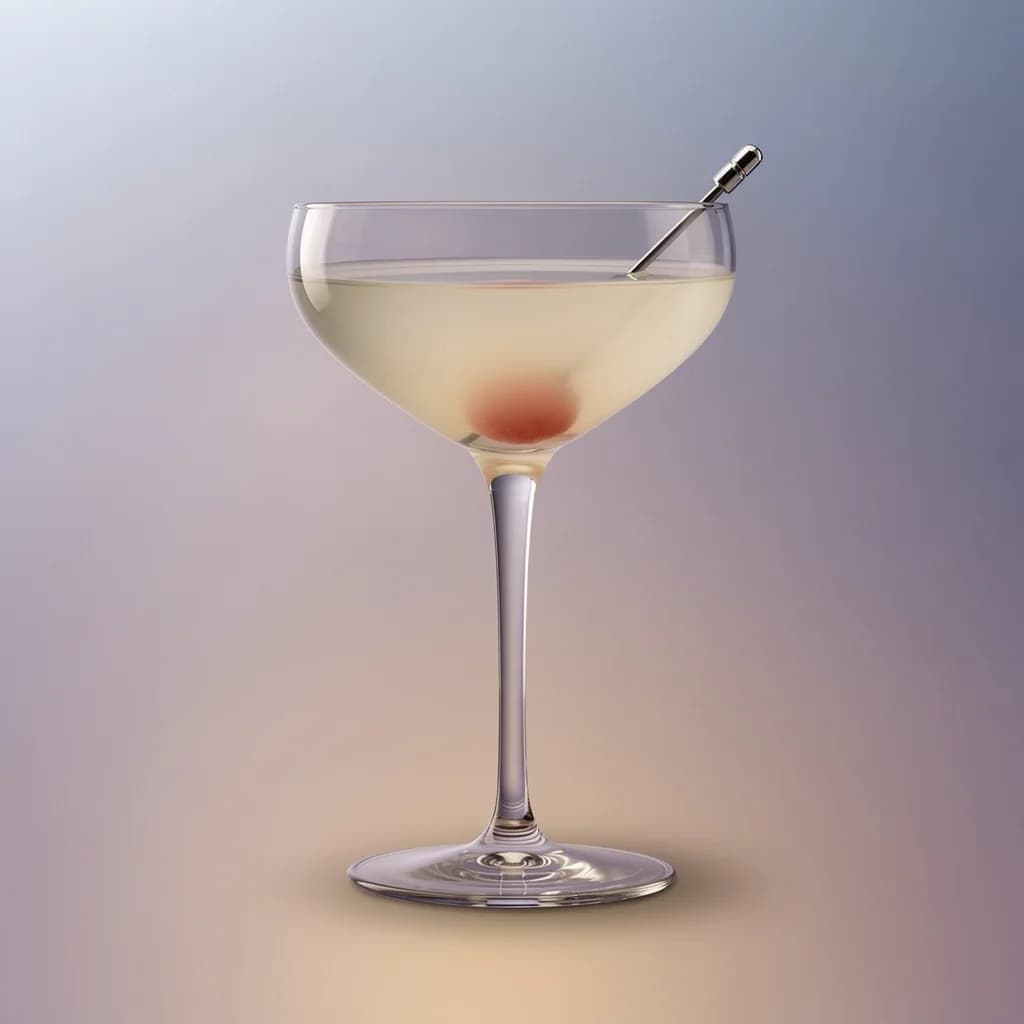
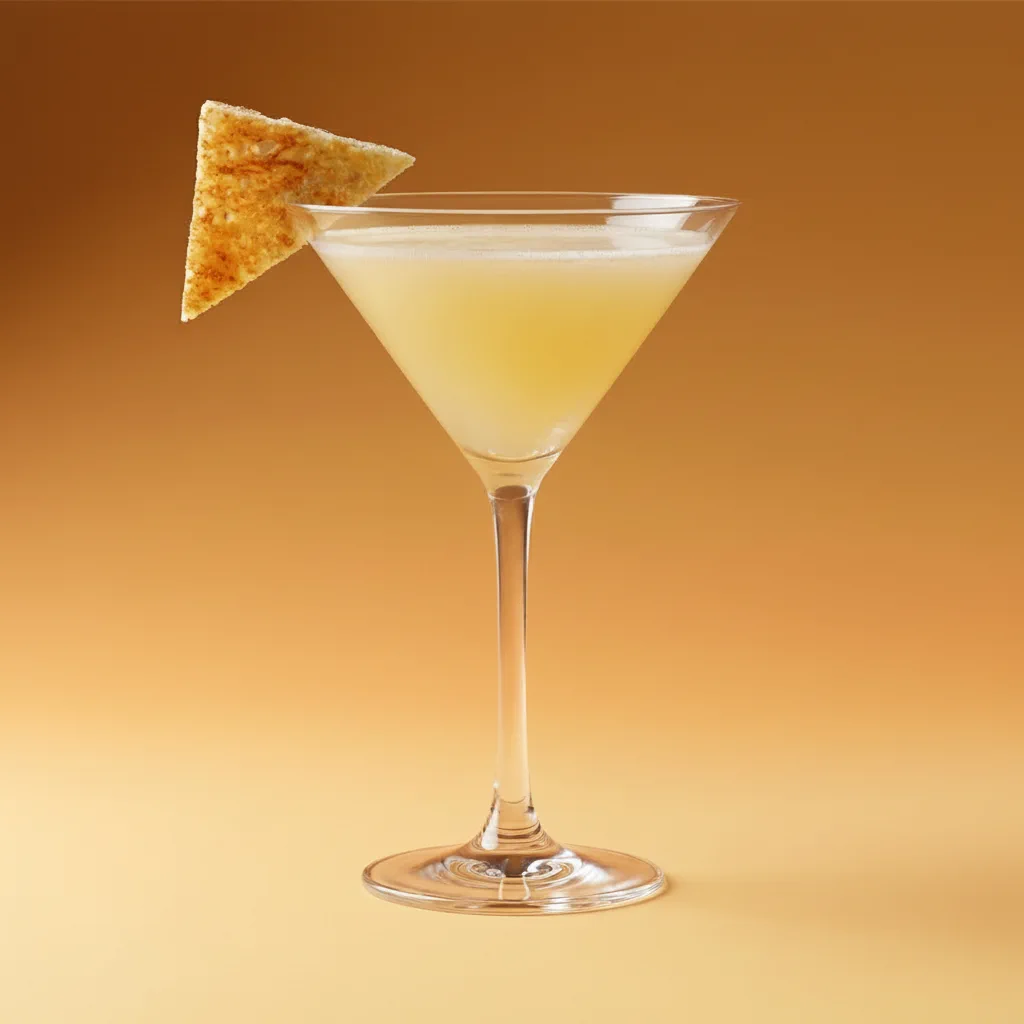
A Prohibition-era gin sour, the Bee's Knees blends London dry gin with lemon juice, honey syrup, and a touch of orange juice, shaken and served up. Honey rounds the gin's juniper bite while lemon keeps it tart, finishing clean and faintly floral — a bright, aperitif-hour sour.
Ingredients
1
Servings
Garnish

Instructions for 1 serving
- Pre-chill a glass
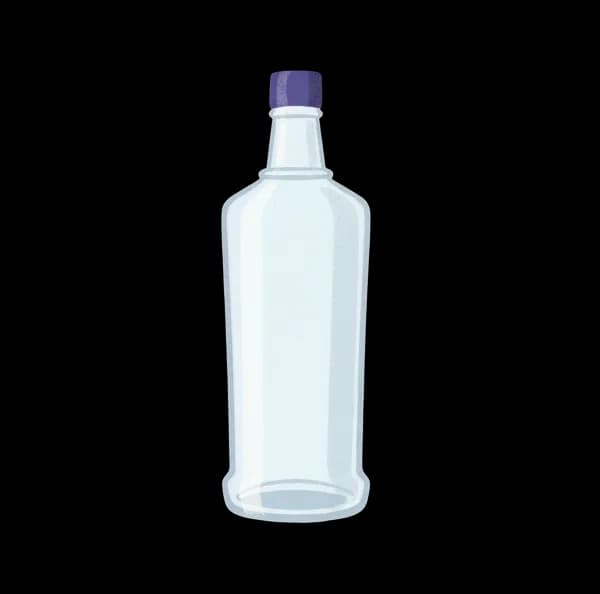
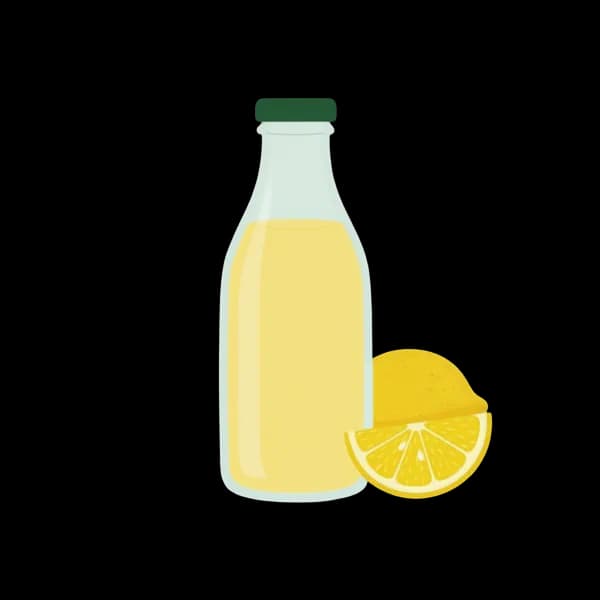
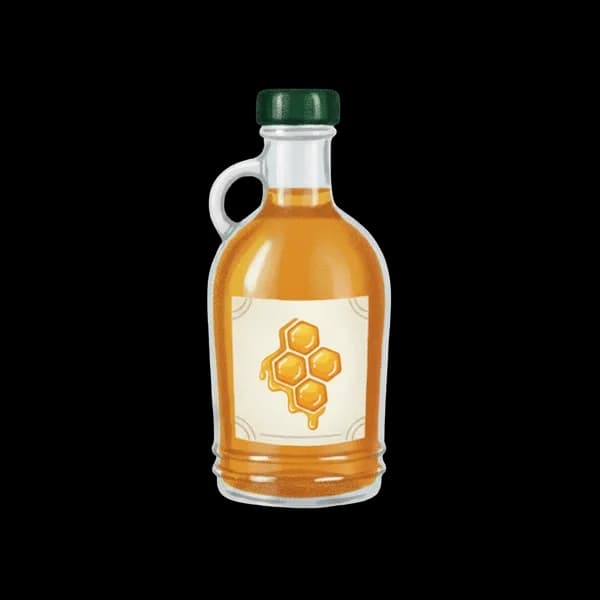
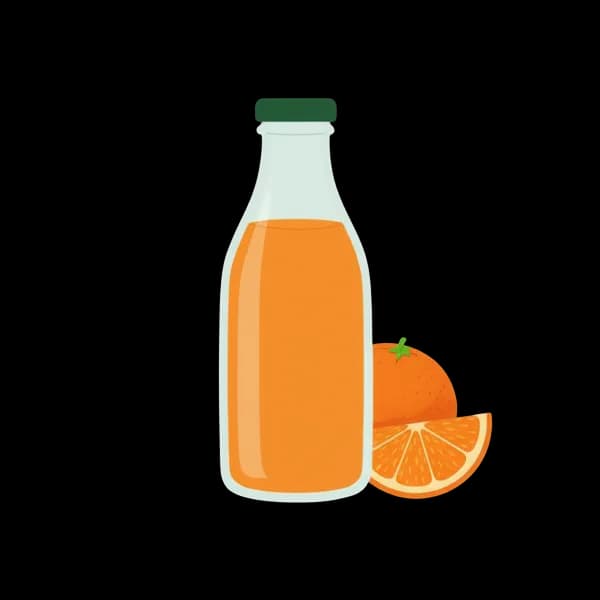
- Shake all ingredients with ice: London dry gin 60 mlLemon juice 25 mlHoney syrup 15 mlOrange juice 10 ml
- Fine strain into the chilled glass
- Express an orange twist over the cocktail and use as garnish
Tips
- Make honey syrup 1:1 with warm water before mixing — neat honey seizes into clumps when it hits cold citrus and gin, causing uneven sweetness.
- Shake hard for a full 12-15 seconds with large cubes to fully dissolve the honey syrup and achieve proper dilution and a tight, cold texture.
History
The Bee's Knees is a Prohibition-era cocktail made from gin, lemon juice, and honey, with honey and citrus traditionally used to mask the harsh taste of homemade bathtub gin common in the 1920s. Its exact creator is disputed: some accounts credit Frank Meier, the Austrian-born head bartender at the Ritz Hotel's Cafe Parisien in Paris, who took up that post in 1921 and later claimed the drink as his own in his 1936 book, The Artistry of Mixing Drinks, while a 1929 newspaper account instead attributed it to American socialite Margaret "Molly" Brown, the Titanic survivor later known as "the Unsinkable Molly Brown."
The name borrows Prohibition-era slang in which "the bee's knees" meant something excellent. This version follows that same gin, lemon, and honey base but adds a splash of orange juice, an addition also found in the International Bartenders Association's own official recipe, giving the classic sour a fruitier, softer edge.
FAQ
What is a Bee's Knees made of?
London dry gin, fresh lemon juice, and honey syrup, shaken together and served up in a cocktail glass. This build also adds a small amount of orange juice alongside the honey and lemon, and finishes with an orange twist rather than the classic's lemon garnish.
What are the common mistakes when making a Bee's Knees?
The most frequent error is under-shaking, which leaves the honey syrup unblended and pooled at the bottom of the glass instead of integrated into the drink. Others include using cold, stiff honey syrup that clumps against the citrus, and skipping a taste check, since lemon acidity varies enough to throw off the sweet-sour balance.
What gin is best for a Bee's Knees?
A London dry gin is the standard choice, since its juniper and citrus backbone holds up against the honey's sweetness. A softer, more floral or citrus-forward gin tends to disappear under the honey syrup and lemon, flattening the drink's balance.
Is a Bee's Knees shaken or stirred?
Shaken. The lemon juice, honey syrup, and orange juice all need the hard aeration and quick chill of a shake to blend and dilute properly; stirring would leave the honey unincorporated.
What makes the Bee's Knees a speakeasy drink?
It was devised during Prohibition specifically to mask the harsh taste of poorly distilled bathtub gin, using honey and citrus to cover rough edges. That practical origin is why it's remembered as a defining speakeasy-era cocktail rather than a later classic.