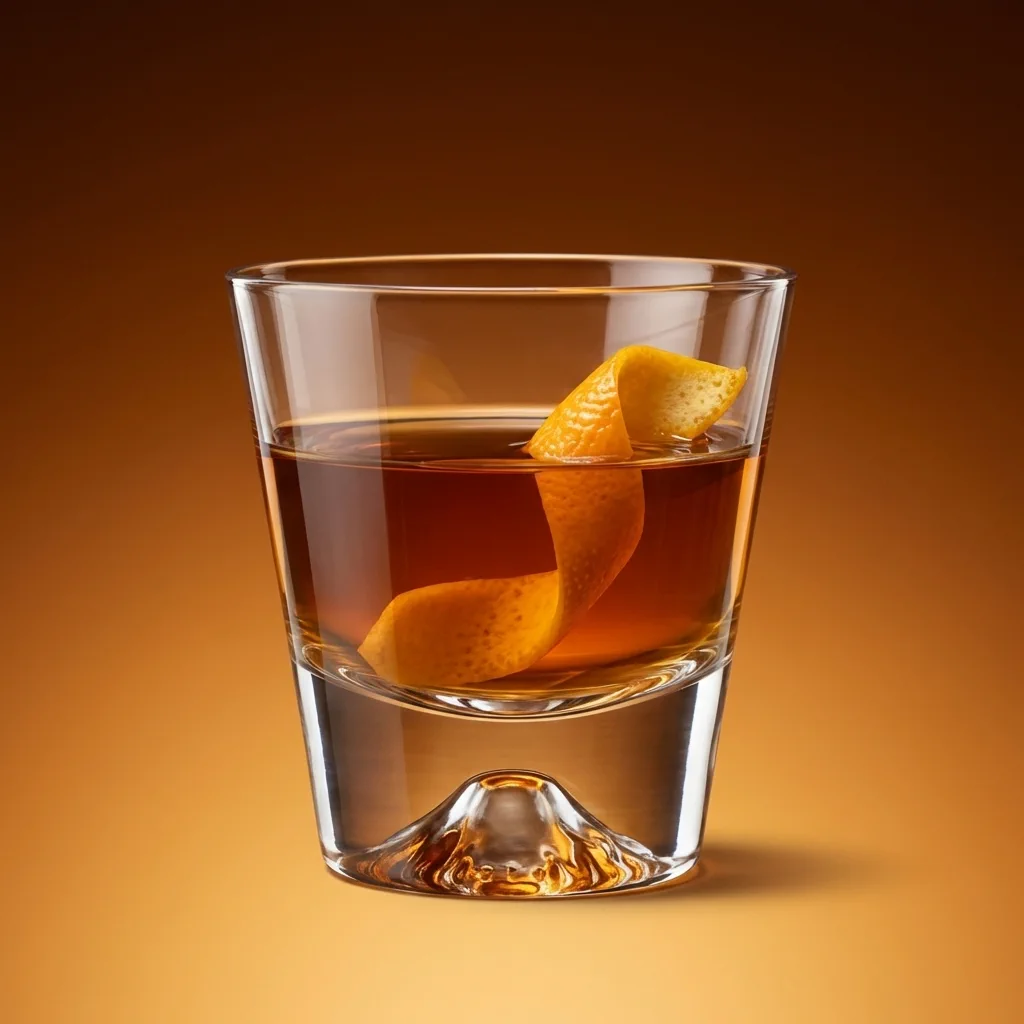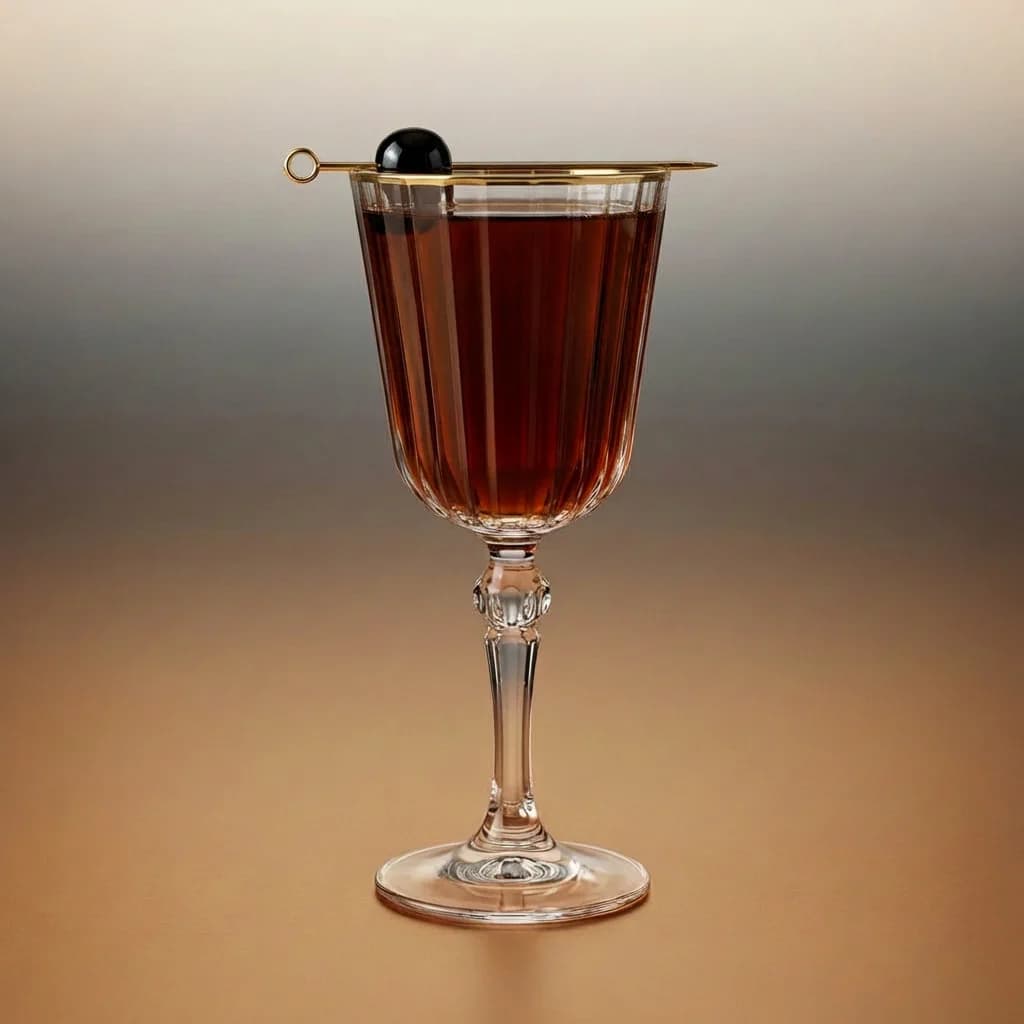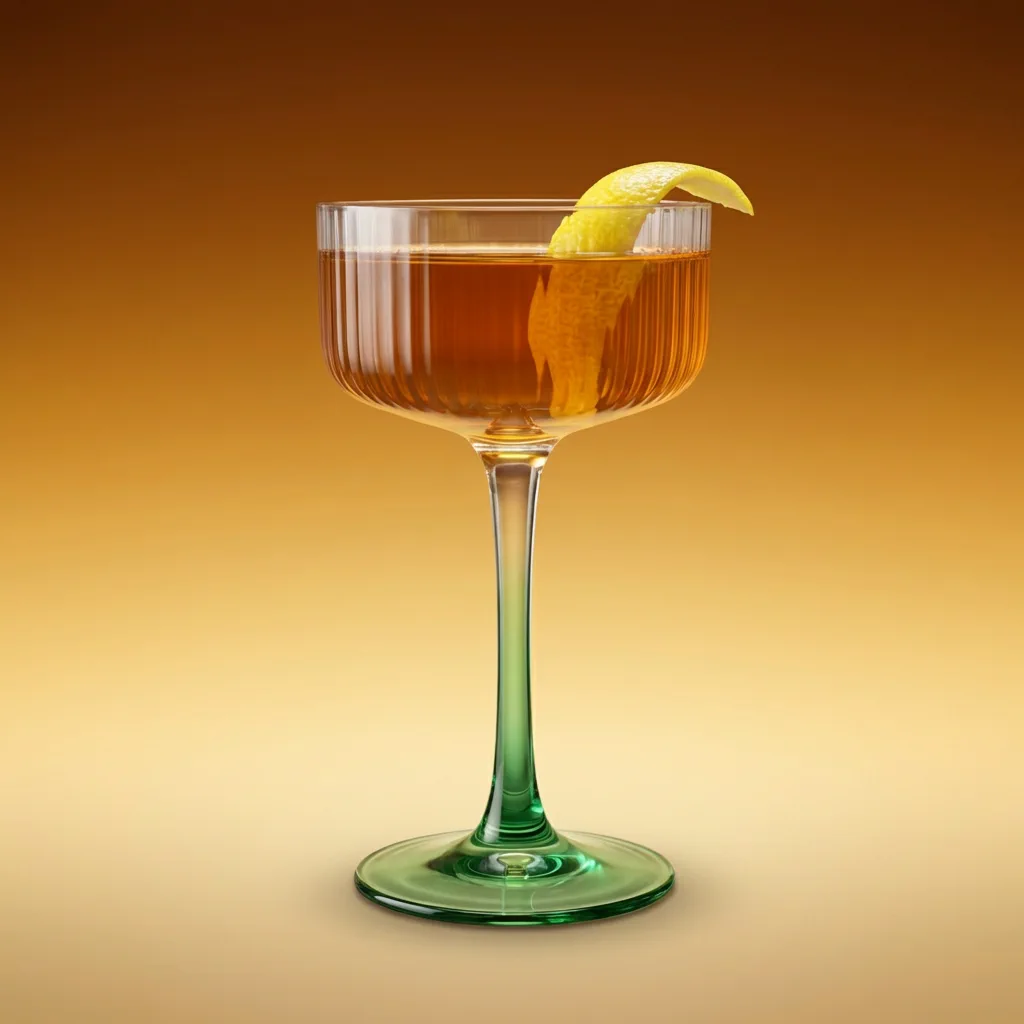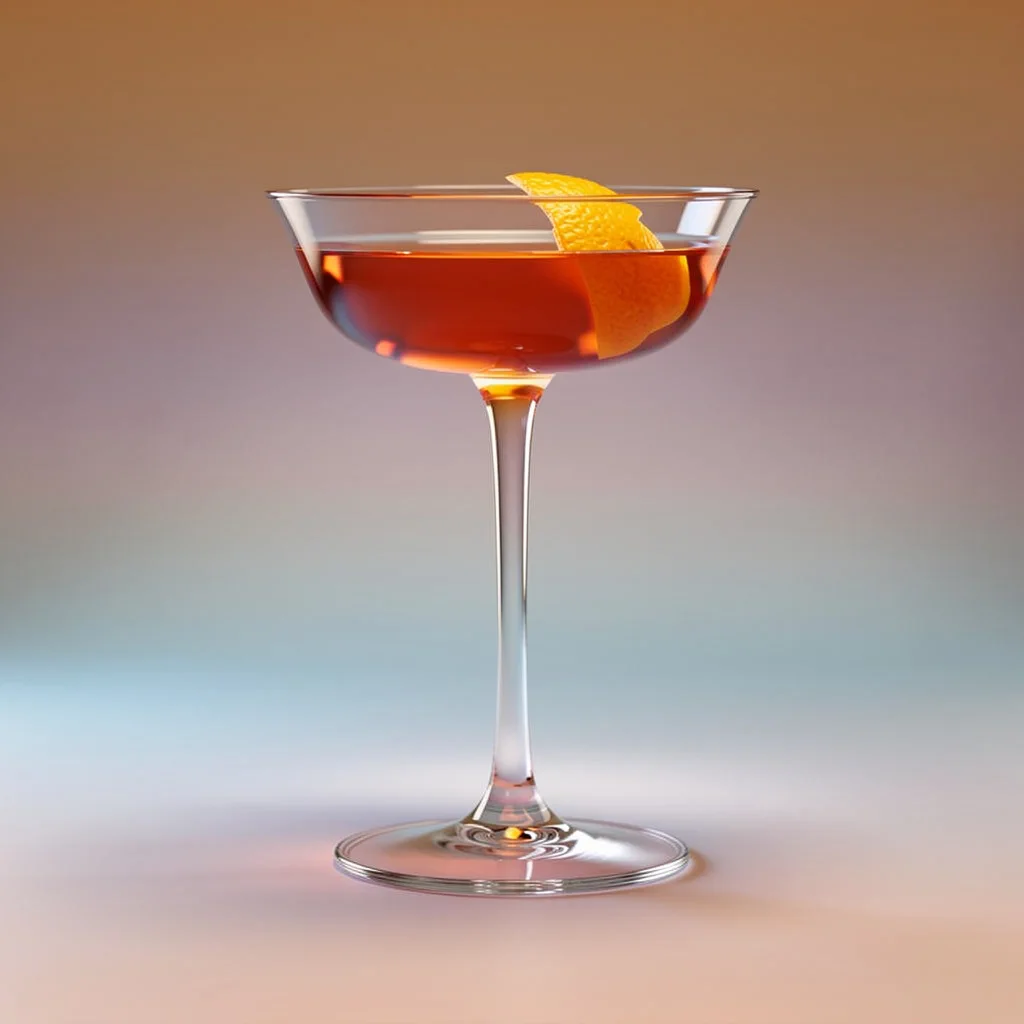
Sidecar
A citrus and sour brandy cocktail ∙ Shake ∙ 3 min ∙ 25.9% ABV ∙
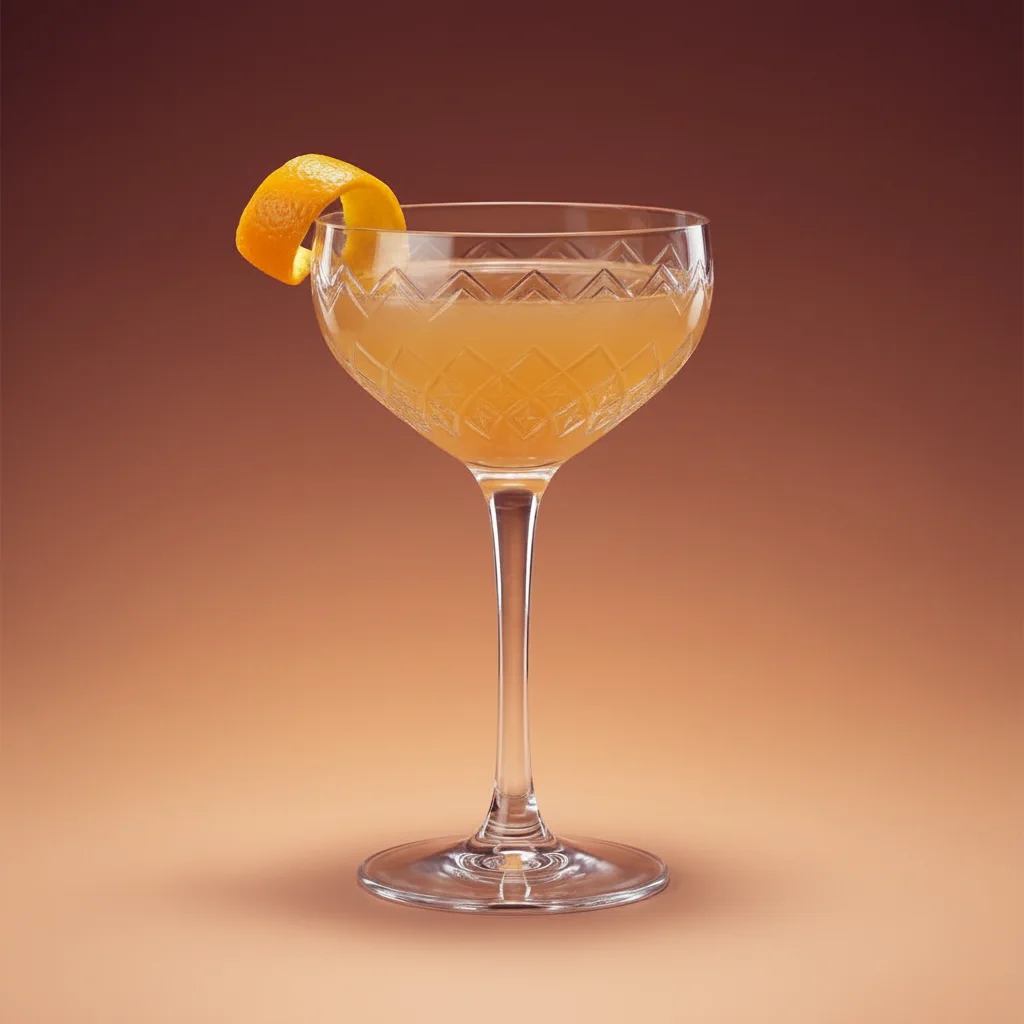
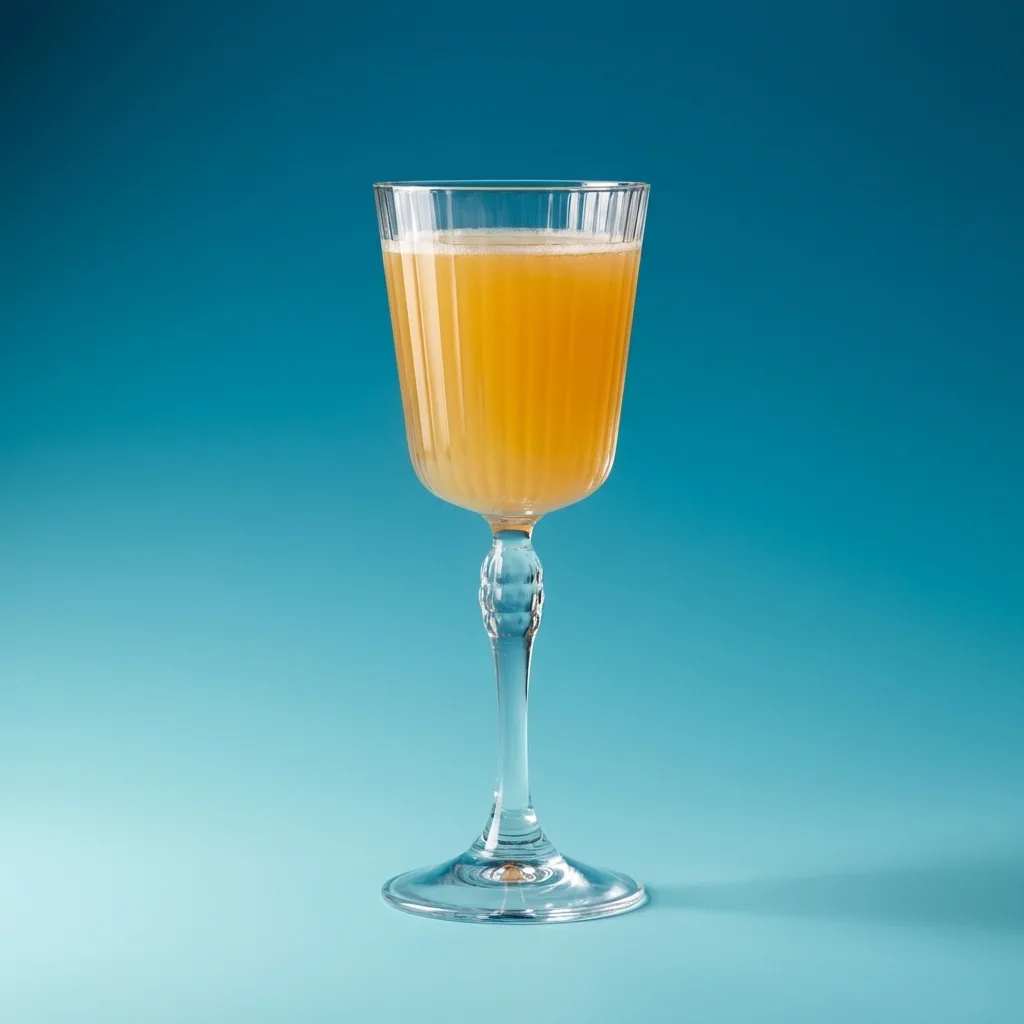
The Sidecar is a shaken sour built from Cognac, orange liqueur, and fresh lemon juice, served up in a chilled cocktail glass. Bracing up front, it settles into a silky, orange-tinted warmth with a clean, tart finish that lingers on the palate.
Ingredients
1
Servings
Instructions for 1 serving
- Pre-chill a glass
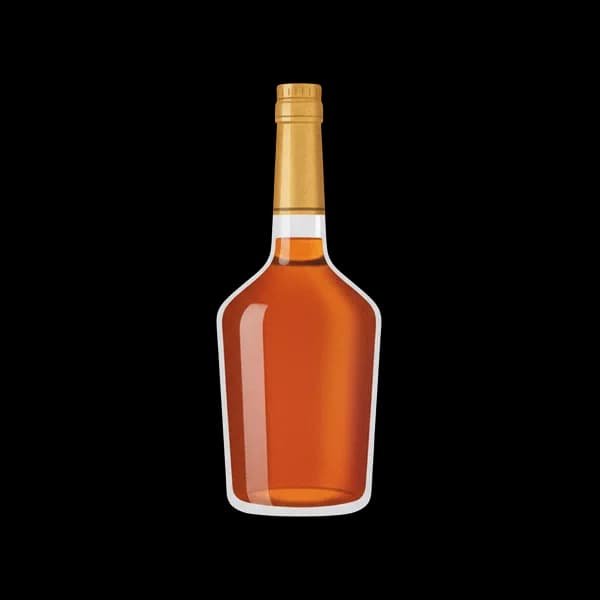
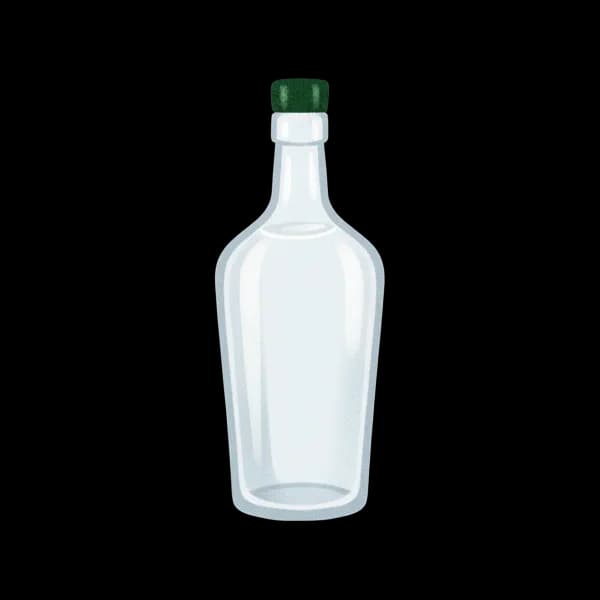
- Shake: Cognac 50 mlTriple sec 20 mlLemon juice 20 ml
- Strain into the chilled cocktail glass
Tips
- Use a fresh lemon rather than bottled juice — the Cognac has little else to hide behind if the citrus tastes flat.
History
The Sidecar's exact origin is disputed, but the earliest documented mentions place it around 1922, when it appeared in both Robert Vermeire's book Cocktails: How to Mix Them and Harry MacElhone's Harry's ABC of Mixing Cocktails. Both credited its introduction to Pat MacGarry, a bartender at Buck's Club in London, though MacElhone in later editions of his book claimed the creation for himself, having by then moved to run Harry's New York Bar in Paris. A rival Paris claim centers on Frank Meier, bartender at the Ritz Hotel in Paris, who was said to serve his own version there in the early 1920s.
The drink's name is generally traced to a motorcycle sidecar, said to have carried a regular patron, often described as an American army captain, to and from the bar where it was invented, though which bar and which telling is accurate remains unresolved among these competing accounts. Some writers, including David A. Embury in his 1948 book The Fine Art of Mixing Drinks, repeated a version of this origin story without settling the question of London versus Paris. The cocktail is also widely regarded as a descendant of the 19th-century New Orleans Brandy Crusta, which established the pairing of brandy, orange liqueur, and citrus decades before the Sidecar's own documented appearance.
FAQ
What is a Sidecar made of?
Cognac, orange liqueur (triple sec), and fresh lemon juice, shaken with ice and strained into a chilled cocktail glass. The Cognac leads, with the triple sec and lemon balancing its warmth into a dry, citrus-forward sour.
How do you make a good Sidecar?
Shake Cognac, triple sec, and fresh lemon juice hard with plenty of ice, then strain into a pre-chilled cocktail glass. Using freshly squeezed lemon juice rather than bottled makes the biggest difference, since the Cognac has few other flavors to lean on.
Is a Sidecar a strong drink?
Yes, it's a fairly strong drink at about 25.9% ABV — the Cognac pour is more than double the lemon juice that softens it.
What is the difference between a Sidecar and a French 75?
A Sidecar is Cognac, orange liqueur, and lemon juice shaken and served up, while a French 75 is gin (or Cognac) and lemon juice topped with sparkling wine in a tall glass. The Sidecar is entirely spirit and citrus with no fizz, giving it a denser, boozier character than the lighter, bubbly French 75.
What is a Mexican Sidecar?
A Mexican Sidecar is a different cocktail that swaps the Cognac for tequila, typically paired with orange liqueur and lime instead of lemon. It is not the drink on this page, which is built on Cognac in the classic style.