Brandy Alexander
Shake ∙ 3 min ∙ 19.9% ABV ∙
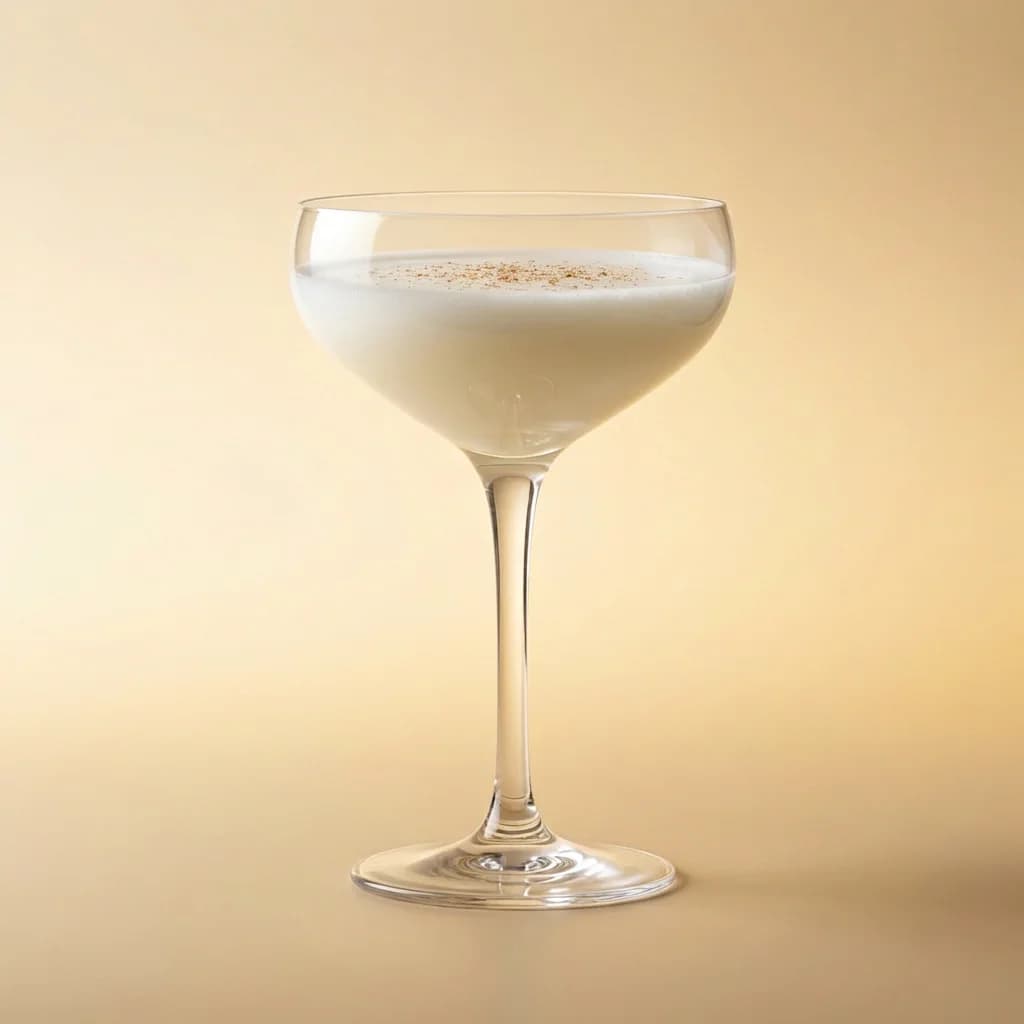
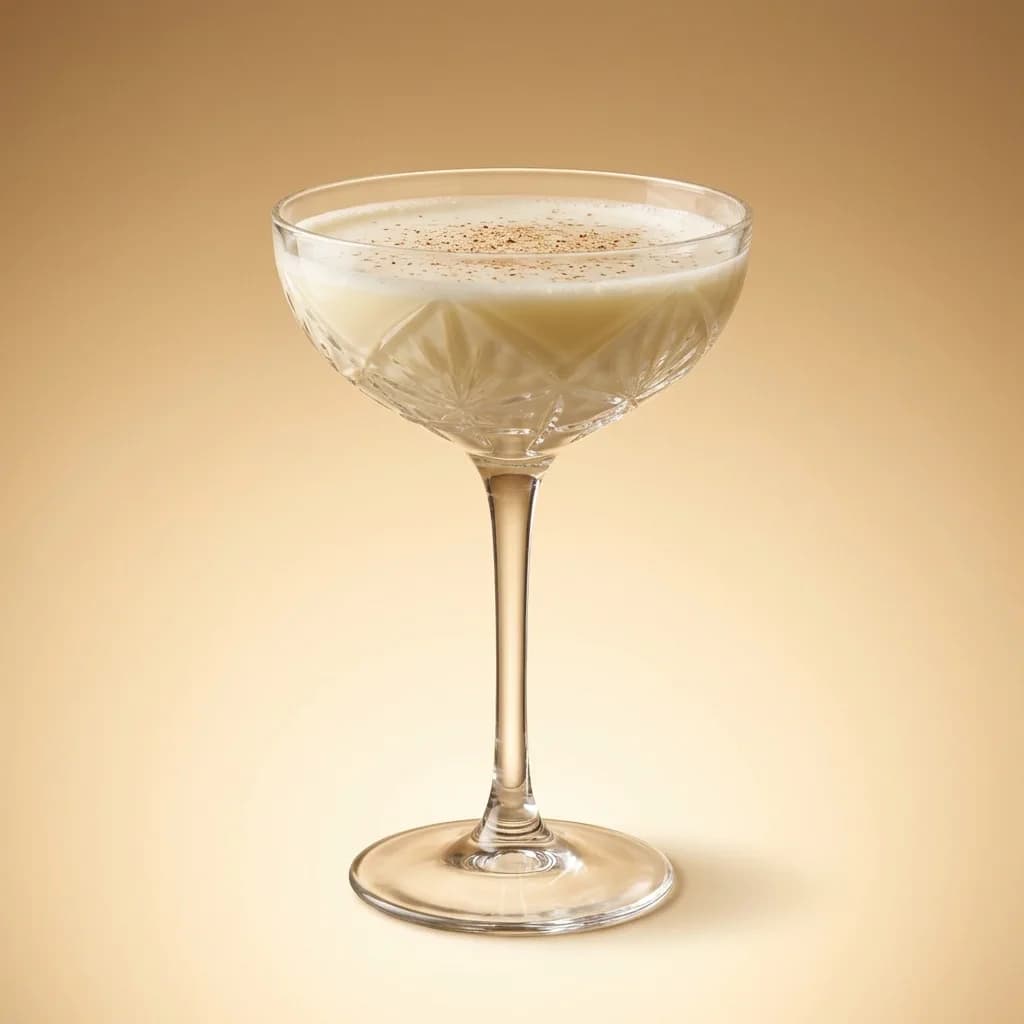
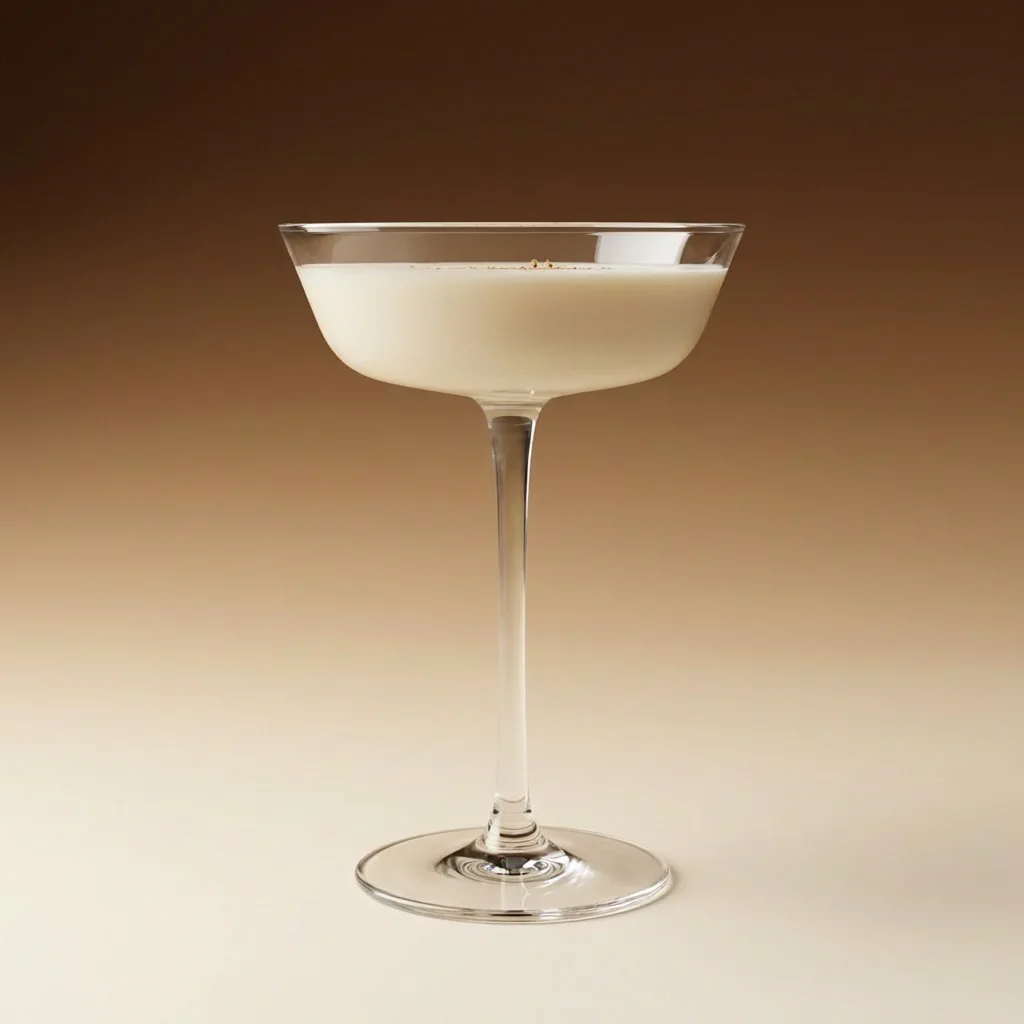
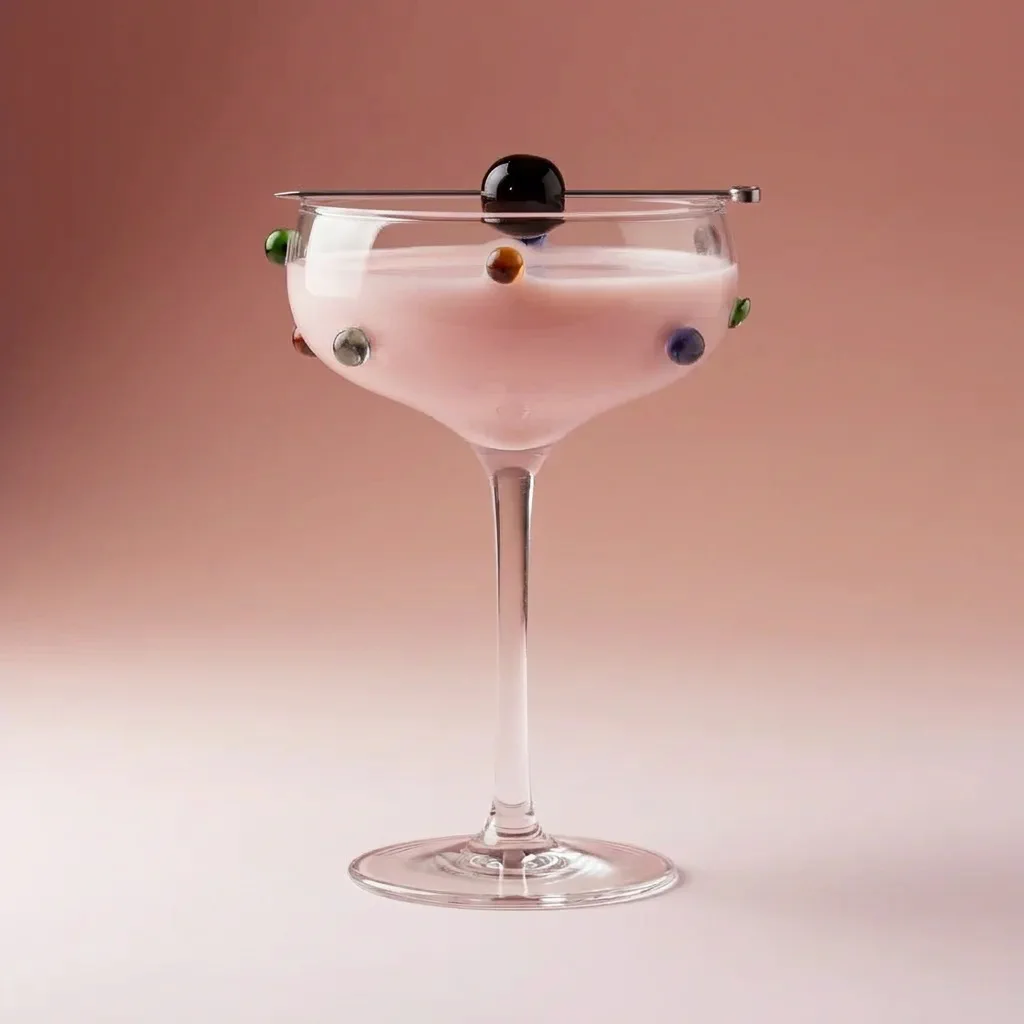
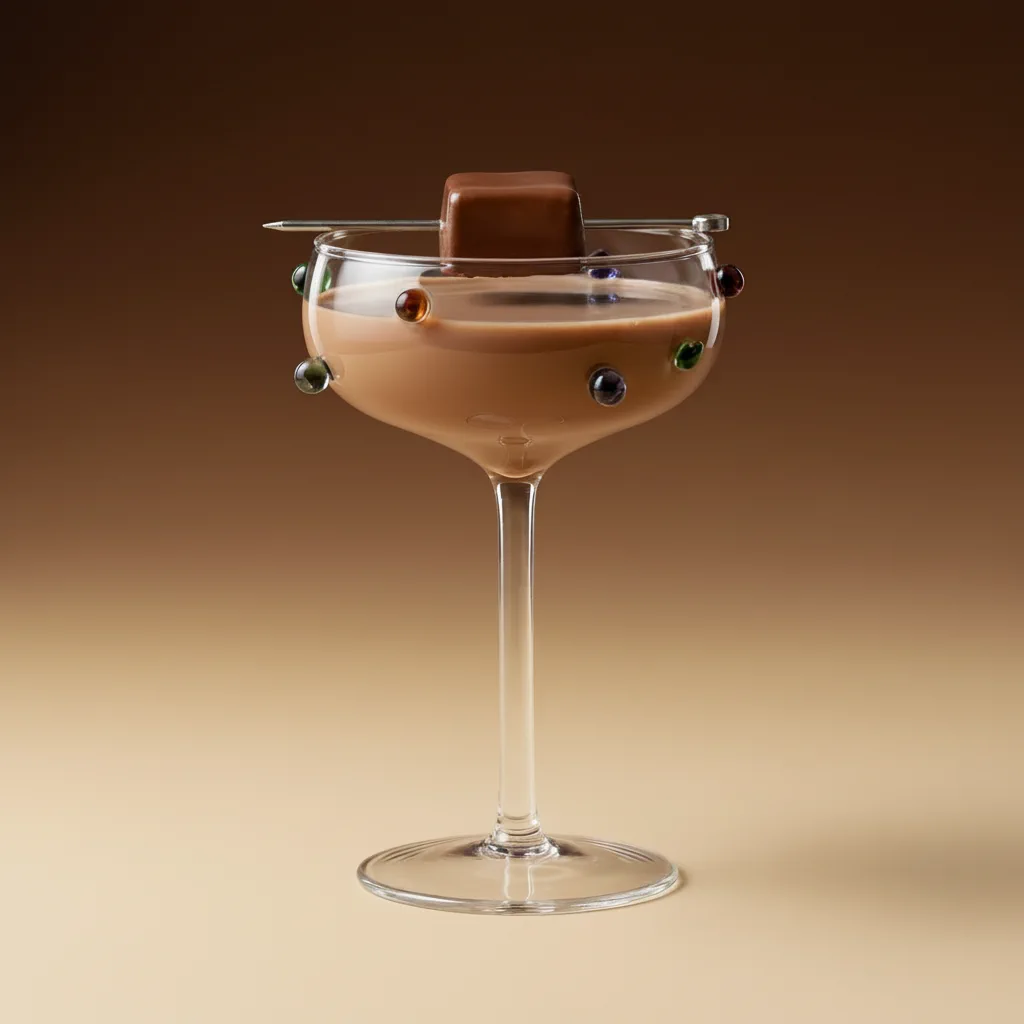
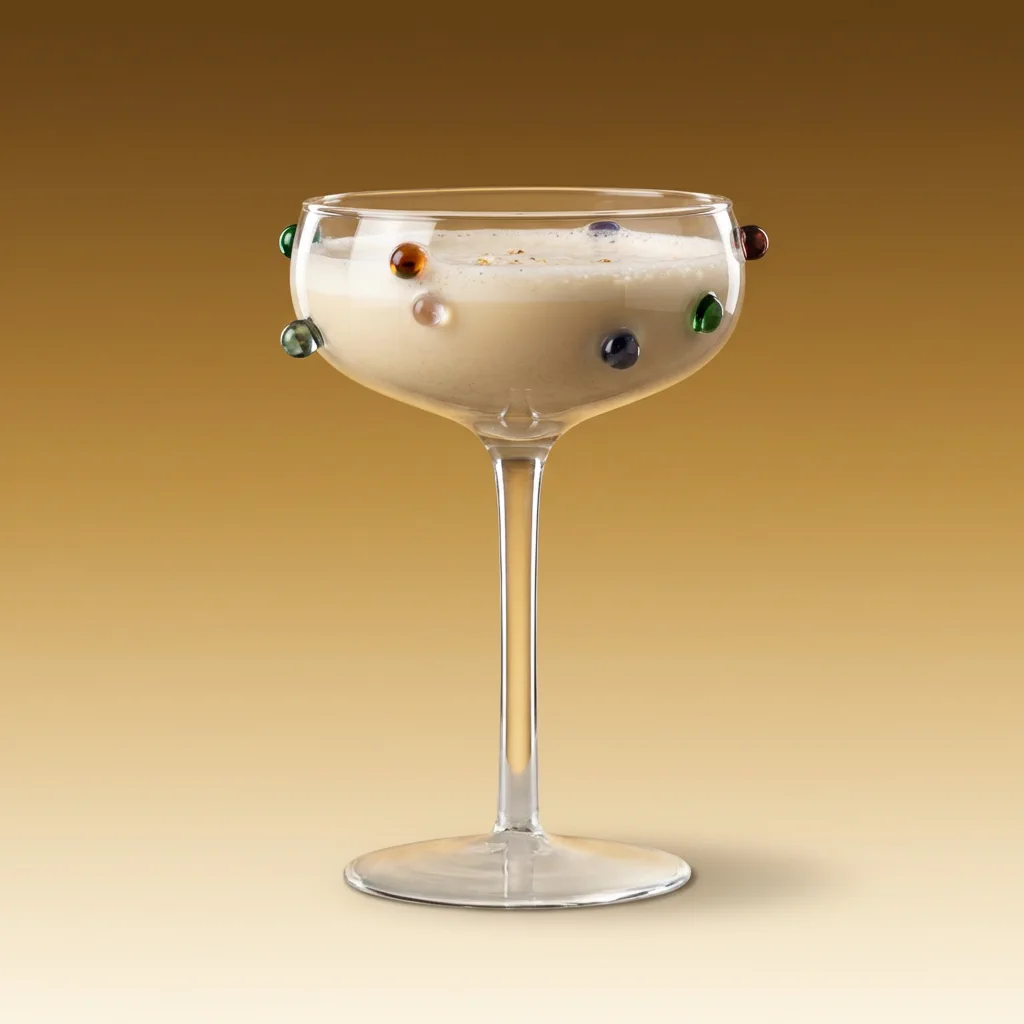
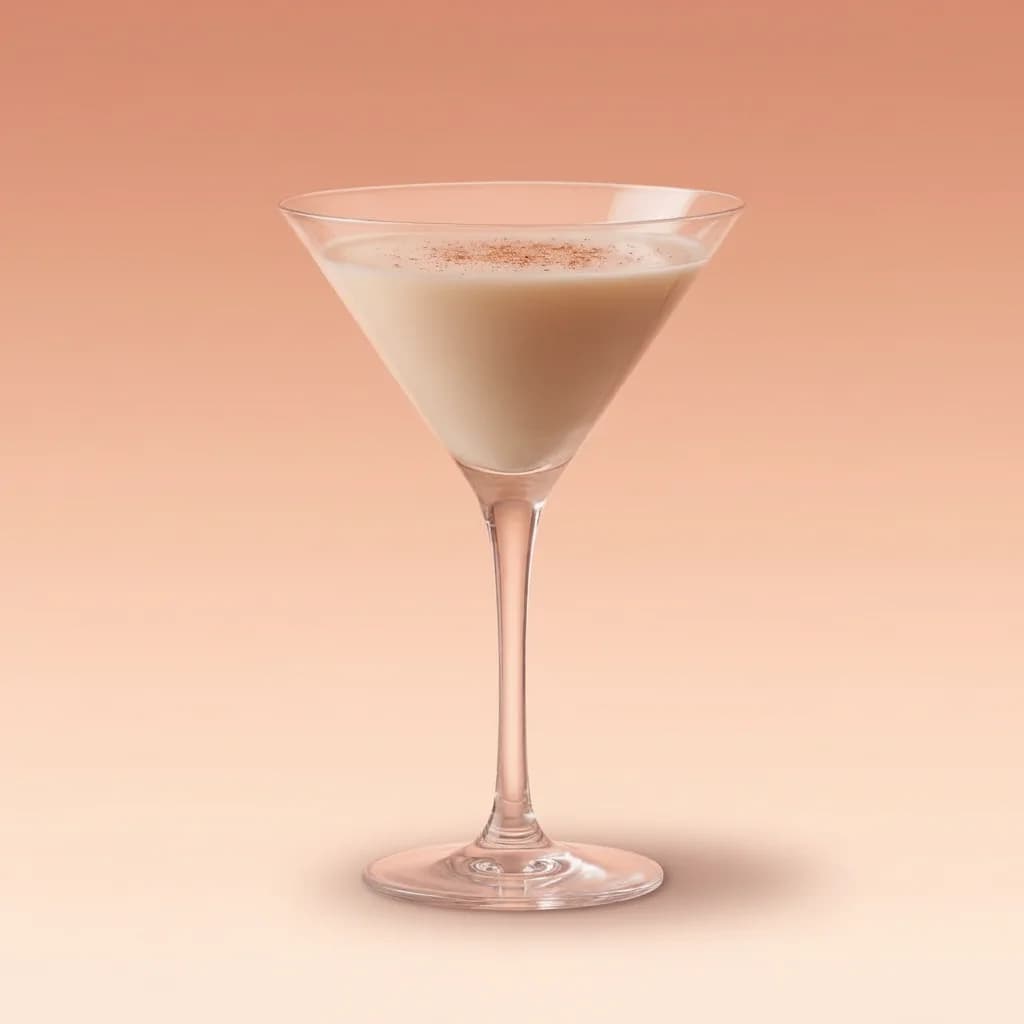
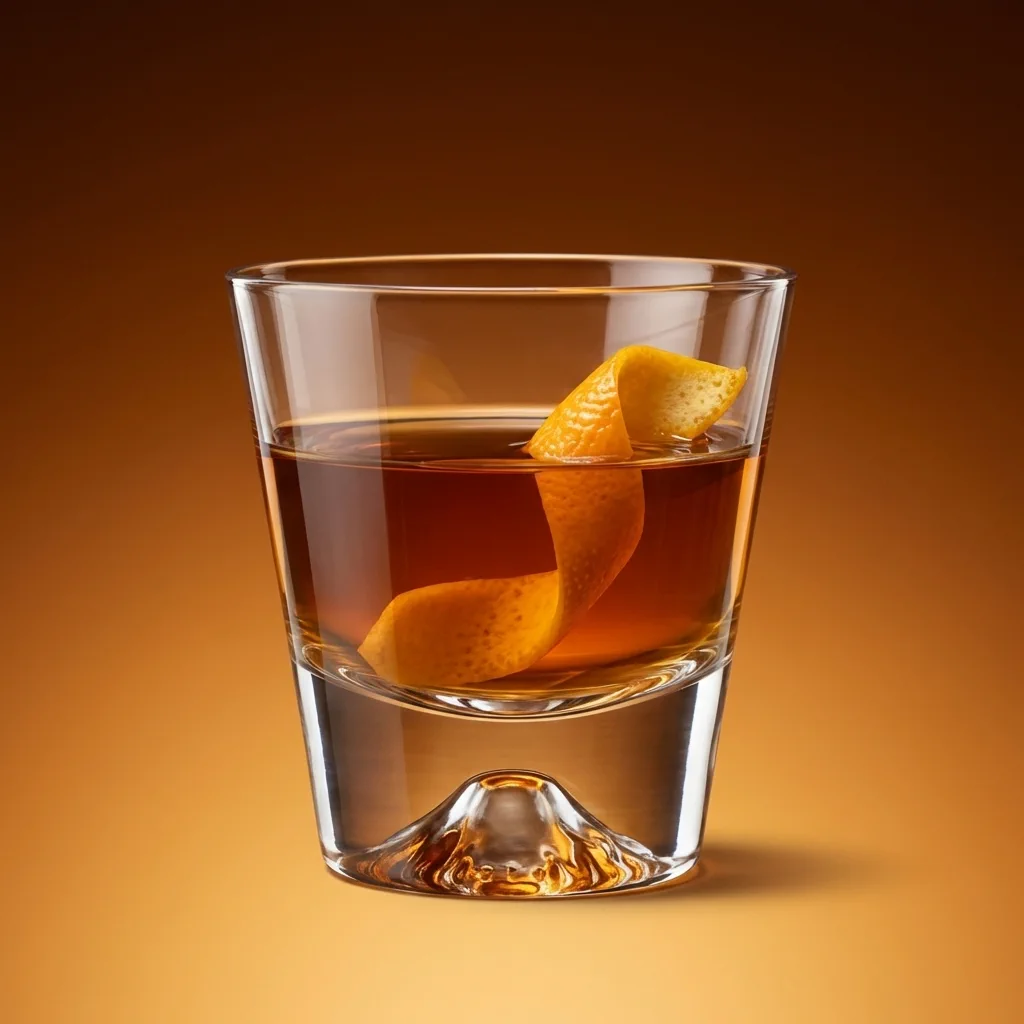
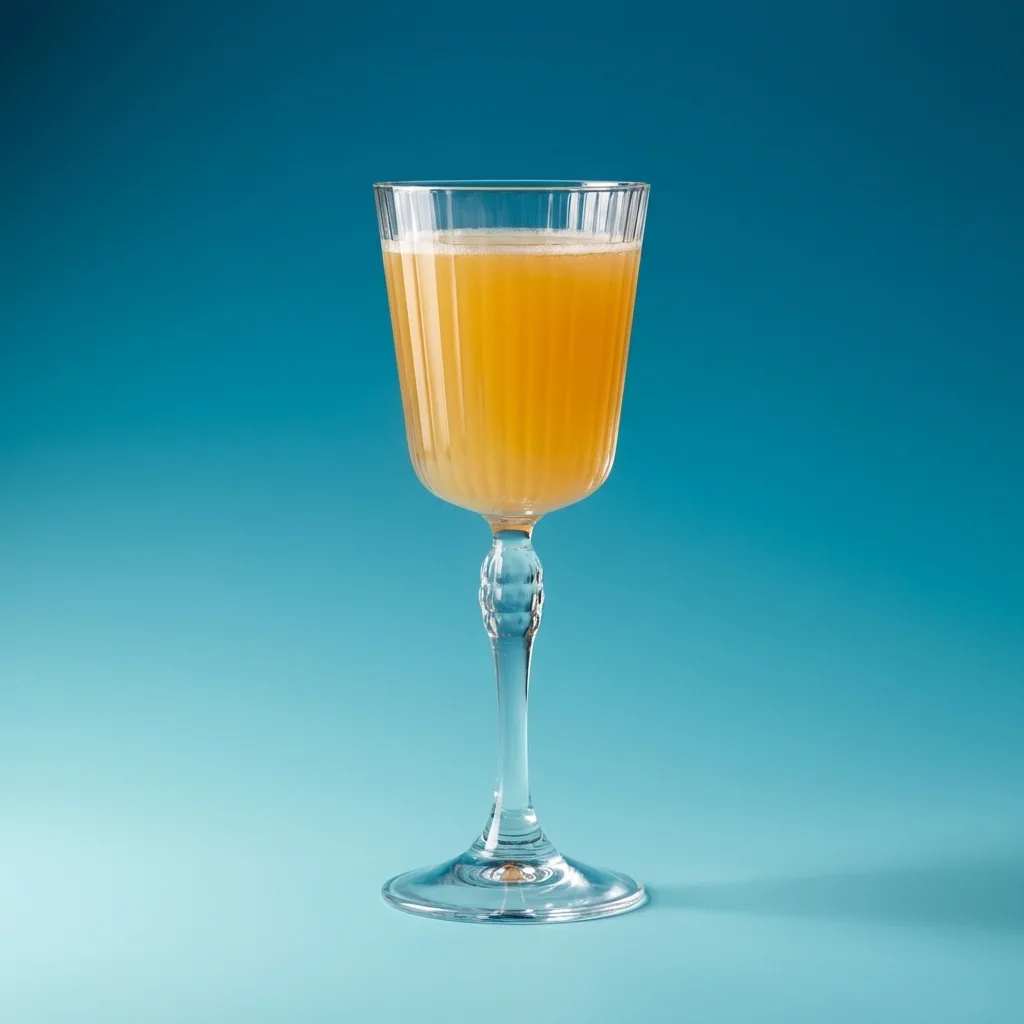
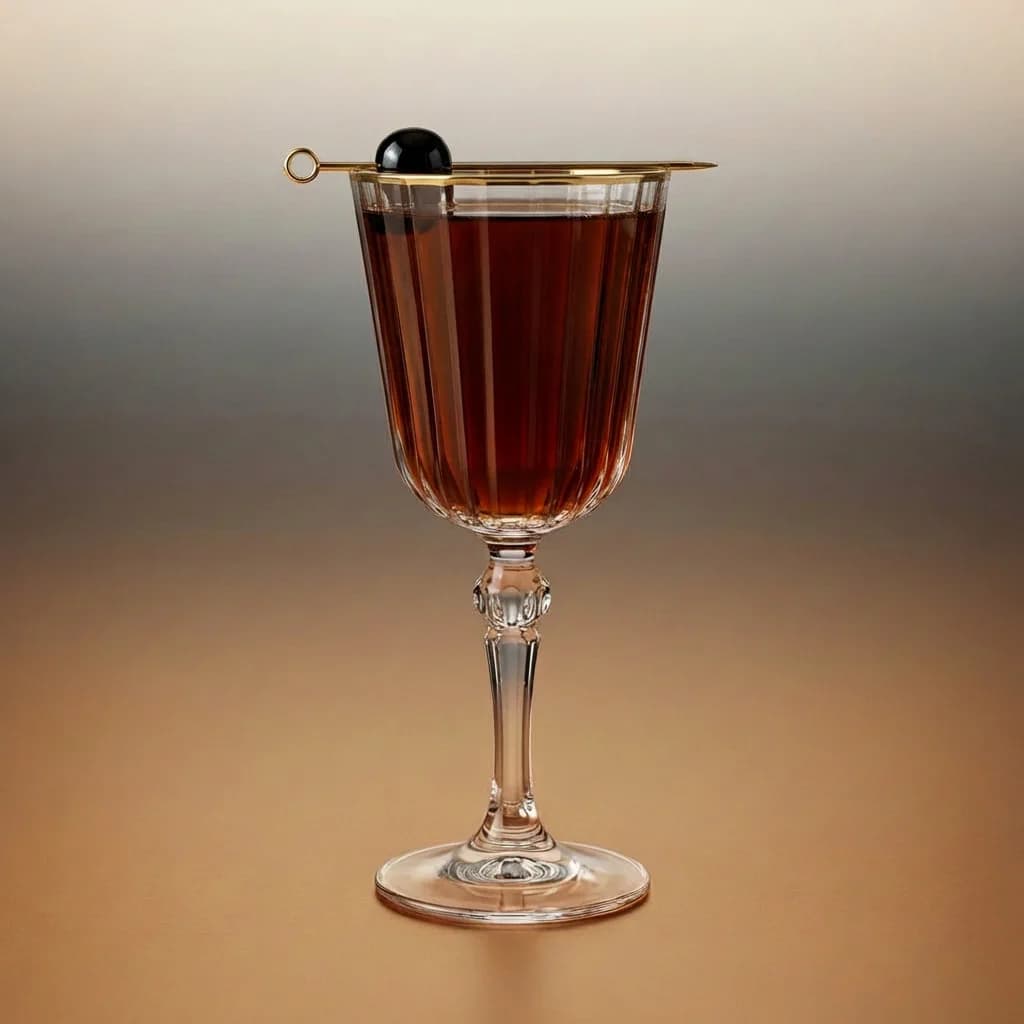
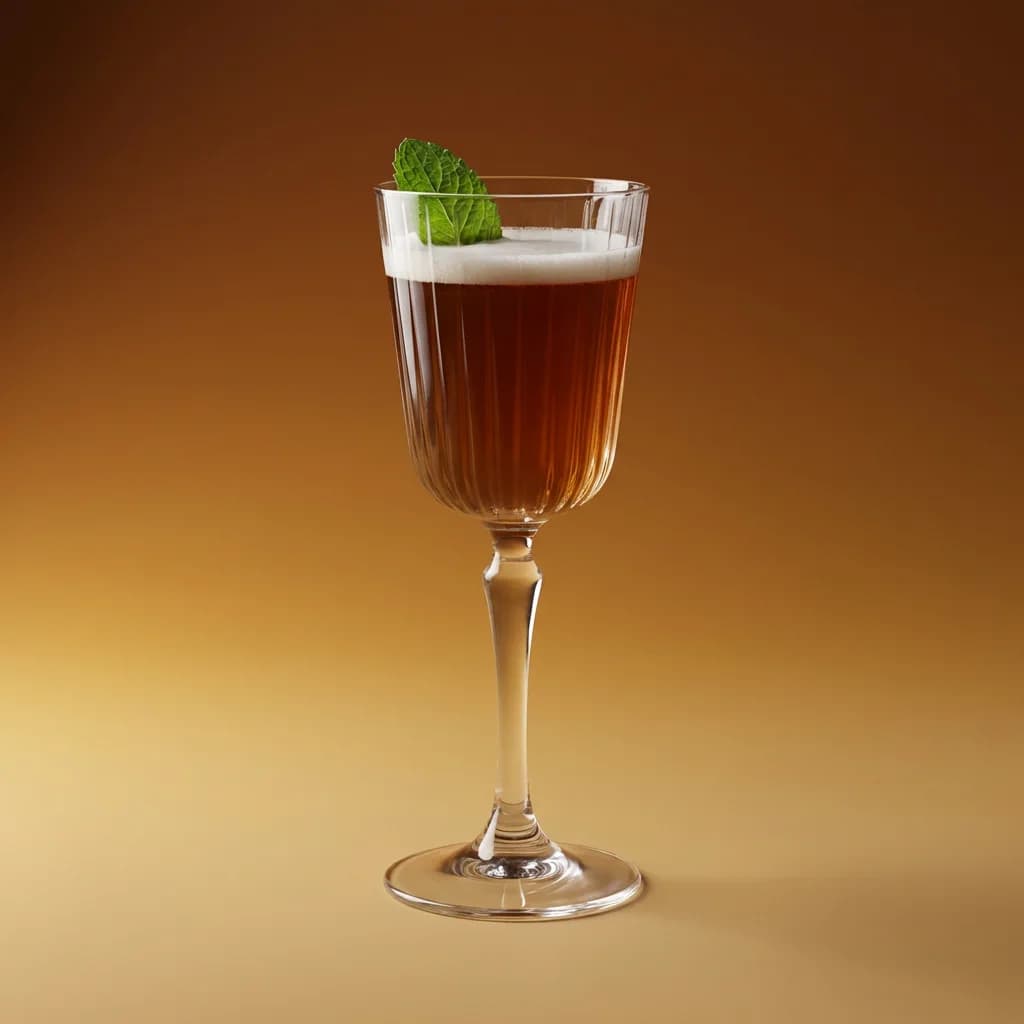
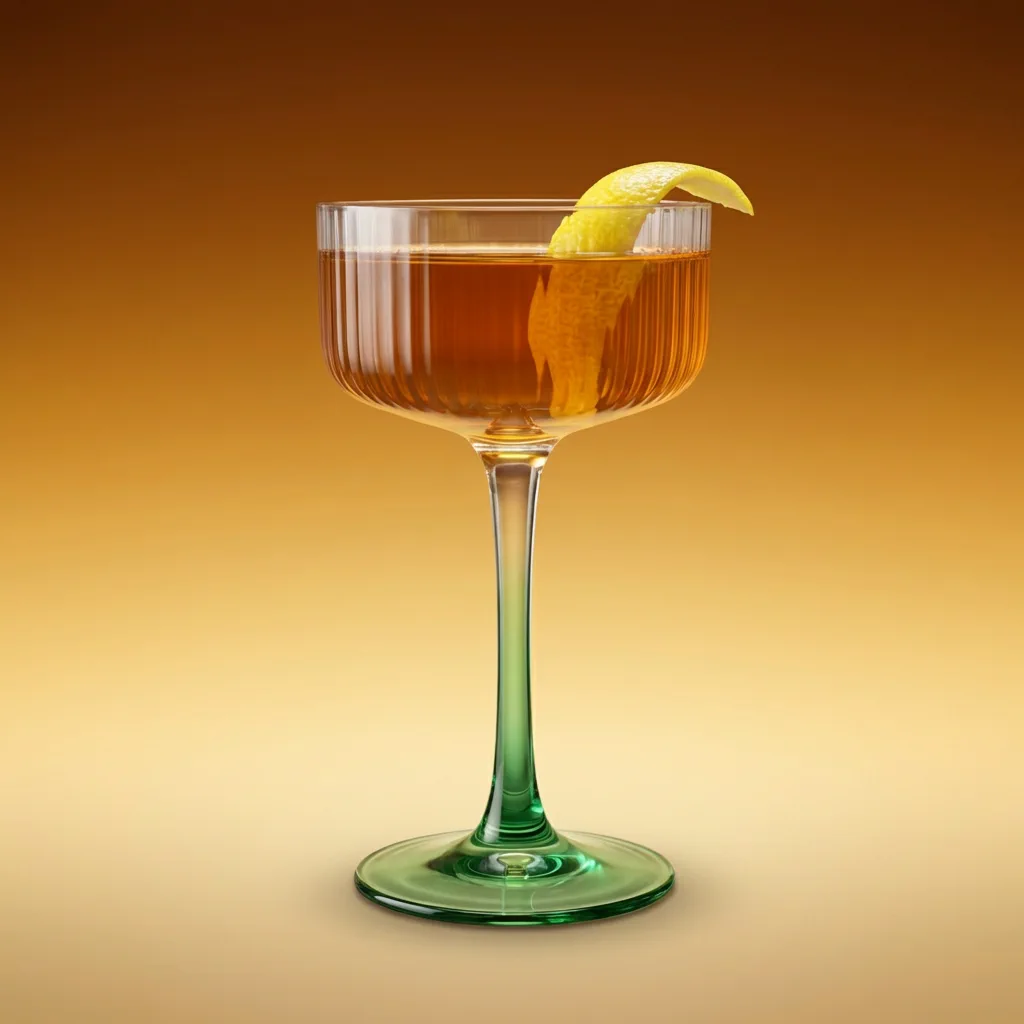
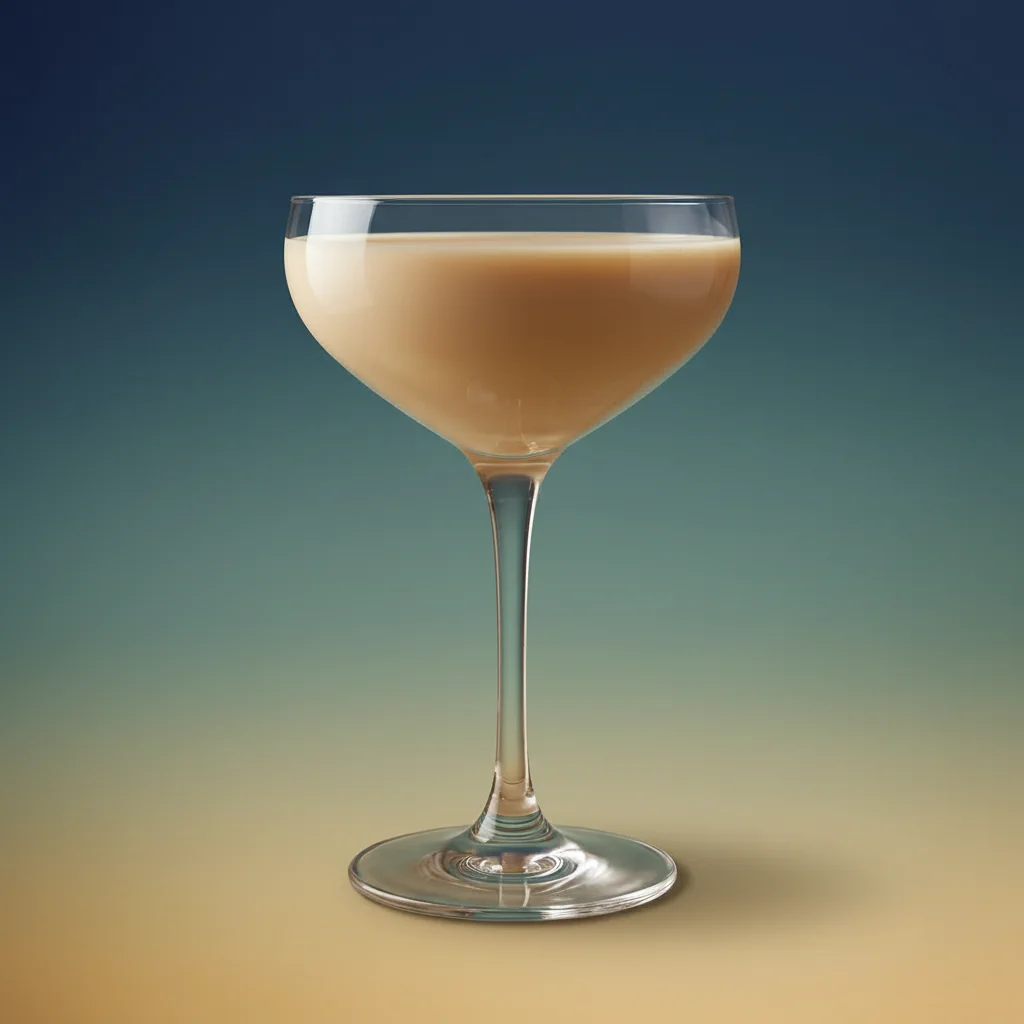
The Brandy Alexander is a shaken dessert cocktail of cognac, brown and white crème de cacao, and cream, served up in a coupe. Cocoa and cream coat the palate first, cognac warmth rising underneath, finishing soft and lightly spiced from a dusting of nutmeg.
Ingredients
1
Servings



Garnish

Instructions for 1 serving
- Pre-chill a glass
- Shake all ingredients with ice: Cognac 50 mlBrown crème de cacao 15 mlWhite Crème de Cacao 15 mlSingle cream/half-and-half 30 ml
- Fine strain into the chilled glass
- Express a lemon twist over the cocktail and discard
- Garnish with grated nutmeg
Tips
- Shake hard for a full 15 seconds with cold cream straight from the fridge to emulsify it with the cognac and cacao — under-shaking leaves it thin.
- Grate whole nutmeg fresh over the top just before serving — pre-ground loses its aroma.
History
The Brandy Alexander is a brandy-based variation of the earlier Alexander cocktail, which dates to the early 20th century. The name first appears in print in Jack's Manual (1910) by Jacob Abraham Grohusko, though that recipe was a rye whiskey and Bénédictine drink unrelated to the modern version; the now-familiar formula of gin, crème de cacao, and cream is recorded by 1914 and again in Hugo Ensslin's Recipes for Mixed Drinks (1916). Its origin is disputed: one widely repeated story credits bartender Troy Alexander of the New York restaurant Rector's with inventing it to serve a white-colored drink at a dinner honoring Phoebe Snow, a character from an early 20th-century railroad advertising campaign, though this account is not firmly documented.
Brandy was substituted for gin to create the Brandy Alexander, a swap first appearing in print around 1916 and later included alongside the gin version in Harry Craddock's 1930 Savoy Cocktail Book and in William J. Tarling's 1937 Café Royal Cocktail Book. Later rumors about the brandy version's naming or creation include a supposed link to the 1922 London wedding of Princess Mary and Viscount Lascelles, a claim by critic Alexander Woollcott that it was named for him, and a theory tying the name to Russian tsar Alexander II, none of which is verified.
FAQ
What are the ingredients in a Brandy Alexander?
Cognac, brown crème de cacao, white crème de cacao, and cream, shaken and strained into a coupe with a lemon twist and grated nutmeg on top. The two cacao liqueurs give it a rounder chocolate flavor than a single crème de cacao would.
How do you make a Brandy Alexander?
Shake cognac, brown and white crème de cacao, and cream hard with ice until well chilled and slightly frothy, then fine-strain into a chilled coupe. Finish with a lemon twist and a dusting of fresh grated nutmeg.
Is a Brandy Alexander shaken or stirred?
Shaken, not stirred. The cream needs the vigorous agitation of a shake to aerate and blend smoothly with the cognac and liqueurs; stirring would leave it thin and unmixed.
What glass is a Brandy Alexander served in?
A coupe glass, served up with no ice, garnished with a lemon twist and grated nutmeg.
What is the best brandy to use in a Brandy Alexander?
Cognac is the standard choice, since its dried-fruit and oak notes hold up against the chocolate and cream. This build uses cognac specifically rather than a generic brandy for that reason.
What is a substitute for crème de cacao in a Brandy Alexander?
A chocolate liqueur can stand in for crème de cacao, though it tends to be sweeter and less clean-tasting. This recipe actually uses two styles, brown and white crème de cacao, so swapping just one for a substitute still keeps some of the intended balance.
What is the difference between a White Russian and a Brandy Alexander?
A White Russian is built on vodka and coffee liqueur with cream, while a Brandy Alexander is shaken with cognac and two crème de cacaos. The White Russian is built over ice in a rocks glass, whereas the Brandy Alexander is shaken and strained up into a coupe.