Cocktails with Passion fruit
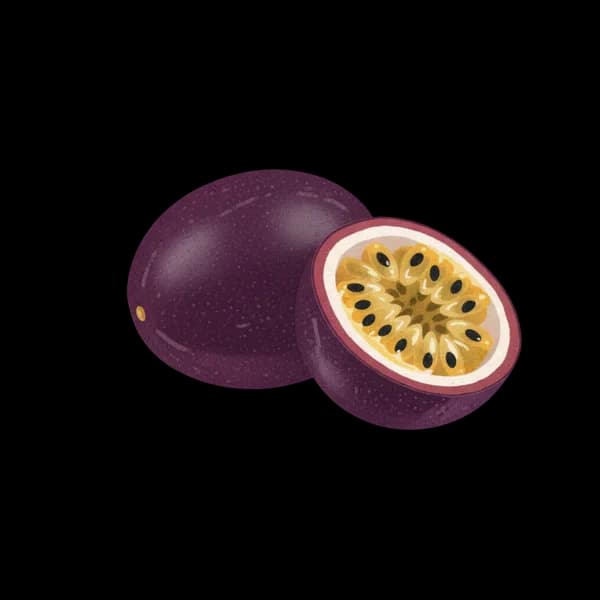
Passion fruit is the tropical fruit of Passiflora edulis, its shell packed with seeds each wrapped in a sac of tart, aromatic juice.
How it's used
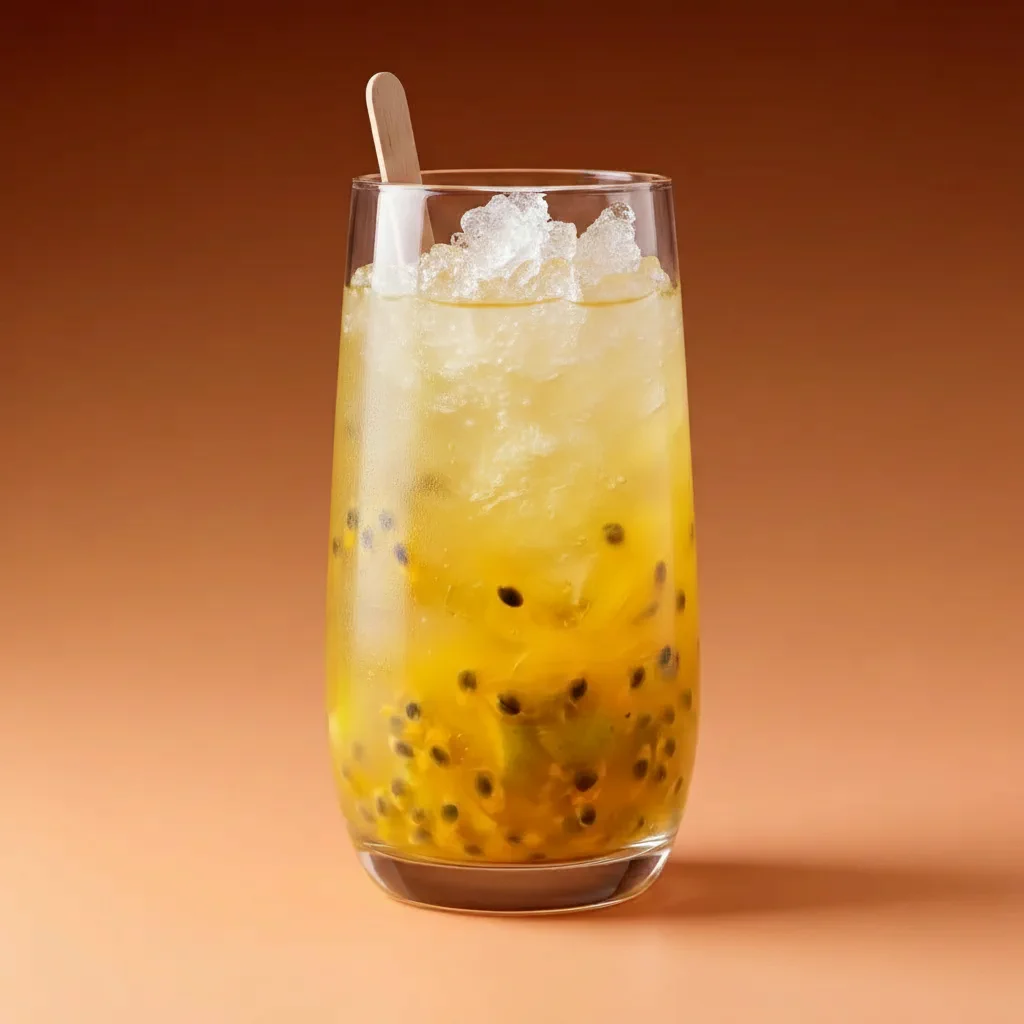
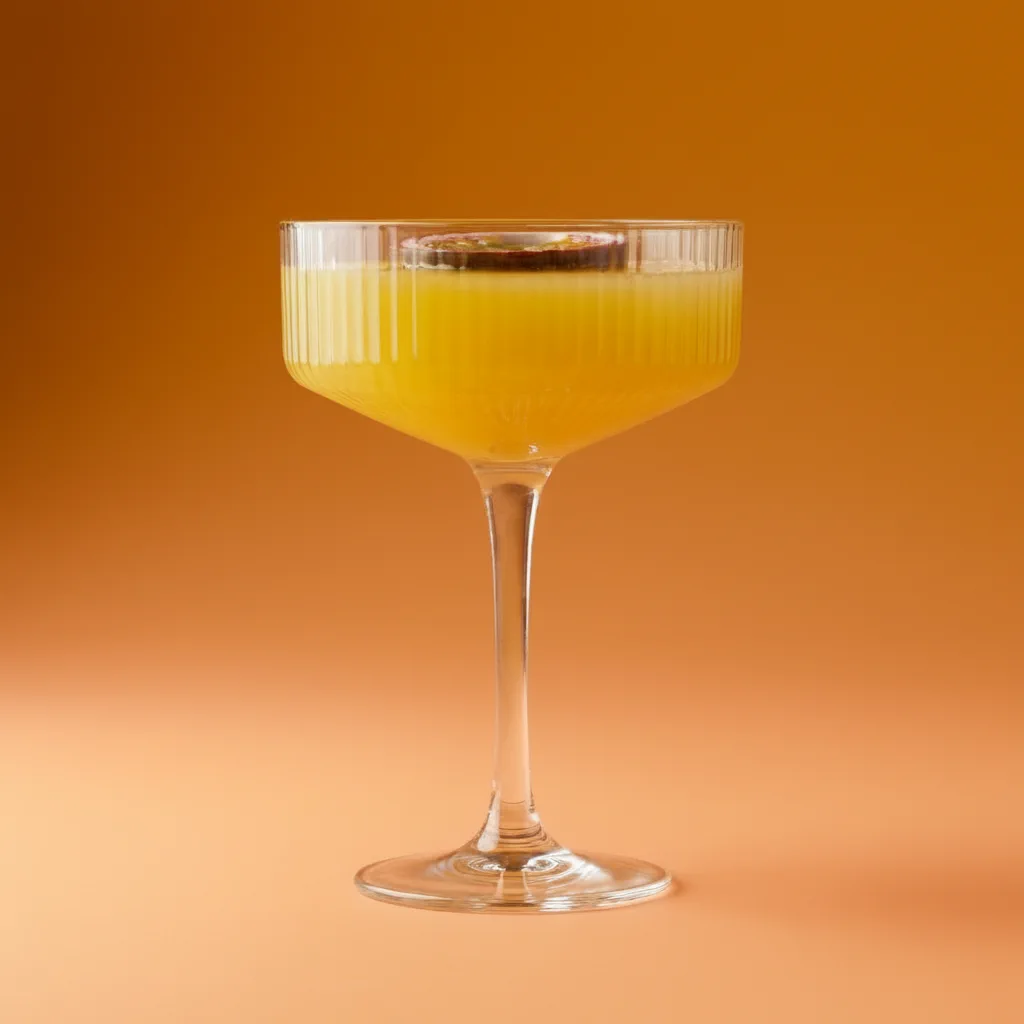
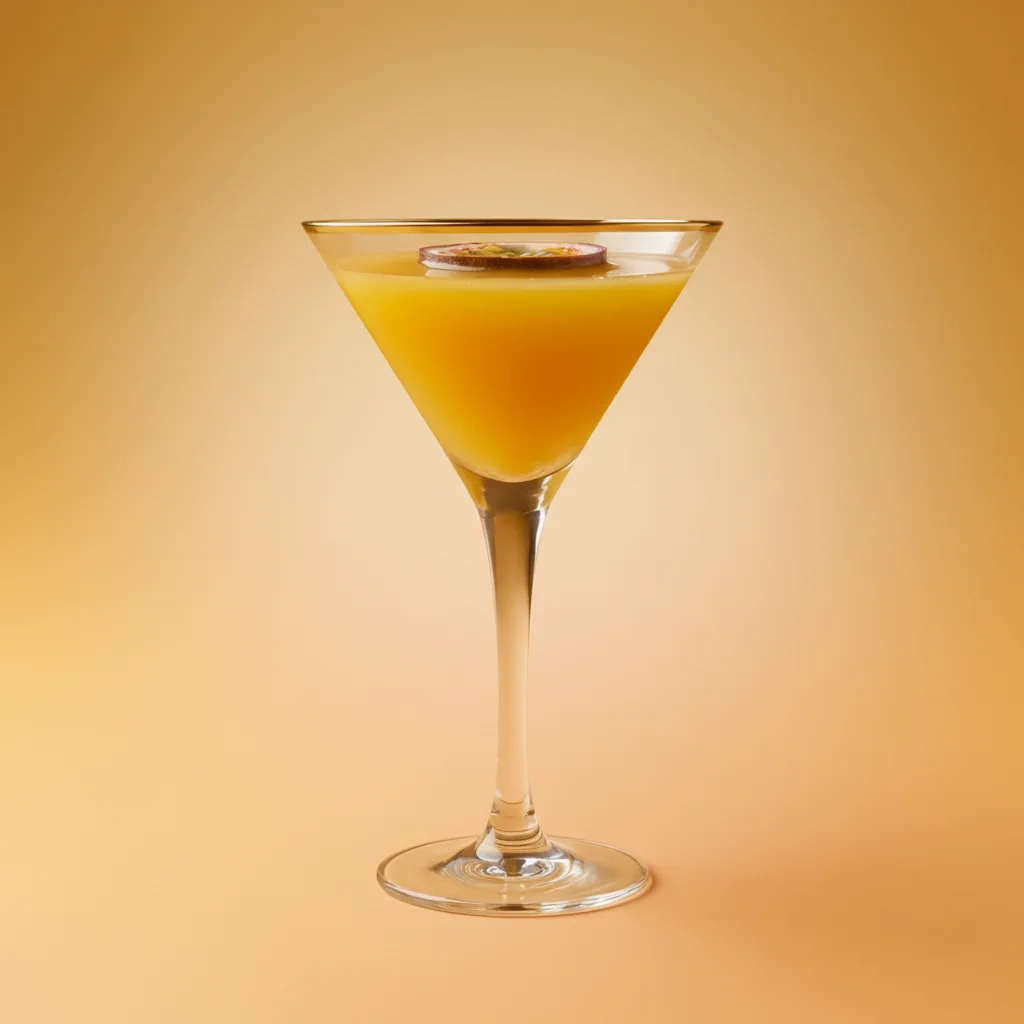
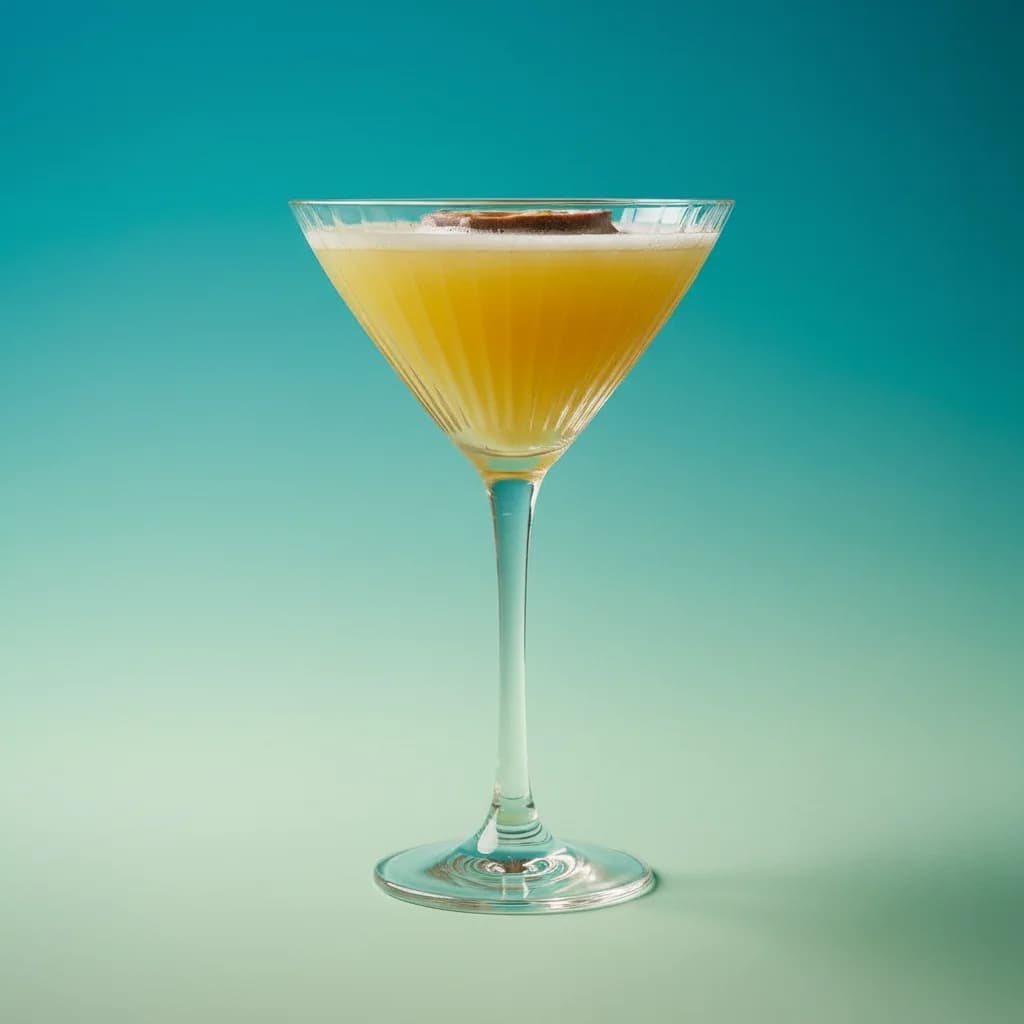
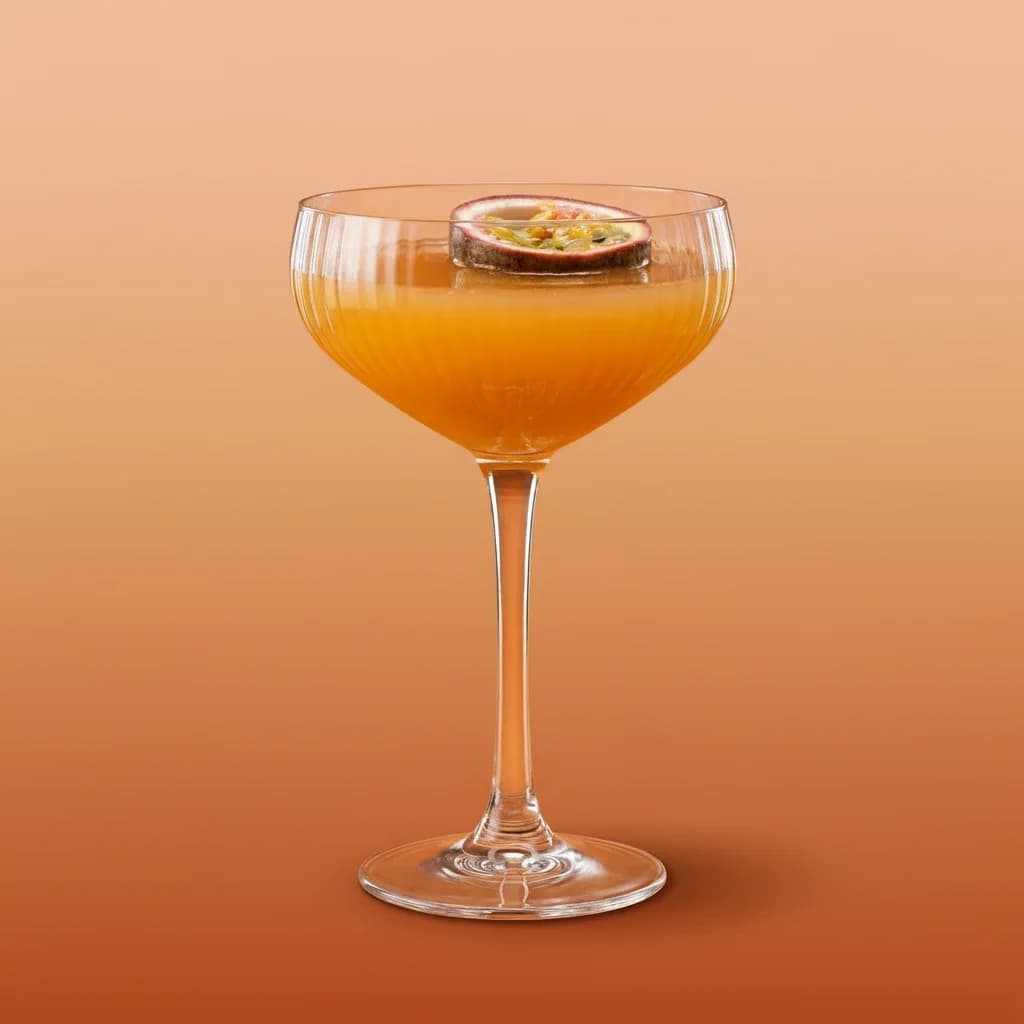
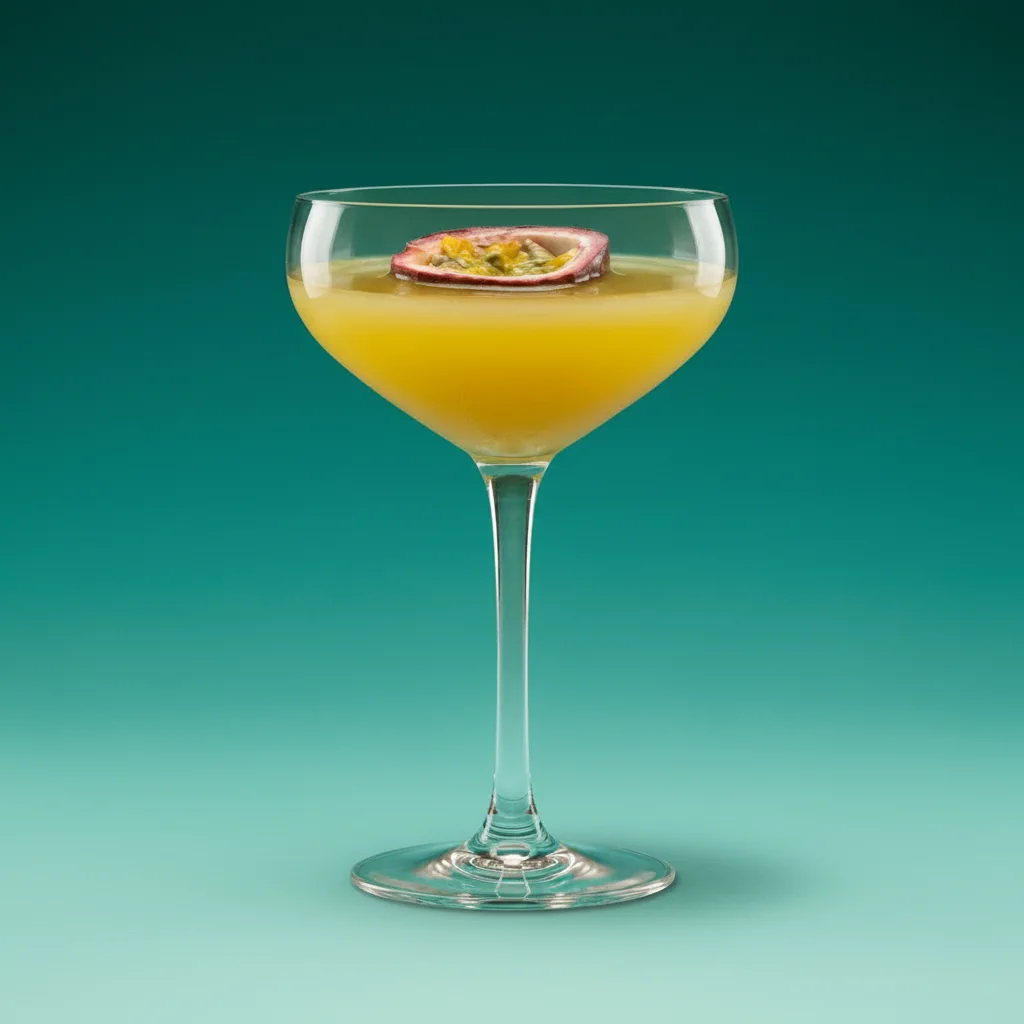
One fruit is the standard measure. Scoop the seeds and pulp straight into the glass for texture and aroma, or strain the juice to use as a tart, fruit-forward souring agent alongside or instead of citrus. Purchased purée and concentrate are usually pre-sweetened and seed-free, so cut back other sugar and expect a smoother texture than fresh pulp. It’s the fruit behind the Pornstar Martini.
Substitutes for Passion fruit
Frozen passion fruit purée is the easiest swap, at roughly 15 ml per fruit. Check the pack: some purées are unsweetened, others sweetened. With a sweetened one, cut any syrup in the recipe by about a third of a barspoon per fruit. Passion fruit syrup works only in place of the recipe's sugar syrup. The flavor comes through, but the tartness and seeds do not, so add a little lime.
Purée and concentrate
Seedless and usually frozen: Boiron's has no added sugar, while Ponthier's is 10% sugar.
Yellow vs. purple passion fruit
The yellow fruit is larger and more acidic; the purple is smaller, less acidic and juicier. A drink built for yellow comes out a little sweeter on purple.
Granadilla / giant granadilla
Related Passiflora fruits with milder, less acidic pulp, so a drink built on passion fruit comes out sweeter and flatter.