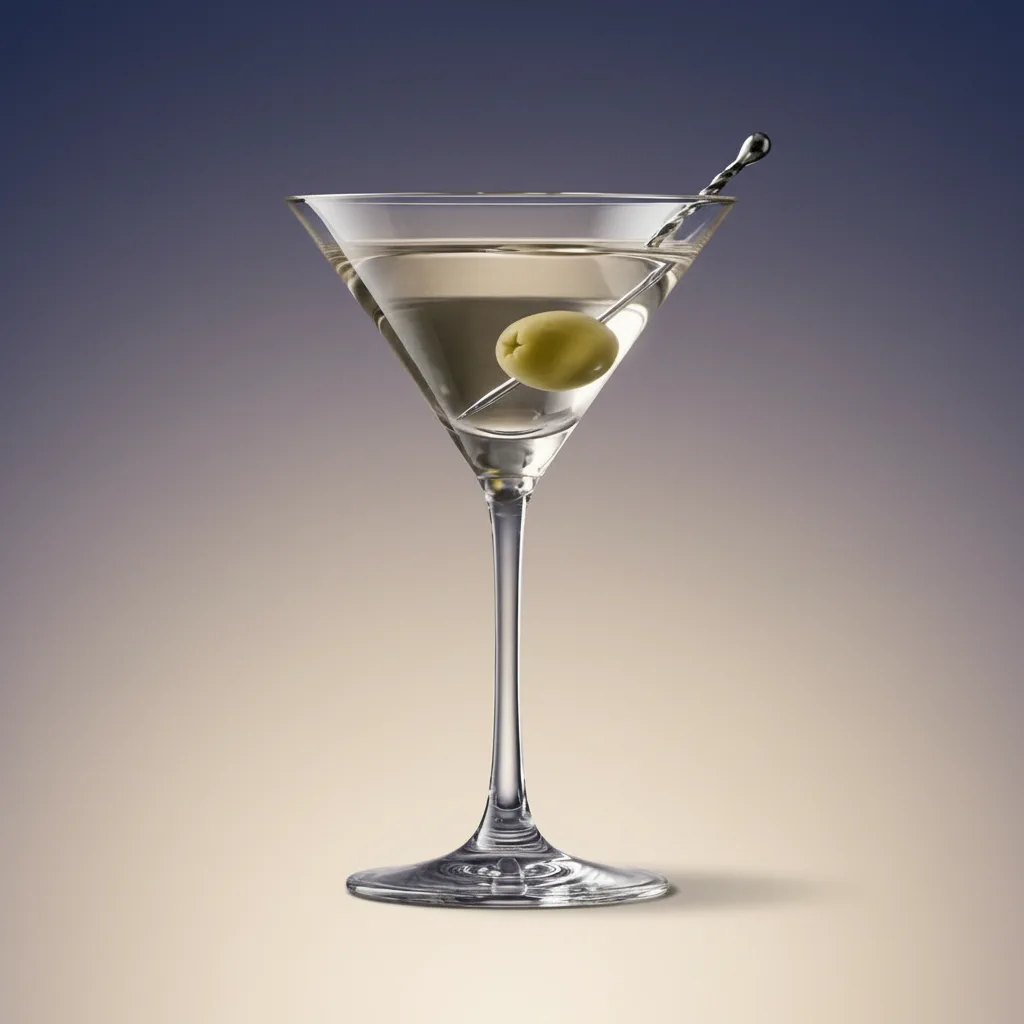
Alaska (Savoy recipe)
Stir ∙ 3 min ∙ 39.3% ABV ∙
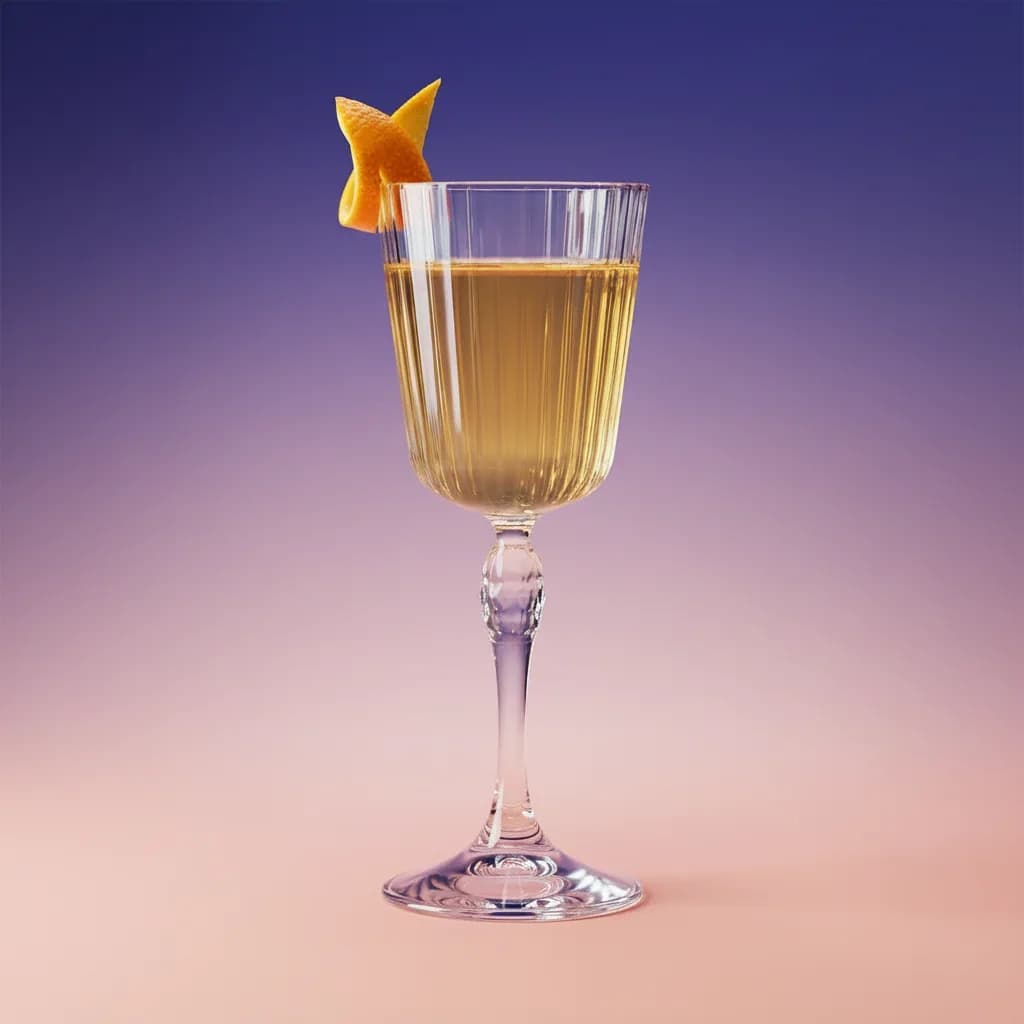
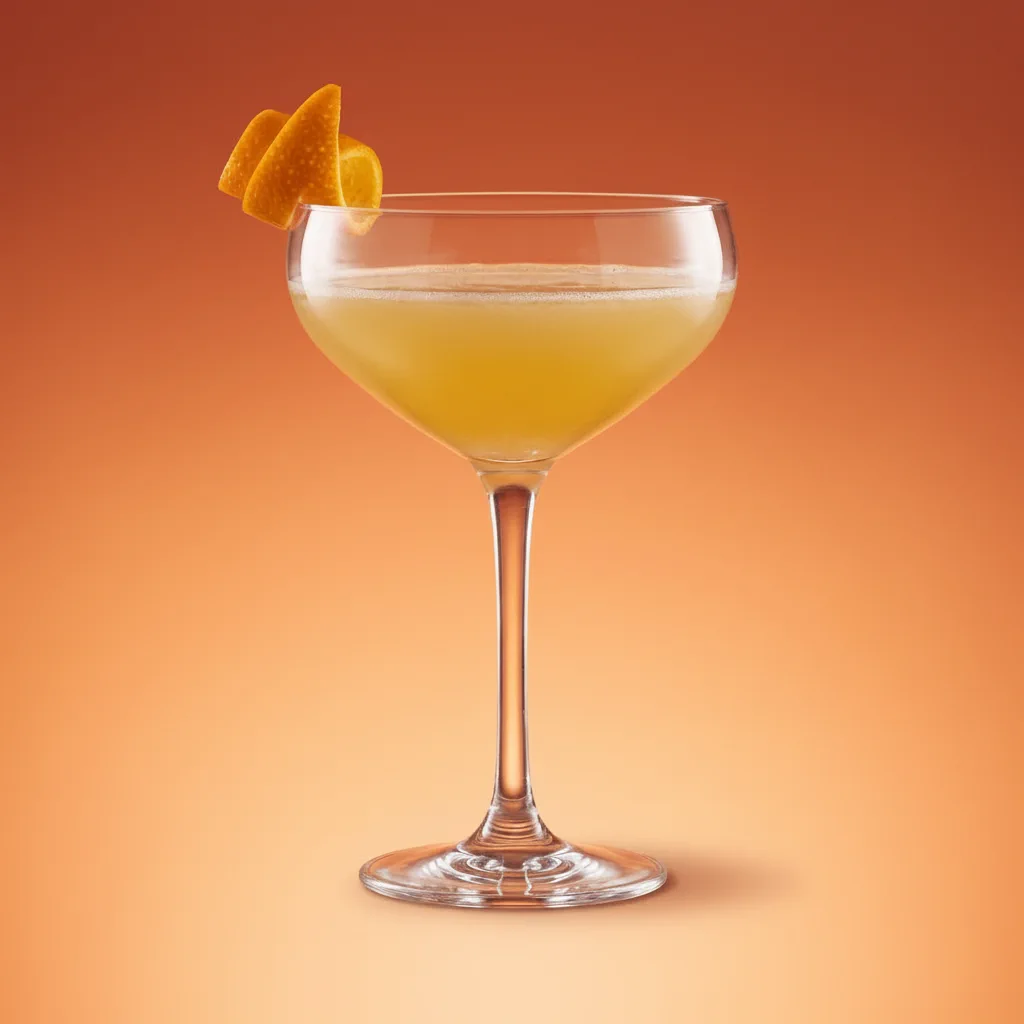
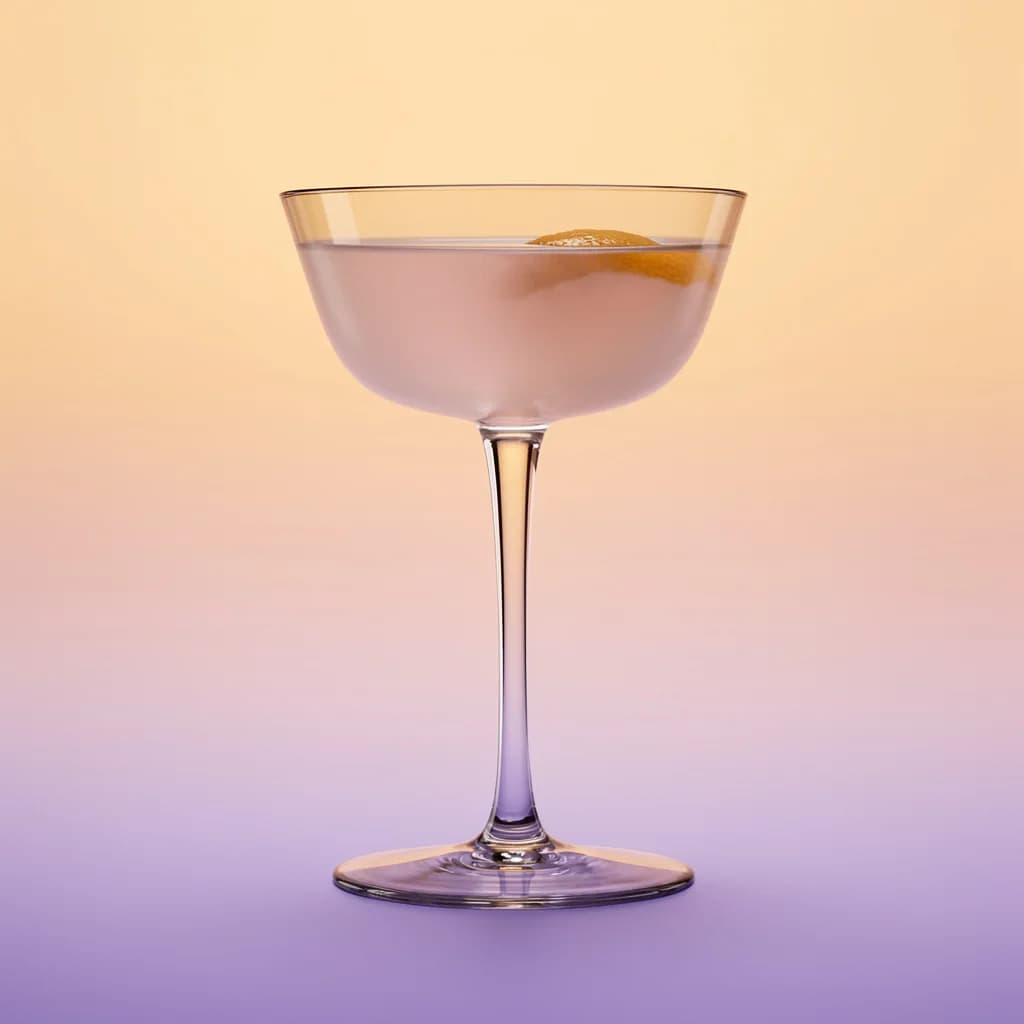
The Alaska is a stirred spirit-forward cocktail of London dry gin and an herbal liqueur such as yellow Chartreuse, served up with an orange twist. Juniper and citrus oil lead, then a honeyed herbal sweetness spreads through the middle before a dry, faintly medicinal finish — a bracing pre-dinner sip.
Ingredients
1
Servings
Garnish

Instructions for 1 serving
- Pre-chill a glass
- Stir all ingredients with ice: London dry gin 45 mlHerbal liqueur (e.g., Yellow Chartreuse) 15 ml
- Fine strain into the chilled glass
- Express an orange twist over the cocktail and use as garnish
Tips
- Stir with cracked ice for about 30 seconds; a spirit-forward 3:1 gin-to-Chartreuse ratio needs firm dilution, not a quick shake, to soften the liqueur's sweetness.
- Measure the Yellow Chartreuse carefully at 15 ml against 45 ml gin; too much liqueur will overpower the London dry gin's juniper backbone.
History
The Alaska is a pre-Prohibition American cocktail first documented in 1913 in Jacques Straub's Manual of Mixed Drinks, though most sources trace the now-familiar gin-and-Chartreuse combination to the version printed the following year in his book Drinks; other early manuscripts of the same title, including Straub's own, sometimes listed an unrelated rye-and-Benedictine mixture under the same name, so the drink's early identity was not fixed. The gin-based formula, built as a dry martini with yellow Chartreuse standing in for vermouth, became standardized when Harry Craddock included it in The Savoy Cocktail Book in 1930. This Savoy recipe is the variation now best known: it lightens the Chartreuse and drops the dash of orange bitters called for in the earlier Straub version, shifting the balance toward a drier, more gin-forward drink than the original pre-Prohibition build.
FAQ
What are the ingredients in an Alaska cocktail?
London dry gin and an herbal liqueur such as yellow Chartreuse, stirred with ice and strained up. It is garnished with an orange twist and served in a coupe glass, with no juice or syrup to soften the two core ingredients.
Is an Alaska cocktail shaken or stirred?
Stirred. Both ingredients are clear spirits with no citrus or egg to aerate, so stirring chills and dilutes the drink while keeping it clear and silky rather than clouding it.
What glass is an Alaska cocktail served in?
A coupe glass, served up with no ice, finished with an orange twist expressed over the surface.
What cocktail is The Savoy famous for?
The Savoy Hotel's American Bar is best known for the White Lady and the Hanky Panky, both credited to head bartender Harry Craddock, whose 1930 Savoy Cocktail Book also recorded the Alaska recipe used here.
What kind of cocktails are in the Savoy book?
What are some variations of the Alaska cocktail?
The main variation swaps the herbal liqueur's proportion or brand — some versions use green Chartreuse instead of yellow for a drier, more intensely herbal result, or shift the ratio closer to equal parts for a sweeter, less gin-forward drink.