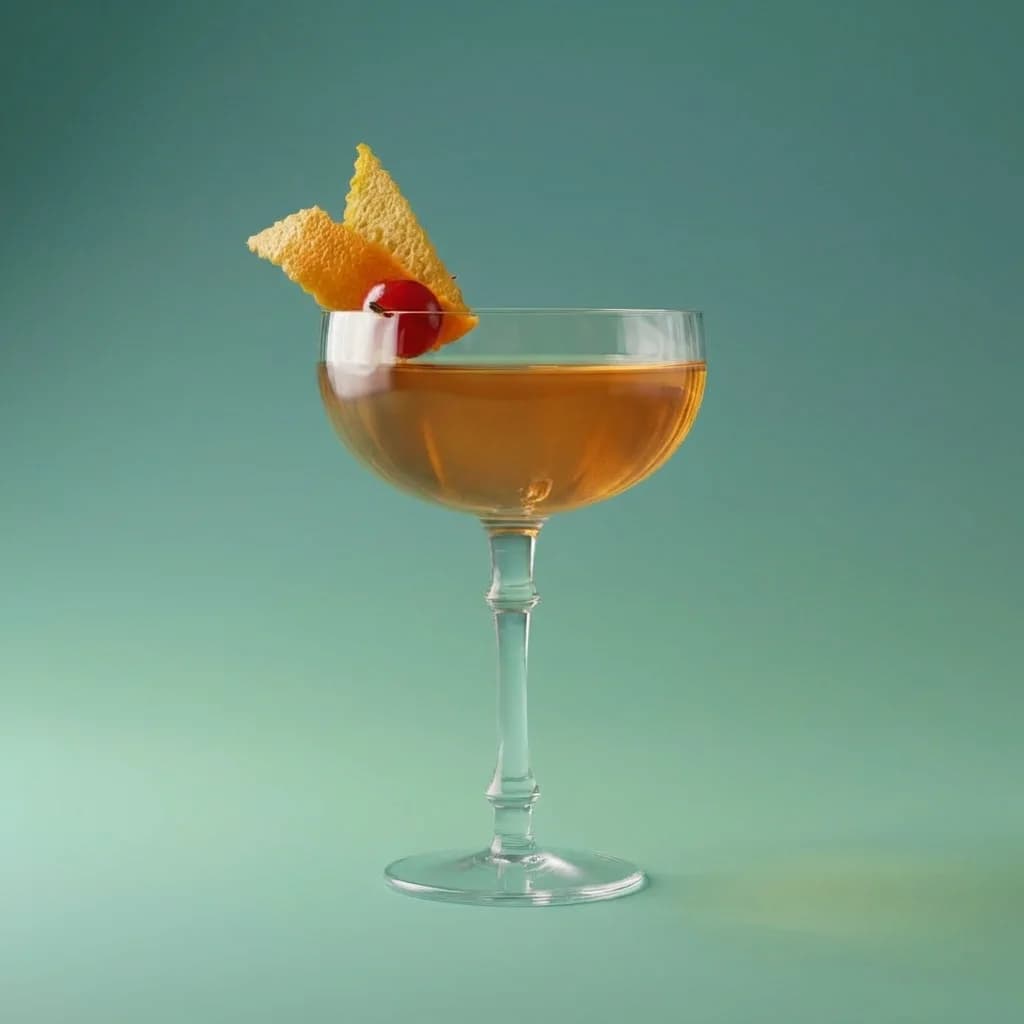
Champagne Cocktail
A sweet, bubbly and citrus wine & sparkling cocktail ∙ Build ∙ 2 min ∙ 14.1% ABV ∙
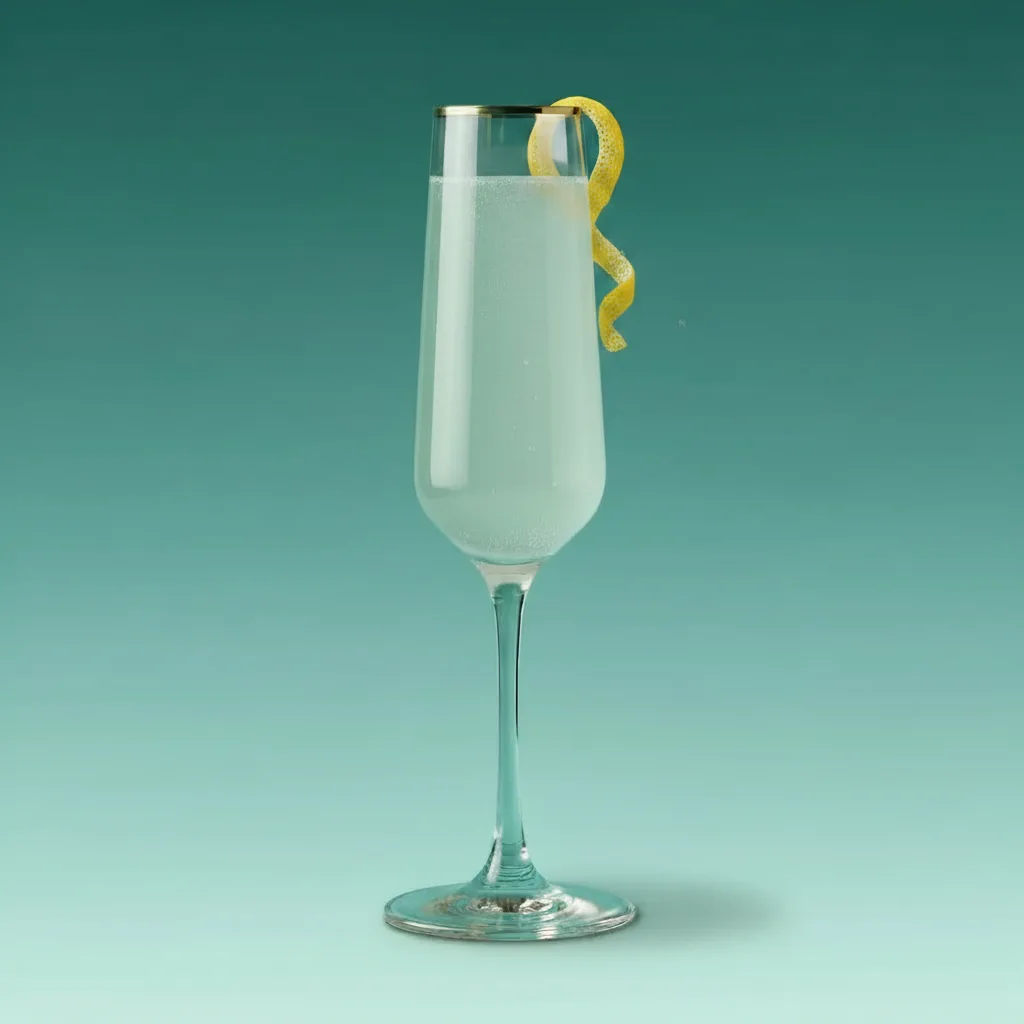
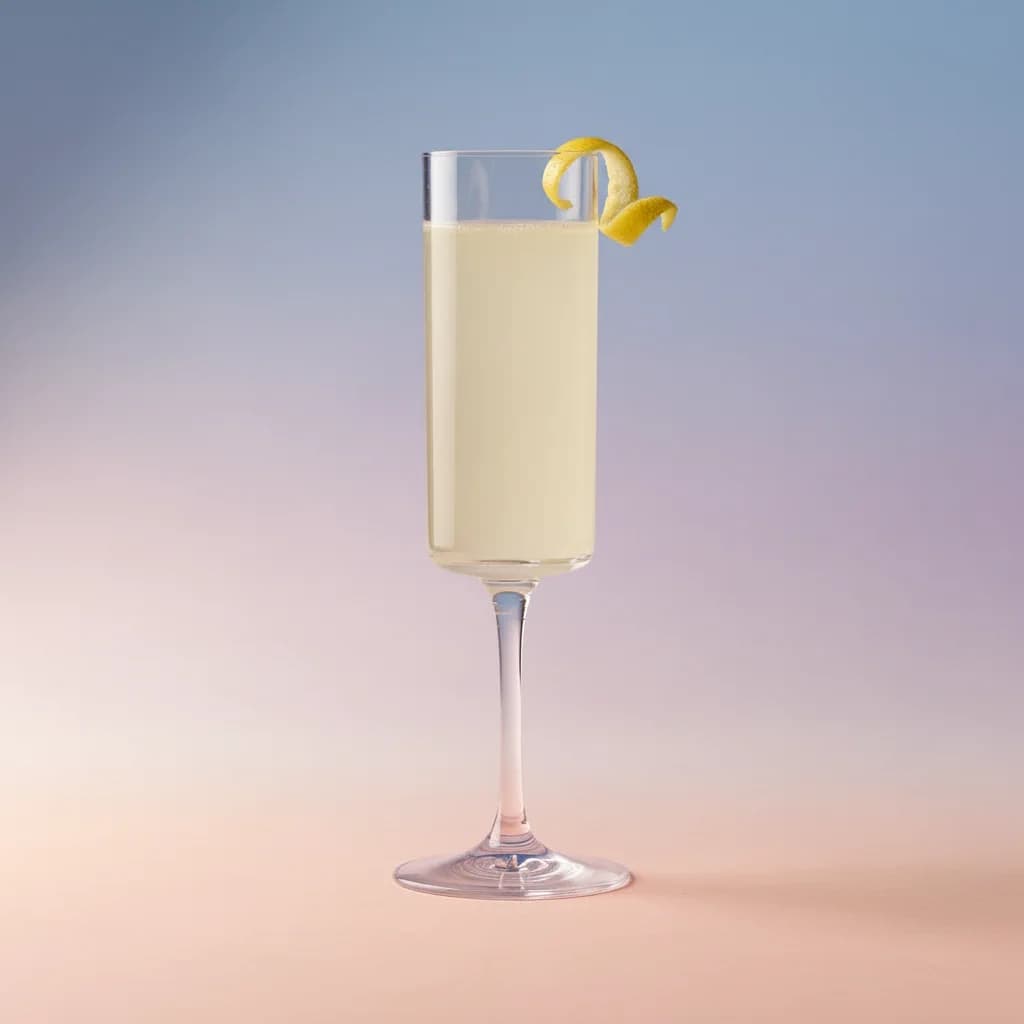
The Champagne Cocktail is Brut Champagne poured over a bitters-soaked sugar cube and a measure of Cognac - one of the oldest drinks on the IBA official list. Fine bubbles carry a warm spice note from the bitters, with a dry Cognac edge under the sweetness of the soaked sugar — a celebratory sipper for a toast or brunch.
Ingredients
1
Servings
Garnish

Instructions for 1 serving
- Pre-chill a glass
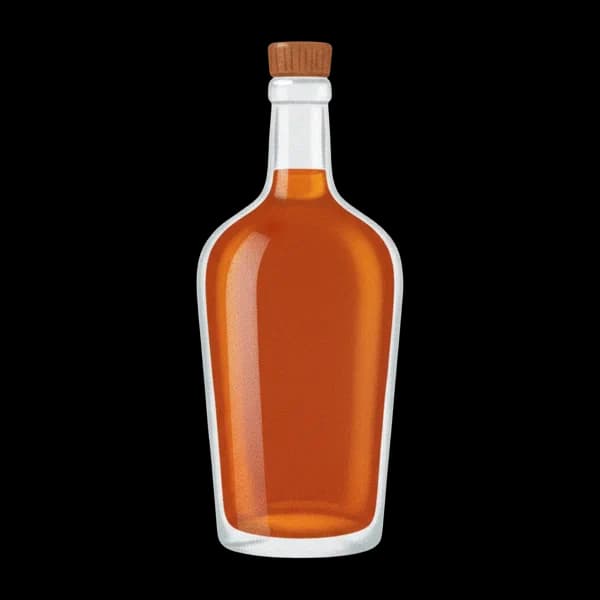
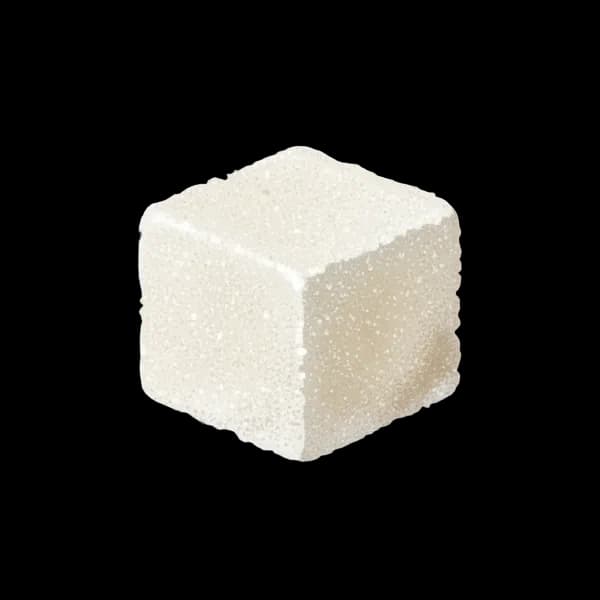
- Place the Sugar cube 1 pc with 2 dashes of Angostura aromatic bitters in a large Champagne glass, add the Cognac 10 ml
- Pour Brut Champagne 90 ml
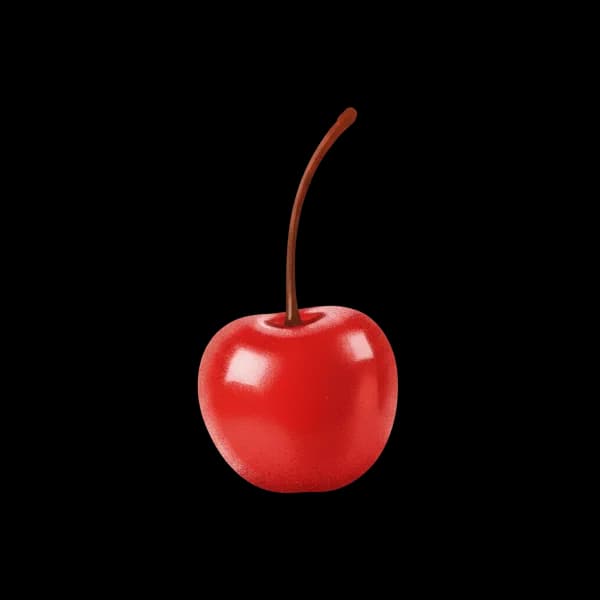
- Garnish with an orange twist and a maraschino cherry
Tips
- Saturate the sugar cube fully with the Angostura dashes before dropping it in, so it fizzes steadily rather than sinking inert and undissolved.
History
The Champagne Cocktail's exact origin is undocumented, with drinks historian David Wondrich placing it in the "Iron Age of American mixology" — the stretch between the earliest cocktails and the first cocktail manual of 1862. Its earliest known mention appears in Robert Tomes's 1855 travel account, Panama in 1855, which describes a version made with sugar, bitters, and champagne poured over crushed ice in a tumbler, with no brandy. The first printed recipe followed in Jerry Thomas's 1862 guide, How to Mix Drinks, or The Bon Vivant's Companion — widely regarded as the first cocktail book published in the United States — which likewise called for champagne, sugar, bitters, and a lemon twist but no brandy or cognac, and is treated as the classic American version of the drink. Brandy did not enter the standard recipe until decades later: W. J. Tarling's Café Royal Cocktail Book of 1937 is the first recipe to add a note calling for a dash of brandy, though sources do not explain why the addition caught on.
The drink's build — sugar and bitters in the glass, topped with champagne — has since been read by some as an adaptation of the Old Fashioned template, using champagne instead of whiskey. Today's IBA-official version, listed among the Contemporary Classics, includes a dash of cognac as standard.
FAQ
What is in a Champagne Cocktail?
A sugar cube soaked in Angostura bitters, topped with Cognac and dry sparkling wine, built in the glass and finished with an orange twist. It comes together in seconds, with no shaking or stirring, which is part of why it remains a popular way to dress up sparkling wine.
How do you make a simple Champagne Cocktail?
Drop a sugar cube into a flute, saturate it with a few dashes of Angostura bitters, add Cognac, then top slowly with cold dry sparkling wine. It is built directly in the glass, so there is no shaker or mixing glass needed, just a careful pour to control the fizz.
What is a classic Champagne Cocktail?
The classic version is a sugar cube soaked in bitters, dropped into a flute with brandy and topped with Champagne or another dry sparkling wine, finished with a citrus twist. This build follows that same structure, using Cognac and an orange twist.