Champagne Daisy
A herbal, sour and bubbly liqueur cocktail ∙ Shake ∙ 3 min ∙ 13.7% ABV ∙
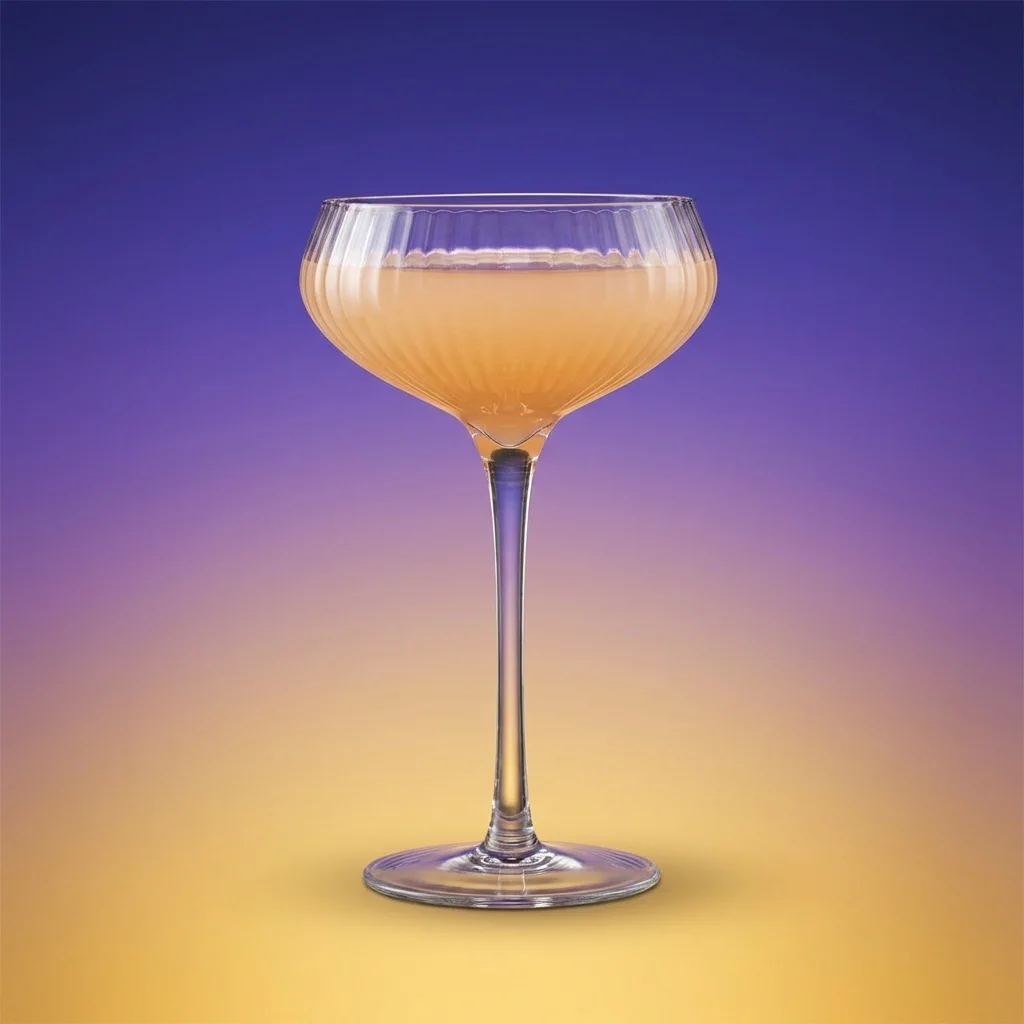
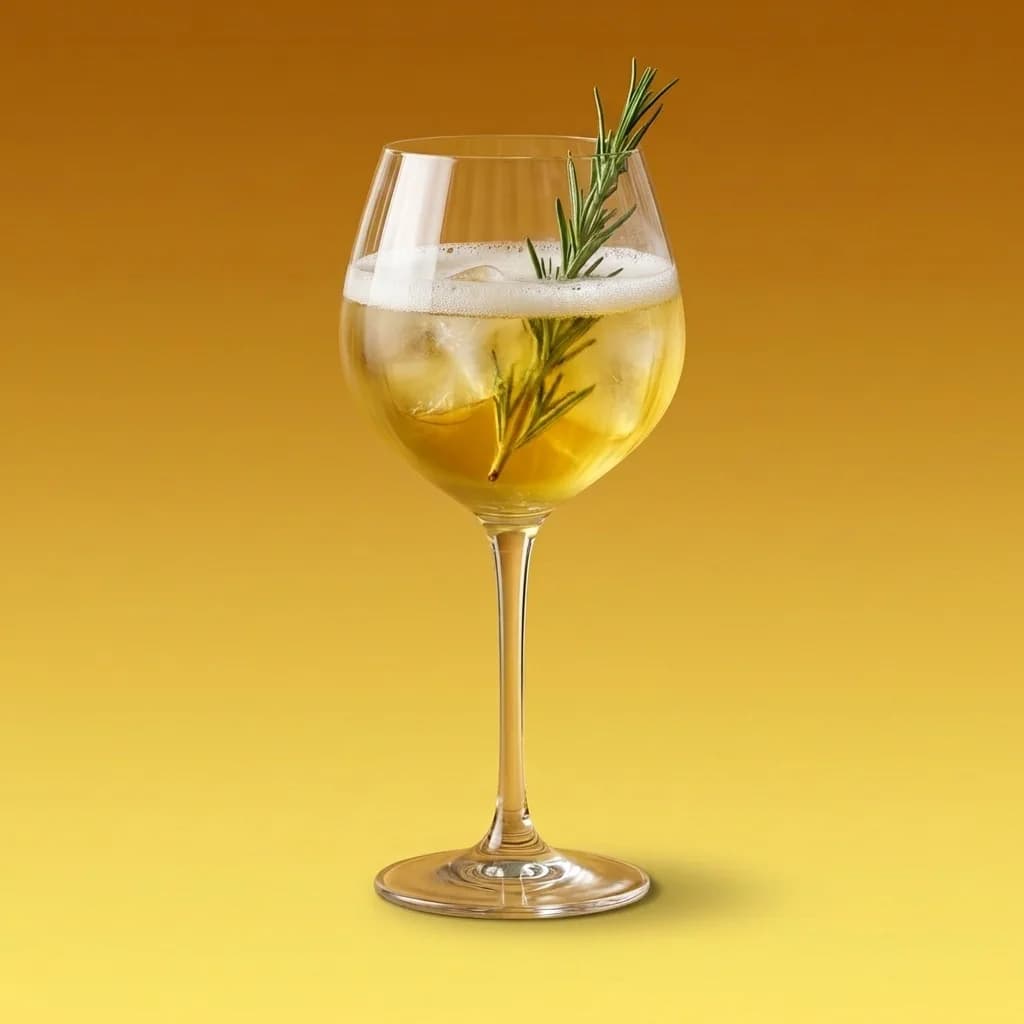
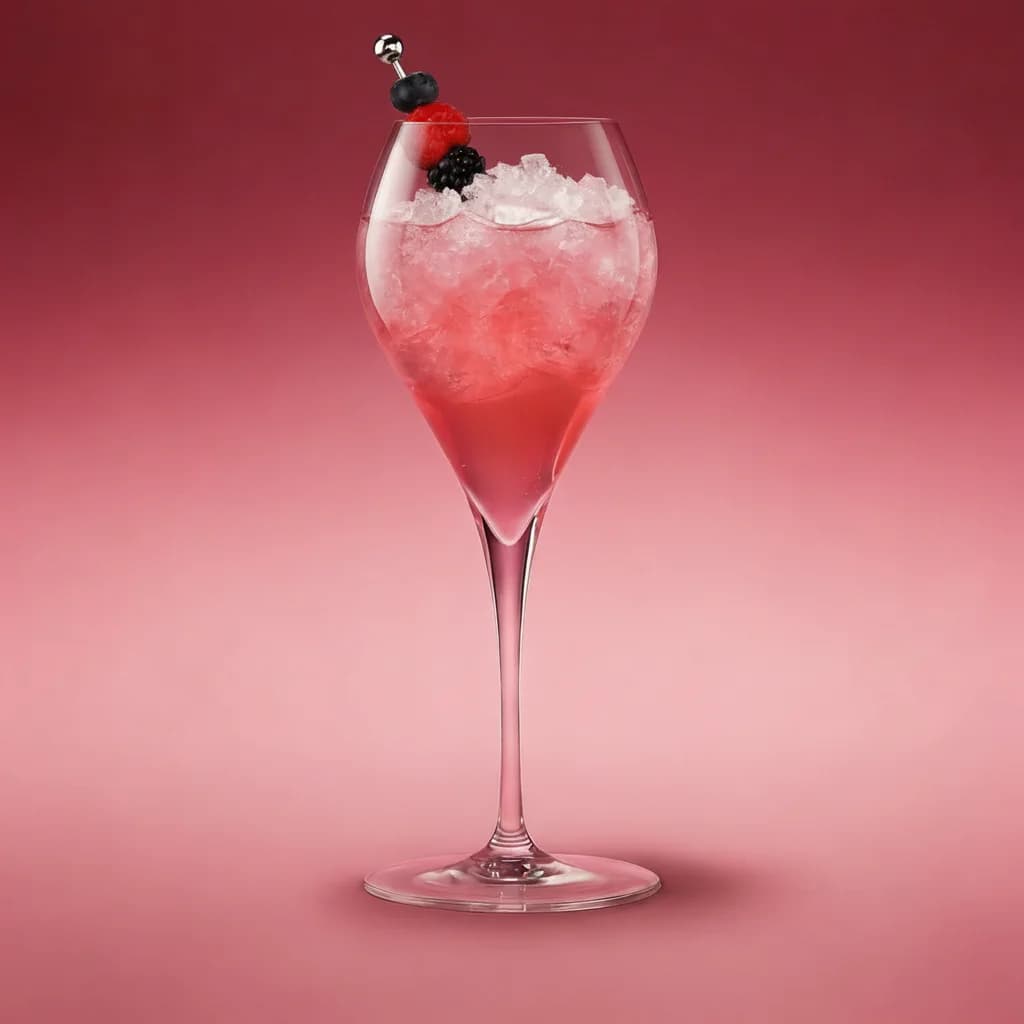
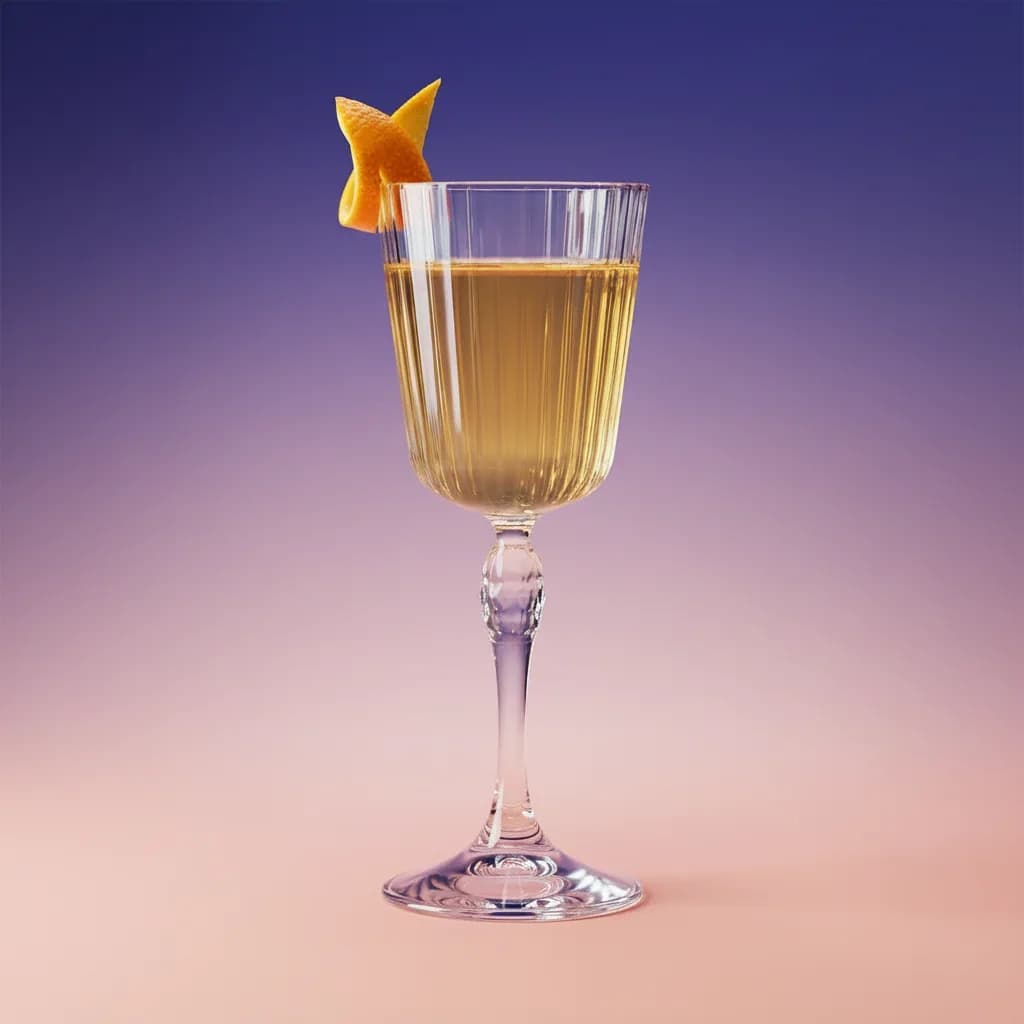
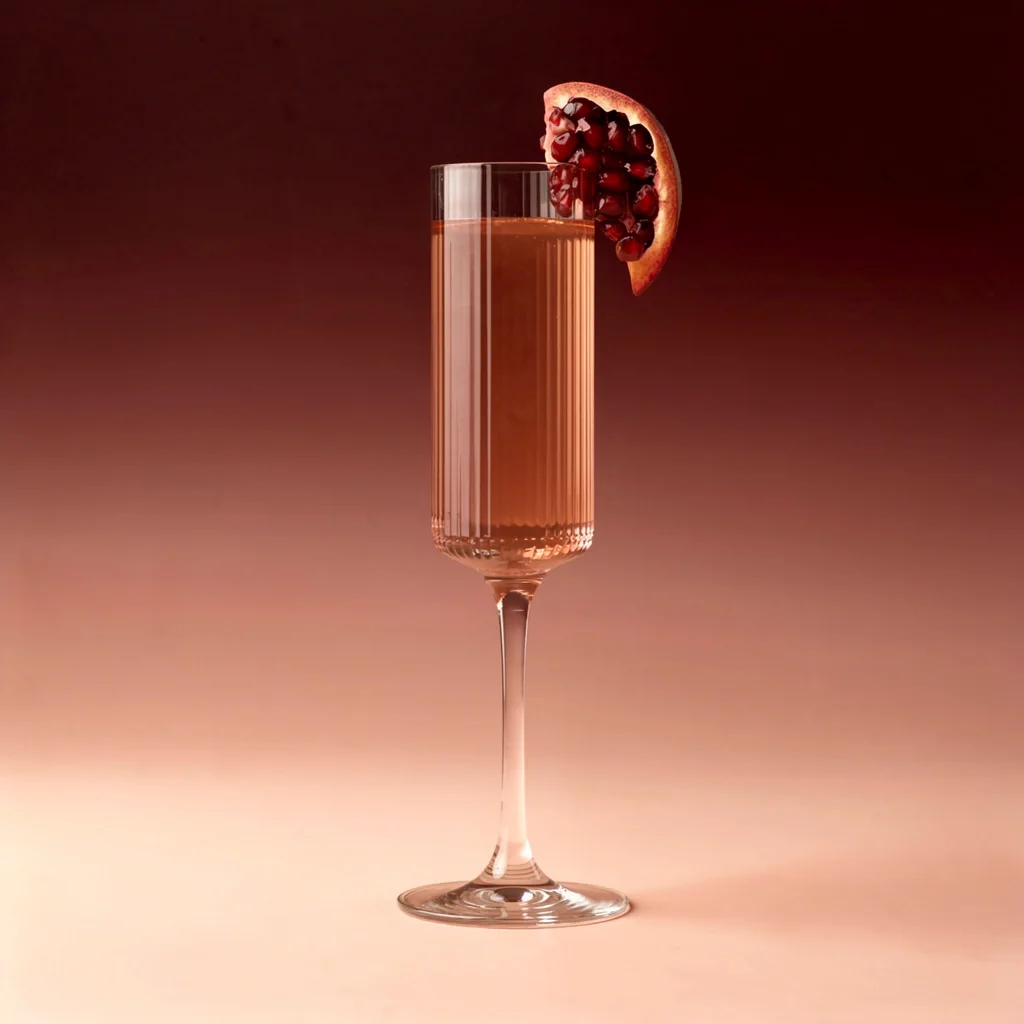
The Champagne Daisy is a shaken sour built on herbal liqueur, lemon juice, and grenadine, topped with Brut Champagne and served in a flute. Herbal Chartreuse-style bitterness meets tart lemon and a hint of pomegranate, then Champagne bubbles lift it dry and effervescent — a celebratory aperitif.
Ingredients
1
Servings
Garnish
Instructions for 1 serving
- Pre-chill a glass
- Shake the first 3 ingredients with ice: Herbal liqueur (e.g., Yellow Chartreuse) 30 mlGrenadine syrup 5 mlLemon juice 30 ml
- Fine strain into the chilled glass
- Top with Brut Champagne
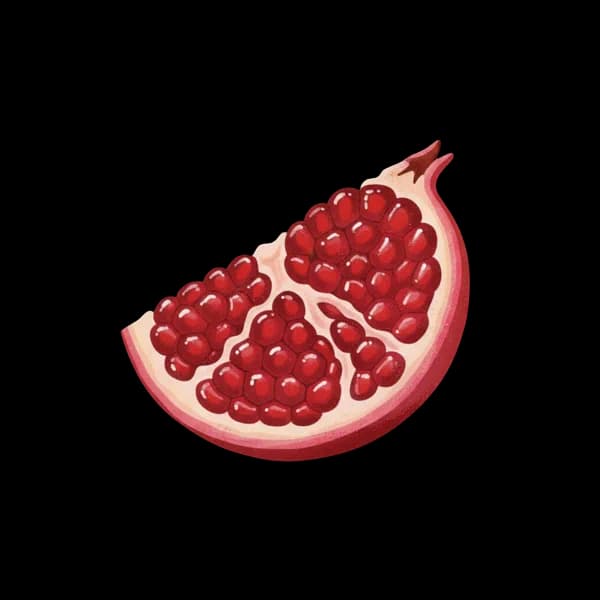
- Garnish with a pomegranate wedge
Tips
- Shake hard for about 10-12 seconds to fully integrate the grenadine and chill the lemon juice before it meets the Champagne, avoiding a flat, watery top.
History
The Champagne Daisy belongs to the Daisy family of cocktails, a style built on a base spirit, citrus juice, and a liqueur or syrup, which gained popularity in American bars in the late 19th century. The earliest documented Daisy recipe, made with brandy, appeared in 1876 in the second edition of Jerry Thomas's bartending guide, and other versions built on whiskey and gin soon followed in the same manuals. The category's name is generally traced to 19th-century American slang in which "daisy" described something first-rate, the same root later giving rise to the word "doozy," rather than to any floral ingredient.
Over time bartenders varied the liqueur and the topper used to lengthen the drink, and the Champagne Daisy applies the same brandy-lemon-liqueur formula but tops the shaken mix with champagne instead of soda water. The Daisy format is also considered a forerunner of later citrus-and-liqueur drinks such as the Sidecar and the Margarita, which follow the same basic spirit-citrus-liqueur structure with different base spirits.
FAQ
What is a Daisy cocktail?
A Daisy is a classic cocktail family built on a base spirit, citrus juice, and a small amount of sweetener, traditionally topped with soda water and sometimes a liqueur float. The Champagne Daisy follows that structure but swaps the soda water for Brut Champagne, shaking herbal liqueur, lemon juice, and grenadine before topping with the sparkling wine.
What is in a Daisy cocktail?
A traditional Daisy combines a base spirit, fresh citrus juice, and a touch of sweetener, often finished with a soda splash. This Champagne Daisy uses herbal liqueur as its base, with lemon juice and grenadine shaken together, then topped with Brut Champagne instead of soda and garnished with a pomegranate wedge.
What does Daisy mean in bartending?
In bartending, a Daisy refers to a drink category from the late 1800s: spirit, citrus, and a liqueur or syrup sweetener, usually served over ice or lengthened with soda. The name marks the style rather than one fixed recipe, which is why versions made with brandy, gin, bourbon, or, as here, herbal liqueur and Champagne all carry the same name.
Is a Champagne Daisy shaken or stirred?
Shaken. The herbal liqueur, lemon juice, and grenadine are shaken together to chill and combine them, and the Champagne is added afterward so its carbonation survives; shaking sparkling wine directly would flatten it.
What glass is a Champagne Daisy served in?
A flute glass, garnished with a pomegranate wedge. The narrow flute helps hold the Champagne's carbonation after the shaken base is topped and strained in.