IBA
French 75 – IBA
A citrus, refreshing and bubbly cocktail ∙ Shake ∙ 3 min ∙ 14.8% ABV ∙
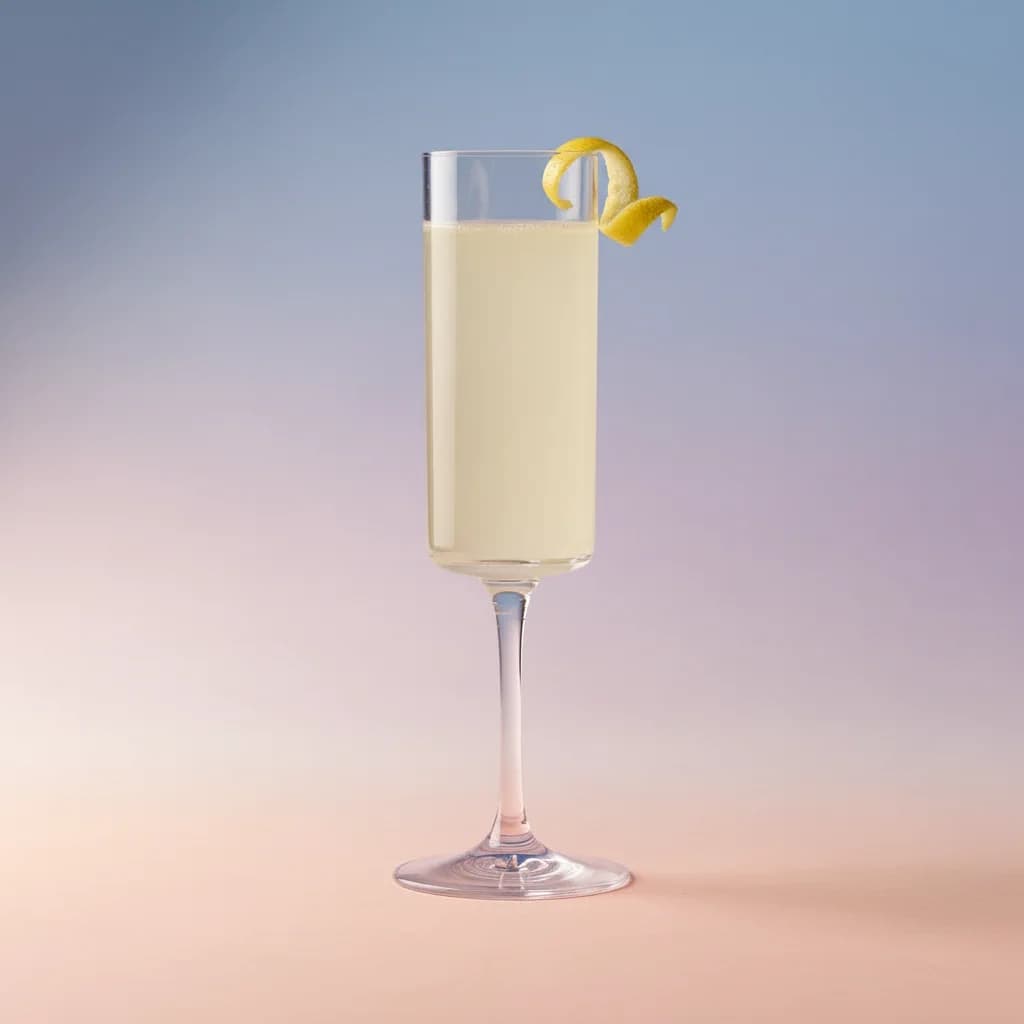
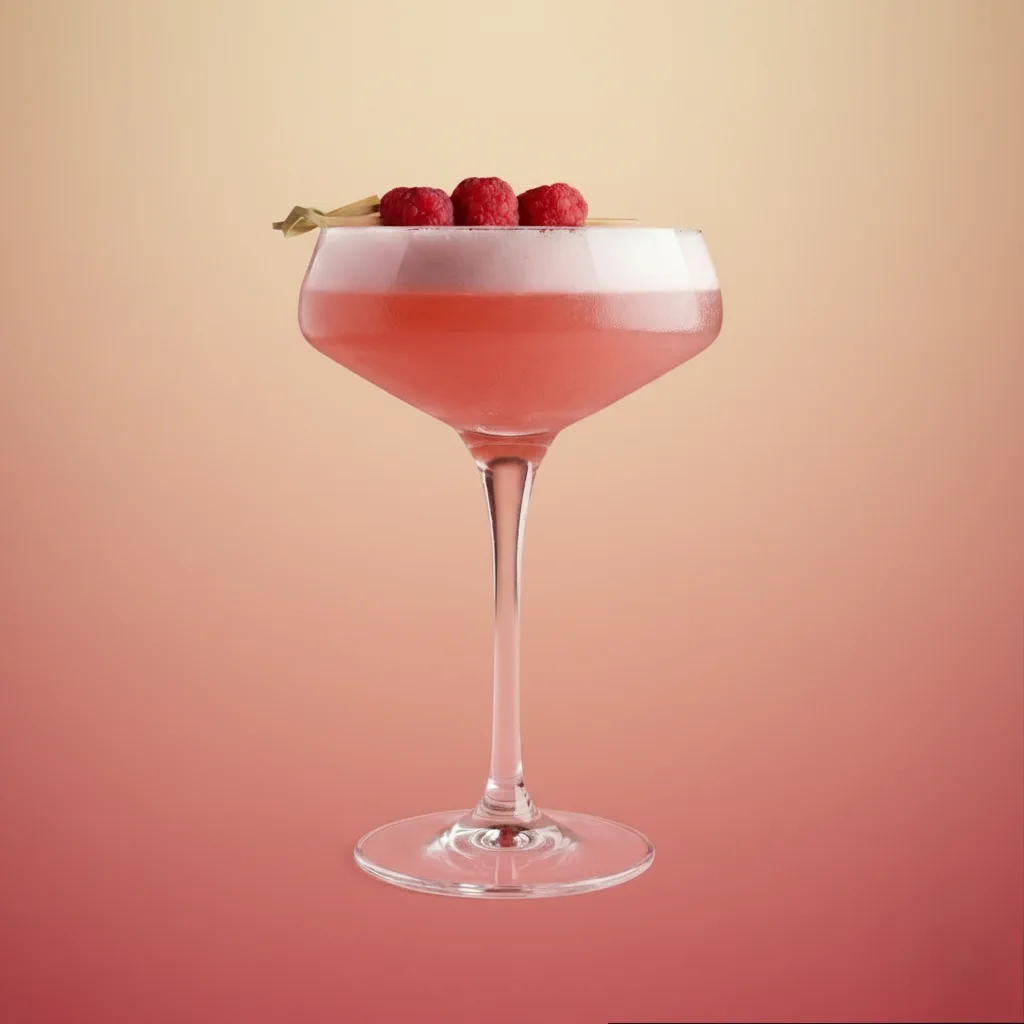
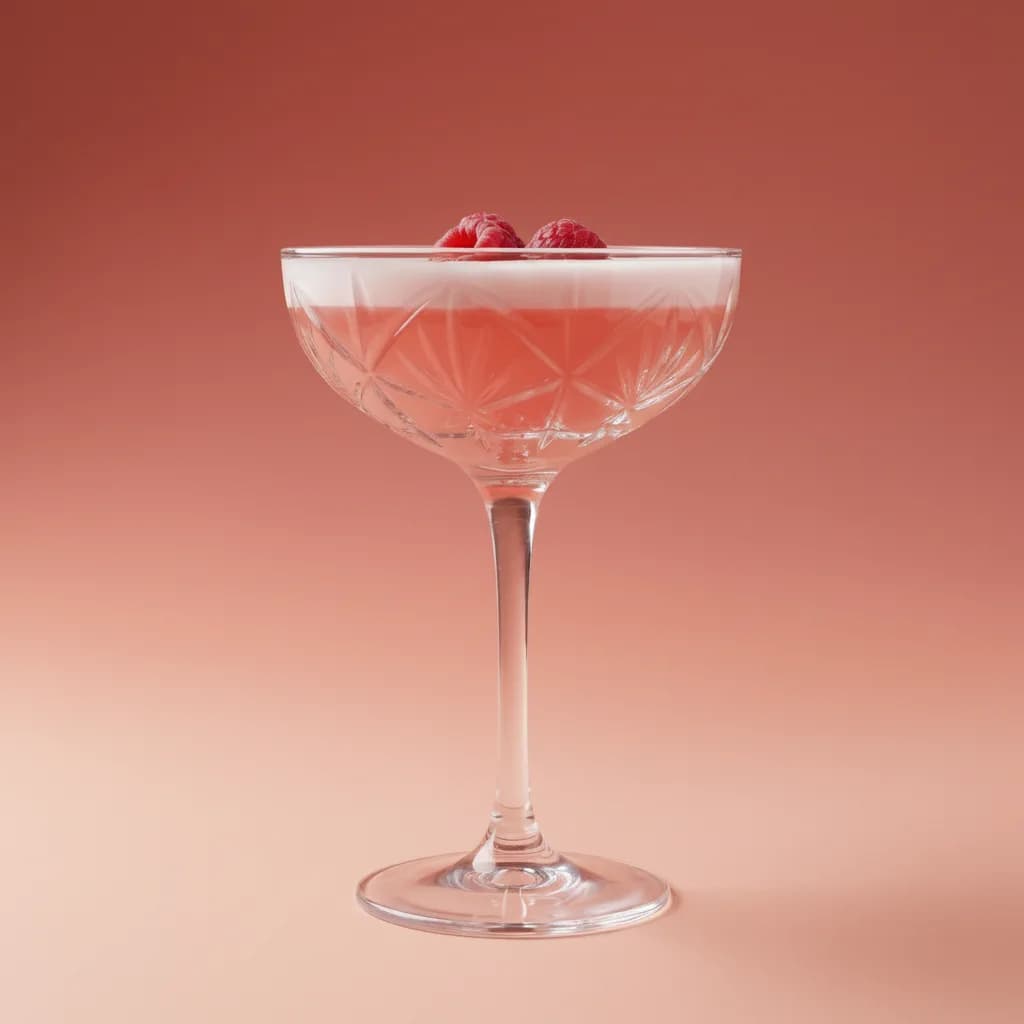
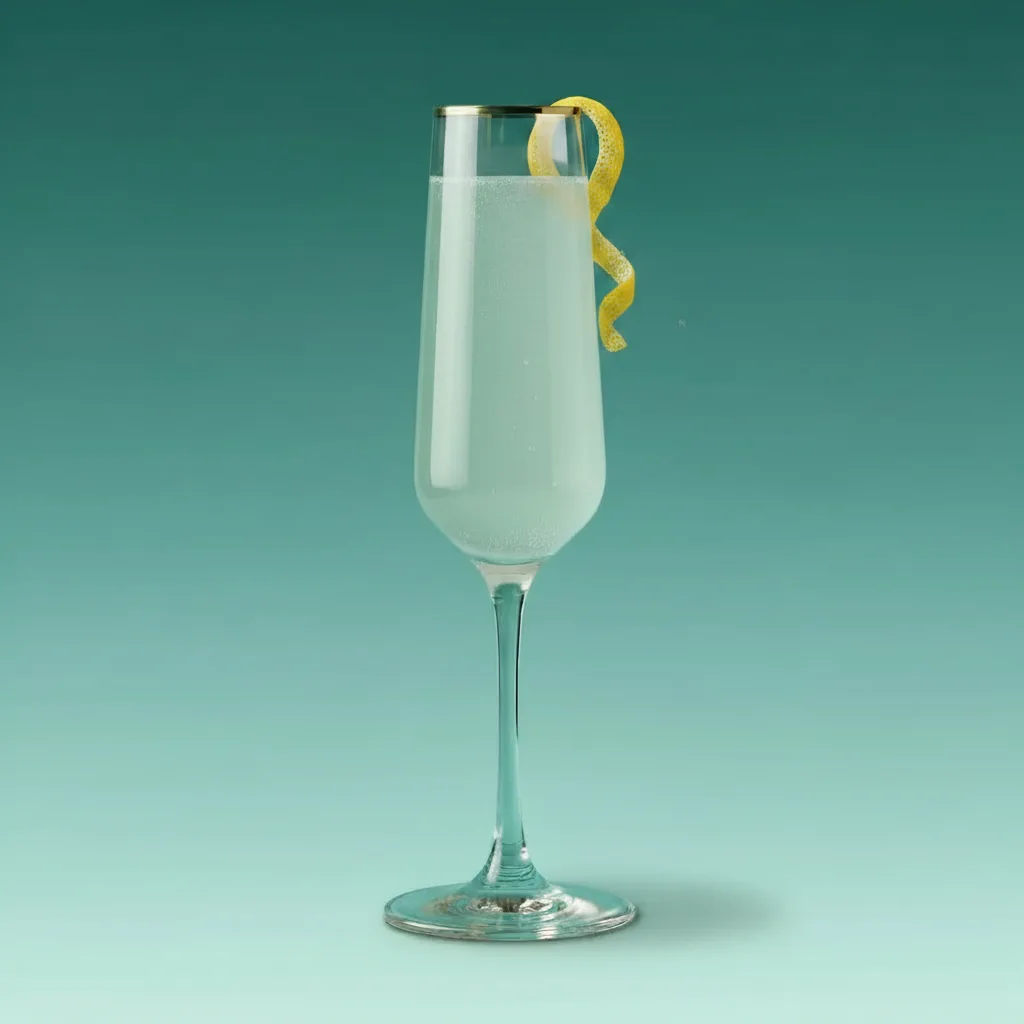
The French 75 is a Champagne cocktail built on gin, lemon juice, and sugar syrup, topped with Brut Champagne and served in a flute. Effervescent, gin's juniper bite cutting through tart lemon before dry Champagne bubbles lift the finish.
Ingredients
1
Servings
Instructions for 1 serving
- Pre-chill a glass
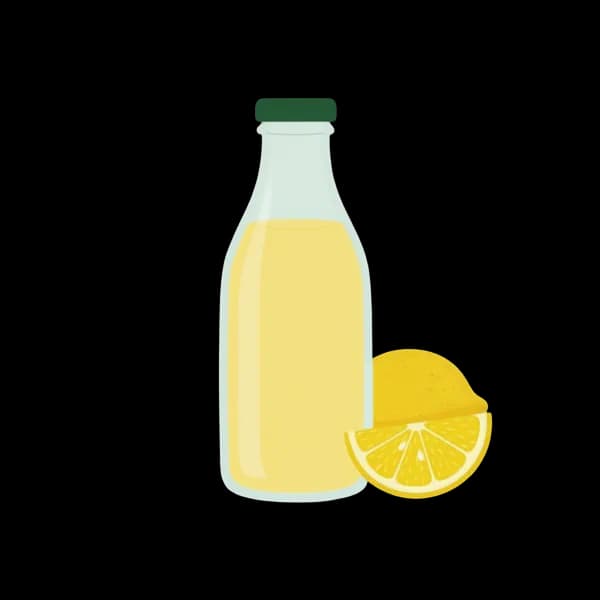
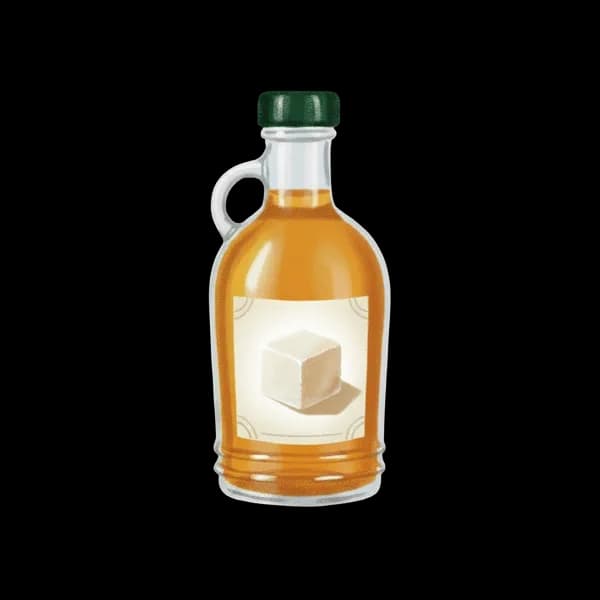
- Shake with ice: London dry gin 30 mlLemon juice 15 mlSugar syrup 15 ml
- Strain into the chilled Champagne flute
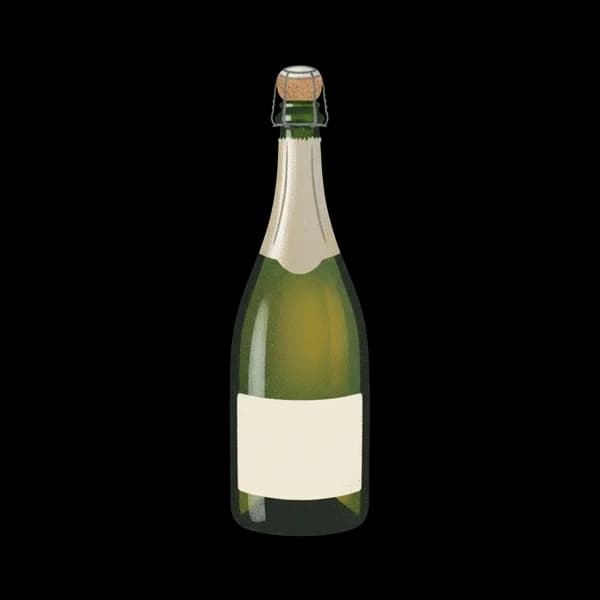
- Top up with Brut Champagne
- Stir gently
History
The French 75 – IBA is the International Bartenders Association's standardized specification of the classic French 75, listing it among its Contemporary Classics category with a fixed gin, lemon juice, sugar syrup, and Champagne build served in a flute. The IBA does not attach a separate creation story to this listing; it codifies the drink's proportions for competition and training rather than documenting a new origin.
The French 75 itself is generally traced to Harry's New York Bar in Paris, where it was recorded as the "75" in Harry MacElhone's 1922 book Harry's ABC of Mixing Cocktails and, the same year, in Robert Vermeire's Cocktails: How to Mix Them, both crediting the drink's name to the punch of a French 75mm field gun from World War I. Its modern gin, lemon, sugar, and Champagne formula and current name took shape later in the 1920s, appearing in Judge Jr.'s Here's How (1927) and being republished under the name "French 75" in The Savoy Cocktail Book (1930), which helped fix the recipe in its now-familiar form; earlier wartime versions of the drink were often built on brandy or applejack instead of gin.
FAQ
What is IBA French 75?
The French 75 is one of the IBA's official "Unforgettables": gin shaken with lemon juice and sugar syrup, then topped with Brut Champagne in a flute. Its IBA status means the recipe follows a standardized spec used by bartenders worldwide.
What is a French 75 cocktail made of?
Gin, fresh lemon juice, and sugar syrup, shaken with ice and topped with Brut Champagne. This build is served in a chilled Champagne flute and stirred gently after the Champagne is added to preserve the bubbles.
Is a French 75 shaken or stirred?
Both, in stages. The gin is shaken hard with ice alongside the lemon juice and sugar syrup, then strained into the flute and topped with Champagne, which is only stirred gently so it keeps its fizz.
What's the difference between a French 77 and a French 75?
A French 77 typically swaps the gin for an elderflower liqueur or vodka base, giving a lighter, more floral drink than the gin-forward French 75. Both keep the same lemon, sugar, and Champagne framework.
Is prosecco or brut better for French 75?
Brut Champagne is the standard choice, as in this recipe, since its dryness and firmer bubbles balance the lemon and gin without adding extra sweetness. Prosecco is softer and fruitier, which can tip the drink sweeter and mute the gin's backbone.