East India Cocktail
Shake ∙ 3 min ∙ 26.8% ABV ∙
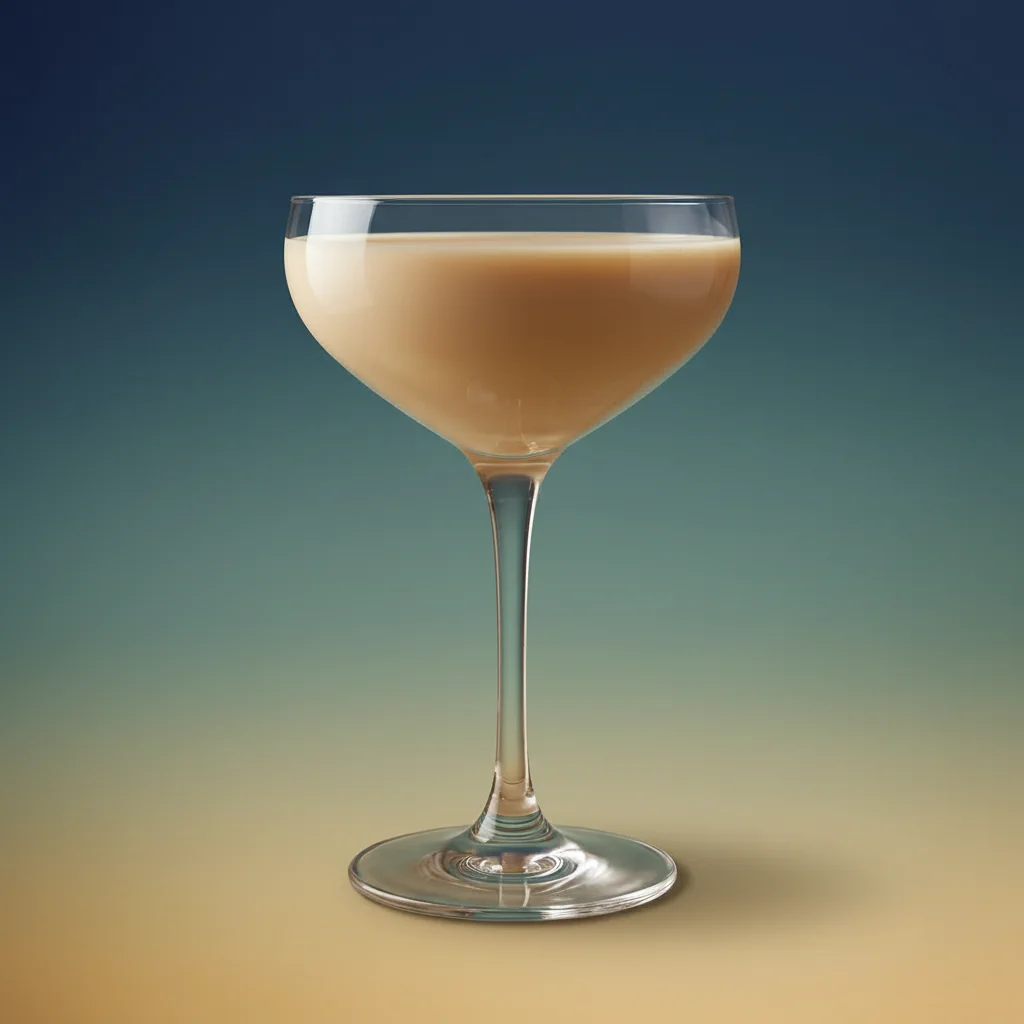
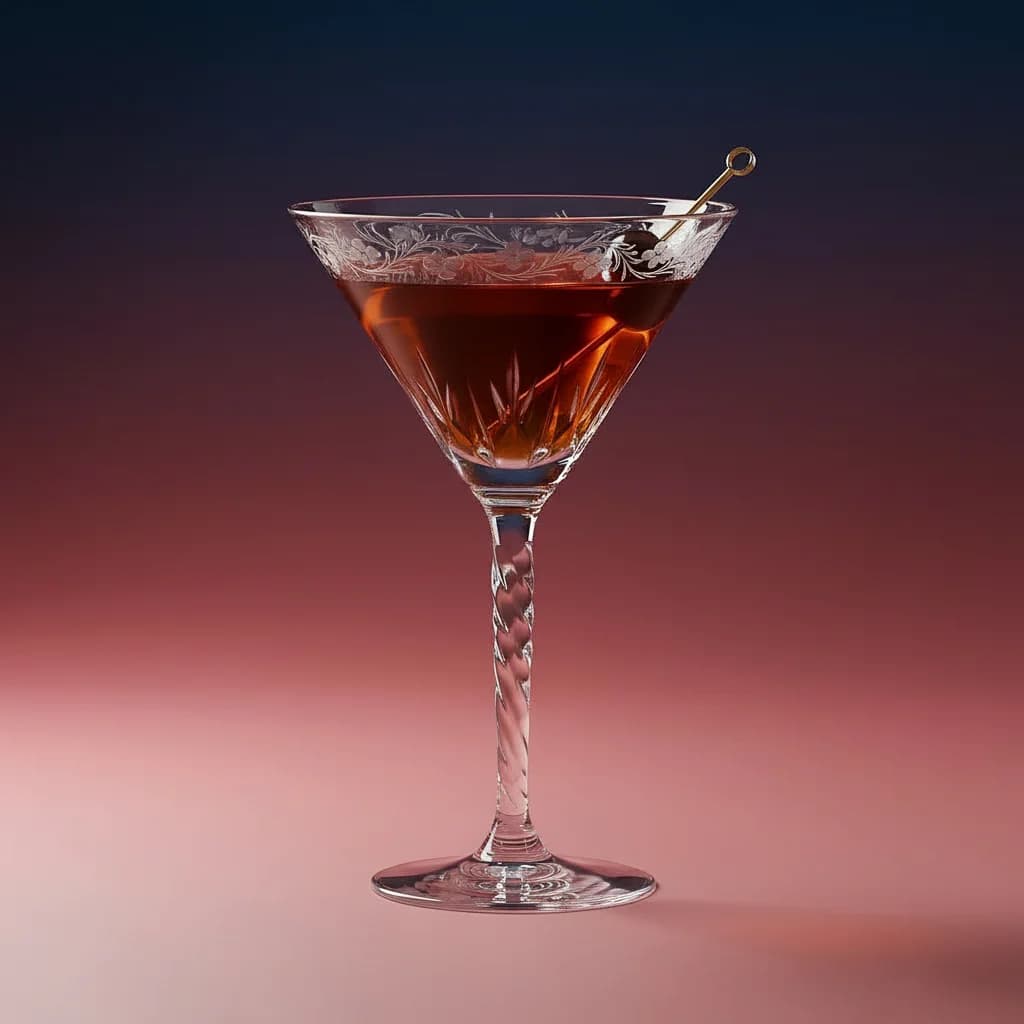
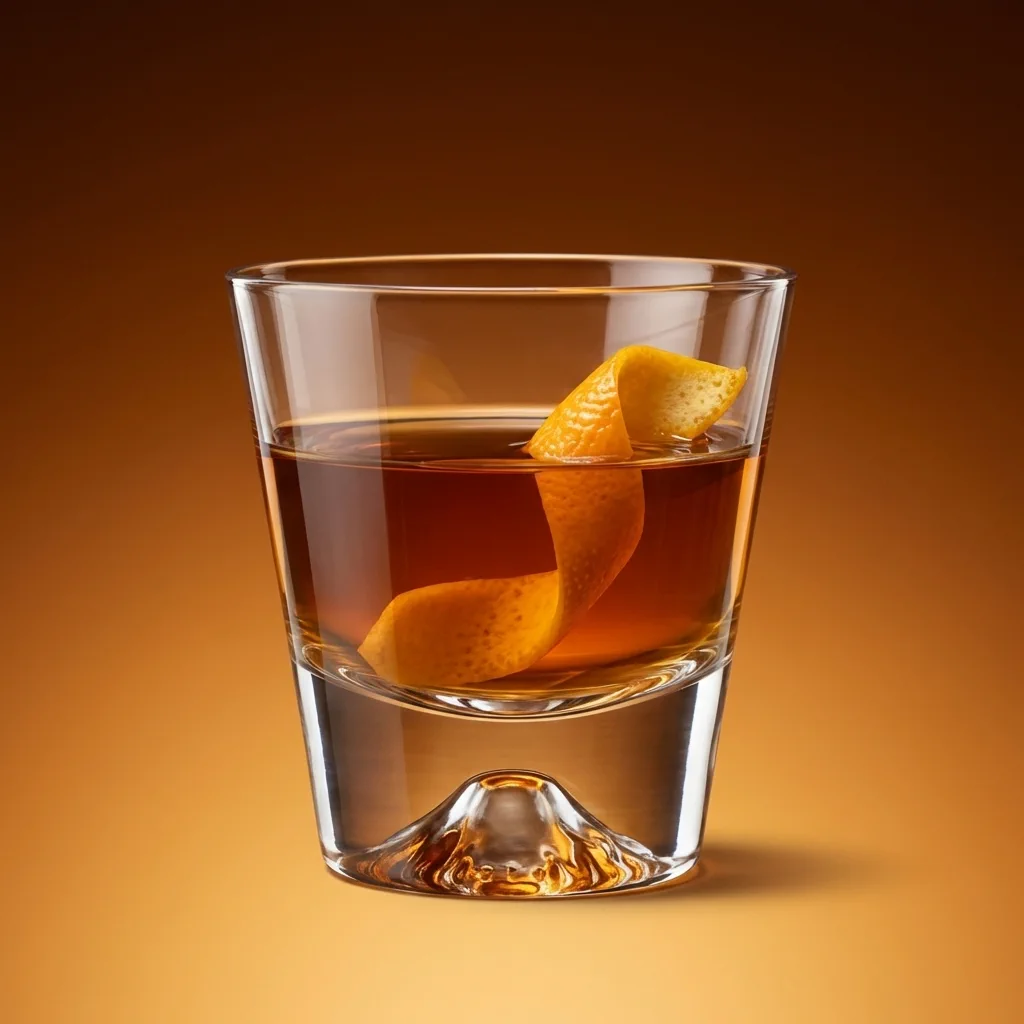
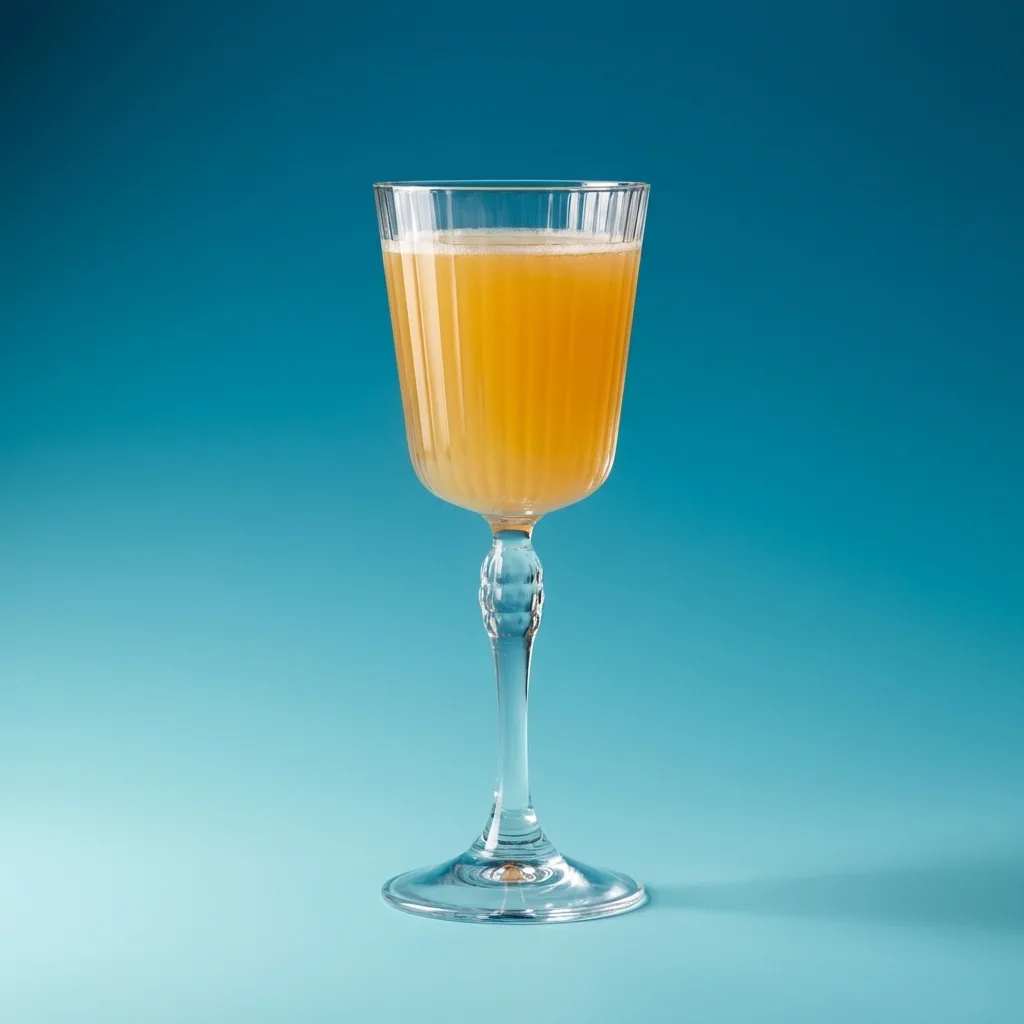
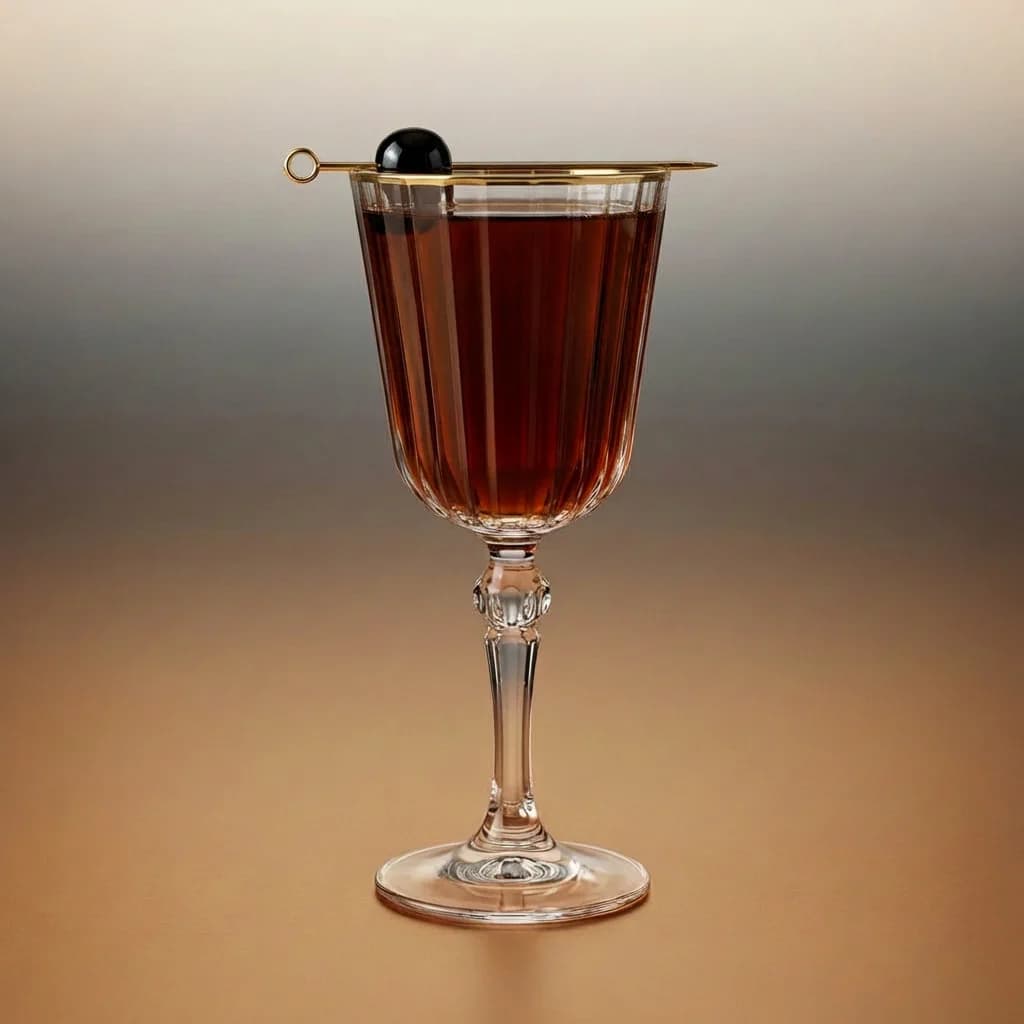
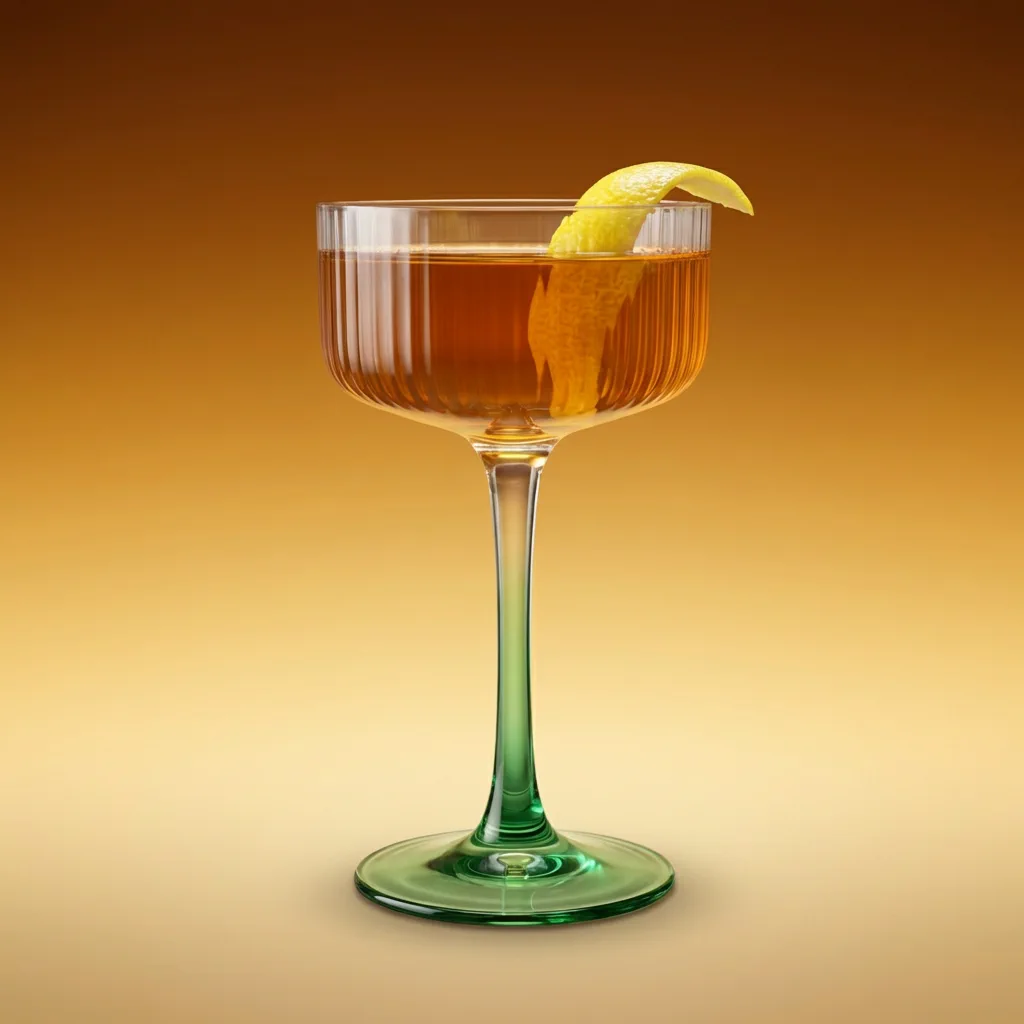
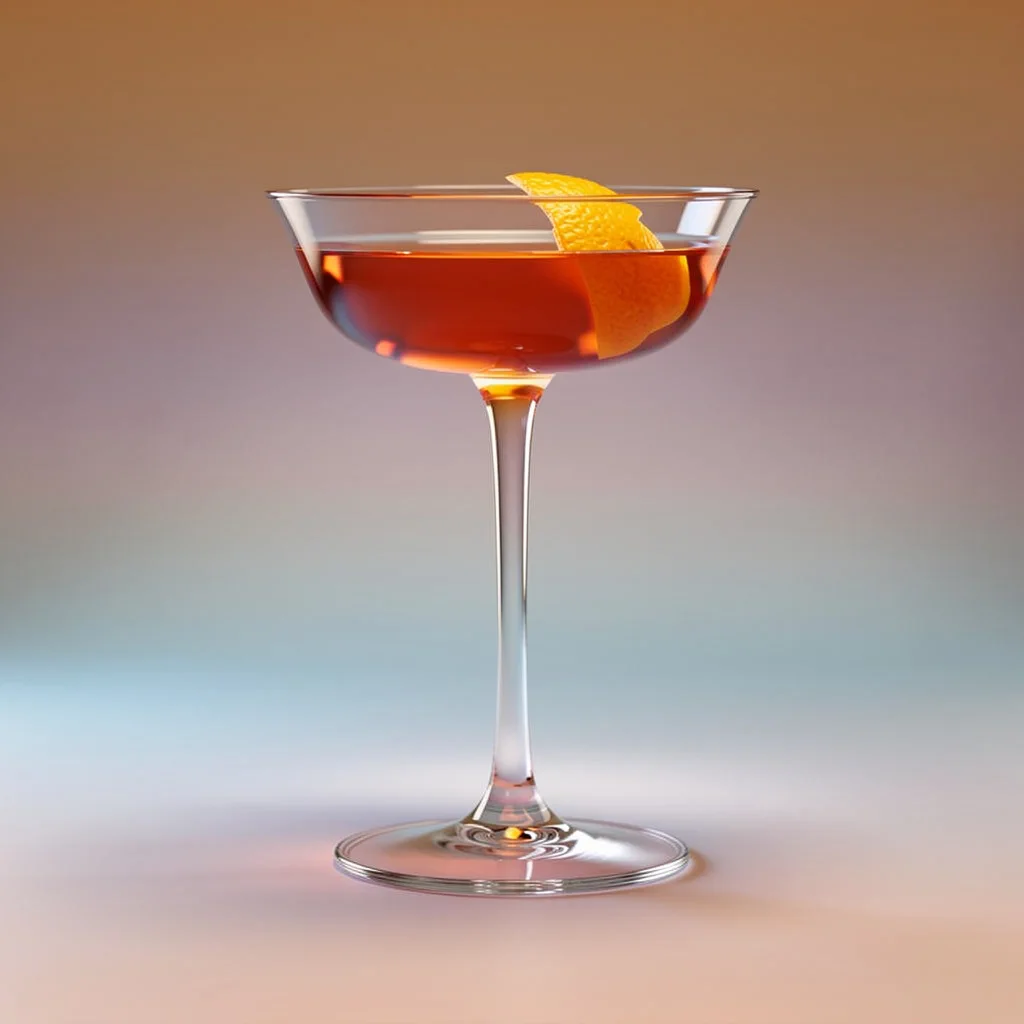
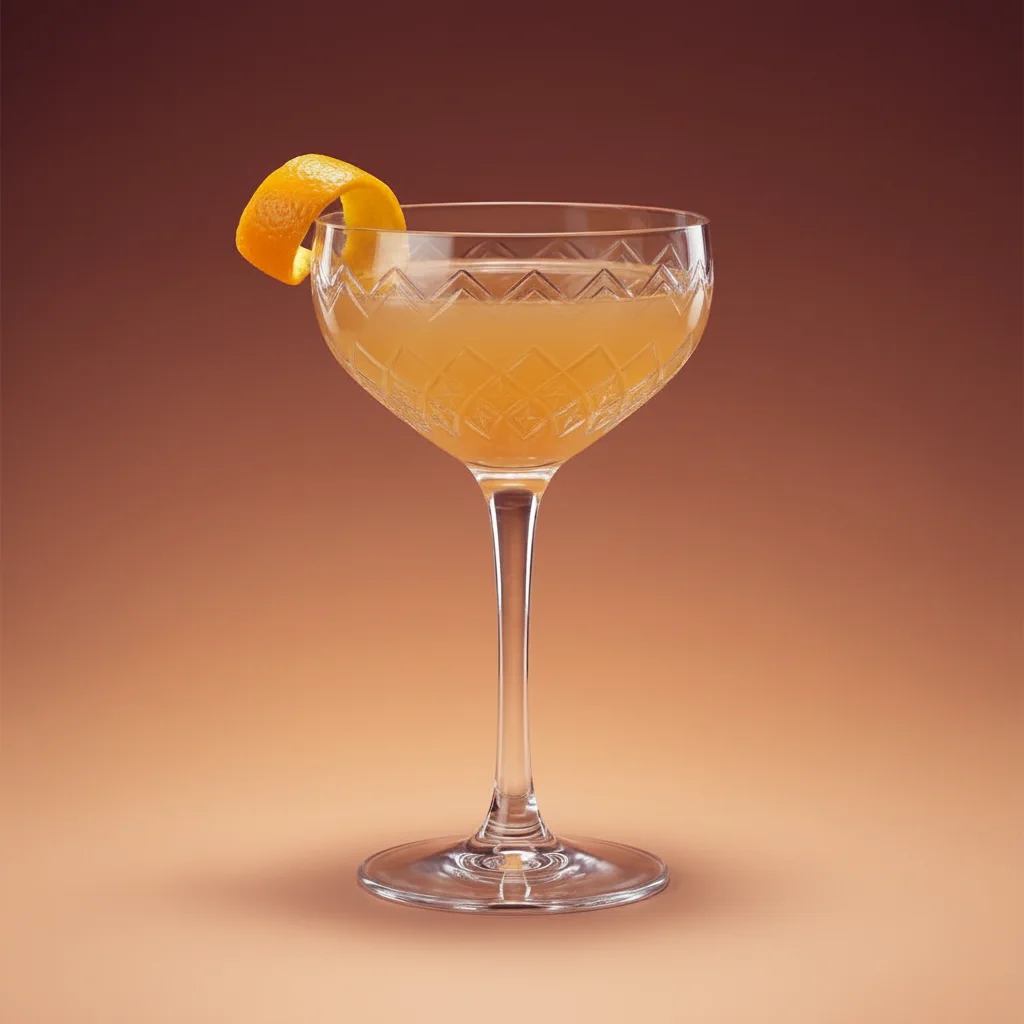
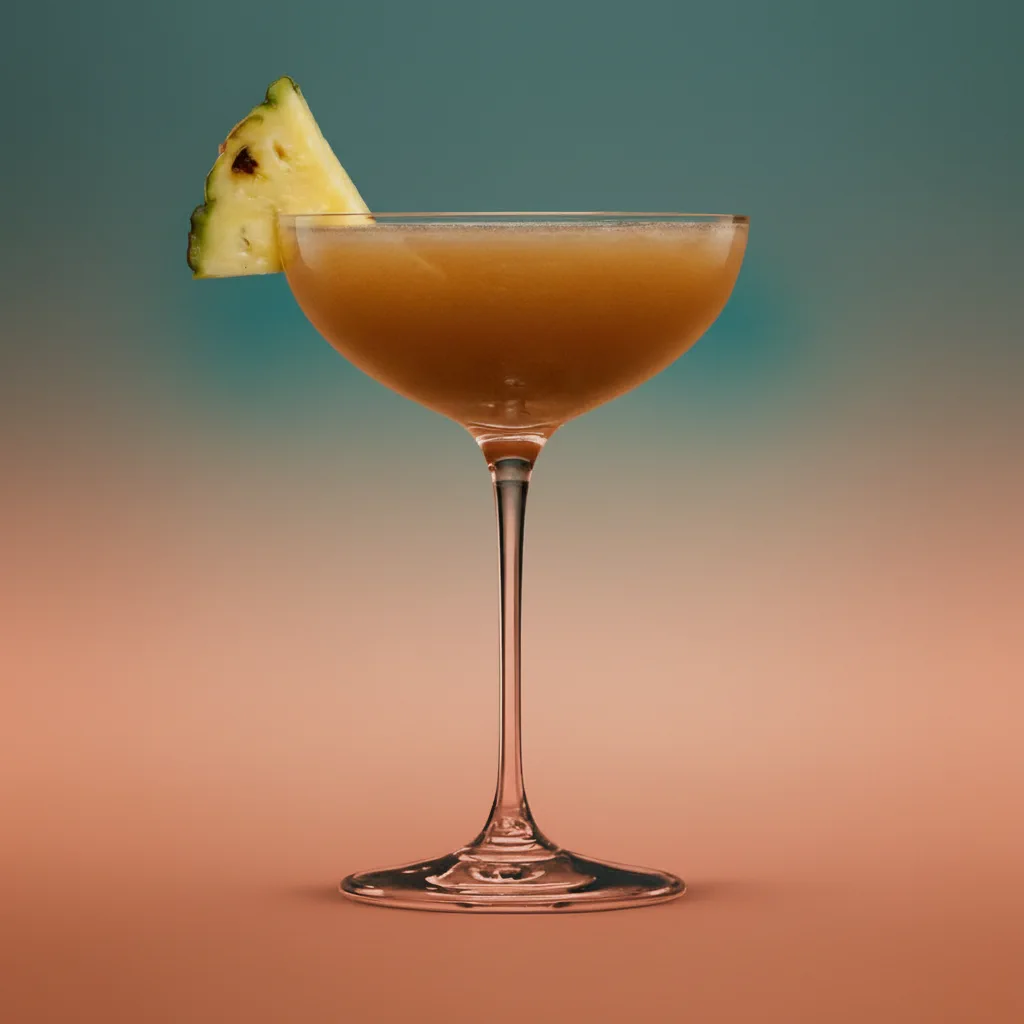
The East India Cocktail is a shaken cognac drink with orange curacao, pineapple juice and syrup, and a dash of aromatic bitters, served up. Rich Cognac warmth meets ripe pineapple sweetness, with orange curaçao rounding the middle and a faint spiced-bitters edge on the finish — a good after-dinner sipper.
Ingredients
1
Servings
Garnish
Instructions for 1 serving
- Pre-chill a glass
- Shake all ingredients with ice: Cognac 50 mlOrange curaçao liqueur 10 mlPineapple juice 10 mlPineapple syrup 5 mlAngostura aromatic bitters 2 dashes
- Fine strain into the chilled glass
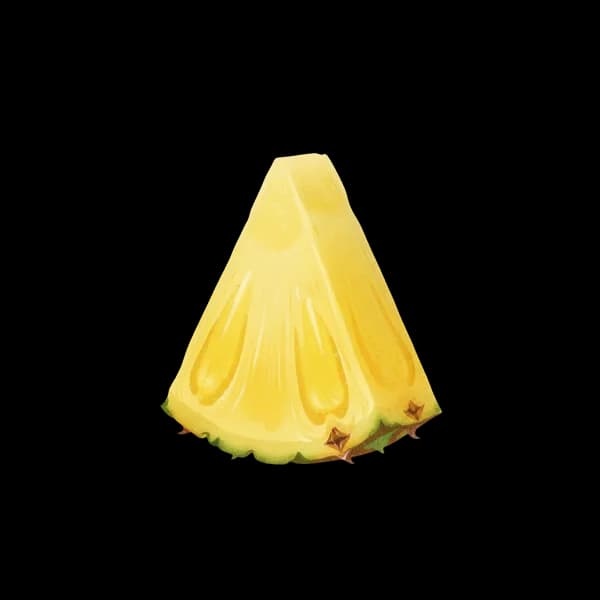
- Garnish with a pineapple wedge on the rim
Tips
- Shake hard for a full 12-15 seconds since the small juice and syrup volumes need vigorous agitation to aerate and chill the cognac base properly.
- Use fresh pineapple juice rather than canned; strain it through a fine mesh before measuring to avoid pulpy dilution imbalance in the small 10 ml pour.
- Measure the curaçao and pineapple syrup precisely since they're small quantities relative to the 50 ml cognac base, and a slight excess quickly oversweetens the drink.
History
The East India Cocktail traces to Harry Johnson's New and Improved Bartender's Manual, where it first appeared in print in 1882, made with Cognac, curaçao, maraschino, bitters, and raspberry syrup. Johnson himself changed the recipe in his 1888 edition, swapping the raspberry syrup for pineapple syrup, and noted that the drink was a favorite among English expatriates living in various parts of East India, which is the source of its name rather than any connection to the East India Company or its trading routes.
The raspberry-syrup version persisted in some later books, including Thomas Stuart's 1904 Stuart's Fancy Drinks and How to Mix Them, while the pineapple-syrup rendition was carried forward by Robert Vermeire's 1922 Cocktails: How to Mix Them and Frank Meier's 1936 The Artistry of Mixing Drinks. Harry Craddock's 1930 Savoy Cocktail Book instead called for pineapple juice in place of the syrup, a change repeated in other cocktail books that followed, including William "Billy" Tarling's 1937 Café Royal Cocktail Book. Tom Bullock's 1917 The Ideal Bartender printed a version with no pineapple element at all.
FAQ
What is in an East India Cocktail?
Cognac, orange curaçao, pineapple juice, and pineapple syrup, shaken with a couple of dashes of Angostura bitters and strained into a chilled glass. It is a brandy-forward drink, with the curaçao and pineapple adding fruit and sweetness rather than leading it.
Is an East India Cocktail shaken or stirred?
Shaken. The pineapple juice and syrup need the aeration and quick chill of a shake, which also helps the citrus-forward curaçao blend smoothly with the Cognac.
What glass is an East India Cocktail served in?
A coupe glass, served up and garnished with a pineapple wedge.
What does an East India Cocktail taste like?
It leans rich and fruity rather than sharp: Cognac gives it weight and warmth, pineapple and orange curaçao add a sweet, tropical note, and the bitters supply a dry, spiced edge on the finish. At close to 27% ABV it drinks stronger than a typical sour, closer in body to a Sidecar with pineapple in place of lemon.
Is an East India Cocktail vegan?
Yes, it is vegan, vegetarian, and lactose-free, since it is built entirely from Cognac, curaçao, pineapple juice and syrup, and aromatic bitters with no dairy or animal-derived ingredients.