Gin and Tonic
A refreshing, citrus and bubbly gin cocktail ∙ Build ∙ 2 min ∙ 12.8% ABV ∙
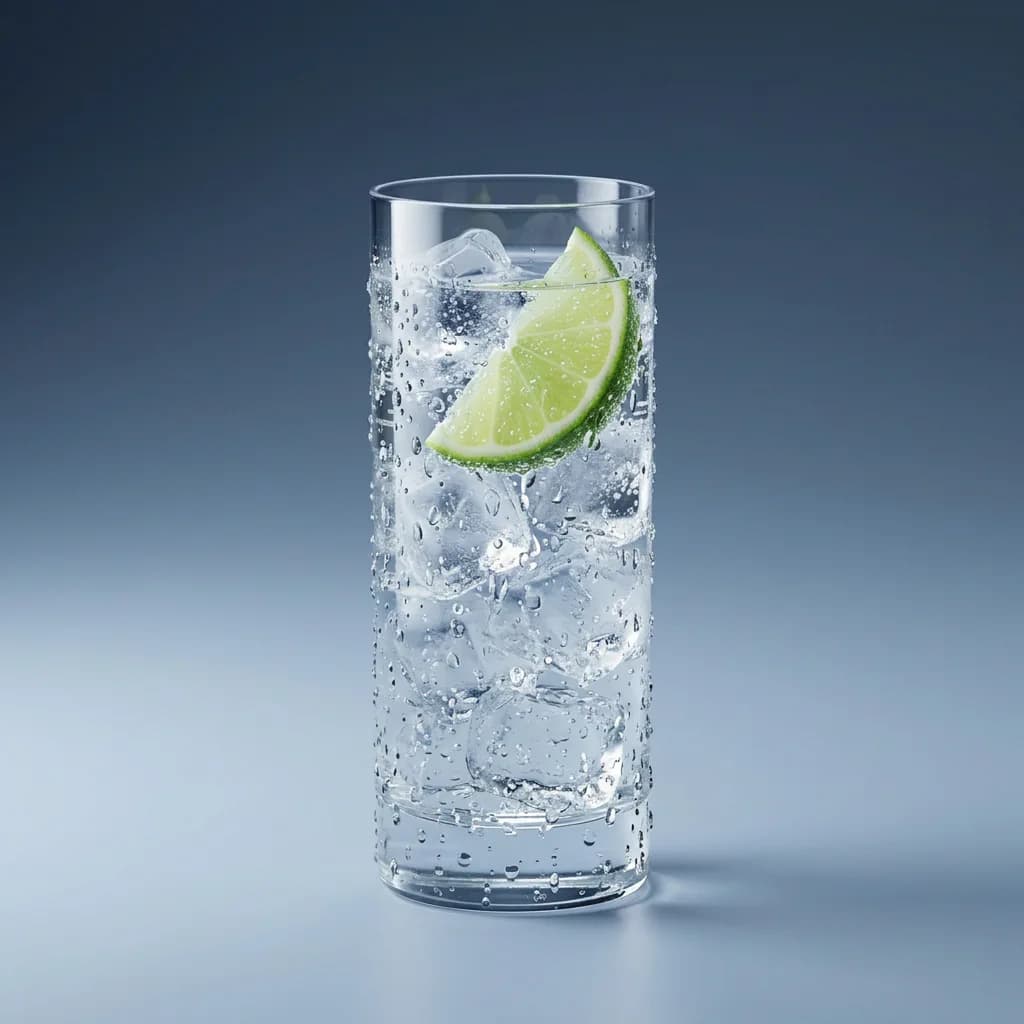
The Gin and Tonic is a classic British highball built directly on London dry gin and premium tonic water, served over ice in a highball glass. A crisp, piney botanical backbone meets a refreshing, bittersweet effervescence, finishing with a sharp, zesty citrus lift that perfectly quenches the palate.
Ingredients
1
Servings
Garnish
Instructions for 1 serving
- Pre-chill a glass
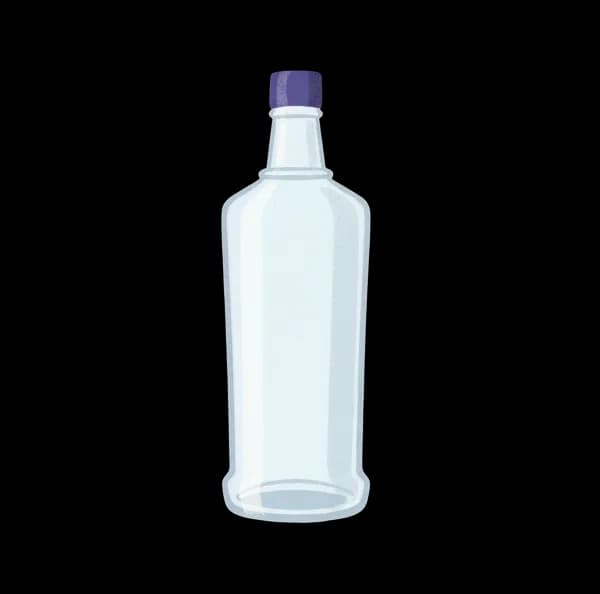
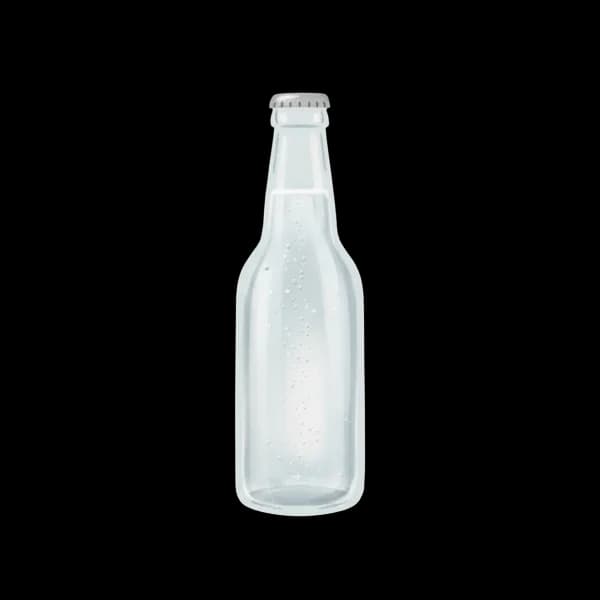
- Pour into the ice-filled glass: London dry gin 50 ml and Tonic water 120 ml
- Stir gently
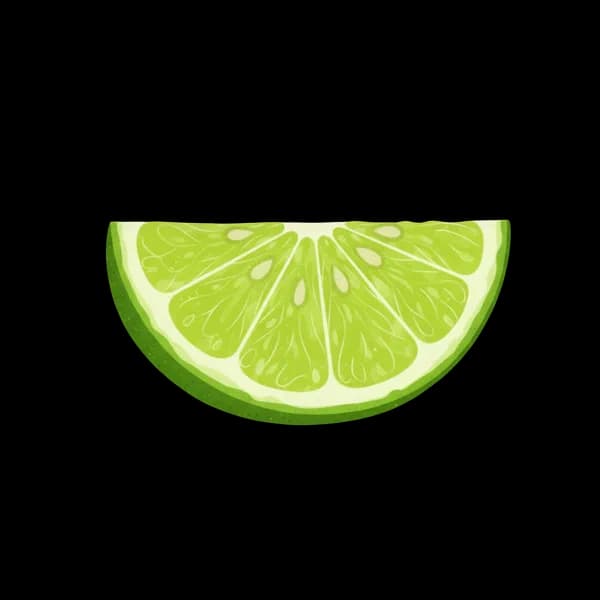
- Garnish with a lime wedge
History
The Gin and Tonic's popular origin story ties it to British colonial medicine: during the 18th century the Scottish physician George Cleghorn studied how quinine, a traditional cure for malaria, could be used to prevent the disease, and the first tonic water went on sale in 1858. The traditional account holds that British military officers in India, already issued a gin ration, took to mixing gin and sugar into their bitter medicinal tonic to make the quinine palatable, effectively creating the drink.
Modern historians have pushed back hard on this story. Much of the British rank and file in colonial India was locally recruited and favored entirely different intoxicants, and the earliest known written reference to a "gin and tonic" — an 1868 mention in the Oriental Sporting Magazine — describes it not as medicine but as a refreshment served to spectators at horse races. Modern tonic also contains far too little quinine to treat malaria, whatever role it may once have played.
International Gin & Tonic Day, founded in 2010, is marked each year on October 19.
FAQ
How do you make a gin and tonic?
Fill a highball glass with ice, pour in London dry gin, then top with tonic water and garnish with a lime wedge. It is built directly in the glass, so no shaking or straining is needed. Pouring the tonic gently helps keep the fizz.
What is the perfect gin to tonic ratio?
Most recipes fall between 1:1 and 1:3 gin to tonic, with 1:2 a popular middle ground that lets the juniper show without turning harsh. A 1:3 build makes a longer, softer, more sessionable drink. Adjust to the strength of your gin and personal taste.
What glass is a gin and tonic served in?
A highball glass, filled with ice and built directly in the glass. A large balloon (copa) glass has also become popular, as its wide bowl gathers the gin's aromatics and holds plenty of ice.
What can I add to a gin and tonic to make it taste better?
Beyond the classic lime, try a lemon wedge, cucumber slice, or a sprig of rosemary or thyme to echo the gin's botanicals. Orange peel, pink grapefruit, or a few black peppercorns also work; match the garnish to the flavors in your gin.
What are common gin and tonic mistakes?
The biggest mistakes are using too little ice, which speeds dilution and warms the drink, and flat or low-quality tonic, which flattens the whole cocktail. Over-pouring the gin unbalances it, and stirring vigorously knocks out the carbonation.