Kangaroo
A dry and balanced vodka cocktail ∙ Stir ∙ 3 min ∙ 30.7% ABV ∙
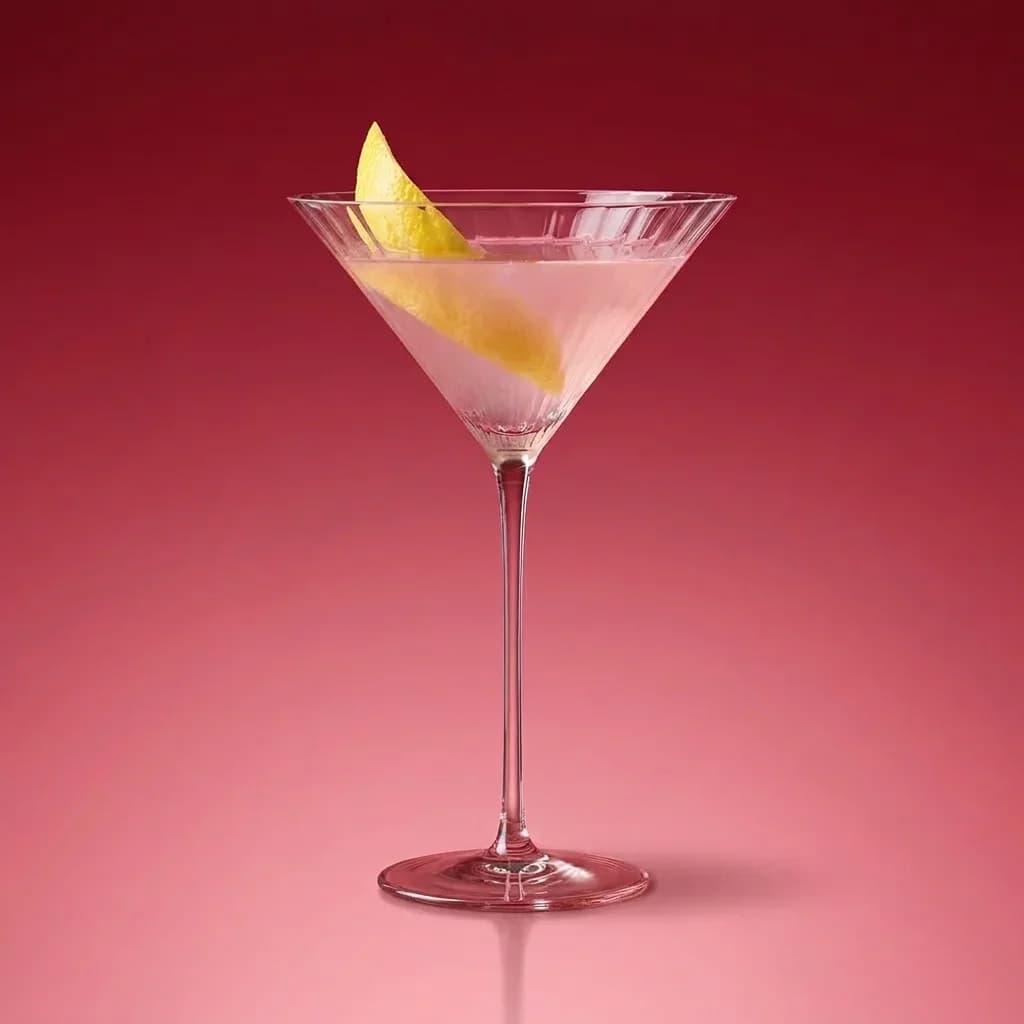
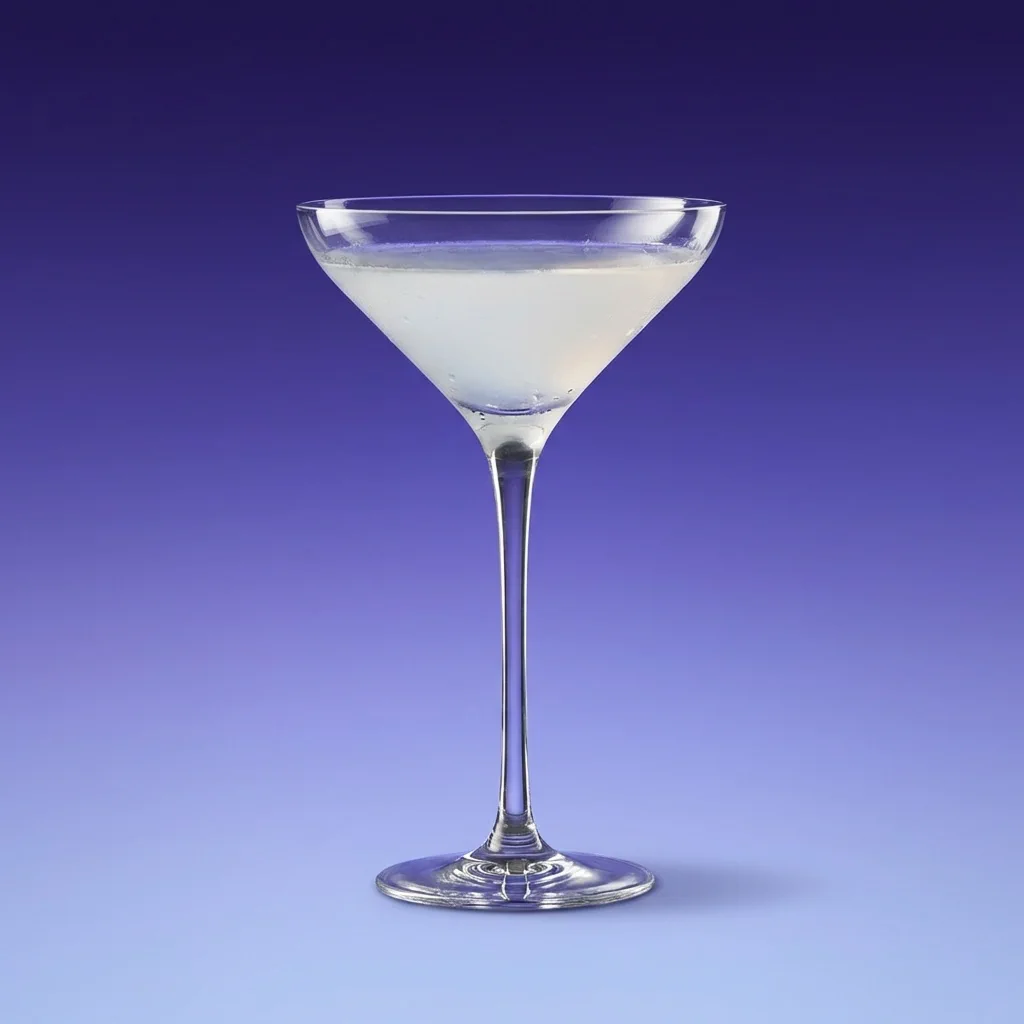
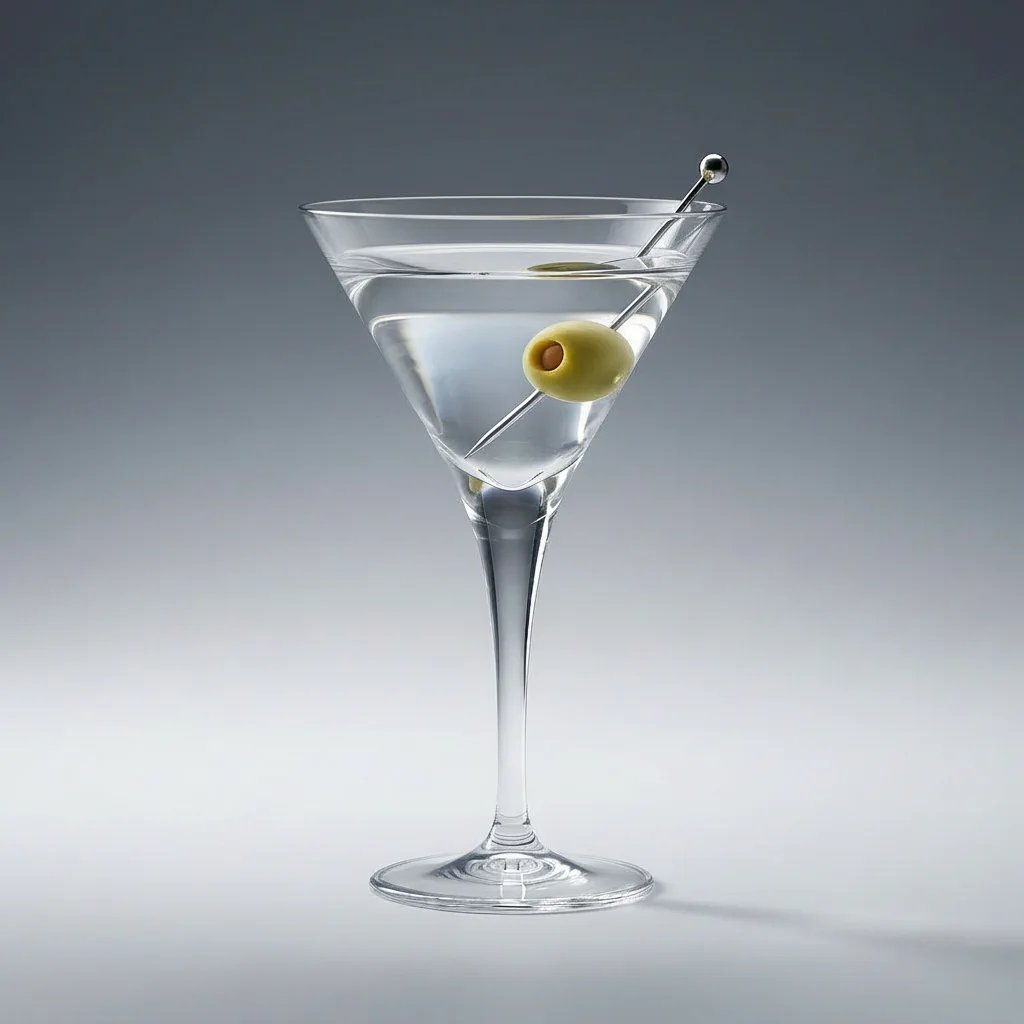
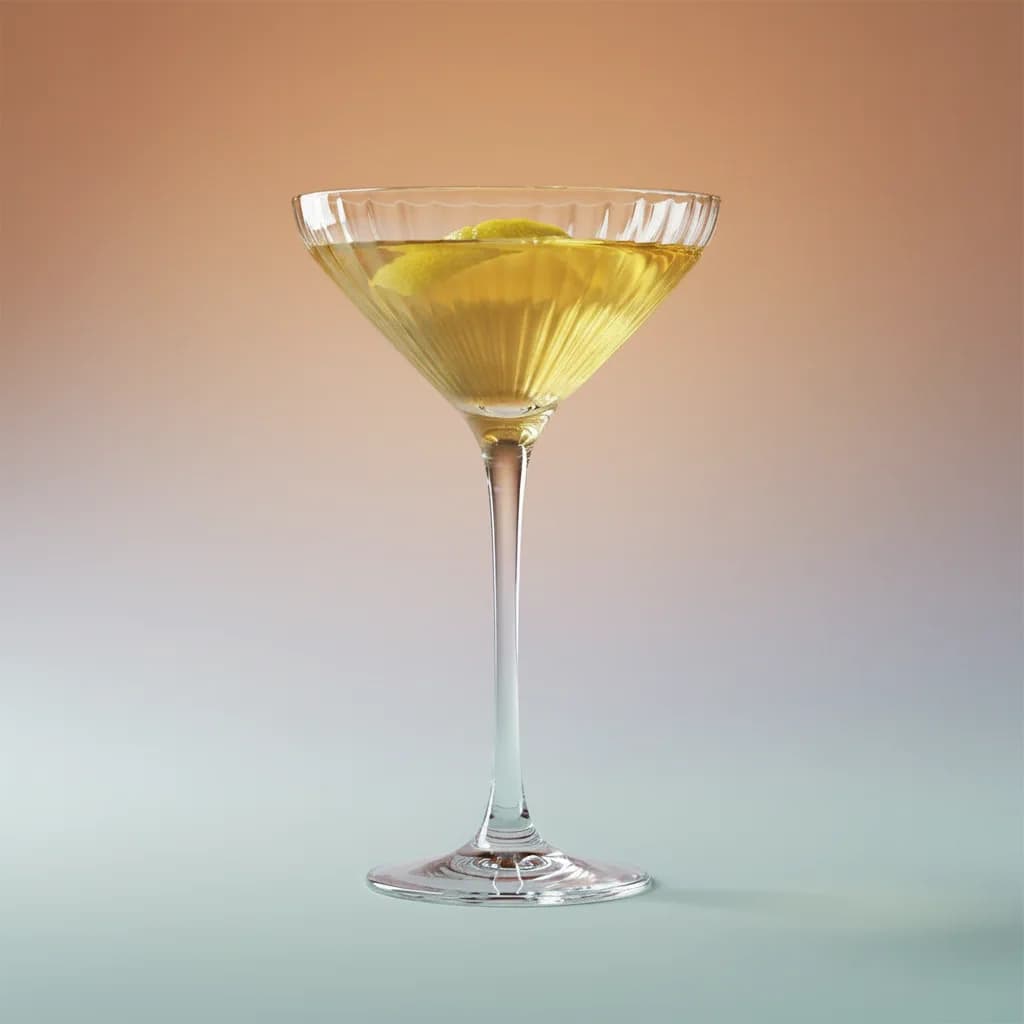
The Kangaroo is a vodka Martini variation, stirred with dry vermouth and a dash of orange bitters, then finished with an expressed lemon twist. Cold and silky on the tongue, with a bone-dry finish and a bright citrus snap that lingers after each icy sip.
Ingredients
1
Servings

Garnish

Instructions for 1 serving
- Pre-chill a glass
- Stir all ingredients with ice: Vodka 60 mlDry vermouth 15 mlOrange bitters 1 dash
- Fine strain into the chilled glass
- Express a lemon twist over the cocktail and use as garnish
Tips
- Stir for around 30 seconds over ice — enough to chill and dilute without clouding the vodka base.
History
The Kangaroo is essentially a vodka martini, first documented under that pairing on American bar menus in the mid-1930s. In 1943, Oscar Haimo, then head bartender at the Pierre Hotel in New York City, published the drink in his book Cocktail Digest under the name "Kangaroo Kicker," said to honor the Australian troops fighting alongside the Allies in World War II, a period when vodka was being pushed partly in anticipation of a wartime gin shortage. The following year, Crosby Gaige shortened the name to "Kangaroo Cocktail" in his 1944 Standard Cocktail Guide.
The name appeared again in Lucius Beebe's 1946 Stork Club Bar Book, but usage faded quickly afterward: David A. Embury's 1948 The Fine Art of Mixing Drinks lists the same vodka-and-vermouth combination simply as a "Vodka Martini," and the Kangaroo name is absent from his original edition, only surfacing in later revised editions. Some retellings claim "Kangaroo" was the original name for the vodka martini itself, but the vodka martini is documented in print roughly a decade before Haimo's "Kangaroo Kicker" appeared, so that claim is not supported by the record. By the late 1940s the nickname had largely disappeared, with the drink becoming known simply as a vodka martini or "vodkatini."
FAQ
Why is a vodka Martini called a Kangaroo?
It earned the name Kangaroo because it replaces the classic Martini's gin with vodka while keeping the same dry vermouth and stirred method, marking it as a distinct variant rather than referencing the animal itself.
What is in a Kangaroo cocktail?
Vodka and dry vermouth, stirred with ice and a dash of orange bitters, fine-strained into a chilled glass and finished with an expressed lemon twist.
Is a Kangaroo shaken or stirred?
Stirred. Vodka and vermouth are stirred over ice rather than shaken, which keeps the drink clear and silky instead of aerated and cloudy.
What glass is a Kangaroo served in?
A Martini glass, pre-chilled before the drink is strained in, since there is no ice in the finished pour to keep it cold.