Shakerato
A bitter and refreshing aperitif & bitters cocktail ∙ Shake ∙ 3 min ∙ 20.8% ABV ∙
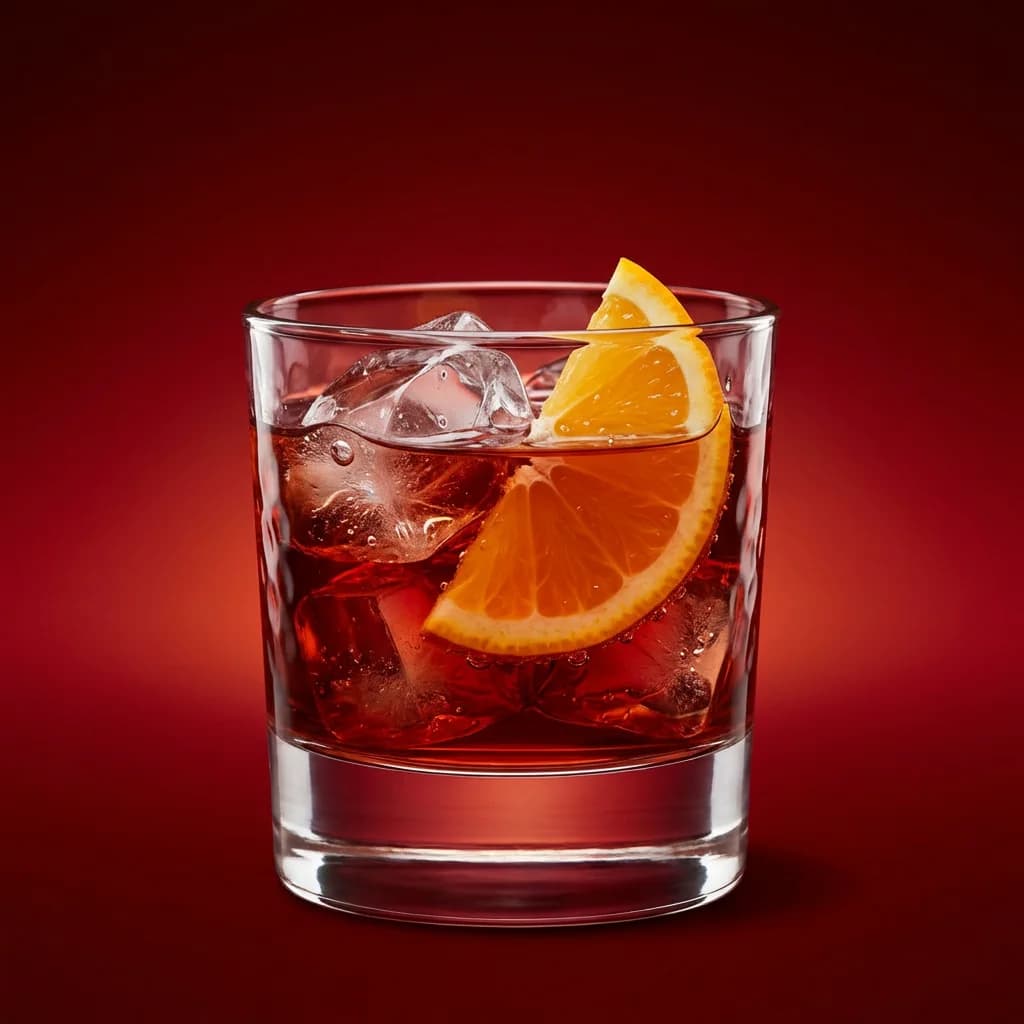
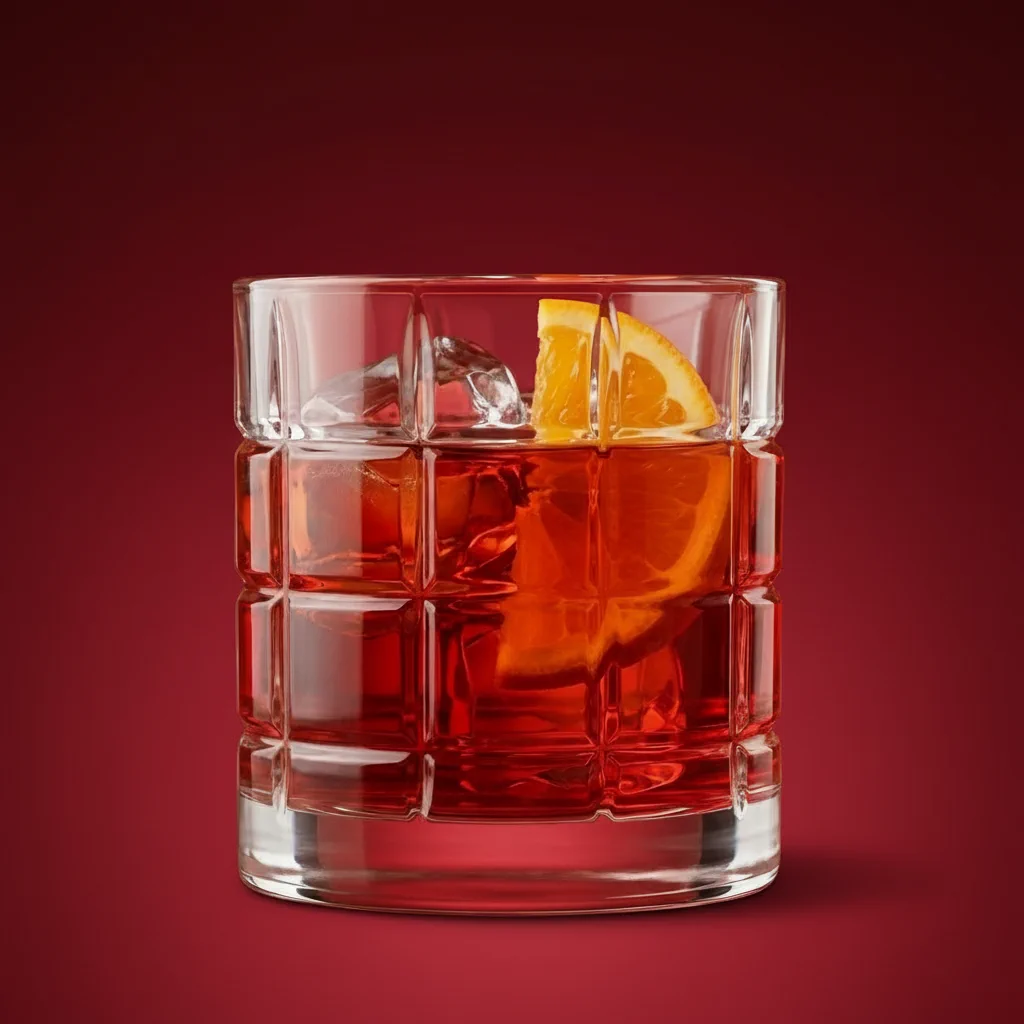
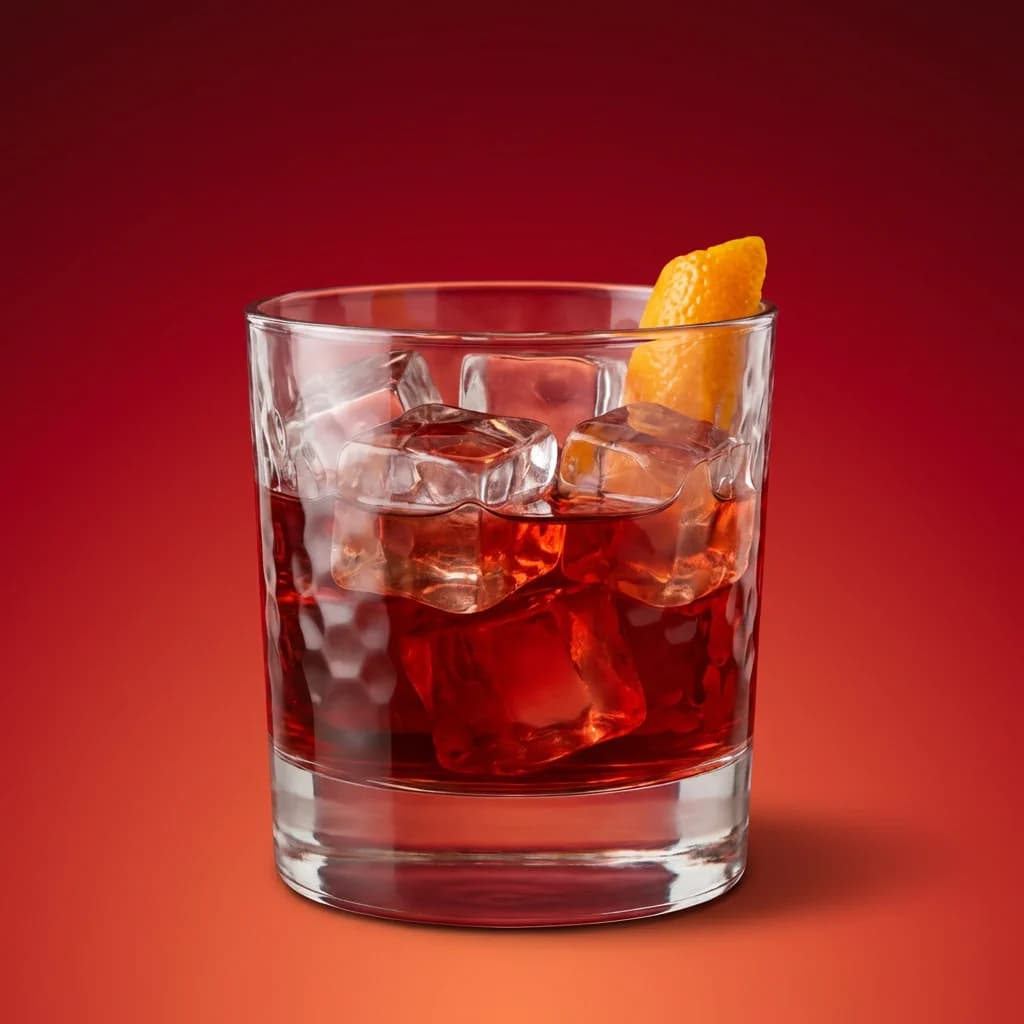
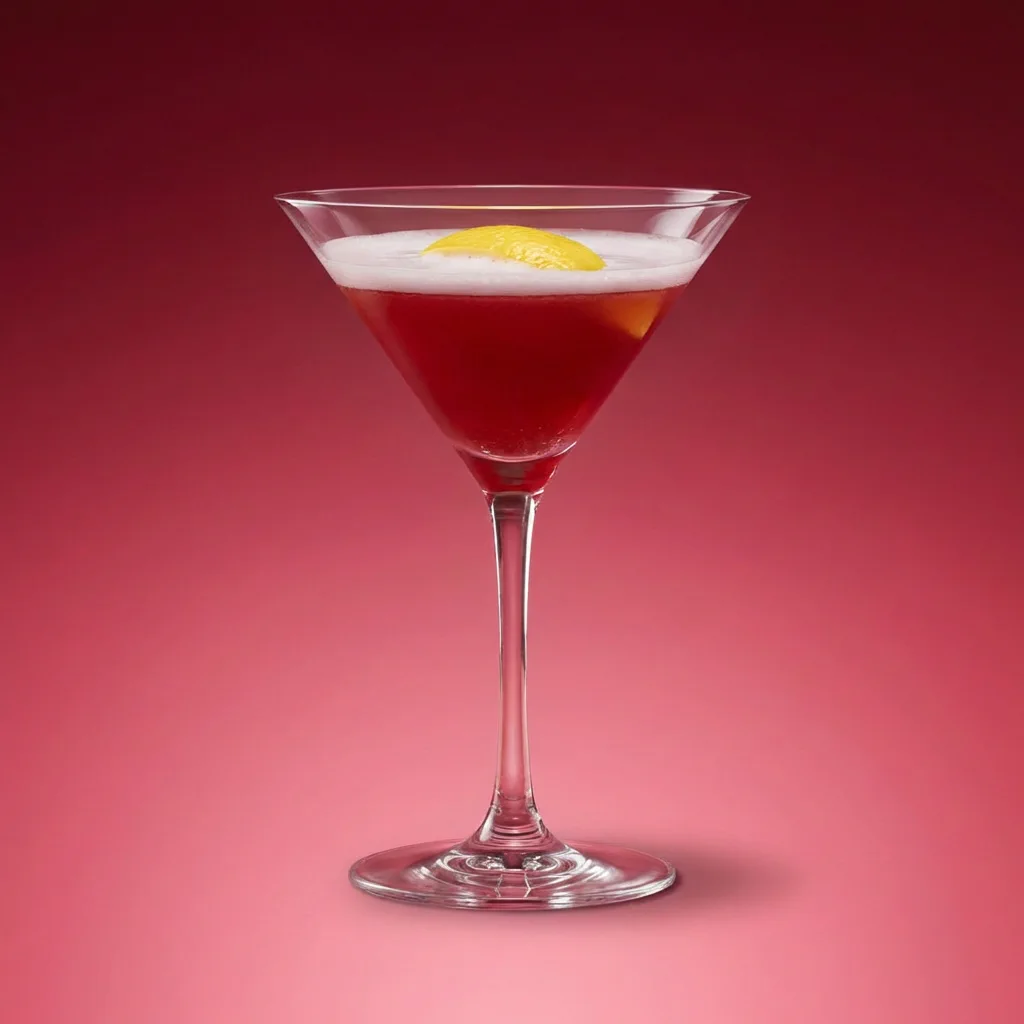
A Shakerato here is a red bitter such as Campari, shaken hard with ice and fine-strained up into a chilled glass with an orange twist. Cold and aerated, the bitter orange-and-herb edge softening under a light foam before a clean, dry finish.
Ingredients
1
Servings
Garnish

Instructions for 1 serving
- Pre-chill a glass
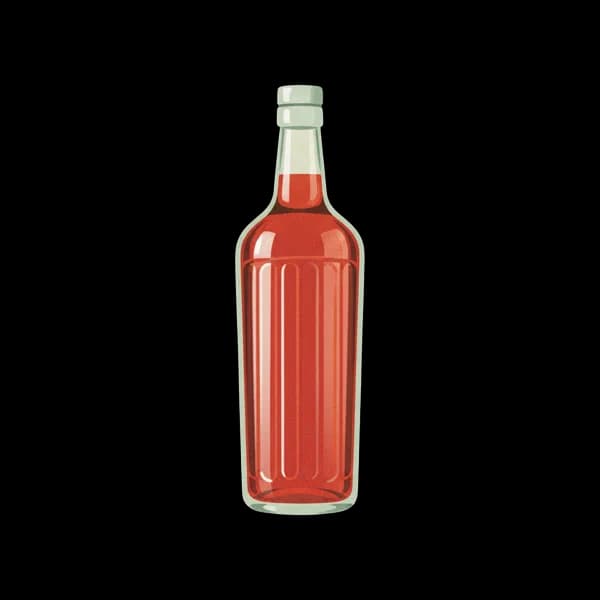
- Shake with ice: Red bitter 45 ml
- Fine strain into the chilled glass
- Express an orange twist over the cocktail and use as garnish
Tips
- Shake hard and long enough to build real foam, since there is no second ingredient to add body to the pour.
History
The Shakerato takes its name from the Italian verb shakerare, "to shake," and began as a way of serving iced coffee: the caffè shakerato, espresso vigorously shaken with ice and sometimes sugar until frothy, poured into a cocktail glass. Sources differ on when this coffee drink emerged, with some tracing it to Puglia in the 1950s and others dating its wider popularity only to the 1990s as café culture spread.
The Campari Shakerato applies the same shaking technique to Campari alone, aerating and chilling the bitter liqueur into a lighter, foam-topped drink. It is closely associated with Camparino in Galleria, the historic Campari-run bar in Milan opened by Davide Campari in 1915, where the all-Campari shaken serve became a signature offering.
FAQ
What is in a Shakerato?
This build is a single ingredient, a red bitter such as Campari, shaken hard with ice and fine-strained into a chilled glass, finished with an expressed orange twist. It comes out cold and lightly foamed with no ice in the final glass, around 21% ABV.
Is the Shakerato an Italian drink?
The name comes from Italian, where "shakerato" means "shaken," and the format is closely associated with Italian bars and cafes. The word is most often attached to caffè shakerato, a shaken iced espresso drink, though the same shaken-and-strained technique is applied to other bases, as in this bitter-forward version.
How do you pronounce Shakerato?
It is pronounced shah-keh-RAH-toh, an Italian word built from the English "shake" plus the Italian past-participle ending "-ato," literally meaning "shaken."
What is the difference between a Shakerato and a traditional iced coffee?
A traditional iced coffee is typically poured or brewed over ice and stays diluted and still in the glass. A caffè shakerato is shaken hard with ice and then strained, which whips it into a cold, lightly foamed drink served with no ice at all; this recipe applies that same shaken-and-strained method to a red bitter instead of espresso.